NephrologyTropical and travel medicineGlobal health
Severe malaria and the kidney: AKI and hemolysis



Table of contents
- Why the kidney matters in severe malaria
- What the KDIGO criteria revealed in children
- How the parasite injures the kidney
- Treatment according to the WHO guideline
- Paracetamol as a renal protector: what is known
- After discharge: the child's kidney and life
- How NEXO helps train this reasoning
- Frequently asked questions
- Take-home messages
- References
In a fictional case, a 3-year-old girl arrives at a district hospital with fever for four days, prostration and tea-colored urine. The rapid test for malaria is positive and the smear shows many ring forms of Plasmodium falciparum. The admission creatinine is 1.1 mg/dL, far from the 3 mg/dL threshold that the World Health Organization (WHO) uses to call kidney function impaired. For her age, however, this value may mean that filtration has fallen by half.
Malaria remains one of the deadliest infections in the world. In 2024, the WHO estimated malaria cases at around 282 million, with 610 thousand deaths in 80 countries (WHO, fact sheet). The WHO African Region accounted for 95 percent of deaths, and children under 5 accounted for about 75 percent of deaths in the Region (WHO, fact sheet).
This text uses WHO guidelines as its backbone and shows what more recent studies added about the kidney: acute kidney injury (AKI) is frequent, marks higher risk of death and leaves traces after discharge.
Key points
- WHO includes kidney impairment among the criteria for severe malaria when creatinine exceeds 265 µmol/L (3 mg/dL) or urea exceeds 20 mmol/L (WHO, 2025).
- In a meta-analysis of 13,528 African children, 47 percent had AKI by KDIGO criteria, and AKI increased the chance of dying in hospital by 2.87 times (Bond et al., 2026).
- The WHO threshold identified only 3.4 percent of the children and missed 93 percent of the additional AKI detected by KDIGO (Bond et al., 2026).
- Intravascular hemolysis releases free hemoglobin, which causes oxidative stress in the kidney tubule and is associated with AKI and the need for dialysis in adults (Plewes et al., 2017).
- WHO calls for individual assessment of fluids, contraindicates rapid bolus and indicates hemofiltration or hemodialysis in established kidney failure (WHO, 2025).
- In children from Uganda followed for a median of 6.5 years, AKI was associated with a 3.36 times higher risk of death, which remained high after two years (Mellencamp et al., 2026).
- Paracetamol as a kidney protector showed a favorable signal in adults, but it is still an investigational therapy (Plewes et al., 2018; Paasi et al., 2026).
Summary
- Why the kidney matters in severe malaria
- What KDIGO criteria revealed in children
- How the parasite injures the kidney
- Treatment according to WHO guidelines
- Paracetamol as a kidney protector: what is known
- After discharge: the kidney and the child's life
- How NEXO helps train this reasoning
- Frequently asked questions
- Take-home messages
Why the kidney matters in severe malaria
A disease that kills, and kills more when the kidney is impaired
WHO guidelines recall that mortality from untreated severe malaria, especially cerebral malaria, approaches 100 percent, and falls to 10 to 20 percent with effective antimalarial treatment and supportive care (WHO, 2025). The same text states that the risk of death grows when several complications occur at the same time, and the kidney is one of them.
In adults with severe falciparum malaria, metabolic acidosis and AKI are independent predictors of death across all age groups (Sriboonvorakul et al., 2018). In African children, AKI defined by KDIGO criteria was a strong risk factor for death across different periods, regions and subgroups (Bond et al., 2026).
Reading the blood gas in these patients follows the guide in the text on metabolic acidosis and anion gap.
Who is seen and where
Most deaths happen in places where creatinine is not always available and dialysis is rare. Therefore, how to recognize AKI at the bedside matters as much as treatment. Those who see travelers returning from endemic areas also need to know the topic: the diagnostic reasoning of fever in the traveler ends, in some patients, in severe malaria with kidney impairment.
Five species of Plasmodium regularly infect humans, and the most extensive hemolysis occurs in infection by P. falciparum (Katsoulis et al., 2021). AKI also appears in malaria by P. knowlesi, studied in the PACKNOW trial (Cooper et al., 2022). This text focuses on P. falciparum, which accounts for most deaths and evidence.
The guideline criterion
For epidemiological purposes, the WHO defines severe falciparum malaria by the presence of asexual parasitemia plus one or more criteria, with no other identified cause (WHO, 2025). The criteria include impaired consciousness, prostration, acidosis, severe anemia, jaundice, shock and renal impairment, with creatinine above 265 µmol/L (3 mg/dL) or urea above 20 mmol/L.
The guideline recommends measuring renal function immediately in adults with suspected severe malaria (WHO, 2025). It also notes that physicians should not worry too much about definitions: anyone who looks severely ill needs immediate parenteral treatment (WHO, 2025).
What the 2012 manual said
The WHO manual on the management of severe malaria describes renal failure as common in adults and rare in children (WHO, 2012). In the section on dehydration in children, the manual says that oliguria in young children usually indicates dehydration rather than kidney injury, which would be rare at that age (WHO, 2012).
The same manual states that the kidney injury of malaria results from acute tubular necrosis and is always reversible in survivors (WHO, 2012). These two ideas, rare in children and always reversible, are the ones that changed most with the studies of the last decade.
What the KDIGO criteria revealed in children
An AKI far more frequent than previously thought
Before the use of the KDIGO criteria, the frequency of AKI in malaria was greatly underestimated in adults and children (Katsoulis et al., 2021). The KDIGO criteria define AKI by a relative increase in creatinine compared with the baseline value, not by a fixed threshold, which changes everything in a young child with low baseline creatinine. The proposed changes to the definition and stages are in the text on what KDIGO 2026 changed in AKI.
In a cohort in Uganda of children with cerebral malaria or severe malarial anemia, AKI was present in 35.1 percent (Conroy et al., 2019). In another Ugandan cohort, of 598 children with severe malaria, the prevalence was 45.3 percent (Namazzi et al., 2022). In a trial in Uganda, half of the children with AKI developed the injury after admission, not on arrival (Conroy et al., 2016).
The 2026 meta-analysis
The individual participant data meta-analysis pooled 18 studies from 8 countries, with 13,528 children aged 3 months to 16 years and 7 percent deaths (Bond et al., 2026). AKI by the KDIGO criteria appeared in 47 percent, with 47 percent of children with AKI in stage 1, 30 percent in stage 2 and 23 percent in stage 3 (Bond et al., 2026).
The odds of death were 2.87 times higher with AKI (95 percent CI 2.28 to 3.61), and mortality rose continuously with each stage (Bond et al., 2026). The WHO criterion, creatinine above 3 mg/dL, appeared in 3.4 percent of children; all of them also had AKI by KDIGO, but the WHO threshold missed 93 percent of the additional AKI cases (Bond et al., 2026).
The problem of baseline creatinine
To use KDIGO, one must know what that child's normal creatinine would be, and there is almost never a previous test. A study in Uganda compared six methods of estimating baseline creatinine in children with severe malaria and in healthy children from the community (Batte et al., 2020). The age-based Pottel equation was the most accurate method, with less bias than the height-based Schwartz equation (Batte et al., 2020).
Depending on the method, the prevalence of AKI ranged from 15.6 to 43.4 percent, but in all of them mortality rose with each stage (Batte et al., 2020). The 2026 meta-analysis showed that simple age-based creatinine thresholds, easy to use at the bedside, performed similarly to full KDIGO for predicting death (Bond et al., 2026). In hospitals with electronic records, automatic alerts and AKI prediction models are another route to early recognition, with the thresholds discussed in the text on AI in nephrology.
This question recalls the logic of pretest probability: the same creatinine number has different meanings depending on the patient's age and size.
How the parasite injures the kidney
Sequestration, obstruction and inflammation
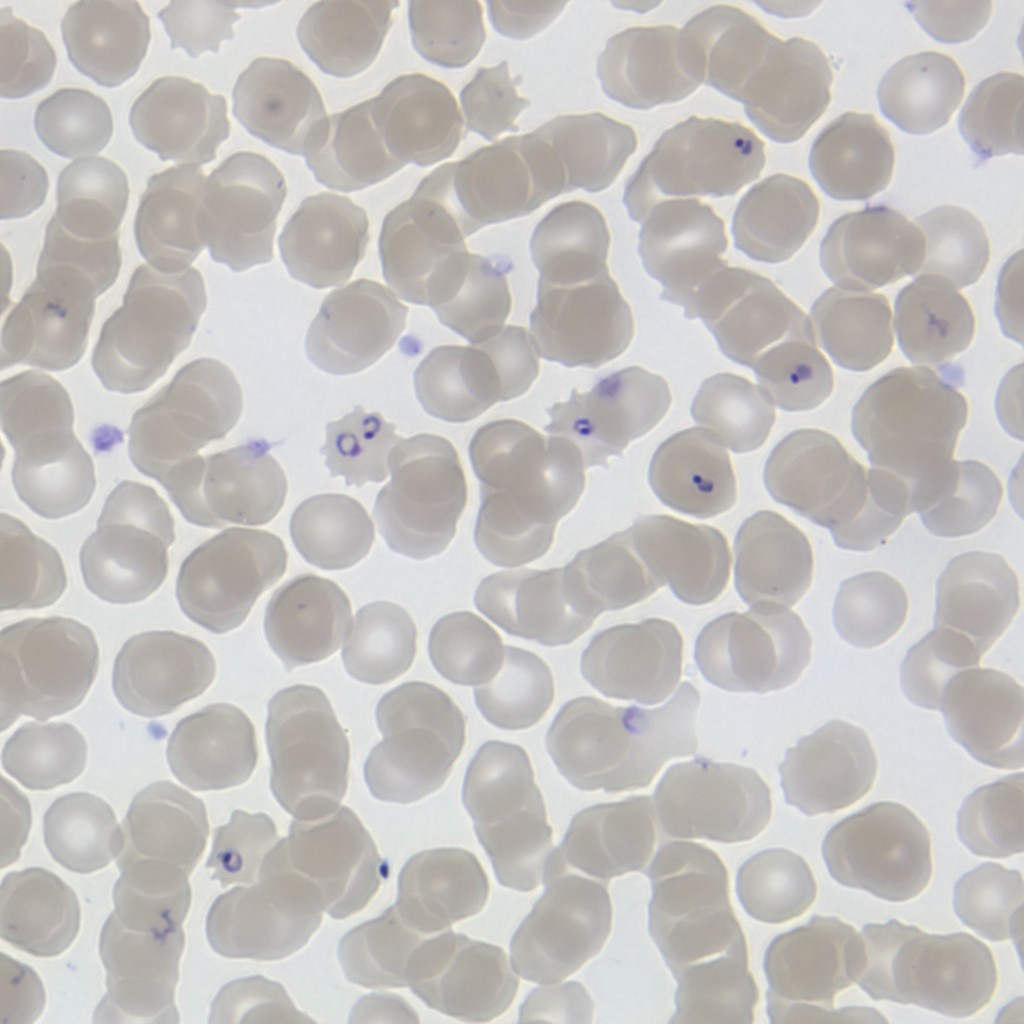
The review by Katsoulis and colleagues summarizes the mechanisms of AKI in severe malaria: sequestration of parasitized red blood cells in the microcirculation, microvascular obstruction, hemolysis and inflammation (Katsoulis et al., 2021). Markers of endothelial activation and of microvascular obstruction were associated with AKI in both children and adults with severe malaria (Katsoulis et al., 2021).
In the 2019 Ugandan cohort, the presentation of AKI was consistent with prerenal azotemia, and lactate dehydrogenase, a marker of intravascular hemolysis, was an independent risk factor for AKI (Conroy et al., 2019). This suggests that the injury often begins with hypoperfusion and hemolysis, before it becomes structural.
Free hemoglobin and oxidative stress
In Bangladesh, 58 percent of adults with severe malaria already had AKI on admission (Plewes et al., 2017). Patients with AKI had more free hemoglobin in plasma and more markers of lipid peroxidation, and these markers were associated with a later need for hemodialysis (Plewes et al., 2017).
The proposed mechanism is known from other hemolytic conditions. After haptoglobin is depleted, free hemoglobin causes oxidative damage to the renal tubule and generates isoprostanes, which are potent renal vasoconstrictors (Plewes et al., 2018). The same logic appears in the text on hemolytic transfusion reaction, in which free hemoglobin also threatens the kidney.
Blackwater fever: dark urine
The WHO lists dark or bloody urine among the severe symptoms of malaria that require emergency care (WHO, fact sheet). The 2012 manual describes hemoglobinuria as uncommon in malaria and, in adults, associated with anemia and renal impairment (WHO, 2012).
In a cohort of 999 Ugandan children with acute febrile illness, 8.2 percent had a history of tea-colored urine, and this history was associated with a 2.18 times higher chance of AKI (Conroy et al., 2022). Severe AKI, and not dark urine itself, was associated with a higher risk of death in hospital (Conroy et al., 2022).
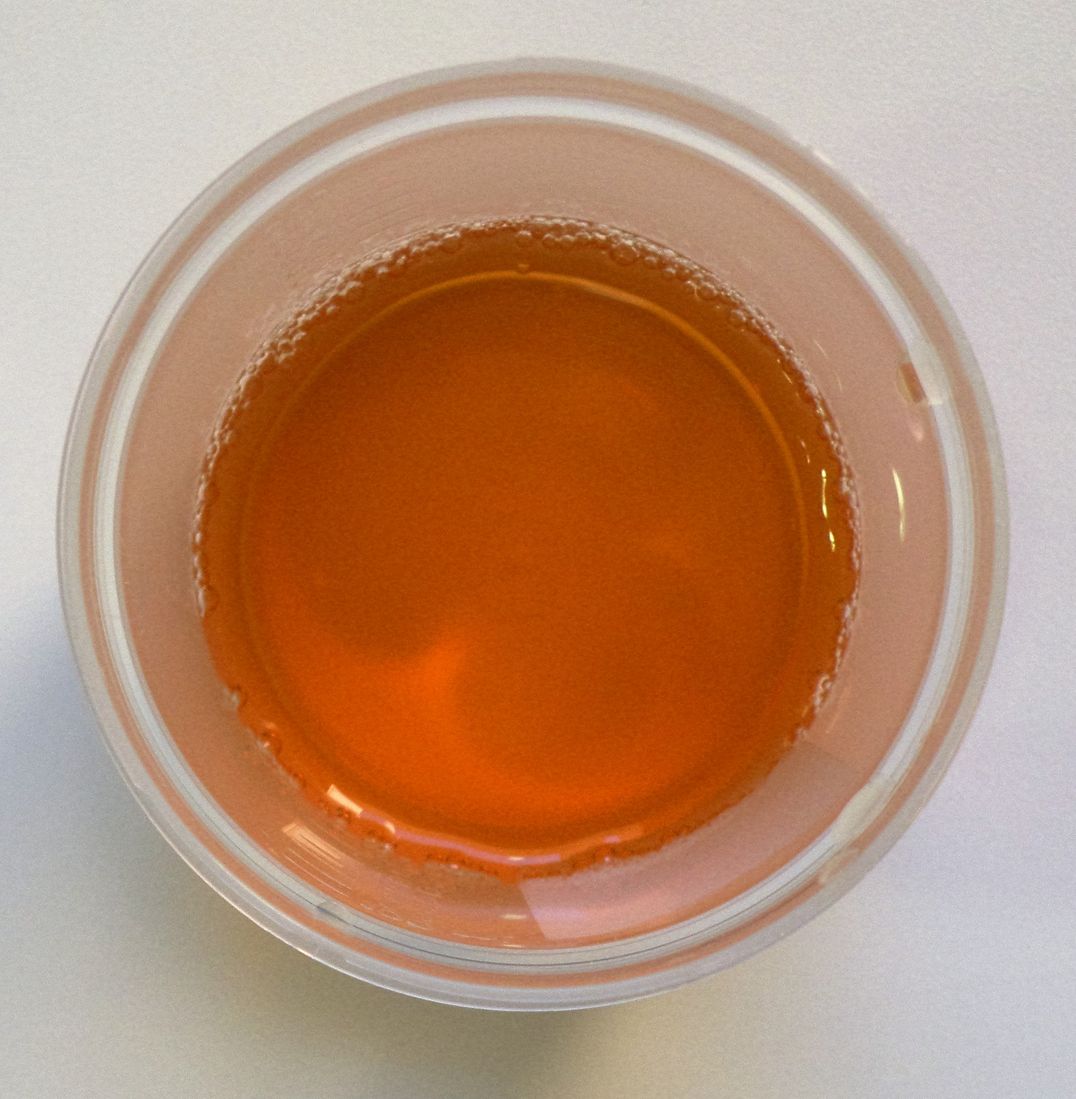
Urine color is a cheap clue that the family can report, along with the time of the last urination and recent use of oxidizing medicines. The WHO manual notes that people with G6PD deficiency can have hemolysis and hemoglobinuria triggered by primaquine or other oxidizing medicines, even without malaria (WHO, 2012). In children, another cause of dark urine with AKI is hemolytic uremic syndrome, which enters the differential diagnosis when the malaria test is negative.
Treatment according to the WHO guideline
The antimalarial first
The WHO guideline recommends intravenous or intramuscular artesunate for at least 24 hours, followed by three days of an oral artemisinin combination treatment (WHO, 2025). Children weighing less than 20 kg should receive a higher amount of artesunate per kilogram than older children and adults (WHO, 2025).
In the AQUAMAT trial, with 5425 African children, mortality was 8.5 percent with artesunate and 10.9 percent with quinine, a relative reduction of 22.5 percent (Dondorp et al., 2010).
Adjustment in renal dysfunction
The guideline states that artemisinin derivatives need no adjustment in organ dysfunction (WHO, 2025). Quinine, by contrast, accumulates in severe dysfunction: if AKI persists or there is no improvement within 48 hours, the amount should be reduced by one third (WHO, 2025). Adjustment is unnecessary in those already on hemodialysis or hemofiltration, according to the same guideline.
The general principles of medicine adjustment in AKI, such as avoiding nephrotoxins, are in the text on kidney injury from medicines.
Fluids: the fine line
The WHO asks that the need for fluids be assessed case by case, because adults with severe malaria are very vulnerable to volume overload, while children tend to arrive dehydrated (WHO, 2025). Rapid bolus infusion of colloids or crystalloids is contraindicated (WHO, 2025).
In adults, the guideline describes a very fine line between hyperhydration, which leads to pulmonary edema, and hypohydration, which worsens shock, acidosis and renal impairment (WHO, 2025). The recommendation is to frequently reassess jugular venous pressure, peripheral perfusion, skin turgor and urine output. Recognizing the child who is deteriorating, discussed in the text on pediatric warning scores, helps decide when to reassess.
In children, the 2012 manual advises suspecting AKI when urine output remains below 1 ml/kg per hour after careful rehydration (WHO, 2012).
Management of AKI
The WHO table for complications of severe malaria says to rule out prerenal causes, check fluid balance and urinary sodium and, in established renal failure, start hemofiltration or hemodialysis, or peritoneal dialysis if neither is available (WHO, 2025).
The guideline adds that, if available, hemofiltration should start early in AKI or severe metabolic acidosis that do not respond to rehydration (WHO, 2025).
Dialysis: what to choose when there is an option
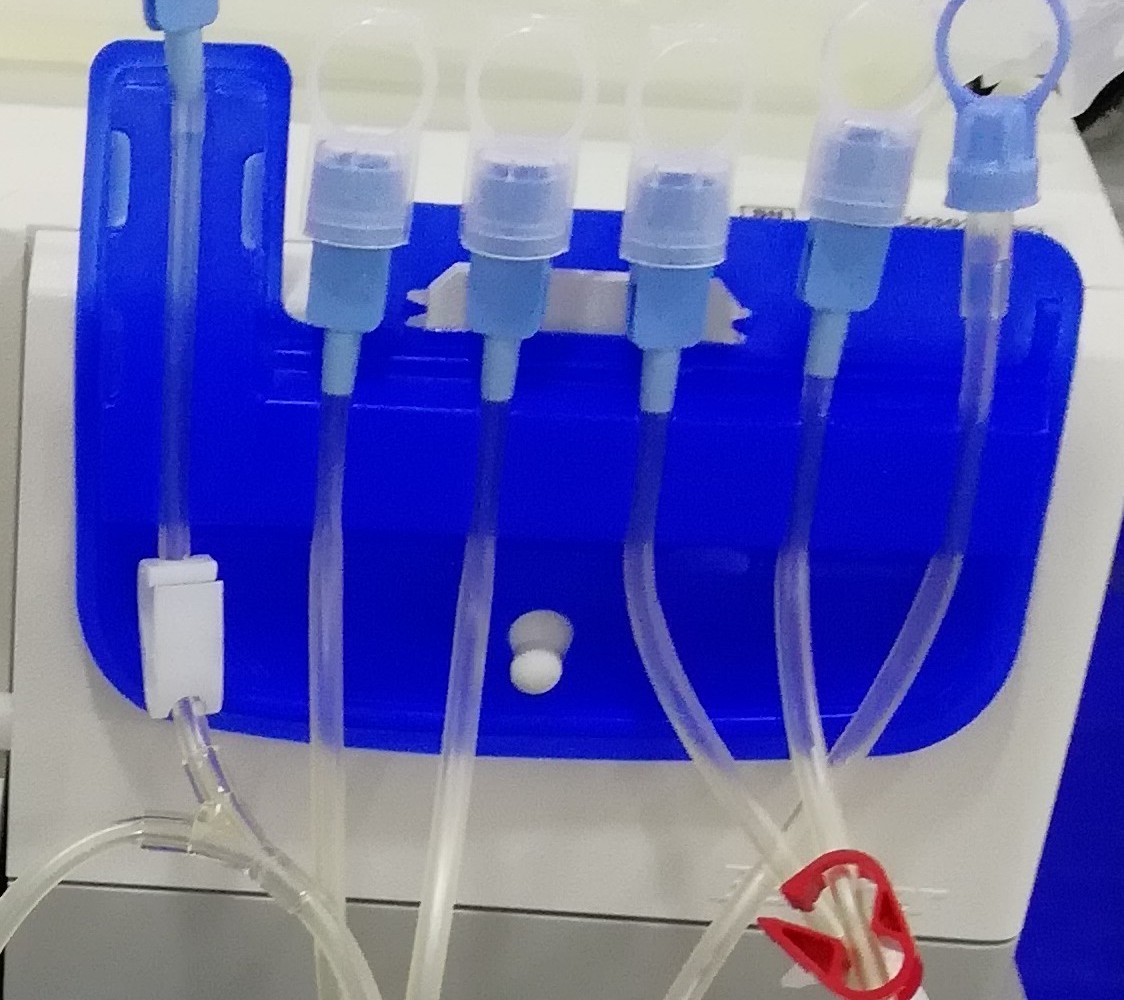
The 2012 WHO manual states that hemofiltration is more efficient and is associated with significantly lower mortality than peritoneal dialysis (WHO, 2012). The manual recommends that renal replacement therapy be performed at a center with experience and that the patient be transferred to a dialysis unit whenever possible (WHO, 2012).
Peritoneal dialysis remains useful in places where it is the only option. Therapy should start sooner rather than later, especially in fulminant disease, according to the same manual (WHO, 2012).
When dialysis is lacking
In severe malaria AKI, mortality is about 75 percent without renal replacement therapy and 26 percent with it, according to data cited by Plewes and colleagues (Plewes et al., 2018). The same authors recall that this therapy is often lacking in endemic areas. Access to dialysis depends on the transfer network, as in the text on chronic diseases in disasters.
| Point | WHO guideline (2025) and manual (2012) | Evidence with KDIGO criteria |
|---|---|---|
| Definition of renal impairment | Creatinine above 3 mg/dL or urea above 20 mmol/L | Relative increase in creatinine over baseline; age-specific limits work at the bedside |
| Frequency in children | Rare, according to the 2012 manual | Between 35 and 47 percent in African cohorts |
| Prognosis | Renal impairment is a severity criterion | Chance of death 2.87 times higher, increasing by stage |
| Reversibility | Always reversible in survivors, according to the 2012 manual | Persistent kidney disease in 15.6 percent at one month and high mortality after discharge |
| Management | Individualized fluids, no rapid bolus; hemofiltration or hemodialysis | Renal protectors such as paracetamol under investigation |
The sources for the table are the WHO guideline (WHO, 2025), the 2012 manual (WHO, 2012) and the studies with KDIGO criteria (Bond et al., 2026; Conroy et al., 2019; Namazzi et al., 2022).
Paracetamol as a renal protector: what is known
The trial in adults
In Bangladesh, an open-label trial randomized 62 patients over 12 years old with severe or moderately severe falciparum malaria to receive paracetamol every 6 hours for 72 hours or no paracetamol, in addition to artesunate (Plewes et al., 2018). Creatinine fell 23 percent in the paracetamol group and 14 percent in the control group (Plewes et al., 2018).
In patients with more free hemoglobin in plasma, the drop was 37 percent with paracetamol and 14 percent without it (Plewes et al., 2018). The authors called the study a proof of principle and asked for a larger trial in African children.
Knowlesi malaria and children
In the PACKNOW trial, with 396 patients with P. knowlesi malaria in Malaysia, paracetamol did not improve creatinine in the whole group (Cooper et al., 2022). In patients with AKI and hemolysis, creatinine fell 34.5 percent with paracetamol and 25.9 percent without it (Cooper et al., 2022).
In Uganda, a phase I/II trial with 40 children with malaria-associated AKI compared paracetamol with a warm bath and found the drug safe, but without significant improvement in kidney recovery at 48 hours (Paasi et al., 2026). In the Namazzi cohort, paracetamol use during admission was associated with less persistent kidney disease, an observational finding that does not prove cause (Namazzi et al., 2022).
How to read this body of evidence
The signal is biologically plausible and stronger when there is intense hemolysis. The trials are still small, open-label or early phase, and the WHO guideline does not include paracetamol as a kidney protectant. For now, paracetamol in severe malaria remains indicated for fever and pain, and its use to protect the kidney belongs to clinical trials.
After discharge: the child's kidney and life
Persistent kidney disease and mortality
In the Namazzi cohort, 21.5 percent of children still had unresolved AKI at 24 hours, and in-hospital mortality rose from 1.8 percent without AKI to 26.5 percent in stage 3 (Namazzi et al., 2022). One month later, 15.6 percent had persistent acute kidney disease, and the risk factors included severe or unresolved AKI and blackwater fever (Namazzi et al., 2022).
Children with persistent kidney disease after AKI had post-discharge mortality of 17.5 percent, versus 3.7 percent in the others (Namazzi et al., 2022). This finding contradicts the idea that malaria kidney injury is always benign in survivors.
Cognition and chronic kidney disease
In the Conroy cohort, in-hospital mortality was 11.9 percent with AKI and 4.2 percent without AKI, and post-discharge mortality was 4.7 and 1.3 percent (Conroy et al., 2019). One week after discharge, 37.3 percent of children with AKI had neurocognitive impairment, versus 13.5 percent of the others (Conroy et al., 2019). At one year, 7.6 percent of children with AKI had chronic kidney disease, versus 2.8 percent of those who did not have AKI (Conroy et al., 2019).
Six and a half years later
The longest follow-up study enrolled 1077 Ugandan children, of whom 40.0 percent had AKI by KDIGO criteria (Mellencamp et al., 2026). At a median of 6.5 years, 13.6 percent of the children had died, and almost half of the deaths occurred after discharge (Mellencamp et al., 2026).
AKI was associated with a 3.36 times higher risk of death, and the risk remained raised more than two years after the episode, with a hazard ratio of 4.53 (Mellencamp et al., 2026). The chance of chronic kidney disease was higher in AKI survivors, but the difference lost significance after adjustment (Mellencamp et al., 2026). The authors describe AKI as a sentinel event, which marks a lasting vulnerability.
What to do in follow-up
Guidelines do not yet define a kidney follow-up pathway after severe malaria. Based on the studies above, a reasonable approach includes:
- recording AKI and its stage in the discharge summary;
- repeating creatinine and urinalysis in the following weeks when there was AKI;
- measuring blood pressure and albuminuria in follow-up, as in KDIGO 2024 CKD staging;
- assessing the child's development and school performance;
- ensuring the information reaches primary care, the fragile link described in the text about gaps in the discharge transition.
When kidney function does not return to normal, care follows the guidance for CKD in children.
Back to the case
The girl from the opening has severe malaria due to prostration and, very likely, AKI by KDIGO criteria, even with creatinine below the WHO threshold. Tea-colored urine suggests intravascular hemolysis, a risk factor for AKI and for persistent kidney disease (Conroy et al., 2022; Namazzi et al., 2022).
Treatment follows the guideline: parenteral artesunate at the per-kilogram amount indicated for under 20 kg, fluids assessed case by case, without a rapid bolus, and monitoring of urine output (WHO, 2025). If the child remains oliguric after rehydration and creatinine rises, transfer to a center with dialysis should be discussed early. After discharge, creatinine should be repeated and the case reported to the team that will follow up.
How NEXO helps train this reasoning
In NEXO, the case of the day is fictional, with a real clinical presentation and up to six progressive clues, and you propose the diagnosis by looking for the code in ICD-10. Recognizing AKI hidden behind a "normal" creatinine requires the same exercise: weigh each new clue and revise the hypothesis, as in training differential diagnosis with clues.
The limits of using the game are described on the NEXO Economy page. If you research teaching of clinical reasoning, the page for Researchers explains how to get in touch. Professionals who write or review cases find information in Curator and in Creators, and institutions can learn about the proposal on the partnerships page. Finding the right ICD-10 code completes this training.
Frequently asked questions
Which creatinine defines kidney impairment in severe malaria according to WHO?
The WHO guideline uses creatinine above 265 µmol/L (3 mg/dL) or urea above 20 mmol/L (WHO, 2025). In children, this threshold identifies only a small portion of the AKI defined by KDIGO (Bond et al., 2026).
Is AKI rare in children with malaria?
The 2012 WHO manual described it as rare (WHO, 2012). With the KDIGO criteria, it appears in almost half of African children hospitalized with malaria (Bond et al., 2026).
Does artesunate need adjustment in kidney failure?
Artemisinin derivatives need no adjustment in organ dysfunction, according to WHO (WHO, 2025). Quinine is reduced by one third if AKI persists or there is no improvement within 48 hours.
Can I give fluid boluses in severe malaria?
The WHO guideline contraindicates rapid bolus infusion of colloids or crystalloids and calls for individual assessment (WHO, 2025). Adults are very vulnerable to volume overload.
Does the kidney return to normal after severe malaria?
It often does, but some children keep kidney disease one month later and have higher mortality after discharge (Namazzi et al., 2022). The risk of death remains high for years after an AKI episode (Mellencamp et al., 2026).
Take-home messages
- Measure kidney function on admission for every patient with severe malaria, as WHO asks for adults (WHO, 2025).
- In children, interpret creatinine by age, because the 3 mg/dL threshold lets most AKI cases pass (Bond et al., 2026).
- Ask about dark urine, a clue to hemolysis associated with AKI (Conroy et al., 2022).
- Start parenteral artesunate without waiting for creatinine, since it needs no kidney adjustment (WHO, 2025).
- Assess fluids case by case and avoid a rapid bolus (WHO, 2025).
- Discuss hemofiltration or hemodialysis early when AKI does not respond to rehydration (WHO, 2025).
- Follow the child's kidney and development after discharge (Mellencamp et al., 2026; Conroy et al., 2019).
Milestone inventory
- 2010: the AQUAMAT trial shows lower mortality with artesunate than with quinine in African children (Dondorp et al., 2010).
- 2012: WHO publishes the 3rd edition of the manual on management of severe malaria (WHO, 2012).
- 2017: free hemoglobin and lipid peroxidation are associated with AKI and dialysis in adults (Plewes et al., 2017).
- 2018: a trial in Bangladesh shows kidney protection with paracetamol in adults (Plewes et al., 2018).
- 2019: childhood AKI is associated with chronic kidney disease and cognitive impairment (Conroy et al., 2019).
- 2022: the PACKNOW trial tests paracetamol in knowlesi malaria (Cooper et al., 2022).
- 2025: WHO updates its malaria guidelines (WHO, 2025).
- 2026: a meta-analysis with 13,528 children and a 6.5-year follow-up change the reading of AKI in malaria (Bond et al., 2026; Mellencamp et al., 2026).
References
- World Health Organization. WHO guidelines for malaria. Geneva: WHO; Aug 13, 2025. Full text.
- World Health Organization. Management of severe malaria: a practical handbook. 3rd ed. Geneva: WHO; 2012. Full text.
- World Health Organization. Malaria. Fact sheet. Full text.
- Bond C, Batte A, Afolayan F, et al. Identification of acute kidney injury in African children hospitalized with malaria: a multinational individual participant data meta-analysis. BMC Med. 2026;24(1):572. PMID 42482088. DOI 10.1186/s12916-026-05072-8.
- Mellencamp KA, Namazzi R, Batte A, et al. Long-term mortality and risk of chronic kidney disease in children following severe malaria complicated by acute kidney injury: a prospective observational study. Lancet Glob Health. 2026;14(10):103984. PMID 42575118. DOI 10.1016/j.langlo.2026.103984.
- Conroy AL, Opoka RO, Bangirana P, et al. Acute kidney injury is associated with impaired cognition and chronic kidney disease in a prospective cohort of children with severe malaria. BMC Med. 2019;17(1):98. PMID 31109328. DOI 10.1186/s12916-019-1332-7.
- Conroy AL, Hawkes M, Elphinstone RE, et al. Acute Kidney Injury Is Common in Pediatric Severe Malaria and Is Associated With Increased Mortality. Open Forum Infect Dis. 2016;3(2):ofw046. PMID 27186577. DOI 10.1093/ofid/ofw046.
- Conroy AL, Hawkes MT, Leligdowicz A, et al. Blackwater fever and acute kidney injury in children hospitalized with an acute febrile illness: pathophysiology and prognostic significance. BMC Med. 2022;20(1):221. PMID 35773743. DOI 10.1186/s12916-022-02410-4.
- Namazzi R, Batte A, Opoka RO, et al. Acute kidney injury, persistent kidney disease, and post-discharge morbidity and mortality in severe malaria in children: A prospective cohort study. EClinicalMedicine. 2022;44:101292. PMID 35198918. DOI 10.1016/j.eclinm.2022.101292.
- Batte A, Starr MC, Schwaderer AL, et al. Methods to estimate baseline creatinine and define acute kidney injury in lean Ugandan children with severe malaria: a prospective cohort study. BMC Nephrol. 2020;21(1):417. PMID 32993548. DOI 10.1186/s12882-020-02076-1.
- Sriboonvorakul N, Ghose A, Hassan MMU, et al. Acidosis and acute kidney injury in severe malaria. Malar J. 2018;17(1):128. PMID 29566677. DOI 10.1186/s12936-018-2274-9.
- Plewes K, Kingston HWF, Ghose A, et al. Cell-free hemoglobin mediated oxidative stress is associated with acute kidney injury and renal replacement therapy in severe falciparum malaria: an observational study. BMC Infect Dis. 2017;17(1):313. PMID 28449641. DOI 10.1186/s12879-017-2373-1.
- Plewes K, Kingston HWF, Ghose A, et al. Acetaminophen as a Renoprotective Adjunctive Treatment in Patients With Severe and Moderately Severe Falciparum Malaria: A Randomized, Controlled, Open-Label Trial. Clin Infect Dis. 2018;67(7):991-999. PMID 29538635. DOI 10.1093/cid/ciy213.
- Cooper DJ, Grigg MJ, Plewes K, et al. The Effect of Regularly Dosed Acetaminophen vs No Acetaminophen on Renal Function in Plasmodium knowlesi Malaria (PACKNOW): A Randomized, Controlled Trial. Clin Infect Dis. 2022;75(8):1379-1388. PMID 35180298. DOI 10.1093/cid/ciac152.
- Paasi G, Namayanja C, Ongodia P, et al. A phase I/II randomized controlled clinical trial to assess the feasibility, safety, and preliminary effectiveness of paracetamol in resolving acute kidney injury in children with severe malaria. Trials. 2026;27(1):112. PMID 41507938. DOI 10.1186/s13063-026-09432-w.
- Katsoulis O, Georgiadou A, Cunnington AJ. Immunopathology of Acute Kidney Injury in Severe Malaria. Front Immunol. 2021;12:651739. PMID 33968051. DOI 10.3389/fimmu.2021.651739.
- Dondorp AM, Fanello CI, Hendriksen IC, et al. Artesunate versus quinine in the treatment of severe falciparum malaria in African children (AQUAMAT): an open-label, randomised trial. Lancet. 2010;376(9753):1647-1657. PMID 21062666. DOI 10.1016/S0140-6736(10)61924-1.