Daily case
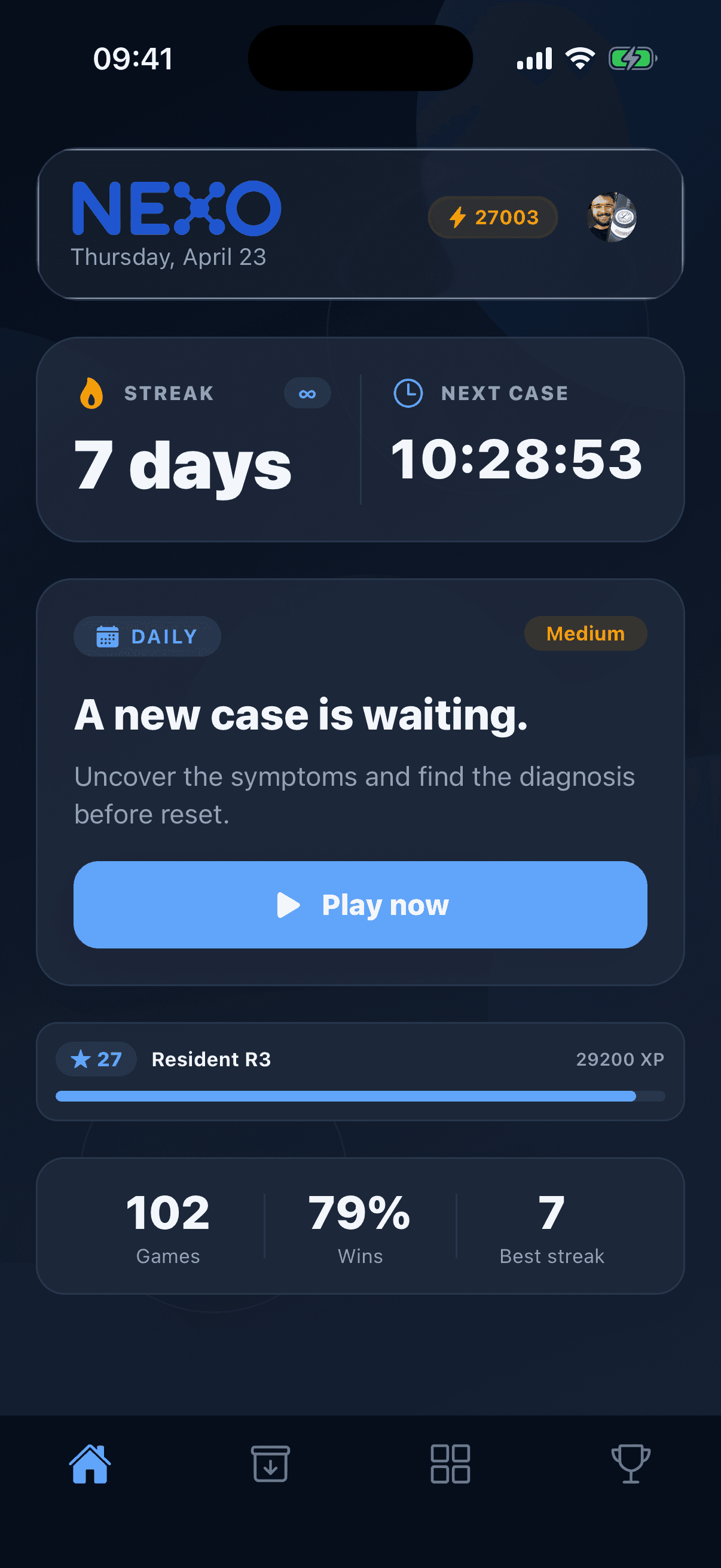
The same case for everyone. Refreshed at midnight.
Up to 6 clues · many specialties
Train diagnostic reasoning in 5 minutes.
How many clues do you need to crack today's case?
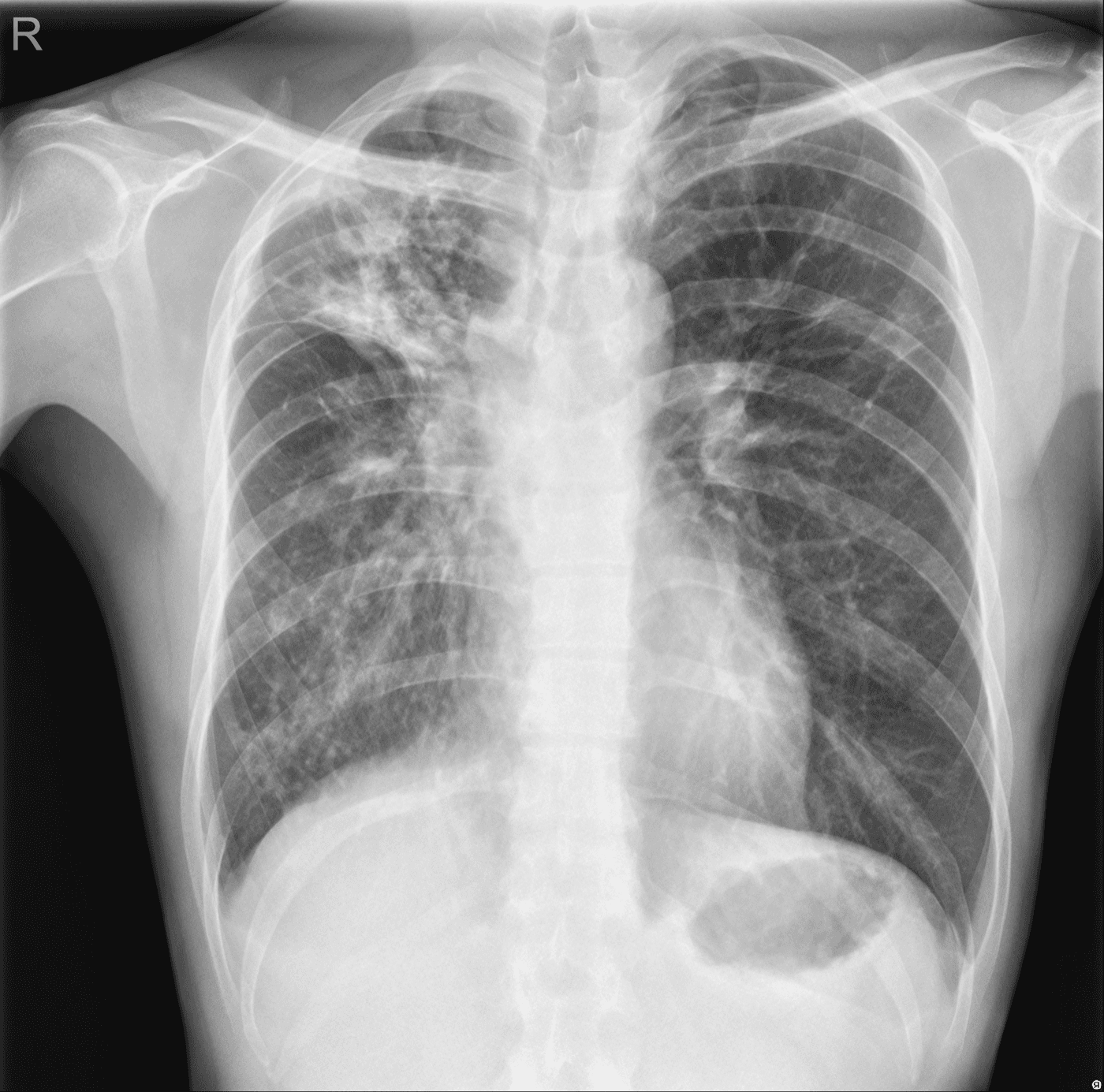
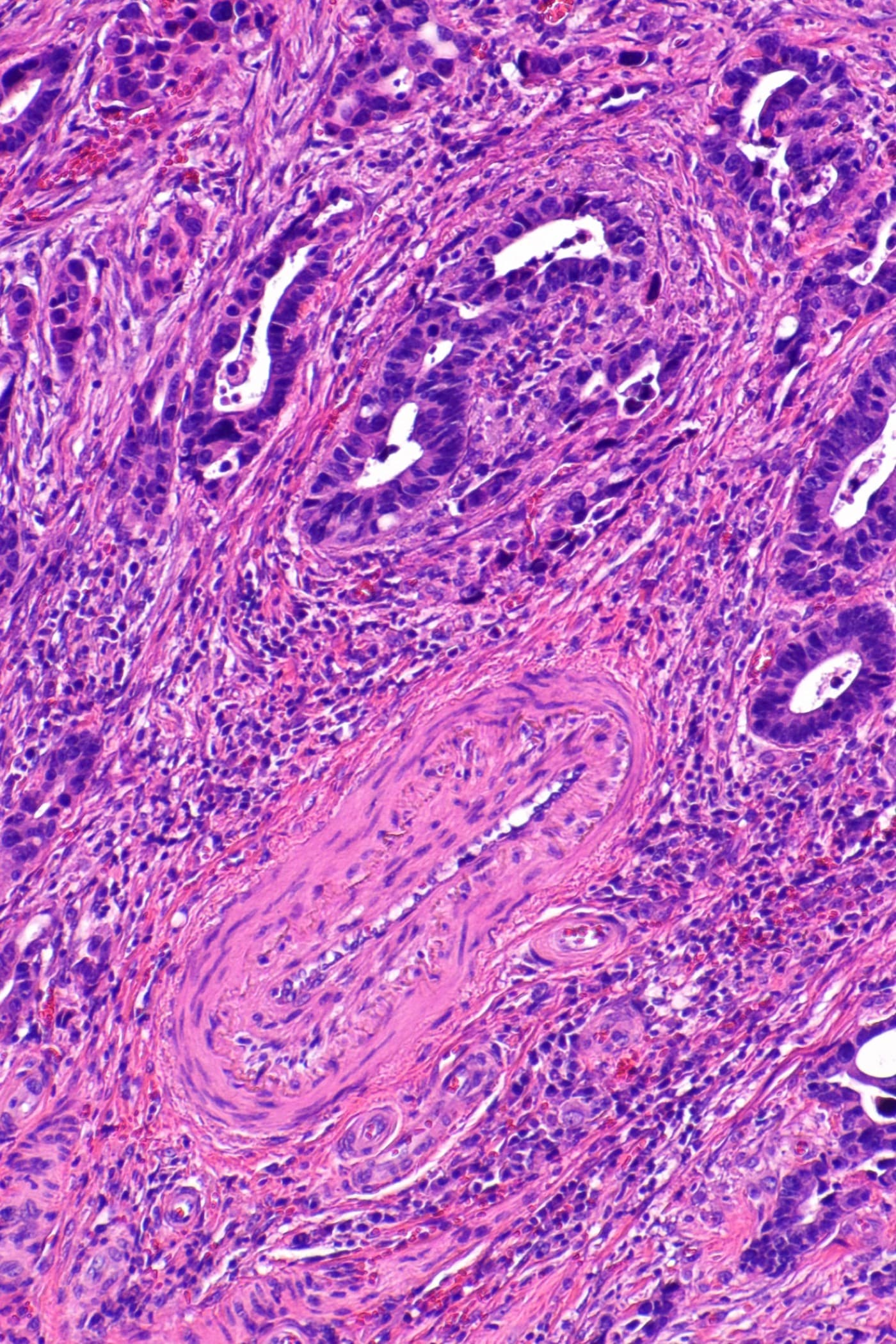
NEXO is a daily medical diagnosis game for doctors and medical students. Each day, a new fictional clinical case is published with up to 6 progressive clues. Players search for ICD-10 codes and receive proximity feedback across 5 levels: exact ICD, same category, same group, same chapter, or different chapter. Beyond the daily case, NEXO offers a Continents mode (cases organized by regional epidemiology across Africa, Americas, Asia, Europe, and Oceania) and a Multimedia mode (cases with clinical imaging and auscultation, including X-ray, CT, MRI, ultrasound, ECG, upper endoscopy, colonoscopy, dermatoscopy, fundoscopy, physical exam, histopathology, blood smear, karyotype, PET/CT, otoscopy, mammography, colposcopy, and cardiac and respiratory audio). In all, NEXO has hundreds of fictional clinical cases across many medical specialties, available in 6 languages (Portuguese, English, Spanish, French, German, and Russian). The goal is to train diagnostic reasoning in 5 minutes a day, with a global leaderboard, achievements, and daily streaks.
How it works
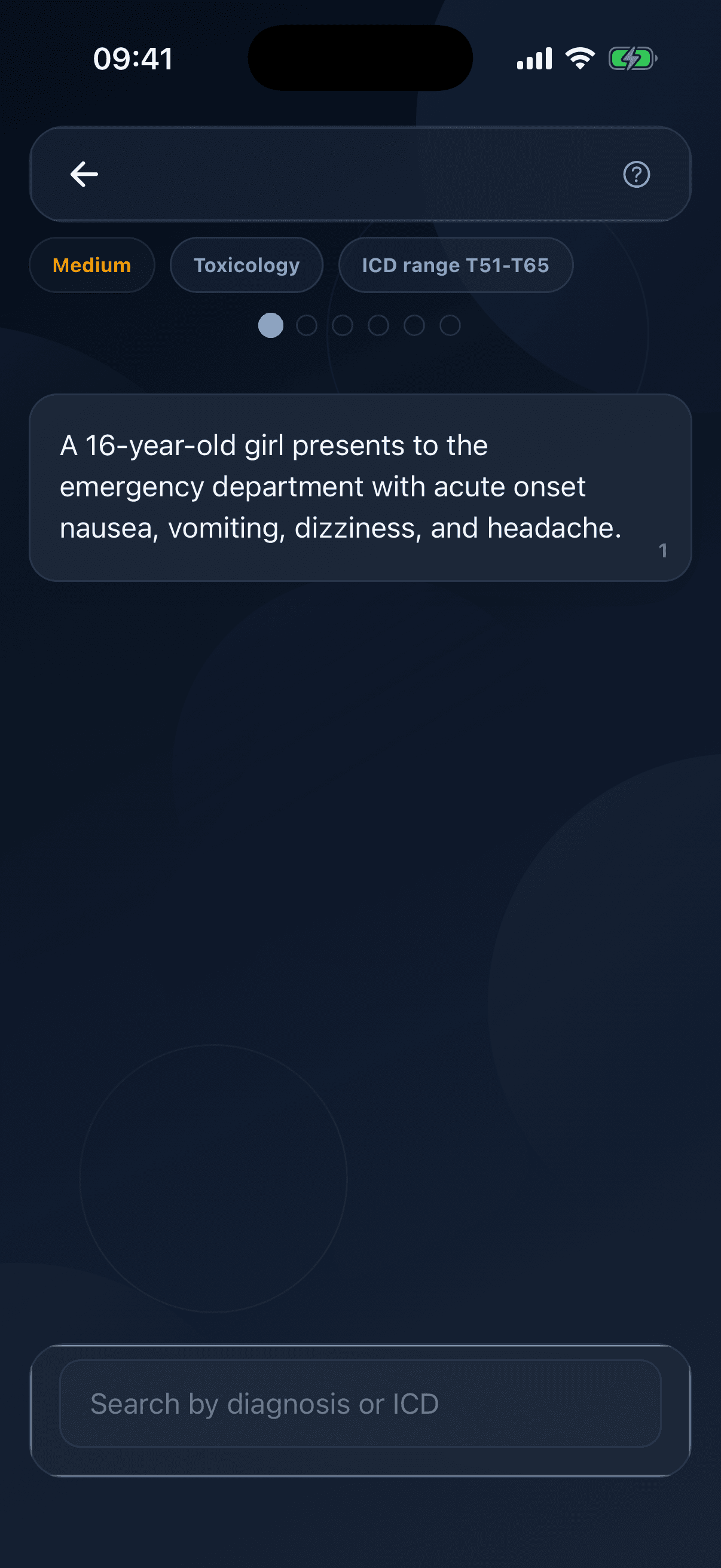
Six progressive clues. The first is visible; reveal the rest only if you need them. Fewer clues, more points.
Case #247
67-year-old male patient.
Crushing chest pain for the past 2 hours, radiating to the left arm.
Associated cold sweat and dyspnea.
Your attempt
Each attempt shows how close you are to the correct diagnosis. ICD-10 helps guide your choices.
Collect your wins, stack synapses, climb the leaderboard, and challenge your peers.
NEXO #247 | Cardiology
3/6 clues
nexo.wiki.br
Game modes
One new case every day for every player. Cases by regional epidemiology. Cases with clinical imaging and auscultation.
The same case for everyone. Refreshed at midnight.
Travel around the globe exploring endemic and prevalent pathologies of each region.
Sharpen your clinical senses as if on call: read images, sounds, and real findings.
What sets it apart
In a quiz, you miss and that's it. Here, missing I21 and getting same chapter tells you that you were in diseases of the circulatory system. Not somewhere random.
You searched
Five tiers. Every mistake has an address.
NEXO Core
AI generators can produce clinical cases in seconds. Few can guarantee that the case has any grounding. NEXO Core is the layer that changes that equation. Every disease, syndrome, exam, clinical finding, and ICD-10 code lives as its own page, linked to the pages clinical reasoning recognizes as neighbors. Pneumonia talks to its etiologic agent, to its radiologic pattern, and to its differential diagnoses. When a case is generated, it crosses that mesh before being approved. No clue holds without appearing among the neighboring concepts of the proposed diagnosis. It is structural audit, not reading review.
The graph groups six anchor diseases and their neighboring concepts:
acute myocardial infarction, ischemic stroke, sepsis, community-acquired pneumonia, preeclampsia, melanoma, type 2 diabetes, infective endocarditis
Harrison, Sabiston, DeVita, Mandell, Williams Obstetrics, Nelson, Braunwald, Brenner, Merritt, Kanski, among other works
cirrhosis linked to esophageal varices, ascites, and hepatic encephalopathy; pulmonary tuberculosis linked to pleural effusion and apical cavitation; systemic lupus erythematosus (SLE) linked to lupus nephritis and antinuclear antibodies (ANA)
Frequently asked questions
A daily game of diagnostic reasoning. You read 6 progressive clues and submit the diagnosis you think lies behind the case. ICD-10 enters as the ruler. The feedback measures the distance from your guess to the answer in the ICD tree: exact ICD, same category, same group, same chapter, or different chapter.
As information, not as failure. Guessing cholecystitis instead of appendicitis falls in the same acute chapter: you thought right, you missed close. Guessing heart attack falls in another chapter: you thought far. Both errors get different feedback because they mean different things at the bedside.
No. It is also not a flashcard app, an AI tutor, or a clinical reference. Those categories treat medical knowledge as content to be studied. NEXO treats diagnostic reasoning as practice to be done.
For those who enjoy the challenge of diagnosis. Students, professionals, specialists. One case fits in the five minutes between two consultations, the ten minutes on the train before a shift, the pause where you were about to scroll the feed.
No. The daily case is free, forever. Not as an acquisition tier. As a stance: the daily pulse of clinical reasoning does not live behind a paywall. Continents mode, organized by regional epidemiology, and Multimedia mode, with real clinical imaging and auscultation, are unlockable with sinapses earned in the daily case, on any plan. Pro and Max open volume beyond the daily case and multiply sinapses and XP by 2x and 4x. Paying does not buy correctness. It buys repetition.
Team

Medical student. Founder and CEO of Medfinder. Author of the trilogy Artificial Intelligence in Healthcare.
Clinical oncologist trained at UFPel. Master in Educational Technology from the University of British Columbia. Former Vice-President of the Brazilian Society of Clinical Oncology.

Data scientist. MSc in Deep Learning for radiographic imaging.