



PediatricsArmed conflict and humanitarian crises
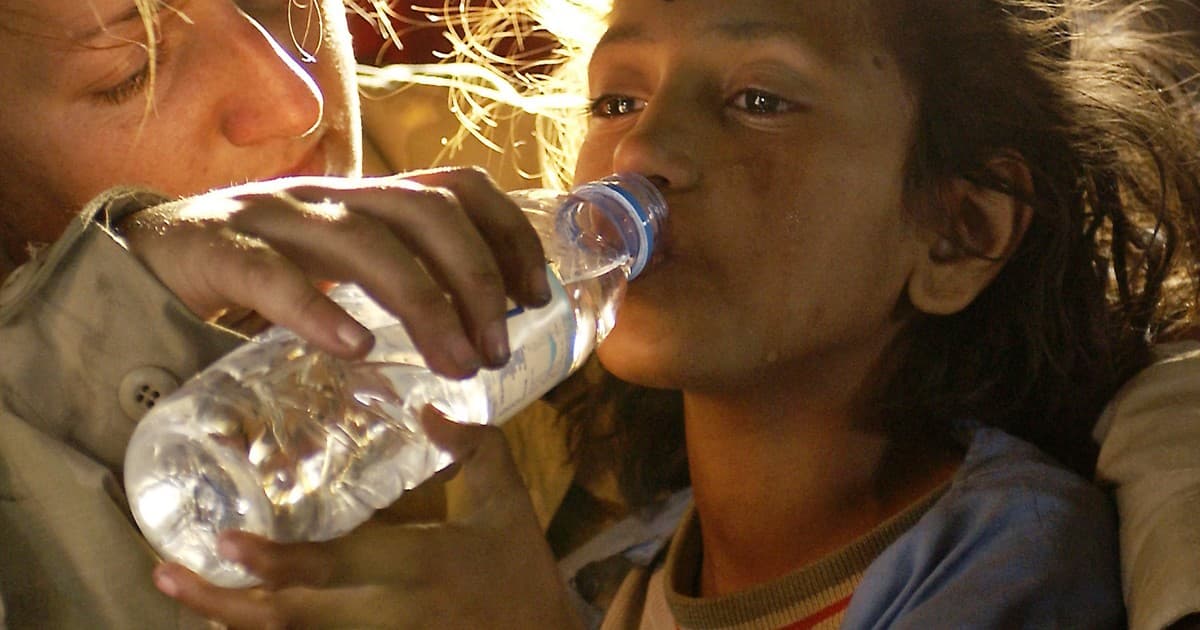
In a fictional case, a 2-year-old girl arrives at the emergency department with her mother after a day and a half of watery diarrhea and repeated vomiting. She is irritable, cries without tears, and the mother reports that the diaper stayed dry all morning. The same night, a 9-month-old boy who is breastfed arrives with loose stools for two days, playing in his father's lap and feeding at the breast without difficulty.
Both cases are acute diarrhea, but they call for different management, and the difference lies in assessing dehydration. This text gathers what meta-analyses, clinical trials and observational studies show about how to assess the child, rehydrate by mouth, decide when the intravenous route is needed and where ondansetron, zinc, probiotics and the rotavirus vaccine fit in. In each part, the text reports the design and size of the studies and separates what was measured from what is our inference.
Key points
Acute gastroenteritis is one of the most common diseases of childhood. The Korean study on ondansetron and the QT interval recalls that it accounts for about 1.3 million deaths per year worldwide, with about 500,000 in children under 5 years, and that the WHO, the United States CDC and the American Academy of Pediatrics recommend oral rehydration as initial treatment in mild to moderate dehydration (Yang et al., 2021).
In the analysis of the Global Enteric Multicenter Study, which gathered children aged 0 to 59 months in seven countries in sub-Saharan Africa and South Asia, the authors cite the estimate that diarrhea accounts for 9 percent of deaths in children under 5 years (Sobi et al., 2024). The same text recalls that about 484,000 children still die from diarrhea each year, even though oral rehydration solution is a simple solution (Sobi et al., 2024).
In the Netherlands, the authors of the ondansetron trial report that about 5 percent of visits by children to the general practitioner are for gastroenteritis, and that only 4 percent of children with the disease received oral rehydration from the general practitioner (Bonvanie et al., 2021). The same authors cite studies in which oral rehydration reduced hospital admissions by up to 45 percent (Bonvanie et al., 2021).
As our hypothesis, the central problem is not the lack of an effective solution, but the distance between what the evidence shows and what reaches the child. This distance appears in different contexts, from the lack of sachets in poor communities to the preference for the intravenous route in emergency services with resources. The same logic of a common, treatable and still lethal disease appears in cholera, measles and malnutrition in conflicts.
The decision about where and how to rehydrate depends on the degree of dehydration, and clinical assessment is imperfect. In Canada, the clinical dehydration scale, known by the acronym CDS, combines four items: general appearance, eyes, mucous membranes and tears, with a total score from 0 to 8 (Tam et al., 2014). The score classifies the child as no dehydration, mild dehydration or moderate to severe dehydration.
The study compared 73 children with gastroenteritis and dehydration to 143 children in a comparison group seen for trauma, in a pediatric emergency department in Ottawa (Tam et al., 2014). The median score was 3 in the dehydration group and 0 in the comparison group (Tam et al., 2014).
Among the tests, serum bicarbonate and urine sodium were the best markers, with area under the ROC curve of 0.821 and 0.798, respectively (Tam et al., 2014). The scale correlated best with bicarbonate, with a correlation of minus 0.37 (Tam et al., 2014). The authors acknowledge that bicarbonate is not a reference standard for dehydration and conclude that the study reinforces the value of the scale.
One side finding deserves attention. The overall impression of the attending physician fell in the highest band of their scale, while the median of the clinical scale fell in the mildest band, and the authors suggest that clinical impression tends to overestimate dehydration (Tam et al., 2014). As our hypothesis, this overestimation may push children toward intravenous access without need.
As our synthesis, the assessment of the child with acute diarrhea can follow five steps, supported by the sources:
The roadmap is ours and was not tested as an intervention. Signs of shock, altered consciousness or blood in the stool require another line of reasoning, as shown in the texts about the child who gets worse and about hemolytic uremic syndrome.
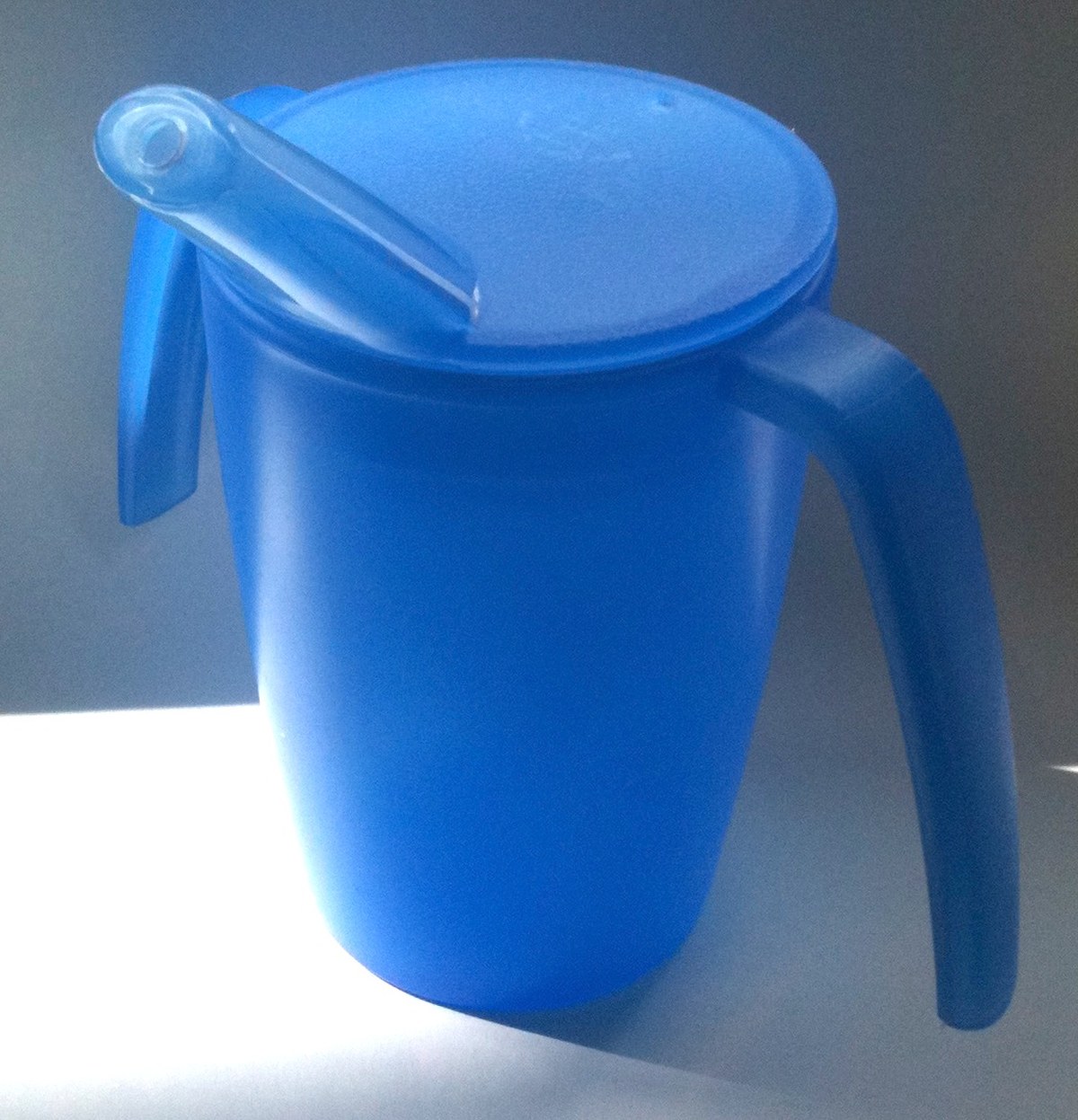
Oral rehydration solution replaces water and salts by taking advantage of the coupled transport of glucose and sodium in the intestine. Until the early 2000s, the standard solution had a total osmolarity of 311 mmol/L, and concern about sodium and hypernatremia led to the development of a low-osmolarity solution, with 245 mmol/L or less (Zubairi et al., 2024).
The systematic review commissioned by WHO for the revision of the childhood diarrhea guidelines compared the two solutions in children under 10 years old (Zubairi et al., 2024). In acute diarrhea, the low-osmolarity solution reduced the duration of diarrhea, with a mean difference of minus 0.28 (95 percent CI minus 0.41 to minus 0.15), with moderate certainty (Zubairi et al., 2024).
It also reduced stool volume, with a mean difference of minus 0.25 (95 percent CI minus 0.35 to minus 0.16), with very low certainty, and solution intake, with a mean difference of minus 0.18 (95 percent CI minus 0.28 to minus 0.07) (Zubairi et al., 2024). For the need for unscheduled intravenous therapy, the relative risk was 0.77 (95 percent CI 0.58 to 1.02), with low certainty and an inconclusive result (Zubairi et al., 2024).
In persistent diarrhea, the low-osmolarity solution also reduced the duration of diarrhea, stool volume and solution intake, with no difference in the number of children cured (Zubairi et al., 2024). The authors conclude that the low-osmolarity solution should continue to be recommended for children under 10 years old with acute watery or persistent diarrhea.
The meta-analysis by Bellemare and colleagues gathered 14 randomized trials that compared oral and intravenous rehydration in children with dehydration from gastroenteritis (Bellemare et al., 2004). The quality of the trials was low, with scores from 0 to 3 on the Jadad scale, and allocation concealment was uncertain in all but one (Bellemare et al., 2004).
In the random-effects model, the risk difference for treatment failure was 3 percent (95 percent CI 0 to 6), an inconclusive result; the fixed-effects model gave a difference of 4 percent (95 percent CI 2 to 5) in favor of the intravenous route (Bellemare et al., 2004). In the four studies that reported deaths, there were six in the intravenous group and two in the oral group (Bellemare et al., 2004).
Hospital stay was shorter with oral rehydration, with a mean difference of minus 1.2 days (95 percent CI minus 2.4 to minus 0.02) (Bellemare et al., 2004). Phlebitis was more frequent with the intravenous route, and paralytic ileus was more frequent with the oral route, both with a number needed to harm of 33 (Bellemare et al., 2004).
The authors calculate that, for every 25 children treated by mouth (95 percent CI 20 to 50), one would fail and need the intravenous route (Bellemare et al., 2004). They warn that the results may not apply to children with persistent vomiting and conclude that the evidence supports oral rehydration as first-line treatment in suitable children.
As our synthesis, guidance at discharge for a child without dehydration or with mild dehydration can include:
The list is our own script and was not tested as a package. Intense heat increases losses and worsens dehydration, the topic of extreme heat and dehydration.
Vomiting is the main barrier to oral rehydration, and zinc and probiotics are the most discussed complementary therapies. The sources for this text bring different results for each.
The Dutch pragmatic trial randomized 194 children aged 6 months to 6 years with gastroenteritis and vomiting at three out-of-hours primary care centers, in Groningen, Zwolle and Assen (Bonvanie et al., 2021). A single dose of oral ondansetron reduced the proportion of children still vomiting at four hours from 42.9 to 19.5 percent, with an odds ratio of 0.37 (95 percent CI 0.20 to 0.72) and a number needed to treat of four (Bonvanie et al., 2021).
Ondansetron also reduced the number of vomiting episodes within four hours, with a rate ratio of 0.51 (95 percent CI 0.29 to 0.88), and improved parental satisfaction (Bonvanie et al., 2021). The authors conclude that children at risk of dehydration from vomiting can receive ondansetron in primary care, which is the setting of reasoning exercises in pediatrics.
There are reports of QT interval prolongation with ondansetron. A retrospective study in a university pediatric emergency department in South Korea analyzed 80 children with gastroenteritis who received oral ondansetron and had an electrocardiogram before and after (Yang et al., 2021).
The mean corrected QT went from 403.3 to 407.2 milliseconds, the change was 30 milliseconds or more in seven children, 8.8 percent, and none had a change of 60 milliseconds or more (Yang et al., 2021). No corrected QT reached 500 milliseconds and no child had a serious arrhythmia (Yang et al., 2021).
The study is retrospective, from a single center and included only children who had an electrocardiogram, which limits generalization. As our hypothesis, it is reassuring for a single oral dose in children without cardiac risk factors, but it does not answer for children with heart disease, electrolyte disorders or use of other drugs that prolong the QT.
The systematic review by Ali and colleagues, also commissioned by the WHO, included 38 randomized trials (Ali et al., 2024). In acute diarrhea, zinc increased the proportion of children recovered at the last follow-up, with a relative risk of 1.07 (95 percent CI 1.03 to 1.1), and reduced the duration of diarrhea by 13.27 hours (95 percent CI 8.89 to 17.66 hours), both with moderate certainty (Ali et al., 2024).
Zinc increased vomiting compared with placebo, with a relative risk of 1.46 (95 percent CI 1.22 to 1.76), and the lower amount of zinc caused less vomiting than the higher amount, with a relative risk of 0.80 (95 percent CI 0.72 to 0.89) (Ali et al., 2024). In persistent diarrhea, more children recovered with zinc, with a relative risk of 1.75 (95 percent CI 1.34 to 2.30), with low certainty (Ali et al., 2024).
The authors conclude that zinc should continue to be recommended for children under 10 years of age with acute or persistent diarrhea, but that the daily amount should be reduced, and they call for trials in several countries with direct comparison (Ali et al., 2024). Most of the trials were carried out in low- and middle-income countries, and the benefit in well-nourished children from wealthy countries is less clear.
The trial by Schnadower and colleagues randomized, in a double-blind manner, 971 children aged 3 months to 4 years with acute gastroenteritis in ten pediatric emergency departments in the United States to five days of Lactobacillus rhamnosus GG or placebo (Schnadower et al., 2018). The primary outcome was a severity score of 9 or more on the modified Vesikari scale in the following 14 days.
This outcome occurred in 11.8 percent in the probiotic group and in 12.6 percent in the placebo group, with a relative risk of 0.96 (95 percent CI 0.68 to 1.35), an inconclusive result (Schnadower et al., 2018). There was also no difference in the duration of diarrhea, with a median of 49.7 and 50.9 hours, in the duration of vomiting, in absences from daycare and in household transmission (Schnadower et al., 2018).
The authors conclude that the probiotic brought no better outcomes in preschool children with acute gastroenteritis (Schnadower et al., 2018). The trial tested a single strain, and the result does not automatically extend to other strains or combinations, but it weighs against the routine use of this strain in children seen in the emergency department.
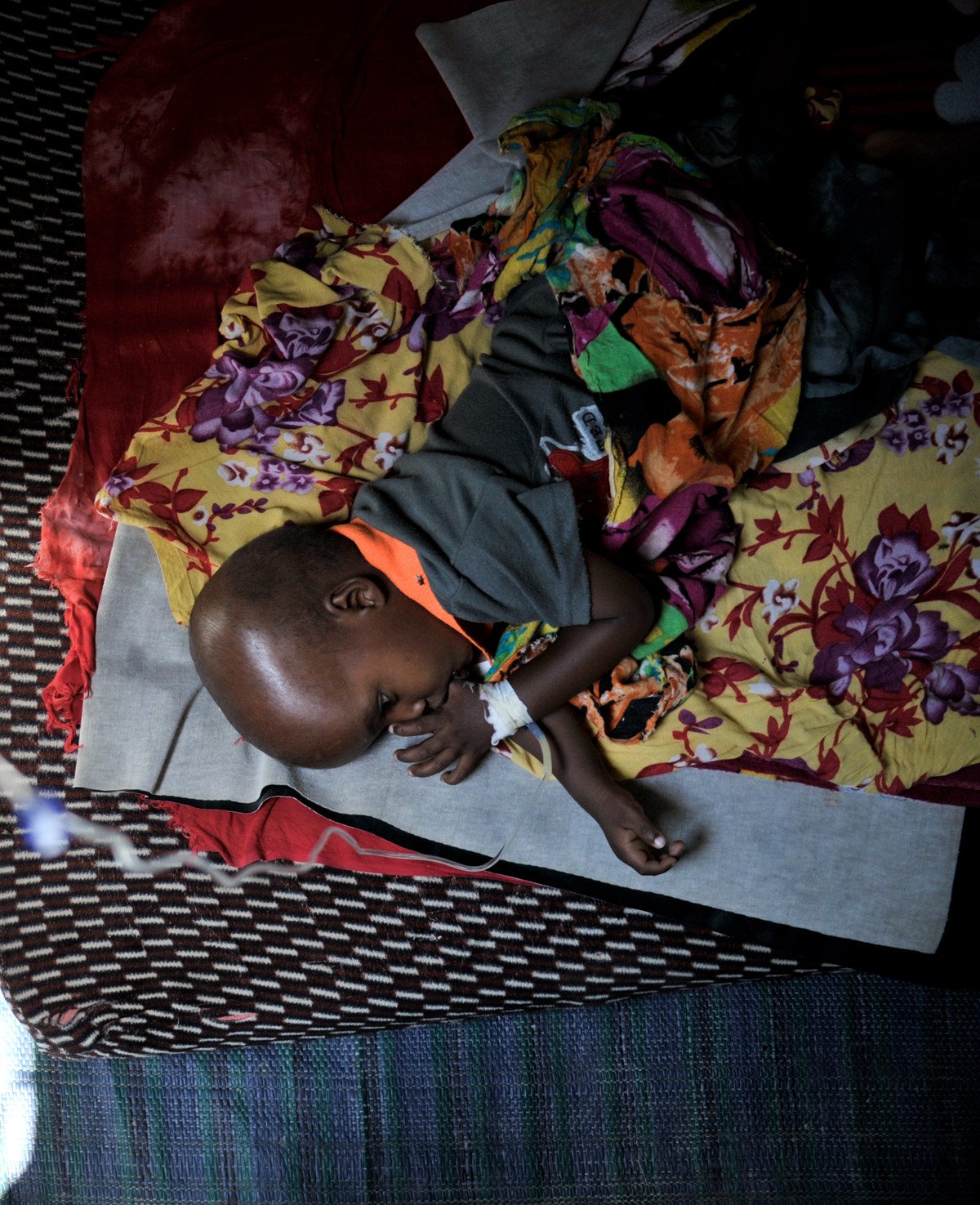
Management changes when the child is malnourished, when the service has no rehydration solution available and when prevention depends on a vaccine. The sources of this text deal with each of these contexts.
The systematic review by Houston and colleagues recalls that, in the child admitted with severe acute malnutrition and diarrhea, hospital lethality reaches 19 percent (Houston et al., 2017). WHO guidelines recommend a specific solution, ReSoMal, with less sodium, to rehydrate these children (Houston et al., 2017).
The review found six randomized trials, all in Asia, and observed hyponatremia in two trials with ReSoMal, with three children with severe hyponatremia and one with seizures (Houston et al., 2017). The low-osmolarity solution had benefits in rehydration time, stool volume and duration of diarrhea, and no trial reported overhydration or deaths (Houston et al., 2017).
The authors conclude that the WHO strong recommendation for ReSoMal rests on low-quality evidence, that no trial was carried out in Africa, where mortality from severe malnutrition remains high, and they call for studies on the continent (Houston et al., 2017). The interaction between infection, malnutrition and growth also appears in chronic kidney disease in children.
The systematic review by Ezezika and colleagues gathered 55 articles from 23 countries, with more studies in India, Bangladesh, Egypt, Nigeria and South Africa, published from 1981 to 2020 (Ezezika et al., 2021). The barriers and facilitators were grouped into four themes: availability and access, knowledge, partnerships, and design and acceptance (Ezezika et al., 2021).
The authors conclude that expanding oral rehydration, after years of low use, depends on implementation research adapted to the local context and on involving the right actors (Ezezika et al., 2021). As our hypothesis, the same logic applies to the emergency department of a wealthy country, where the barrier may be the team's habit and not the lack of sachets.
Rotavirus is the leading cause of diarrhea with dehydration in children in developing countries (Sobi et al., 2024). In the Global Enteric Multicenter Study analysis, rotavirus appeared in 17.3 percent of moderate to severe diarrhea cases in sub-Saharan Africa (905 of 5,219) and in 19.95 percent in South Asia (842 of 4,220) (Sobi et al., 2024).
The association with nutritional status varied between regions. In South Asia, rotavirus was associated with a lower weight-for-height score, with a coefficient of minus 0.08 (95 percent CI minus 0.15 to minus 0.009); in sub-Saharan Africa, the association with the height-for-age score was positive, at 0.19 (95 percent CI 0.12 to 0.26) (Sobi et al., 2024). The authors argue for accelerating vaccination, but the observational design does not allow a claim of cause.
The meta-analysis of real-world studies by Willame and colleagues, funded by the manufacturer of the monovalent oral vaccine and with authors who are company employees, included 29 studies and estimated effectiveness of 69 percent (95 percent CI 62 to 75) against hospitalization or emergency care for rotavirus (Willame et al., 2018). Effectiveness was 81 percent (95 percent CI 74 to 86) in high-income countries, 54 percent (95 percent CI 39 to 65) in upper-middle-income countries and 63 percent (95 percent CI 50 to 72) in lower-middle-income countries (Willame et al., 2018).
Of the 29 studies, six were done in African countries, two in Central Australia and nine in Latin America (Willame et al., 2018). The manufacturer funding must weigh on the reading, and the finding of lower effectiveness in poorer countries coincides with the places of highest disease burden. Diarrhea with high fever in travelers and migrants has another differential, discussed in typhoid fever and in fever in the traveler.

| Study | Design, sample and unit | Main finding |
|---|---|---|
| Bellemare 2004 | Meta-analysis of 14 trials; unit child | Oral and intravenous routes with similar efficacy |
| Zubairi 2024 | Systematic review for WHO; unit child | Low osmolarity shortened acute diarrhea |
| Tam 2014 | Study with comparison group, Ottawa, 73 and 143 children; unit child | Clinical scale linked to serum bicarbonate |
| Bonvanie 2021 | Pragmatic trial, Netherlands, 194 children; unit child | Ondansetron reduced vomiting within four hours |
| Yang 2021 | Retrospective cohort, South Korea, 80 children; unit child | Corrected QT below 500 milliseconds and no severe arrhythmia |
| Ali 2024 | Systematic review of 38 trials; unit child | Zinc shortened diarrhea and increased vomiting |
| Schnadower 2018 | Double-blind trial, United States, 971 children; unit child | Probiotic with no benefit over placebo |
| Houston 2017 | Systematic review of six trials; unit child | Hyponatremia with ReSoMal in Asian children |
| Ezezika 2021 | Systematic review of 55 articles; unit article | Four themes of barriers and facilitators |
| Sobi 2024 | Secondary analysis of GEMS, seven countries; unit child | Rotavirus in about one fifth of severe diarrhea cases |
| Willame 2018 | Meta-analysis of 29 real-world studies; unit study | Lower effectiveness in poorer countries |
Sources: Bellemare et al., 2004; Zubairi et al., 2024; Tam et al., 2014; Bonvanie et al., 2021; Yang et al., 2021; Ali et al., 2024; Schnadower et al., 2018; Houston et al., 2017; Ezezika et al., 2021; Sobi et al., 2024; Willame et al., 2018.
In NEXO, the case of the day is fictional, with a real clinical presentation and up to six progressive clues, and you propose the diagnosis by looking for the code in ICD-10. One clue may say "18-month-old child, watery diarrhea for two days, vomiting"; another, "sunken eyes, dry mucous membranes and crying without tears". The five-level proximity feedback helps separate viral gastroenteritis, bloody diarrhea, hemolytic uremic syndrome, intussusception and urinary tract infection, without turning the training into a protocol.
Yes, in small sips, and oral ondansetron reduced vomiting within four hours in a primary care trial (Bonvanie et al., 2021).
The meta-analysis found no clinically important difference, and hospital stay was shorter with the oral route (Bellemare et al., 2004).
It shortened acute diarrhea and reduced stool volume compared with the standard solution (Zubairi et al., 2024).
The review for the WHO recommends keeping zinc for children under 10 years, with a lower daily amount to reduce vomiting (Ali et al., 2024).
In the American trial with 971 children, the strain tested did not improve outcomes compared with placebo (Schnadower et al., 2018).