



Obstetrics and gynecologyClimate and healthGlobal health
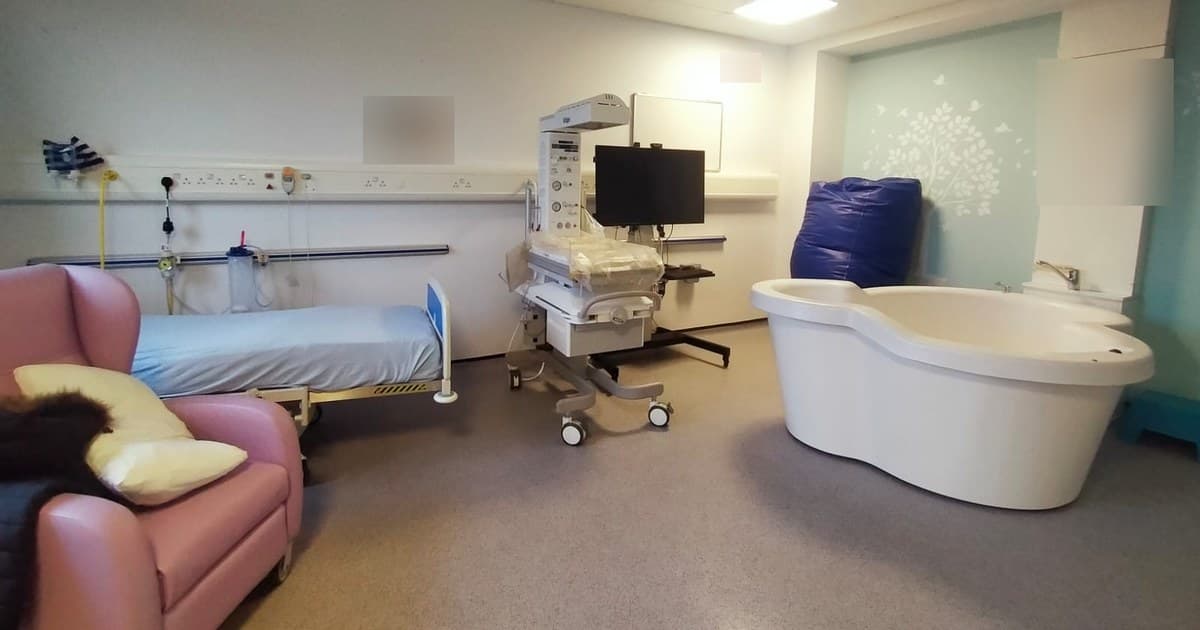
In a fictional consultation, a 27-year-old woman, born in Somalia and living in Europe for two years, arrives at her first prenatal visit at 14 weeks. She speaks little of the local language, came with a friend to translate and asks to be examined by a woman. On examination, the doctor notices that the vaginal opening is almost entirely covered by a scar. The patient says she was "closed" in childhood and asks, in a low voice, whether she will be able to have the baby vaginally.
The scene brings together the three tasks of this text: recognizing female genital mutilation (FGM), caring for the woman who lives with it and preparing for birth. The data come from meta-analyses of physical and obstetric outcomes, from hospital cohorts in countries of migration, from reviews on defibulation and reconstruction and from qualitative syntheses on the experience of the women themselves. In each part, the text shows the design and size of the studies and separates what was measured from what is our inference.
Key points
FGM covers procedures that remove part of the female external genitalia or cause other injury to the genitals for no medical reason. The World Health Organization describes four types, and type III, infibulation, narrows the vaginal opening with a seal made by cutting and bringing together the labia minora or majora, with or without removal of the clitoris (Okusanya et al., 2026).
The most recent estimate with national surveys gathered 30 representative studies, with 406,068 women from 30 countries and 296,267 girls from 25 countries (Farouki et al., 2022). The pooled prevalence among women aged 15 to 49 was 36.9 percent (95 percent CI 19.6 to 58.3), and among girls aged 0 to 14 it was 8.27 percent (95 percent CI 3.7 to 17.3) (Farouki et al., 2022). The prediction interval ranged from 0.4 to 99.0 percent, which shows how countries differ from one another (Farouki et al., 2022).
Somalia had the highest prevalence among women, 99.2 percent, and Mali the highest among girls, 72.7 percent (Farouki et al., 2022). The most common type among women was removal of tissue without closure, present as the main form in 19 countries.
With migration, professionals in countries where the practice is not traditional began to see women and girls with FGM. The review by Zurynski and colleagues notes that the practice is usually performed in childhood and therefore also concerns pediatrics (Zurynski et al., 2015). In a metropolitan hospital in Australia, women with FGM were 2 to 3 percent of those who gave birth between 2006 and 2012 (Varol et al., 2016).
The reasoning applies to any country that receives migrants. FGM appears alongside trauma and violence, discussed in sexual violence in a humanitarian crisis, and alongside other topics of the migrant consultation, such as eosinophilia in the migrant, vaccines in pregnancy and the pregnant traveler.
Recognizing it starts with knowing that FGM exists, knowing the classification and asking. The systematic review of 18 quantitative studies on health professionals shows where the gap is: most knew the practice existed, but few correctly identified the four WHO types (Zurynski et al., 2015).
Knowledge of the law varied widely. In a study in Sudan, 25 percent of professionals knew FGM was illegal in their own country; in a study in Belgium, 46 percent of the delivery room team knew; and in a study in the United Kingdom, 94 percent of professionals knew (Zurynski et al., 2015). The need to report girls with FGM or at risk to child protection services appeared in only two studies (Zurynski et al., 2015).
Recording also fails. In the Australian hospital, the routine obstetric database recorded the correct FGM type for only 35 percent of the women, when compared with the database kept by specialist midwives (Varol et al., 2016). In the mapping of 30 countries, systematic recording of FGM in the medical record was entirely absent in countries of origin and very limited in countries of migration (Johansen et al., 2018).
As our hypothesis, a type error in the medical record can lead a woman with infibulation to give birth without the conversation about deinfibulation; none of the cited studies measured this effect.
The sources describe what fails in communication and what women value. From them, as our synthesis, we propose a five-step script for the first consultation:
The script is our own organization of what the reviews describe, and none of the sources tested this script as an intervention.
Measuring the harm of FGM is difficult, because almost all studies are observational and women with and without FGM differ in many other things.
The review by Berg and colleagues gathered 185 studies with 3.17 million women and focused the analysis on the 57 studies of better quality (Berg et al., 2014). The most common immediate complications were excessive bleeding, urinary retention and genital tissue edema. The most valid associations were with urinary infection (unadjusted RR of 3.01), bacterial vaginosis (adjusted OR of 1.68) and dyspareunia (RR of 1.53) (Berg et al., 2014).
In childbirth, the same review found an association with prolonged labor (adjusted OR of 1.49), cesarean section (adjusted OR of 1.60) and difficult delivery (adjusted OR of 1.88) (Berg et al., 2014).
A complementary analysis by the same group redid the calculations using only adjusted estimates and prospective studies, as critics requested (Berg et al., 2014). The results pointed in the same direction, with small differences in size, and confidence in the estimates was judged low or very low for all outcomes by GRADE (Berg et al., 2014).
The meta-analysis by Lurie and colleagues included 116 studies and looked at painful complications (Lurie et al., 2020). FGM was associated with dyspareunia (OR of 2.47; 95 percent CI 1.45 to 4.21), perineal lacerations (OR of 2.63; 95 percent CI 1.35 to 5.11) and dysuria (OR of 1.43; 95 percent CI 1.17 to 1.75) (Lurie et al., 2020).
There was also an association with episiotomy (OR 1.89; 95 percent CI 1.26 to 2.82) and prolonged labor (OR 2.04; 95 percent CI 1.27 to 3.28) (Lurie et al., 2020). For dysmenorrhea, the OR was 1.66 with a 95 percent CI of 0.97 to 2.84, which includes the null value; the result is inconclusive (Lurie et al., 2020). Heterogeneity was high in several analyses, such as 96 percent for episiotomy (Lurie et al., 2020).
The meta-analysis by Bonavina and colleagues looked only at infibulation, with 14 observational studies, 15,320 women with type III and 59,347 controls (Bonavina et al., 2024). The risk of postpartum hemorrhage was higher in the main analysis (OR 1.83; 95 percent CI 1.03 to 3.24) and in the data adjusted for confounders (adjusted OR 1.76; 95 percent CI 1.42 to 2.17) (Bonavina et al., 2024).
In the adjusted data, episiotomy was also more frequent (adjusted OR 1.56; 95 percent CI 1.03 to 2.35) (Bonavina et al., 2024). The authors found no difference in anal sphincter injury or in mode of delivery. The most useful finding for practice comes at the end of the abstract: with deinfibulation, obstetric and neonatal outcomes were similar to those of women who never had type III (Bonavina et al., 2024).
As our hypothesis, the team that knows about type III can anticipate the risk; the management of the bleeding itself is reviewed in postpartum hemorrhage.
The Australian cohort offers a counterpoint. In a hospital with a specialized service, 196 women with FGM were compared with 8,852 without FGM, and all women with type III were deinfibulated before or during labor (Varol et al., 2016). Outcomes were similar, except for more first- and second-degree lacerations and more cesarean sections, and no cesarean section had FGM as its indication (Varol et al., 2016).
The study is descriptive and small. As our hypothesis, part of the harm measured in the meta-analyses may depend on the care available, a reading that needs comparative studies.
Deinfibulation is the surgical opening of the scar that covers the vaginal opening in type III (Okusanya et al., 2026). It can be done outside pregnancy, during prenatal care or during labor. The practical question is whether it improves outcomes and what the best timing is.
The review by Okusanya and colleagues included eight studies with 3,166 women, all at serious risk of bias (Okusanya et al., 2026). With very low certainty evidence, deinfibulation was associated with a lower chance of emergency cesarean section (OR 0.16; 95 percent CI 0.06 to 0.42) and of genital tract lacerations (OR 0.48; 95 percent CI 0.29 to 0.79) compared with women with type III without deinfibulation (Okusanya et al., 2026).
Compared with women without FGM, the chance of emergency cesarean section was also lower (OR 0.59; 95 percent CI 0.37 to 0.93) (Okusanya et al., 2026). The authors found no studies on gynecological, urological and sexual outcomes for this update. Their conclusion is that clinicians should counsel and offer deinfibulation and refuse requests for reinfibulation (Okusanya et al., 2026).
The timing still divides the sources. In the same review, deinfibulation before labor, compared with the one done during labor, may reduce the duration of labor, but may increase postpartum hemorrhage and cesarean section, with low certainty evidence (Okusanya et al., 2026).
The historical Norwegian cohort brought a more specific data point. Among nulliparous women born in Somalia, 1,083 had a vaginal delivery between 1990 and 2014 (Taraldsen et al., 2022). Anal sphincter injury was 10.2 percent in type I or II, 11.3 percent in type III and 15.2 percent in women without FGM, with a p value of 0.17; the difference between types is inconclusive (Taraldsen et al., 2022).
The total rate of sphincter injury, 10.3 percent, was double the 5.0 percent among nulliparous women in the general Norwegian population (Taraldsen et al., 2022). Deinfibulation during labor carried a lower risk than deinfibulation before delivery (OR 0.48; 95 percent CI 0.27 to 0.86) (Taraldsen et al., 2022). The authors conclude that deinfibulation before delivery should not be routinely recommended during pregnancy.
A prospective study at a hospital in Nyala, Sudan, followed 300 pregnant women with type III between 2018 and 2022, with 150 deinfibulated during delivery and 150 without deinfibulation (Akpak et al., 2025). In the group without deinfibulation there were more episiotomies, a longer second stage, more perineal injury, more postpartum hemorrhage and a longer hospital stay for mother and baby (Akpak et al., 2025).
Three months later, the authors compared the female sexual function index between the deinfibulated group and the subgroup with episiotomy, and the deinfibulated group had higher scores in all domains (Akpak et al., 2025). The design is not randomized, and the choice of who was deinfibulated may have followed criteria that also influence the outcome.
The sources provide a basis for an organized conversation in prenatal care. As our synthesis, the pregnant woman with type III needs to hear that deinfibulation was associated with fewer emergency cesarean sections and fewer lacerations, with very low certainty (Okusanya et al., 2026). With deinfibulation, the outcomes were similar to those of women without type III, although the risk of postpartum hemorrhage is higher in type III and calls for a prepared team (Bonavina et al., 2024). In the Norwegian cohort, opening during labor led to less sphincter injury than opening before (Taraldsen et al., 2022). According to the 2026 review, the team should refuse reinfibulation after delivery (Okusanya et al., 2026).
The decision about timing belongs to the woman, with honest information about the uncertainty. The review by Evans and colleagues describes that access to deinfibulation at the right time is one of the greatest difficulties reported by women (Evans et al., 2019).
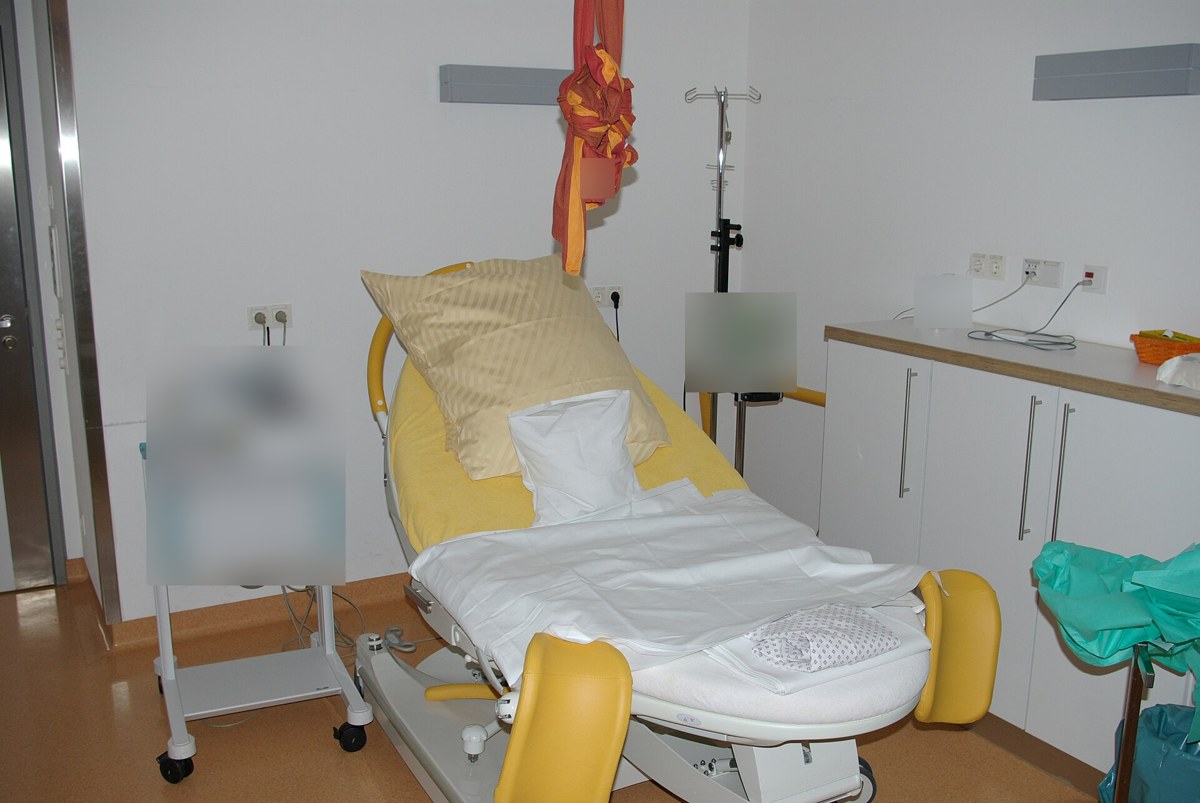
The mapping of 30 countries, 11 of origin and 19 of migration, shows that most prohibit health professionals from performing FGM on minors and adults, but do not consistently prohibit reinfibulation (Johansen et al., 2018). Fourteen countries had no regulation on reinfibulation, including Sudan, where the practice is common (Johansen et al., 2018). As our hypothesis, conflicts with the family over this request may weigh on the team, and preparation for tense situations in the service appears in violence against health professionals.

FGM does not end in the body. The qualitative research review by O'Neill and Pallitto gathered 23 studies from countries of origin and diaspora on the psychosocial impact of the practice (O'Neill and Pallitto, 2021). The themes include self-esteem, stigma, affective relationships, psychological health, social inclusion or exclusion and the search for care (O'Neill and Pallitto, 2021).
The authors describe that deviating from the social norm is punished to degrees ranging from personal guilt to exclusion, stigma and shame (O'Neill and Pallitto, 2021). Fear of these sanctions is a strong reason to follow the practice.
As our hypothesis, this background explains why a woman may have mixed feelings about her own FGM and about defibulation. The question of what she feels and what she wants must come before any proposal of surgery, and screening for psychological distress follows the same tools discussed in mental health of refugees.
Clitoral reconstruction is a newer surgical technique, offered in some countries to reduce pain and improve sexual function. The systematic review by Abdulcadir and colleagues found only four eligible studies among 269 articles, all of fair or poor quality (Abdulcadir et al., 2015). Heterogeneity prevented pooled measures, and the function scales used were not standardized.
The largest study included was a prospective cohort from one center in France with 2,938 women, in which 5.3 percent had immediate complications after surgery (Abdulcadir et al., 2015). The authors' conclusion is direct: women who request reconstruction must be informed of the scarcity of evidence, and long-term safety and efficacy studies are needed (Abdulcadir et al., 2015).
Access varies widely between countries. Defibulation was available in almost all of the 30 countries mapped, while clitoral reconstruction and psychological and sexual counseling existed mainly in countries of migration, and even there in fewer than half of them (Johansen et al., 2018).
The qualitative synthesis by Evans and colleagues gathered 57 articles from 55 studies in 14 OECD countries (Evans et al., 2019). The analysis produced 17 descriptive themes, organized into five axes: communication, access to care, shock or cultural integrity, experiences that disempower the woman, and positive encounters (Evans et al., 2019).
The review shows that care can be experienced as disrespectful, unsafe and capable of taking decision-making power away from the woman, and it describes the elements of culturally safe care (Evans et al., 2019). Only three studies addressed psychological care, and none explicitly reported the experience of girls (Evans et al., 2019).
The reports converge on five staff attitudes, which we list as our synthesis from the qualitative reviews:
After delivery, follow-up includes the mental health of the postpartum woman. Postpartum depression and its treatments are discussed in postpartum depression and zuranolone.
| Study | Design, sample and unit | Main finding |
|---|---|---|
| Farouki 2022 | Meta-analysis of 30 national surveys, 406,068 women; unit woman | Prevalence of 36.9 percent between 15 and 49 years |
| Berg 2014, BMJ Open | Systematic review, 185 studies, 3.17 million women; unit woman | Urinary infection, dyspareunia and cesarean section associated |
| Berg 2014, update | Meta-analysis with adjusted estimates; unit woman | Same direction, low or very low certainty |
| Lurie 2020 | Meta-analysis, 116 studies; unit woman | Dyspareunia with OR of 2.47; dysmenorrhea inconclusive |
| Bonavina 2024 | Meta-analysis, 14 studies, 15,320 women with type III; unit delivery | Postpartum hemorrhage with OR of 1.83 |
| Okusanya 2026 | Systematic review, 8 studies, 3,166 women; unit woman | Fewer emergency cesarean sections with defibulation |
| Taraldsen 2022 | Historical cohort, Norway, 1,083 vaginal deliveries; unit delivery | Opening during delivery with OR of 0.48 for sphincter injury |
| Akpak 2025 | Prospective study, Sudan, 300 pregnant women; unit pregnant woman | Less perineal injury with deinfibulation |
| Varol 2016 | Descriptive study, Australia, 196 women with FGM; delivery unit | Similar outcomes in a specialized service |
| Zurynski 2015 | Systematic review, 18 studies; professional unit | Few identified the four types |
| Johansen 2018 | Mixed methods, 30 countries; country unit | Reinfibulation without rules in 14 countries |
| Abdulcadir 2015 | Systematic review, 4 studies; woman unit | Scarce evidence on reconstruction |
| O'Neill 2021 | Qualitative synthesis, 23 studies; study unit | Stigma, shame and social exclusion |
| Evans 2019 | Qualitative synthesis, 57 articles, 14 countries; study unit | Five pillars of culturally safe care |
Sources: Farouki et al., 2022; Berg et al., 2014; Berg et al., 2014; Lurie et al., 2020; Bonavina et al., 2024; Okusanya et al., 2026; Taraldsen et al., 2022; Akpak et al., 2025; Varol et al., 2016; Zurynski et al., 2015; Johansen et al., 2018; Abdulcadir et al., 2015; O'Neill and Pallitto, 2021; Evans et al., 2019.
In NEXO, the case of the day is fictional, with a real clinical presentation and up to six progressive clues, and you propose the diagnosis by looking for the ICD-10 code. One clue may say "24-year-old woman, migrant, with dysuria and pain during intercourse for years"; another, "on examination, a scar covering almost the entire vaginal opening". The five-level proximity feedback helps separate recurrent urinary infection, vaginosis, vulvar pain and the sequelae of FGM, without turning the training into a protocol.
In the 30 countries with national surveys included in the 2022 meta-analysis, the estimate was about 84.7 million women and 13.7 million girls with FGM (Farouki et al., 2022). The number applies only to those countries.
The meta-analysis of physical outcomes found an association with cesarean section, with an adjusted OR of 1.60 and low or very low certainty (Berg et al., 2014). In an Australian hospital with a specialized service, there were more cesarean sections, but none had FGM as the indication (Varol et al., 2016).
Sources diverge on the timing. The Norwegian cohort found less anal sphincter injury with opening during labor and concluded that opening before delivery should not be routine during pregnancy (Taraldsen et al., 2022). The 2026 review rates the evidence on timing as low certainty (Okusanya et al., 2026).
The systematic review found only four studies, of fair or poor quality, and recommends that women who request the surgery be informed of the scarcity of evidence (Abdulcadir et al., 2015).
The 2026 review says clinicians should counsel and offer deinfibulation and refuse requests for reinfibulation (Okusanya et al., 2026). Regulation of reinfibulation varies between countries, and 14 of the 30 countries mapped had no rule on it (Johansen et al., 2018).