Our story
Wanderer, there is no road; the road is made by walking.
Antonio Machado, Campos de Castilla, 1912
NEXO at the St. Petersburg International Economic Forum

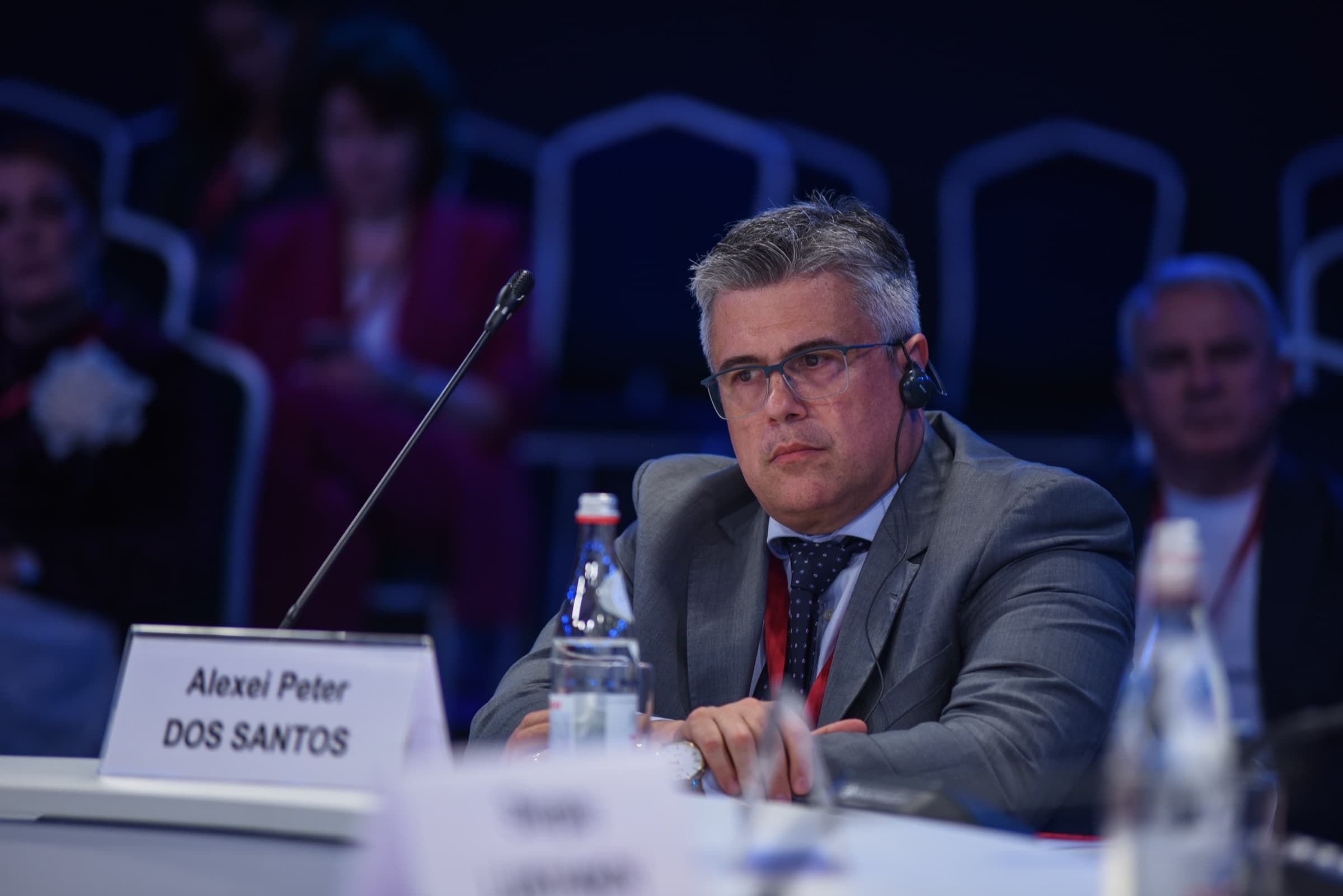
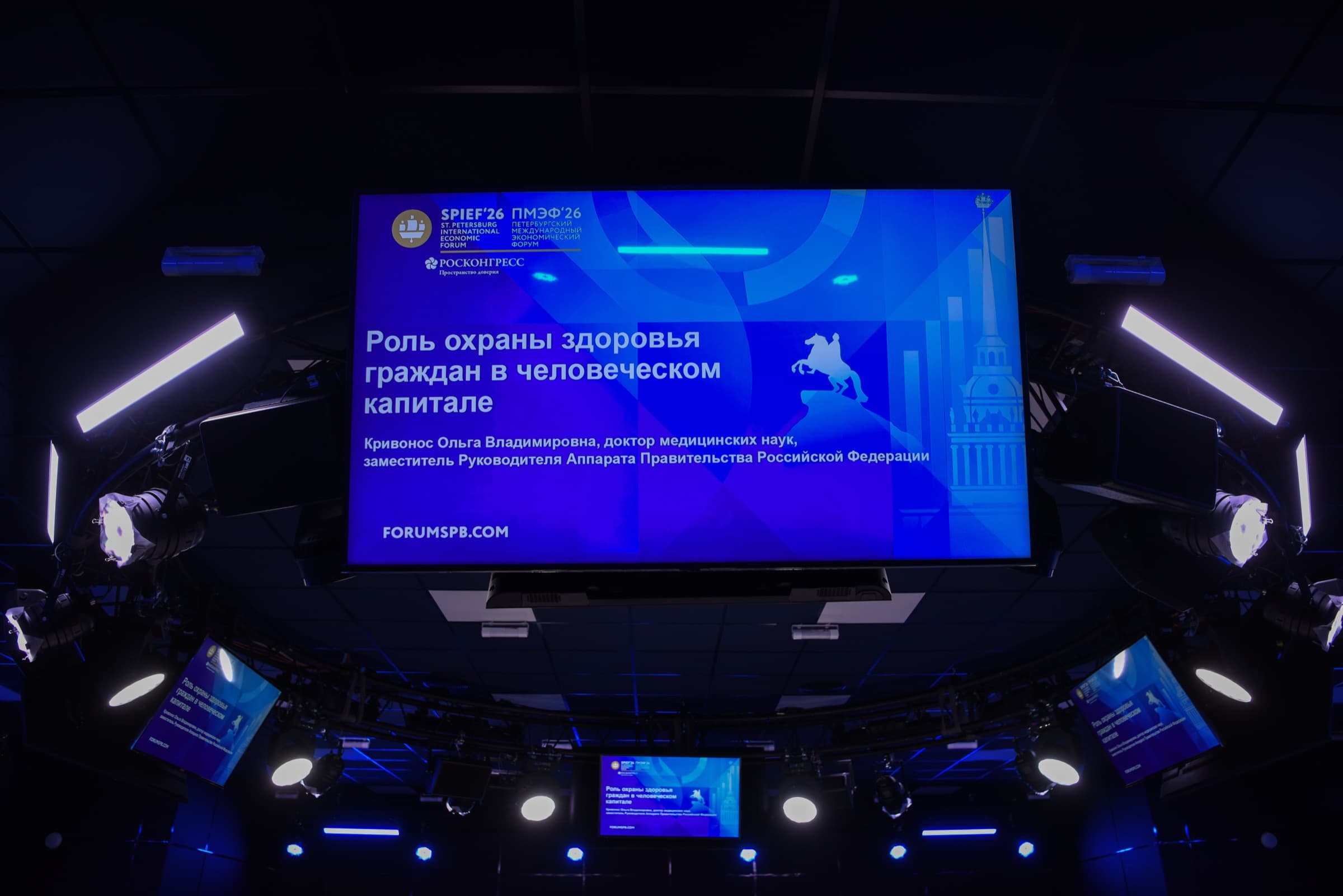
Dr. Alexei Peter, NEXO co-founder and clinical oncologist, took part in the session “Человеческий капитал: сколько стоит здоровье человека?” (Human capital: how much is a person's health worth?) at SPIEF 2026, in St. Petersburg.
The forum is organized by the Roscongress Foundation and brings together government, industry, and academia around an economic agenda. The session treated health as a component of human capital: what is gained in productive years of life when a diagnosis arrives early, and what is lost when it arrives late.
This is the same problem NEXO tackles through medical training. A late diagnosis almost never comes down to a missing test; it comes down to a missing hypothesis. The Здоровье в России (Health in Russia) page, which we wrote in Russian, organizes nosologies along the axes of that country's own health system, from federal projects to the immunization schedule.
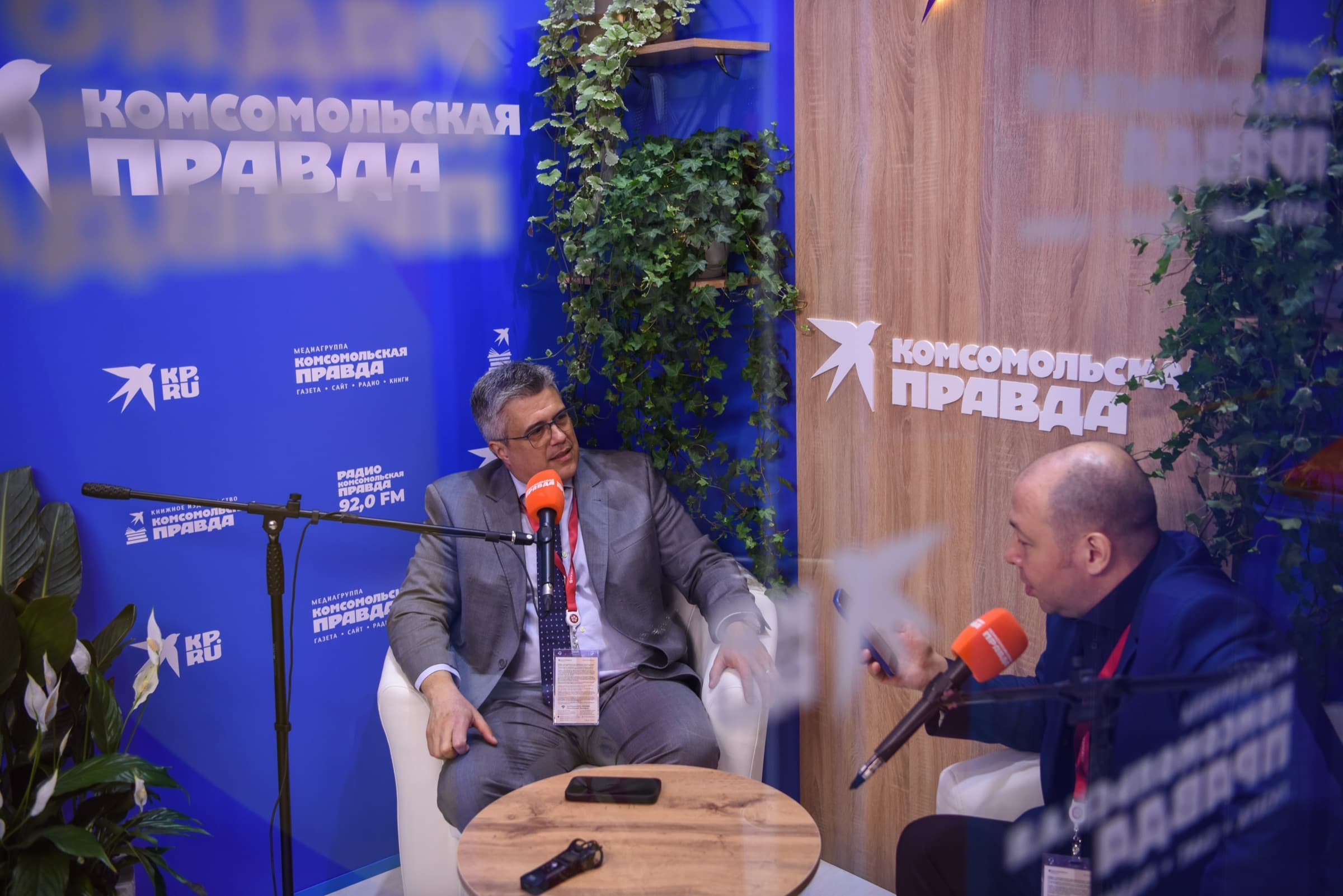
Dr. Alexei Peter also gave an interview at the Komsomolskaya Pravda studio set up at the forum.
SourcesSPIEF, forumspb.comRoscongress FoundationKomsomolskaya Pravda, kp.ru
NEXO Core presented in Paraná, within the rare disease care pathway
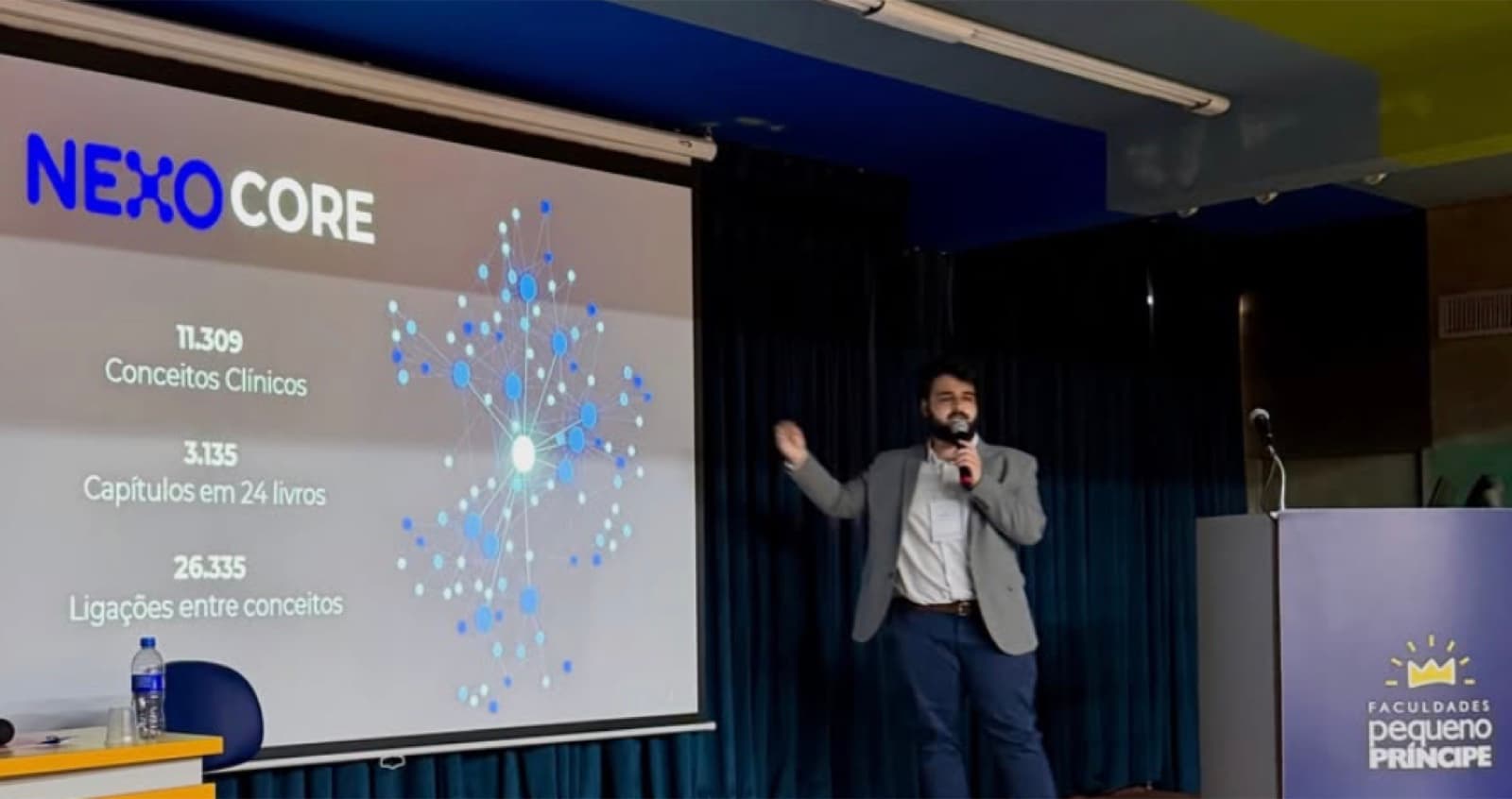
Thiago Moraes presented NEXO Core at Faculdades Pequeno Príncipe, in Curitiba, as part of the agenda of Paraná's rare disease care pathway, in Brazil.
NEXO Core is the corpus of reference texts behind the case curation. It exists to answer one simple, uncomfortable question: where did this come from? Every case can be traced back to the chapter it rests on, and the corpus is published as frozen releases, not as a state that shifts without notice. The figures on the screen are as of the presentation date.
Rare disease is the extreme case of the problem NEXO addresses. Diagnosis does not fail for want of a test; it fails because the hypothesis was never raised, and the time from first symptom to a named disease is measured in years.
On the state workflow side, we gathered the 17 forms the process requires onto a single page, built to be opened from a QR code at the point of care.

SourcesInstituto inteS, instagram.com/p/DczQxAJlt2S@faculdadespequenoprincipe
Brazil's newborn screening program, disease by disease
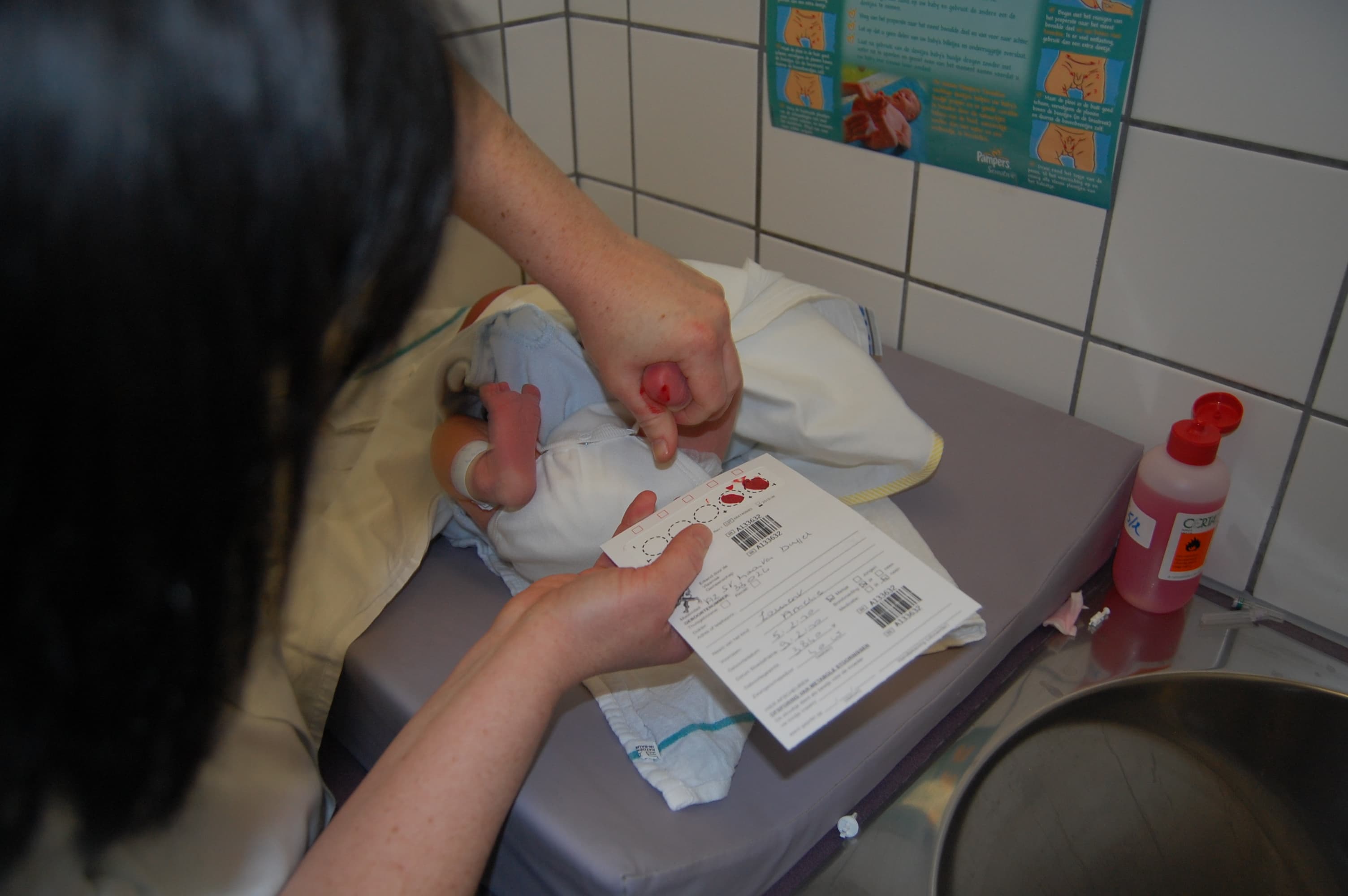
The heel prick test screens for diseases that, in most babies, still show no signs when the sample is collected, and whose prognosis depends on the day treatment starts. Brazil's National Newborn Screening Program is expanded in stages, and its list of diseases is reviewed every four years.
The page covers the 21 diseases NEXO selected, each with pathophysiology, clinical presentation, confirmatory test, treatment, and where to refer in Brazil. Every figure carries its own authorship, source, and license.
The page started as event material and was kept out of search engines. It is now indexed because this information is worth more out in the open than hidden away.

SourcesRare Disease Day
Health in Russia: the system's priorities, in Russian

The page organizes the nosologies along the axes of the Russian health system: the federal projects, the high-cost nosology program, natural-focal infections, and the immunization schedule.
Each disease carries its clinical presentation and diagnostic commentary in Russian, with the patient's route inside the federal system.
It is entirely in Russian, because it is for the people who study and work there.
Timeline
The NEXO Creators program
Public page for the program: how a creator joins, what they get, the editorial independence rule, and who is already taking part.
Achievements become tracks
Each achievement stops being a loose badge and becomes a step on a track, with what is already completed and the next step in sight.
Adrenaline mode
A case against the clock, with the dose chosen before the start: the higher it is, the less time and the bigger the reward.
The full game on desktop
Gameplay, results, and dialogs on wide screens, under the same rules as the app.
Diagnosis search moves to the server
ICD-10 catalog in all 6 languages, prefix matching plus fuzzy matching from 4 letters, with ties going to the more general term. The site and the app now query the same source.
NEXO Core starts shipping as versioned releases
The corpus stops being a mutable state and is published as frozen releases, with every case traceable to the chapter it rests on.
The site's numbers start coming from the database
Every public count is read at runtime. A new case shows up on the site without waiting for a deploy.
NEXO Core
The corpus of reference texts behind the case curation goes live, and every case starts being audited against it.
NEXO on the App Store
The app becomes available in 175 countries and regions, with the same game that runs in the browser.
Здоровье в России
The Health in Russia page goes live, written in Russian, with the patient's route through the federal system.
Public profile
Any account can make its profile public, with country and one featured achievement. It is optional.
Public collection
Every diagnosis NEXO covers is listed by specialty, in all 6 languages, with no login required.
Multimedia mode
Cases that open with a clinical image or an auscultation, with the finding in place of the text.
The whole site in six languages
Portuguese, English, Spanish, French, German, and Russian, each at its own URL and switchable from any page.
The public site and the brand
nexo.wiki.br goes live with the brand identity, the molecular X, and game logic already decided on the server.
The first case
One clinical case a day, six clues, the answer given as an ICD-10 code. Everything else came after.