Influenza: why the vaccine changes every year
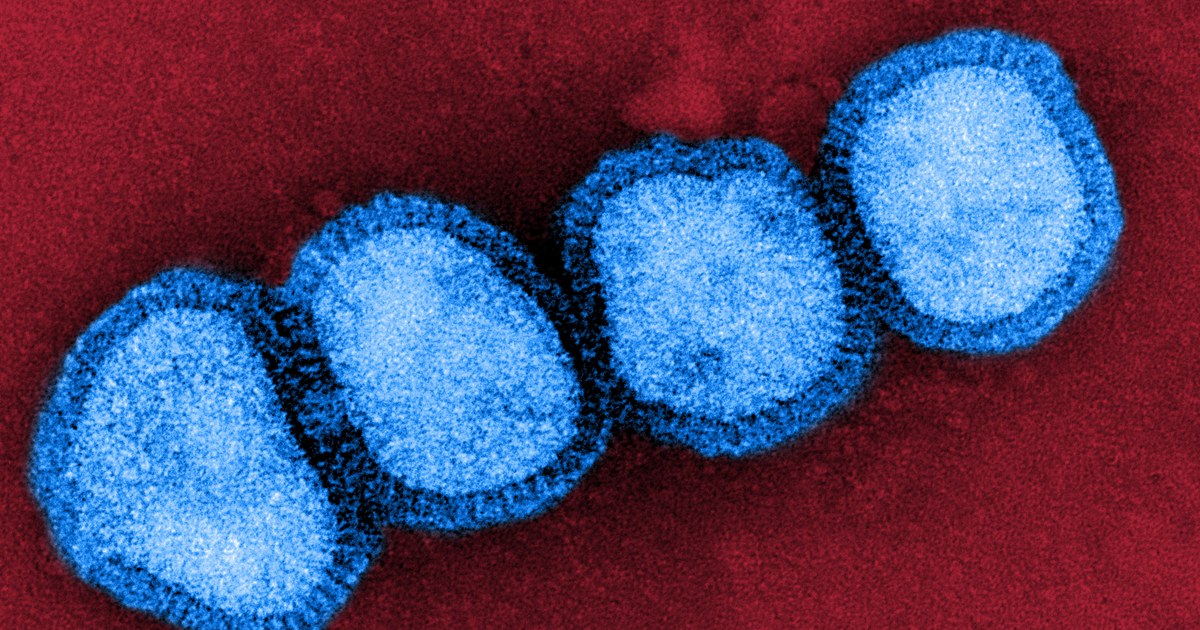


Table of contents
- Why the vaccine changes every year
- How WHO chooses the strains
- When the choice is wrong: mismatch and egg adaptation
- Variable effectiveness: what the numbers show
- Waning protection and repeated vaccination
- The healthy vaccinee bias
- In practice: how to guide annual vaccination
- How NEXO helps train this reasoning
- Frequently asked questions
- Take-home messages
- References
Almost every vaccine on the schedule stays the same for decades. The influenza one changes each season, and those who get it hear every year that they need to come back the following year. The explanation lies in the virus itself: the surface proteins change gradually, continuously, and the antibodies from the previous season recognize the new variants less and less well (WHO, 2022).
To keep up with this change, a global network of laboratories monitors the viruses in circulation, and the World Health Organization (WHO) recommends twice a year which strains go into the vaccine, once for each hemisphere. The choice is made months before the season, because manufacturing the vaccine takes time, and sometimes the virus changes along the way. The result is an effectiveness that varies from one year to another.
This text covers the biology of the annual change, the process of choosing strains, the reasons for mismatches, what the effectiveness numbers show and why observational studies on the vaccine require careful reading.
Key points
- Antigenic drift, the gradual accumulation of mutations in hemagglutinin and neuraminidase, requires updating the vaccine and vaccinating every year (WHO, 2022; Krammer, 2018).
- The composition is decided in February for the northern hemisphere and in September for the southern (Hampson, 2017), about 6 to 8 months before the vaccine reaches use (Morris, 2018).
- With mismatched strains, the inactivated vaccine still protected adults, but less: 52 versus 65 out of every 100 with matched strains (Tricco, 2013).
- Mutations of the vaccine strain during egg production can reduce effectiveness against H3N2 (Skowronski, 2014; Zost, 2017).
- Older observational studies overestimated the effect of the vaccine on mortality in the elderly due to the healthy vaccinee bias (Fireman, 2009).
Summary
- Why the vaccine changes every year
- How WHO chooses the strains
- When the choice is wrong: mismatch and egg adaptation
- Variable effectiveness: what the numbers show
- Waning protection and repeated vaccination
- The healthy vaccinee bias
- In practice: how to guide annual vaccination
- How NEXO helps train this reasoning
- Frequently asked questions
- Take-home messages
Why the vaccine changes every year
The influenza virus has an RNA genome divided into eight segments. Two surface proteins dominate the immune response: hemagglutinin (HA), which binds the virus to the cell, and neuraminidase (NA), which releases the new particles. The antibodies that neutralize the virus target mainly the head of HA (Krammer, 2018).
Antigenic drift
The enzyme that copies the virus's RNA makes frequent errors and does not correct them. With each cycle, mutations arise, and those that alter the HA sites recognized by antibodies give the virus an advantage in a population that has already been infected or vaccinated. This gradual accumulation of mutations in HA and NA is antigenic drift. One or a few substitutions near the functional sites of the HA head are enough to produce relevant drift (Krammer, 2018).
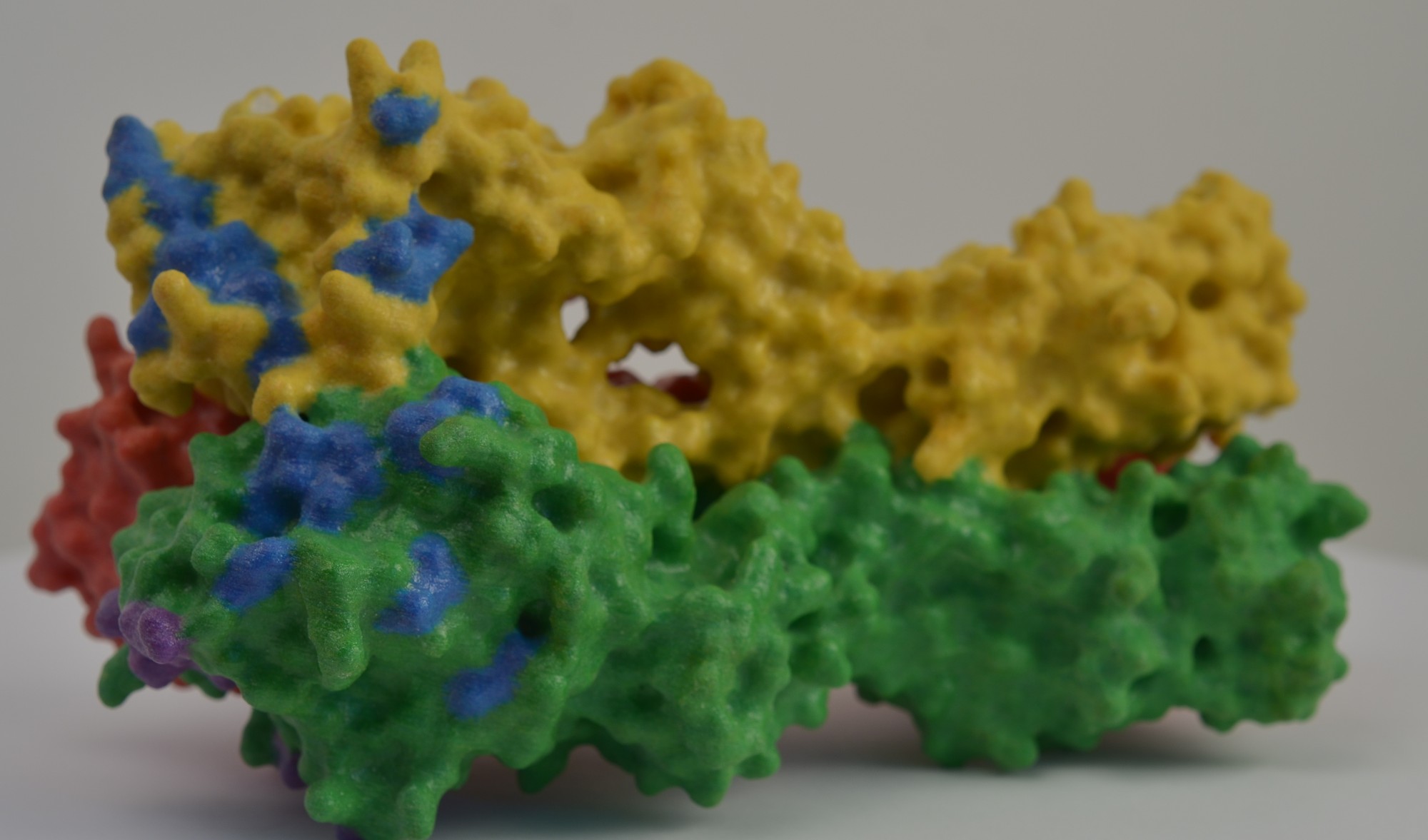
The HA head evolves faster than the stalk and is immunodominant, that is, it concentrates the antibody response (Wu and Wilson, 2020). It is an unfavorable combination: the immune system focuses precisely on the part that changes most. That is why antibodies generated against the virus of two or three years ago lose affinity for the current virus.
WHO summarizes the practical consequence: all influenza viruses undergo antigenic drift, which requires new vaccines and annual immunization (WHO, 2022).
Drift and shift
Drift is different from antigenic shift. Shift is a drastic change in HA, usually through the mixing of segments from viruses of different origins, and is linked to pandemics, because almost no one has antibodies against the new protein (Krammer, 2018). The seasonal vaccine deals with drift; shift requires a pandemic vaccine.
The burden of disease
The annual update is justified by the burden of influenza. WHO estimates about 1 billion infections per year worldwide, 3 to 5 million severe cases and 290,000 to 650,000 deaths from respiratory causes. Each season, the infection reaches about 1 in 5 children and 1 in 10 unvaccinated adults (WHO, 2022).

In temperate regions epidemics occur in winter. In the tropics influenza can circulate all year round, with irregular outbreaks (WHO, 2022).
How WHO chooses the strains
The choice depends on the Global Influenza Surveillance and Response System (GISRS). In September 2015, the network brought together 143 national influenza centres in 113 countries and 6 WHO collaborating centres (Hampson, 2017). The national centres collect samples from patients, isolate and sequence the viruses and send some to the collaborating centres, which carry out antigenic characterization.
Two meetings per year
The vaccine composition meetings take place in February, for the northern hemisphere winter, and in September, for the southern hemisphere winter. The recommendations for the two hemispheres have been separate since 1998 (Hampson, 2017). WHO keeps the review twice a year through GISRS (WHO, 2022).
The experts compare recent viruses with the strains in the vaccine in use. One of the most used tests is hemagglutination inhibition (HI): sera from ferrets infected with a strain and from vaccinated people are set against the new viruses. When antibodies against the vaccine strain react poorly with the viruses that are spreading, the strain is changed. Genetic data, the proportion of each virus group in circulation and the availability of suitable candidate viruses for production also enter the calculation (Hampson, 2017).
A bet made in advance
The choice has to come early. Producing an updated vaccine takes at least 6 to 8 months, which forces a decision almost a year before the peak of the season (Morris, 2018). The meetings take place before the current season ends, and variants that appear after them escape the analysis (Hampson, 2017).
That is why the choice is, in practice, a forecast. Evolutionary biology models try to anticipate which virus groups will predominate based on mutations and on the growth rate of each group. According to the review by Morris and colleagues, these models are promising, but they still complement the experts' decision (Morris, 2018).
Trivalent or quadrivalent
The vaccine usually contains two A viruses (H1N1 and H3N2) and one or two B viruses. The B/Yamagata lineage has not been detected since March 2020, and therefore, in the United States, for example, the vaccines for 2024-25 are trivalent again (Grohskopf, 2024). The same recommendation shows another detail: the reference strains of H1N1 and H3N2 differ between vaccines produced in eggs and those produced in cells or by recombinant technology.
When the choice is wrong: mismatch and egg adaptation
There are two main ways the vaccine can become misaligned with the virus. In the first, a variant appears or grows after the meeting. In the second, the chosen strain is right, but it changes during manufacturing (Hampson, 2017).
Strains without a match
A meta-analysis gathered 34 randomized clinical trials, 47 seasons and 94,821 participants to compare efficacy against matched and mismatched strains. In adults, the trivalent inactivated vaccine had efficacy of 52 out of 100 (95% CI: 37 to 63) against mismatched strains and 65 (54 to 73) against matched strains. In children aged 6 to 36 months, the attenuated vaccine had 54 versus 83 (Tricco, 2013).
The finding has two readings. Protection falls when the match is poor. But the vaccine remains useful, because the antibodies cross-react with similar viruses (Tricco, 2013). A year of mismatch reduces the benefit without eliminating it.
The mutation inside the egg
Most inactivated vaccines are still produced in embryonated chicken eggs. To grow well in the egg, the virus can accumulate mutations that adapt it to that environment, and some of them fall precisely in the sites recognized by antibodies.
The 2012-13 season in Canada illustrated the problem. Effectiveness was 50 out of every 100 (95% CI: 33 to 63) overall and 41 against H3N2. Genetic analysis showed that the circulating viruses remained similar to the chosen strain. The problem was in the egg-adapted vaccine strain, with mutations in antigenic sites B (H156Q and G186V) and D (S219Y), which reduced the HI titer against circulating viruses 16-fold (Skowronski, 2014).
In 2016-17 the mechanism was different. The H3N2 viruses of group 3C.2a had acquired, in 2014-15, a glycosylation site in antigenic site B. The egg-adapted vaccine strain lost that site during production, and antibodies from ferrets and from vaccinated people poorly neutralized the circulating viruses (Zost, 2017).
It is one of the reasons for the interest in vaccines produced in cell culture and recombinant vaccines, which do not need eggs and use their own reference strains (Grohskopf, 2024). WHO lists egg adaptation among the factors that make effectiveness vary (WHO, 2022).
Variable effectiveness: what the numbers show
Efficacy is the effect measured in a randomized clinical trial; effectiveness is the effect measured in the real world, in observational studies. For influenza, both vary with the season, the population, the dominant subtype, the match between vaccine and virus and egg adaptation (WHO, 2022).
By subtype
WHO gathered estimates from several seasons. In adults aged 18 to 65 years, the combined efficacy of the trivalent vaccine over 12 seasons was 59 out of every 100 (95% CI: 51 to 67). By subtype, effectiveness was 38 (31 to 44) against H3N2, 65 against H1N1pdm09 and 63 against influenza B virus (WHO, 2022). H3N2 is the hardest subtype: it changes faster, suffers more from egg adaptation and predominates in seasons that are more severe for older adults.
What the clinical trials show
The Cochrane review in healthy adults found that the inactivated vaccine reduced confirmed influenza from 2.3 to 0.9 out of every 100 people (RR 0.41). It would take vaccinating 71 adults to prevent one case of influenza. Influenza-like illness fell from 21.5 to 18.1 out of every 100, with 29 vaccinated to prevent one episode. The effect on hospitalization was small and uncertain (14.7 versus 14.1 out of every thousand; RR 0.96; 95% CI: 0.85 to 1.08; low certainty), and nearly null on workdays lost (Demicheli, 2018a).
In older adults, the same team found a reduction in influenza from 6 to 2.4 out of every 100 (RR 0.42), with 30 vaccinated to prevent one episode, and in influenza-like illness from 6 to 3.5 out of every 100, but with low certainty. The authors note that observational studies in older adults have historically been of low quality and that for three decades there have been no eligible trials in this age group (Demicheli, 2018b).
These numbers help calibrate the conversation. The vaccine reduces the risk of influenza, but the absolute benefit depends on the baseline risk: in a healthy adult, the chance of having influenza in a season is already low. It is the same logic as the baseline rate in diagnosis. In groups with more complications, such as older adults, pregnant people and people with chronic diseases, each episode prevented is worth more.
An example from the southern hemisphere
A study combined data from eight southern hemisphere countries, in Oceania, Southeast Asia and South America, and analyzed 31,368 hospitalizations for severe acute respiratory illness in 2023. The combined effectiveness against hospitalization for influenza was 51.9 out of every 100 (95% CI: 37.2 to 66.7), with wide variation between countries. In the South America network, the estimate was 43.9. The authors also note that, in 2023, circulation in New Zealand and Thailand departed from the usual southern hemisphere peak from May to July (Gharpure, 2025).
These studies use the test-negative case-control design, in which cases are patients with a positive test for influenza and controls are patients with the same clinical picture and a negative test. The design and its pitfalls will be the topic of the next text in the series.
Waning protection and repeated vaccination
Protection that decreases during the season
Protection also falls over the course of the season itself. In a Kaiser Permanente study in California with data from 2010 to 2017, the chance of influenza increased by about 16 in 100 every 28 days after vaccination. Those vaccinated 42 to 69 days earlier had a 1.32 times higher chance than those vaccinated 14 to 41 days earlier (Ray, 2019).
This matters when choosing the campaign date. Vaccinating too early can leave a person with less protection at the peak of the season; vaccinating too late misses the first weeks of circulation. WHO recommends vaccinating every year before the start of the season. In tropical and subtropical areas with several peaks or year-round circulation, the vaccine should be given before the main period of increased activity, based on local surveillance and the most recent WHO composition recommendation, regardless of the hemisphere the country is in (WHO, 2022).
Does vaccinating every year get in the way?
A common question is whether repeated vaccination reduces the response. The meta-analysis by Ramsay and colleagues gathered 20 studies. Compared with no vaccine, vaccination in the current season increased protection by 62 in 100 against H1N1, 45 against H3N2 and 64 against B. Those who had also been vaccinated in the previous season had slightly lower protection against H3N2 and B than those vaccinated only in the current season, with no difference for H1N1 (Ramsay, 2019).
The authors' conclusion is practical: vaccinating in the current season is better than not vaccinating, regardless of history. WHO reaches the same conclusion from repeated vaccination data (WHO, 2022). The phenomenon matters to research on vaccine design, but it is far from a reason to skip the year.
The healthy vaccinee bias
Much of the evidence on influenza vaccine in older adults comes from observational studies, which compare those who were vaccinated with those who were not. The two groups differ in far more than the vaccine, and this can create an apparent effect larger than the real one.
The test outside the season
The study by Fireman and colleagues showed the problem clearly. The authors followed people aged 65 or older at Kaiser Permanente in northern California between 1996 and 2005, with 115,823 deaths. If the vaccine acts through protection against influenza, it can only reduce deaths when the virus is circulating. Even so, outside the influenza weeks, the vaccinated died far less: the odds ratio was 0.34 in early November, before the season, and rose to 0.56 in January, 0.67 in April and 0.76 in August (Fireman, 2009).
This "effect" outside the season can only be bias. Very frail people, near the end of life, stop getting vaccinated, and so the unvaccinated group concentrates more deaths from any cause. After discounting this bias, the net effect of the vaccine on overall mortality was 4.6 in 100 (95% CI: 0.7 to 8.3), well below the estimates of about 50 that circulated at the time (Fireman, 2009).
Two biases in opposite directions
A systematic review assessed 23 observational effectiveness studies and classified 19 of them, 83 in 100, as at high risk of bias. Two biases act at the same time. The healthy vaccinee bias inflates effectiveness, because those who get vaccinated tend to have healthier habits and better access to care. Confounding by indication pulls in the opposite direction, because sick people receive more vaccine recommendations. In the studies analyzed, adjustment for confounders increased estimated effectiveness by 12 points for mortality, 9 for hospitalization and 7 for influenza-like illness (Remschmidt, 2015).
The lesson applies beyond influenza. The same reasoning appears in the assessment of adverse events after vaccination, in which the sequence in time misleads, and in the way retrospective biases distort judgment. Outcomes the vaccine should affect and outcomes it could never affect help separate effect from bias.
In practice: how to guide annual vaccination
The table summarizes WHO recommendations and the findings of the sources read. The vaccine composition is reviewed by WHO each season, for each hemisphere.
| Topic | What the sources say | Practical consequence | Source |
|---|---|---|---|
| Annual repetition | Drift in HA and NA reduces recognition by antibodies | Vaccinate each season | WHO, 2022 |
| Composition | Recommendation in February (north) and September (south) | Use the most recent WHO recommendation for the season | Hampson, 2017 |
| Poor match | Lower efficacy, with cross-protection | Vaccinate even in a mismatched year | Tricco, 2013 |
| Timing | Before the start of the season; in the tropics, before the main period of activity | Set the date with local surveillance | WHO, 2022 |
| Decline during the season | Chance of influenza rises with time since vaccination | Avoid vaccinating too long before circulation | Ray, 2019 |
| Previous vaccination | Vaccinating in the current season beats going without a vaccine | Keep vaccinating regardless of history | Ramsay, 2019 |
| Safety | Inactivated vaccines with an excellent profile; local pain is common | Warn about pain at the injection site | WHO, 2022 |
The conversation in the office
"I got it last year and still caught the flu" is a common phrase. It mixes three things: respiratory conditions caused by other viruses, the partial efficacy of the vaccine and years of mismatch. Explaining that the vaccine reduces the risk without eliminating it, and that the strain changes from one year to the next, usually works better than promising full protection. The techniques of presumptive or participatory recommendation and understanding why the doubt appears help at that moment.
Safety also comes into the conversation. Inactivated vaccines have an excellent safety profile; pain at the injection site appears in 60 to 80 of every 100 vaccinated people (WHO, 2022). Anyone who had a severe allergic reaction to a previous vaccine needs evaluation, and the text on anaphylaxis after vaccination summarizes who is at higher risk.
From the WHO recommendation to programs
The WHO recommends that all countries consider seasonal influenza vaccination programs. For those starting or expanding a program, it lists as groups to consider, without order of priority, health professionals, people with comorbidities, older adults and pregnant women; children and other groups may be included according to the disease burden and the capacity of each system (WHO, 2022). The decision process, from the evidence framework to the recommendation, and the role of SAGE in global recommendations explain why the same evidence leads to different schedules. For older adults, the influenza vaccine is often offered together with others, such as the RSV vaccine. Weighing benefits and harms with absolute numbers helps communicate what to expect.
How NEXO helps train this reasoning
In NEXO, the case of the day is fictional, with a real clinical presentation and up to six progressive clues, and you propose the diagnosis by searching for the ICD-10 code. Recognizing a flu-like syndrome in an older adult in the middle of winter, or suspecting influenza outside the usual season, is the kind of reasoning the clues train. Knowing how the ICD-10 code is built speeds up the search.
The limits of using the game are described on the NEXO Economy page. If you research the teaching of clinical reasoning, the page for Researchers explains how to get in touch. Professionals who write or review cases find information on the Curator page, and those who produce health content can visit the Creators page.
Frequently asked questions
Why do I need to get the influenza vaccine every year?
For two reasons. The virus changes through antigenic drift, and the vaccine is updated to keep up with the strains in circulation (WHO, 2022). In addition, protection decreases over the months after vaccination (Ray, 2019).
Who chooses the vaccine strains?
The WHO, based on data from the global surveillance network (GISRS), at meetings in February for the northern hemisphere and in September for the southern hemisphere (Hampson, 2017).
If the vaccine misses the strain, does it still protect?
It protects less, but it protects. In adults, efficacy was 52 of every 100 against mismatched strains and 65 against matched strains (Tricco, 2013).
Does the vaccine cause the flu?
The inactivated vaccine contains inactivated virus or parts of it and cannot cause influenza. Pain at the injection site is common (WHO, 2022). Respiratory conditions after vaccination are usually caused by other viruses, and the coincidence in time is misleading.
Does getting the vaccine every year reduce its effect?
In some seasons, those vaccinated in both years had slightly lower protection against H3N2 and B than those vaccinated only in the current year. Even so, vaccinating in the current season protects more than not vaccinating (Ramsay, 2019).
Why did older studies show the vaccine halving mortality in older adults?
Through healthy vaccinee bias: frailer older adults were vaccinated less often. The effect appeared even outside the influenza season, which shows it was bias (Fireman, 2009).
Take-home messages
- Antigenic drift in HA and NA means the vaccine must be updated and people must be vaccinated every year.
- WHO recommends the composition in February for the north and in September for the south, months in advance.
- Mismatch and egg adaptation reduce effectiveness, especially against H3N2, without canceling the protection.
- The absolute benefit depends on baseline risk: it is greater in those with a higher chance of complications.
- Vaccinating in the current season beats going without a vaccine, whatever the history.
- Observational studies require attention to healthy vaccinee bias and confounding by indication.
Play the case of the day on NEXO.
References
- World Health Organization. Vaccines against influenza: WHO position paper – May 2022. Wkly Epidemiol Rec. 2022;97(19):185-208. WHO page.
- Krammer F, Smith GJD, Fouchier RAM, Peiris M, et al. Influenza. Nat Rev Dis Primers. 2018;4(1):3. PMID 29955068. DOI 10.1038/s41572-018-0002-y.
- Wu NC, Wilson IA. Influenza Hemagglutinin Structures and Antibody Recognition. Cold Spring Harb Perspect Med. 2020;10(8):a038778. PMID 31871236. DOI 10.1101/cshperspect.a038778.
- Hampson A, Barr I, Cox N, Donis RO, et al. Improving the selection and development of influenza vaccine viruses - Report of a WHO informal consultation on improving influenza vaccine virus selection, Hong Kong SAR, China, 18-20 November 2015. Vaccine. 2017;35(8):1104-1109. PMID 28131392. DOI 10.1016/j.vaccine.2017.01.018.
- Morris DH, Gostic KM, Pompei S, Bedford T, et al. Predictive Modeling of Influenza Shows the Promise of Applied Evolutionary Biology. Trends Microbiol. 2018;26(2):102-118. PMID 29097090. DOI 10.1016/j.tim.2017.09.004.
- Grohskopf LA, Ferdinands JM, Blanton LH, Broder KR, et al. Prevention and Control of Seasonal Influenza with Vaccines: Recommendations of the Advisory Committee on Immunization Practices – United States, 2024–25 Influenza Season. MMWR Recomm Rep. 2024;73(5):1-25. PMID 39197095. DOI 10.15585/mmwr.rr7305a1. Original title with an em dash, replaced by an en dash.
- Tricco AC, Chit A, Soobiah C, Hallett D, et al. Comparing influenza vaccine efficacy against mismatched and matched strains: a systematic review and meta-analysis. BMC Med. 2013;11:153. PMID 23800265. DOI 10.1186/1741-7015-11-153.
- Skowronski DM, Janjua NZ, De Serres G, Sabaiduc S, et al. Low 2012-13 influenza vaccine effectiveness associated with mutation in the egg-adapted H3N2 vaccine strain not antigenic drift in circulating viruses. PLoS One. 2014;9(3):e92153. PMID 24667168. DOI 10.1371/journal.pone.0092153.
- Zost SJ, Parkhouse K, Gumina ME, Kim K, et al. Contemporary H3N2 influenza viruses have a glycosylation site that alters binding of antibodies elicited by egg-adapted vaccine strains. Proc Natl Acad Sci U S A. 2017;114(47):12578-12583. PMID 29109276. DOI 10.1073/pnas.1712377114.
- Demicheli V, Jefferson T, Ferroni E, Rivetti A, et al. Vaccines for preventing influenza in healthy adults. Cochrane Database Syst Rev. 2018;2(2):CD001269. PMID 29388196. DOI 10.1002/14651858.CD001269.pub6.
- Demicheli V, Jefferson T, Di Pietrantonj C, Ferroni E, et al. Vaccines for preventing influenza in the elderly. Cochrane Database Syst Rev. 2018;2(2):CD004876. PMID 29388197. DOI 10.1002/14651858.CD004876.pub4.
- Ray GT, Lewis N, Klein NP, Daley MF, et al. Intraseason Waning of Influenza Vaccine Effectiveness. Clin Infect Dis. 2019;68(10):1623-1630. PMID 30204855. DOI 10.1093/cid/ciy770.
- Ramsay LC, Buchan SA, Stirling RG, Cowling BJ, et al. The impact of repeated vaccination on influenza vaccine effectiveness: a systematic review and meta-analysis. BMC Med. 2019;17(1):9. PMID 30626399. DOI 10.1186/s12916-018-1239-8.
- Remschmidt C, Wichmann O, Harder T. Frequency and impact of confounding by indication and healthy vaccinee bias in observational studies assessing influenza vaccine effectiveness: a systematic review. BMC Infect Dis. 2015;15:429. PMID 26474974. DOI 10.1186/s12879-015-1154-y.
- Fireman B, Lee J, Lewis N, Bembom O, et al. Influenza vaccination and mortality: differentiating vaccine effects from bias. Am J Epidemiol. 2009;170(5):650-656. PMID 19625341. DOI 10.1093/aje/kwp173.
- Gharpure R, Regan AK, Nogareda F, Cheng AC, et al. Effectiveness of 2023 southern hemisphere influenza vaccines against severe influenza-associated illness: pooled estimates from eight countries using the test-negative design. Lancet Glob Health. 2025;13(2):e203-e211. PMID 39890222. DOI 10.1016/S2214-109X(24)00473-X.