Herpes zoster: recombinant vaccine, who and when
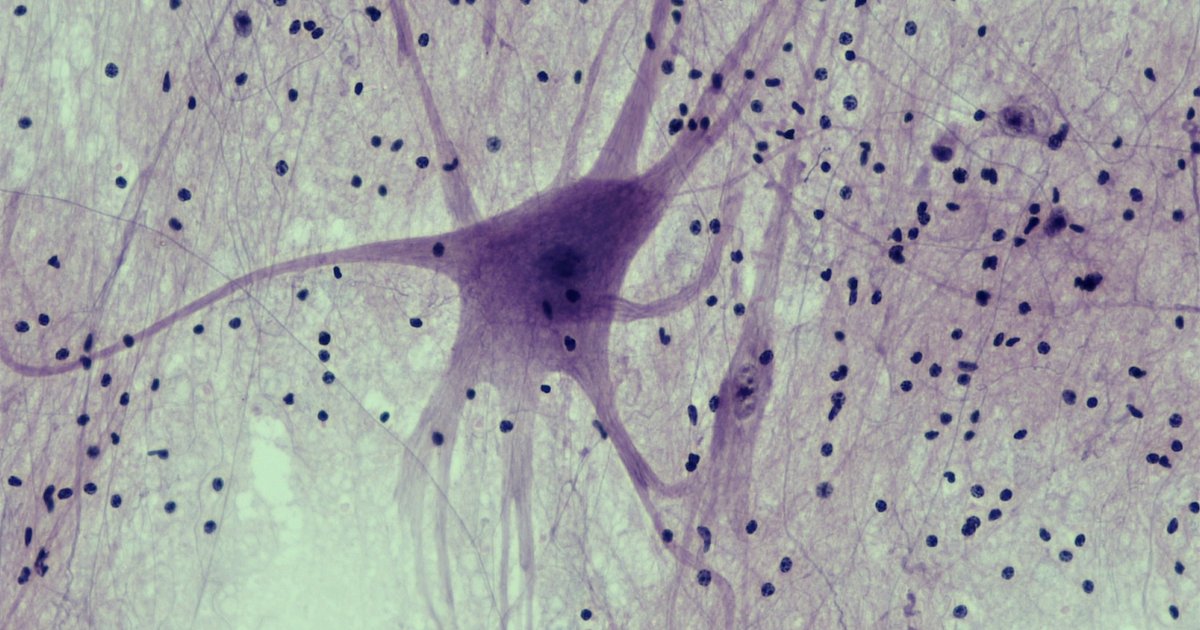


Table of contents
- Why herpes zoster weighs more with age
- From the live vaccine to the adjuvanted recombinant one
- ZOE-50 and ZOE-70: efficacy in real older adults
- Postherpetic neuralgia and duration of protection
- Immunocompromised people: what the trials show
- Safety: reactogenicity and Guillain-Barré
- Whom to vaccinate and when
- How NEXO helps train this reasoning
- Frequently asked questions
- Take-home messages
- References
Herpes zoster is the reactivation of a virus that nearly every adult carries from childhood. The skin lesion lasts a few weeks, but the pain can linger for months, and it is this pain, postherpetic neuralgia, that makes zoster a problem of older adults (Kawai, 2014).
The first vaccine, a live attenuated virus vaccine, lost protection quickly. The adjuvanted recombinant vaccine, given in two doses, was tested in two large trials, ZOE-50 and ZOE-70, and became the preferred vaccine in the United States from 2017 onward (Dooling, 2018). Later came analyses in frail older adults, 11-year follow-up and trials in immunocompromised people.
This text goes through these data with a clinical question in mind: for whom the vaccine makes a difference and when to give it.
Key points
- The recombinant vaccine had efficacy above 90 out of 100 against zoster in all age groups of the trials, including at 70 years or older (Dooling, 2018).
- Efficacy was also above 90 out of 100 in frail participants (Curran, 2021).
- In the 11th year after vaccination, estimated efficacy against zoster was still 82 out of 100 (Strezova, 2025).
- The American committee extended the indication to immunocompromised people from 19 years of age (Anderson, 2022).
- Local and systemic reactions are frequent; the risk of Guillain-Barré, if it exists, is very small (Parikh, 2023).
Summary
- Why herpes zoster weighs more with age
- From the live vaccine to the adjuvanted recombinant one
- ZOE-50 and ZOE-70: efficacy in real older adults
- Postherpetic neuralgia and duration of protection
- Immunocompromised people: what the trials show
- Safety: reactogenicity and Guillain-Barré
- Who to vaccinate and when
- How NEXO helps train this reasoning
- Frequently asked questions
- Take-home messages
Why herpes zoster weighs more with age
After varicella, the varicella-zoster virus stays latent in neurons of sensory ganglia. When specific cellular immunity falls, with age or with immunosuppression, it reactivates and travels down the nerve to the skin of the corresponding dermatome. The result is the painful band-like rash, almost always on one side of the body (Dooling, 2018).
In a systematic review of 130 studies in 26 countries, incidence was between 3 and 5 per 1,000 person-years in North America, Europe and the Asia-Pacific region, with a progressive increase after 50 years of age. Recurrence ranged from 1 to 6 out of 100 people, and hospitalization from 2 to 25 per 100,000 person-years, higher among older adults (Kawai, 2014).
Postherpetic neuralgia
The most common complication is pain that persists after the skin heals. The risk of postherpetic neuralgia ranged from 5 to more than 30 out of 100 people with zoster, depending on the definition and the age of the population studied, and more than 30 out of 100 people with neuralgia still had pain after one year (Kawai, 2014). The pain affects sleep, mood and daily activities, and the risk of developing it grows with age (Dooling, 2018).
Other complications include ophthalmic zoster, with risk to vision, and neurological conditions. In immunocompromised people, the disease can disseminate and the burden of complications is greater (Bardach, 2021).
What is known in Brazil and Latin America
A Latin American systematic review gathered 26 studies, most of them Brazilian. None measured incidence in the general population; in higher-risk groups, incidence density ranged from 6.4 to 36.5 per 1,000 person-years, and age above 50 years was the main risk factor (Bardach, 2021).
A Delphi panel with Brazilian experts estimated that the fraction of outpatients with postherpetic neuralgia rises from 4 out of 100 between 50 and 59 years to 14 out of 100 at 80 years or older. Each episode required 2 to 3 consultations, hospitalization ranged from 1 to 8 out of 100 patients and diagnosis was clinical in 93 out of 100 (Bagattini, 2025). It is an expert estimate, useful while population data are lacking.
From the live vaccine to the adjuvanted recombinant one
The first shingles vaccine used the same attenuated strain as the chickenpox vaccine, at a higher concentration, given as a single dose. It reduced shingles, but protection dropped considerably after the first year: at 6 years, estimated effectiveness was already below 35 out of 100 (Dooling, 2018). Because it was a live virus vaccine, it was contraindicated in a large share of immunocompromised people, precisely the highest-risk group.
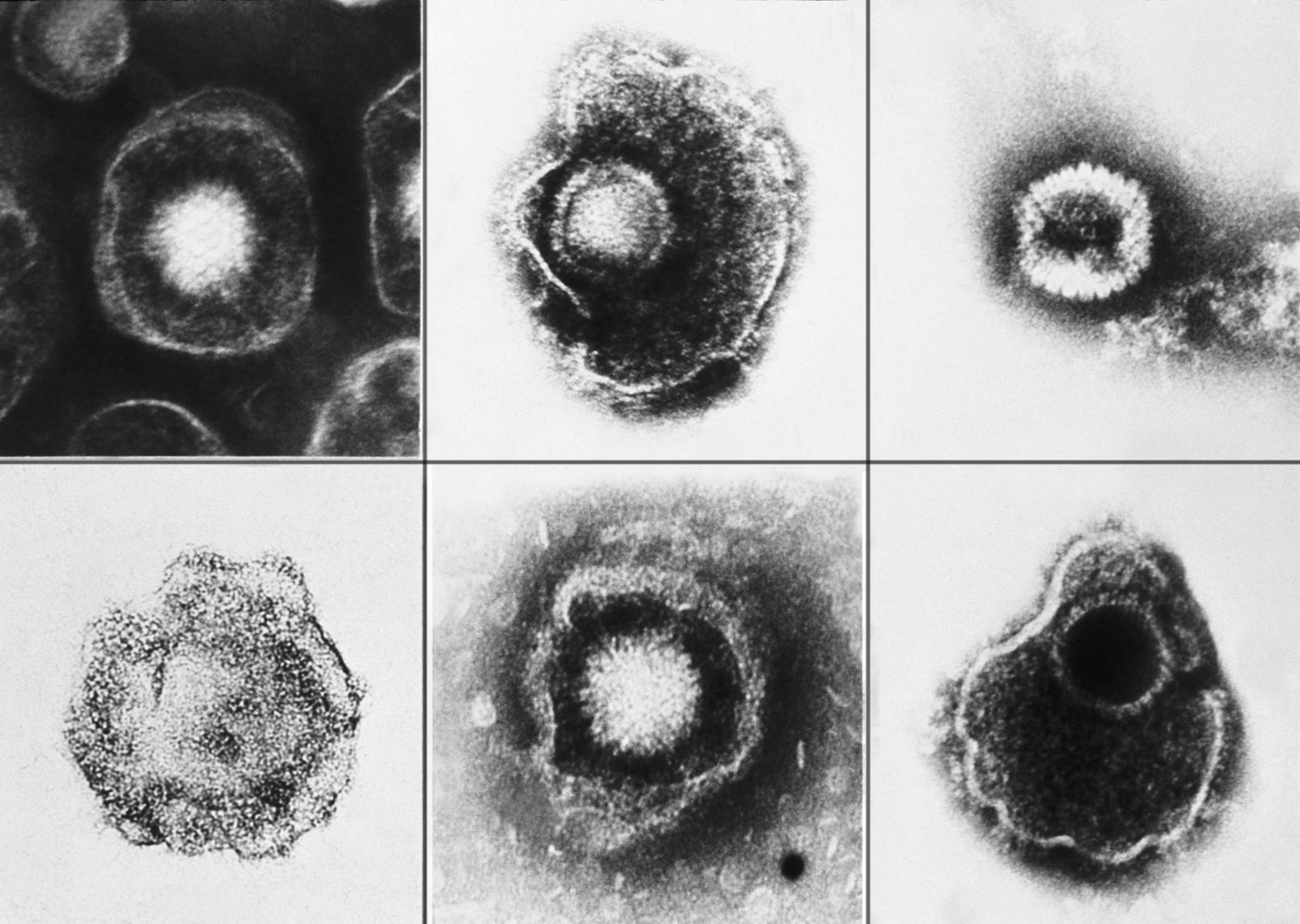
The recombinant vaccine follows a different logic. It contains only one protein from the viral envelope, glycoprotein E, combined with an adjuvant, AS01B, and is given intramuscularly in two doses, 2 to 6 months apart (Dooling, 2018). With no replicating virus, it can be used in immunocompromised people and at the same time as antivirals (Anderson, 2022).
The role of the adjuvant
The vaccine targets cellular immunity, the same immunity that fails when the virus reactivates. In long-term follow-up, antibody and specific CD4 T-cell responses reached a plateau, more than 5 and about 7 times above the pre-vaccination level (Strezova, 2025). The clinical counterpart of the adjuvant is reactogenicity, discussed further below.
ZOE-50 and ZOE-70: efficacy in real older adults
The two phase 3 trials were conducted in parallel, at the same centers and with the same methods. ZOE-50 randomized adults aged 50 or older; ZOE-70, adults aged 70 or older, always in a 1 to 1 ratio between vaccine and placebo (Curran, 2021). Mean follow-up was 3.2 years in ZOE-50 and 3.7 years in ZOE-70 (Dooling, 2018).
The results
In ZOE-50, efficacy against shingles was 96.6 out of 100 among those aged 50 to 59 and 97.4 among those aged 60 to 69. In pooled data from the two trials, it was 91.3 out of 100 in participants aged 70 or older. In that age range, efficacy in the first year was 97.6 and remained at 84.7 or higher in the following three years (Dooling, 2018).
This pattern is what most sets the recombinant vaccine apart from the live vaccine. Efficacy barely declines with age, the opposite of what is expected from a vaccine in an aging immune system.
Frailty
Frail older adults are usually left out of trials, and that leaves doubt about the result in the clinic. The ZOE-Frailty analysis built a validated frailty index from the data of the two trials and included 92 out of 100 of the 29,305 participants. Mean age was 68.8 years; 45.6 out of 100 were pre-frail and 11.3 out of 100, frail. The share of frail participants rose from 5.7 out of 100 among those aged 50 to 59 to 22.7 out of 100 at age 80 or older (Curran, 2021).
Efficacy against shingles was above 90 out of 100 in all groups: 95.8 in the non-frail, 90.4 in the pre-frail and 90.2 in the frail. Immune responses remained above the pre-vaccination level for at least three years in all of them, and the share of participants with a solicited adverse reaction tended to fall as frailty increased (Curran, 2021).
Underlying diseases
Another pooled analysis looked at medical conditions at study entry. Efficacy ranged from 84.5 out of 100 in people with respiratory disease to 97.0 in people with coronary disease; it was 91.2 in diabetes and 88.8 in asthma. Even among participants with six or more of these conditions, the estimate was above 90 out of 100, with overlapping confidence intervals between groups (Oostvogels, 2019).
Both analyses were funded by the manufacturer and are post hoc, which calls for caution when reading subgroups. Even so, the message for the clinician is direct: advanced age, frailty and multimorbidity are no reason to skip vaccination.
Postherpetic neuralgia and duration of protection
Preventing shingles already prevents pain, but the clinical question is more precise: does the vaccine reduce postherpetic neuralgia? In the trials, efficacy against postherpetic neuralgia was 91.2 out of 100 in participants aged 50 or older and 88.8 out of 100 in those aged 70 or older (Dooling, 2018).
The pain of those who had shingles despite being vaccinated
Because the vaccine prevents most episodes, few are left to compare pain between vaccinated and unvaccinated people. In an analysis of three trials, the duration of clinically relevant pain was shorter in vaccinated people, but without statistical significance in ZOE-50 and ZOE-70, due to the small number of episodes. In ZOE-70, the vaccine reduced analgesic use by 39.6 per 100 and the duration of that use by 49.3 per 100 among those who had shingles (Kim, 2023).
How long protection lasts
ZOE-LTFU followed participants from the two trials starting about 5 years after vaccination, for another 6 years. In the interim analysis, efficacy against shingles was 81.6 per 100 between 5.6 and 9.6 years after vaccination, and 73.2 in the 10th year (Strezova, 2022).
In the final analysis, with 7,273 participants and a mean age of 67.3 years at vaccination, efficacy during follow-up was 79.8 per 100 in those vaccinated at 50 years or older and 73.2 in those vaccinated at 70 years or older. Against postherpetic neuralgia, it was 87.5. From the first month after the second dose to the end of the study, cumulative efficacy was 87.7 per 100, and in the 11th year it was still 82.0 (Strezova, 2025).
There is a design limitation. Because the placebo group was vaccinated at the end of the original trials, follow-up used a historical control built with placebo data from ZOE-50 and ZOE-70 (Strezova, 2025). The estimate is reliable for duration, but it depends on the assumption that the incidence without vaccine would be similar to that observed years earlier.
In real life
American observational studies confirmed protection outside the trials, with lower numbers. In Medicare, in people aged 65 or older, effectiveness was 70.1 per 100 with two doses and 56.9 with one. In two other databases, with adults aged 50 or older, it was 83.5 and 85.5 per 100 (Parikh, 2023). The review, funded by the manufacturer, also showed greater effectiveness with two doses than with one, especially in older adults and immunocompromised people, and that about two thirds of people completed the schedule between 2 and 6 months.
The difference between trial and real life has known explanations: sicker populations, inclusion of immunocompromised people, diagnosis by medical record code and incomplete schedules. To understand why the same relative effect produces different absolute benefits depending on baseline risk, it is worth reviewing the concept of baseline rate.
Immunocompromised people: what the trials show
Immunocompromised people have the highest risk of shingles and complications. Autologous stem cell transplant recipients and patients with hematologic neoplasms reach rates of about 30 per 1,000 person-years; solid organ recipients and patients with solid tumors, 22 to 28 per 1,000 (Marra, 2024).
Autologous transplant
ZOE-HSCT randomized 1,846 adults who underwent autologous stem cell transplant, with the first dose between 50 and 70 days after transplant and the second 1 to 2 months later (Stadtmauer, 2021). Efficacy against shingles was 68.2 per 100 (Anderson, 2022). By underlying disease, it ranged from 42.5 to 82.5 per 100, with significance in B-cell non-Hodgkin lymphoma and multiple myeloma; in lymphoma, protection was high even with a lower antibody response (Stadtmauer, 2021).
Other groups
In post hoc analyses of patients with hematologic neoplasms, efficacy was 87.2 and 90.5 per 100. For people living with HIV, kidney transplant recipients and patients with solid tumors, the trials measured immune response and safety, without power for clinical efficacy (Anderson, 2022).
A meta-analysis of seven randomized trials in immunocompromised people estimated an 81 per 100 reduction in the incidence of shingles compared with placebo (relative risk 0.19), with moderate heterogeneity. Transplant and prior neoplasm were associated with a lower immune response, and serious adverse events and deaths were similar in the two groups (Marra, 2024).
The American recommendation
In October 2021, by 15 votes to 0, ACIP recommended two doses for adults aged 19 or older who are or will be immunocompromised by disease or treatment. The clinical guidance has three practical points: vaccinate before immunosuppression when possible; otherwise, choose a phase of stable disease and lesser immunosuppression; and, when there is benefit in protecting quickly, shorten the interval between doses to 1 to 2 months (Anderson, 2022).
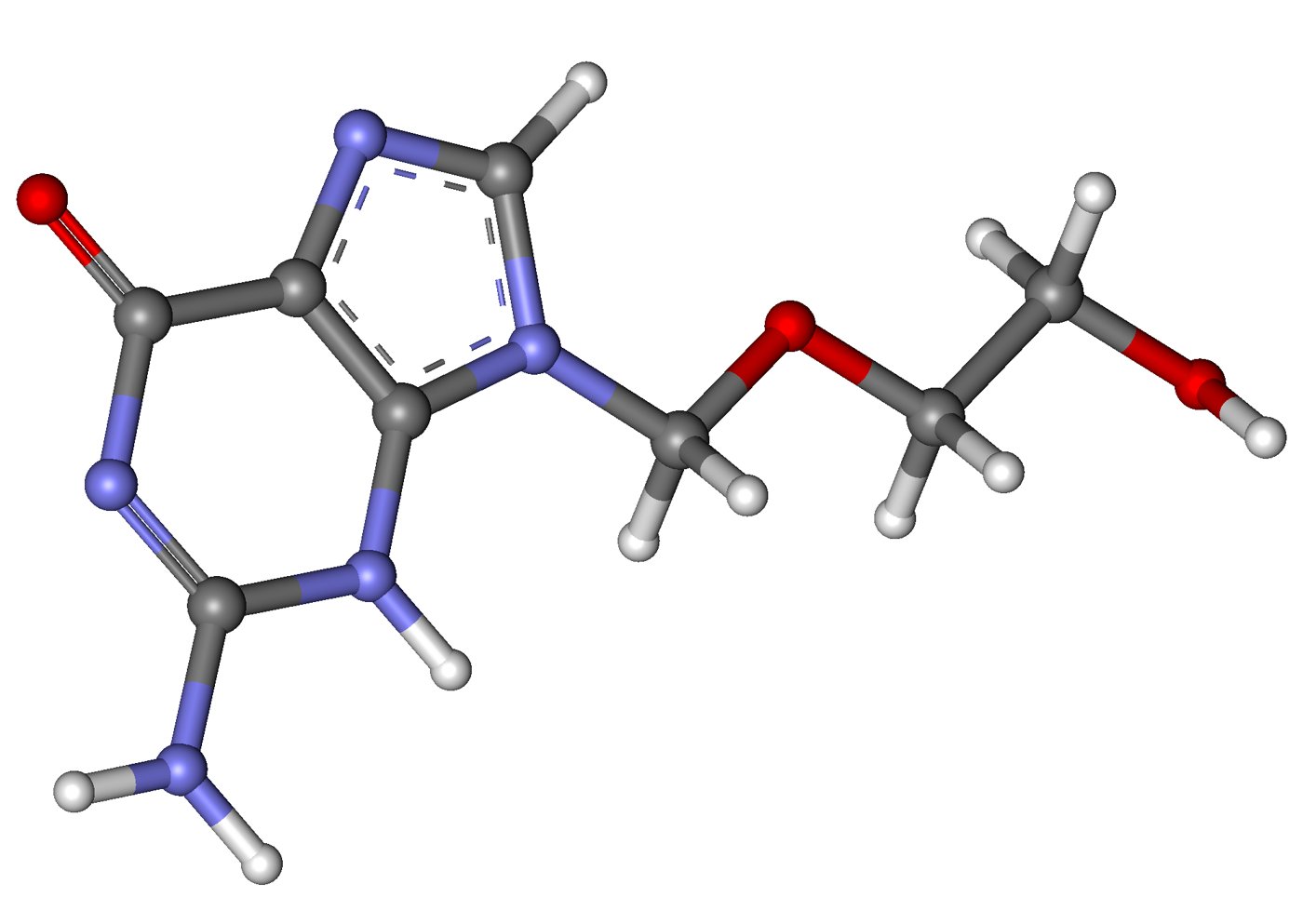
The same document notes that the vaccine can be given to those who have already received varicella vaccine and during the use of antivirals, since it does not contain live virus (Anderson, 2022).
Safety: reactogenicity and Guillain-Barré
The recombinant vaccine is reactogenic, and the patient needs to know this before the first dose. In the trials, grade 3 local reactions, severe enough to prevent usual activities, occurred in 9.4 of every 100 vaccinated, versus 0.3 on placebo; grade 3 systemic reactions, such as myalgia, fatigue, headache, chills and fever, in 10.8 of every 100, versus 2.4 (Dooling, 2018).
The most common reactions, of any intensity, were pain at the site (78 of every 100), myalgia (45) and fatigue (45). Grade 3 systemic reactions were more frequent after the second dose. Serious adverse events occurred in a similar proportion in the vaccine and placebo groups (Dooling, 2018). ACIP advises encouraging the person to complete the schedule even after a grade 1 to 3 reaction that is not anaphylaxis (Anderson, 2022).
Post-licensure surveillance
The Vaccine Safety Datalink followed 647,833 doses in adults aged 50 or older and found no sustained increase in risk for any of the 10 monitored outcomes, including stroke, anaphylaxis and Guillain-Barré (Nelson, 2023). A scan of more than 1 million doses in a private insurance database found clusters of fever, myalgia, syncope and local reactions in the first days, consistent with the known profile, and no cluster of Guillain-Barré (Yih, 2022).
In the Medicare database, however, a self-controlled series found a relative risk of 2.84 for Guillain-Barré in the 42 days after the vaccine, which corresponds to about 3 per million doses. Zoster itself raises the risk of Guillain-Barré, which can confound the association, and the American package insert began to mention the possible risk (Parikh, 2023). The methods that separate signal from coincidence, such as the comparison between observed and expected, are in the text on causality of adverse events.
Weighing risk against benefit
An excess of about 3 per million needs to be read alongside what the vaccine prevents: zoster in 3 to 5 of every 1,000 people per year and neuralgia in some of them (Kawai, 2014). The reasoning is the same as in when the risk is real and needs to be weighed against the benefit, and the conversation with the patient gains when both numbers appear in the same frequency, as discussed in benefits and harms.
An off-target effect?
A study from Wales took advantage of an eligibility rule based on date of birth and found a reduction of 3.5 percentage points in new dementia diagnoses over 7 years, or 20 of every 100 in relative terms, among those eligible for the vaccine (Eyting, 2025). The data are from the live vaccine, not the recombinant one, and do not yet enter any recommendation. They serve as a hypothesis, not as an argument for the clinic.
Whom to vaccinate and when
The table summarizes the American indications, the only ones with a complete document among the sources read. How each country adapts the same evidence to its own schedule is in why the same evidence generates different schedules.
| Situation | Indication | Schedule | Source |
|---|---|---|---|
| Immunocompetent aged 50 or older | Two doses of the recombinant | Second dose 2 to 6 months after the first | Dooling, 2018 |
| Already vaccinated with the live vaccine | Recombinant recommended | Same two-dose schedule | Dooling, 2018 |
| Immunocompromised aged 19 or older | Two doses of the recombinant | Interval of 1 to 2 months if quick protection is needed | Anderson, 2022 |
| Previous zoster | Vaccinate, because zoster recurs | Wait for the acute episode to end | Anderson, 2022; Dooling, 2018 |
| Pregnancy | Postpone until after pregnancy | Unnecessary pregnancy test | Anderson, 2022 |
| Previous anaphylaxis to a component | Contraindicated | The vaccine should be avoided | Dooling, 2018 |
The right timing in the immunosuppressed
The best timing is before starting chemotherapy, biologics or high-intensity immunosuppressants. When treatment has already begun, the choice falls on a window of stable disease. In autologous transplant, the trial gave the first dose between 50 and 70 days after the procedure, with a lasting and persistent immune response (Stadtmauer, 2021).
Delays and interrupted schedules
If more than 6 months have passed since the first dose, the schedule does not need to be restarted; just give the second dose. If the second dose was given before 4 weeks, it does not count and must be repeated at least 4 weeks later (Anderson, 2022). The vaccine can be given on the same day as other inactivated vaccines, at different anatomical sites, which helps combine the visit with the vaccine against respiratory syncytial virus in older adults.
The conversation in the consultation
Reactogenicity is the main reason people give up on the second dose. Warning in advance that the arm may hurt and that one or two days of feeling unwell are expected reduces the surprise. The way the recommendation is made also matters: the text on presumptive or participatory recommendation shows how to start the conversation.
How NEXO helps train this reasoning
In NEXO, the case of the day is fictional, with a real clinical presentation and up to six progressive clues, and you propose the diagnosis by searching for the ICD-10 code. Recognizing a unilateral band-like rash, neuropathic pain that persists or a patient on chemotherapy in the clues exercises the same risk reading that guides the vaccine indication.
The limits of using the game are described on the NEXO Economy page. If you research teaching of clinical reasoning, the page for Researcher explains how to get in touch. Professionals who write or review cases find information in Curator and in Creators, and institutions can learn about the proposal on the partnerships page. To train searching for the code, see how the ICD-10 code is built.
Frequently asked questions
Do people who have already had shingles need to be vaccinated?
Yes. Shingles can return, and recurrence reached 5 or 6 out of every 100 people in the longest follow-up studies (Kawai, 2014). ACIP recommends the vaccine for those with a history of shingles, after the acute episode ends (Anderson, 2022; Dooling, 2018).
Should those who received the live vaccine get the recombinant one?
Yes, according to ACIP, which approved this recommendation by 12 votes to 3. Protection from the live vaccine drops considerably in the first years (Dooling, 2018).
Does a single dose protect?
It protects less. In Medicare, effectiveness was 56.9 out of 100 with one dose and 70.1 with two (Parikh, 2023). The full schedule has two doses.
Does protection end after a few years?
The available data show efficacy of 82 out of 100 in the 11th year, with the immune response on a plateau (Strezova, 2025). So far, no recommendation includes a booster.
Should frail older adults be vaccinated?
Yes. Efficacy was 90.2 out of 100 in the frail participants of the trials, and reactions tended to be less frequent as frailty increased (Curran, 2021).
Can the vaccine be given during antiviral treatment?
Yes. The recombinant vaccine does not contain live virus, and the antiviral does not interfere with it (Anderson, 2022).
Does the vaccine cause Guillain-Barré?
A Medicare study estimated about 3 per million doses in excess in the six weeks after the vaccine, with possible confounding by shingles itself, and other databases did not confirm the signal (Parikh, 2023; Nelson, 2023). Anyone who has had Guillain-Barré should discuss the decision with their doctor.
Take-home messages
- Shingles is reactivation of the varicella virus, and the risk and postherpetic neuralgia increase with age.
- The adjuvanted recombinant vaccine had efficacy above 90 out of 100 at all ages tested.
- Frailty and multimorbidity did not reduce efficacy in a relevant way.
- Protection remained at about 80 out of 100 for 11 years.
- Immunosuppressed people benefit and should be vaccinated, preferably before immunosuppression.
- Local and systemic reactions are common; giving advance notice helps complete the schedule.
- The risk of Guillain-Barré, if it exists, is on the order of a few per million.
Play the case of the day on NEXO.
References
- Kawai K, Gebremeskel BG, Acosta CJ. Systematic review of incidence and complications of herpes zoster: towards a global perspective. BMJ Open. 2014;4(6):e004833. PMID 24916088. DOI 10.1136/bmjopen-2014-004833.
- Bardach AE, Palermo C, Alconada T, Sandoval M, et al. Herpes zoster epidemiology in Latin America: A systematic review and meta-analysis. PLoS One. 2021;16(8):e0255877. PMID 34383851. DOI 10.1371/journal.pone.0255877.
- Bagattini ÂM, da Rosa MQM, Gomez JA, Ballivian J, et al. Health resource use and epidemiologic profile of herpes zoster outpatients aged 50 years or older: a modified Delphi consensus panel in Brazil. Braz J Infect Dis. 2025;29(5):104560. PMID 40616897. DOI 10.1016/j.bjid.2025.104560.
- Dooling KL, Guo A, Patel M, Lee GM, et al. Recommendations of the Advisory Committee on Immunization Practices for Use of Herpes Zoster Vaccines. MMWR Morb Mortal Wkly Rep. 2018;67(3):103-108. PMID 29370152. DOI 10.15585/mmwr.mm6703a5.
- Curran D, Kim JH, Matthews S, Dessart C, et al. Recombinant Zoster Vaccine Is Efficacious and Safe in Frail Individuals. J Am Geriatr Soc. 2021;69(3):744-752. PMID 33197294. DOI 10.1111/jgs.16917.
- Oostvogels L, Heineman TC, Johnson RW, Levin MJ, et al. Medical conditions at enrollment do not impact efficacy and safety of the adjuvanted recombinant zoster vaccine: a pooled post-hoc analysis of two parallel randomized trials. Hum Vaccin Immunother. 2019;15(12):2865-2872. PMID 31216205. DOI 10.1080/21645515.2019.1627818.
- Kim JH, Johnson R, Kovac M, Cunningham AL, et al. Adjuvanted recombinant zoster vaccine decreases herpes zoster-associated pain and the use of pain medication across 3 randomized, placebo-controlled trials. Pain. 2023;164(4):741-748. PMID 36066965. DOI 10.1097/j.pain.0000000000002760.
- Strezova A, Diez-Domingo J, Al Shawafi K, Tinoco JC, et al. Long-term Protection Against Herpes Zoster by the Adjuvanted Recombinant Zoster Vaccine: Interim Efficacy, Immunogenicity, and Safety Results up to 10 Years After Initial Vaccination. Open Forum Infect Dis. 2022;9(10):ofac485. PMID 36299530. DOI 10.1093/ofid/ofac485.
- Strezova A, Díez Domingo J, Cunningham AL, Eto T, et al. Final analysis of the ZOE-LTFU trial to 11 years post-vaccination: efficacy of the adjuvanted recombinant zoster vaccine against herpes zoster and related complications. EClinicalMedicine. 2025;83:103241. PMID 40630610. DOI 10.1016/j.eclinm.2025.103241.
- Parikh R, Singer D, Chmielewski-Yee E, Dessart C. Effectiveness and safety of recombinant zoster vaccine: A review of real-world evidence. Hum Vaccin Immunother. 2023;19(3):2263979. PMID 37967254. DOI 10.1080/21645515.2023.2263979.
- Anderson TC, Masters NB, Guo A, Shepersky L, et al. Use of Recombinant Zoster Vaccine in Immunocompromised Adults Aged ≥19 Years: Recommendations of the Advisory Committee on Immunization Practices – United States, 2022. MMWR Morb Mortal Wkly Rep. 2022;71(3):80-84. PMID 35051134. DOI 10.15585/mmwr.mm7103a2. Original title with an em dash, replaced by an en dash.
- Stadtmauer EA, Sullivan KM, El Idrissi M, Salaun B, et al. Adjuvanted recombinant zoster vaccine in adult autologous stem cell transplant recipients: polyfunctional immune responses and lessons for clinical practice. Hum Vaccin Immunother. 2021;17(11):4144-4154. PMID 34406911. DOI 10.1080/21645515.2021.1953346.
- Marra F, Yip M, Cragg JJ, Vadlamudi NK, et al. Systematic review and meta-analysis of recombinant herpes zoster vaccine in immunocompromised populations. PLoS One. 2024;19(11):e0313889. PMID 39585863. DOI 10.1371/journal.pone.0313889.
- Nelson JC, Ulloa-Pérez E, Yu O, Cook AJ, et al. Active Postlicensure Safety Surveillance for Recombinant Zoster Vaccine Using Electronic Health Record Data. Am J Epidemiol. 2023;192(2):205-216. PMID 36193854. DOI 10.1093/aje/kwac170.
- Yih WK, Kulldorff M, Dashevsky I, Maro JC. A Broad Safety Assessment of the Recombinant Herpes Zoster Vaccine. Am J Epidemiol. 2022;191(5):957-964. PMID 35152283. DOI 10.1093/aje/kwac030.
- Eyting M, Xie M, Michalik F, Heß S, et al. A natural experiment on the effect of herpes zoster vaccination on dementia. Nature. 2025;641(8062):438-446. PMID 40175543. DOI 10.1038/s41586-025-08800-x.