Emergency medicinePsychiatryClinical reasoning
Acute agitation: assess causes before labeling



Table of contents
- Agitation is a manifestation, not an explanation
- The priorities of the first assessment
- A history guided by change
- Attention and consciousness: looking for delirium
- Tests directed at the hypotheses, not at the label
- Reassess and communicate what still needs care
- How NEXO fits into the study of this problem
- Frequently asked questions
- Take-home messages
- References
Fictional scene. A person arrives at the care setting walking from side to side, answers in a fragmented way and tries to remove the sensor placed on their finger. As the case is handed over, someone summarizes: "They are agitated." The professional who takes on the assessment must turn that description into questions: has there been a change from the usual? Does the person understand what is happening? Is there pain, difficulty breathing, a change in blood glucose or another need that has not yet been recognized?
Agitation describes a manifestation; it does not on its own tell you its cause. Nor is it a synonym for violence. A person can be very restless without threatening anyone, while a concrete threat requires a safety response even when there is no major motor activity. Confusing these levels harms both the clinical assessment and the protection of everyone involved.
The focus of this article is the initial assessment of adults, with recognition of urgencies, a targeted history, examination and a decision on the level of care needed. It is not a protocol for sedation, restraint or remote diagnosis. The emergency consensuses and guidelines cited have their own contexts; they should be applied by trained teams, with the resources and protocols of the service.
Key points
- Describe what changed and what was observed, without replacing the assessment with a behavioral label.
- Look for immediate threats to life and recognize when the service does not have the necessary resources.
- A known psychiatric history does not rule out medical illness, intoxication, withdrawal or delirium.
- Attention, consciousness, vital signs and physical examination guide the investigation; they are not optional details of the interview.
- Tests should answer to hypotheses and warning signs, not to an automatic panel for anyone who is agitated.
- Improvement of restlessness does not end the assessment of the cause nor replace reassessment and communication between teams.
Summary
- Agitation is a manifestation, not an explanation
- The priorities of the first assessment
- A history guided by change
- Attention and consciousness: looking for delirium
- Tests directed at the hypotheses
- Reassessment and continuity of care
- How NEXO fits into the study
- Frequently asked questions
- Take-home messages
Agitation is a manifestation, not an explanation
The Project BETA medical evaluation consensus describes multiple clinical and psychiatric causes of agitation, some potentially serious. The presentation may involve increased motor activity, speech and difficulty taking part in the care. These elements help describe the current state, but they do not on their own identify a disorder or an intention. The clinical task is to recognize the manifestation and investigate its meaning in that context (Nordstrom et al., 2012).
An observable description is more useful than a moral classification. "Gets up repeatedly and cannot follow the question" tells you something that can be reassessed. "Does not want to cooperate" already attributes a motivation that may not have been demonstrated. The person may not hear, may not understand the language, may feel pain or may show altered attention. The difference between not being able and not wanting to matters for care.
This does not mean minimizing threats. If there is behavior that puts someone at immediate risk, the team must activate the appropriate safety plan. Investigating causes and protecting people are not mutually exclusive alternatives. The Project BETA de-escalation consensus proposes communication and organization of care to make participation easier when that is possible and safe. It does not require prolonging a conversation in the face of an emergency (Richmond et al., 2012).
Psychiatric history should enter as clinical information, not as a ready-made answer. A person with bipolar disorder can have hypoglycemia; someone with schizophrenia can present with trauma or infection. Psychiatric and medical conditions that contribute to the episode can also coexist. The American Association for Emergency Psychiatry consensus highlights the importance of identifying both the conditions that explain the symptoms and the associated problems that need care (Wilson et al., 2017).
The reverse path also deserves attention: it is not necessary to declare every psychiatric manifestation an unknown organic disease nor to order tests without indication to show diligence. The goal is a proportional assessment, grounded in history, vital signs, cognition and examination. Uncertainty should be described and followed, instead of being hidden by an overly confident conclusion.
This piece complements diagnostic overshadowing: when a label hides the rest. The discussion here is not limited to recognizing a bias: it follows the clinical information that needs to be obtained and the decisions that remain necessary when the cause of the agitation is still unclear.

The priorities of the first assessment
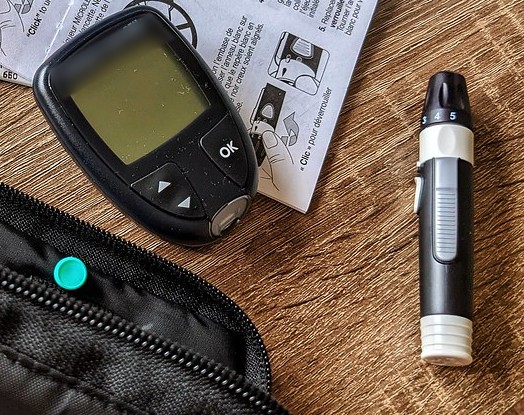
The initial approach needs to consider the person's condition, the team's safety and the capacity of the setting. Project BETA recommends a brief assessment, vital signs and, when possible, checking oxygenation and blood glucose. History and examination may need to be built in stages. The initial impossibility of obtaining a measurement does not turn the data into normal nor authorize presuming that the cause is exclusively psychiatric (Nordstrom et al., 2012).
Respiratory difficulty, reduced level of consciousness, major change in vital signs, seizure, neurological deficit or suspected trauma change the priority. The necessary assessment and support should not wait for a long interview. In a service without resources to investigate or follow the situation, recognizing this limitation and calling the emergency network is part of the care, it does not represent a failure of whoever identified the problem.
Some signs require attention to the full context. After head trauma, for example, a change in behavior or consciousness should not be automatically attributed to intoxication. The NICE guideline on head injury states that a reduced level of consciousness should only be attributed to intoxication after significant traumatic brain injury has been ruled out. The point is not to apply tests to everyone: it is to prevent an apparently simple explanation from interrupting the assessment of a relevant mechanism (NICE NG232, 2023).
Fever, headache, neck stiffness and altered consciousness or cognition also call for investigation of serious infectious causes according to the presentation. The NICE guideline on bacterial meningitis warns that the disease can occur without the complete combination of red flag signs. One should not wait for a person to present every element of a classic description to consider the hypothesis and arrange urgent care (NICE NG240, 2024).
- Observe breathing, consciousness, ability to communicate and signs of deterioration.
- Obtain the clinical parameters possible and document what could not yet be assessed.
- Look for symptoms and findings that change the priority, including trauma and neurological change.
- Call for support and referral compatible with the severity and with the service's resources.
- Resume the assessment that had to be interrupted as soon as appropriate conditions exist.
These priorities should not be used as a list of threats attributed to the patient. They are needs for assessment and care. The text on stigma and language in clinical conduct helps keep this distinction when communicating the case: describing signs, measurements obtained and limitations is different from defining the person by the episode.
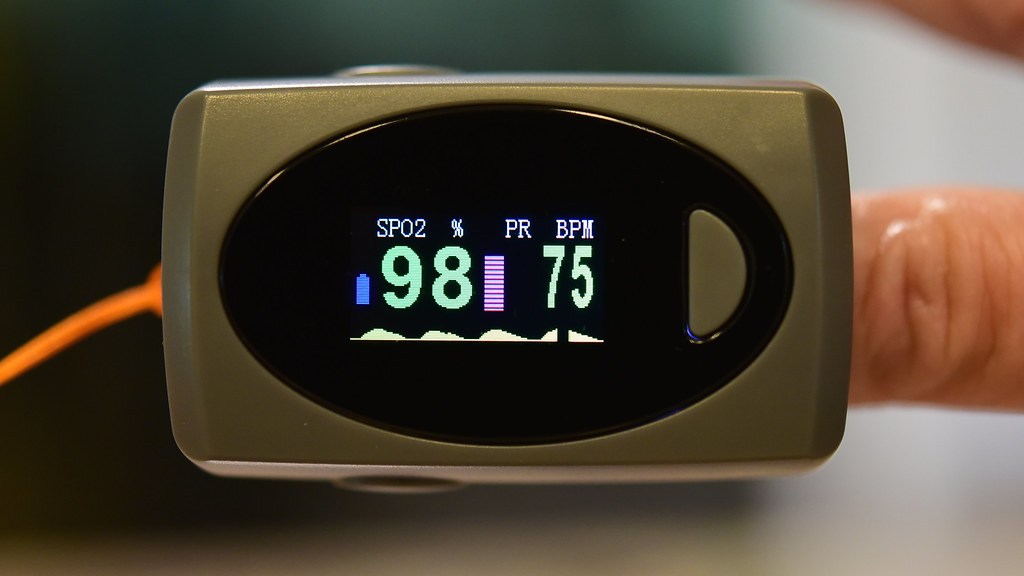
The measurement also needs to be interpreted in its conditions of collection. A pulse oximeter does not replace clinical observation, and a reading that seems incompatible with the person's breathing requires analysis of the signal, the equipment and the context. The NICE guideline on delirium notes that oximetry can overestimate or underestimate saturation, including overestimation reported in people with dark skin. An apparently reassuring number should not erase signs of deterioration or prevent reassessment (NICE CG103, 2023).
When communicating with the team, it is worth distinguishing a measurement that was not obtained from a normal measurement. "It was not possible to check the glucose on the first attempt" preserves a pending task. "No clinical changes" does not describe that same situation and may lead the next team to believe the parameter was assessed. The note should record the reason for the limitation and the plan to complete the assessment safely, without turning a difficulty in care into a negative characteristic of the patient.
A history guided by change
The question about onset and course usually reorganizes the reasoning. Did the restlessness start today or is it part of a known pattern? Is there fluctuation over the hours? Was the person different before arriving? Was there a fall, pain, sleep deprivation, a change of medication or discontinuation of a substance of habitual use? This information does not replace the examination, but it makes the hypotheses more specific (Nordstrom et al., 2012).
The patient's own account remains important, even if it is fragmented. When necessary, information from family members, companions, the transport team and previous records can help reconstruct the timeline, respecting confidentiality and local rules. The sources should be identified: what the team observed is not the same as what someone reported, and a disagreement between versions must remain visible.
Asking about alcohol, other substances and medications requires clinical language, not moral suspicion. Recent use, the last exposure, changes in pattern and the possibility of intoxication or withdrawal matter. The NICE guideline on complications of alcohol use recognizes the risk of seizures and delirium tremens in certain withdrawal situations and recommends admission for medically assisted withdrawal when these complications are present or there is a high risk of developing them. Agitation in this context should not be treated merely as a behavioral difficulty (NICE CG100, 2017).
It is also necessary to ask about basic needs and symptoms the patient may not have been able to express. Pain and discomfort can limit participation; hearing, vision and language difficulties can make an apparently simple interview inaccessible. The NICE guideline on patient experience recommends adapting communication and support to individual needs. Adapting the interview improves the chance of obtaining information, without acting as a diagnostic test for a specific cause (NICE CG138, 2012).
- Establish the onset, the speed of installation and the course of the episode.
- Compare the current state with the known usual functioning.
- Ask about physical symptoms, trauma and recent changes in care or medication.
- Explore substance use and discontinuation without turning the interview into an interrogation.
- Identify communication barriers and record the sources of information.
Fictional example. A companion describes the restlessness as "the same as the other episodes". On detailing the history, the team discovers that this time there was a fall, followed by drowsiness before the agitation. The information does not allow the cause to be diagnosed, but it changes the assessment needed. The known history remains relevant; it simply stops being enough to explain the current episode.
The history can also reveal that the person did not understand an intervention or is trying to communicate a need. Listening to that version does not mean concluding that there is no clinical illness. It means avoiding a false choice between listening and examining. The discussion on listening to the patient's agenda offers a complement to this construction of the interview.
Attention and consciousness: looking for delirium
Delirium must be considered in the presence of an acute or fluctuating change in attention, consciousness and cognition. Agitation may be part of the presentation, but it is not obligatory. The NICE CG103 guideline, aimed at hospitals and long-term care institutions and updated in 2023, also draws attention to hypoactive forms, with withdrawal, slow responses and reduced movement. Being quieter does not necessarily mean being recovered (NICE CG103, 2023).
Comparison with the usual state is central, especially when there is prior cognitive impairment. A person with dementia may develop superimposed delirium; the recent change should not be automatically absorbed by the previous diagnosis. The same guideline advises prioritizing delirium management when it is difficult to distinguish it from dementia or from superimposed delirium, within the appropriate clinical context.
The assessment cannot be reduced to asking for name and date. What matters is the ability to sustain attention, follow the interaction and give answers consistent with the context, in addition to the level of consciousness. Instruments can help, but their choice depends on the setting and on the competence of the person applying them. NICE recommends 4AT when there are indicators of delirium within its scope; in critical care and post-operative recovery, it recommends specific instruments, such as CAM-ICU or ICDSC (NICE CG103, 2023).
A screening instrument does not identify the cause on its own and does not replace diagnostic judgment. Sensory difficulties, language and the conditions of administration also need to be considered. The assessment should be resumed when an initial limitation prevented it from being examined properly. Record the concrete limitation, instead of turning an impossible answer into an unfounded reassuring score.
When delirium is suspected, the investigation looks for the cause or the combination of causes. The guideline includes attention to hypoxia, infection, pain, dehydration, constipation and medication review according to the situation. It is not about choosing an item by superficial association: history, examination and course guide what to investigate and how to prioritize care (NICE CG103, 2023).
The AAEP medical evaluation consensus also recommends assessing cognition and mental status, in addition to vital signs, history and physical examination. It recognizes that altered consciousness, cognitive deficits and intense agitation may justify further investigation. These recommendations are consensus-based and do not establish a single test capable of reliably separating all clinical and psychiatric conditions (Wilson et al., 2017).
In training, this is a useful point for discussing acute stress and clinical reasoning: pressure can favor a quick conclusion based on the most striking feature. A practical response is to keep clinical questions explicit and acknowledge what has not yet been assessed, without requiring an absence of emotion.
Tests directed at the hypotheses, not at the label
The AAEP review on medical evaluation of psychiatric patients describes controversies about routine laboratory tests. History, physical examination and vital signs are minimum components; the benefit of ordering the same panel for everyone is not established. This does not allow the conclusion that tests are unnecessary in agitation: it allows requiring a clinical justification and recognizing which patients are more likely to have a relevant associated condition (Anderson et al., 2017).
The complementary consensus recommends further investigation according to findings such as abnormal vital signs, reduced consciousness, focal neurological signs, suspected intoxication and a new or atypical presentation. The service also needs to consider age, comorbidities and the reliability of the available information. "Has had a crisis before" is only a data point, not an automatic exemption from medical evaluation (Wilson et al., 2017).
| Information | Question it helps to formulate | Limit of interpretation |
|---|---|---|
| Vital signs, oxygenation and blood glucose | Is there a physiological change that requires immediate assessment or intervention? | A single normal parameter does not exclude the other causes. |
| Onset and usual pattern | Is the episode new or different from previous presentations? | Apparent similarity does not demonstrate the same etiology. |
| Attention and consciousness | Is there an acute or fluctuating change that suggests delirium? | Screening does not replace diagnosis or investigation of the cause. |
| Trauma and neurological examination | Is there a mechanism or finding that changes the priority? | Suspected intoxication does not end the assessment for injury. |
| Medications and substances | Is there an exposure, change or interruption that is temporally relevant? | A temporal association needs clinical analysis. |
| Service resources | Is it possible to investigate and monitor safely in this location? | The availability of a test does not, on its own, define the appropriate level of care. |
The table script is a teaching summary, not a validated scale or a prescription of tests. A hypothesis may point to laboratory investigation, imaging or another procedure, but the decision depends on clinical assessment. Ordering everything is not the same as assessing better; ordering little without recognizing warning signs is also not a safe strategy.
There is an important difference between “we found no change in the measurements obtained” and “there is no clinical disease”. The first statement delimits what was observed. The second requires a much broader conclusion, which is not always possible. The record must reflect this difference, especially when the interview or the examination were incomplete.
The discussion about affective bias in diagnosis helps to recognize how irritation or fear can influence interpretation. Meanwhile, empathy and clinical reasoning reminds us that the relationship with the patient is part of obtaining the history. Neither perspective replaces the clinical data; they help to avoid losing it.
Reassess and communicate what still needs care
When the person can participate better, return to the history and examination that were not possible initially. Reduced agitation does not prove that the cause was identified or resolved. Project BETA recommends completing the assessment after behavioral stabilization and guiding the investigation by the clinical hypotheses, instead of ending the encounter because the appearance is calmer (Nordstrom et al., 2012).
The phrase “medically cleared” can hide important information. The AAEP proposes documenting stability and suitability for the care setting, with known clinical needs and the limits of the assessment. A person may not need to stay in the same unit and still need follow-up, intervention or resources that the destination must be able to offer (Wilson et al., 2017).
- Communicate the current state and the evolution observed, not only the behavior on arrival.
- Report the measurements obtained, relevant findings and the assessment that is still pending.
- Distinguish hypothesis, established diagnosis and information from third parties.
- Explain follow-up needs and reasons for immediate reassessment.
- Confirm that the destination team has the resources needed for the planned care.
De-escalation can help this continuity when appropriate. The NICE NG10 guideline recommends verbal and non-verbal techniques and attention to individual needs, within its scope of violence and aggression in mental health, health and community settings. The recommendation does not make every episode of agitation into aggression, nor does it require a person alone to hold a conversation without support in the face of risk (NICE NG10, 2015).
Fictional example. After a period of less restlessness, a person again responds slowly and cannot sustain the interaction. Recording only “calmed down” would erase an important change. The team needs to describe the evolution and reassess attention, consciousness and clinical conditions as the case requires, instead of treating quietness as a sufficient outcome.
This organization also depends on clinical leadership and requesting support. It can be trained in patient assessment simulation, with clear objectives and supervision. The debate about violence against health professionals is complementary, but it should not absorb the clinical question about the cause of the agitation.
A case handover that keeps the question open
Fictional example. Instead of saying only “agitated psychiatric patient, now better”, the team reports that there was a recent onset of restlessness, which vital signs were obtained, how the person follows the conversation and which part of the examination is still missing. It adds the hypothesis under investigation and the reason for the referral. The second version does not require a conclusion that does not yet exist: it gives the next team elements to continue the care and recognize changes.
How NEXO fits into the study of this problem
In NEXO, the case of the day is fictional, with a real clinical presentation and up to six progressive clues, and you propose the diagnosis by searching for the ICD-10 code.
The link to this topic lies in interpreting information: an initial presentation allows for different hypotheses, and later clues can change the reasoning. In real care, however, assessing severity, supportive measures, examination and calling for help cannot wait for a diagnostic exercise to end. These are activities with their own responsibilities and conditions.
When studying a case, it is worth making explicit what each piece of information allows you to conclude and what remains uncertain. A prior history changes the context; a new sign can change priorities; a missing data point does not equal a normal result. These questions can guide a case discussion with colleagues and supervisors. In-person management of agitation requires clinical training and specific protocols.
Frequently asked questions
Does agitation mean the person will be violent?
No. Agitation and violence describe different phenomena. Observe manifestations, clinical needs and concrete risks, without inferring intent from restlessness, a psychiatric diagnosis or difficulty communicating. An immediate threat requires the appropriate safety plan; agitation still requires evaluation of its possible causes.
Does a psychiatric history rule out clinical assessment?
No. Medical and psychiatric illnesses can coexist, and a new or unusual presentation calls for attention. The extent of the investigation depends on the history, vital signs, examination and hypotheses. This is different from ordering the same set of tests for everyone.
If the person became quiet, is the episode over?
Not necessarily. Return to what could not be assessed and observe consciousness, attention and course. Quietness can accompany improvement, but it can also occur in other clinical states. On its own, it does not confirm the cause or the resolution of the problem.
Does every agitated patient need imaging tests?
There is no such universal indication. Clinical findings and hypotheses guide the need for imaging and other tests. Trauma, neurological signs and changes in consciousness are examples of information that can change the decision; the assessment should follow the relevant protocols and the specific situation.
What should be done if assessment is not possible at that service?
Recognize and document the limitation, call for support and arrange the appropriate level of care according to severity and the local network. Do not replace an impossible assessment with a conclusion of normality. Communication should state what was observed, what remains to be clarified and which resources are needed.
Take-home messages
- Agitation is a starting point for assessment, not an etiology or a synonym for violence.
- Recognize clinical priorities and the limits of the service's resources.
- Build the timeline and compare the presentation with usual functioning.
- Assess attention and consciousness; delirium can also occur without major restlessness.
- Order tests to answer hypotheses, preserving red flags and context.
- Reassess and communicate care needs, without closing the case just because the person seems calmer.
References
- Nordstrom K et al. Medical Evaluation and Triage of the Agitated Patient: Consensus Statement of the American Association for Emergency Psychiatry Project BETA Medical Evaluation Workgroup. West J Emerg Med. 2012. DOI: 10.5811/westjem.2011.9.6863.
- Richmond JS et al. Verbal De-escalation of the Agitated Patient: Consensus Statement of the American Association for Emergency Psychiatry Project BETA De-escalation Workgroup. West J Emerg Med. 2012. DOI: 10.5811/westjem.2011.9.6864.
- Wilson MP et al. American Association for Emergency Psychiatry Task Force on Medical Clearance of Adult Psychiatric Patients. Part II: Controversies over Medical Assessment, and Consensus Recommendations. West J Emerg Med. 2017. DOI: 10.5811/westjem.2017.3.32259.
- National Institute for Health and Care Excellence. Head injury: assessment and early management. NG232, recommendations, section 1.4.2. 2023.
- National Institute for Health and Care Excellence. Meningitis (bacterial) and meningococcal disease: recognition, diagnosis and management. NG240, recommendations 1.1.1 to 1.1.7. 2024.
- National Institute for Health and Care Excellence. Delirium: prevention, diagnosis and management in hospital and long-term care. CG103, recommendations 1.3, 1.4.6, 1.6 and 1.7. 2023 update.
- National Institute for Health and Care Excellence. Alcohol-use disorders: diagnosis and management of physical complications. CG100, recommendations 1.1.1 and 1.1.2. 2010, updated in 2017.
- National Institute for Health and Care Excellence. Patient experience in adult NHS services: improving the experience of care for people using adult NHS services. CG138, recommendations 1.5.1 to 1.5.8. 2012.
- Anderson EL et al. American Association for Emergency Psychiatry Task Force on Medical Clearance of Adults Part I: Introduction, Review and Evidence-Based Guidelines. West J Emerg Med. 2017;18:235 to 242. DOI: 10.5811/westjem.2016.10.32258.
- National Institute for Health and Care Excellence. Violence and aggression: short-term management in mental health, health and community settings. NG10, recommendations, section on de-escalation. 2015.