Affective bias: when emotion enters diagnosis




Table of contents
- What affective bias is
- What the experiments show
- Why emotion gets in the way of reasoning
- Where the emotions on shift come from
- When the emotion is positive
- How to notice and neutralize affective bias
- For the student and the resident
- How NEXO helps train reasoning without the pressure of the consultation
- Frequently asked questions
- Affective bias checklist
- References
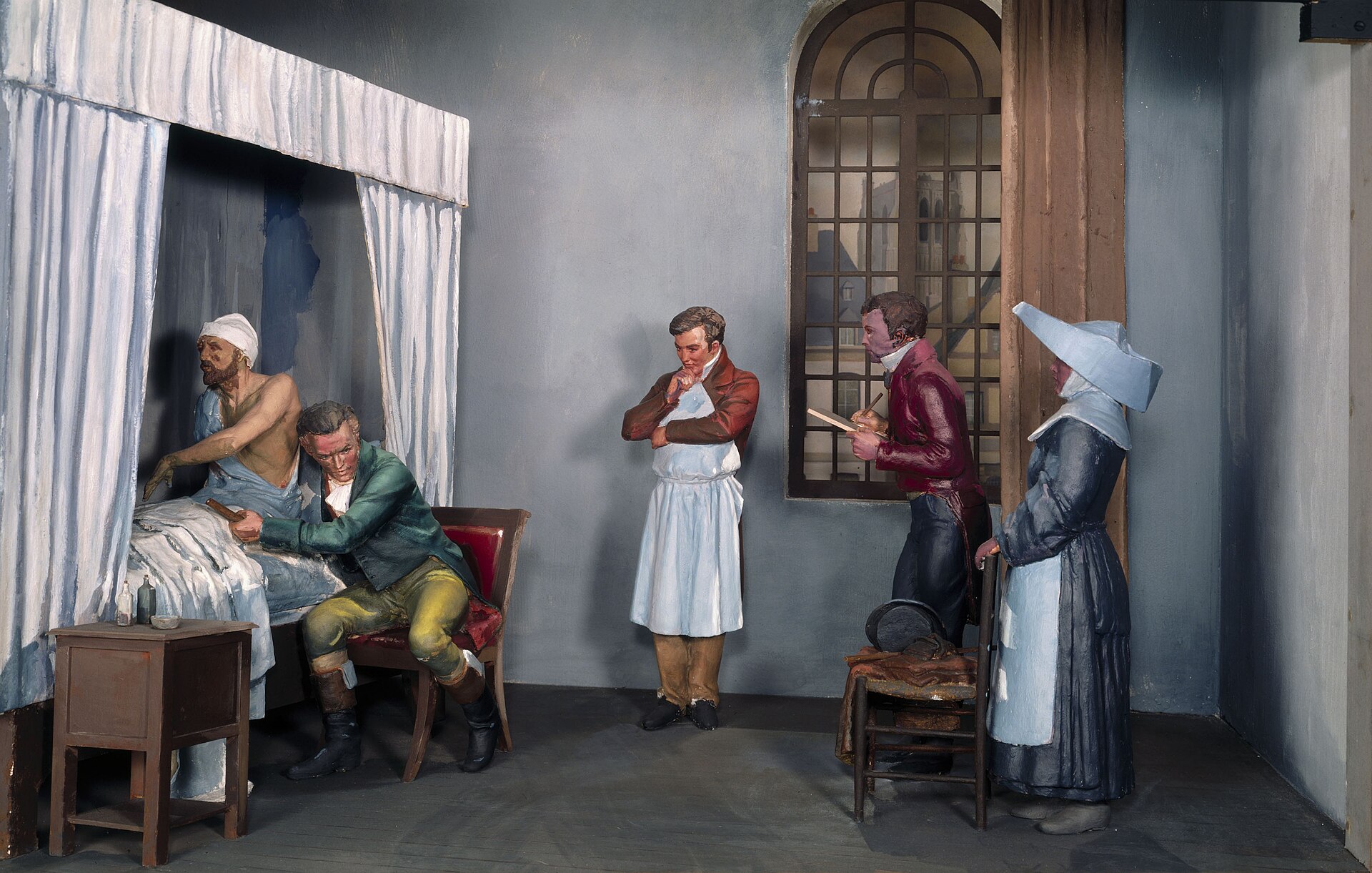
The patient arrives shouting at the front desk because he waited three hours. In the room, he interrupts every question, says nobody there knows what they are doing and demands an imaging test "now". He has had a headache for two days. The resident feels his face flush, shortens the history, does a quick neurological exam and writes "tension headache, anxious patient". In the hallway, he remarks to a colleague that "that guy just wanted attention". Later, reviewing the chart calmly, he realizes he did not ask about fever, did not check neck stiffness carefully and that the blood pressure was higher than he remembered.
Nobody consciously decided to reason worse because of irritation. But emotion took up space. This has a name: affective bias. This guide explains what it is, shows what experiments with physicians found, describes why emotion gets in the way of reasoning, discusses the role of positive emotions and proposes a practical script to notice and neutralize the bias on shift, on the ward and when studying with cases.
Key points
- Affective bias is the influence of the physician's emotions, negative or positive, on reasoning and clinical decisions.
- In experiments with vignettes, physicians got the diagnosis wrong more often when the patient was described as difficult, even spending the same time on the case.
- Part of the mechanism is attention: physicians remembered fewer clinical findings and more behaviors of difficult patients.
- Deliberate reflection on the case improved diagnostic accuracy in difficult and neutral patients.
- Positive emotions also change reasoning, for better and for worse. The goal is not to stop feeling, but to keep emotion from deciding for the patient.
What affective bias is
A definition
Affective bias is the influence of the professional's emotions on how they perceive the patient, interpret the data and decide. A broad review on emotion and patient safety describes how the professional's emotional state can be influenced by the patient's characteristics, by working environment conditions, by the rhythms of the day and by the professional's own conditions, leading to affective biases in decision-making and to errors (Croskerry et al., 2010).
An old name for a common problem
In lists of cognitive biases in medicine, this phenomenon has appeared for a long time, sometimes under the name visceral bias, alongside anchoring and premature closure (Croskerry, 2003). The same author proposed metacognition, the habit of stepping back and examining one's own thought process, as the main strategy against these biases (Croskerry, 2003).
It is not just irritation
The emotion that enters the diagnosis can be anger, fear, disgust, pity, guilt, tiredness or sympathy. An integrative review on emotion and clinical decision concluded that the emotions experienced by professionals affect decisions, although this is far from being recognized by everyone (Kozlowski et al., 2017). The same review noted that training rarely prepares the professional to deal with this (Kozlowski et al., 2017).
Where this text fits
Implicit bias deals with automatic associations about groups of people, the topic of the guide on implicit bias in diagnosis. Here the focus is different: the emotion of the moment, provoked by a patient, by a situation or by the physician's own state. The two can add up, but they are not the same thing.
What the experiments show
Difficult patients and diagnostic accuracy
A randomized experiment asked 63 family medicine residents to diagnose six vignettes, in which the patient appeared either as difficult, with disruptive behaviors, or as neutral (Schmidt et al., 2017). The mean diagnostic accuracy, on a scale from 0 to 1, was lower in difficult patients, 0.54, than in neutral ones, 0.64 (Schmidt et al., 2017).
The time taken to diagnose was similar in both types of patient (Schmidt et al., 2017). This matters: the error did not come from haste. The residents also rated the difficult patients as less likable (Schmidt et al., 2017).
Reflection helped
In the same experiment, deliberate reflection on the case improved the initial diagnosis, from 0.60 to 0.68, regardless of the complexity of the case and the patient's behavior (Schmidt et al., 2017). Stopping to review the findings does not remove the emotion, but it brings attention back to what matters.
Where the attention went
A second experiment looked for the mechanism. Accuracy was again lower in the vignettes of difficult patients, 0.41 versus 0.51 (Mamede et al., 2017). Participants remembered fewer clinical findings from the difficult patients, 29.82% versus 32.52%, and more behaviors, 25.51% versus 17.89% (Mamede et al., 2017). The authors concluded that part of the physician's mental resources goes to dealing with the patient's behavior, which gets in the way of processing the findings (Mamede et al., 2017).
What emergency physicians report
In a mixed-methods study, emergency professionals described 282 encounters (Isbell et al., 2020). The emotions reported in encounters with irritated patients and with patients with mental health issues were very similar, strongly negative and linked to lower engagement (Isbell et al., 2020). The professionals said that emotion influenced their decisions more often in encounters with irritated patients (Isbell et al., 2020).
A result that calls for caution
A more recent experiment, with 134 experienced emergency physicians in computer-simulated encounters, found that irritated patients provoked more anger, anxiety and fatigue, and were rated as worse informants and more likely to exaggerate pain (Isbell et al., 2026). But in this study, there was no effect on clinical decisions, tests ordered or diagnosis (Isbell et al., 2026).
This result does not cancel out the earlier ones, but it shows that the effect depends on the study design, the experience of the person deciding and the type of case. Emotion changes the perception of the patient quite consistently; how far this reaches the decision varies.


A summary of the studies
| Study | Participants | What varied | Result |
|---|---|---|---|
| Schmidt et al., 2017 | 63 family medicine residents | Difficult or neutral patient | Accuracy 0.54 versus 0.64 (Schmidt); reflection improved accuracy |
| Mamede et al., 2017 | Physicians in vignettes | Difficult or neutral patient | Accuracy 0.41 versus 0.51 (Mamede); fewer findings remembered |
| Isbell et al., 2020 | Emergency professionals, 282 reports | Type of encounter | Negative emotions and reported influence on the decision |
| Isbell et al., 2026 | 134 emergency physicians | Irritated or calm patient | More anger and worse rating of the patient, with no effect on diagnosis |
| Yamauchi et al., 2019 | Residents, 207 questionnaires | Psychiatric or social history | Lower accuracy in management with a history of schizophrenia |
Each row has the link to the study the numbers come from.
Why emotion gets in the way of reasoning
Attention diverted
A synthesis of 43 experimental studies on context and diagnostic reasoning proposed the negative affect hypothesis: the error arises when the physician's attention leaves the relevant clinical findings and goes to the source of negative affect, such as the patient's aggressiveness (Schmidt et al., 2024). It is not that the physician stops knowing medicine. They stop looking at part of the data.
A label that travels
Emotion also sticks to labels. In an experiment, residents who read a chart note with stigmatizing language about a patient had more negative attitudes toward that patient and treated the pain less aggressively than those who read a neutral note about the same case (Goddu et al., 2018). The authors called this transmission of bias from one physician to another through the chart (Goddu et al., 2018).
The earlier history weighs in
In a randomized study with residents from five hospitals, additional information about the patient's history, such as schizophrenia or frequent use of the service, changed the accuracy of management decisions, with a significant difference in the case of schizophrenia (Yamauchi et al., 2019). The patients in these vignettes were also rated as less likable (Yamauchi et al., 2019). The risk here is diagnostic overshadowing: a previous label that explains everything before the case is examined.
Fast closure as relief
With a patient who irritates or frightens, closing the case quickly brings relief. The most comfortable hypothesis, the one that ends the visit fastest, gains extra weight. That is why affective bias often looks like premature closure: the emotion does not create the wrong hypothesis, but it hurries the decision to stop looking for others. The guide on diagnostic pause shows when it is worth stopping before closing.

Where the emotions on shift come from
From the patient
Patients who are irritated, demanding, distrustful of the doctor or who return to the service many times often provoke strong emotions. In a study of 500 adults seen at a primary care clinic, 15% of visits were rated by doctors as difficult (Jackson and Kroenke, 1999). These patients were more likely to have a mental disorder, more symptoms and more intense symptoms (Jackson and Kroenke, 1999). In other words: the difficult patient is often also the sicker patient.
From the doctor
The same study found that doctors with less favorable psychosocial attitudes experienced more visits as difficult, 23% versus 8% (Jackson and Kroenke, 1999). The difficulty is not only in the patient; it also depends on the person providing care. Tiredness, hunger, sleep and personal worries increase emotional reactivity.
From the environment
Overcrowding, interruptions, noise, alarms and lack of beds also affect emotional state. The review on emotion and patient safety lists environmental conditions and the rhythms of the day among the factors that change the professional's emotional state (Croskerry et al., 2010). The guide on burnout in medical school deals with the wear that builds up over time.
A table of emotions and risks
| Emotion | Typical situation | Risk to reasoning |
|---|---|---|
| Irritation | Aggressive or demanding patient | Shortening the history; closing with a benign hypothesis |
| Aversion | Patient with a history of substance use or poor self-care | Attributing everything to the previous label |
| Fear | Seriously ill patient or threatening family | Ordering too many tests; avoiding deciding |
| Pity or identification | Patient who resembles someone close | Avoiding the serious hypothesis; sparing the patient necessary tests |
| Likability | Professional colleague or pleasant patient | Skipping steps of the examination; trusting the account too much |
| Tiredness | End of shift | Choosing the default path; postponing reassessment |
The table is an editorial proposal that organizes situations described in the literature cited in this text; it has not been tested as an instrument.
When the emotion is positive
Good emotion also changes reasoning
A study with third-year students induced positive affect, with a report of success on a simple task, before a clinical problem about pulmonary nodules (Isen et al., 1991). The groups did not differ in accuracy, but students with positive affect reached the choice sooner, integrated information better and showed less confusion in reasoning (Isen et al., 1991).
The risk of likability
The dangerous side of positive emotion is overconfidence. When the patient is a colleague, a friend or someone very pleasant, it is common to skip parts of the examination, accept the self-diagnosis or avoid awkward questions. Isbell and colleagues found, in emergency reports, that positive emotions were linked to the perception of higher-quality care (Isbell et al., 2020). Perception, however, is not a measure of accuracy.
Emotion is not the enemy
Emotion helps too: unease with a patient who "doesn't look well" is a valuable clue, and empathy improves history taking. The integrative review described compassionate emotional work, the ability to respond to the patient's emotions within clinical decision making, as part of good care (Kozlowski et al., 2017). The guide on empathy and clinical reasoning in the consultation explores this side. The goal is to notice the emotion, not to erase it.
How to notice and neutralize affective bias
Name the emotion
The first step is simple and hard: notice and name what you are feeling. "I am irritated with this patient." Naming the emotion is not the opposite of empathy: it is what allows you to keep welcoming the patient without letting the feeling decide the diagnosis. "I am afraid of getting it wrong with this family." Naming the emotion creates a small distance between it and the decision. It is metacognition applied to affect (Croskerry, 2003).
Return to the findings
If emotion diverts attention from the findings (Mamede et al., 2017), the answer is to bring attention back deliberately. A short script for patients who provoke strong emotion:
- List the findings from the history and the examination, without adjectives about behavior.
- Write the main hypothesis and the finding that supports it most.
- Write two alternatives, including a serious cause that cannot be missed.
- Ask what went unexamined because the consultation was tense.
- Decide on reassessment: when and by what criterion you will see the patient again.
Deliberate reflection in tense cases
Deliberate reflection improved accuracy in difficult and neutral patients in the experiment with residents (Schmidt et al., 2017). In practice, this means setting aside a few minutes after the consultation to review the case with a cool head, or asking a colleague to review it with you.
Take care with language in the medical record
Because stigmatizing language passes bias on to the next doctor (Goddu et al., 2018), describe behaviors objectively and without judgment. "Patient reports pain 9 out of 10 and asks for analgesia" informs more and judges less than "patient with many complaints, demands medication".
Protect the conditions
Some defenses are in the environment: real breaks, sharing tasks, support in tense consultations and space to talk about difficult cases after the shift. If emotional strain is too heavy, seek the help you need from someone you trust or from your institution's support service.
For the student and the resident
In the internship
The internship is the first place where the student faces difficult patients with some responsibility. Observe how residents and preceptors react and what they do afterward. When the comment in the corridor is "that one just wants attention", ask, tactfully, which serious hypotheses were ruled out.
In case-based study
Study cases usually come without emotion, which is good for learning the content, but it does not train the affective part. One way to train is to reread cases you have already solved while imagining the patient irritated, anxious or very friendly, and ask which findings you would have stopped looking for.
Talk about the case as a team
One of the simplest defenses against affective bias is talking with someone who was not in the room. A colleague who did not experience the tension of the consultation looks at the findings without the irritation, fear or sympathy you felt. That is why discussing the case with nursing, with another resident or with the preceptor usually reveals the data that was left out.
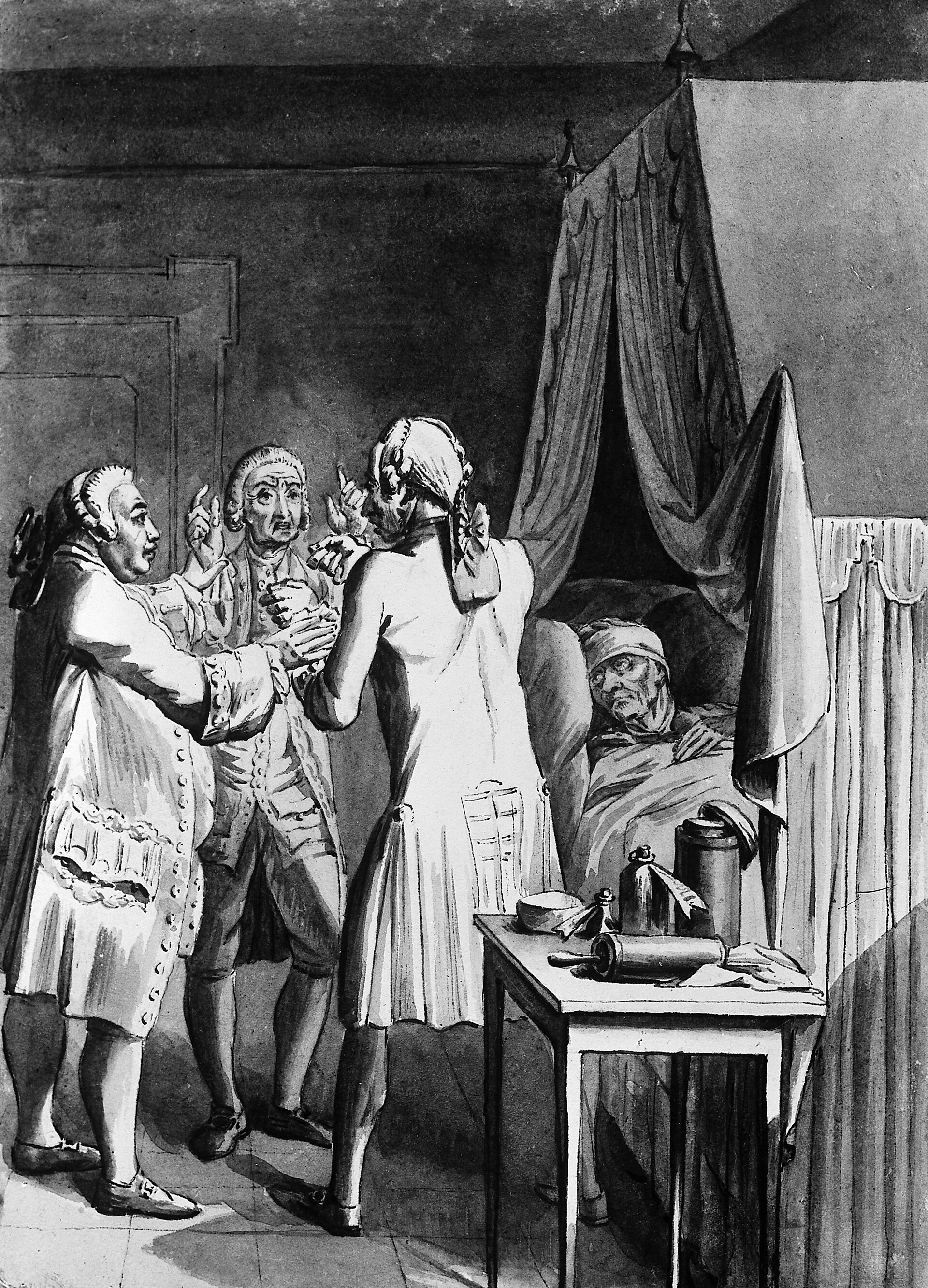

For the conversation to work, present the case through the findings, not through the impression. Instead of starting with "this patient is impossible", start with the complaint, how long it has been going on, the examination and the hypotheses. Leave the description of behavior for the end, as one data point among others. If the colleague reaches a hypothesis different from yours, ask which finding weighed most for them. That difference usually shows where your attention drifted.
The conversation also has an emotional role. Talking about a difficult consultation reduces the load you carry into the next patient, and hearing that other colleagues felt the same in similar situations takes away the weight of thinking that irritation is a character flaw. Strong emotion during a shift is expected. What you train is what to do with it.
After a tense consultation
- Write down what you felt and at what moment.
- Review the findings and the hypotheses at the end of the shift.
- Talk with a colleague or supervisor about the case.
- Record what you would do differently in the next similar consultation.
If an error happened, the guide on second victim deals with the impact on the professional.
How NEXO helps train reasoning without the pressure of the consultation
The case without the noise
In NEXO, the case arrives in up to six progressive clues, without the pressure of a patient in front of you, and each guess receives feedback by proximity in ICD-10 across five levels. These are fictional cases with a real clinical presentation. This environment is useful for fixing the habit of listing findings, raising hypotheses and reviewing your reasoning with each clue, a habit you then carry into tense consultations.
Reread the case with another emotion
After solving the case of the day, try the exercise described above: imagine the same fictional patient irritated or very friendly and ask at which clue your attention might have drifted. The distribution of correct answers by clue, on the home screen, shows at what point you usually reach the diagnosis. To learn about the game, read what NEXO is. The limits of use are in NEXO economy.
For those who study the topic
If you research emotion and clinical reasoning, see the Researchers page. Those who write cases can see the Curator page.
Frequently asked questions
What is affective bias?
It is the influence of the doctor's emotions on the perception of the patient, the interpretation of data and the clinical decision. The emotional state can be changed by the patient, by the environment and by the professional themself (Croskerry et al., 2010).
Do difficult patients increase diagnostic error?
In experiments with vignettes, yes: accuracy was lower for difficult patients than for neutral ones (Schmidt et al., 2017; Mamede et al., 2017). A more recent study with experienced emergency physicians saw a change in the perception of the patient, but not in the diagnosis (Isbell et al., 2026).
Why does emotion get in the way?
Part of the reason is attention. Doctors remembered fewer clinical findings and more behaviors of difficult patients (Mamede et al., 2017), which supports the hypothesis that negative affect diverts attention from relevant data (Schmidt et al., 2024).
Are positive emotions also a bias?
They can be. Positive affect sped up and organized students' reasoning without changing accuracy (Isen et al., 1991), but sympathy for a patient can lead to skipping steps of the examination.
What to do in the moment?
Name the emotion, go back to the findings, write the hypothesis and two alternatives, and arrange a reassessment. Deliberate reflection improved diagnostic accuracy in an experiment with residents (Schmidt et al., 2017).
How does NEXO relate to affective bias?
NEXO offers fictional cases in up to six clues, without the pressure of a patient present, which helps train the habit of listing findings and reviewing hypotheses. None of the studies cited here measures NEXO.
Affective bias checklist
- Name the emotion that the patient or the situation provoked.
- List the findings without adjectives about behavior.
- Write the main hypothesis and the finding that supports it.
- Include a serious cause among the alternatives.
- Ask what was left unexamined because the consultation was tense.
- Distrust the previous label that explains everything too quickly.
- Write the medical record objectively, without stigmatizing language.
- Watch out for sympathy as much as for irritation.
- Arrange a reassessment with a time and a criterion.
- Review the case with a cool head or with a colleague.
Want to train your reasoning case by case, clue by clue? Play the case of the day on NEXO.
References
- Croskerry P, Abbass A, Wu AW. Emotional influences in patient safety. J Patient Saf. 2010. https://pubmed.ncbi.nlm.nih.gov/21500605/
- Croskerry P. The importance of cognitive errors in diagnosis and strategies to minimize them. Acad Med. 2003. https://pubmed.ncbi.nlm.nih.gov/12915363/
- Kozlowski D, Hutchinson M, Hurley J, Rowley J, Sutherland J. The role of emotion in clinical decision making: an integrative literature review. BMC Med Educ. 2017. https://pubmed.ncbi.nlm.nih.gov/29246213/
- Schmidt HG, Van Gog T, Schuit SC, Van den Berge K, Van Daele PL, Bueving H, et al. Do patients' disruptive behaviours influence the accuracy of a doctor's diagnosis? A randomised experiment. BMJ Qual Saf. 2017. https://pubmed.ncbi.nlm.nih.gov/26951795/
- Mamede S, Van Gog T, Schuit SC, Van den Berge K, Van Daele PL, Bueving H, et al. Why patients' disruptive behaviours impair diagnostic reasoning: a randomised experiment. BMJ Qual Saf. 2017. https://pubmed.ncbi.nlm.nih.gov/26951796/
- Isbell LM, Tager J, Beals K, Liu G. Emotionally evocative patients in the emergency department: a mixed methods investigation of providers' reported emotions and implications for patient safety. BMJ Qual Saf. 2020. https://pubmed.ncbi.nlm.nih.gov/31988259/
- Isbell LM, Huff NR, Liu G, Bessen H, Kan V, Levesque I, et al. When emergency physicians meet patients displaying irritable behaviours: a randomised vignette-based experiment investigating physicians' emotions and clinical reasoning. BMJ Qual Saf. 2026. https://pubmed.ncbi.nlm.nih.gov/42437698/
- Schmidt HG, Norman GR, Mamede S, Magzoub M. The influence of context on diagnostic reasoning: A narrative synthesis of experimental findings. J Eval Clin Pract. 2024. https://pubmed.ncbi.nlm.nih.gov/38818694/
- Goddu AP, O'Conor KJ, Lanzkron S, Saheed MO, Saha S, Peek ME, et al. Do Words Matter? Stigmatizing Language and the Transmission of Bias in the Medical Record. J Gen Intern Med. 2018. https://pubmed.ncbi.nlm.nih.gov/29374357/
- Yamauchi Y, Shiga T, Shikino K, Uechi T, Koyama Y, Shimozawa N, et al. Influence of psychiatric or social backgrounds on clinical decision making: a randomized, controlled multi-centre study. BMC Med Educ. 2019. https://pubmed.ncbi.nlm.nih.gov/31830962/
- Jackson JL, Kroenke K. Difficult patient encounters in the ambulatory clinic: clinical predictors and outcomes. Arch Intern Med. 1999. https://pubmed.ncbi.nlm.nih.gov/10335683/
- Isen AM, Rosenzweig AS, Young MJ. The influence of positive affect on clinical problem solving. Med Decis Making. 1991. https://pubmed.ncbi.nlm.nih.gov/1881279/