Harm reductionToxicology
Recreational ketamine: cystitis, uropathy and abdominal pain




Table of contents
- Who uses ketamine and how much
- Ketamine cystitis
- When the damage rises to ureters and kidneys
- Abdominal pain: K-cramps and the biliary tract
- What helps: stopping, treating the bladder, surgery
- Studies in summary
- How NEXO helps train this reasoning
- Frequently asked questions
- Take-home messages
- Milestone inventory
- References
In a fictional encounter, a 24-year-old woman comes to the health unit for the fourth time in six months. She urinates every half hour, wakes several times at night and feels pain in her lower abdomen when her bladder fills. Urine cultures came back negative, and antibiotics changed nothing. Only at the fourth visit does someone ask, without judgment, what she uses on weekends. The answer is ketamine, snorted, almost every day for three years.
The scene brings together what clinical series have described for more than a decade: repeated ketamine use can damage the bladder, reach the ureters and kidneys, and cause bouts of abdominal pain that bring the person to the emergency department without the cause showing up on tests. This text covers the scale of use, cystitis, the upper urinary tract, abdominal pain and the biliary tract, and what the sources say about treatment. The language follows the post on stigma and labels in clinical practice: here we speak of a person who uses ketamine.
Key points
- In Taiwan, 89 of 106 people who used ketamine had urinary symptoms, which began on average two years after they started using, and scores worsened with duration of use (Li et al., 2019).
- In Hong Kong, 96 of 572 patients with ketamine-associated uropathy had hydronephrosis, associated with age, lower bladder capacity, high creatinine and altered liver enzymes (Yee et al., 2017).
- In a survey of 274 people with self-identified ketamine use disorder, bladder problems and the cramps known as K-cramps were among the most cited physical symptoms, and most did not seek treatment (Harding et al., 2025).
- In a review of case reports, 17 people who used ketamine had biliary tract disease, with abdominal pain, nausea and common bile duct dilation, and most were discharged with improvement (Teymouri et al., 2024).
- Stopping use is the basis of cystitis treatment, and symptoms tend to return when use resumes (Jhang et al., 2023).
- Who uses ketamine and how much
- Ketamine cystitis
- When the damage climbs to ureters and kidneys
- Abdominal pain: K-cramps and the biliary tract
- What helps: stopping, treating the bladder, surgery
- Studies at a glance
- How NEXO helps train this reasoning
- Frequently asked questions
- Take-home messages
- Milestone inventory
Who uses ketamine and how much
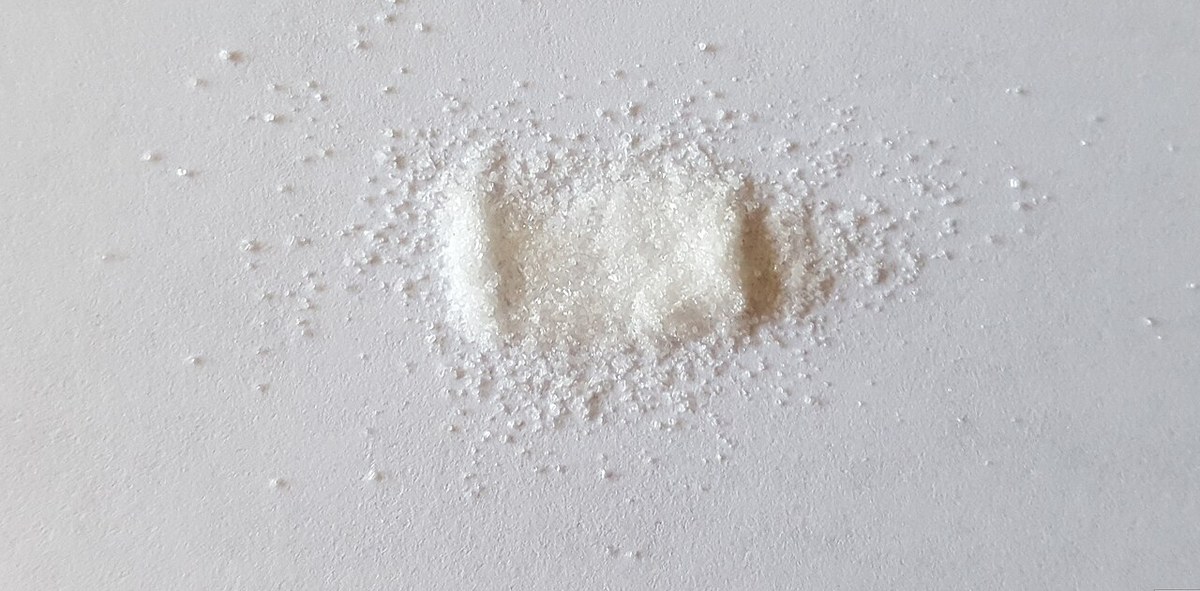
Ketamine is a dissociative anesthetic that has been used in hospitals for decades. Outside the hospital, it circulates as a white powder that is snorted or smoked, often alongside other substances. The post on festivals and mass events shows where part of this use happens, and the one on chemsex brings the questions that open the conversation in the consultation.
A picture on a global scale
The 2018 Global Drug Survey received 130,761 valid responses between November 2017 and January 2018, mostly from Germany, England and Denmark (Barrios et al., 2025). The unit of analysis was the respondent. In all, 7,759 people (5.93 percent) reported having used ketamine in their lifetime, and 4,477 of them (57.70 percent) in the past year (Barrios et al., 2025).
Among those who used in the past year, 8.55 percent met the dependence criterion of the scale used in the survey (Barrios et al., 2025). The 4,477 respondents reported 120 adverse events, and seeking emergency care was rare relative to the number of times the drug was used (Barrios et al., 2025). The survey is online and voluntary, and those who respond do not represent the general population.
People who already have a problem with use
An online mixed-methods survey gathered 274 people who identified with ketamine use disorder, from the United Kingdom, the United States, Canada, European countries and Australia (Harding et al., 2025). The unit of analysis was the participant, and 40 percent were seeking treatment (Harding et al., 2025). On average, participants reported 2.0 g of ketamine per day (Harding et al., 2025).
The most cited physical symptoms were bladder problems (60 percent), nose problems (60 percent) and K-cramps (56 percent) (Harding et al., 2025). Faced with these symptoms, 56 percent did not seek treatment (Harding et al., 2025). Craving (71 percent), low mood (62 percent) and anxiety (59 percent) appeared as withdrawal symptoms (Harding et al., 2025).
Taipei: a mandatory program
In Taipei, 1,614 people referred by the courts to a mandatory program for possession or use of ketamine answered a questionnaire; 83.8 percent were men (Chen et al., 2014). The unit of analysis was the person. Urinary symptoms were reported by 51.6 percent and cognitive complaints by 76 percent, and 72.4 percent smoked tobacco at the same time (Chen et al., 2014).
Women were more likely to report severe urinary symptoms than men, with an adjusted odds ratio of 2.719 (95 percent CI 1.501 to 4.928) (Chen et al., 2014). For mild symptoms, the comparison between sexes was inconclusive, with an odds ratio of 0.915 (95 percent CI 0.656 to 1.276) (Chen et al., 2014). Fewer than 10 percent of participants said they wanted to be referred for treatment (Chen et al., 2014).
Ketamine cystitis
The classic picture is that of an irritated bladder that keeps shrinking: urgency, frequency, nocturia, pain on filling, sometimes blood in the urine. Jhang's review describes ulcerative cystitis linked to ketamine and its metabolites, which can progress to bladder fibrosis (Jhang et al., 2023).
Duration of use matters
In Taiwan, 106 people (95 men and 11 women) seen at two private rehabilitation centers answered symptom questionnaires; the unit of analysis was the person (Li et al., 2019). Mean duration of use was 75.45 months, and 89 people (84 percent) developed urinary symptoms after a mean of 24.67 months of use (Li et al., 2019).
Overactive bladder, prostate symptom and interstitial cystitis scores rose along with duration of use (Li et al., 2019). Those who sniffed ketamine had more severe symptoms than those who smoked it, although the group that sniffed had also used it for longer, which makes it hard to separate the two effects (Li et al., 2019).
As our hypothesis, with no study in the sources read that separates the two factors, the nasal route and duration of use may add effects on the bladder; Li's cross-sectional design does not allow saying which weighs more.
Men approached on the street
Another study from Taiwan gathered 1,056 men: 993 approached on the street by the police and 63 seen at a hospital (Yang et al., 2018). The unit of analysis was the person. Risk factors for significant urinary symptoms were age 30 or older, use for 24 months or more and use of other illicit drugs (Yang et al., 2018).
Erectile dysfunction appeared in 30.8 percent of the men (Yang et al., 2018). In the street subgroup, abstinence for three months or more was associated with less erectile dysfunction (Yang et al., 2018). The street sample weighs heavily in the total and was recruited through a route that may exclude those with milder or more severe symptoms.
When there is a real infection
The symptoms mimic those of a urinary infection, and the post on complicated urinary tract infection helps recall when culture changes management. In Fujian, China, three institutions followed 81 people with urinary symptoms linked to ketamine; the unit of analysis was the person (Liu et al., 2019).
Infection was confirmed in 8 people (9.88 percent) and considered suspected in 16 (19.75 percent) (Liu et al., 2019). Having frequent repeated urine cultures and a high voiding symptom score were associated with infection (Liu et al., 2019). The authors point to the small sample as a limitation (Liu et al., 2019).
When the damage rises to ureters and kidneys
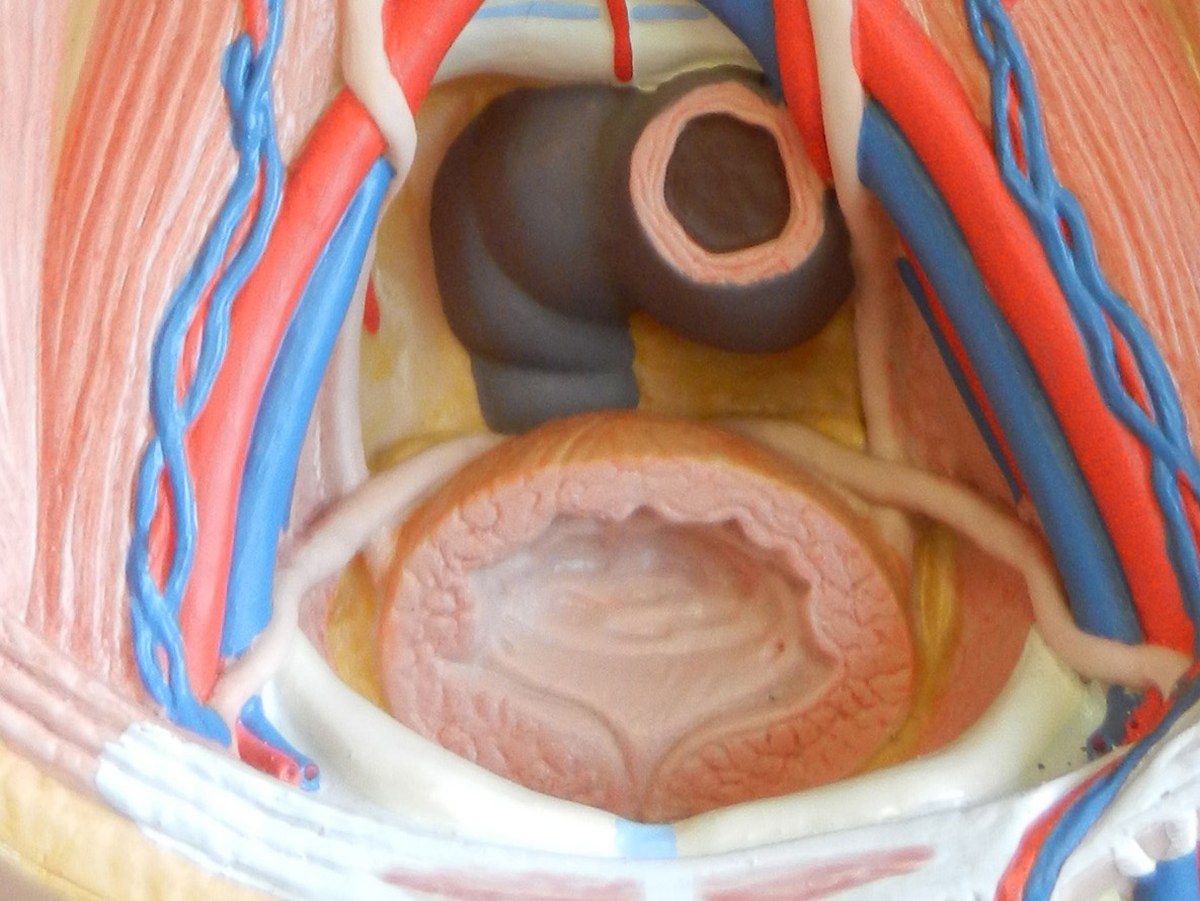
The bladder is not the end of the story. Jhang's review describes that, with continued use, hydronephrosis, ureteral stenosis, vesicoureteral reflux and kidney failure can appear (Jhang et al., 2023). The post on KDIGO 2026 in acute kidney injury brings the reading of creatinine that enters this account.
Hong Kong: who has hydronephrosis
At Prince of Wales Hospital in Hong Kong, 572 patients with ketamine-associated uropathy were seen between December 2011 and October 2015; the unit of analysis was the patient (Yee et al., 2017). At the first visit, 207 (36.2 percent) had already stopped use, and 96 had hydronephrosis (Yee et al., 2017).
In the multivariate analysis, each year of age was associated with a higher chance of hydronephrosis, with an adjusted odds ratio of 1.090 (95 percent CI 1.020 to 1.166) (Yee et al., 2017). Greater functional bladder capacity was associated with a lower chance, with an odds ratio of 0.997 per milliliter (95 percent CI 0.995 to 0.999) (Yee et al., 2017).
Creatinine above 100 micromol per liter had an odds ratio of 3.107 (95 percent CI 1.238 to 7.794), and altered liver enzymes, of 1.967 (95 percent CI 1.213 to 3.187) (Yee et al., 2017). All these intervals exclude the null value. The study is from a single center. As our hypothesis, which the study does not test, the association with liver enzymes may indicate that urinary and biliary damage go together.
Cheshire and Merseyside: what the service finds
In northwest England, a retrospective review gathered 65 patients seen at Whiston and St Helens hospitals between February and August 2024, alongside a survey of 107 primary and secondary care professionals (Shkoukani et al., 2025). The units of analysis were the patient and the professional. The median age of the patients was 22 years, 39 were men and 26 women, and the nasal route appeared in 60 of them (92.3 percent) (Shkoukani et al., 2025).
Imaging showed bilateral hydronephrosis in 9 patients (13.8 percent), bladder wall thickening in 17 (26.2 percent) and reduced capacity in 12 (18.5 percent) (Shkoukani et al., 2025). Bladder biopsies were performed in 31 patients (47.7 percent), all with chronic inflammation, and flexible cystoscopy was not tolerated by 12 (Shkoukani et al., 2025).
Abdominal pain was reported by 20 patients (30.7 percent), and 30 (46.2 percent) used or had used other substances (Shkoukani et al., 2025). Missed appointments reached 41.5 percent, and some of the professionals answered that the police should take part in management (Shkoukani et al., 2025).
As our hypothesis, which the study does not test, missed appointments and the idea of involving the police may be linked: those awaiting trial tend not to return.
What the CT shows
A 2026 report describes a 28-year-old woman with flank pain and long-standing urinary incontinence, who only after the examination reported five years of ketamine use (Yapa and Khan, 2026). The unit is the single patient. Unenhanced CT showed a small bladder with a thick wall, ureteral thickening and dilatation of the upper urinary tract (Yapa and Khan, 2026).
The authors note that these findings can appear in other diseases and that the history of use is often missing from the examination request (Yapa and Khan, 2026). Asking about use, by those who order and those who read the image, shortens the path.
Abdominal pain: K-cramps and the biliary tract
The abdominal pain of the person who uses ketamine has at least two origins described in the sources read: the cramping attacks that users themselves call K-cramps and biliary tract disease. Both can lead to repeated emergency department visits, as happens in cannabis hyperemesis.
A report of K-cramps
In the United States, a 31-year-old man with three years of inhaled, intramuscular and intravenous ketamine use came to the emergency department twice in one week with back pain, abdominal pain and other symptoms (Avra et al., 2024). The unit is the single patient. The hospital investigation found no cause, and he was discharged with follow-up guidance (Avra et al., 2024).
The patient himself linked the pain to ketamine, after reading accounts on an online forum (Avra et al., 2024). When he stopped using it, the pain improved within 24 hours, and he himself sought treatment for the dependence (Avra et al., 2024). The authors ask that ketamine be included in the differential diagnosis of abdominal pain in people who use the drug (Avra et al., 2024).
Disease of the biliary tract
A systematic review of case reports gathered 11 studies with 17 patients, published in the United Kingdom, China, Hong Kong and the United States; the unit of analysis was the patient (Teymouri et al., 2024). The mean age was 25.88 years, and 64.7 percent were men (Teymouri et al., 2024).
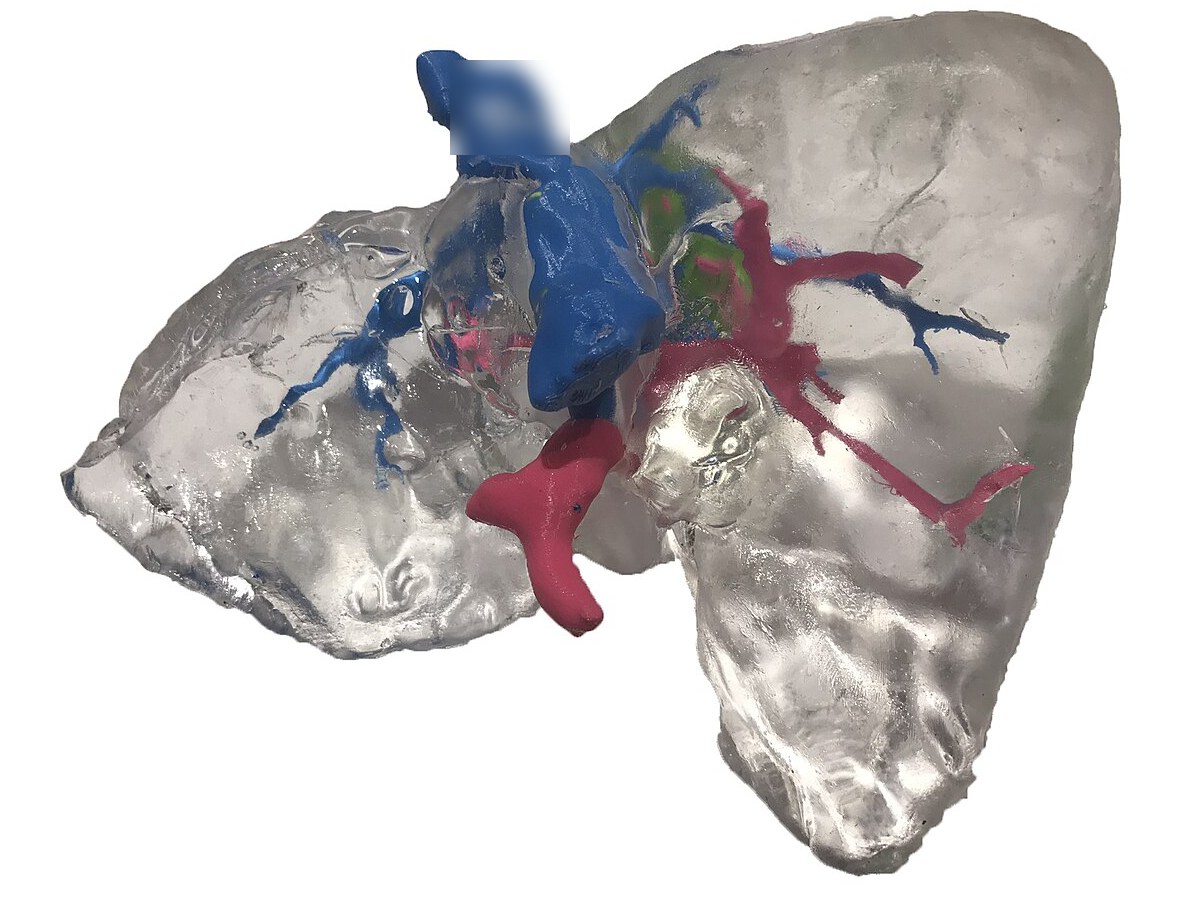
The most common symptoms were abdominal pain, nausea and vomiting, and dilatation of the common bile duct was a frequent finding (Teymouri et al., 2024). Nine patients underwent endoscopic retrograde cholangiopancreatography, and most patients were discharged with improvement of symptoms and liver tests (Teymouri et al., 2024). Published reports tend to be those with a striking course, and the true frequency of biliary disease remains unknown.
The sign also appears with medical use
The FDA reviewed adverse event reports and the literature on repeated or continuous medical use of ketamine, excluding use outside a medical context (Cotter et al., 2021). The unit was the report: 14 unique reports, with 21 hepatobiliary events, almost always in complex regional pain or chronic pain (Cotter et al., 2021).
In the reports with a date, most events appeared within four days, and liver enzymes were raised in all of them (Cotter et al., 2021). In the same period, sales of ketamine vials in the United States rose from 1.2 million in 2013 to 2.1 million in 2017 (Cotter et al., 2021). Spontaneous reports show a signal, without giving the frequency of the event.
What helps: stopping, treating the bladder, surgery
Stopping use comes first
Jhang's review places stopping ketamine as the basis of treatment for urinary symptoms, and describes that they usually return when use resumes (Jhang et al., 2023). In Hong Kong, more than a third of patients had already stopped before the first appointment (Yee et al., 2017), which shows that stopping is possible and that the appointment may come after the decision.
Treatment of the dependence is part of this. In Harding's survey, 71 percent reported craving as a withdrawal symptom (Harding et al., 2025). The logic of the post on harm reduction applies here: every reduction in use counts, and the conversation continues even when the person does not stop all at once.
Treating the bladder
In Taiwan, hydrodistension, hyaluronic acid instillation, botulinum toxin injection into the bladder and hyperbaric oxygen therapy had a better effect than oral treatment, according to the people's own reports (Li et al., 2019). The comparison is observational and depends on the participants' recall.
Jhang's review describes short-term benefit with hyaluronic acid and a longer-lasting effect with botulinum toxin combined with hyaluronic acid (Jhang et al., 2023). In severe cystitis, the same review says that only bladder augmentation with a bowel segment relieves pain and restores function (Jhang et al., 2023).
When surgery comes in
A narrative review of 23 articles gathered 875 patients with uropathy, of whom 193 (22 percent) underwent reconstructive surgery; the unit was the patient (Vizgan et al., 2023). Bladder augmentation was the most common surgery, and the difference in duration of use between those who needed surgery and those who did not was about one year (Vizgan et al., 2023). Data on duration of use existed for only part of the patients.
And ketamine used as a medicine?
Ketamine and esketamine have gained ground in the treatment of depression. A systematic review of 27 studies on therapeutic use in psychiatric disorders found urinary symptoms in 0 to 24.5 percent of patients, generally mild or moderate (Kerr-Gaffney et al., 2025). The unit of analysis was the study.
Only 15 percent of the studies had low risk of bias, and most did not follow long-term use (Kerr-Gaffney et al., 2025). The low rates reported in therapeutic use are therefore an incomplete answer, and long-term follow-up remains open.
A script for the consultation
As our synthesis, based on the sources read, five questions help when facing urinary symptoms without confirmed infection or repeated abdominal pain without a cause:
- Does the person use ketamine, by which route and for how long, asked without judgment.
- Do the symptoms worsen with use and improve when the person stops.
- Is there flank pain, high creatinine or imaging showing a small bladder with a thick wall.
- Is there abdominal pain with nausea, vomiting or altered liver tests.
- What does the person want now: to stop, to reduce or to treat the symptom first.
The post about drug checking recalls that powder sold as ketamine may contain other substances, and the one on substance use in the USMLE shows how the topic appears in exams.
Studies in summary
| Study | Design, sample and unit | Main finding |
|---|---|---|
| Li 2019 | Cross-sectional, Taiwan, 106 people; unit person | Urinary symptoms in 84 percent (Li et al., 2019) |
| Yang 2018 | Cross-sectional, Taiwan, 1,056 men; unit person | Erectile dysfunction in 30.8 percent (Yang et al., 2018) |
| Chen 2014 | Cross-sectional, Taipei, 1,614 people; unit person | Mild urinary symptom by sex: inconclusive (Chen et al., 2014) |
| Liu 2019 | Cross-sectional, Fujian, 81 people; unit person | Confirmed infection in 9.88 percent (Liu et al., 2019) |
| Yee 2017 | Single-center cohort, Hong Kong, 572 patients; unit patient | High creatinine: OR 3.107 (Yee et al., 2017) |
| Shkoukani 2025 | Chart review, 65 patients, and survey, 107 professionals | Missed appointments in 41.5 percent (Shkoukani et al., 2025) |
| Yapa 2026 | CT report; unit patient | Small bladder with a thick wall (Yapa and Khan, 2026) |
| Barrios 2025 | Online survey, 130,761 responses; unit respondent | Dependence in 8.55 percent of those who used in the year (Barrios et al., 2025) |
| Harding 2025 | Mixed-methods survey, 274 people; unit participant | Bladder in 60 percent, K-cramps in 56 percent (Harding et al., 2025) |
| Avra 2024 | K-cramps report; unit patient | Improvement in 24 hours after stopping (Avra et al., 2024) |
| Teymouri 2024 | Review of reports, 11 studies, 17 patients; unit patient | Frequent bile duct dilation (Teymouri et al., 2024) |
| Cotter 2021 | Reports and literature, medical use; unit report | 21 hepatobiliary events in 14 reports (Cotter et al., 2021) |
| Kerr-Gaffney 2025 | Systematic review, 27 studies; unit study | Urinary symptoms in 0 to 24.5 percent (Kerr-Gaffney et al., 2025) |
| Vizgan 2023 | Narrative review, 23 articles, 875 patients; unit patient | Surgery in 22 percent (Vizgan et al., 2023) |
| Jhang 2023 | Review of pathophysiology and management | Stopping use is the basis of treatment (Jhang et al., 2023) |
Sources: Li et al., 2019; Yang et al., 2018; Chen et al., 2014; Liu et al., 2019; Yee et al., 2017; Shkoukani et al., 2025; Yapa and Khan, 2026; Barrios et al., 2025; Harding et al., 2025; Avra et al., 2024; Teymouri et al., 2024; Cotter et al., 2021; Kerr-Gaffney et al., 2025; Vizgan et al., 2023; Jhang et al., 2023.
How NEXO helps train this reasoning
In NEXO, the case of the day is fictional, with a real clinical presentation and up to six progressive clues, and you propose the diagnosis by searching for the ICD-10 code. One clue may say "young woman with urinary urgency and negative cultures"; another, "has been snorting a white powder almost every day for three years". The proximity feedback in five levels helps separate ketamine cystitis, urinary infection, interstitial cystitis and obstructive causes, without turning the training into a protocol. The useful exercise is to ask, at each clue, what the history of use adds to the picture.
Frequently asked questions
How long does use take before urinary symptoms appear?
In Taiwan, urinary symptoms began on average after 24.67 months of ketamine use (Li et al., 2019). In another study from the same country, use for 24 months or more was a risk factor for significant urinary symptoms (Yang et al., 2018).
Is snorting worse than smoking?
In Taiwan, people who snorted ketamine had more severe urinary symptom scores than those who smoked it (Li et al., 2019). The same study shows that the snorting group had used it for longer, 91.85 versus 56.03 months (Li et al., 2019).
Can ketamine affect the kidneys?
In Hong Kong, 96 of 572 patients with ketamine-associated uropathy had hydronephrosis (Yee et al., 2017). Jhang's review describes that continued use can lead to hydronephrosis and kidney failure (Jhang et al., 2023).
What are K-cramps?
They are bouts of abdominal pain described by people who use ketamine; in Harding's survey, 56 percent of participants reported K-cramps (Harding et al., 2025). In Avra's report, the pain improved within 24 hours after the patient stopped using (Avra et al., 2024).
Do symptoms improve when the person stops?
Jhang's review places stopping use as the basis of treatment and describes that urinary symptoms usually return when use resumes (Jhang et al., 2023). In severe cystitis, the same review says that only bladder augmentation relieves the pain (Jhang et al., 2023).
Take-home messages
- In Taiwan, 84 percent of people who used ketamine, seen at rehabilitation centers, had urinary symptoms, which worsened with duration of use (Li et al., 2019).
- In Hong Kong, hydronephrosis was associated with age, smaller bladder, high creatinine and altered liver enzymes (Yee et al., 2017).
- Abdominal pain may come from K-cramps or from the biliary tract, and the question about use enters the differential diagnosis (Avra et al., 2024; Teymouri et al., 2024).
- Stopping use is the basis of treatment, and reconstructive surgery is reserved for severe disease (Jhang et al., 2023; Vizgan et al., 2023).
- In Cheshire and Merseyside, missed appointments were common, and some professionals saw the police as part of management (Shkoukani et al., 2025).
Milestone inventory
- 2014: in Taipei, 1,614 people referred to a mandatory program report frequent urinary symptoms and cognitive complaints (Chen et al., 2014).
- 2017: the Hong Kong cohort, with 572 patients seen from 2011 to 2015, describes who has hydronephrosis (Yee et al., 2017).
- 2021: the FDA describes hepatobiliary events with repeated or continuous medical use of ketamine (Cotter et al., 2021).
- 2024: the review of reports gathers 17 patients with biliary tract disease, and a case report of K-cramps is published (Teymouri et al., 2024; Avra et al., 2024).
- 2025: the survey with 274 people with ketamine use disorder and the review of therapeutic use broaden the picture of harm (Harding et al., 2025; Kerr-Gaffney et al., 2025).
References
- Li CC, Wu ST, Cha TL, et al. A survey for ketamine abuse and its relation to the lower urinary tract symptoms in Taiwan. Sci Rep. 2019;9(1):7240. PMID: 31076629. PMC: PMC6510790.
- Yang SS, Jang MY, Lee KH, et al. Sexual and bladder dysfunction in male ketamine abusers: A large-scale questionnaire study. PLoS One. 2018;13(11):e0207927. PMID: 30485367. PMC: PMC6261603.
- Chen WY, Huang MC, Lin SK. Gender differences in subjective discontinuation symptoms associated with ketamine use. Subst Abuse Treat Prev Policy. 2014;9:39. PMID: 25245125. PMC: PMC4183767.
- Liu W, Wu W, Wei Y, et al. Epidemiologic characteristics and risk factors in patients with ketamine-associated lower urinary tract symptoms accompanied by urinary tract infection: A cross-sectional study. Medicine (Baltimore). 2019;98(23):e15943. PMID: 31169717. PMC: PMC6571413.
- Yee CH, Teoh JY, Lai PT, et al. The Risk of Upper Urinary Tract Involvement in Patients With Ketamine-Associated Uropathy. Int Neurourol J. 2017;21(2):128-132. PMID: 28673061. PMC: PMC5497195.
- Shkoukani ZW, Gopi P, Tate L, et al. Ketamine-Induced Uropathy in a High-Prevalence Region: Knowledge, Diagnostic Practices, and Treatment Patterns Among Primary and Secondary Care Providers. Cureus. 2025;17(6):e86373. PMID: 40688826. PMC: PMC12276041.
- Yapa G, Khan H. CT Appearances of Ketamine-Induced Uropathy: A Guide to General Radiologists. Cureus. 2026;18(6):e111854. PMID: 42539767. PMC: PMC13424539.
- Barrios KP, Connolly DJ, Ferris JA, et al. Ketamine use in a large global sample: Characteristics, patterns of use and emergency medical treatment. J Psychopharmacol. 2025;39(1):8-22. PMID: 39420535. PMC: PMC11760648.
- Harding RE, Barton T, Niepceron M, et al. The landscape of ketamine use disorder: Patient experiences and perspectives on current treatment options. Addiction. 2025;120(10):1970-1979. PMID: 40294641. PMC: PMC12426348.
- Avra T, Torres J, Felipe Vasudevan K, et al. "K Cramps," Recurrent Abdominal Pain in a Patient with Chronic Ketamine Use: A Case Report. Clin Pract Cases Emerg Med. 2024;8(3):277-281. PMID: 39158249. PMC: PMC11326070.
- Teymouri A, Nasoori H, Fakheri M, et al. Features of biliary tract diseases in ketamine abusers: a systematic review of case reports. J Med Case Rep. 2024;18(1):84. PMID: 38431685. PMC: PMC10909254.
- Cotter S, Wong J, Gada N, et al. Repeated or Continuous Medically Supervised Ketamine Administration Associated with Hepatobiliary Adverse Events: A Retrospective Case Series. Drug Saf. 2021;44(12):1365-1374. PMID: 34699023. PMC: PMC8546385.
- Kerr-Gaffney J, Tröger A, Caulfield A, et al. Urological symptoms following ketamine treatment for psychiatric disorders: A systematic review. J Psychopharmacol. 2025;39(10):1103-1113. PMID: 40583492. PMC: PMC12572349.
- Vizgan G, Huamán M, Rychik K, et al. Ketamine-induced uropathy: A narrative systemic review of surgical outcomes of reconstructive surgery. BJUI Compass. 2023;4(4):377-384. PMID: 37334018. PMC: PMC10268589.
- Jhang JF, Birder LA, Kuo HC. Pathophysiology, clinical presentation, and management of ketamine-induced cystitis. Tzu Chi Med J. 2023;35(3):205-212. PMID: 37545795. PMC: PMC10399845.