Harm reductionDisaster medicineClimate and health
Mass events: heat, drugs and the medical post




Table of contents
- How demand at an event is measured
- Who seeks the medical post
- Heat as the factor that weighs most
- Drugs: what circulates and what reaches the hospital
- Drug checking and the barriers to asking for help
- The effect outside the venue
- Studies in summary
- How NEXO helps train this reasoning
- Frequently asked questions
- Take-home messages
- References
In a fictional scenario, a 23-year-old man arrives at a festival medical post at four in the afternoon. He is hot, confused and sweaty, and his friends hesitate when the nurse asks what he took. On the stretcher next to him, a 70-year-old woman waits for a dressing on a blister on her foot, and outside the line of people who just want a painkiller keeps growing. The medical post at a mass event lives with this mix: many minor complaints, a few real emergencies and a part of the story the patient would rather hide.
A mass event is one where the number of people gathered can overwhelm the response resources of the host community (Sultana et al., 2025). This text looks at what arrives at the medical post, at the role of heat and drugs and at the effect of the event outside the grounds. The chemical analysis of samples is in the post on drug checking, and the differential of serotonin syndrome in the one on MDMA.
Key points
- At an Austrian festival followed over seven editions, the number of visitors poorly predicted the number of consultations, and temperature was associated with heat-related consultations (Maleczek et al., 2022).
- At Glastonbury 2022, most of the 2,828 patients had minor problems and returned to the festival; intoxication accounted for a small share of the recorded diagnoses (Bennett and Cottrell, 2024).
- At a tertiary hospital in Las Vegas, people who arrived intoxicated from the Electric Daisy Carnival festival were admitted to the ICU more often than other intoxicated patients in the same period, in a single-center study (Ren et al., 2026).
- In a survey of 1,229 Australian festival attendees, fear of the police was the most cited barrier to seeking help (Page et al., 2022).
- Days with music events had more ambulance calls across the entire state of Rhode Island, which shows that the event also weighs on the network outside (Kienbacher et al., 2024).
How demand at an event is measured
The patient presentation rate (PPR) counts how many people seek the event's health service per thousand or ten thousand attendees. The transport-to-hospital rate (TTHR) counts how many of those people leave the grounds for a hospital.
The numbers vary widely depending on the type of event. In a scoping review of 22 articles on stadium and arena events, the PPR ranged from one to 24 per 10,000 spectators, with a median of 3.8 per 10,000, and the TTHR ranged from zero to four per 10,000, with a median of 0.35 per 10,000 (Sultana et al., 2025). The unit of analysis in this review is the article, and the authors stress the lack of standardization of the measures, which limits direct comparisons (Sultana et al., 2025).
Among the factors described, weather appeared as a relevant environmental factor in 12 of the 22 articles (54.6 percent) (Sultana et al., 2025).
For those organizing care, demand has three layers (our synthesis). The first is the volume of minor complaints, which defines the size of the post. The second is severe emergencies, rare and unpredictable, which define the equipment and the team's training. The third is the effect of the event on the city, which defines the conversation with the ambulance service and the referral hospitals, along the lines of what is discussed in surge capacity.
Who seeks the medical post
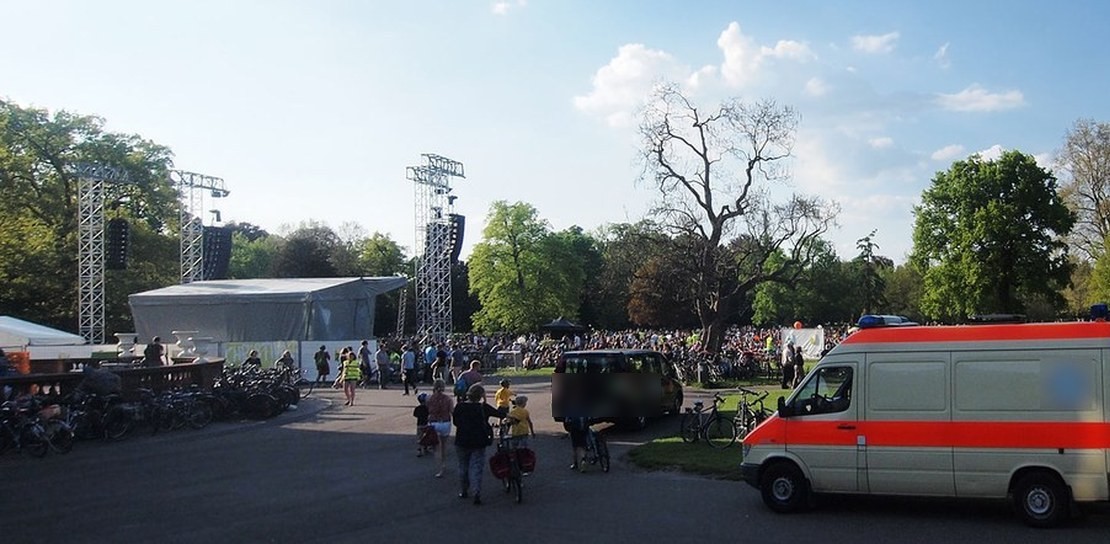
Maleczek and colleagues analyzed the rescue operation protocols of a large Austrian music festival between 2011 and 2017, with 1,003,500 visitors summed across the seven editions and 13,759 consultations (Maleczek et al., 2022). The median PPR was 12.01 per 1,000 visitors, ranging from 9.33 to 20.86, and the median TTHR was 0.57 per 1,000, ranging from 0.40 to 1.06 (Maleczek et al., 2022). Severity was measured with the NACA scale, and emergencies requiring advanced care (NACA 3 to 5) fell from 73 to 3 over the period, with no drop in the number of visitors (Maleczek et al., 2022).
Contrary to the authors' own expectation, the number of visitors did not predict the number of medical visits in the linear regression models (Maleczek et al., 2022). It is worth noting that the unit of this regression is the festival edition, that is, seven data points, and that the organizer only released audience estimates, a limitation the authors acknowledge (Maleczek et al., 2022).
A practical finding from the same festival was environmental prevention. The team began searching for and removing wasp nests from 2012 onward, and visits for insect stings fell from 395 in 2011 to 44 the following year (Maleczek et al., 2022).
Glastonbury: many minor complaints, few recorded intoxications
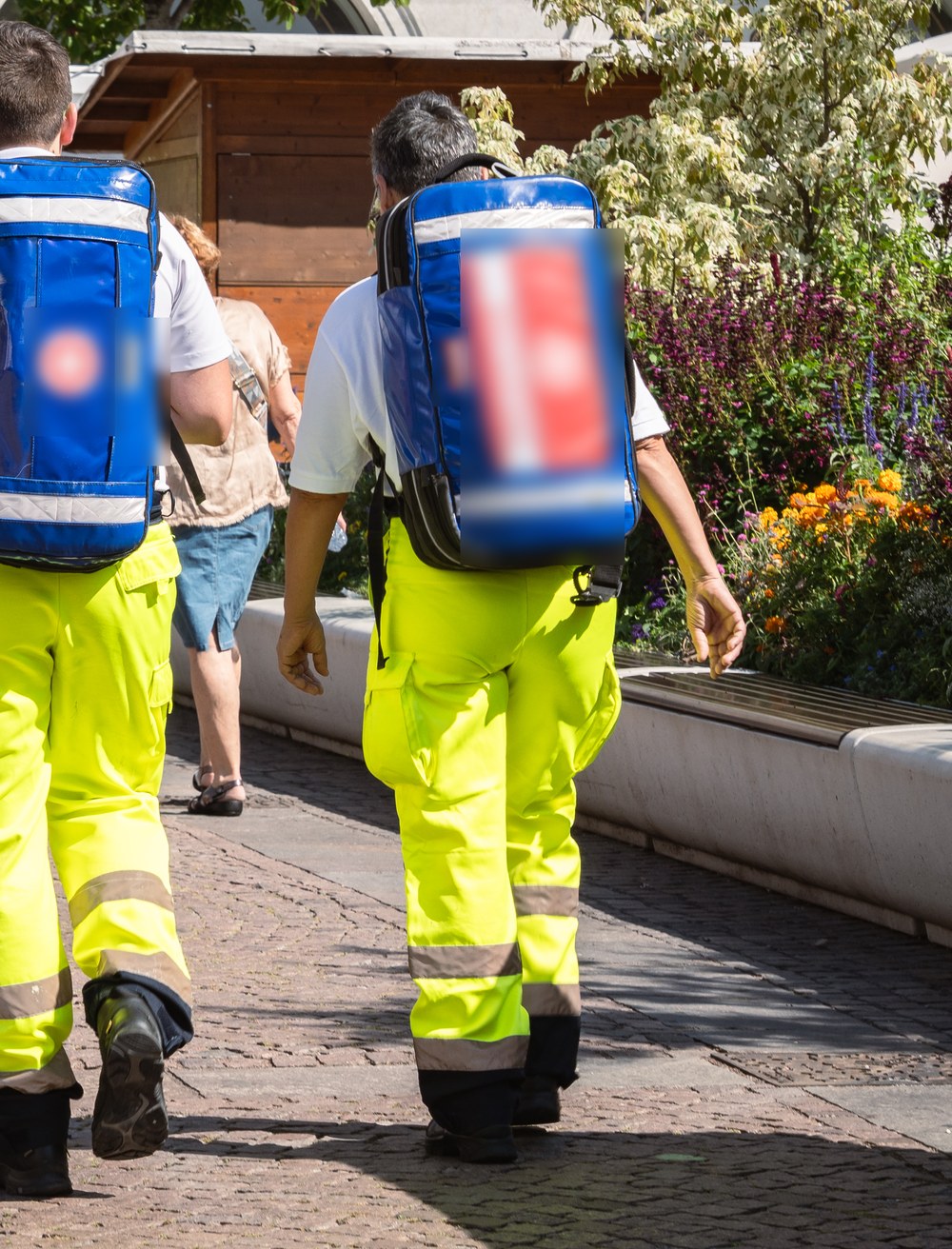
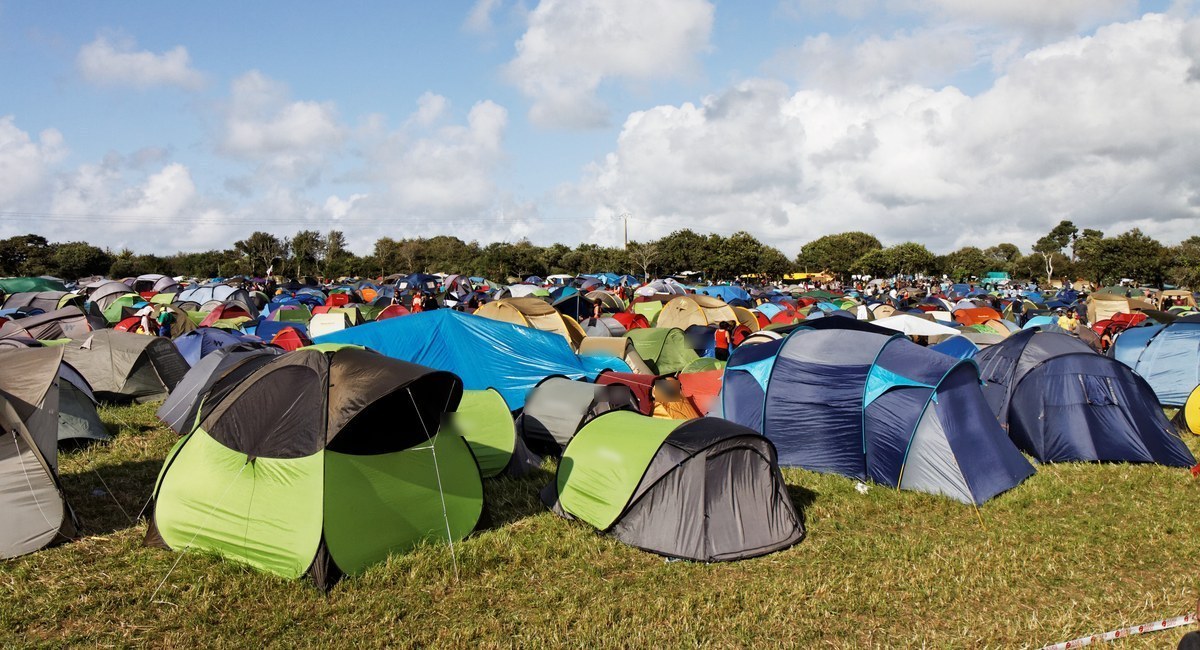
Bennett and Cottrell reviewed the electronic medical records of the Glastonbury medical services in 2022, a festival with about 210,000 people, including staff and artists, most of them camping on site (Bennett and Cottrell, 2024). A total of 2,828 patients received care, with a PPR of 13.47 and a TTHR of 0.30 per 1,000 attendees (Bennett and Cottrell, 2024). The most common diagnoses were joint injuries, gastrointestinal problems and blisters, and 2,563 patients (90.66 percent) returned to the festival after treatment (Bennett and Cottrell, 2024).
Only 164 patients (5.48 percent) were diagnosed as intoxicated (Bennett and Cottrell, 2024). The authors read this finding as a sign that drugs and alcohol contributed little to the workload of the post, but they acknowledge that, with anonymized data, they could not identify who returned to the post more than once (Bennett and Cottrell, 2024).
The study offers a rare look at the extremes of age. Among the patients, 88 (3.11 percent) were 65 or older; in this group, 72 (81.82 percent) returned to the festival and 5 (5.68 percent) were taken to hospital, proportions different from those of the whole set (Bennett and Cottrell, 2024). Children under 10 had more diagnoses in the disease category and fewer injuries than the whole set, but the authors warn that the small numbers in these subgroups prevent firm conclusions (Bennett and Cottrell, 2024).
The marathon as a counterpoint
Sporting events change the profile. At the 2023 Vienna Marathon, with 39,871 participants, 277 runners (0.7 percent) needed care, 239 of them in the finish area, and 58 (20.9 percent of those treated) were hospitalized (Brock et al., 2025). The most frequent complaint was syncope or collapse, in 24.9 percent of those treated (Brock et al., 2025).
The team performed venous blood gas analysis on site in 31 patients (11.2 percent) who needed venous access (Brock et al., 2025). In the documented sample, the authors recorded no hyponatremia, and in 8 of these blood gas analyses (25.8 percent) sodium was above 145 mmol/L (Brock et al., 2025). The study is retrospective and descriptive, of a single event, and serves to show that exercise-associated hyponatremia is not the only sodium disorder to consider in the runner who collapses (our synthesis). To separate benign collapse from syncope with a cardiac cause, the reasoning in the post on syncope in the emergency department is useful.
Heat as the factor that weighs most
Temperature is the most studied environmental factor. At the Austrian festival, ambient temperature was significantly associated with heat-related visits, with no association with cold-related visits, in a regression using annual averages from the seven editions (Maleczek et al., 2022). The physiology of heat stroke and cooling are covered in the posts on extreme heat and on exertional heat stroke.
Rock festivals in Japan
Takeda and colleagues analyzed four rock festivals held in Japan in July and August 2023, cross-referencing what each organizer published online, the daily maximum wet bulb globe temperature (WBGT) and emergency transports for suspected heat illness (Takeda et al., 2026). Three festivals recorded a daily maximum WBGT at the danger level, of 31 °C or more, and the fourth stayed at the severe alert level (Takeda et al., 2026).
Even with high WBGT, two festivals published no heat warnings on their websites, one gave basic guidance and only one adopted more complete measures, with alerts, hydration reminders, information on rest areas and first aid stations, and a recommendation to bring a hat, towel and portable fan (Takeda et al., 2026). Heat illness transports increased in the regions of two of the festivals (Takeda et al., 2026).
The reading requires care. The study is ecological, and the transport data cover the entire province, not the area around the event site; the WBGT came from the nearest weather station and was not measured at the venue (Takeda et al., 2026). The authors state clearly that the analysis does not allow them to say that the transported patients were at the festival (Takeda et al., 2026).
The Hajj and severe heat stroke
Religious pilgrimages bring an older crowd and long exposure to the sun. At the 2018 Hajj, a cross-sectional study with 80 collection points covered 1,200 people and included 231 with a condition compatible with heat illness (Alkassas et al., 2021). Of these, 14 (6 percent) had heat stroke and 40 (17.32 percent) had heat exhaustion, and all of those with heat stroke came from outside Saudi Arabia (Alkassas et al., 2021). Most cases appeared between 11 a.m. and 1 p.m. (Alkassas et al., 2021). In the discussion, the authors call for greater attention to older people and to those with chronic disease, such as hypertension and diabetes, the most common comorbidities in the sample (Alkassas et al., 2021).
Aldardeer and colleagues followed, in an exploratory prospective cohort at nine hospitals, 23 adult pilgrims admitted with confirmed heat stroke, defined by a core temperature of 40 °C or more with central nervous system dysfunction (Aldardeer et al., 2026). The mean age was 65.1 years, and 8 patients (34.8 percent) were transferred to a referral center (Aldardeer et al., 2026). Those transferred had higher creatinine, lower platelets and needed mechanical ventilation more often (75.0 versus 26.7 percent) (Aldardeer et al., 2026). The authors warn that, given the small sample, the findings are exploratory and do not establish predictors of severity, because transfer also reflects health system factors (Aldardeer et al., 2026).
Drugs: what circulates and what reaches the hospital
Drug use at festivals is studied through different paths, each with its own unit of analysis. Gerrity and colleagues measured 24 substances and metabolites in sewage samples collected at the venue, in the surrounding community and at the treatment plant downstream of the Electric Daisy Carnival, in Las Vegas, between 2023 and 2025 (Gerrity et al., 2026). Cocaine, methamphetamine, amphetamine, a cannabis metabolite and tramadol appeared in all samples from the festival weekend (Gerrity et al., 2026).
Compared with weeks without a festival, MDMA concentrations were about 10 to 30 times higher at points outside the venue and close to 100 times higher at the treatment plant (Gerrity et al., 2026). The unit here is the sewage sample, not the person, and the authors acknowledge that the collection design changed from one year to another, which makes comparisons between years difficult (Gerrity et al., 2026).
The festival in the ICU
Ren and colleagues compared, at a tertiary teaching hospital in Las Vegas, adults admitted for drug or alcohol intoxication between 2019 and 2024 (Ren et al., 2026). Of the 1,127 admissions reviewed, 103 entered the study, 40 of them (38.80 percent) linked to the Electric Daisy Carnival (Ren et al., 2026). The festival patients were younger and had SOFA scores and QT intervals similar to the others, but were admitted to the ICU more often (77.50 versus 44.40 percent) (Ren et al., 2026).
In the authors' logistic regression, the link to the festival was associated with a higher chance of ICU admission (OR 4.63; 95 percent CI 1.54 to 13.89), while length of stay and mortality did not differ between the groups (Ren et al., 2026). The authors themselves list important limitations: retrospective single-center design, toxicology often incomplete, no denominator to compare incidences, and classification depending on what the patient reported and what was documented (Ren et al., 2026).
Read together, sewage and ICU tell different parts of the same story (our synthesis). Sewage shows what the crowd consumes; the hospital record shows who arrived severely ill. Neither says how many attendees felt unwell without leaving the grounds, and that is where the medical post records come in.
Adulterants and the surprise of the contents
In the first checking study at an electronic music festival near Mexico City, 40 participants handed in 51 samples, analyzed by colorimetry, infrared spectroscopy and fentanyl immunoassay strips (Cruz et al., 2023). Most samples contained the expected substance and some adulterant, notably other amphetamines and venlafaxine, an antidepressant (Cruz et al., 2023). The strips detected fentanyl in 2 of 4 cocaine samples and in 14 of 22 confirmed MDMA samples (Cruz et al., 2023).
The authors note that the strip can give a false positive in samples with a high concentration of MDMA or other amphetamines, and that the sample was small, not random and from a single festival, with no possibility of generalization (Cruz et al., 2023). For the clinician, the lesson is that the patient may have taken something different from what they believe (our synthesis). Faced with unexpected sedation, it is worth considering an opioid even when the history mentions only a stimulant, and the assessment follows the harm reduction post.
Drug checking and the barriers to asking for help
Checking at the festival itself is also a doorway to a conversation with the health team. In the pilot evaluated in 2019 at the Groovin the Moo festival in Canberra, the service tested 170 substances brought by more than 230 attendees, with a mean age of 21 years among the adults seen (Olsen et al., 2022). A total of 158 participants answered the questionnaire before testing, and the contents matched expectations in 88 percent of them (139) (Olsen et al., 2022).
The cathinone N-ethylpentylone, associated with a high risk of severe intoxication, appeared in 7 samples, and the service records indicate that all were discarded (Olsen et al., 2022). In the evaluation, attendees reported gaining knowledge about harm reduction and more confidence in health professionals, but the stated intention to discard the tested drug was low, 8.6 percent among those who responded (Olsen et al., 2022).
In a survey of 227 attendees of a four-day festival in Colorado, 75.3 percent had already used a reagent kit and 66.5 percent a fentanyl test strip (Piercey et al., 2025). The barriers cited to testing at the festival were access to the material, the environment, legal fear, group dynamics, lack of training and the limits of each tool (Piercey et al., 2025).
What keeps people from seeking the medical post
Page and colleagues interviewed on site 1,229 attendees of six festivals in New South Wales, Australia, in 2019 and 2020, about what would keep them from asking for help if they or a friend felt unwell (Page et al., 2022). At least one barrier was reported by 83.2 percent; the most cited were fear of trouble with the police (32.7 percent), not knowing where to find help (20.6 percent), not knowing how serious the person was (17.2 percent) and fear that friends or family would find out (15.3 percent) (Page et al., 2022).
The authors acknowledge that the question was hypothetical, without specifying the cause of the malaise, and that the hypothetical choice may differ from real behavior (Page et al., 2022).
These barriers are, for the most part, questions of service design (our synthesis). A visible post, signposted and perceived as separate from police action can mitigate two of the four most cited barriers, a hypothesis that the cited studies did not test. The team that asks about drug use without judgment obtains a better history, which also holds for the patient who arrives only intoxicated, the topic of the post about alcohol.
The effect outside the venue
The event weighs on the entire city. Kienbacher and colleagues analyzed all primary response ambulance calls in Rhode Island, United States, between 2018 and 2022: there were 1,704 days and 695,535 calls, with an average of 38 calls per 100,000 inhabitants per day (Kienbacher et al., 2024). The unit of analysis is the day, for the entire state, and the events were identified by internet search (Kienbacher et al., 2024).
In the authors' Poisson regression models, days with music events had 3 more calls per 100,000 inhabitants (95 percent CI 2 to 3) and days of public exhibitions, 2 more (95 percent CI 1 to 2) (Kienbacher et al., 2024). Sporting events showed no detected effect on calls; for agricultural events, the estimate was 1 fewer call, with an interval that includes the null (95 percent CI minus 1 to 0), and the result is inconclusive (Kienbacher et al., 2024). The increase per day seems small, but it adds up in a service that already works near its limit (our synthesis).
Infections that travel home
The festival also spreads diseases. In August 2025, Denmark's respiratory virus surveillance detected a jump in influenza A detections, from 19 in one week to 115 in the next, outside the usual season (Bolt Botnen et al., 2025). Sequencing identified a cluster of 17 people with very similar viruses, and interviews showed that all of them had been to a large outdoor music festival (Bolt Botnen et al., 2025). Fever and cough in the days following a festival enter the city clinician's reasoning, and the dynamics of the virus are in the post about influenza.
A script of questions at the post
Putting the studies together, five questions help guide care at the post (our synthesis):
- How long has the person been in the sun, what did they drink and where did they sleep?
- What did they use, who did they buy it from and was the substance tested?
- Does anyone in the group have similar symptoms?
- What medications does the person take regularly?
- Can the person return to the event accompanied, or do they need observation or transport?
When there are many victims at the same time, the logic shifts to that of disaster triage.
Studies in summary
| Study | Design, sample and unit | Main finding |
|---|---|---|
| Maleczek 2022 | Retrospective, 7 editions of an Austrian festival, 13,759 visits | Median PPR 12.01 per 1,000 (Maleczek et al., 2022) |
| Bennett 2024 | Retrospective, Glastonbury 2022, 2,828 patients | TTHR 0.30 per 1,000 (Bennett and Cottrell, 2024) |
| Brock 2025 | Retrospective, Vienna Marathon 2023, 277 treated | Hospitalization of 20.9 percent of those treated (Brock et al., 2025) |
| Sultana 2025 | Scoping review, 22 articles, stadiums and arenas | Median PPR 3.8 per 10,000 (Sultana et al., 2025) |
| Takeda 2026 | Ecological, 4 festivals, data by province | Dangerous WBGT at 3 festivals (Takeda et al., 2026) |
| Alkassas 2021 | Cross-sectional, Hajj 2018, 231 with heat illness | Heat stroke in 14 (Alkassas et al., 2021) |
| Aldardeer 2026 | Prospective cohort, 23 with heat stroke | Ventilation 75.0 versus 26.7 percent (Aldardeer et al., 2026) |
| Gerrity 2026 | Wastewater surveillance, samples from 2023 to 2025 | MDMA nearly 100 times higher at the treatment plant (Gerrity et al., 2026) |
| Ren 2026 | Retrospective cohort, single center, 103 admitted | ICU 77.50 versus 44.40 percent (Ren et al., 2026) |
| Cruz 2023 | Checking, 40 participants, 51 samples | Fentanyl in 14 of 22 MDMA samples (Cruz et al., 2023) |
| Olsen 2022 | Mixed methods, 158 questionnaires | Agreement of 88 percent (Olsen et al., 2022) |
| Piercey 2025 | Survey, 227 attendees | Reagent kit already used by 75.3 percent (Piercey et al., 2025) |
| Page 2022 | Survey, 1,229 attendees | Fear of the police in 32.7 percent (Page et al., 2022) |
| Kienbacher 2024 | Series of 1,704 days, day unit and state | Plus 3 calls per 100,000 (Kienbacher et al., 2024) |
| Bolt Botnen 2025 | Outbreak investigation, national surveillance | Cluster of 17 people (Bolt Botnen et al., 2025) |
Sources: Maleczek et al., 2022; Bennett and Cottrell, 2024; Brock et al., 2025; Sultana et al., 2025; Takeda et al., 2026; Alkassas et al., 2021; Aldardeer et al., 2026; Gerrity et al., 2026; Ren et al., 2026; Cruz et al., 2023; Olsen et al., 2022; Piercey et al., 2025; Page et al., 2022; Kienbacher et al., 2024; Bolt Botnen et al., 2025.
How NEXO helps train this reasoning
In NEXO, the case of the day is fictional, with a real clinical presentation and up to six progressive clues, and you propose the diagnosis by searching for the ICD-10 code. One clue may say "a confused, hot young man in the middle of a festival afternoon"; another, "his friends cannot say what he took". The five-level proximity feedback helps separate heat illness, stimulant intoxication, opioid effect and hyponatremia, without turning the training into a field protocol. The useful exercise is to ask, at each clue, what the event environment adds to the story.
Frequently asked questions
Does the number of people at the event predict how many will seek the medical post?
Poorly. At the Austrian festival followed over seven editions, the estimated crowd did not predict the number of visits, and temperature was more related to heat-related visits (Maleczek et al., 2022). The review on stadiums points to event type, location, weather and health support as factors, in addition to crowd size (Sultana et al., 2025).
Are most visits at a festival due to drugs?
In the Glastonbury 2022 records, intoxication accounted for 5.48 percent of patients, and joint injuries, gastrointestinal problems and blisters were more common (Bennett and Cottrell, 2024). At the Austrian festival, only 5 percent of visits were for intoxication, mostly alcohol, and the authors consider this number low compared with the literature; one explanation they propose is the possibility of sleeping on site until the effect wears off (Maleczek et al., 2022).
Why is heat such a concern?
Because temperature is associated with heat-related visits (Maleczek et al., 2022) and because severe heat stroke may require mechanical ventilation and transfer, as in the Hajj cohort (Aldardeer et al., 2026). In Japan, festivals with dangerous WBGT did not always issue heat warnings (Takeda et al., 2026).
Does drug checking at the festival change behavior?
In the Canberra pilot, attendees reported more knowledge about harm reduction and more trust in the staff, and samples containing N-ethylpentylone were discarded; the intention to discard the tested drug, however, was low (Olsen et al., 2022). The data are self-reported.
What keeps attendees away from the medical post?
In the Australian survey, fear of the police, not knowing where to find help, uncertainty about severity and worry that family would find out were the most cited barriers (Page et al., 2022).
Take-home messages
- At the Austrian festival studied, temperature was associated with heat-related visits, and the estimated crowd poorly predicted the volume at the medical post (Maleczek et al., 2022).
- At Glastonbury 2022, most patients had a minor problem and returned to the festival (Bennett and Cottrell, 2024).
- In the single-center Las Vegas study, intoxicated festival patients were more often admitted to the ICU, with mortality similar to the others (Ren et al., 2026).
- In the checking near Mexico City, test strips detected fentanyl in samples sold as MDMA, in a small, non-randomized study (Cruz et al., 2023).
- At the Australian festivals studied, fear of the police was the most cited barrier to seeking help (Page et al., 2022).
References
- Maleczek M, Rubi S, Fohringer C, Scheriau G, Meyer E, Uray T, Duma A. Medical care at a mass gathering music festival: Retrospective study over 7 years (2011-2017). Wien Klin Wochenschr. 2022;134(7-8):324-331. PMID: 33900474. PMC: PMC9023407.
- Bennett JF, Cottrell DJ. Glastonbury Festival: Medical Care at the World's Largest Greenfield Music Festival. Prehosp Disaster Med. 2024;39(2):170-177. PMID: 38563276. PMC: PMC11035920.
- Brock R, Krammel M, Kornfehl A, et al. Emergency Point-of-Care Blood Gas Analysis During Mass Gathering Events: Experiences of the Vienna City Marathon. J Clin Med. 2025;14(7):2504. PMID: 40217952. PMC: PMC11989628.
- Sultana N, Crilly J, Ware RS, Ranse J. Factors Influencing Patient Presentation and Transfer to Hospital Rates During Mass-Gathering Stadium Events: A Scoping Review. Prehosp Disaster Med. 2025;40(2):101-113. PMID: 40207555. PMC: PMC12018010.
- Takeda A, Seino K, Shimonosono K, Tomio J. Risk of heat-related illnesses and preventive measures at mass gathering rock festivals in the summer of 2023 in Japan. Environ Health Prev Med. 2026;31:5. PMID: 41565281. PMC: PMC12834641.
- Alkassas W, Rajab AM, Alrashood ST, Khan MA, Dibas M, Zaman M. Heat-related illnesses in a mass gathering event and the necessity for newer diagnostic criteria: a field study. Environ Sci Pollut Res Int. 2021;28(13):16682-16689. PMID: 33389467. PMC: PMC7778691.
- Aldardeer N, Harisi A, Alzahrani SS, et al. Clinical Characteristics, Complications, and Outcomes of Heat Stroke Among Pilgrims During the Hajj Mass Gathering: A Prospective Cohort Study. Open Access Emerg Med. 2026;18:616665. PMID: 42453919. PMC: PMC13367460.
- Gerrity D, Barber CA, Trenholm RA, et al. Multiyear Wastewater Monitoring of High-Risk Substances Surrounding an Annual Electronic Dance Music Festival, Las Vegas, Nevada, USA, 2023-2025: Surveillance Study. JMIR Public Health Surveill. 2026;12:e102679. PMID: 42710006. PMC: PMC13552836.
- Ren J, Batra K, Goel V, Jensen T, Tran S, Kioka M. Critical care [...] associated with an electronic dance music festival in Las Vegas, Nevada: A retrospective cohort study of the electric daisy carnival. Prev Med Rep. 2026;64:103439. PMID: 41852618. PMC: PMC12992493.
- Cruz SL, Bencomo-Cruz M, Medina-Mora ME, Vázquez-Quiroz F, Fleiz-Bautista C. First drug-checking study at an electronic festival and fentanyl detection in the central region of Mexico. Harm Reduct J. 2023;20(1):174. PMID: 38053148. PMC: PMC10698886.
- Olsen A, Wong G, McDonald D. Music festival drug checking: evaluation of an Australian pilot program. Harm Reduct J. 2022;19(1):127. PMID: 36403032. PMC: PMC9675117.
- Piercey CJ, Schlechter TE, Henry D, et al. Use of reagent test kits and fentanyl test strips among electronic music festival attendees in Colorado: prevalence, barriers, and behavior in response to drug checking. Harm Reduct J. 2025;22(1):46. PMID: 40176104. PMC: PMC11963508.
- Page R, Healey A, Siefried KJ, et al. Barriers to help-seeking among music festival attendees in New South Wales, Australia. Drug Alcohol Rev. 2022;41(6):1322-1330. PMID: 35604869. PMC: PMC9545606.
- Kienbacher CL, Herkner H, Alemu F, et al. Social mass gathering events influence emergency medical services call volume. Front Public Health. 2024;12:1394384. PMID: 38873322. PMC: PMC11169686.
- Bolt Botnen A, Emborg HD, Thorup C, et al. An interseasonal outbreak of influenza A(H1N1)pdm09 related to a music festival, Denmark, August 2025. Euro Surveill. 2025;30(36). PMID: 40937554. PMC: PMC12432491.