Harm reductionAddiction medicineToxicology
Prison release: opioid deaths in the first weeks




Table of contents
- Why the first weeks weigh so heavily
- The size of the risk in large cohorts
- The return home told by those who left
- Methadone and buprenorphine in prison and after release
- Naloxone to take at release
- Where continuity breaks
- Studies in summary
- How NEXO helps train this reasoning
- Frequently asked questions
- Take-home messages
- References
In a fictional case, a 34-year-old man arrives at the emergency department on a Friday night, brought by a friend who found him drowsy and breathing slowly in the bathroom of a boarding house. He left prison on Monday. He spent two years inside without using heroin and, on his first day of freedom, went back to using the same amount as before. The friend had naloxone in his pocket.
The scene sums up what large cohorts have shown for more than a decade: release from prison opens a short window of very high risk of death from opioid intoxication. This text looks at the size of that window, at who is most at risk, at the account of people who have been released and at what the sources say about treatment with methadone or buprenorphine and about naloxone. Recognition of the intoxication is in the post on the opioid toxidrome and the naloxone decision, and the choice of drug is in the post on buprenorphine or methadone.
Key points
- In a meta-analysis of six prison systems, drug-related death was three to eight times more frequent in the first two weeks after release than in weeks 3 to 12 (Merrall et al., 2010).
- In Washington State, drug intoxication was the leading cause of death after release, and opioids were involved in 14.8 percent of all deaths (Binswanger et al., 2013).
- In New York jails, receiving methadone or buprenorphine in the last days before release was associated with fewer deaths from intoxication in the first month, in an observational analysis (Lim et al., 2023).
- In Scotland, the proportion of opioid deaths occurring in the four weeks after release fell after the national naloxone program, in a before-and-after comparison without randomization (Bird et al., 2016).
- People released from prison interviewed in Denver and in Massachusetts cited loss of tolerance and stronger street drugs as reasons for the risk (Binswanger et al., 2012; Michener et al., 2024).
- Why the first weeks weigh so heavily
- The size of the risk in large cohorts
- The return home told by those who left
- Methadone and buprenorphine in prison and after release
- Naloxone to take at release
- Where continuity breaks
- Studies in summary
- How NEXO helps train this reasoning
- Frequently asked questions
- Take-home messages
Why the first weeks weigh so heavily
The most cited explanation is physiological. During imprisonment, access to opioids falls or disappears, and tolerance decreases. On release, the person who uses drugs tends to return to the previous pattern, and the same amount now depresses the breathing of a body that is no longer adapted. The mechanism of respiratory depression is detailed in the post on sedation before the drop in saturation.
This explanation appears in the voice of those who lived through release. In the Denver qualitative study, with 29 people released from prison interviewed, lack of knowledge about lower tolerance was the most cited reason for intoxications after release, alongside the increased potency of street drugs during the prison years (Binswanger et al., 2012).
Tolerance, however, explains only part of it. The same participants described stress, homelessness, loss of ties and drugs available everywhere in the first days (Binswanger et al., 2012). In Massachusetts, the people interviewed added the more toxic drug supply and using alone as factors that worsen the outcome (Michener et al., 2024).
As our hypothesis, with no study testing it directly in the sources read, the risk window can be read as the sum of two effects that coincide in time: lost tolerance and the break in care, when treatment received inside prison does not continue on the outside.
The size of the risk in large cohorts
The studies link prison release records to death records. The unit of analysis changes from one study to another, and this matters for reading: some count people, others count releases, and the same person can leave prison several times in the period.
Washington: intoxication as the leading cause
The Washington study linked 192,944 releases of 76,461 people, between 1999 and 2009, to the United States National Death Index; the unit of analysis was the releases (Binswanger et al., 2013). Overall mortality was 737 per 100,000 person-years, and drug intoxication was the leading cause, with 167 deaths per 100,000 person-years (Binswanger et al., 2013).
Opioids were involved in 14.8 percent of all deaths (Binswanger et al., 2013). Compared with the general population of the state, the standardized mortality ratio for intoxication was 10.33 (95 percent CI 9.61 to 11.10) (Binswanger et al., 2013). The rate of deaths from intoxication was higher in the first week after release than in the following weeks, which the authors did not observe for the other causes of death.
The authors point out limits that matter for reading: the linkage between records, done with strict criteria, may have missed some deaths, and the choice of the ICD-10 code for cause of death on the certificate brings uncertainty (Binswanger et al., 2013).

Six prison systems in the same account
The Merrall meta-analysis pooled six studies from six prison systems, with people aged 18 to 35, totaling 69,093 person-years of follow-up; there were 1,033 deaths in the 12 weeks after release, of which 612 were drug-related (Merrall et al., 2010). The central comparison was between weeks 1 and 2 and weeks 3 to 12.
The ratio of drug deaths in the first two weeks relative to weeks 3 to 12 varied across prison systems, and the authors reported heterogeneity between countries (Merrall et al., 2010):
- United Kingdom: 7.5 (95 percent CI 5.7 to 9.9) (Merrall et al., 2010).
- Australia: 4.0 (95 percent CI 3.4 to 4.8) (Merrall et al., 2010).
- Washington: 8.4 (95 percent CI 5.0 to 14.2) (Merrall et al., 2010).
- New Mexico: 3.1 (95 percent CI 1.3 to 7.1) (Merrall et al., 2010).
The risk also fell gradually. In weeks 3 and 4, it was still higher than in weeks 5 to 12, with a ratio of 1.7 (95 percent CI 1.3 to 2.2) (Merrall et al., 2010). In our summary, the window opens abruptly at release and narrows over the weeks, without closing completely.
Sweden and New Zealand: the risk that persists
The Swedish national cohort followed 47,326 released people for a median of 5.1 years and recorded 2,874 deaths, with mortality of 1,205 per 100,000 person-years; the unit of analysis was the people (Chang et al., 2015). Drug use disorder was associated with more mortality, with an adjusted hazard ratio of 1.67 (95 percent CI 1.53 to 1.83), and alcohol use disorder with 1.62 (1.48 to 1.77) (Chang et al., 2015).
In the authors' estimate, substance use disorders accounted for 34 percent of deaths among men and 50 percent of deaths among women in the population attributable fraction (Chang et al., 2015). The same authors note that evidence that a specific treatment reduces mortality is not yet conclusive and that the risk continues beyond the first weeks.
The New Zealand national cohort followed 90,195 people for an average of 9.4 years, with 4,764 deaths, and mortality was 3.3 times that of the general population (95 percent CI 3.2 to 3.4) (Cunningham et al., 2022). The standardized mortality ratio for poisoning by alcohol and other drugs was 8.7 (7.7 to 9.8) among men and 25.5 (18.7 to 33.9) among women (Cunningham et al., 2022).
The highest ratios, for all causes, occurred in the first month after release, and the suicide ratio reached 28.8 (95 percent CI 23.3 to 35.4) (Cunningham et al., 2022). Throughout the follow-up, the most common causes were cardiovascular disease, cancer and suicide. The suicide risk in this window connects with the post on suicide risk assessment.
Who is most at risk
Women appear at higher risk in more than one cohort. In Washington, the hazard ratio for death from overdose was 1.38 (95 percent CI 1.12 to 1.69) for women compared with men (Binswanger et al., 2013). In New Zealand, the difference between sexes in poisoning by alcohol and other drugs was also large, although women were only 13 percent of the cohort (Cunningham et al., 2022).
Alcohol use also weighs in. In Malaysia, among 291 men with HIV and opioid use disorder, alcohol use was associated with higher mortality after release, with a hazard ratio of 2.0 (95 percent CI 1.1 to 3.9) (Bazazi et al., 2022). The combination of depressants also appears in the post about gabapentinoids and opioids and in the one about benzodiazepine tapering.
The events that do not kill
Nonfatal overdose also clusters at the start. In Victoria, Australia, 400 men who injected drugs before prison were followed through linkage with ambulance data; the unit of analysis was the events, and 47 participants had 70 nonfatal events (Curtis et al., 2023). The overall incidence was 57 per 1,000 person-years (95 percent CI 45 to 72) and reached 587 (306 to 1,129) in the 14 days after release (Curtis et al., 2023). Because only events attended by ambulance were counted, the authors consider the numbers underestimated.
The return home told by those who left
In Denver, 29 people who had been released, nine of them women, were interviewed on average 42 days after release; the unit of analysis was the interviews (Binswanger et al., 2012). Sixteen of them had witnessed or known someone who had an overdose after leaving prison, and three had been through the experience themselves (Binswanger et al., 2012).
Most participants knew the danger, and even so described returning to use as something hard to avoid in the face of stress, homelessness and the drug offered right after release. Among protective factors, they cited structured treatment programs, spirituality and community resources such as mutual aid groups (Binswanger et al., 2012).
Massachusetts: "expected to happen"
In Massachusetts, 38 people with opioid use disorder who had left eight jails were interviewed; the unit of analysis was also the interviews (Michener et al., 2024). The title comes from the idea, recurring in the accounts, that overdose after release was expected.
Participants described the change in tolerance, a more toxic drug supply and using alone right after release, with no "blocker", as the factors that most worsened the risk (Michener et al., 2024). The availability of harm reduction materials such as sterile syringes and naloxone appeared among the policy factors influencing the outcome.
The change in supply described by participants connects with the post about xylazine and nitazenes. The way of naming those who leave prison also weighs: the post about stigma and language discusses how "person who uses drugs" and "person who has been released" change the clinical conversation.
Methadone and buprenorphine in prison and after release
Treatment with an opioid agonist, with methadone or buprenorphine, is the main intervention studied for this window. The data come from observational cohorts and from a trial with a participant choice arm, which limits the strength of the conclusions.
New York: the first month
In the New York City jails, the Lim study followed 15,797 adults with opioid use disorder across 31,382 incarcerations between 2011 and 2017; the unit of analysis was the incarcerations (Lim et al., 2023). The exposure was receiving methadone or buprenorphine in the last three days before release, which occurred in 17,119 incarcerations, versus 14,263 without treatment; there were 111 deaths from overdose.
On days 1 to 28 after release, treatment was associated with lower risk of death from overdose, with an adjusted hazard ratio of 0.20 (95 percent CI 0.08 to 0.46), and with lower overall mortality, at 0.22 (0.11 to 0.42) (Lim et al., 2023). On days 29 to 56, the association with overall mortality held, at 0.29 (95 percent CI 0.09 to 0.89) (Lim et al., 2023).
On days 57 to 365, the result for all-cause mortality was inconclusive, at 1.20 (95 percent CI 0.85 to 1.70), and the other intervals for death from intoxication were also inconclusive (Lim et al., 2023). The authors describe the analysis as exploratory and without prior registration. The E value of 3.8, calculated for the confidence interval limit, indicates how much an unmeasured confounder would need to weigh, associated with both treatment and death, to nullify the finding (Lim et al., 2023).
In the same cohort, treatment before release was associated with fewer emergency department visits for nonfatal intoxication on days 1 to 14, with an adjusted risk ratio of 0.49 (95 percent CI 0.33 to 0.74) (Cherian et al., 2024). After day 14, the association disappeared, and the authors note that emergency department data stop counting part of the events.
Massachusetts: two neighboring systems
In Massachusetts, two neighboring systems formed a natural experiment: Franklin County offered buprenorphine earlier, and Hampshire County began offering it only later (Evans et al., 2022). There were 469 people, 197 in Franklin and 272 in Hampshire, and the unit of analysis was the people.
Criminal recidivism was lower in the Franklin group, with an adjusted risk ratio of 0.68 (95 percent CI 0.53 to 0.86) (Evans et al., 2022). About 3 percent of participants died in each system, and the study did not compare mortality between the groups (Evans et al., 2022).
Malaysia: when the result is inconclusive
In Malaysia, 291 men with HIV and opioid use disorder took part in an open-label trial with one randomized arm and one participant-choice arm; the unit of analysis was the people (Bazazi et al., 2022). There were 62 deaths over 872.5 person-years of follow-up (Bazazi et al., 2022).
The effect of methadone started before release on mortality was inconclusive, with a risk ratio of 1.2 (95 percent CI 0.5 to 2.8) (Bazazi et al., 2022). Most deaths were from infectious causes, which sets this population apart from North American cohorts and recalls the weight of testing and treating HIV and hepatitis C in people who use drugs.
For those who will start buprenorphine near release, the initiation technique is in the post about precipitated withdrawal.
Naloxone to take at release
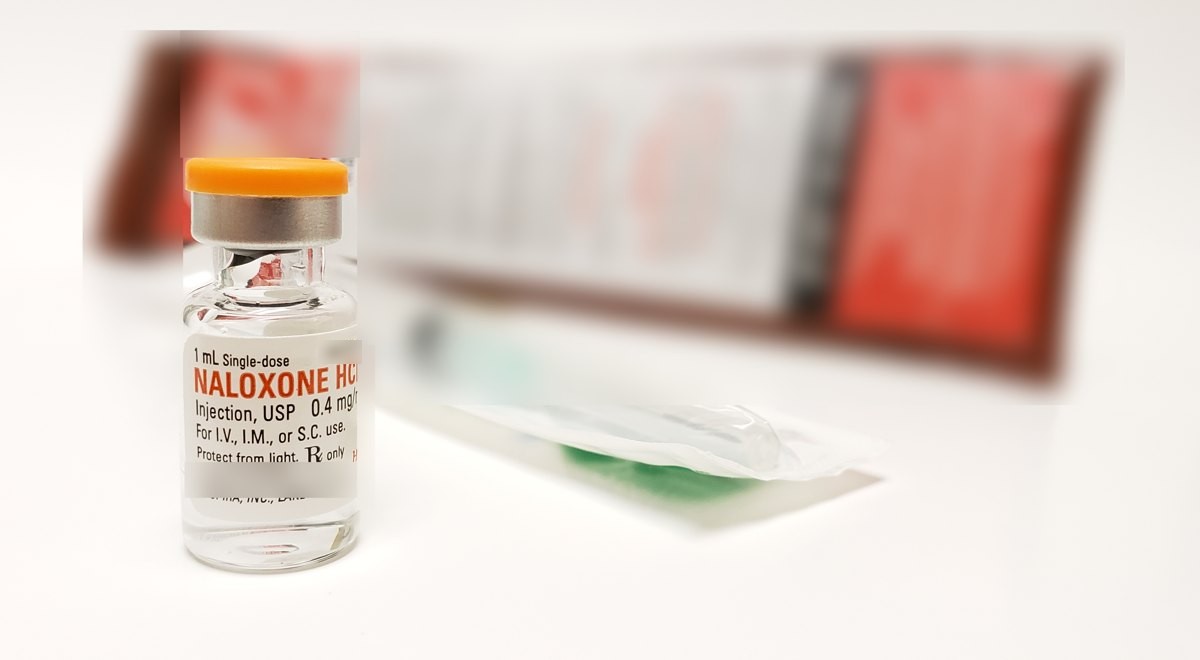
Naloxone is the antagonist that reverses opioid-induced respiratory depression. The rationale for handing it out at prison release comes from an observation in the sources: intoxication usually happens in front of other people, and more than three quarters of people who inject heroin have already witnessed one (Strang et al., 2013).
The N-ALIVE trial
The N-ALIVE trial, in the United Kingdom, was designed to randomize the delivery of naloxone at prison release and measure deaths in the following four weeks. The rationale article describes a pilot with 5,600 participants and a planned main trial with 56,000 (Strang et al., 2013). According to the Scottish report, randomization was stopped in December 2014, before the main trial (Bird et al., 2016).
The Scottish national program
Scotland began a national naloxone program in 2011, with kits also handed out at prison release. The evaluation compared the earlier period, 2006 to 2010, with the later one, 2011 to 2013; the unit of analysis was the opioid deaths recorded in the country (Bird et al., 2016).
Before the program, 9.8 percent of opioid deaths (193 of 1,970) occurred in the four weeks after prison release; afterward, the proportion was 6.3 percent (76 of 1,212) (Bird et al., 2016). The reduction was 36 percent (95 percent CI 20 to 51), which corresponds to about 42 fewer deaths (19 to 65), in a period when about 12,000 kits were handed out (Bird et al., 2016).
The design has limits that the authors themselves acknowledge: the before and after comparison has no randomization, and confounders that changed in the same period cannot be ruled out. Naloxone appears in the text as a measure evaluated on a national scale, with observational evidence, and the approach to intoxication is in the post about the opioid toxidrome.
Where continuity breaks
Treatment that starts or continues inside prison only protects if the person finds the next dose on the outside. In British Columbia, Canada, a study linked health and prison records across 13,380 releases of people with opioid use disorder, between 2015 and 2018; the unit of analysis was the release (Palis et al., 2022).
About 25 percent of releases (3,328) ended with opioid agonist treatment dispensed within two days (Palis et al., 2022). Among people with mental illness, stimulant use disorder was associated with a lower chance of receiving treatment, with an odds ratio of 0.73 (95 percent CI 0.64 to 0.84) (Palis et al., 2022). Without mental illness, the result was inconclusive, at 0.89 (95 percent CI 0.70 to 1.13) (Palis et al., 2022). The authors describe the analysis as exploratory.
The break resembles that of other care transitions, such as the one discussed in the post about hospital discharge and primary care, and that of discharge on request in the post about endocarditis in people who inject drugs.
A script of questions before release
As our synthesis, not validated as an instrument, five questions help organize the conversation with the person leaving or with the team preparing the release, in light of the sources above:
- Was the person on methadone or buprenorphine treatment, and where will the next dose be after release (Lim et al., 2023; Palis et al., 2022)?
- Do they know that tolerance dropped during prison (Binswanger et al., 2012)?
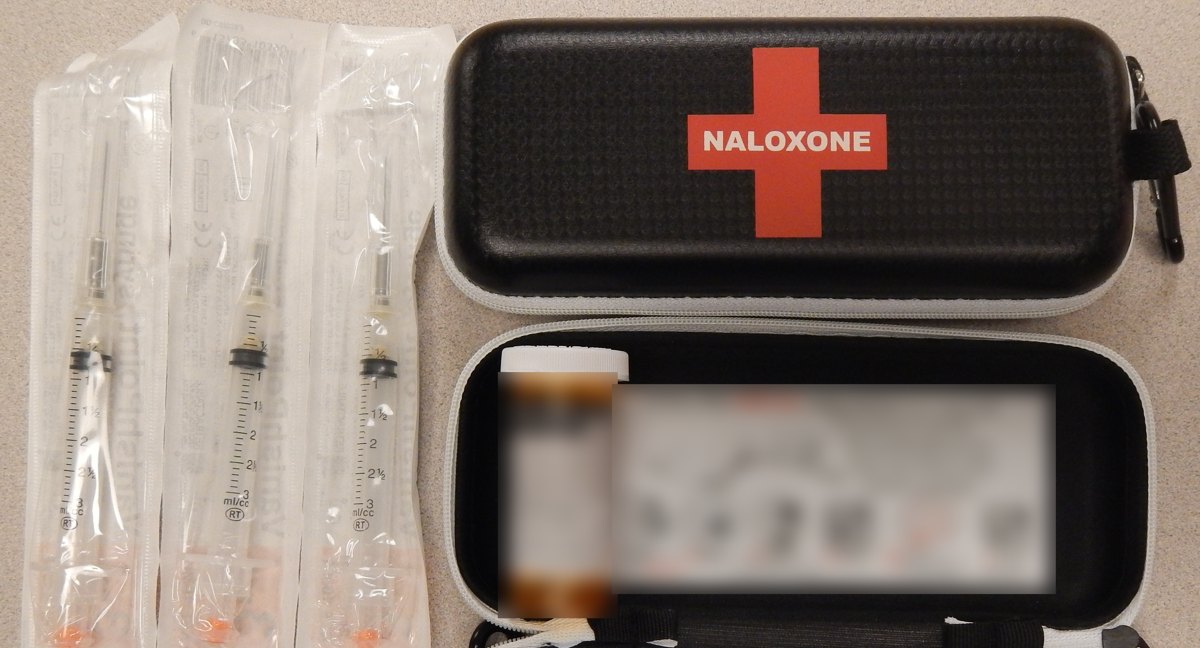
- Are they leaving with naloxone, and does someone close to them know how to use it (Bird et al., 2016)?
- Is there use of alcohol or other depressants along with the opioid (Bazazi et al., 2022)?
- Are there signs of suicide risk, which also clusters in the first month (Cunningham et al., 2022)?
The script follows the logic of harm reduction: it starts from where the person is, including when they intend to use again.
Studies in summary
| Study | Design, sample and unit | Main finding |
|---|---|---|
| Binswanger 2013 | Cohort, Washington, 192,944 releases of 76,461 people; unit release | SMR for intoxication 10.33 (Binswanger et al., 2013) |
| Merrall 2010 | Meta-analysis, 6 prison systems, 69,093 person-years | Weeks 1 and 2 versus 3 to 12: 3.1 to 8.4 (Merrall et al., 2010) |
| Chang 2015 | National cohort, Sweden, 47,326 people; unit person | Drugs aHR 1.67 (Chang et al., 2015) |
| Cunningham 2022 | National cohort, New Zealand, 90,195 people; unit person | Overall SMR 3.3 (Cunningham et al., 2022) |
| Lim 2023 | Cohort, New York jails, 31,382 incarcerations; unit incarceration | Days 1 to 28: aHR 0.20 (Lim et al., 2023) |
| Cherian 2024 | Same New York cohort; unit incarceration | Days 1 to 14: aHR 0.49 (Cherian et al., 2024) |
| Evans 2022 | Natural experiment, 2 jails, 469 people; unit person | Recidivism aHR 0.68 (Evans et al., 2022) |
| Bird 2016 | Before and after, Scotland, opioid deaths; unit death | 36 percent reduction (Bird et al., 2016) |
| Strang 2013 | Trial rationale, pilot with 5,600 | Intoxication usually has a witness (Strang et al., 2013) |
| Bazazi 2022 | Open-label trial, Malaysia, 291 men; unit person | HR 1.2, inconclusive (Bazazi et al., 2022) |
| Palis 2022 | Cohort, British Columbia, 13,380 releases; unit release | Treatment within 2 days in about 25 percent (Palis et al., 2022) |
| Binswanger 2012 | Qualitative, Denver, 29 participants; unit interview | Lost tolerance as the most cited reason (Binswanger et al., 2012) |
| Michener 2024 | Qualitative, Massachusetts, 38 participants; unit interview | Use alone is the most toxic drug (Michener et al., 2024) |
| Curtis 2023 | Data-linked cohort, Victoria, 400 men; event unit | 587 per 1,000 person-years in the 14 days (Curtis et al., 2023) |
Sources: Binswanger et al., 2013; Merrall et al., 2010; Chang et al., 2015; Cunningham et al., 2022; Lim et al., 2023; Cherian et al., 2024; Evans et al., 2022; Bird et al., 2016; Strang et al., 2013; Bazazi et al., 2022; Palis et al., 2022; Binswanger et al., 2012; Michener et al., 2024; Curtis et al., 2023.
How NEXO helps train this reasoning
In NEXO, the case of the day is fictional, with a real clinical presentation and up to six progressive clues, and you propose the diagnosis by looking for the ICD-10 code. One clue may say "drowsy man, with slow breathing and pinpoint pupils"; another, "left prison four days ago". The five-level proximity feedback helps separate opioid intoxication, the combined effect of other depressants and structural causes of reduced consciousness, without turning the training into a protocol. The useful exercise is to ask, at each clue, what the release date adds to the story.
Frequently asked questions
Why is the risk so high right after release?
In the Washington cohort, the rate of deaths from intoxication was higher in the first week than in the following weeks (Binswanger et al., 2013). People released from prison interviewed in Denver cited lower tolerance after the period without access to drugs and stronger street drugs (Binswanger et al., 2012).
How long does this increased risk last?
In the meta-analysis by Merrall, drug-related death was more frequent in weeks 1 and 2 than in weeks 3 to 12, and in weeks 3 and 4 it was still higher than in weeks 5 to 12 (Merrall et al., 2010). In Sweden, the authors observed that the risk persists beyond the first weeks (Chang et al., 2015).
Does methadone or buprenorphine treatment in prison reduce deaths after release?
In New York jails, treatment in the last days before release was associated with fewer deaths from intoxication in the first 28 days, in an observational and exploratory analysis (Lim et al., 2023). In Malaysia, among men with HIV, the effect of methadone before release on mortality was inconclusive (Bazazi et al., 2022).
Does naloxone given at release work?
In Scotland, the proportion of opioid deaths in the four weeks after release fell after the national naloxone program, in a before-and-after comparison in which confounders cannot be excluded (Bird et al., 2016).
Who is at highest risk?
In Washington, women had a higher risk of death from intoxication than men (Binswanger et al., 2013). In Malaysia, alcohol use was associated with higher mortality after release (Bazazi et al., 2022).
Take-home messages
- In the six prison systems of the meta-analysis, drug-related death was more frequent in the first two weeks after release than in weeks 3 to 12 (Merrall et al., 2010).
- In Washington, drug intoxication was the leading cause of death after release from prison (Binswanger et al., 2013).
- In New York jails, methadone or buprenorphine treatment before release was associated with fewer deaths in the first month, in an observational study (Lim et al., 2023).
- In Scotland, the proportion of opioid deaths soon after release fell after the national naloxone program, without randomization (Bird et al., 2016).
- In British Columbia, only about a quarter of releases ended with opioid agonist treatment within two days (Palis et al., 2022).
References
- Binswanger IA, Blatchford PJ, Mueller SR, Stern MF. Mortality after prison release: opioid overdose and other causes of death, risk factors, and time trends from 1999 to 2009. Ann Intern Med. 2013;159(9):592-600. PMID: 24189594. PMC: PMC5242316.
- Merrall EL, Kariminia A, Binswanger IA, et al. Meta-analysis of drug-related deaths soon after release from prison. Addiction. 2010;105(9):1545-54. PMID: 20579009. PMC: PMC2955973.
- Chang Z, Lichtenstein P, Larsson H, Fazel S. Substance use disorders, psychiatric disorders, and mortality after release from prison: a nationwide longitudinal cohort study. Lancet Psychiatry. 2015;2(5):422-430. PMID: 26360286. PMC: PMC4579558.
- Cunningham R, King PT, Telfer K, et al. Mortality after release from incarceration in New Zealand by gender: A national record linkage study. SSM Popul Health. 2022;20:101274. PMID: 36353095. PMC: PMC9638823.
- Lim S, Cherian T, Katyal M, et al. Association between jail-based methadone or buprenorphine treatment for opioid use disorder and overdose mortality after release from New York City jails 2011-17. Addiction. 2023;118(3):459-467. PMID: 36305669. PMC: PMC9898114.
- Cherian T, Lim S, Katyal M, et al. Impact of jail-based methadone or buprenorphine treatment on non-fatal opioid overdose after incarceration. Drug Alcohol Depend. 2024;259:111274. PMID: 38643529. PMC: PMC11111329.
- Evans EA, Wilson D, Friedmann PD. Recidivism and mortality after in-jail buprenorphine treatment for opioid use disorder. Drug Alcohol Depend. 2022;231:109254. PMID: 35063323. PMC: PMC8852331.
- Bird SM, McAuley A, Perry S, Hunter C. Effectiveness of Scotland's National Naloxone Programme for reducing opioid-related deaths: a before (2006-10) versus after (2011-13) comparison. Addiction. 2016;111(5):883-91. PMID: 26642424. PMC: PMC4982071.
- Strang J, Bird SM, Parmar MK. Take-home emergency naloxone to prevent heroin overdose deaths after prison release: rationale and practicalities for the N-ALIVE randomized trial. J Urban Health. 2013;90(5):983-96. PMID: 23633090. PMC: PMC3795186.
- Bazazi AR, Culbert GJ, Wegman MP, Heimer R, Kamarulzaman A, Altice FL. Impact of prerelease methadone on mortality among people with HIV and opioid use disorder after prison release: results from a randomized and participant choice open-label trial in Malaysia. BMC Infect Dis. 2022;22(1):837. PMID: 36368939. PMC: PMC9652918.
- Palis H, Zhao B, Young P, et al. Stimulant use disorder diagnosis and opioid agonist treatment dispensation following release from prison: a cohort study. Subst Abuse Treat Prev Policy. 2022;17(1):77. PMID: 36434706. PMC: PMC9694574.
- Binswanger IA, Nowels C, Corsi KF, et al. Return to drug use and overdose after release from prison: a qualitative study of risk and protective factors. Addict Sci Clin Pract. 2012;7(1):3. PMID: 22966409. PMC: PMC3414824.
- Michener PS, Bianchet E, Fox S, Evans EA, Friedmann PD. "Expected to happen": perspectives on post-release overdose from recently incarcerated people with opioid use disorder. Harm Reduct J. 2024;21(1):138. PMID: 39034384. PMC: PMC11265078.
- Curtis M, Dietze P, Winter RJ, Rathnayake K, Smith K, Stoove M. Non-fatal opioid overdose after release from prison among men who injected drugs prior to their imprisonment: a prospective data linkage study. Med J Aust. 2023;218(2):94-95. PMID: 36344250. PMC: PMC10952488.