



Obstetrics and gynecologyTropical and travel medicineInfectious diseases

In a fictional case, a 34-year-old man returns to the outpatient clinic for routine follow-up. He reports sleeping poorly, that he missed two days of work in the last month and that, after some weekends, he is left with a feeling that people are talking about him on the subway. When the doctor asks, directly and without changing his tone, whether he uses any substance in the context of sex, he hesitates and says yes: at encounters that last all night, he uses a liquid that he measures into a bottle cap and, sometimes, smokes a crystal. He says a friend passed out on one of those nights and that no one called for help.
The scene brings together almost everything that makes chemsex a clinical topic: a question that often goes unasked, substances with a narrow window between the desired effect and intoxication, psychiatric symptoms that appear in the following days and a risk of sexually transmitted infection that adds to the rest. This text organizes what reviews, cohorts, a clinical trial and a recent guideline say about the outpatient consultation: how to ask, what to screen for and which harm reduction measures to discuss.
Key points
The term was created to describe drug use in sexual contexts among gay, bisexual and other men who have sex with men, and most of the research comes from this population. The South African guideline describes chemsex as the intentional use of psychoactive substances to initiate, enable, intensify and prolong sexual encounters, often with stimulants and depressants combined (Scheibe et al., 2025). It also recalls that sexualized substance use exists in other populations, and that the label matters less than the concrete description of what happens.
Estimates vary with the definition and the place. In a systematic review with meta-analysis of European studies published between 2018 and 2023, the prevalence of chemsex among men who have sex with men was 16 percent, with a range of 11 to 21 (Coronado-Muñoz et al., 2024). The authors noted that the list of drugs included in the concept changes from study to study; the three present in all were mephedrone, GHB or GBL and crystal methamphetamine.
In low- and middle-income countries, the South African guideline cites past-year chemsex prevalences between 5.0 and 28.4 percent (Scheibe et al., 2025). Outside this population, a meta-analysis of cross-sectional studies found a pooled prevalence of sexualized substance use of 29.40 percent in the general population and of chemsex in the strict sense of 12.66 percent (Ramazanova et al., 2025). Among women, sexualized substance use reached 25.78 percent and chemsex 3.50 percent, according to the same review (Ramazanova et al., 2025).
These numbers support a practical conclusion: asking about substances during sex belongs in any sexual history, and restricting the question to a presumed group leaves out part of the people who could benefit from it.
Methamphetamine is a stimulant that is usually smoked, but it can also be injected or used rectally. GHB and its precursor GBL are central nervous system depressants with a stimulant effect in small amounts, euphoria and increased sexual desire; the guideline highlights the narrow range between the desired effect and severe intoxication (Scheibe et al., 2025). Mephedrone and other synthetic cathinones complete the core group. Cocaine, poppers, erectile dysfunction medications and ketamine frequently appear alongside them.
In practice, mixing is the rule. In a retrospective cohort of 172 people living with HIV who practiced chemsex in Barcelona, 79 percent reported methamphetamine, 77 percent GHB, 71 percent nitrites, and 52 percent used three or more drugs before or during chemsex (De La Mora et al., 2022).
Those who ask without understanding the motivations tend to hear less. A systematic review of qualitative studies, with a thematic synthesis of 43 articles, organized the experience into four themes: how chemsex is characterized, the context in which it occurs, the experience itself, and the harms, protection strategies and the decision to stop (Mundy et al., 2025). The authors describe motivations ranging from pleasure and disinhibition to the search for connection, managing anxiety and the ease of finding partners through apps.
A narrative review based on identity process theory proposes that sexuality-related stressors, such as stigma and rejection, can threaten the self-esteem, self-efficacy and sense of continuity of those who experience them, and that chemsex can work as a coping response to these threats (Jaspal, 2022). The more central chemsex becomes to a person's identity, the harder it is to change the practice, according to the author. The South African guideline cites, along the same lines, minority stress and isolation, and includes in the history sexual abuse and other trauma (Scheibe et al., 2025).
For the consultation, this means that asking why usually yields more than asking how much. Knowing whether the person uses to endure long sessions, to reduce anxiety or to be able to have sex changes what makes sense to propose afterward.
The way of asking, without judgment and with language the person recognizes, is the subject of the texts on Motivational interviewing for students and residents and on Stigma and language: how a label changes clinical conduct. Here the focus is the specific content of chemsex.
A scoping review on stigma and nursing attitudes in chemsex care gathered six studies and found as central themes the need for care without judgment, gaps in professionals' knowledge and training, and organizational barriers (Camargo et al., 2026). The authors note that stigma was rarely measured explicitly, but appeared as a background factor in communication and rapport. In the same direction, the South African guideline describes the preference of people who practice chemsex for services that give correct information without judgment, confidentiality and adapted physical and mental care (Scheibe et al., 2025).
The South African guideline includes a table with the components of the clinical consultation, to be done more fully at the first visit and reviewed at follow-up visits, every 3 to 6 months (Scheibe et al., 2025). Adapted into open questions, the script reads as follows:
The text on AUDIT, CAGE and ASSIST: screening as pre-test probability helps to think through the screening instruments cited by the guideline for use outside the sexual context.
The guideline calls for vital signs and oxygen saturation, an oral exam with attention to hygiene and ulcers, a search for injection marks and thrombophlebitis on the skin, cardiac auscultation with attention to endocarditis when there is injection, and an anogenital exam looking for trauma, discharge or ulcers (Scheibe et al., 2025). Explaining beforehand why each part of the exam is done is part of the recommendation.
Requests for help rarely arrive under the name chemsex. Insomnia, missed work, anxiety after the weekend, weight loss or a request for testing at an odd time can be the entry point, as in the case at the start. A neutral and direct question about substances in sex, asked of all sexually active people, tends to sound less like an accusation than a question asked only of those who seem to belong to a group.
GHB deserves a separate block because it accounts for a good part of the severe intoxications in chemsex. The South African guideline describes that small amounts, measured in milliliters, separate the desired effect from central nervous and respiratory depression, which can lead to death, and that interactions between substances are hard to predict (Scheibe et al., 2025). Combining it with alcohol and other central nervous system depressants is contraindicated, because it adds to the depressant effect (Freestone et al., 2023). Naloxone can be given to rule out co-ingestion of an opioid, but it does not reverse the effect of GHB, and management of the intoxication is supportive.
A qualitative study with 31 people of sexual and gender diversity in Australia who used GHB described witnessed overdose episodes, usually in private settings of sexualized use (Freestone et al., 2023). To keep the person awake, participants reported giving stimulants or citrus fruits, practices that depart from first aid protocols. In most situations, calling the emergency service was avoided, and the decision depended on many variables of the situation. The authors advocate training for people who use GHB to correct unfounded home remedies, safely check breathing and responsiveness, apply basic first aid principles and reduce the barriers to calling the emergency service.
In the consultation, this becomes a concrete question: what do you and the people you use with do when someone passes out? The answer shows whether someone is keeping watch, whether there is an agreement to call for help and which myths circulate in the group.
Frequent GHB use, with short intervals between doses throughout the day, can lead to dependence. A multicenter observational study with 285 patients with GHB use disorder in detoxification with pharmaceutical GHB described craving, fatigue, insomnia, sweating and tremor as the most common symptoms (Wolf et al., 2021). Vital signs did not track the withdrawal symptoms, and the authors conclude that they are not useful for monitoring it. In the South African guideline, severe withdrawal appears with hallucinations, confusion, seizures and delirium, a situation that calls for urgent medical attention and may require hospitalization (Scheibe et al., 2025).
For the outpatient clinic, the consequence is simple: those who use GHB several times a day and want to stop should not stop alone and abruptly. The question about the interval between doses, including during the night, helps to identify who needs referral for supervised detoxification.

Acute stimulant intoxication, the differential and what to avoid in the emergency department are in the text on Stimulants in the emergency department: differential and what to avoid. In the outpatient clinic, the problem usually arrives later, as persistent insomnia, irritability, ideas of reference or a psychotic episode that has already resolved.
A systematic review of ten articles on chemsex and psychosis found psychotic symptoms in 6.7 to 37.2 percent of participants, depending on the study (Moreno-Gámez et al., 2022). Injecting drugs in a sexual context, using multiple drugs and smoked methamphetamine were associated with up to three times higher risk of psychosis, according to the authors. The review also listed risk factors such as being a foreigner or from an ethnic minority, living in large cities, stress and anxiety, trauma, loneliness, STIs, hepatitis and previous psychosis.
The text on Cannabis in the emergency department: hyperemesis and psychosis discusses the distinction between substance-induced psychosis and a primary psychotic disorder, reasoning that also applies here.
A systematic review of 12 studies found that men who have sex with men and practiced chemsex were more likely to have depression, anxiety or substance dependence, although the association did not appear in all studies; symptoms were more intense among those who injected (Íncera-Fernández et al., 2021). On suicide, a narrative review of 12 articles, three case reports and nine cross-sectional studies found mixed results and does not allow estimating an effect (Strasser et al., 2023). The South African guideline recommends screening for suicide after an episode of stimulant intoxication and during the mood crash phase of the following days (Scheibe et al., 2025).
Some signs call for closer psychiatric assessment: psychotic symptoms that persist after a few days without use, suicidal ideation in the crash phase that follows sessions, severe and prolonged insomnia with loss of functioning, a history of psychosis or mood disorder, and GHB use several times a day, because of the risk of severe withdrawal.
The link between chemsex and STIs appears in several populations. In the European meta-analysis, which pooled eight studies with heterogeneous results, chemsex practice was associated with more STI diagnoses: the logarithm of the risk ratio was 0.86 (95% CI 0.49 to 1.23), which corresponds to a risk ratio of about 2.4 (95% CI 1.6 to 3.4) (Coronado-Muñoz et al., 2024). In the cohort of PrEP users in Montreal, those who reported chemsex at entry were diagnosed with gonorrhea or chlamydia more often during follow-up, with an adjusted hazard ratio of 1.32 (95% CI 1.10 to 1.57); over 12 months, this amounts to 8.9 percentage points more risk, and the effect was greater with multiple substances, 1.51 (95% CI 1.21 to 1.89) (Flores Anato et al., 2022). In the same cohort, no one on PrEP had incident HIV infection.
The South African guideline notes that the longer the session, the greater the risk of bloodborne or sexually transmitted infections, psychosis and physical injury (Scheibe et al., 2025). Prophylaxis and testing are in the texts on Twice-yearly lenacapavir for PrEP and on Hepatitis C and HIV in people who use drugs: test and treat.
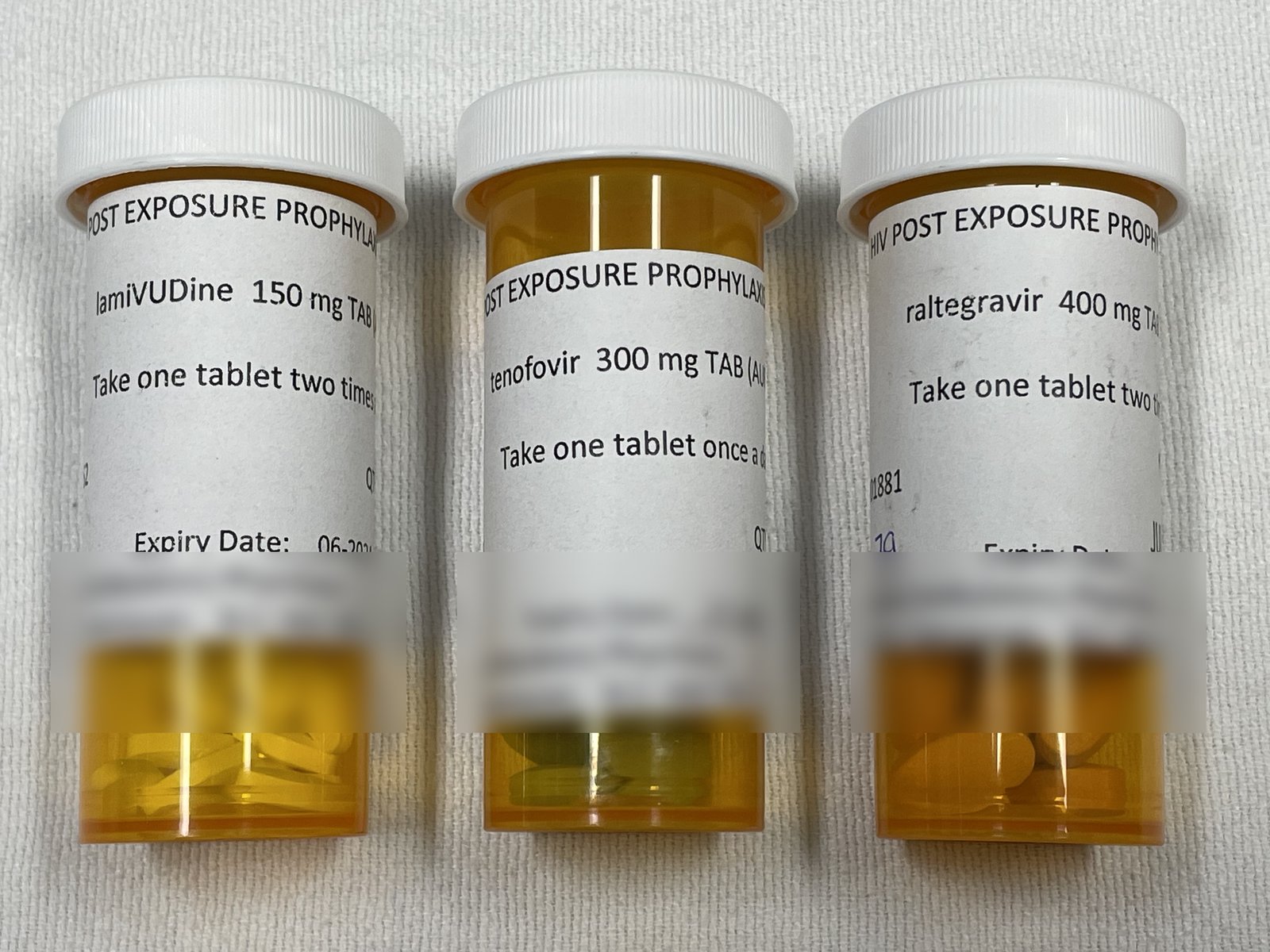
For people living with HIV, the list of medications matters. In the Barcelona study, the authors identified 2048 potential interactions between antiretrovirals and chemsex drugs. About a quarter of them were of moderate severity, and most of those involved antiretroviral regimens boosted with ritonavir or cobicistat (De La Mora et al., 2022). The rate of unscheduled visits was similar between those who had only interactions with no expected clinical relevance and those who had moderate interactions, with a rate ratio of 1.05 (95% CI 0.60 to 1.8), a wide interval that allows neither confirming nor ruling out a difference (De La Mora et al., 2022). Even so, there were many unscheduled visits, especially for psychiatric events and intoxications. The question about substances should be part of the review of every new prescription.
The logic of reducing harm without requiring abstinence as a condition is in the text on Harm reduction: clinical reasoning beyond all or nothing. For chemsex, the South African guideline brings concrete measures (Scheibe et al., 2025):
Drug checking, when available, is another layer of protection, discussed in the text on Drug checking: what sample analysis reveals.
Evidence on interventions is still scarce. In a randomized clinical trial in Hong Kong with 316 men who have sex with men, an online intervention with a harm reduction approach increased self-efficacy to refuse risky sex and chemsex and was associated with a lower chance of chemsex in the following 3 months, OR 0.23 (95% CI 0.10 to 0.53), and with more HIV testing, OR 3.08 (95% CI 1.72 to 5.54) (Choi et al., 2023). The outcomes were self-reported and follow-up was short.
A systematic review gathered six studies from five countries on harm reduction interventions in chemsex (Pozo-Herce et al., 2024). The authors conclude that harm reduction strategies are effective and that peer-led programs, especially with facilitators who have themselves experienced chemsex-related dependence, can work. Because the conclusion rests on only six studies, of different designs, it calls for confirmation in larger trials.
For those who want to reduce or stop, the South African guideline cites motivational interviewing, brief intervention with referral, cognitive behavioral therapy and contingency management (Scheibe et al., 2025).
| Study | Design | Population | Main finding |
|---|---|---|---|
| Coronado-Muñoz, 2024 | Systematic review and meta-analysis | Men who have sex with men in European studies, 2018 to 2023 | Chemsex prevalence of 16 percent (Coronado-Muñoz et al., 2024) |
| Ramazanova, 2025 | Systematic review and meta-analysis of cross-sectional studies | General population and women | Chemsex in 12.66 percent of the general population (Ramazanova et al., 2025) |
| Flores Anato, 2022 | Cohort | 2086 PrEP users in Montreal | Gonorrhea or chlamydia, adjusted HR 1.32 (Flores Anato et al., 2022) |
| Moreno-Gámez, 2022 | Systematic review | 10 articles on chemsex and psychosis | Psychotic symptoms between 6.7 and 37.2 percent (Moreno-Gámez et al., 2022) |
| Choi, 2023 | Randomized clinical trial | 316 men who have sex with men in Hong Kong | Chemsex at 3 months, OR 0.23 (Choi et al., 2023) |
| De La Mora, 2022 | Retrospective observational study | 172 people living with HIV in Barcelona | Unscheduled visits, IRR 1.05, with no clear difference between interaction categories (De La Mora et al., 2022) |
Sources: prevalences in percent of the populations studied; HR is the hazard ratio adjusted for gonorrhea or chlamydia; OR is the odds ratio with 3-month follow-up; IRR is the incidence rate ratio of unscheduled visits. Data from Coronado-Muñoz et al., 2024, Ramazanova et al., 2025, Flores Anato et al., 2022, Moreno-Gámez et al., 2022, Choi et al., 2023 and De La Mora et al., 2022.
The man at the start uses GHB measured in a bottle cap and smokes methamphetamine in sessions that go all night. The feeling of being talked about on the subway after weekends suggests stimulant-related psychotic symptoms, which call for follow-up and a question about suicidal ideation. The friend who passed out with no one calling for help is the scene described in the Australian study, and it opens space to talk about breathing, position and when to call for help.
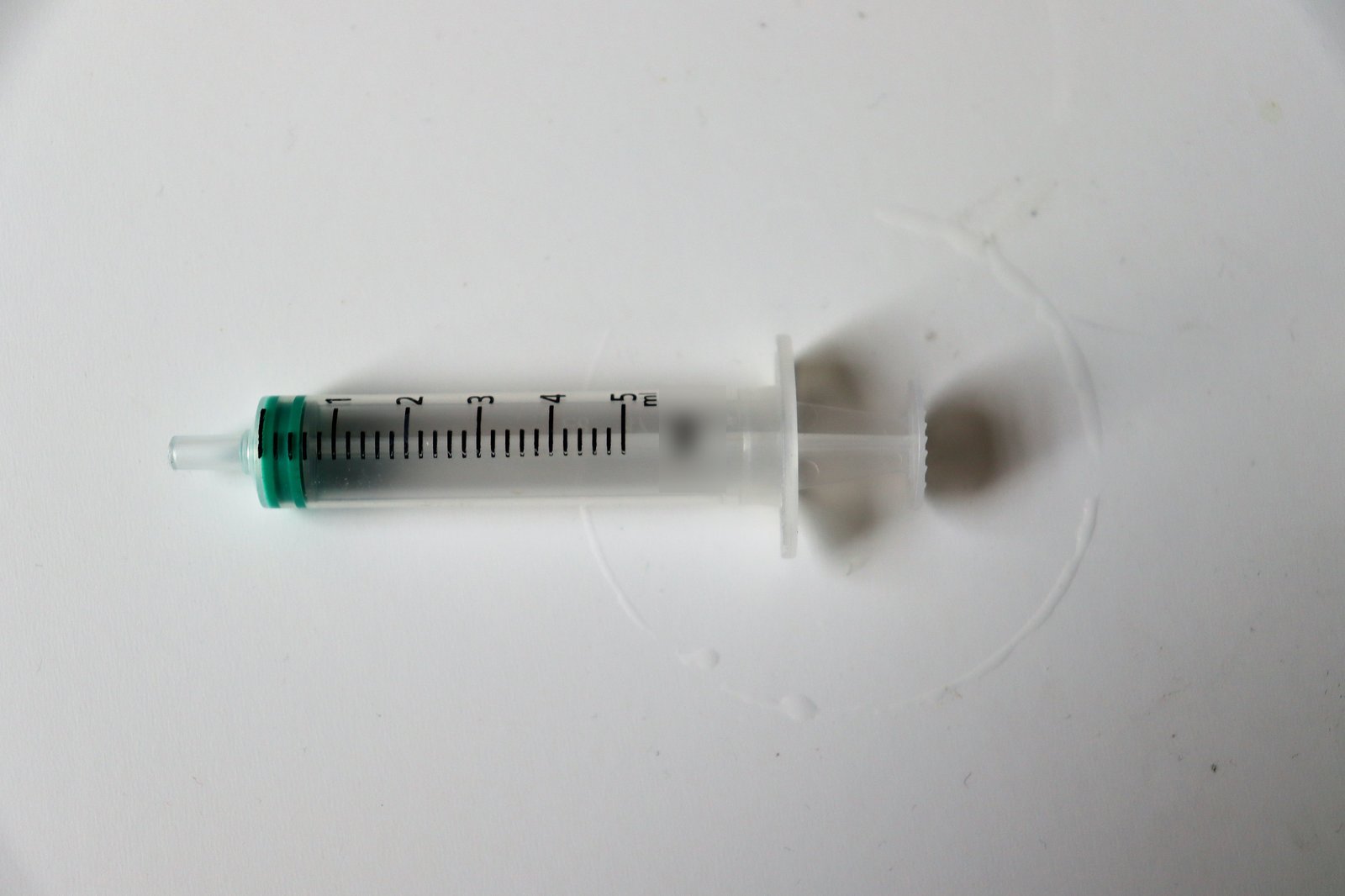
The same consultation has room for the question about the interval between GHB doses, to rule out dependence, the suggestion to measure with a syringe and avoid mixing, the review of interactions with current medications, the offer of testing and prophylaxis and a question about consent. What he wants to change, if he wants to, defines the next step.
In NEXO, the case of the day is fictional, with a real clinical presentation and up to six progressive clues, and you propose the diagnosis by looking for the ICD-10 code. Noticing that a complaint of insomnia and suspicion after weekends may hide a question that has not yet been asked is the same exercise of putting clues together and reviewing the hypothesis that appears in the text about Signs, symptoms and history: how to interpret what the patient brings.
The limits of using the game are described on the NEXO economy page. If you research the teaching of clinical reasoning, the page for researchers explains how to get in touch. Professionals who write or review cases find information under curation and under creators, and institutions can learn about the proposal on the partnerships page.
It is a spectrum. The nursing scoping review describes chemsex as a continuum that runs from consensual, problem-free recreational practice to patterns linked to dependence and compulsion (Camargo et al., 2026). The consultation serves to understand where the person is.
The question fits into any sexual history. Sexualized substance use also appears in the general population and among women (Ramazanova et al., 2025), and asking only a presumed group reinforces stigma.
It can rule out opioid co-ingestion, but it does not reverse GHB; management is supportive care of the airway and ventilation (Scheibe et al., 2025).
The risk is severe withdrawal, with delirium and seizures. The recommendation is referral for supervised detoxification (Scheibe et al., 2025).
Play the case of the day in NEXO and train your reasoning with progressive clues.