Pneumococcus in adults: conjugate vaccines, who to vaccinate
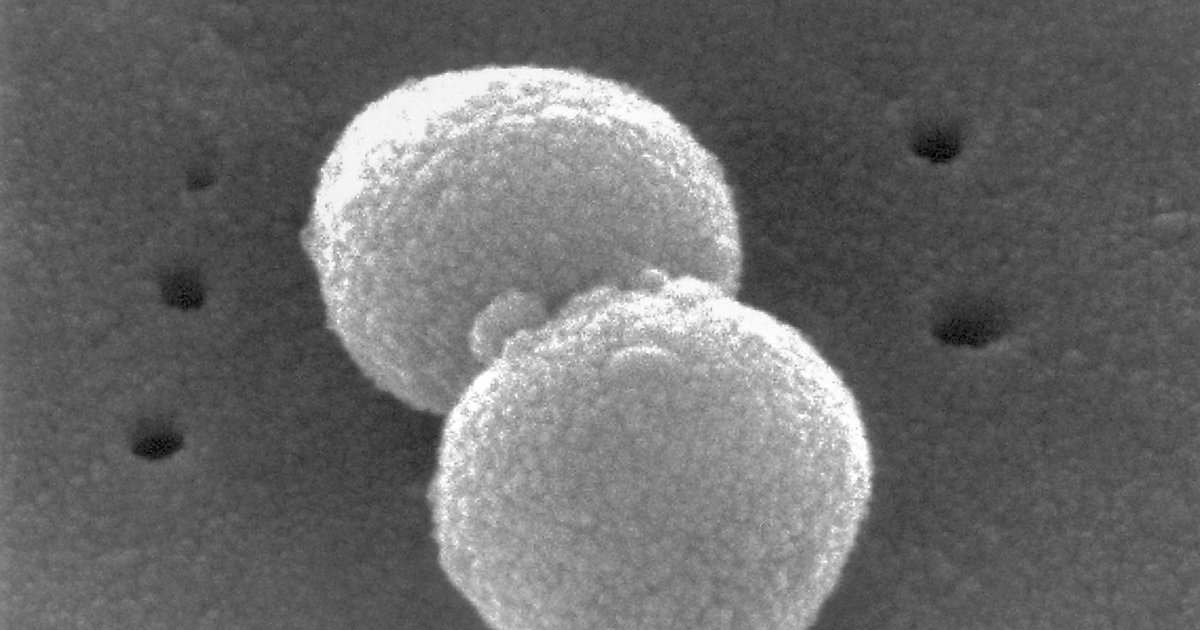


Table of contents
- Why pneumococcus still matters in adults
- Polysaccharide and conjugate: two immunologies
- CAPiTA: the trial that tested the conjugate vaccine in older adults
- The indirect effect of childhood vaccination
- From the 13-serotype to the 21-serotype conjugates
- Whom to vaccinate: ACIP and JCVI
- In practice: age, risk and vaccination history
- How NEXO helps train this reasoning
- Frequently asked questions
- Take-home messages
- References
For almost three decades, the adult pneumococcal vaccine was just one: the 23-serotype polysaccharide vaccine. It protected against invasive disease for a few years, but it never consistently showed that it prevented the most common form of the disease in adults, pneumonia without bacteremia. Conjugate vaccines, created for children, changed this picture when a trial with more than 84,000 older adults tested one of them against placebo (Isturiz, 2015).
Today there are conjugate vaccines with 15, 20 and 21 serotypes, and vaccination committees no longer agree on the age to start. In the United States, the advisory committee recommends a conjugate vaccine for every adult from age 50 (Kobayashi, 2025). In the United Kingdom, the indication remains at age 65 and in risk groups (UKHSA, 2026).
This text follows the path from the polysaccharide vaccine to the higher-valency conjugate vaccines and shows how each committee chooses whom to vaccinate based on age, risk and vaccination history.
Key points
- In CAPiTA, the 13-serotype conjugate vaccine prevented 45 of every 100 first pneumonias caused by vaccine serotypes and 75 of every 100 invasive diseases in older adults (Isturiz, 2015).
- Childhood vaccination reduced the serotypes of the older conjugate vaccines in adults as well, and other serotypes filled the gap (Garcia Quesada, 2025).
- The 20 and 21-serotype conjugate vaccines were approved based on immune response, without a new clinical efficacy trial (Essink, 2022; Kobayashi, 2024).
- The American committee recommends a conjugate vaccine for everyone from age 50 (Kobayashi, 2025).
- The British committee vaccinates at age 65 and in risk groups, now with the 20-serotype conjugate vaccine (UKHSA, 2026).
Summary
- Why pneumococcus still matters in adults
- Polysaccharide and conjugate: two immunologies
- CAPiTA: the trial that tested the conjugate vaccine in older adults
- The indirect effect of childhood vaccination
- From 13 to 21-valency conjugate vaccines
- Whom to vaccinate: ACIP and JCVI
- In practice: age, risk and vaccination history
- How NEXO helps train this reasoning
- Frequently asked questions
- Take-home messages
Why pneumococcus still matters in adults
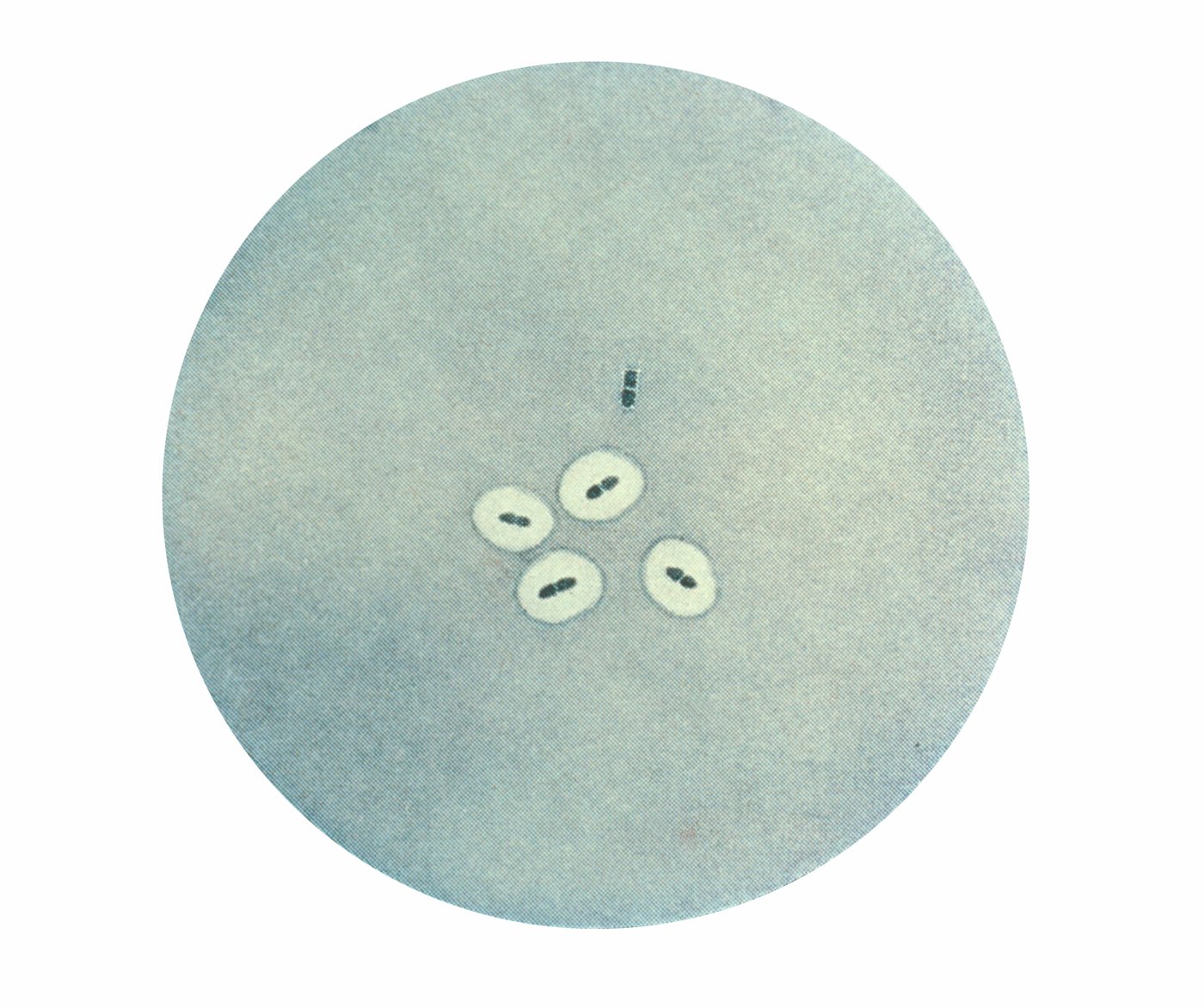
Streptococcus pneumoniae is an encapsulated Gram-positive coccus. The polysaccharide capsule is its main virulence factor, and more than 100 capsular types have already been described. Many serotypes live in the nasopharynx without causing symptoms; others are rarely found there but appear in invasive disease. Transmission requires close and frequent contact, and the disease peaks in winter (UKHSA, 2026).
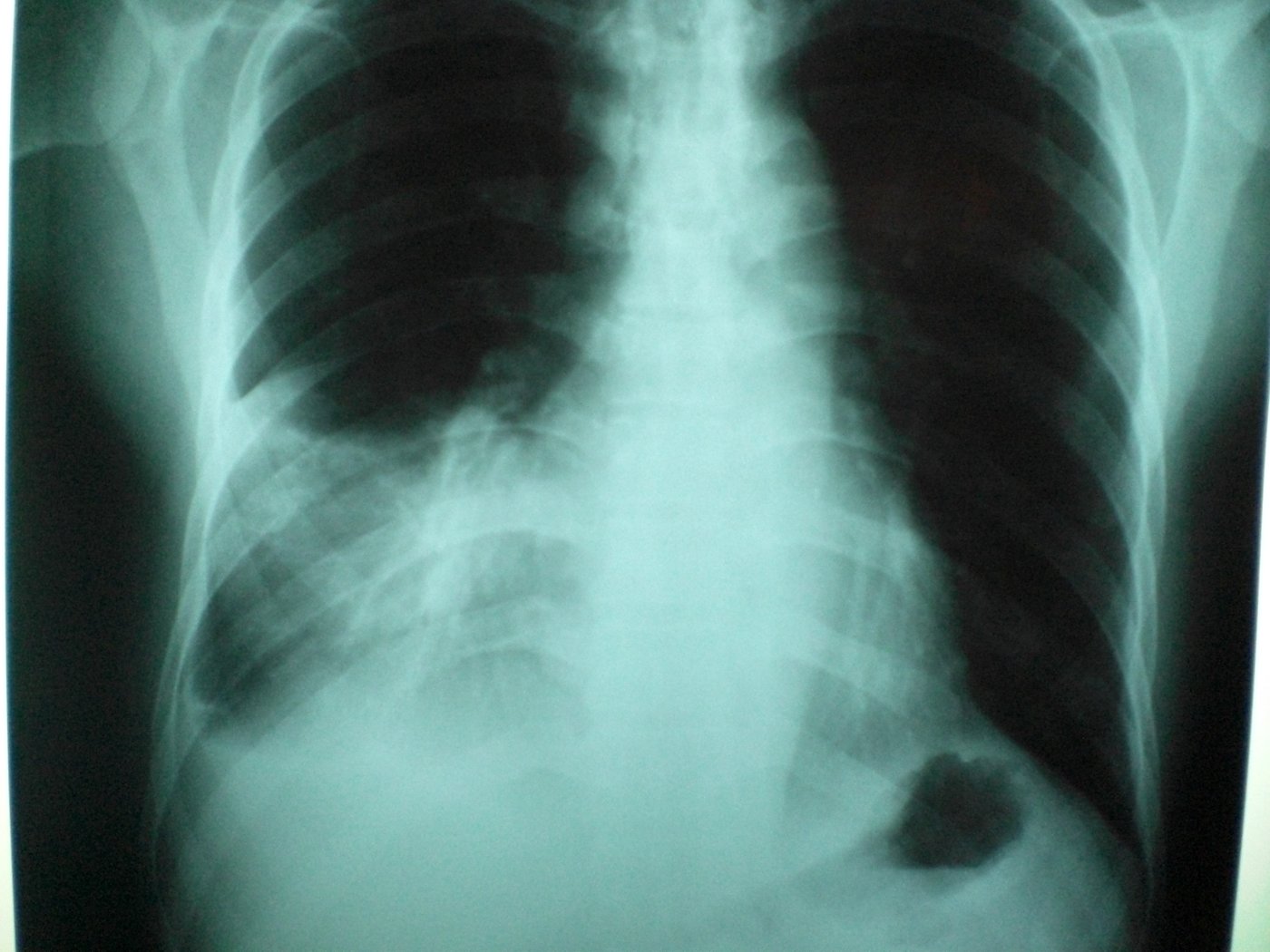
In adults, pneumococcus causes sinusitis, otitis, pneumonia and the invasive forms: bacteremic pneumonia, sepsis and meningitis. Invasive disease, defined by the bacterium in a normally sterile site, is only a fraction of the problem. Most of the burden is in pneumonia without bacteremia, which is harder to diagnose and to measure (McLaughlin, 2018).
Age and underlying disease
Risk grows after age 50, with age and with some underlying diseases. In the United States, in 2022, adults aged 50 to 64 had an incidence of invasive disease of 13.2 per 100,000 and mortality of 1.8 per 100,000, second only to those aged 65 or older, with 17.2 and 2.7 per 100,000. Among adults aged 50 to 64 with invasive disease or hospitalized for pneumococcal pneumonia, about 90 of every 100 had at least one risk condition (Kobayashi, 2025).
The risk conditions repeat across committees: anatomic or functional asplenia, chronic lung, heart, kidney or liver disease, diabetes, immunosuppression, cochlear implant and cerebrospinal fluid leak. The British list also includes people experiencing homelessness, due to the high burden of associated diseases, and workers exposed to metal fumes, such as welders (UKHSA, 2026). The American list includes smoking and alcohol abuse (Kobayashi, 2022).
A Brazilian picture
In a tertiary hospital in Porto Alegre, 118 invasive isolates collected between 2005 and 2016 showed, in order, serotypes 19A, 3, 12F, 8, 14 and 11A. The median age was 57 years, almost 3 of every 10 patients had some degree of immunosuppression and 33.1 of every 100 died (Dullius, 2018).
The authors calculated the theoretical coverage: 31.4 out of every 100 isolates had serotypes included in the polysaccharide vaccine alone, and 50.8 out of every 100 had serotypes covered by the combination of the 13-serotype conjugate with the polysaccharide vaccine. This is a single center, with data from before the higher-valency conjugates, but the picture reinforces a point from the text: a good part of adult disease happens before age 65 (Dullius, 2018).
Polysaccharide and conjugate: two immunologies
The 23-serotype polysaccharide vaccine contains the purified capsular polysaccharide of each type. Most healthy adults produce antibodies in about three weeks, but the response is independent of T lymphocytes: it does not generate lasting immunological memory and is weak before 2 years of age (UKHSA, 2026).
In the conjugate vaccine, each polysaccharide is linked to a carrier protein, the same strategy used in vaccines against Haemophilus influenzae type b and meningococcus. The link recruits T lymphocytes and improves the response, especially in children from 2 months of age (UKHSA, 2026). In the 13-serotype conjugate, the protein is a nontoxic form of diphtheria toxin (Theilacker, 2022).
What the polysaccharide vaccine delivers
The polysaccharide vaccine was licensed in 1983 (Kobayashi, 2023). Later studies confirmed protection against invasive disease, while the evidence on pneumonia without bacteremia in older adults remained inconclusive (Theilacker, 2022). In England, effectiveness in the first two years after vaccination was 41 out of every 100 against invasive disease by vaccine serotype in people aged 65 or older, higher in healthy people than in those with an underlying condition (UKHSA, 2026).
In Japan, between 2013 and 2017, the effectiveness of the polysaccharide vaccine against invasive disease by its serotypes was 42.2 out of every 100 in adults. In the same period, childhood vaccination made the share of the 13-serotype conjugate's serotypes among adults fall from 45 to 31 out of every 100, while the share of serotypes present only in the polysaccharide vaccine rose from 25 to 36 out of every 100 (Shimbashi, 2020).
CAPiTA: the trial that tested the conjugate vaccine in older adults
The 13-serotype conjugate was approved for adults aged 50 or older in 2011 in the United States, through an accelerated pathway, based on immune response compared with that of the polysaccharide vaccine. The approval came with a requirement: to demonstrate clinical benefit in an efficacy trial (Theilacker, 2022).
The design
CAPiTA was conducted in the Netherlands between 2008 and 2014. It randomized 84,496 immunocompetent adults aged 65 or older, who received one dose of the conjugate (42,240) or placebo (42,256), in a double-blind design (Isturiz, 2015). Almost half of the participants had a predisposing condition, especially heart disease, diabetes, smoking and lung disease (Theilacker, 2022).
The difficulty was measuring pneumonia without bacteremia by serotype. For this, the trial used a urinary antigen test specific to the 13 serotypes, developed for the study, in addition to culture from sterile sites (Isturiz, 2015).
The results
In the per-protocol population, efficacy was 45.56 out of every 100 against the first episode of pneumonia by vaccine serotype, 45.00 against the form without bacteremia and 75.00 against invasive disease by vaccine serotype. Against pneumococcal pneumonia by any serotype, an exploratory outcome, it was 30.56. Protection began soon after vaccination and was maintained during a mean follow-up of about four years, with no sign of decline (Isturiz, 2015).
Later analyses showed similar efficacy among participants with and without chronic disease and protection maintained up to age 84 (Theilacker, 2022). A test-negative design study in Louisville, United States, found effectiveness of 72.8 per 100 against hospitalization for pneumonia caused by vaccine serotypes in adults aged 65 or older, many with immunosuppression, but with a wide confidence interval, from 12.8 to 91.5 (McLaughlin, 2018).
The caveats
The trial group itself lists limits. CAPiTA was conducted in a country with low incidence of pneumococcal pneumonia, with childhood vaccination already under way. Pneumonia from any cause and mortality were exploratory outcomes, without statistical power, and immunocompromised people were excluded (Isturiz, 2015). The two open sources on the trial used here have authors linked to the manufacturer, which calls for careful reading (Isturiz, 2015; Theilacker, 2022).
A relative efficacy of 45 per 100 says little without the baseline frequency of the outcome. Converting relative effect into absolute benefit depends on the incidence in the population, the same reasoning as the text on base rate in diagnosis. To weigh the gain against the effort of vaccinating, the text on benefits and harms in decision making is also worth reading.
The indirect effect of childhood vaccination
Conjugate vaccines reduce nasopharyngeal colonization by vaccine serotypes. When a vaccinated child stops carrying these serotypes, they stop transmitting them to adults. In the United Kingdom, the 7-serotype conjugate entered the childhood schedule in 2006, with coverage above 90 per 100 children, and invasive disease from these serotypes fell in all age groups (UKHSA, 2026).
This effect changed the calculation for adult vaccination. In 2014, the CAPiTA results led the American committee to recommend the 13-serotype conjugate, in series with the polysaccharide vaccine, for all adults aged 65 or older (Isturiz, 2015). In 2019, the same committee stepped back: disease preventable by the 13-serotype conjugate changed little after the recommendation, because it was already at low levels thanks to childhood vaccination, and use became a matter of shared decision making in older adults without immunosuppression (Kobayashi, 2023).
Serotype replacement
The space left by vaccine serotypes was taken by others. In England, invasive disease began rising again from 2013 and 2014, especially in older adults, from serotypes outside the 13-serotype conjugate, particularly 8, 12F and 9N (UKHSA, 2026).
The PSERENADE project gathered data from 41 countries, mainly from 2015 to 2018. In places with mature use of the 13-serotype conjugate, its serotypes caused 29.5 per 100 invasive diseases in adults aged 50 or older. Serotype 3, which is in the 13-serotype conjugate, remained among the leading ones, with about 14 per 100 invasive diseases in this age group (Garcia Quesada, 2025).
The same analysis estimated how much of the remaining disease each new conjugate would reach: from 4.1 to 9.7 per 100 with the 15-serotype vaccine, from 13.5 to 36.0 with the 20-serotype vaccine and from 29.9 to 53.8 with the 21-serotype vaccine. The ten most frequent serotypes outside the 13-serotype conjugate are in at least one of the higher-valency vaccines (Garcia Quesada, 2025).
From the 13-serotype to the 21-serotype conjugates
The new conjugates were approved by immunological bridging. Instead of waiting for pneumonias in an efficacy trial, the studies compare the opsonophagocytic activity of antibodies with that of vaccines whose protection has already been demonstrated (Theilacker, 2022).
20-serotype conjugate
The 20-serotype conjugate adds serotypes 8, 10A, 11A, 12F, 15B, 22F and 33F to the 13-serotype vaccine (Theilacker, 2022). In the phase 3 trial, in adults from the United States and Sweden, the response was noninferior to that of the 13-serotype conjugate for the 13 common serotypes and to that of the polysaccharide vaccine for 6 of the 7 additional serotypes. Serotype 8 fell below the statistical criterion for noninferiority, and tolerability was similar to that of the 13-serotype conjugate (Essink, 2022).
For the seven new serotypes, the indication against pneumonia was granted in the United States through an accelerated pathway, with a commitment to an observational effectiveness study after approval (Theilacker, 2022).
21-serotype conjugate
The 21-serotype conjugate was designed for adults. It brings eight serotypes absent from the other licensed vaccines and leaves out several serotypes from the pediatric conjugates, among them 4 (Kobayashi, 2024; UKHSA, 2026). Between 2018 and 2022, its serotypes caused about 80 of every 100 invasive diseases in American adults with a vaccine indication, of which 20 to 30 of every 100 were caused by the eight new ones (Kobayashi, 2024).
The absence of serotype 4 has regional weight. After the childhood conjugate, it fell, but it reappeared in the western United States, in adults under 65 with risk factors (Kobayashi, 2024). Compared with the 20-valent one, the 21-valent one was noninferior for the 10 common serotypes and had a greater response for 10 of its 11 own serotypes (Kobayashi, 2025).
In STRIDE-6, 717 adults aged 50 or older who had already received pneumococcal vaccine were vaccinated with the 21-valent one. The response appeared for all 21 serotypes, whatever the previous vaccine, with a safety profile similar to that of the licensed vaccines (Scott, 2024).
Safety after licensing
American surveillance recorded a signal of Guillain-Barré syndrome after the 20-valent conjugate, with a low reporting rate, of 0.7 per million distributed doses. In the Medicare database, the signal lost significance when another definition of Guillain-Barré was used or the validity of the diagnostic codes was adjusted (Kobayashi, 2025).
Whom to vaccinate: ACIP and JCVI
The two committees look at the same evidence and reach different choices. The text on how WHO and countries decide the vaccination schedule explains why this happens: local epidemiology, indirect effect, resources and feasibility enter the path from evidence to decision.
United States
In 2022, ACIP simplified the schedule: a 20-valent conjugate alone or a 15-valent one followed by the polysaccharide, with an interval of at least one year, for everyone aged 65 or older and for adults aged 19 to 64 with a risk condition. For the immunocompromised, cochlear implant or cerebrospinal fluid leak, the interval can drop to 8 weeks. At the time, the proposal to lower the age to 50 was rejected by 4 votes to 11 (Kobayashi, 2022). In 2024, the 21-valent conjugate entered as an option (Kobayashi, 2024).
In October 2024, the committee changed position and recommended one dose of conjugate for every adult aged 50 or older without a previous conjugate. They weighed incidence and mortality in the 50 to 64 age group, racial disparities and the low coverage of the indication by risk: only 37 of every 100 adults aged 50 to 64 with an indication due to an underlying disease were vaccinated, against 70 of every 100 older adults with an indication by age. The serotypes of the 21-valent conjugate accounted for 83 of every 100 invasive diseases in that group, and those of the 20-valent one for 56 (Kobayashi, 2025).
The committee recorded the uncertainties: duration of protection, size of the indirect effect of childhood vaccination and future need for a booster. The economic analyses were more favorable to the 21-valent one than to the 20-valent one in the 50 to 64 age group (Kobayashi, 2025).
United Kingdom
JCVI keeps the indication by age at 65 and by risk from age 2. In 2023, it accepted the polysaccharide or the 20-valent conjugate for these groups, and in early 2026 the program began using the 20-valent conjugate, with a single dose. The polysaccharide is no longer distributed by the national program (UKHSA, 2026).
There are particular details. People with asplenia, splenic dysfunction or chronic kidney disease receive a new 20-valent conjugate every 5 years. Asthma enters the list only when it requires continuous or repeated systemic corticosteroid. The 21-valent conjugate is licensed, but it is not part of the national program (UKHSA, 2026).
The vaccines side by side
| Vaccine | Serotypes | Basis of approval in adults | Place in current recommendations |
|---|---|---|---|
| 23-valent polysaccharide | 23, without conjugation | Licensed in 1983; protection against invasive disease, non-bacteremic pneumonia inconclusive (Theilacker, 2022) | After the 15-valent conjugate in ACIP; leaving the British program (UKHSA, 2026) |
| 13-valent conjugate | 13 | Clinical efficacy in CAPiTA (Isturiz, 2015) | Replaced by the higher-valency ones in adults (Kobayashi, 2022) |
| 15-valent conjugate | 15, with 22F and 33F | Immunological bridge with the 13-valent one (Kobayashi, 2025) | ACIP, followed by the polysaccharide (Kobayashi, 2025) |
| 20-valent conjugate | 20 | Bridge with the 13 and the polysaccharide; serotype 8 below the criterion (Essink, 2022) | ACIP, single dose; JCVI, 65 years and risk groups (UKHSA, 2026) |
| Conjugate 21 | 21, with eight new serotypes and without 4 | Bridge with the 20 (Kobayashi, 2024) | ACIP, single dose; outside the British programme (UKHSA, 2026) |
In practice: age, risk and vaccination history
The choice starts with three questions: how old the person is, whether they have a risk condition and what they have already received. For those who have never received a conjugate, ACIP recommends a dose of 21, 20 or 15; with the 15, the polysaccharide follows at least one year later (Kobayashi, 2025).
Those already vaccinated
The vaccination history defines the next step. Those who received only the polysaccharide can receive a conjugate at least one year later. Those who received only the 13-valent conjugate receive a 21 or a 20 after at least one year. Those who had the 13-valent conjugate and the polysaccharide before age 65 receive a 21 or a 20 after 5 years from the last vaccine; those who completed both after 65 decide with the doctor, in shared decision-making (Kobayashi, 2025).
Immunosuppression and scheduled surgery
In the United Kingdom, the vaccine should ideally be given 4 to 6 weeks before an elective splenectomy or the start of chemotherapy or radiotherapy, and at least two weeks before when the timeframe is short. Surgery or treatment should never be delayed because of the vaccine; if there was no time, vaccinate at least two weeks after surgery or three months after the end of chemotherapy (UKHSA, 2026).
People with HIV, whatever the CD4 count, follow the same indications. Pregnancy does not prevent the vaccine when protection is needed without delay. The only contraindication is confirmed anaphylaxis to a previous dose or to a vaccine component (UKHSA, 2026).
Complexity as a barrier
Schedules with many options confuse those who vaccinate. In a survey of 751 American family physicians, internists and pharmacists, 38 out of 100 disagreed that the recommendations were easy to follow. Faced with an older adult with no prior conjugate, only 35 out of 100 pointed to the 15-valent conjugate followed by the polysaccharide, and 43 out of 100, to the 20 alone (Kahn, 2023).
Translating this schedule into a simple message for the patient is part of the conversation about vaccines, the topic of the text on vaccine hesitancy and the conversation in the consultation. In the same audience, the vaccine against respiratory syncytial virus brings similar decisions about age and risk, covered in the text on RSV in older adults and pregnant women. In chronic obstructive pulmonary disease, one of the most frequent risk conditions, it is worth reviewing the text on what changed in GOLD 2026.
How NEXO helps train this reasoning
In NEXO, the case of the day is fictional, with a real clinical presentation and up to six progressive clues, and you propose the diagnosis by searching for the ICD-10 code. Recognizing a lobar pneumonia, a splenectomized patient or a cerebrospinal fluid leak in the clues exercises the same risk reading that guides the vaccine indication.
The limits of use of the game are described on the NEXO economy page. If you research the teaching of clinical reasoning, the page for researchers explains how to get in touch. Professionals who write or review cases find information under curation and under creators, and institutions can learn about the proposal on the partnerships page. To train the search for the code, see how the ICD-10 code is built.
Frequently asked questions
From what age should adults receive the pneumococcal vaccine?
It depends on the committee. ACIP recommends a conjugate for everyone from age 50 (Kobayashi, 2025); JCVI, at 65 (UKHSA, 2026). Before that, both indicate the vaccine for those with a risk condition. Each country's schedule defines the local rule.
What is the difference between the polysaccharide and the conjugate?
The polysaccharide generates antibodies without activating T lymphocytes and does not create lasting immunological memory. The conjugate links the polysaccharide to a protein and improves the response (UKHSA, 2026). Only the 13-valent conjugate has demonstrated efficacy against non-bacteremic pneumonia in a randomized trial in older adults (Theilacker, 2022).
Is the 21-valent conjugate better than the 20-valent one?
It covers a larger fraction of current invasive adult disease, but it does not include serotype 4 and others from the pediatric conjugates (Kobayashi, 2024; Garcia Quesada, 2025). Both were approved based on immune response, and the choice depends on the serotypes circulating locally.
Does someone who has already received the polysaccharide vaccine need a conjugate vaccine?
According to ACIP, yes, at least one year later (Kobayashi, 2025). The recommendation rests on the immunological advantages of the conjugate vaccine and on the limited duration of protection from the polysaccharide vaccine (Kobayashi, 2023).
Does the vaccine need to be repeated?
For most people, the current recommendation is a single dose (Kobayashi, 2025). In the United Kingdom, people with asplenia, splenic dysfunction or chronic kidney disease receive a new 20-valent conjugate vaccine every 5 years (UKHSA, 2026).
Does vaccinating children already protect adults?
In part. Childhood vaccination reduced the serotypes of the older conjugate vaccines at all ages, but other serotypes filled the gap and today cause much of the invasive disease in adults (UKHSA, 2026; Garcia Quesada, 2025).
Can the vaccine be given during pregnancy or in people with HIV?
Yes. The Green Book allows the vaccine during pregnancy when protection is needed without delay, and people with HIV follow the general indications, whatever the CD4 count (UKHSA, 2026).
Take-home messages
- Pneumonia without bacteremia accounts for most pneumococcal disease in adults.
- The polysaccharide vaccine protects against invasive disease for a short time and with weak evidence for pneumonia.
- CAPiTA showed efficacy of the 13-valent conjugate vaccine against pneumonia and invasive disease from vaccine serotypes in older adults.
- Childhood vaccination brought indirect protection and serotype replacement in adults.
- The 20-valent and 21-valent conjugate vaccines were approved based on immunological bridging and cover more of the remaining disease.
- ACIP vaccinates everyone from age 50; JCVI, at age 65 and in risk groups.
- The vaccination history defines which vaccine and at what interval.
Play today's case on NEXO.
References
- Isturiz R, Webber C. Prevention of adult pneumococcal pneumonia with the 13-valent pneumococcal conjugate vaccine: CAPiTA, the community-acquired pneumonia immunization trial in adults. Hum Vaccin Immunother. 2015;11(7):1825-1827. PMID 26076136. DOI 10.1080/21645515.2015.1043502.
- Theilacker C, Fletcher MA, Jodar L, Gessner BD. PCV13 Vaccination of Adults against Pneumococcal Disease: What We Have Learned from the Community-Acquired Pneumonia Immunization Trial in Adults (CAPiTA). Microorganisms. 2022;10(1):127. PMID 35056576. DOI 10.3390/microorganisms10010127.
- McLaughlin JM, Jiang Q, Isturiz RE, Sings HL, et al. Effectiveness of 13-Valent Pneumococcal Conjugate Vaccine Against Hospitalization for Community-Acquired Pneumonia in Older US Adults: A Test-Negative Design. Clin Infect Dis. 2018;67(10):1498-1506. PMID 29790925. DOI 10.1093/cid/ciy312.
- Shimbashi R, Suzuki M, Chang B, Watanabe H, et al. Effectiveness of 23-Valent Pneumococcal Polysaccharide Vaccine against Invasive Pneumococcal Disease in Adults, Japan, 2013–2017. Emerg Infect Dis. 2020;26(10):2378-2386. PMID 32946721. DOI 10.3201/eid2610.191531.
- Dullius CR, Zani L, Chatkin JM. Theoretical pneumococcal vaccine coverage: analysis of serotypes isolated from inpatients at a tertiary care hospital. J Bras Pneumol. 2018;44(5):361-366. PMID 29947715. DOI 10.1590/S1806-37562017000000056.
- Garcia Quesada M, Peterson ME, Bennett JC, Hayford K, et al. Serotype distribution of remaining invasive pneumococcal disease after extensive use of ten-valent and 13-valent pneumococcal conjugate vaccines (the PSERENADE project): a global surveillance analysis. Lancet Infect Dis. 2025;25(4):445-456. PMID 39706205. DOI 10.1016/S1473-3099(24)00588-7.
- Essink B, Sabharwal C, Cannon K, Frenck R, et al. Pivotal Phase 3 Randomized Clinical Trial of the Safety, Tolerability, and Immunogenicity of 20-Valent Pneumococcal Conjugate Vaccine in Adults Aged ≥18 Years. Clin Infect Dis. 2022;75(3):390-398. PMID 34940806. DOI 10.1093/cid/ciab990.
- Scott P, Haranaka M, Choi JH, Stacey H, et al. A Phase 3 Clinical Study to Evaluate the Safety, Tolerability, and Immunogenicity of V116 in Pneumococcal Vaccine–Experienced Adults 50 Years of Age or Older (STRIDE-6). Clin Infect Dis. 2024;79(6):1366-1374. PMID 39082735. DOI 10.1093/cid/ciae383.
- Kobayashi M, Farrar JL, Gierke R, Britton A, et al. Use of 15-Valent Pneumococcal Conjugate Vaccine and 20-Valent Pneumococcal Conjugate Vaccine Among U.S. Adults: Updated Recommendations of the Advisory Committee on Immunization Practices – United States, 2022. MMWR Morb Mortal Wkly Rep. 2022;71(4):109-117. PMID 35085226. DOI 10.15585/mmwr.mm7104a1. Original title with an em dash, replaced by an en dash.
- Kobayashi M, Pilishvili T, Farrar JL, Leidner AJ, et al. Pneumococcal Vaccine for Adults Aged ≥19 Years: Recommendations of the Advisory Committee on Immunization Practices, United States, 2023. MMWR Recomm Rep. 2023;72(3):1-39. PMID 37669242. DOI 10.15585/mmwr.rr7203a1.
- Kobayashi M, Leidner AJ, Gierke R, Farrar JL, et al. Use of 21-Valent Pneumococcal Conjugate Vaccine Among U.S. Adults: Recommendations of the Advisory Committee on Immunization Practices – United States, 2024. MMWR Morb Mortal Wkly Rep. 2024;73(36):793-798. PMID 39264843. DOI 10.15585/mmwr.mm7336a3. Original title with an em dash, replaced by an en dash.
- Kobayashi M, Leidner AJ, Gierke R, Xing W, et al. Expanded Recommendations for Use of Pneumococcal Conjugate Vaccines Among Adults Aged ≥50 Years: Recommendations of the Advisory Committee on Immunization Practices – United States, 2024. MMWR Morb Mortal Wkly Rep. 2025;74(1):1-8. PMID 39773952. DOI 10.15585/mmwr.mm7401a1. Original title with an em dash, replaced by an en dash.
- Kahn R, Zielinski L, Gedlinske A, Askelson NM, et al. Health Care Provider Knowledge and Attitudes Regarding Adult Pneumococcal Conjugate Vaccine Recommendations – United States, September 28–October 10, 2022. MMWR Morb Mortal Wkly Rep. 2023;72(36):979-984. PMID 37676840. DOI 10.15585/mmwr.mm7236a2. Original title with an em dash, replaced by an en dash.
- UK Health Security Agency. Pneumococcal: the green book, chapter 25. Immunisation against infectious disease. Updated on July 29, 2026. gov.uk.