Disaster medicineClimate and health
Cyclones and tornadoes: injuries and the deaths that follow
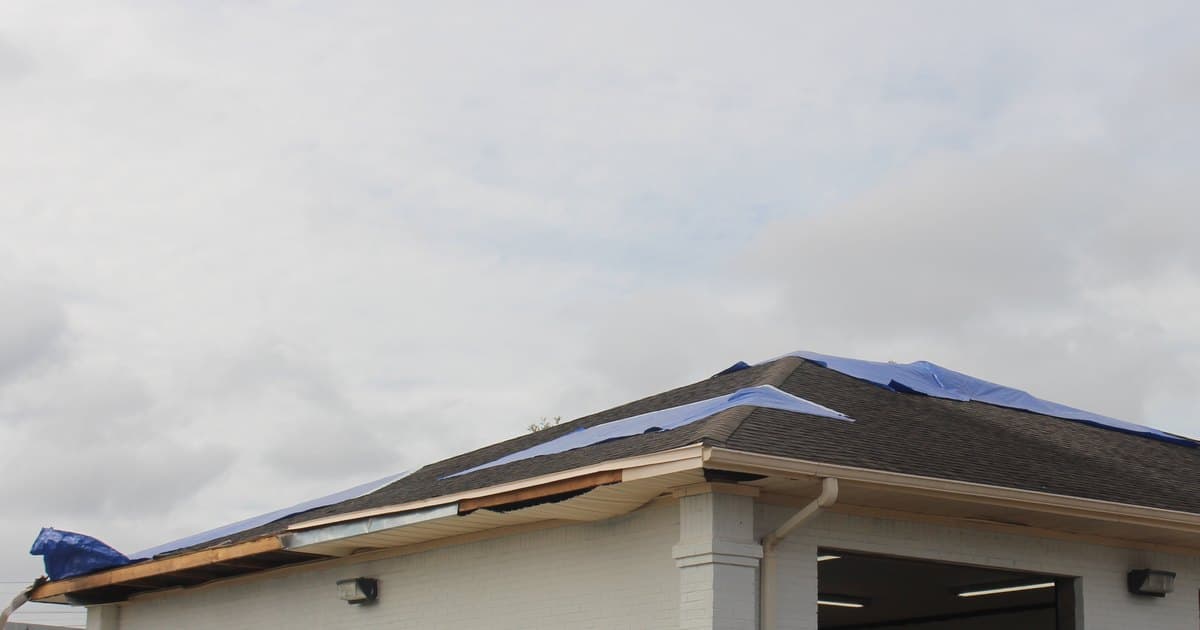



Table of contents
- Two events, two clocks
- The injury profile in the tornado
- Wounds, debris and the infection that arrives later
- The deaths that come later
- Chronic disease, dialysis and the window of months
- Carbon monoxide and the generator in the garage
- Studies in summary
- How NEXO helps train this reasoning
- Frequently asked questions
- Take-home messages
- References
In a fictional case, a 71-year-old woman arrives at the emergency department two days after a cyclone. The cut on her leg, made by a roof tile that flew off during the storm, was washed at home with water from a bucket. Now the wound is dark and painful. She also reports that the power went out, that the refrigerator with the insulin stopped and that the neighbor started a generator in the garage so as not to lose the food. In a few lines, the three fronts of this text fit: the injury caused by the wind and the debris, the infection that appears days later and the indirect deaths that accumulate over weeks.
Tropical cyclones (hurricanes in the Atlantic, typhoons in the Pacific) and tornadoes are extreme wind events with different profiles. A tornado is short, narrow and violent; a cyclone is wide, lasts days and brings rain, flooding and prolonged power outages. The clinical response changes with the clock: in the first hours, trauma; in the following days, contaminated wounds, poisoning and decompensation of chronic disease; in the following weeks, excess mortality that often goes unnoticed. The post about earthquakes deals with crush injuries; the one about floods, with contaminated water. Here the axis is the wind and what it leaves behind.
Key points
- In the Yancheng tornado, the head was the most affected region among the injured treated at a hospital, and almost all had soft tissue injury (Deng et al., 2018).
- In the same tornado, most deaths occurred inside the home and from head trauma, according to data from the local disease control center (Wang et al., 2017).
- After Hurricane Irma, death surveillance classified almost nine in ten deaths as indirect, with emphasis on decompensation of chronic disease, heat without power and carbon monoxide (Issa et al., 2018).
- In the series of 494 locations in 18 countries, the risk of death associated with the cyclone lasted on average about 20 days after it passed (Huang et al., 2024).
- In 34 low- and middle-income countries, exposure to a cyclone in the previous month was associated with a higher chance of death before age five (Guo et al., 2025).
- A poorly placed portable generator is a known cause of carbon monoxide poisoning after storms, and prevention starts before the power goes out (Levy et al., 2014; Waite et al., 2014).
Two events, two clocks
A tornado concentrates energy in a narrow corridor. In minutes, roofs come loose, walls collapse and objects become projectiles. A cyclone spreads energy over hundreds of kilometers and over several days: wind, rain, storm surge and flooding add up, and infrastructure fails in cascade.
This difference changes the clinical question. After a tornado, the nearest hospital receives a concentrated wave of injured people in the first hours, and the logic is that of mass casualty triage and surge capacity. After a cyclone, the volume of trauma tends to be lower than that of people who lose power, water, transportation and access to their usual service; demand spreads over weeks (our synthesis).
Death surveillance by the US Centers for Disease Control and Prevention (CDC) defines direct deaths as those caused by the environmental forces of the hurricane and their immediate consequences, and indirect deaths as those resulting from unsafe or unhealthy conditions due to the loss or interruption of services, personal losses or disruption of way of life (Issa et al., 2018). This distinction organizes the rest of the text.
The injury profile in the tornado
On June 23, 2016, a tornado classified as EF4 struck Yancheng, in eastern China, with 99 dead and 846 injured (Deng et al., 2018). Two research groups studied the same event from complementary angles, and the comparison helps to understand what the clinician encounters.
What arrives at the hospital
Deng and colleagues reviewed records from three hospitals that treated tornado injuries and included 401 valid records out of 451 obtained (Deng et al., 2018). The study is cross-sectional, and the authors acknowledge two limitations: they only had access to the records of these 451 patients, which correspond to 53.31 percent of the 846 injured (a sample they consider representative), and they could not assess the geographic distribution of deaths (Deng et al., 2018).
In this hospital sample, the most affected regions were the head (46.63 percent), the body surface (39.90 percent) and the lower limb (29.43 percent) (Deng et al., 2018). Soft tissue injury appeared in 90.77 percent of patients, fracture in 38.90 percent and organ injury in 19.70 percent (Deng et al., 2018). On the abbreviated injury scale (AIS), mild injuries (AIS 1) were the most frequent, at 60.85 percent, and critical or fatal injuries (AIS 5 or more) stood at 2.50 percent (Deng et al., 2018).
The authors compare this profile with that of earthquakes: a tornado victim tends to be crushed by a heavy object, while a tornado victim usually has head and limb injuries from thrown objects and from collapse (Deng et al., 2018). For prolonged crushing, the reference is the post on crush syndrome.
What happens to those who die
Wang and colleagues started from the database of the Funing disease control center and the county people's hospital, in a retrospective analysis (Wang et al., 2017). The tornado left 99 deaths directly attributable and 337 injured people recorded at that hospital; 274 of these injuries (81 percent) were classified as mild (Wang et al., 2017).
Among the deaths, 79 occurred at the scene, and head trauma accounted for 73 of them (73.7 percent) (Wang et al., 2017). More people died inside the home (87, or 87.9 percent) than outdoors or in a vehicle (Wang et al., 2017). The authors link this finding to the traditional mud-brick buildings of the affected area, almost all destroyed, and conclude that international safety guidance needs to be modified when applied to China (Wang et al., 2017).
Age, sex and the weight of the house
Age marked the risk. In Wang's relative risk model, the 75 to 84 age group had the highest risk of death (RR 82.16; 95 percent CI 19.66 to 343.33) compared with the study's reference range, and women had a higher risk of death than men (RR 1.53; 95 percent CI 1.02 to 2.29) (Wang et al., 2017). The wide interval of the first number indicates an imprecise estimate (our synthesis).
Deng and colleagues described a dumbbell-shaped age distribution among the injured: 77.30 percent were over 45 years old and 12.47 percent were children or adolescents (Deng et al., 2018). The explanation proposed by the authors is demographic: in the affected villages, young adults had migrated to the cities, and older people and adolescents have less opportunity to receive the alert and move to safety (Deng et al., 2018). For the injured older patient, it is worth recalling the pitfalls described in the post on trauma in the older patient.
In a sampling survey with victims of two Chinese tornadoes (94 valid questionnaires in Yancheng and 67 in Chifeng), the degree of house collapse was strongly associated with the chance of injury (OR 183.12; 95 percent CI 8.04 to 4173.34), and higher annual income was associated with a lower chance (OR 0.10; 95 percent CI 0.02 to 0.50) (Deng et al., 2019). Being inside or outside the home showed no statistical difference in this sample, while differences in knowledge about preparedness drills, individual behavior and level of fear significantly affected the incidence of trauma (Deng et al., 2019).
What this changes in care
For the team receiving tornado victims, the Chinese studies suggest three priorities (the order is our synthesis):
- Look for head injury even in those who arrive walking, using the criteria described in the post on mild head trauma.
- Expect many soft tissue injuries, which fill the suturing room and hide contaminated wounds.
- Pay attention to the older patient, who had the highest risk of death in Funing, and to the child or adolescent, who made up about one eighth of the injured treated in Yancheng (Deng et al., 2018; Wang et al., 2017).
Wounds, debris and the infection that arrives later
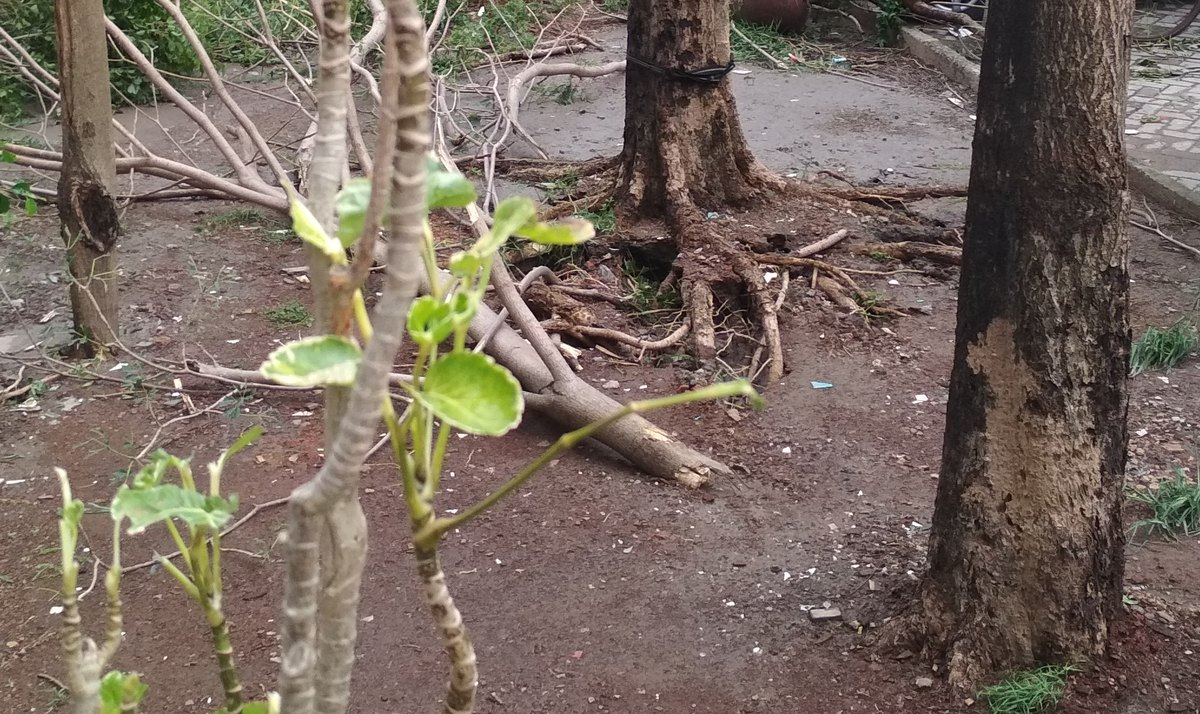
The soft tissue injury that looks simple on the first day can be the gateway to the most serious complication of the week. Debris carries soil, wood, glass and standing water.
Joplin and cutaneous mucormycosis
On May 22, 2011, an EF5 tornado crossed Joplin, Missouri. More than 1,000 people were injured and 158 died (Weinhold, 2013). A few days later, some of the injured developed necrotizing skin infection, later confirmed as cutaneous mucormycosis caused by Apophysomyces trapeziformis, a fungus common in soil and decaying plant matter (Weinhold, 2013).
The Environmental Health Perspectives news article summarizes the CDC investigation: 13 patients were identified, five of whom died, in the largest known cluster of the disease up to then (Weinhold, 2013). Compared with injured people from the same tornado without the infection, the patients with mucormycosis had more penetrating wounds, especially multiple ones, with wood, soil, gravel and other foreign bodies, and all were in the center of the tornado path (Weinhold, 2013). The interval between the injury and the first positive culture ranged from 6 to 24 days (Weinhold, 2013).
The clinical lesson is about suspicion: a penetrating wound with organic foreign material, necrosis that advances despite antibiotics and a patient coming from the center of the damage call for debridement, culture and histopathology, with discussion with infectious diseases (our synthesis). The floods post details care for wounds exposed to contaminated water.
Mayotte: when the surveillance system also collapses
Cyclone Chido hit Mayotte, a French department in the Indian Ocean, on December 14, 2024, with gusts of 250 km/h (Soler et al., 2025). Power, water and communication were interrupted for periods ranging from three days to more than a month, depending on the area, and health monitoring systems stopped working (Soler et al., 2025).
Between December 14 and January 5, the Mayotte hospital recorded 4,043 emergency visits, mainly for injuries, such as wounds and fractures, and for gastrointestinal disorders (Soler et al., 2025). The field hospital treated 2,403 people, and the positivity of stool samples for enteric pathogens exceeded 80 percent for two weeks in a row (Soler et al., 2025). In the conclusion, the Santé publique France team describes that the delay in medical care resulted in many untreated injuries, interrupted management of chronic diseases and extensive psychological trauma (Soler et al., 2025).
The deaths that come later
The number released right after a cyclone usually counts only direct deaths.
Irma: when the lights go out
Hurricane Irma made landfall in Florida on September 10, 2017. Joint surveillance by the CDC with the health departments of Florida, Georgia and North Carolina identified 129 hurricane-related deaths through October 10 (Issa et al., 2018). Of these, 11 were direct, 115 indirect and 3 possibly related (Issa et al., 2018).
Among the indirect deaths, the most common category was decompensation of a preexisting disease, with 46 deaths; 23 of them were associated with chronic problems, such as heart disease, worsened by stress and anxiety (Issa et al., 2018). There were 17 heat-related deaths due to lack of air conditioning, 14 of them in a long-term care facility in Florida that went days without power, and 3 deaths of patients whose treatment, such as supplemental oxygen, depended on electricity (Issa et al., 2018). Another 27 deaths linked to power outages did not involve a preexisting disease, including 16 from carbon monoxide poisoning (Issa et al., 2018).
The same table shows 15 deaths from injury during preparation or repair, 13 in traffic accidents and 13 from falls from standing height in older adults, four of which occurred after the end of surveillance due to a complication of the fall (Issa et al., 2018). The authors note that the categories overlap and that subdividing the circumstances helps guide prevention messages (Issa et al., 2018).
For the clinician, the message is simple: after a cyclone, a person with a chronic disease who lost power at home is a patient at risk, even without any injury (our synthesis). Care for those who depend on insulin, dialysis and oxygen and for people with disabilities has its own posts, and heat without air conditioning overlaps with the post on extreme heat.
How long the risk lasts
Huang and colleagues gathered daily deaths from 494 locations in 18 countries or territories, from 1980 to 2019, in the Multi-Country Multi-City (MCC) collaborative network (Huang et al., 2024). There were 382 cyclones and 47.7 million deaths from all causes, 15.5 million cardiovascular and 4.9 million respiratory, analyzed with a mixed Poisson model and meta-regression (Huang et al., 2024).
The period of increased risk after each cyclone averaged about 20 days for overall and cardiopulmonary mortality, and exceeded 30 days in the United States, Brazil and Taiwan (Huang et al., 2024). Among the 100 cyclones with the largest effect, the relative risk ranged from 1.04 to 1.42 for all causes, from 1.07 to 1.77 for cardiovascular causes and from 1.12 to 1.92 for respiratory causes (Huang et al., 2024). The relationship with wind speed and accumulated rainfall was approximately linear, and the risk fell from 1980 to 2019 in places such as the Philippines, Taiwan and the United States (Huang et al., 2024).
The authors point to possible exposure misclassification, residual confounding and limited generalizability as limitations (Huang et al., 2024). In the same period, Japan showed a possible upward trend in the risk of overall and cardiovascular death linked to cyclones (Huang et al., 2024).
Children in low- and middle-income countries
Guo and colleagues used individual data from the Demographic and Health Surveys (DHS) in 34 low- and middle-income countries, from 1993 to 2021, in a matched sibling case-control design (Guo et al., 2025). There were 100,798 deaths before age five and 247,445 controls (Guo et al., 2025).
Exposure to a cyclone in the previous three months was associated with a higher chance of death (OR 1.038; 95 percent CI 1.002 to 1.075), and the effect was stronger in the first month before death (OR 1.101; 95 percent CI 1.039 to 1.166) (Guo et al., 2025). The authors estimate that exposure in the previous 30 days may have caused 0.85 million deaths of children under five from 2000 to 2020 in the exposed countries (Guo et al., 2025).
The authors themselves note that, being observational, the study depends on data reported by mothers and on a dichotomous exposure, which can introduce recall bias and misclassification (Guo et al., 2025).
Chronic disease, dialysis and the window of months
After Hurricane Maria, in Puerto Rico, the discussion about the real number of deaths became a global reference.
Excess deaths by cause
Cowan and colleagues used the demographic registry of the Puerto Rico Department of Health and compared the risk of death per 100,000 inhabitants in the six months after Maria with the same months of the previous year (Cowan et al., 2025). There was an increase for cardiovascular disease (risk ratio 1.18; 95 percent CI 1.12 to 1.24), Alzheimer's (1.23; 95 percent CI 1.14 to 1.33), diabetes (1.15; 95 percent CI 1.08 to 1.23), sepsis (1.43; 95 percent CI 1.26 to 1.62) and end-stage renal disease (1.17; 95 percent CI 1.04 to 1.32) (Cowan et al., 2025). For chronic obstructive pulmonary disease, the interval included the null (1.09; 95 percent CI 0.98 to 1.22), and the result is inconclusive (Cowan et al., 2025).
In the spatial analysis, neighborhoods with more people aged 65 or older, more housing in multi-unit buildings and more households without a vehicle had a higher chance of being areas of high or sustained risk of death from chronic disease (Cowan et al., 2025). These are crude before-and-after comparisons at the community level, and they do not estimate individual risk (our synthesis).
Dialysis off the island
Rivera-Hernandez and colleagues followed 11,652 patients with kidney failure on dialysis in Puerto Rico, in an interrupted time series (Rivera-Hernandez et al., 2022). After Maria, the proportion of patients dialyzed off the island in the following quarter rose 5.8 percentage points (95 percent CI 2.7 to 9.0) (Rivera-Hernandez et al., 2022). The change in six-month mortality was not statistically significant, and the result is inconclusive (Rivera-Hernandez et al., 2022). The authors interpret this finding as a possible reflection of the preparedness of dialysis clinics, of the population with kidney failure and of other actors (Rivera-Hernandez et al., 2022).
Sandy and the years that followed
Keenan and colleagues looked at a longer horizon. In an ecological analysis with propensity score matching, they compared zip code areas flooded and not flooded by Hurricane Sandy in the New York region, among Medicare beneficiaries aged 65 or older who stayed in the same zip code area from 2013 to 2017 (Keenan et al., 2025). In flooded areas, all-cause mortality within up to five years was higher (adjusted rate ratio 1.09; 95 percent CI 1.06 to 1.12) (Keenan et al., 2025).
The authors stress that they performed only an ecological analysis and that the finding does not extend to individual risk (Keenan et al., 2025).
Carbon monoxide and the generator in the garage
When the power goes out, the fuel generator brings one of the most avoidable causes of death after storms.
The risk changes with the phase of the disaster
Levy and colleagues recall that almost all portable generators burn carbon fuel and produce carbon monoxide, and that, despite warnings to run the device only outdoors, improper placement makes them the leading cause of engine-related carbon monoxide death in the United States (Levy et al., 2014). In the Irma surveillance, there were 16 deaths from this poisoning (Issa et al., 2018).
The review by Waite and colleagues, from Public Health England, gathered 23 articles and organized the risk into three phases: before the disaster, in the emergency and recovery phase, and in the late phase (Waite et al., 2014). In the late phase, a damaged heater or boiler can cause poisoning months later, and these deaths may never be attributed to the event because surveillance usually ends when the water recedes (Waite et al., 2014). The authors point to underreporting as a central problem and argue for different messages for each phase (Waite et al., 2014).
Door-to-door prevention
The Howard County fire department in Maryland set up a community action after storms: it identified areas without power using helicopter overflight and georeferenced data from the power company, and sent teams door to door to assess risks and hand out leaflets on generator use (Levy et al., 2014). The report is descriptive, with no comparison group, and the authors present it as one of the first examples of proactive action by a fire department to prevent carbon monoxide poisoning (Levy et al., 2014).
What to ask in the emergency department
Headache, nausea, dizziness or confusion in several people in the same household, days after a storm, suggest carbon monoxide until proven otherwise. The useful questions are these (our summary):
- Does the house have a generator, and where is it?
- Does anyone use a stove or barbecue indoors?
- Are more people in the house having symptoms?
Recognition and treatment of poisoning are in the post on burns and smoke.
Losing a home and a routine weighs for months, and psychological first aid fits into any care encounter.
Studies in summary
| Study | Design and database | Main finding |
|---|---|---|
| Deng 2018 | Cross-sectional, medical records from 3 hospitals, Yancheng tornado | The head was the most affected region; AIS 5 or more in 2.50 percent (Deng et al., 2018) |
| Wang 2017 | Retrospective, Funing center for disease control database | 99 deaths; 73 from head trauma; 87 indoors (Wang et al., 2017) |
| Deng 2019 | Sampling survey in 2 tornadoes | House collapse with OR 183.12 (Deng et al., 2019) |
| Weinhold 2013 | Article on the CDC investigation in Joplin | 13 patients with mucormycosis, 5 deaths (Weinhold, 2013) |
| Soler 2025 | Ad hoc surveillance after Chido, Mayotte | 4,043 emergency visits in 3 weeks (Soler et al., 2025) |
| Issa 2018 | Irma death surveillance, 3 states | 115 of 129 indirect deaths; 16 from carbon monoxide (Issa et al., 2018) |
| Huang 2024 | MCC time series, 494 localities, 18 countries | Risk for about 20 days; RR up to 1.92 for respiratory causes (Huang et al., 2024) |
| Guo 2025 | Sibling matching (case-control), DHS, 34 countries | OR 1.101 in the month before death (Guo et al., 2025) |
| Cowan 2025 | Puerto Rico death registry, before and after Maria | Sepsis with hazard ratio 1.43 (Cowan et al., 2025) |
| Rivera-Hernandez 2022 | Interrupted time series, 11,652 on dialysis | More dialysis off the island; mortality inconclusive (Rivera-Hernandez et al., 2022) |
| Keenan 2025 | Matched ecological study, Medicare, Sandy | Rate ratio 1.09 over 5 years (Keenan et al., 2025) |
| Levy 2014 and Waite 2014 | Community action report and review of 23 articles | Generator and late phase as carbon monoxide risks (Levy et al., 2014; Waite et al., 2014) |
Sources: Deng et al., 2018; Wang et al., 2017; Deng et al., 2019; Weinhold, 2013; Soler et al., 2025; Issa et al., 2018; Huang et al., 2024; Guo et al., 2025; Cowan et al., 2025; Rivera-Hernandez et al., 2022; Keenan et al., 2025; Levy et al., 2014; Waite et al., 2014.
How NEXO helps train this reasoning
In NEXO, the case of the day is fictional, with a real clinical presentation and up to six progressive clues, and you propose the diagnosis by looking for the ICD-10 code. One clue may say "leg wound with soil and wood, two days after a tornado"; another, "three people in the same house with headache after the power went out". The five-level proximity feedback helps separate trauma, wound infection, poisoning and decompensation of chronic disease, without turning the exercise into a field protocol. The useful exercise is to ask, at each clue, which clock of the disaster the patient is on.
Frequently asked questions
What is the most common injury in tornado victims?
In the Yancheng hospital sample, almost all had soft tissue injury, and the head was the most affected region (Deng et al., 2018). Among the dead from the same tornado, head trauma predominated (Wang et al., 2017).
Why do we talk about indirect deaths after a hurricane?
Because, in the Irma surveillance, most deaths came from decompensation of chronic disease, heat without power, carbon monoxide, falls and accidents, and not from the force of the wind or water (Issa et al., 2018).
For how long does the risk of death stay high?
In the multinational MCC series, the average was about 20 days, with more than 30 days in the United States, Brazil and Taiwan (Huang et al., 2024). In older adults in areas flooded by Sandy, higher mortality appeared within up to five years, in an ecological study (Keenan et al., 2025).
How can generator poisoning be avoided?
The generator must stay outdoors, away from doors and windows, and the guidance must arrive before the power goes out. Door-to-door actions and messages adapted to each phase of the disaster are the strategies described (Levy et al., 2014; Waite et al., 2014).
Take-home messages
- Think of two clocks: the tornado concentrates trauma within hours; the cyclone spreads demand over weeks.
- Look for head injury and treat soft tissue carefully: they are the dominant profile in tornado victims.
- Suspect the dirty wound that gets worse: organic debris can bring severe fungal infection.
- Remember that, in the Irma surveillance, almost nine in ten deaths were indirect, many in people who had chronic disease or lost power.
- Always ask about the generator: carbon monoxide kills days after the storm and is preventable.
References
- Deng Q, Lv Y, Xue C, Kang P, Dong J, Zhang L. Pattern and spectrum of tornado injury and its geographical information system distribution in Yancheng, China: a cross-sectional study. BMJ Open. 2018;8(6):e021552. PMID: 29934390. PMC: PMC6020979.
- Wang K, Zhong S, Wang X, et al. Assessment of the public health risks and impact of a tornado in Funing, China, 23 June 2016: a retrospective analysis. Int J Environ Res Public Health. 2017;14(10):1201. PMID: 28994741. PMC: PMC5664702.
- Deng Q, Lv Y, Zhao F, Yu W, Dong J, Zhang L. Factors associated with injuries among tornado victims in Yancheng and Chifeng, China. BMC Public Health. 2019;19(1):1556. PMID: 31767001. PMC: PMC6878644.
- Weinhold B. Rare fungal illness follows tornado. Environ Health Perspect. 2013;121(4):A116. PMID: 23548439. PMC: PMC3620763.
- Soler M, Lapostolle A, Mano Q, et al. Immediate public health surveillance response to cyclone Chido, Mayotte, 14 December 2024. Euro Surveill. 2025;30(6):2500060. PMID: 39949322. PMC: PMC11914968.
- Issa A, Ramadugu K, Mulay P, et al. Deaths related to Hurricane Irma: Florida, Georgia, and North Carolina, September 4 to October 10, 2017. MMWR Morb Mortal Wkly Rep. 2018;67(30):829-832. PMID: 30070979. PMC: PMC6072056.
- Huang W, Yang Z, Zhang Y, et al. Tropical cyclone-specific mortality risks and the periods of concern: a multicountry time-series study. PLoS Med. 2024;21(1):e1004341. PMID: 38252630. PMC: PMC10843109.
- Guo Y, Zhu Y, He C, et al. Cyclone exposure and mortality risk of children under 5 years old: an observational study in 34 low- and middle-income countries. PLoS Med. 2025;22(9):e1004735. PMID: 40996953. PMC: PMC12463208.
- Cowan KN, Zavala DE, Suarez E, Lopez-Rodriguez JA, Alvarez O. Excess mortality and associated community risk factors related to hurricane Maria in Puerto Rico. Environ Res Health. 2025;3(1):015014. PMID: 39906886. PMC: PMC11788712.
- Rivera-Hernandez M, Kim D, Nguyen KH, et al. Changes in migration and mortality among patients with kidney failure in Puerto Rico after Hurricane Maria. JAMA Health Forum. 2022;3(8):e222534. PMID: 36200633. PMC: PMC9375170.
- Keenan OJ, Soroka O, Abramson D, Safford M, Shapiro MF, Ghosh AK. Long-term impacts of hurricanes on mortality among Medicare beneficiaries: evidence from Hurricane Sandy. Front Public Health. 2025;13:1523941. PMID: 40843422. PMC: PMC12364919.
- Levy M, Jenkins JL, Seaman K. A fire department community health intervention to prevent carbon monoxide poisoning following a hurricane. PLoS Curr. 2014;6. PMID: 24596660. PMC: PMC3933212.
- Waite T, Murray V, Baker D. Carbon monoxide poisoning and flooding: changes in risk before, during and after flooding require appropriate public health interventions. PLoS Curr. 2014;6. PMID: 25045587. PMC: PMC4096798.