Exertional heat stroke: cool before transport



Table of contents
- The spectrum of exertional heat illness
- Who is at risk
- Recognizing it on the field: central nervous system and rectal temperature
- Cool first, transport later
- Hospital care and complications
- Return to activity
- Prevention: acclimatization, policies and staff on site
- How NEXO helps train this reasoning
- Frequently asked questions
- Take-home messages
- References
A 24-year-old runner collapses 500 meters from the finish line of a 10-kilometer race on a hot, humid morning. His eyes are open, but he is confused, cannot say where he is, and tries to get up without coordination. His skin is hot and still sweaty. Someone suggests calling an ambulance and taking him straight to the nearest hospital, 20 minutes away. The case is fictional, and the scene happens at races, American football practices and military marches every summer.
The right decision, according to international sports medicine bodies, is the opposite of instinct: measure rectal temperature, put the runner in an ice-water bath right there, and only transport him after the temperature falls (Roberts, 2023). Exertional heat stroke is one of the few emergencies in which definitive treatment happens before the ambulance, and in which time to cooling decides who survives without sequelae.
This text covers the spectrum of exertional heat illness, the risk factors, recognition on the field, on-site cooling, hospital care, return to activity and prevention.
Key points
- Exertional heat stroke is defined by central nervous system dysfunction with hyperthermia, usually above 40 °C rectal temperature (Roberts, 2023).
- Rectal temperature is the valid measurement on the field; oral, tympanic and axillary temperatures underestimate core temperature after exercise (Casa, 2015).
- Ice-water immersion is the preferred cooling method, and rates above 0.15 °C per minute are desirable (Roberts, 2023).
- In a review of 521 patients, no patient died when treatment included a method with an adequate cooling rate (Filep, 2020).
- The IOC recommends cooling on site until rectal temperature falls below 39 °C, and only then transporting (Hosokawa, 2021).
- Return is done in stages, and full competition usually comes 2 to 4 weeks after the athlete shows heat tolerance (Roberts, 2023).
Summary
- The spectrum of exertional heat illness
- Who is at risk
- Recognizing it on the field: central nervous system and rectal temperature
- Cool first, transport later
- Hospital care and complications
- Return to activity
- Prevention: acclimatization, policies and on-site team
- How NEXO helps train this reasoning
- Frequently asked questions
- Take-home messages
The spectrum of exertional heat illness
The 2023 American College of Sports Medicine consensus statement replaced the 2007 document and organized exertional heat illness into three main pictures (Roberts, 2023). Heat exhaustion is the inability to continue exercise, with fatigue, dizziness and malaise, without major central nervous system dysfunction; most athletes return to activity in 1 to 2 days after cooling and fluid replacement. Exertional heat injury brings organ damage, such as liver, kidney or muscle, without marked neurological dysfunction. Exertional heat stroke is the severe form, with central nervous system dysfunction and hyperthermia.
The difference from classic heat stroke is the source of the heat. In the classic form, the elderly or chronically ill person heats up during a heat wave, and the picture develops over hours or days, as shown in the post on the spectrum of heat illness. In exertional heat stroke, the heat comes mainly from the muscle itself, in young and healthy people, and can appear in less than an hour, even on days that do not seem extreme.
Confounding pictures
The position statement of the National Athletic Trainers' Association notes that heat illness includes other pictures, such as heat syncope and exercise-associated cramps (Casa, 2015). Heat syncope usually appears in the first 5 days of acclimatization, before blood volume increases, and comes with a rectal temperature normal for exercise. The ACSM consensus adds that collapse just after the finish line is usually postural hypotension, from the sudden stop of the leg muscle pump, and resolves in less than 30 minutes with legs raised and rest (Roberts, 2023).
Other causes of collapse need to enter the reasoning, and placing them side by side helps avoid closing too early: exercise-associated hyponatremia, collapse associated with sickle cell trait, hypoglycemia and cardiac arrest. The IOC recalls the general triage rule: cardiac arrest comes before heat stroke in the order of priority (Hosokawa, 2021).
| Picture | Central nervous system | Typical rectal temperature | Initial approach |
|---|---|---|---|
| Postural collapse after arrival | Normal or brief dizziness | Compatible with exercise | Lie down, raise the legs, observe |
| Heat syncope | Brief fainting, recovers quickly | Normal for exercise | Shade, rest, fluids |
| Heat exhaustion | Preserved, without major dysfunction | Raised, usually below 40 °C | Stop, cool, replace fluids |
| Exertional heat stroke | Confusion, agitation, seizure or coma | Usually above 40 °C | Ice-water immersion on site |
| Sources | Roberts, 2023; Casa, 2015 |
Who is at risk
Exertional heat stroke happens in almost every sport. The ACSM consensus cites higher rates in college American football and in running races, and recalls that military personnel and workers exposed to heat have the highest rates of all (Roberts, 2023). Périard's review reinforces that competitive sport and military training are the two classic settings, and that the military has better surveillance, with standardized definitions and mandatory reporting (Périard, 2022).
The most common risk factors in athletes are low physical fitness, lack of heat acclimatization, obesity and heat waves or unexpectedly hot days (Roberts, 2023). The consensus highlights a less obvious factor: external pressure to perform above the level of acclimatization or conditioning. Highly motivated athletes ignore their own body's signals, as NATA recalls (Casa, 2015).
Individual factors
Garcia's review lists dehydration, differences between sexes, age, body composition and recent illness as factors that appear to increase risk, although the research is still limited (Garcia, 2022). Viral infection in the preceding days, sleep deprivation and some stimulant medications and supplements also enter the picture.
The data on sex are few and contradictory. In a systematic review of military studies, the incidence of heat stroke was 0.10 to 0.26 per 1000 people per year in women and 0.22 to 0.48 in men, but the other heat illnesses were more frequent in women (Alele, 2020). The authors conclude that the limited evidence suggests a higher risk of exertional heat illness in women, with many confounders.
What happens in the body
During intense exercise in the heat, blood is diverted to the skin and to muscle, and flow to the intestine and kidney falls. Garcia's review describes the leaky gut hypothesis: intestinal ischemia lets bacterial toxins pass into the circulation, which triggers systemic inflammation and coagulation disturbances (Garcia, 2022). The longer the body stays above about 41 °C, the greater the risk of organ damage and death (Casa, 2015).
Recognizing it on the field: central nervous system and rectal temperature
The main clue is a change in behavior. Confusion, disorientation, aggression, slurred speech, loss of coordination, seizure and coma are signs of central nervous system dysfunction, and any one of them in an athlete who was exercising in the heat should raise the hypothesis of heat stroke (Roberts, 2023). The skin may remain sweaty, and waiting for dry skin to think of heat stroke is a common mistake.
The ACSM recommends measuring rectal temperature on site in every unconscious athlete with spontaneous breathing and in every conscious athlete with a neurological change (Roberts, 2023). The rectal measurement is the best estimate of core temperature on the field. NATA is explicit: oral, tympanic, axillary and forehead temperatures are inaccurate after exercise and can give a false sense of safety (Casa, 2015).
When it cannot be measured
When rectal temperature cannot be measured on the spot, cooling takes priority (Roberts, 2023). The team assesses the context of the collapse, the vital signs and the neurological status and treats as heat stroke, because delaying cooling to get a thermometer costs more than cooling an athlete who did not need it. The temperature will be needed later, to know when to stop.
Another detail prevents errors. The patient may arrive at the hospital with a rectal temperature below 40 °C because they were cooled on the way, and this does not rule out the diagnosis (Roberts, 2023). Reasoning by pretest probability helps: in a confused athlete who collapsed in the heat, a normal thermometer in the emergency department has little power to rule out the condition.
Cool first, transport later
The principle that gives this text its name sums up the recommendations. NATA advises that, if a physician is present on site, the athlete be cooled there, without interrupting the immersion to transport; without a physician, aggressive cooling begins on site and continues during transport and at the hospital (Casa, 2015). The IOC recommends cooling on site until the rectal temperature falls below 39 °C and only then referring the patient (Hosokawa, 2021).
The logic is the same as in other time-dependent emergencies. The ACSM consensus compares heat stroke to cardiac arrest, stroke and sepsis: time is tissue (Roberts, 2023). The difference is that the effective treatment, ice water, fits in a tub at the edge of the track.
Cold water immersion
Cold water immersion is the preferred cooling method in any setting, when available (Roberts, 2023). The body is immersed up to the neck, with arms and legs inside, the water is stirred and ice is replenished to keep the temperature low, while someone holds the head and protects the airway. The rates described range from 0.13 to 0.35 °C per minute.
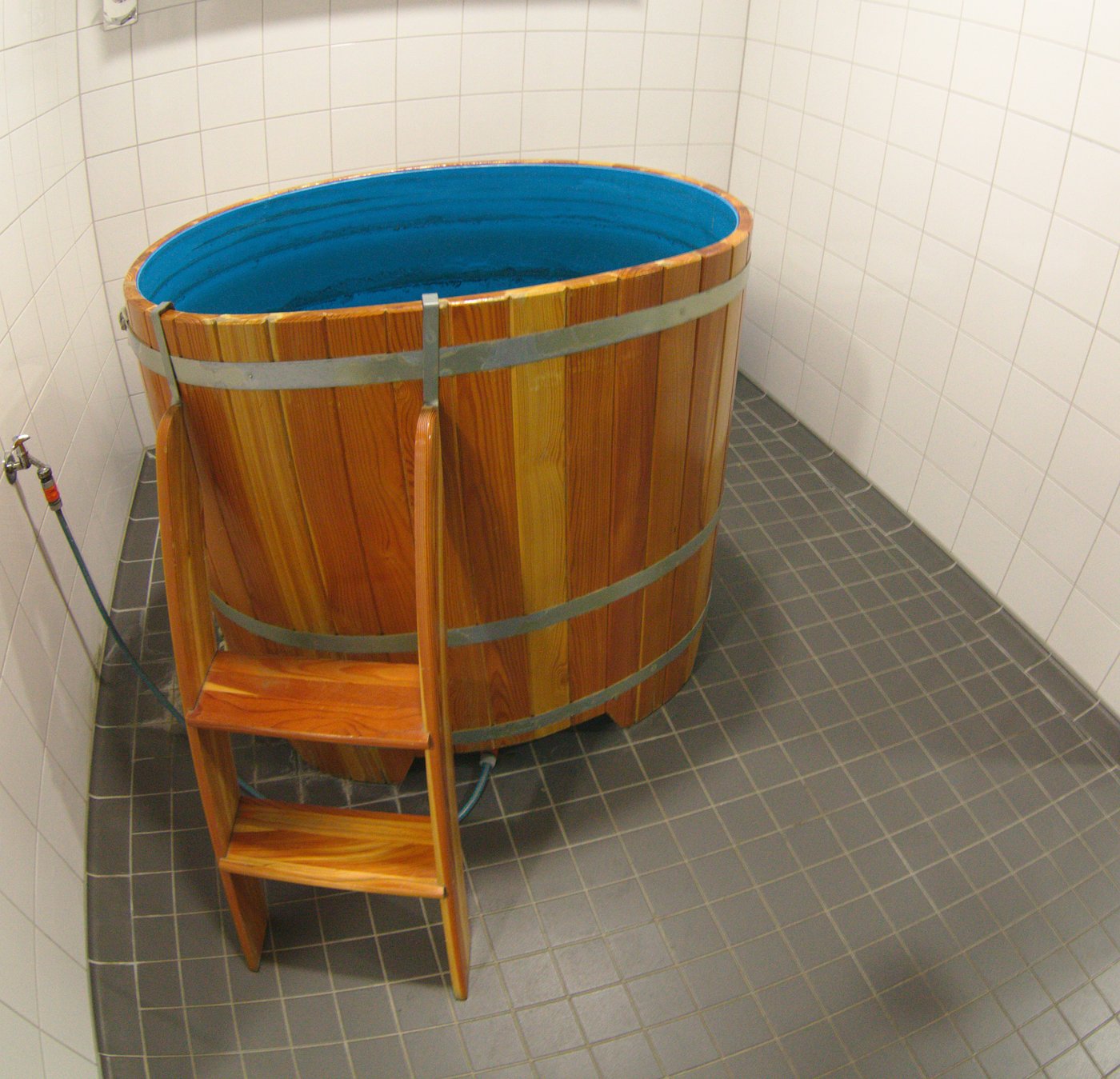
The results explain the emphasis. In the Falmouth road race, 11.4 kilometers long, 274 consecutive runners, aged 11 to 70, were recognized and cooled on site with cold water immersion, with no deaths and few hospitalizations (Roberts, 2023). NATA cites 252 military personnel with heat stroke treated with cold water immersion, also with no deaths (Casa, 2015). The IOC reports that, in event medicine, about 93 out of every 100 patients cooled by immersion within the first 30 minutes were discharged home the same day (Hosokawa, 2021).
The cooling rate
Filep's systematic review gathered 32 reports with 521 patients treated for exertional heat stroke. Of these, 498 survived and 23 died of complications (Filep, 2020). No patient died when treatment included a method with an adequate cooling rate, and survivors who were insufficiently cooled had a 4.57 times higher risk of complications. The authors advocate rates above 0.15 °C per minute, in line with the ACSM, which considers rates above 0.08 acceptable and rates above 0.15 desirable (Roberts, 2023).
| Method | Approximate cooling rate | When to use |
|---|---|---|
| Cold or ice water immersion, with stirring | 0.13 to 0.35 °C per minute | Preferred whenever available |
| Tarp immersion, held by the team, with water and ice | 0.14 to 0.17 °C per minute | When no tub is available, with water and ice on hand |
| Towels soaked in ice water, rotated, with ice packs | 0.11 to 0.16 °C per minute | During transport or when immersion is not possible |
| Sources | Roberts, 2023; Filep, 2020 |
When immersion is not available
When no tub is available, there are alternatives. Tarp immersion, in which the team holds the edges of a tarp with the athlete, water and ice in the middle, cools at 0.14 to 0.17 °C per minute (Roberts, 2023). Towels soaked in ice water, wrung out and quickly rotated over the trunk, limbs and head, with ice packs on the neck, armpits and groin, repeatedly wetting the body or continuously spraying cold water also lower the temperature, more slowly.
When to stop cooling
Measuring temperature repeatedly interrupts cooling, and the ACSM accepts that, without a continuous rectal thermometer, the team should keep the immersion going until the athlete regains a normal neurological state, heart rate and blood pressure (Roberts, 2023). The fear of cooling too much often delays treatment for no reason: most "overcooled" athletes end up between 35 and 36 °C, a range not associated with known adverse effects. The IOC advises returning to the water if the temperature rises again (Hosokawa, 2021).
Why intuition gets in the way
Calling the ambulance and transporting the patient seems like the most responsible move. That choice is an example of how a heuristic that usually helps, taking the seriously ill patient to the hospital, fails in a specific scenario. The same reasoning appears in the post about extreme heat, in cool first and investigate later.
Hospital care and complications
When the athlete reaches the emergency department, the priority remains temperature. Rublee's review of emergency management identified three themes: recognition, rapid cooling and support, and proposed a pathway so the hospital treats heat stroke like other time-dependent conditions, with an alert and a prepared team (Rublee, 2021).
Support includes airway, venous access, blood glucose, electrolytes and monitoring. The IOC reminds clinicians to check for hypoglycemia in the unconscious athlete and to treat the causes that compete with heat stroke (Hosokawa, 2021). The complications of greatest concern are acute kidney injury, rhabdomyolysis, liver injury, disseminated intravascular coagulation and neurological injury.
What the tests show in the following days
Test results change over time. In an analysis of 2529 episodes of exertional heat stroke in American military personnel, markers of muscle injury and liver function peaked between 0 and 4 days after the injury and stayed outside the reference range for 2 to 16 days (Ward, 2020). A normal liver enzyme in the first hour has little value for ruling out damage: the liver can worsen on the second and third day.
Following these markers over the days means using time as a diagnostic test. Discharge requires a clear return plan and warning signs, as the post about the safety net shows.
Return to activity
Return is the part with the least evidence. The 2023 consensus acknowledges that understanding of recovery is incomplete, that the data to guide the return are limited and that recovery varies greatly between people (Roberts, 2023). Most guidelines require that symptoms have resolved at rest and that liver and kidney tests be normal before reintroducing exercise.
The consensus proposes a staged return. The athlete starts with light exercise in a cool environment, advances if there is no intolerance or abnormal fatigue and, when tolerating it well, begins an acclimatization plan, increasing duration, intensity and heat exposure each day over 2 to 4 weeks (Roberts, 2023). Full competition may be cleared 2 to 4 weeks after the athlete demonstrates acclimatization and heat tolerance in the specific sport, with no symptoms and no abnormal tests. Each stage is individual and may take up to two weeks.
The heat tolerance test
When the athlete cannot advance through the intermediate stages, or has had repeated episodes, the consensus suggests further evaluation, which may include a heat tolerance test in the laboratory (Roberts, 2023). The test has limits: the degree of prior acclimatization changes the result and confuses individual interpretation.
| Stage | What happens | Criterion to advance |
|---|---|---|
| Recovery | Rest, no exercise, with clinical and laboratory follow-up | Symptoms resolved and normal liver and kidney tests |
| Exercise in a cool environment | Light activity, with gradual increase in duration and intensity | Exercise tolerance, with no abnormal fatigue |
| Heat acclimatization | Daily increase in duration, intensity and heat exposure, over 2 to 4 weeks | Heat tolerance in the specific sport |
| Full competition | Training and competition without restriction | No symptoms and normal tests during the period |
| Source | Roberts, 2023 |
Deciding with the athlete
The return involves the coach, the family and, in the military, the chain of command. Explaining why the return is gradual and agreeing on what interrupts the plan is part of the shared decision. The athlete who feels well wants to return soon, and the conversation about the risk of a second episode needs to happen before the first training session.
Prevention: acclimatization, policies and staff on site
Most cases of exertional heat illness can be prevented (Roberts, 2023). Heat acclimatization, with gradual exposure over 1 to 2 weeks, induces most of the physiological adaptations that protect the athlete. Organizers should adjust training and competition to the environment's heat stress index, to the participants' degree of acclimatization and fitness, to the time of day, to the uniform and to the type of surface.
Policies work. In a study with data from 48 American states, the years in which the state high school football federation required acclimatization guidelines in the preseason had heat illness rates 55 in every 100 lower than the years without the rule (Kerr, 2019). Périard describes similar strategies in the military, such as a mandatory work-to-rest ratio, hydration and task-specific policies (Périard, 2022).
The chain of survival
The ACSM consensus describes a chain of survival with four links: prehospital management, emergency service, advanced care in hospital and guidance on return to activity (Roberts, 2023). The IOC asks that events in hot environments have an emergency action plan, a rectal thermometer, immersion tubs and staff trained on site (Hosokawa, 2021). Without these resources, "cool first" becomes impossible.
Back to the runner
The confused runner 500 meters from the finish line has exertional heat stroke until proven otherwise. The team measures rectal temperature, places him in the ice tub in the medical tent and waits for the temperature to fall below 39 °C before any transport. Assessment of the case also needs to consider hyponatremia and hypoglycemia, which can coexist.
How NEXO helps train this reasoning
In NEXO, the case of the day is fictional, with a real clinical presentation and up to six progressive clues, and you propose the diagnosis by searching for the ICD-10 code. Separating exertional heat stroke from heat syncope, from hyponatremia or from cardiac arrest is the kind of reasoning that is trained clue by clue. The post about syncope in the emergency department helps separate benign fainting from serious fainting.
The limits on using the game are described on the NEXO Economy page. If you research the teaching of clinical reasoning, the page for Researchers explains how to get in touch. Professionals who write or review cases find information under Curator and Creators, and institutions can learn about the proposal on the partnerships page.
Frequently asked questions
Does exertional heat stroke only happen on very hot days?
The risk increases with heat and humidity, but the condition can appear on moderate days, because most of the heat comes from the muscle itself during intense exercise (Roberts, 2023).
Is dry skin required for the diagnosis?
Dry skin is not required. In exertional heat stroke the athlete usually keeps sweating, and what defines the condition is the neurological change with hyperthermia (Roberts, 2023).
Does an ear or forehead thermometer work?
These thermometers are inadequate in the athlete. Oral, tympanic, axillary and forehead temperatures are imprecise after exercise; rectal is the recommended measurement (Casa, 2015).
Why cool before taking the athlete to hospital?
The risk of organ damage and death grows with time above about 41 °C (Casa, 2015), and cooling by immersion in the first 30 minutes is associated with survival in all cases described at events (Hosokawa, 2021).
What changes when the athlete reaches the hospital?
Cooling remains the priority, along with support and the search for complications, and the hospital should treat heat stroke like other time-dependent conditions (Rublee, 2021).
What if there is no tub?
A tarp held by the team with water and ice, or cold towels rotated with ice packs, lower the temperature, more slowly than immersion (Roberts, 2023).
When can the athlete return to competition?
After normal tests and a stepwise return, full competition usually comes 2 to 4 weeks after the athlete shows acclimatization and heat tolerance (Roberts, 2023).
Take-home messages
- An athlete with a neurological change during exercise in the heat has exertional heat stroke until proven otherwise.
- Rectal temperature is the valid field measurement; oral, tympanic, axillary and forehead readings mislead.
- Cold-water immersion on site is the preferred treatment, with a target rate above 0.15 °C per minute.
- Cool to below 39 °C before transport; without a thermometer, cool anyway.
- Liver and muscle tests can worsen in the following days and require follow-up.
- The return is gradual, with 2 to 4 weeks of acclimatization before full competition.
- Acclimatization, preseason policies and a team with a tub on site prevent cases and deaths.
Play the case of the day on NEXO.
References
- Roberts WO, Armstrong LE, Sawka MN, et al. ACSM Expert Consensus Statement on Exertional Heat Illness: Recognition, Management, and Return to Activity. Curr Sports Med Rep. 2023;22(4):134-149. PMID 37036463. DOI 10.1249/JSR.0000000000001058.
- Casa DJ, DeMartini JK, Bergeron MF, et al. National Athletic Trainers' Association Position Statement: Exertional Heat Illnesses. J Athl Train. 2015;50(9):986-1000. PMID 26381473. DOI 10.4085/1062-6050-50.9.07.
- Hosokawa Y, Racinais S, Akama T, et al. Prehospital management of exertional heat stroke at sports competitions: International Olympic Committee Adverse Weather Impact Expert Working Group for the Olympic Games Tokyo 2020. Br J Sports Med. 2021;55(24):1405-1410. PMID 33888465. DOI 10.1136/bjsports-2020-103854.
- Filep EM, Murata Y, Endres BD, et al. Exertional Heat Stroke, Modality Cooling Rate, and Survival Outcomes: A Systematic Review. Medicina (Kaunas). 2020;56(11):589. PMID 33167534. DOI 10.3390/medicina56110589.
- Garcia CK, Renteria LI, Leite-Santos G, et al. Exertional heat stroke: pathophysiology and risk factors. BMJ Med. 2022;1(1):e000239. PMID 36936589. DOI 10.1136/bmjmed-2022-000239.
- Périard JD, DeGroot D, Jay O. Exertional heat stroke in sport and the military: epidemiology and mitigation. Exp Physiol. 2022;107(10):1111-1121. PMID 36039024. DOI 10.1113/EP090686.
- Alele F, Malau-Aduli B, Malau-Aduli A, et al. Systematic review of gender differences in the epidemiology and risk factors of exertional heat illness and heat tolerance in the armed forces. BMJ Open. 2020;10(4):e031825. PMID 32265238. DOI 10.1136/bmjopen-2019-031825.
- Rublee C, Dresser C, Giudice C, et al. Evidence-Based Heatstroke Management in the Emergency Department. West J Emerg Med. 2021;22(2):186-195. PMID 33856299. DOI 10.5811/westjem.2020.11.49007.
- Ward MD, King MA, Gabrial C, et al. Biochemical recovery from exertional heat stroke follows a 16-day time course. PLoS One. 2020;15(3):e0229616. PMID 32130237. DOI 10.1371/journal.pone.0229616.
- Kerr ZY, Register-Mihalik JK, Pryor RR, et al. The Association between Mandated Preseason Heat Acclimatization Guidelines and Exertional Heat Illness during Preseason High School American Football Practices. Environ Health Perspect. 2019;127(4):47003. PMID 30969138. DOI 10.1289/EHP4163.