HPV: single-dose schedule and proof against cancer
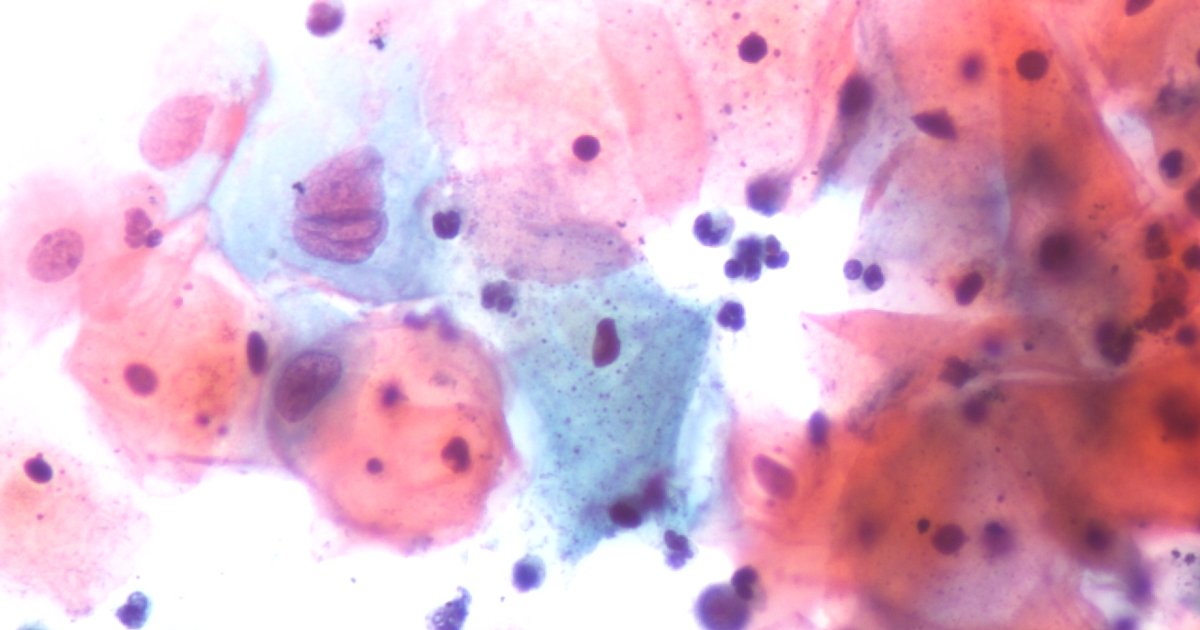


Table of contents
- Why HPV became a vaccine against cancer
- From infection to cancer: what the vaccine interrupts
- The impact evidence: national cohorts
- Age at vaccination and herd protection
- The origin of the single dose: findings by chance
- KEN SHE and DoRIS: the trials that settled the question
- What WHO has recommended since 2022
- How NEXO helps train this reasoning
- Frequently asked questions
- Take-home messages
- References
For years, the vaccine against human papillomavirus (HPV) carried a promise that was hard to test. Trials showed that it prevented infection and precursor lesions, but cervical cancer takes decades to appear, and no randomized study would wait that long. The proof would have to come from national cohorts, with millions of women followed through screening and cancer registries.
That proof has arrived. In England, women invited for the vaccine at 12 or 13 had a cervical cancer incidence 83.9 per 100 lower than the never-vaccinated cohort (Falcaro, 2024). At the same time, a second question changed the schedule: is a single dose enough? In 2022, the World Health Organization began accepting the single-dose schedule for girls and boys aged 9 to 20 (WHO, 2022).
This text covers both stories: how the vaccine's effect on cancer was measured and how unexpected findings, followed by dedicated trials, convinced the WHO that one dose protects as much as two.
Key points
- Those vaccinated by age 16 had a cervical cancer risk 80 per 100 lower in the Cochrane review of population studies (Henschke, 2025).
- The effect is greater the earlier the vaccine is given, before sexual debut (Palmer, 2019; Palmer, 2026).
- In the KEN SHE trial, one dose prevented about 97 per 100 persistent HPV16 and HPV18 infections (Barnabas, 2022).
- Protection held up over 54 months of follow-up (Barnabas, 2026).
- The WHO recommends at least two doses for immunocompromised people and people living with HIV (WHO, 2022).
Summary
- Why HPV became a vaccine against cancer
- From infection to cancer: what the vaccine interrupts
- The impact evidence: national cohorts
- Age at vaccination and herd protection
- The origin of the single dose: findings by chance
- KEN SHE and DoRIS: the trials that settled the question
- What the WHO recommends since 2022
- How NEXO helps train this reasoning
- Frequently asked questions
- Take-home messages
Why HPV became a vaccine against cancer
HPV is the most common viral infection of the reproductive tract. Most infections pass without symptoms: between 70 and 90 per 100 clear on their own within one to two years. The problem lies in the minority that persists. Persistent infection with an oncogenic type can lead to cervical intraepithelial neoplasia (CIN) and, without treatment, to invasive cancer (WHO, 2022).
The burden is large. In 2020, cervical cancer was the fourth leading cause of cancer and of cancer death in women, with about 604 thousand new diagnoses and more than 340 thousand deaths worldwide. Types 16 and 18 account for 71 per 100 cervical cancers, and nearly 9 in 10 diagnoses occur in low- and middle-income countries (WHO, 2022).
A vaccine that only prevents
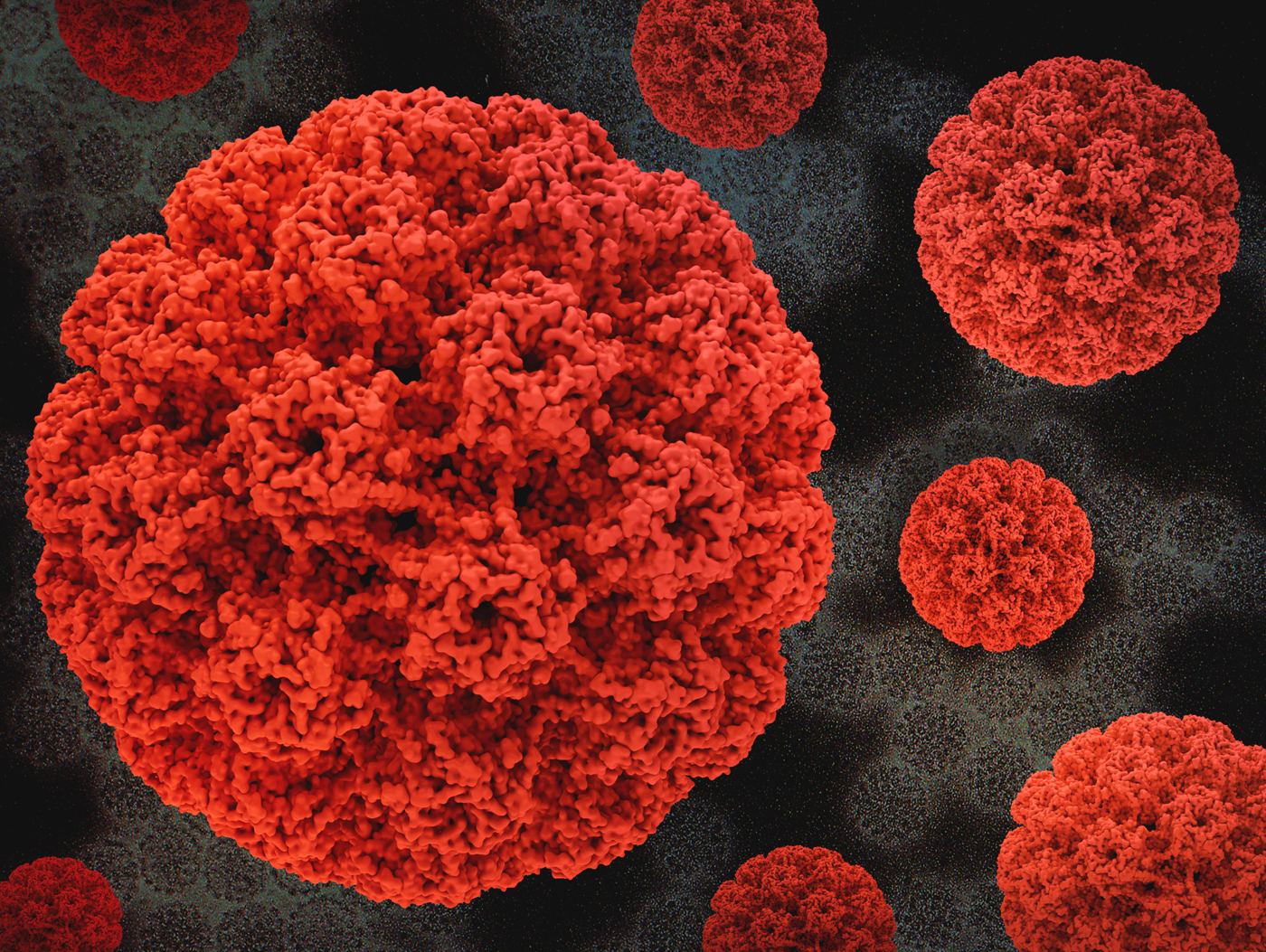
The HPV vaccine is prophylactic. It induces antibodies against the capsid protein L1, but it does not treat an infection already established. That is why the WHO strategy to eliminate cervical cancer as a public health problem calls for vaccinating 90 per 100 girls before exposure to the virus (Barnabas, 2026). Screening remains necessary, because the vaccine covers the most oncogenic types, and protection depends on the age at which it was given.
Three types of vaccine are available. The bivalent one covers HPV16 and HPV18; the quadrivalent one adds types 6 and 11, linked to anogenital warts; the nonavalent one also includes types 31, 33, 45, 52 and 58. To prevent cervical cancer, the WHO considers the three comparable in immunogenicity, efficacy and effectiveness (WHO, 2022).
From infection to cancer: what the vaccine interrupts
The sequence between infection and cancer creates a measurement problem. HPV is acquired in early adulthood, persistent infection takes about a decade to cause uncontrolled cell proliferation, and cancer usually appears in midlife, with a mean diagnosis at age 50 (Barnabas, 2026).
That is why studies use intermediate outcomes. The first is persistent infection by a vaccine type, detected by viral DNA in repeated samples. Then come high-grade lesions, CIN2 and CIN3, diagnosed on biopsy after an abnormal screening test. Invasive cancer is the final outcome, the most relevant and the slowest.
The licensing trials showed high efficacy against high-grade lesions, and following participants for 14 years maintained protection against high-grade CIN caused by HPV16 and 18 (Malvi, 2024). What was missing was seeing the effect in the population, with vaccinated and unvaccinated mixed together, imperfect adherence to the schedule and real-world screening.
Reasoning that calls for care
Comparing vaccinated and unvaccinated women seems simple, but the two groups differ. Someone who gets vaccinated may also have more screening, a different income or different sexual behavior. Population studies deal with this by comparing birth cohorts, adjusting for socioeconomic deprivation and analyzing age at vaccination. The same attention to design that separates association from cause appears in daily clinical reasoning, as the text on benefits and harms in decision-making shows.
The impact evidence: national cohorts
The United Kingdom became a natural laboratory. England and Scotland began vaccinating girls in 2008, with routine vaccination at 12 and 13 years and national screening and cancer registries.
England: invasive cancer
The English study analyzed women aged 20 to 64 living in the country between 2006 and mid-2020: 29,968 with a diagnosis of cervical cancer and 335,228 with CIN3. The vaccine was offered routinely at 12 and 13 years and in catch-up campaigns, between 2008 and 2010, for older adolescents (Falcaro, 2024).
In the routinely vaccinated cohort, cervical cancer and CIN3 rates were, respectively, 83.9 and 94.3 per 100 lower than in the never-invited cohort. By mid-2020, the vaccine had prevented about 687 cancers and 23,192 CIN3 cases. The strongest finding may be another one: in the unvaccinated cohort, cancer was more frequent the greater the socioeconomic deprivation; among those invited for vaccination, this gradient disappeared (Falcaro, 2024).
Scotland: precursor lesions and herd effect
Scotland used the bivalent vaccine. Among 138,692 women with a cytology record at age 20, vaccinated women born in 1995 and 1996 had an 89 per 100 reduction in the prevalence of CIN3 or worse, compared with unvaccinated women born in 1988 (Palmer, 2019).
The same study showed two findings that guide programs. Effectiveness against CIN3 or worse was 86 per 100 in those vaccinated at 12 or 13 years and 51 per 100 in those vaccinated at 17. And unvaccinated women in the 1995 and 1996 cohorts also had less high-grade disease, a sign of herd protection (Palmer, 2019).
The 2026 update followed the Scottish women for up to 12 years of screening. With a complete schedule, effectiveness against CIN3 or worse was 81.7 per 100 in those vaccinated at 12 or 13 years and 68.1 in those vaccinated between 14 and 16. Above 18 years, the vaccine showed no benefit. Women from the poorest areas had the highest incidence and had the largest reduction (Palmer, 2026).
The Cochrane synthesis
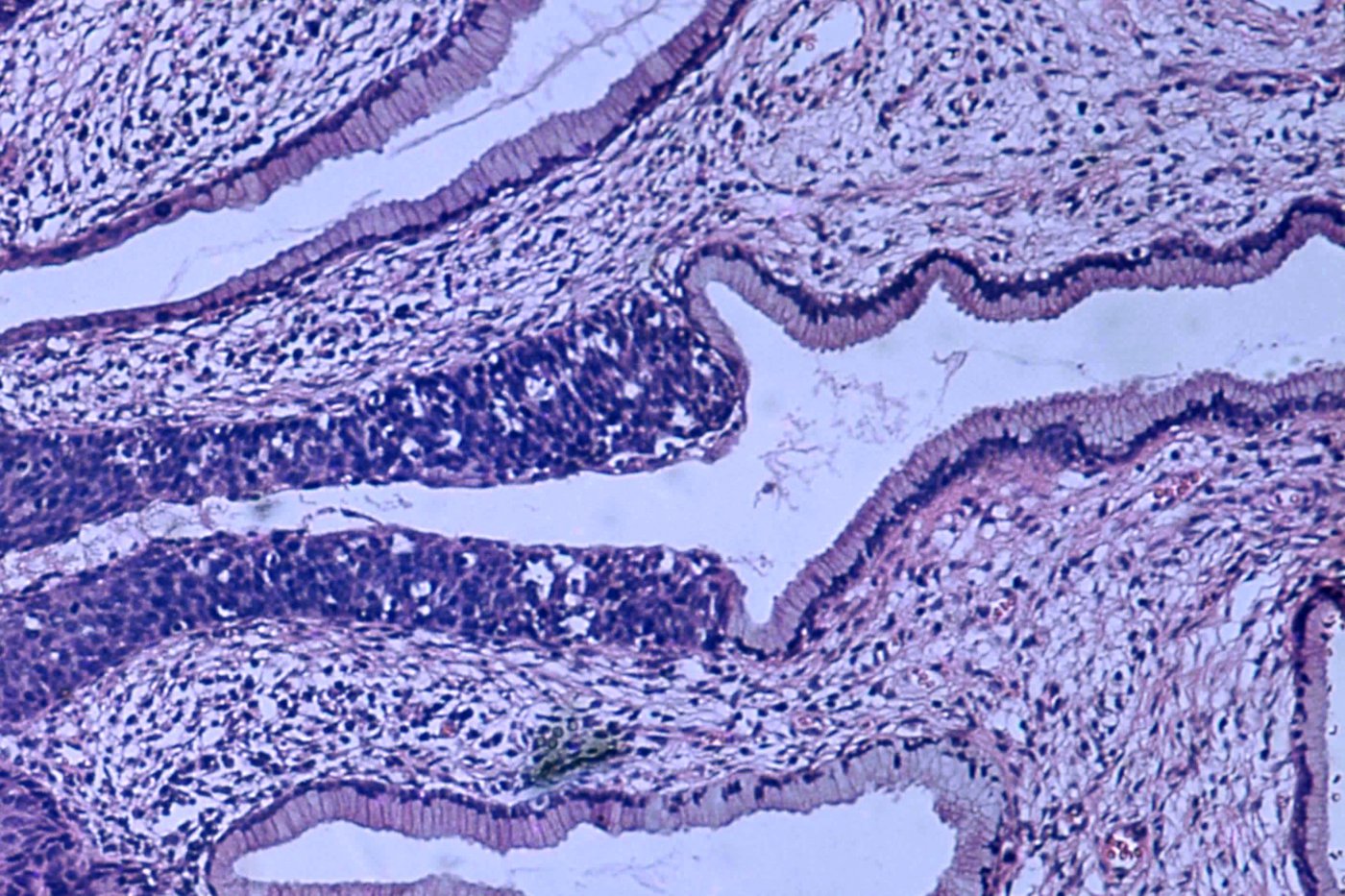
In 2025, a Cochrane review gathered 225 population studies with more than 132 million people. Five cohorts adjusted for confounding, totaling 4,390,243 women, showed a relative risk of cervical cancer of 0.37 after vaccination. For those vaccinated up to age 16, the relative risk was 0.20, a reduction of 80 per 100. CIN3 or worse fell 74 per 100 in 1.5 million women vaccinated in that age range (Henschke, 2025).
The certainty of evidence for cancer was rated moderate, downgraded because of methodological limitations of the observational studies. Even so, the direction was the same in different countries and designs, and the effect grew the younger the age at vaccination (Henschke, 2025).
Age at vaccination and herd protection
The age pattern appears in every study and has a simple explanation. Because the vaccine only prevents, it protects best those who have not yet come into contact with the virus. Vaccinating at age 12 reaches almost all of them before first exposure; vaccinating at 17 reaches many who have already been infected (Palmer, 2019; Palmer, 2026).
That is why WHO defines girls aged 9 to 14, before the start of sexual life, as the primary target population, and recommends prioritizing high coverage from the moment of introduction. Coverage above 80 out of every 100 girls also reduces infection in boys. Vaccinating several cohorts aged 9 to 18 at introduction speeds up the effect in the population (WHO, 2022).
Equity as an outcome
The British data show an effect that goes beyond the average. When the vaccine is offered routinely to a whole cohort, it also reaches girls in the poorest areas, where cancer was more frequent. In England, the cancer gap between the richest and poorest areas disappeared in the cohorts invited for routine vaccination (Falcaro, 2024). In Scotland, women from the poorest areas had the largest reduction in high-grade lesions (Palmer, 2026).
In the English catch-up campaigns, among older adolescents, the reduction in CIN3 was smaller in the poorest areas than in the richest. The authors note that vaccine uptake tends to be lower in the poorest areas and among ethnic minorities, which can reopen inequality when the offer does not reach everyone (Falcaro, 2024).
The origin of the single dose: findings by chance
The licensing trials planned three doses. The idea that one might be enough came from participants who, for reasons unrelated to the vaccine, received fewer than planned.
Costa Rica
In the Costa Rica phase III trial, about 20 out of every 100 women missed the three doses, generally for involuntary reasons. In 2011, the researchers reported that one dose of the bivalent vaccine seemed as effective as three against persistent infection in the first four years. Antibodies after one dose were lower than after three, but 9 times higher than those induced by natural infection, and remained stable for at least seven years (Kreimer, 2018).
The authors were cautious. The one-dose group was small, was not randomized and knew how many doses it had received. The conclusion was that a dedicated randomized trial was still needed to answer the question (Kreimer, 2018).
India
In India, a trial comparing two and three doses of the quadrivalent vaccine in girls aged 10 to 18 was halted in 2010 by government decision. Circumstances turned it into a cohort of 4,949 girls who received one dose, 4,980 who received two and 4,348 who received three (Basu, 2021).
Over 10 years, efficacy against persistent HPV16 and 18 infection was 95.4 out of every 100 with one dose, 93.1 with two and 93.3 with three (Basu, 2021). At a median of 12 years, efficacy in the single-dose group was 92.0, and no high-grade lesion caused by HPV16 or 18 appeared among the vaccinated, versus 8 among the unvaccinated (Malvi, 2024).
The limits of observational findings
These data were convincing, but with caveats. Those who received fewer doses were not randomized to that, and non-randomized comparisons carry the risk of hidden differences between groups. Judging a decision by the outcome that appeared later is a known trap, discussed in the text on retrospective bias and outcome bias. A definitive answer required randomization.
KEN SHE and DoRIS: the trials that settled the question
KEN SHE, in Kenya
KEN SHE was the first randomized, double-blind trial of single-dose efficacy. Between December 2018 and June 2021, 2,275 HIV-negative women aged 15 to 20 at three sites in Kenya were randomized to receive one dose of the nonavalent vaccine, the bivalent vaccine or a meningococcal vaccine as control. Retention was 98 out of every 100 (Barnabas, 2022).
At 18 months, among participants with no prior infection, there were 38 persistent HPV16 or 18 infections: one in the nonavalent group, one in the bivalent group and 36 in the control group. Efficacy was 97.5 out of every 100 for both vaccines. Against the seven oncogenic types in the nonavalent vaccine, it was 88.9. Serious adverse events ranged from 4.5 to 5.2 out of every 100, similar across groups (Barnabas, 2022).
The next question was duration. Over 36 months, there were 75 persistent HPV16 or 18 infections: two in the bivalent group, one in the nonavalent group and 72 in the control group. Efficacy was 98.8 for the nonavalent vaccine and 97.5 for the bivalent vaccine, with no serious vaccine-related events (Barnabas, 2023).
Then the control group received the vaccine, in a blinded crossover design. Over 54 months, the efficacy of a single dose was 99.3 per 100 against HPV16 and 18 and 98.9 against the seven oncogenic types, with no sign of waning over time (Barnabas, 2026).
DoRIS, in Tanzania
KEN SHE studied women aged 15 to 20. The target population for the vaccine, however, is girls aged 9 to 14. DoRIS randomized 930 girls in that age range, at 54 schools in Mwanza, Tanzania, to one, two or three doses of the bivalent or nonavalent vaccine (Baisley, 2022).
Because following girls until they become sexually active would take years, DoRIS used an immunological bridge: it compared antibodies in those who received one dose with those in groups where efficacy had already been shown. At 24 months, antibody levels were non-inferior to those of the historical cohorts in Costa Rica and India (Baisley, 2022). In a direct comparison with KEN SHE, titers against HPV16 and 18 in the girls were similar to or higher than those of the young Kenyan women, for both vaccines (Baisley, 2024).
Summary of the evidence
| Study | Design and population | Main finding |
|---|---|---|
| England | National cohort, women aged 20 to 64 | Cervical cancer 83.9 per 100 lower in the cohort vaccinated at 12 to 13 years of age (Falcaro, 2024) |
| Scotland | National cohort with the bivalent vaccine | CIN3 or worse 89 per 100 lower at age 20; herd effect (Palmer, 2019) |
| Cochrane | 225 population studies | Relative cancer risk of 0.20 in those vaccinated up to age 16 (Henschke, 2025) |
| Costa Rica | Non-randomized analysis of a trial | One dose with protection similar to three; stable antibodies (Kreimer, 2018) |
| India | Cohort after an interrupted trial | Efficacy of 92.0 per 100 with one dose over 12 years (Malvi, 2024) |
| KEN SHE | Randomized trial, women aged 15 to 20 | Efficacy of 97.5 at 18 months and 99.3 at 54 months (Barnabas, 2022; Barnabas, 2026) |
| DoRIS | Randomized trial, girls aged 9 to 14 | Antibodies non-inferior to those of groups with proven efficacy (Baisley, 2024) |
What WHO has recommended since 2022
With these data, the SAGE advisory group revised the recommendation in April 2022, and WHO published the new position paper in December, replacing the 2017 one (WHO, 2022). The path follows the roadmap described in the text on how WHO and countries decide the vaccination schedule, with GRADE and an evidence framework for the decision.
The accepted schedules
The two-dose schedule remains recommended from age 9, with a minimum interval of 6 months; a 12-month interval produces higher titers and may be used for programmatic reasons. As an alternative, off-label, WHO accepts the single-dose schedule for girls and boys aged 9 to 20 (WHO, 2022).
The rationale is explicit. The evidence suggests that one dose has efficacy and duration of protection comparable to two, simplifies logistics and may expand coverage. In WHO's assessment, the public health benefits outweigh the theoretical risk of waning protection over time, which had not been observed until then (WHO, 2022).
Who needs more than one dose
People who are immunosuppressed or living with HIV, at any age or with any use of antiretrovirals, should receive at least two doses, with a minimum interval of 6 months, and three if possible (WHO, 2022). KEN SHE excluded women with HIV, and WHO itself lists the response in this group as a research gap (Barnabas, 2022; WHO, 2022).
Safety
WHO considers HPV vaccines safe and well tolerated, including in immunosuppressed people. Adverse events are usually mild and brief. The contraindication is a severe allergic reaction to a previous dose or to a vaccine component. During pregnancy, the vaccine is not recommended, although 16 trials with more than 25,000 participants have shown no safety problem for pregnancy (WHO, 2022).
The Cochrane review also examined the events most cited on social media. The vaccine was not associated with postural orthostatic tachycardia syndrome, chronic fatigue, complex regional pain syndrome, ovarian failure, infertility or change in sexual activity, with moderate certainty; for Guillain-Barré, the evidence suggests no increase, with low certainty (Henschke, 2025).
A caveat from the Scottish data
The Scottish records include women with an incomplete schedule, defined as one dose or two doses one month apart, of the bivalent vaccine in catch-up campaigns. In those vaccinated at age 14 with this schedule, effectiveness against CIN3 or worse was 34.9 per 100, well below that observed with the complete schedule (Palmer, 2026).
The data call for careful reading. This group mixes different situations, includes catch-up adolescents and was small in the cohort of 12 and 13 year olds, with wide confidence intervals. The authors themselves write that the findings support the adoption of single-dose schedules evaluated by the British committee (Palmer, 2026). Weighing a discordant piece of data without discarding it or overvaluing it is part of what the text on diagnostic uncertainty calls deciding well without certainty.
How NEXO helps train this reasoning
In NEXO, the case of the day is fictional, with a real clinical presentation and up to six progressive clues, and you propose the diagnosis by searching for the ICD-10 code. Training the reading of clues exercises the same question that runs through this text: what the evidence shows, with what design and with what limit.
The limits of use of the game are described on the NEXO economy page. If you research the teaching of clinical reasoning, the page for researchers explains how to get in touch. Professionals who write or review cases find information in curation and in creators, and institutions can learn about the proposal on the partnerships page. To train searching for the code, see how the ICD-10 code is built, and to think about prevalence before deciding, the base rate in diagnosis.
Frequently asked questions
Is one dose of the HPV vaccine enough?
For girls and boys aged 9 to 20 without immunosuppression, the WHO accepts the single-dose schedule as an alternative outside the label. The two-dose schedule remains recommended (WHO, 2022). Each country's calendar defines which schedule the public program adopts.
Has the vaccine already shown a reduction in cancer, or only in lesions?
It has shown a reduction in invasive cancer. In England, the cohort vaccinated at 12 or 13 years had an incidence 83.9 per 100 lower (Falcaro, 2024), and the Cochrane review estimated a relative risk of 0.20 in those vaccinated up to age 16 (Henschke, 2025).
Why vaccinate so early?
The vaccine only prevents, and it protects best those who have not yet had contact with the virus. Scottish effectiveness against CIN3 or worse was 86 per 100 at 12 or 13 years and 51 at 17 (Palmer, 2019).
Can people living with HIV receive just one dose?
The WHO recommendation for people who are immunosuppressed or have HIV is at least two doses, ideally three (WHO, 2022).
Do vaccinated women still need screening?
Yes. The vaccine covers the most oncogenic types, and protection depends on the age at which it was given. The WHO strategy combines vaccine, screening and treatment (WHO, 2022; Palmer, 2026).
Does the vaccine cause infertility or autoimmune diseases?
The Cochrane review found no increased risk of infertility, ovarian failure, postural orthostatic tachycardia syndrome, chronic fatigue or complex regional pain (Henschke, 2025). To talk about these doubts, see the text on vaccine hesitancy and the conversation in the consultation.
Is there a difference between the bivalent, quadrivalent and nonavalent vaccines?
For preventing cervical cancer, the WHO considers the three comparable. The quadrivalent and nonavalent vaccines also prevent anogenital warts, and the nonavalent covers five more oncogenic types (WHO, 2022).
Take-home messages
- The HPV vaccine reduced cervical cancer in national cohorts, not only precursor lesions.
- The effect is greater the earlier the vaccine is given, before sexual activity begins.
- Routine vaccination with high coverage reduces inequality in cervical cancer.
- KEN SHE showed efficacy of one dose above 97 per 100, maintained at 54 months.
- DoRIS extended the finding, by immunological bridge, to girls aged 9 to 14 years.
- WHO accepts the single-dose schedule for ages 9 to 20, off-label.
- Immunosuppressed people and people with HIV should receive at least two doses.
- Screening remains necessary in vaccinated women.
Play today's case on NEXO.
References
- World Health Organization. Human papillomavirus vaccines: WHO position paper (2022 update). Weekly Epidemiological Record. 2022;97(50):645-672. who.int.
- Barnabas RV, Brown ER, Onono MA, Bukusi EA, et al. Efficacy of single-dose HPV vaccination among young African women. NEJM Evid. 2022. PMID 35693874. DOI 10.1056/EVIDoa2100056.
- Barnabas RV, Brown ER, Onono MA, Bukusi EA, et al. Durability of single-dose HPV vaccination in young Kenyan women: randomized controlled trial 3-year results. Nat Med. 2023. PMID 38049621. DOI 10.1038/s41591-023-02658-0.
- Barnabas RV, Brown ER, Bukusi EA, Njoroge B, et al. Efficacy and durability of immediate versus delayed single-dose HPV vaccination for persistent infection among young women in Kenya: a randomized, blinded, cross-over clinical trial. Nat Commun. 2026. PMID 42115165. DOI 10.1038/s41467-026-72654-8.
- Falcaro M, Soldan K, Ndlela B, Sasieni P. Effect of the HPV vaccination programme on incidence of cervical cancer and grade 3 cervical intraepithelial neoplasia by socioeconomic deprivation in England: population based observational study. BMJ. 2024. PMID 38749552. DOI 10.1136/bmj-2023-077341.
- Palmer T, Wallace L, Pollock KG, Cuschieri K, et al. Prevalence of cervical disease at age 20 after immunisation with bivalent HPV vaccine at age 12-13 in Scotland: retrospective population study. BMJ. 2019. PMID 30944092. DOI 10.1136/bmj.l1161.
- Palmer TJ, Kavanagh K, Cuschieri K, Cameron RL, et al. Sustained impact of bivalent HPV immunisation on CIN incidence over two rounds of cervical screening. Int J Cancer. 2026. PMID 41185413. DOI 10.1002/ijc.70183.
- Henschke N, Bergman H, Buckley BS, Crosbie EJ, et al. Effects of human papillomavirus (HPV) vaccination programmes on community rates of HPV-related disease and harms from vaccination. Cochrane Database Syst Rev. 2025. PMID 41276264. DOI 10.1002/14651858.CD015363.pub2.
- Kreimer AR, Herrero R, Sampson JN, Porras C, et al. Evidence for single-dose protection by the bivalent HPV vaccine – Review of the Costa Rica HPV vaccine trial and future research studies. Vaccine. 2018. PMID 29366703. DOI 10.1016/j.vaccine.2017.12.078. Original title with an em dash, replaced by an en dash.
- Basu P, Malvi SG, Joshi S, Bhatla N, et al. Vaccine efficacy against persistent human papillomavirus (HPV) 16/18 infection at 10 years after one, two, and three doses of quadrivalent HPV vaccine in girls in India: a multicentre, prospective, cohort study. Lancet Oncol. 2021. PMID 34634254. DOI 10.1016/S1470-2045(21)00453-8.
- Malvi SG, Esmy PO, Muwonge R, Joshi S, et al. A prospective cohort study comparing efficacy of 1 dose of quadrivalent human papillomavirus vaccine to 2 and 3 doses at an average follow up of 12 years postvaccination. J Natl Cancer Inst Monogr. 2024. PMID 39529521. DOI 10.1093/jncimonographs/lgae042.
- Baisley K, Kemp TJ, Kreimer AR, Basu P, et al. Comparing one dose of HPV vaccine in girls aged 9–14 years in Tanzania (DoRIS) with one dose of HPV vaccine in historical cohorts: an immunobridging analysis of a randomised controlled trial. Lancet Glob Health. 2022. PMID 36113532. DOI 10.1016/S2214-109X(22)00306-0.
- Baisley K, Kemp TJ, Mugo NR, Whitworth H, et al. Comparing one dose of HPV vaccine in girls aged 9–14 years in Tanzania (DoRIS) with one dose in young women aged 15–20 years in Kenya (KEN SHE): an immunobridging analysis of randomised controlled trials. Lancet Glob Health. 2024. PMID 38365419. DOI 10.1016/S2214-109X(23)00586-7.