Armed conflict and humanitarian crisesRadiation exposure
Depleted uranium: what is known about health risk



Table of contents
- What depleted uranium is and how it enters the body
- Chemical risk and radiological risk: two different problems
- What veterans show
- Civilians in Iraq, pregnancy and the limits of the evidence
- Assessing a person concerned about exposure
- How to talk with someone who was exposed
- Studies in summary
- How NEXO helps train this reasoning
- Frequently asked questions
- Take-home messages
- References
In a fictional case, a 52-year-old man arrives at the outpatient clinic with a folder of newspaper clippings. He served as a soldier on a mission in which depleted uranium ammunition was fired at armored vehicles. Since then he has had fatigue, joint pain and a fear of cancer. A colleague of his died of lymphoma. The clinical question has two layers: is there an internal uranium burden that justifies testing and surveillance, and how do you respond to a legitimate concern without promising what the evidence does not support.
Depleted uranium (DU) is what is left over from uranium enrichment. Because it is very dense, it is used in penetrating ammunition and in armor. It is a heavy metal with chemical toxicity and, at the same time, a low-activity alpha emitter. This text separates the two risks, shows what studies in veterans and civilians allow us to say, and proposes a structured conversation with those who were exposed. Internal contamination by emitters with a specific antidote is covered in the posts on cesium-137 and Prussian blue and on DTPA for plutonium and americium; the acute event with relevant irradiation, in the one on acute radiation syndrome. Here the focus is different: kidney, retained fragment and risk communication.
The joint reading of the toxicity reviews by Briner, Yue and Shaki, the urinary biomonitoring of veterans by Dorsey and Parrish, and the large military cohorts of Cocco and De Angelis forms the core of this post. Surdyk, Hindin and Al-Hadithi bring the evidence in civilians in Iraq; McAndrew, the model of exposure-informed care (Briner, 2010; Dorsey et al., 2009; Surdyk et al., 2021).
Key points
- DU has about 60 percent of the radioactivity of natural uranium and similar chemistry; Yue's review describes it as having little significant radiotoxicity compared with natural uranium (Yue et al., 2018).
- The kidney is the main target of chemical toxicity: in high exposure, there is tubular necrosis that may resolve on its own or require dialysis (Briner, 2010).
- In the biomonitoring of the US Department of Veterans Affairs (VA), only 3 of 1,700 urine samples with isotopic analysis showed DU, all from people with a retained fragment after friendly fire (Dorsey et al., 2009).
- In the meta-analysis of five NATO cohorts and in the Italian SEBAL cohort, the incidence of and mortality from cancer in general were lower than expected (Cocco, 2022; De Angelis et al., 2025).
- In Iraq, most studies report a positive association, but with a high risk of bias and very low certainty (Surdyk et al., 2021).
- The conversation with those who were exposed must state what is known and what is still uncertain, without dismissing the complaint (McAndrew et al., 2026).
What depleted uranium is and how it enters the body
Natural uranium is a mixture of isotopes. When the fraction rich in uranium-235 is separated for fuel or weapons, a material with less 235U is left over, called depleted.
The military use is explained by physics: high density, the ability to pierce armor and pyrophoricity, that is, the tendency to ignite and fragment on impact. Yue's review recalls that NATO forces fired more than 9 tons of DU in Kosovo in 1999, and that it was also used in the Gulf War and in other conflicts in the Balkans (Yue et al., 2018). The physical half-life is more than 4.49 x 10^9 years, which explains the environmental concern about soil and water (Yue et al., 2018).
The three routes of entry
For the clinician, the origin of the metal matters less than the path into the body. Shaki's review separates external and internal exposure and states that internal exposure is the most relevant (Shaki et al., 2019):
- Inhalation of aerosol. On impact against a hard target, part of the metal becomes fine oxide particles that can reach the deep lung and dissolve slowly (Parrish and Haley, 2021).
- Ingestion. Contaminated water and food are the route described for chronic environmental exposure (Shaki et al., 2019).
- Retained fragment. DU shrapnel lodged in muscle releases uranium continuously; in US veterans, only the retained fragment and involvement in an incident with DU ammunition or armor predicted DU in the urine (Dorsey et al., 2009).
- External contact. The skin receives mainly beta radiation from the decay products; it is the route of least weight in the toxicity described (Shaki et al., 2019).
The classification used by the US Department of Defense, the World Health Organization and the British Royal Society divides combat situations into three levels. Level I is direct inhalation of the impact aerosol, typical of those inside the vehicle that was hit; level II is resuspension of the aerosol or ingestion inside a contaminated vehicle; level III is inhalation of a plume at a distance or of soil dust (Parrish and Haley, 2021).
Chemical risk and radiological risk: two different problems
The most common confusion when talking with patients and colleagues is treating DU as "radioactive waste" and ignoring that it is, above all, a heavy metal. Briner makes this explicit: his review focuses on chemical toxicity precisely to separate it from the radiological effect and to distinguish low from high exposure (Briner, 2010).
The kidney at the center
Uranium is eliminated mainly in urine, and the metal accumulates in kidney tissue. In high amounts, the kidney is the target organ of acute toxicity, with potentially fatal tubular necrosis. Depending on the load, the kidney may recover on its own or with dialysis (Briner, 2010). In rats chronically exposed to low amounts for 12 months, there were subtle pathological changes in the kidney, biochemical changes suggesting dysfunction and anemia attributed to loss of renal erythropoietic function (Briner, 2010).
Yue and Shaki describe the same pattern: renal tubular necrosis as a typical effect in humans and animals, and oxidative stress, mitochondrial toxicity and inflammation as proposed mechanisms (Yue et al., 2018; Shaki et al., 2019). Shaki adds, from chronic exposure, behavioral changes, neurological effects, immunotoxicity, embryotoxicity and hepatotoxicity, mostly in experimental models (Shaki et al., 2019).
In practice, this shifts the initial workup toward kidney function and urine, and not toward lymphocyte counts. The assessment of kidney injury follows the general criteria discussed in the post on what KDIGO 2026 changed in acute kidney injury; those already taking nephrotoxic drugs deserve the same attention described in kidney injury from medicines (our synthesis).
The comparison with lead
Briner, in an earlier review, proposes looking at DU through the lens of other metals. He points to similarities with lead in the exposure route, the chemistry, the metabolic fate, the target organs and the effects in animals, and notes that the US military once suggested that DU would be no more toxic than lead (Briner, 2006). The comparison helps the clinician: a retained metal fragment that releases ions into the blood is a known problem, discussed in the post on retained projectile and lead. The difference is that, with DU, the main target is the kidney and the marker is urinary uranium with an isotopic ratio.
Radiation: low activity, contextual importance
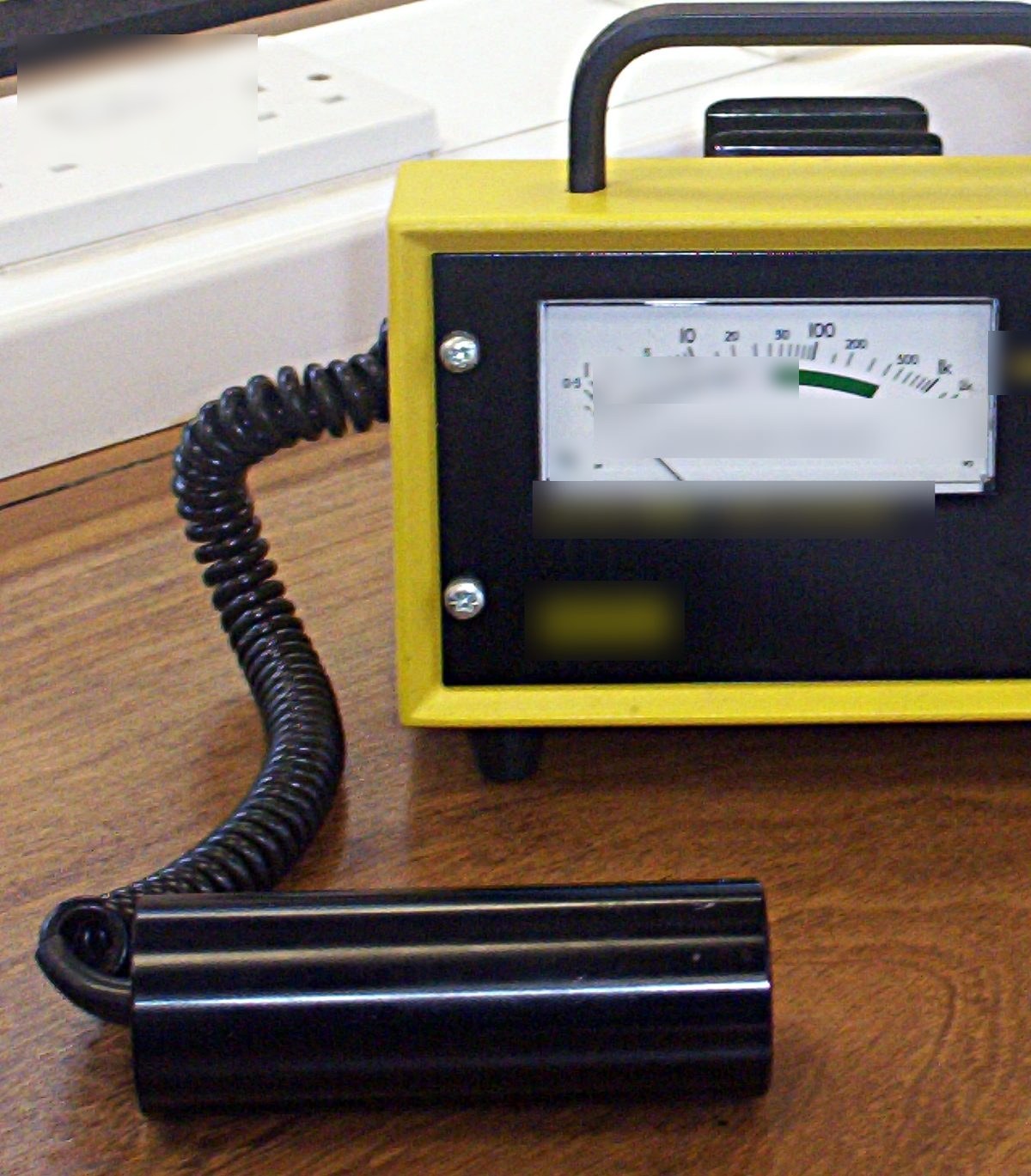
The radiological component exists, but it is small. Yue states that, compared with natural uranium, DU has low radioactivity and is not considered a cause of significant radiotoxicity (Yue et al., 2018). Briner, in turn, notes that evidence continues to accumulate that ingested DU may represent a radiological risk (Briner, 2010). The two statements do not contradict each other: the radiological risk is low per unit of mass, and its relevance grows when the alpha emitter stays for a long time next to tissue, as in the lung or around a shrapnel fragment.
This is the point that separates DU from the scenarios of a dirty bomb and of combined radiation and trauma injury. In those, the immediate question is relevant irradiation and hematological triage. With ammunition DU, the question is almost always metal in the kidney and a fragment in the body; long-term radiation follow-up, when indicated, follows the logic of the post on follow-up after radiation exposure (our synthesis).
What veterans show
Three lines of evidence complement each other: urinary biomonitoring, fragment analysis and long-term cohorts.
Urine: the isotopic marker
The VA program offers 24-hour urine uranium measurement to any veteran of the Gulf War or later conflicts, with an exposure questionnaire and inductively coupled plasma mass spectrometry (ICP-MS). Between 2003 and 2008, 1,769 samples arrived; the mean was 0.009 µg of uranium per gram of creatinine (Dorsey et al., 2009). Only 3 of 1,700 samples with isotopic determination showed a DU signature, and all three people had been involved in friendly-fire incidents with munitions or an armored vehicle (Dorsey et al., 2009).
The authors' conclusion is twofold. No urine with a "depleted" signature appeared in a veteran without a retained fragment, and future DU-related harm is unlikely in those without a fragment (Dorsey et al., 2009).
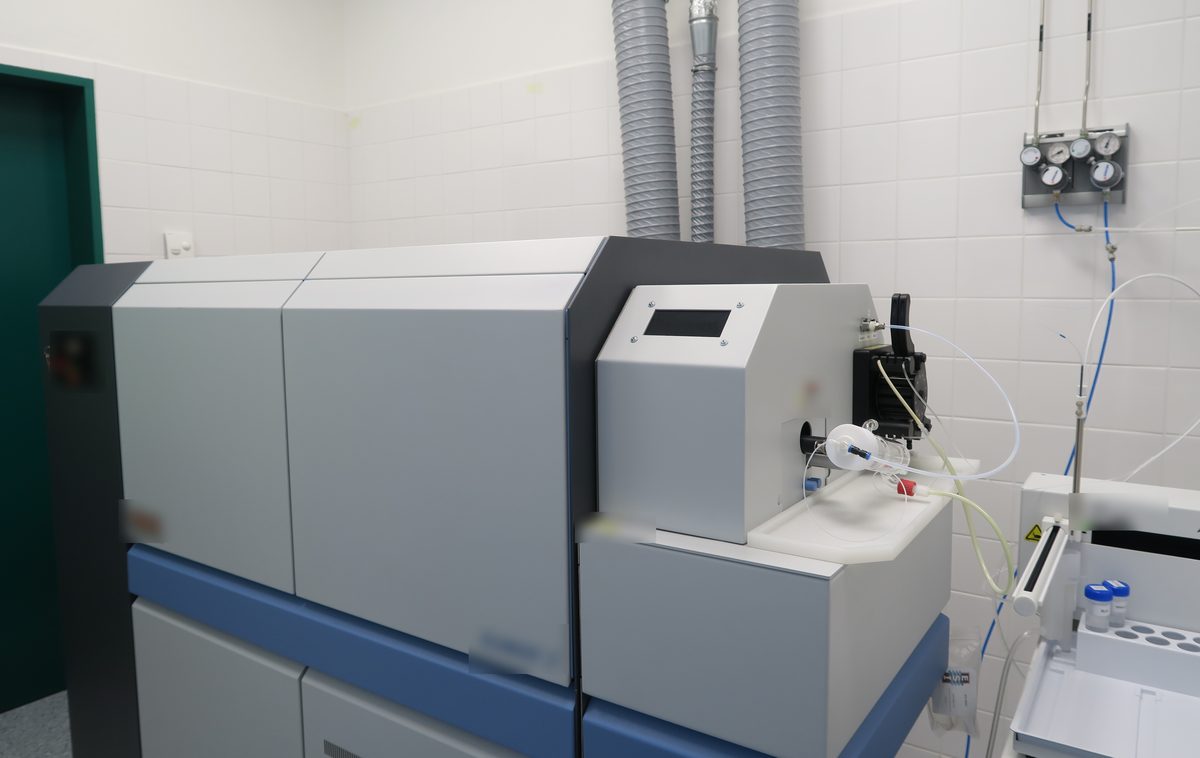
Parrish and Haley went further. They applied a standard biokinetic model to predict the urinary uranium expected years after each level of inhalation and then used high-sensitivity spectrometry in 154 veterans from a US population sample, with Gulf War illness (GWI) defined by standardized criteria (Parrish and Haley, 2021). The results were clear: the 238U/235U ratio was the same between those with GWI and controls, with no difference by reported exposure level, and uranium-236, a marker of DU from reprocessed fuel, was undetectable (Parrish and Haley, 2021). GWI, a chronic illness with multiple symptoms, affects about 25 percent of the troops deployed in 1991, according to the authors (Parrish and Haley, 2021); the study indicates that inhaling DU is an unlikely explanation for it.
Fragments: what stays in the body
The US Department of Defense began requiring chemical characterization of every fragment removed from a combat casualty. The Joint Pathology Center registry already had more than 800 fragments analyzed at the time of Centeno's publication (Centeno et al., 2014). Most were of a main metal, such as iron, copper or aluminum, with traces of antimony, titanium, uranium and lead. In one Gulf War case, the tissue capsule around the fragment contained uranium, confirmed as depleted by the isotopic ratio (Centeno et al., 2014).
The authors argue that analysis of the removed fragment should guide the decision to remove others, follow-up and anticipation of problems (Centeno et al., 2014). For the civilian clinician, the lesson is to keep and send for analysis shrapnel removed from a conflict victim when munitions with DU are suspected (our synthesis).
The cohort followed by the VA
The Baltimore group has followed Gulf War veterans exposed to DU in friendly-fire incidents since 1993, some of them with a retained fragment (Glick et al., 2024). In a 2019 subset, 36 of the cohort's 85 veterans underwent impulse oscillometry and spirometry; six had a restrictive pattern (Glick et al., 2024). The authors note that, until then, the group had not identified an effect of DU on the pulmonary health of this cohort (Glick et al., 2024).
European military cohorts
In Europe, concern grew with the excess of Hodgkin lymphoma reported among Italian military personnel who served in the Balkans (De Angelis et al., 2025). Cocco's meta-analysis pooled five cohorts (Denmark, Italy, the Netherlands, Norway and Sweden) of NATO military personnel in Bosnia and Kosovo. The incidence of all cancers was below expectations, as was that of lung and of almost all organs (Cocco, 2022). The Hodgkin excess appeared in the early years in the Italian cohort and disappeared during follow-up. The combined risk of bladder cancer was about twice the expected, with a fixed-effect estimate of 2.16 (95 percent CI 1.35 to 2.97) across three studies (Cocco, 2022). The author concludes that DU exposure, unproven in these groups, is an unlikely explanation for the isolated excesses (Cocco, 2022).
The Italian SEBAL cohort, with up to 71,042 military personnel sent to the Balkans between 1995 and 2004, was assessed for the first time with individual linkage to national death and hospitalization databases through 2018 (De Angelis et al., 2025). Compared with the Italian population, the military personnel had a standardized mortality ratio for natural causes of 0.40 and a hospitalization ratio for all cancers of 0.82 (De Angelis et al., 2025). There was a marginal increase in hospitalization for thyroid cancer (39 percent) and melanoma (32 percent), with no effect on mortality, and no excess of hematologic neoplasms, Hodgkin lymphoma included (De Angelis et al., 2025).
Civilians in Iraq, pregnancy and the limits of the evidence
The picture in civilians is harder: war, sanctions, other pollutants and incomplete records add up.
The systematic review by Surdyk searched 11 databases for observational studies in humans published between 1990 and 2020 and found 2,601 records (Surdyk et al., 2021). Thirty-six studies were included; 30 of them (83 percent) reported a positive association between uranium exposure and adverse outcomes (Surdyk et al., 2021). The review covers uranium used as a weapon, not only DU, and classified the whole set as at high or probably high risk of bias in the confounding domain and judged the certainty of the evidence for cancer and for birth defects to be very low (Surdyk et al., 2021).
Pregnancy and birth defects
The question from families and pregnant women is frequent and deserves a frank answer. Hindin and colleagues, in a review weighing the evidence, concluded that animal studies firmly support the possibility that DU is teratogenic (Hindin et al., 2005). In humans, the two biggest obstacles to proving causality are distinguishing the role of DU from other teratogens and documenting individual parental exposure; studies with biomarkers had not yet been reported (Hindin et al., 2005).
Al-Hadithi and colleagues reviewed the literature on birth defects in Iraq and added direct data from a maternity hospital in Al-Ramadi between 2000 and 2002 (Al-Hadithi et al., 2012). For them, the available studies show neither a clear increase in birth defects nor a clear indication of an environmental exposure, DU included, although the country has faced several environmental problems since 1980 (Al-Hadithi et al., 2012).
Counseling pregnant women about ionizing radiation in general is covered in the post on radiation in pregnancy. For DU, the honest message combines biological plausibility in animals, the absence of causal proof in humans and well-conducted routine prenatal care (our synthesis).
Assessing a person concerned about exposure
Most consultations about DU are not emergencies. It is a veteran, a humanitarian worker, a refugee or a journalist who was near combat and wants to know what to do. The script below is our synthesis based on the sources read.

Questions that change management
- Where and when was the person, and what was their role: inside a struck vehicle, rescue in a vehicle, impact area or distant base? This approximates level I, II or III (Parrish and Haley, 2021).
- Is there retained shrapnel, a scar from a blast wound or a fragment visible on an old radiograph (Dorsey et al., 2009)?
- Has any fragment already been removed and analyzed (Centeno et al., 2014)?
- Is there kidney disease, hypertension, diabetes or use of nephrotoxic drugs that alter the reading of kidney function?
- What other exposures were there: open-air burn pit smoke, solvents, other metals, combat stress?
Tests with a purpose
The order below is our synthesis. It starts from Dorsey's finding that the retained fragment is the main predictor of internal load and from the role of the kidney as the target organ (Dorsey et al., 2009; Briner, 2010).
- Creatinine, estimated filtration rate and urinalysis with protein testing, as a baseline assessment of the chemical target.
- Radiograph of the region of the old wound when there is a history of shrapnel.
- Uranium in a 24-hour urine sample, adjusted for creatinine, with isotopic analysis at a reference laboratory, when there is a fragment or level I or II exposure.
- Referral to surgery to discuss removal of the accessible fragment, with the material sent for chemical analysis.
- Tests guided by the symptoms, as in any other patient, without attributing everything to DU in advance.
And chelation?
Yue describes sodium bicarbonate, given orally or by slow intravenous infusion, until the urinary pH is between 8 and 9, as an old measure to help eliminate uranium, with low effectiveness and a risk of acid-base disturbance; the same review recalls that DTPA served as the comparison standard in experimental studies, but that Ca-DTPA forms unstable complexes with DU and is not suitable for chelating it (Yue et al., 2018). The Ca-DTPA label, discussed in the post on DTPA for plutonium and americium, states that efficacy against uranium is not expected. For old, low-level exposure, the sources read point to surveillance and removal of the fragment, and the decision on chelation in acute exposure belongs to the toxicology or radiological emergency center (our synthesis).
How to talk with someone who was exposed
The complaint of someone who believes they were contaminated comes loaded with history: the mission, sick colleagues, the news and, often, distrust of institutions. McAndrew and colleagues describe that scientific uncertainty can generate disagreement between patient and professional, a drop in trust and a feeling that the complaint was dismissed or that there is a cover-up, which they call institutional betrayal (McAndrew et al., 2026).
The VA exposure-informed care model brings together five fronts: tracking exposures and integrating them into care, with risk communication and building trust; training clinicians for assessment and consultation; maintaining surveillance and research; investing in workforce training; and having an institutional commitment to changing the culture (McAndrew et al., 2026). A Delphi study cited by the authors lists as core: concordant communication, trust, assessing and documenting, offering support and resources, assuming professional responsibility and integrating into care (McAndrew et al., 2026).
Phrases that help
The phrases below are our synthesis, anchored in the findings cited:
- "Let us separate two things: uranium as a metal, which can affect the kidney, and uranium as a source of radiation, which is weak."
- "What most increases the amount of uranium in the body is having a fragment lodged in it. Do you have one?" (Dorsey et al., 2009)
- "In the large studies with European military personnel, cancer in general was not above what was expected; that does not erase what you feel, and we will investigate your symptoms." (Cocco, 2022; De Angelis et al., 2025)
- "For civilians in Iraq, the studies still have serious limitations; the honest answer is that science has not settled this question." (Surdyk et al., 2021)
- "I will record your exposure in the medical record and order tests with a clear purpose, and we will talk again with the results."
The mistake to avoid is wavering between two extremes: saying that "depleted uranium is harmless" or agreeing that it explains every symptom. The first phrase breaks trust; the second closes off the diagnosis of other treatable diseases. Mental health enters the same conversation, with the care described in the post on mental health of refugees when the person comes from forced displacement (our synthesis).
Studies in summary
| Source | Design / set | Central finding used in this text |
|---|---|---|
| Briner 2010 | Review of chemical toxicity | Kidney as target; tubular necrosis; subtle changes in rats after 12 months |
| Yue 2018 | Review of mechanisms and chelation | Radioactivity about 60 percent that of natural uranium (Yue et al., 2018); low-effectiveness bicarbonate; Ca-DTPA unsuitable for DU |
| Shaki 2019 | Review of toxicodynamics | Internal exposure more relevant; kidney as chemical target |
| Briner 2006 | Review compared with other metals | Similarities with lead |
| Dorsey 2009 | VA biomonitoring, 24-h urine, ICP-MS | 3 of 1,700 samples with DU, all with a fragment (Dorsey et al., 2009) |
| Parrish and Haley 2021 | Population sample of veterans, high-sensitivity spectrometry | 154 veterans; isotopic ratio the same with and without GWI |
| Centeno 2014 | Joint Pathology Center fragment registry | More than 800 fragments; DU confirmed in a 1991 patient report |
| Glick 2024 | VA DU cohort, lung function | 36 of 85 veterans tested in 2019 |
| Cocco 2022 | Meta-analysis of 5 NATO cohorts | Total cancer below what was expected; bladder 2.16 (Cocco, 2022) |
| De Angelis 2025 | SEBAL cohort, Italian national databases up to 2018 | 71,042 military personnel; SMR 0.40 (De Angelis et al., 2025) |
| Surdyk 2021 | Systematic review, Navigation Guide and GRADE | 30 of 36 studies positive; very low certainty |
| Hindin 2005 | Review of the weight of evidence | Plausible in animals; human causality undefined |
| Al-Hadithi 2012 | Review and maternity data from Al-Ramadi | Clear increase in birth defects not demonstrated |
| McAndrew 2026 | Description of the VA model of care | Five fronts of exposure-informed care |
Sources: Briner, 2010; Yue et al., 2018; Shaki et al., 2019; Briner, 2006; Dorsey et al., 2009; Parrish and Haley, 2021; Centeno et al., 2014; Glick et al., 2024; Cocco, 2022; De Angelis et al., 2025; Surdyk et al., 2021; Hindin et al., 2005; Al-Hadithi et al., 2012; McAndrew et al., 2026.
How NEXO helps train this reasoning
In NEXO, the case of the day is fictional, with a real clinical presentation and up to six progressive clues, and you propose the diagnosis by looking for the code in ICD-10. One clue may bring "an old shard in a veteran's thigh" or "rising creatinine after a blast injury"; another may show the uranium isotope ratio in urine. The five-level proximity feedback helps separate metal nephrotoxicity, medication-related kidney injury and a complaint with no measurable internal burden, without turning the training into a field protocol. The useful exercise is to say out loud, at each clue, whether the question now is kidney, fragment or communication.
Frequently asked questions
Is depleted uranium radioactive?
It is, but only slightly: it has about 60 percent of the radioactivity of natural uranium, and Yue's review considers it of little radiotoxicity compared with natural uranium (Yue et al., 2018). The chemical risk to the kidney usually weighs more.
Does anyone who was near combat need a urine uranium test?
For veterans without a retained fragment, VA biomonitoring and the sensitive spectrometry of Parrish and Haley found no DU signature (Dorsey et al., 2009; Parrish and Haley, 2021). The test makes more sense with a shard or exposure inside a struck vehicle.
Does depleted uranium cause cancer?
In European military cohorts, cancer overall was below the expected level, and the isolated excesses were considered unlikely to be explained by DU (Cocco, 2022; De Angelis et al., 2025). In Iraqi civilians, associations have been reported, but with very low certainty (Surdyk et al., 2021).
Should I remove a depleted uranium fragment?
The retained fragment is the main source of internal burden (Dorsey et al., 2009). The surgical decision considers access, surgical risk and the chemical analysis of fragments already removed, as the Joint Pathology Center registry proposes (Centeno et al., 2014).
Is DTPA used for uranium?
The Ca-DTPA label says efficacy against uranium is not expected, as discussed in the DTPA post. Yue also considers Ca-DTPA unsuitable for chelating DU and describes bicarbonate, of low efficiency, to alkalinize the urine (Yue et al., 2018).
Take-home messages
- Separate the two risks: DU is first a nephrotoxic metal and only then a weak alpha emitter.
- Ask about shrapnel: the retained fragment is what best predicts a measurable internal burden.
- Start with the kidney: creatinine and urinalysis are the basis; urinary uranium with an isotope ratio comes in when there is a fragment or high exposure.
- Read the cohorts calmly: European military personnel show no overall excess of cancer; civilians in Iraq have evidence of very low certainty.
- Talk frankly: say what is known, what is uncertain and what will be done, without dismissing the complaint or attributing everything to uranium.
References
- Briner W. The toxicity of depleted uranium. Int J Environ Res Public Health. 2010;7(1):303-313. PMID: [20195447](https://pubmed.ncbi.nlm.nih.gov/20195447/). PMC: [PMC2819790](https://www.ncbi.nlm.nih.gov/pmc/articles/PMC2819790/).
- Yue YC, Li MH, Wang HB, Zhang BL, He W. The toxicological mechanisms and detoxification of depleted uranium exposure. Environ Health Prev Med. 2018;23(1):18. PMID: [29769021](https://pubmed.ncbi.nlm.nih.gov/29769021/). PMC: [PMC5956823](https://www.ncbi.nlm.nih.gov/pmc/articles/PMC5956823/).
- Shaki F, Zamani E, Arjmand A, Pourahmad J. A review on toxicodynamics of depleted uranium. Iran J Pharm Res. 2019;18(Suppl1):90-100. PMID: [32802091](https://pubmed.ncbi.nlm.nih.gov/32802091/). PMC: [PMC7393059](https://www.ncbi.nlm.nih.gov/pmc/articles/PMC7393059/).
- Briner WE. The evolution of depleted uranium as an environmental risk factor: lessons from other metals. Int J Environ Res Public Health. 2006;3(2):129-135. PMID: [16823086](https://pubmed.ncbi.nlm.nih.gov/16823086/). PMC: [PMC3807504](https://www.ncbi.nlm.nih.gov/pmc/articles/PMC3807504/).
- Dorsey CD, Engelhardt SM, Squibb KS, McDiarmid MA. Biological monitoring for depleted uranium exposure in U.S. veterans. Environ Health Perspect. 2009;117(6):953-956. PMID: [19590689](https://pubmed.ncbi.nlm.nih.gov/19590689/). PMC: [PMC2702412](https://www.ncbi.nlm.nih.gov/pmc/articles/PMC2702412/).
- Parrish RR, Haley RW. Resolving whether inhalation of depleted uranium contributed to Gulf War Illness using high-sensitivity mass spectrometry. Sci Rep. 2021;11(1):3218. PMID: [33602963](https://pubmed.ncbi.nlm.nih.gov/33602963/). PMC: [PMC7893152](https://www.ncbi.nlm.nih.gov/pmc/articles/PMC7893152/).
- Centeno JA, Rogers DA, van der Voet GB, et al. Embedded fragments from U.S. military personnel - chemical analysis and potential health implications. Int J Environ Res Public Health. 2014;11(2):1261-1278. PMID: [24464236](https://pubmed.ncbi.nlm.nih.gov/24464236/). PMC: [PMC3945537](https://www.ncbi.nlm.nih.gov/pmc/articles/PMC3945537/).
- Glick DR, Brown CH, Li L, Gucer P, Gaitens JM, McDiarmid MA, Hines SE. Performance of impulse oscillometry in identifying restrictive lung defects in a veteran cohort. Open Respir Med J. 2024;18:e18743064304109. PMID: [39130647](https://pubmed.ncbi.nlm.nih.gov/39130647/). PMC: [PMC11311798](https://www.ncbi.nlm.nih.gov/pmc/articles/PMC11311798/).
- Cocco P. Cancer incidence among the NATO peacekeeping forces in Bosnia and Kosovo: a systematic review and metanalysis. Med Lav. 2022;113(1):e2022011. PMID: [35226651](https://pubmed.ncbi.nlm.nih.gov/35226651/). PMC: [PMC8902746](https://www.ncbi.nlm.nih.gov/pmc/articles/PMC8902746/).
- De Angelis R, Rossi S, Bugani M, et al. Long-term mortality and hospitalisation among Italian veterans deployed to the Balkans: a retrospective longitudinal study based on individual linkage with national health data. Front Public Health. 2025;13:1605457. PMID: [41048296](https://pubmed.ncbi.nlm.nih.gov/41048296/). PMC: [PMC12491181](https://www.ncbi.nlm.nih.gov/pmc/articles/PMC12491181/).
- Surdyk S, Itani M, Al-Lobaidy M, et al. Weaponised uranium and adverse health outcomes in Iraq: a systematic review. BMJ Glob Health. 2021;6(2):e004166. PMID: [33619039](https://pubmed.ncbi.nlm.nih.gov/33619039/). PMC: [PMC7903104](https://www.ncbi.nlm.nih.gov/pmc/articles/PMC7903104/).
- Hindin R, Brugge D, Panikkar B. Teratogenicity of depleted uranium aerosols: a review from an epidemiological perspective. Environ Health. 2005;4:17. PMID: [16124873](https://pubmed.ncbi.nlm.nih.gov/16124873/). PMC: [PMC1242351](https://www.ncbi.nlm.nih.gov/pmc/articles/PMC1242351/).
- Al-Hadithi TS, Al-Diwan JK, Saleh AM, Shabila NP. Birth defects in Iraq and the plausibility of environmental exposure: a review. Confl Health. 2012;6(1):3. PMID: [22839108](https://pubmed.ncbi.nlm.nih.gov/22839108/). PMC: [PMC3492088](https://www.ncbi.nlm.nih.gov/pmc/articles/PMC3492088/).
- McAndrew LM, Burgo-Black L, Hunt SC, Kossoudji A, Mains KC, Shuping E, Llorente MD. Exposure-informed care: why it's important and how the Veterans Affairs does it. Med Care. 2026;64(2 Suppl):S103-S110. PMID: [41385254](https://pubmed.ncbi.nlm.nih.gov/41385254/). PMC: [PMC12704665](https://www.ncbi.nlm.nih.gov/pmc/articles/PMC12704665/).