Burnout and well-beingClerkships and residency
Surgeon ergonomics: pain, posture and career
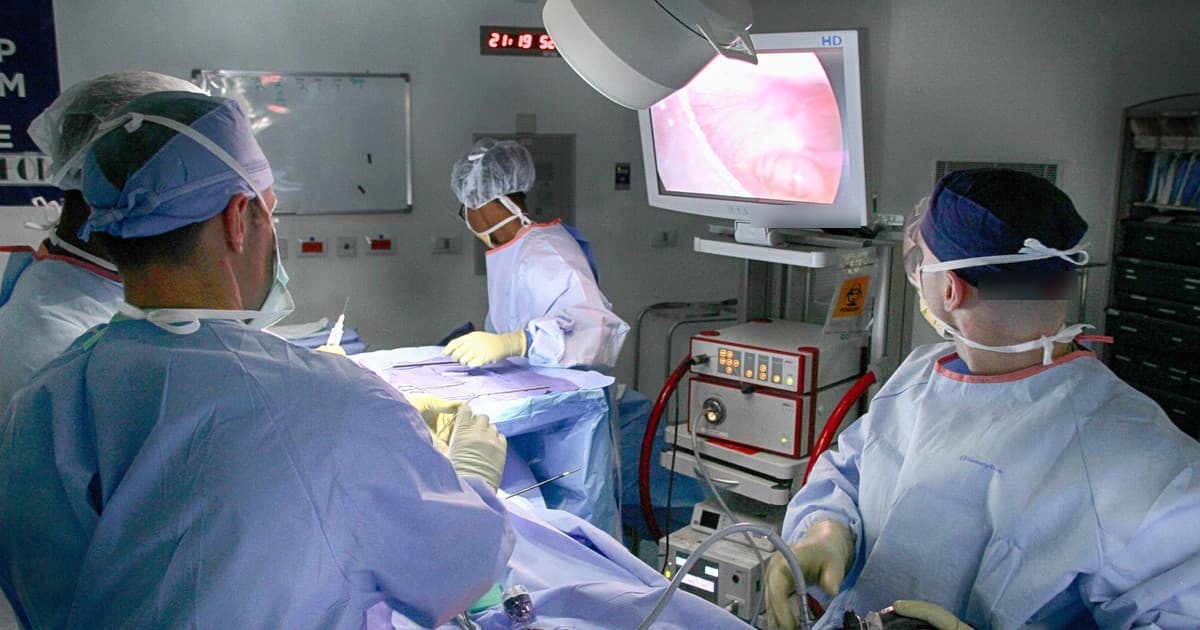



Table of contents
In a fictional case, a 41-year-old general surgeon finishes the third laparoscopic colectomy of the week, after almost five hours standing. The monitor was to the right and above eye level, the table was high for her height, and she spent much of the time with her shoulders raised and her neck turned. In the locker room, she feels pain running from the nape of her neck down to her right shoulder and notices her hand tingling as she holds her phone. The neck pain is old; she takes an anti-inflammatory when it gets worse and carries on.
In the evening, she talks to an older colleague, who says he has reduced his surgical schedule because of his spine and that this is part of the profession. She asks whether it has to be this way. This text gathers what reviews, meta-analyses and studies with surgeons from several countries show about the pain of those who operate, what laparoscopy and robotics changed and what can be adjusted.
Key points
- In a meta-analysis with 5152 surgeons, 68 percent reported generalized work-related pain, and the most cited regions were the back, neck and arm or shoulder (Stucky et al., 2018).
- Surgeons using minimally invasive techniques were more likely to have neck and shoulder pain than those doing open surgery (Stucky et al., 2018).
- Robotics reduces overall muscle activation, but the console brings trunk and neck flexion, and the perception of less effort does not always appear in objective measurements (Cooper et al., 2025).
- Short microbreaks during surgery improved pain or discomfort in some trials, without lengthening operative time (Heierli et al., 2026).
- Few people receive ergonomics training, and the pain starts as early as residency (Aaron et al., 2021).
- An almost universal pain
- Where it hurts and why
- Laparoscopy and robotics: what changed
- What can be adjusted in the room
- Breaks, exercise and care
- Pain and career
- Studies in summary
- How NEXO helps train this reasoning
- Frequently asked questions
- Take-home messages
An almost universal pain
Work-related musculoskeletal pain is so common among surgeons that many treat it as part of the job. A systematic review with meta-analysis gathered 40 articles published between 1980 and 2014 and questionnaire data from 5152 surgeons (Stucky et al., 2018). Generalized pain was reported by 68 percent, fatigue by 71 percent, stiffness by 45 percent and numbness by 37 percent (Stucky et al., 2018). The most affected regions were the back, at 50 percent, the neck, at 48 percent, and the arm or shoulder, at 43 percent (Stucky et al., 2018).
On every continent
A more recent meta-analysis, with 68 studies and 17 188 surgeons, estimated the prevalence of work-related musculoskeletal disorders by continent (Gorce and Jacquier-Bret, 2025). Global prevalence was 77.6 percent in Asia, 73.1 percent in Europe and 62.8 percent in the Americas, with wide confidence intervals (Gorce and Jacquier-Bret, 2025). Neck, upper and lower back and shoulders were the most exposed regions in all world regions, with prevalences between 30 and 50 percent (Gorce and Jacquier-Bret, 2025). Most of the included studies came from the Americas, and only one from Oceania, which limits the comparison.
From residency onward
The pain appears early. In a questionnaire with general surgery and orthopedics residents at a North American center, 43 of the 164 invited responded, and neck pain was reported by 81.3 percent of them (Mohamed et al., 2026). Low back pain came right behind, at 79.0 percent, followed by upper back pain (Mohamed et al., 2026). The authors recorded daily or weekly pain as early as the first year of residency. The sample is small and the response rate low, which may have attracted precisely those who feel pain.
In the United Kingdom, a cross-sectional study with 242 hospital surgeons found only 17 percent with no pain at all (Ntani et al., 2025). The prevalence of pain in the last month ranged from 46 percent in the lower back to 12 percent in the ankle, and the pain often got in the way of daily life (Ntani et al., 2025).
Those who feel it treat it little
The surgeon who feels pain rarely seeks help. In Stucky's meta-analysis, operating made the pain worse for 61 percent of surgeons, but only 29 percent sought treatment (Stucky et al., 2018). The same pattern of postponing care for one's own health appears in other contexts of medical life, as discussed in the text on Burnout in medical school: signs and prevention.
Where it hurts and why
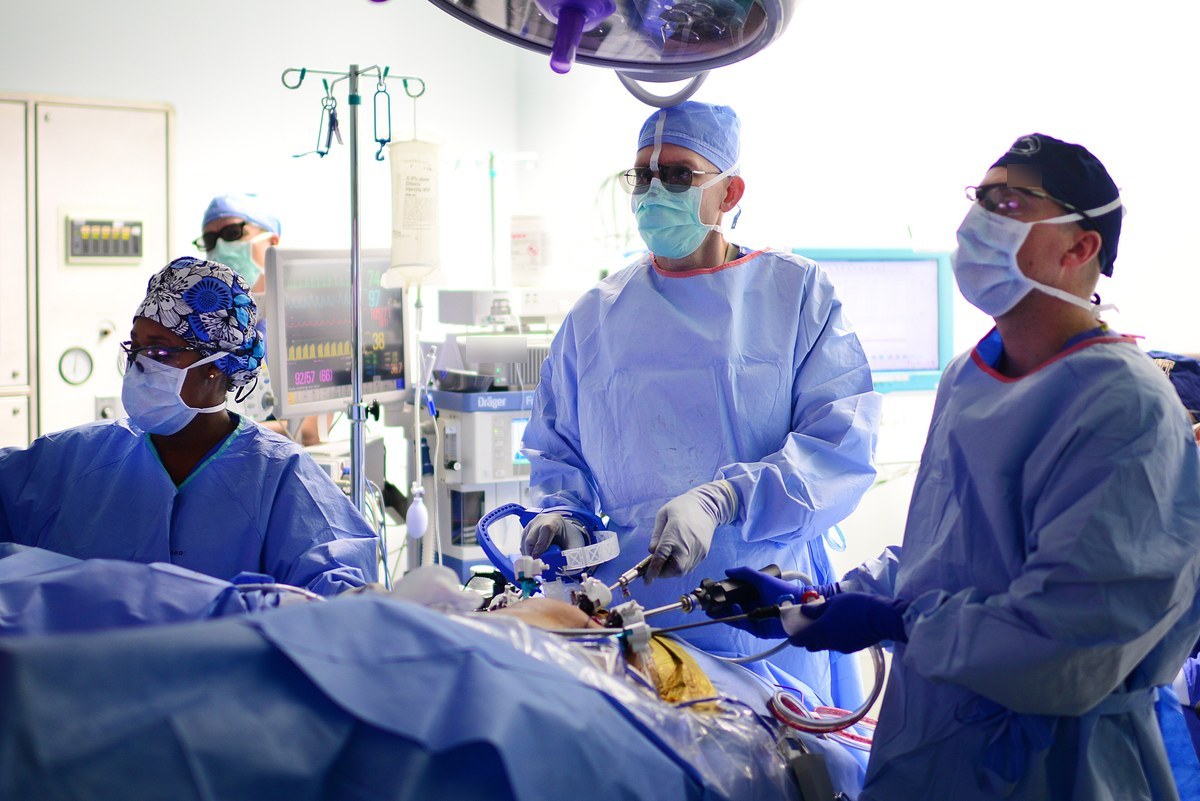
Surgery combines everything occupational ergonomics tries to avoid: static posture for hours, flexed neck, raised shoulders, wrists at extreme angles and little pause between procedures. In a university hospital in the United States, the occupational health team observed 91 surgeons from ten surgical departments during surgery with the REBA scale, which scores whole-body postural risk (Aaron et al., 2021). In the questionnaire sent to the same departments, 69.7 percent of the 167 respondents reported musculoskeletal pain (Aaron et al., 2021).
Standing or sitting
Among the Stanford respondents, 54.9 percent said they felt the worst pain operating standing, against 14.4 percent operating seated (Aaron et al., 2021). Pain affected the work of 47.7 percent and life outside the hospital for 59.5 percent (Aaron et al., 2021). The study was anonymous, and for that reason it was not possible to cross each surgeon's postural score with the symptoms they reported.
The postures that weigh
A literature review accompanied by a questionnaire among resident and attending plastic surgeons at a North American institution identified three recurring postural habits: head projected forward with flexed neck, abducted arms with internal rotation of the shoulders and thoracic kyphosis (Winters et al., 2020). Forward head was the most reported, by 73.5 percent of participants (Winters et al., 2020). Loupes, headlights, microscopes and laparoscopic instruments were cited as factors that worsened symptoms.
In neurosurgery, a systematic review of 12 studies described spine surgeons with sustained cervical flexion and little attention to their own posture during the operation (Lavé et al., 2020). In one of the questionnaires included, low back pain reached 62 percent of surgeons, and pain in the neck, shoulder, fingers and wrist was more frequent than in the general population (Lavé et al., 2020). Carpal tunnel syndrome had a linear relationship with accumulated hours of spine surgery.
Measurement and symptom do not always coincide
A curious finding of Stucky's meta-analysis was the lack of a direct association between the muscles most demanded in electromyographic measurements and the reported symptoms (Stucky et al., 2018). The surgeon's pain depends on the load, but also on exposure time, recovery between procedures and factors outside the room, which helps explain why a single measurement rarely explains everything.
Laparoscopy and robotics: what changed
Minimally invasive surgery brought clear advantages to the patient and a new set of loads to the surgeon. Compared with open surgery, surgeons using minimally invasive techniques were more likely to have neck pain, with an odds ratio of 2.77 (95% CI 1.30 to 5.93) (Stucky et al., 2018). For arm or shoulder pain, the odds ratio was 4.59 (95% CI 2.19 to 9.61), and fatigue was also more frequent (Stucky et al., 2018). The intervals exclude the null, but they are wide and come from questionnaires pooled in a fixed-effect model, which calls for caution about the magnitude. The same meta-analysis found no direct relationship between the measured muscle load and the reported symptoms (Stucky et al., 2018).
Why laparoscopy is tiring
A narrative review on laparoscopy points out the most frequent sources of strain: a poorly positioned monitor, table height unsuitable for the surgeon's stature, one-size-fits-all instruments and non-neutral postures, such as the one that arises when the image appears mirrored in relation to the movement (Mohammad Azmi et al., 2026). Long instruments move the elbow away from the body and raise the shoulder, and whoever holds the camera spends long periods motionless in the same position. The authors themselves stress that the associations described come from heterogeneous studies and do not demonstrate cause.
In an Italian national questionnaire with 300 surgeons, laparoscopy was the technique most associated with discomfort, cited by 62.7 percent, and robotic surgery the least associated, by 1.4 percent (Restaino et al., 2024). The most painful regions were the back, the neck and the shoulders (Restaino et al., 2024).
The robotic console
Robotics allows operating while seated, with forearm support and three-dimensional vision. A systematic review of 16 studies with 508 surgeons compared conventional laparoscopy with robot-assisted surgery by surface electromyography and effort scales (Cooper et al., 2025). In laparoscopy, the deltoid, triceps, biceps and wrist muscles were the most activated; at the console, the lumbar region, the trapezius and the finger muscles. Overall muscle activation was generally lower in robotics, and most surgeons perceived it as less tiring, but individual studies had conflicting results and some recorded more trunk and neck flexion at the console.
A Danish crossover study illustrates this gap between perception and measurement. Four experienced surgeons performed inguinal hernia repair by both techniques, and perceived effort after robotic surgery was lower, with a median of 1.5 versus 3.0 on the Borg scale (Valorenzos et al., 2025). The postural score by the RULA scale, however, was the same, with a median of 3 in both techniques, and static activity of the left erector spinae was higher in robotics (Valorenzos et al., 2025). The difference in RULA was nil, and, with only four surgeons, the study serves to raise the question, not to answer it.
In short, robotics changes the type of load: it relieves shoulders and arms and can transfer part of the effort to the neck, the lower back and the fingers if the console is not well adjusted.
What can be adjusted in the room
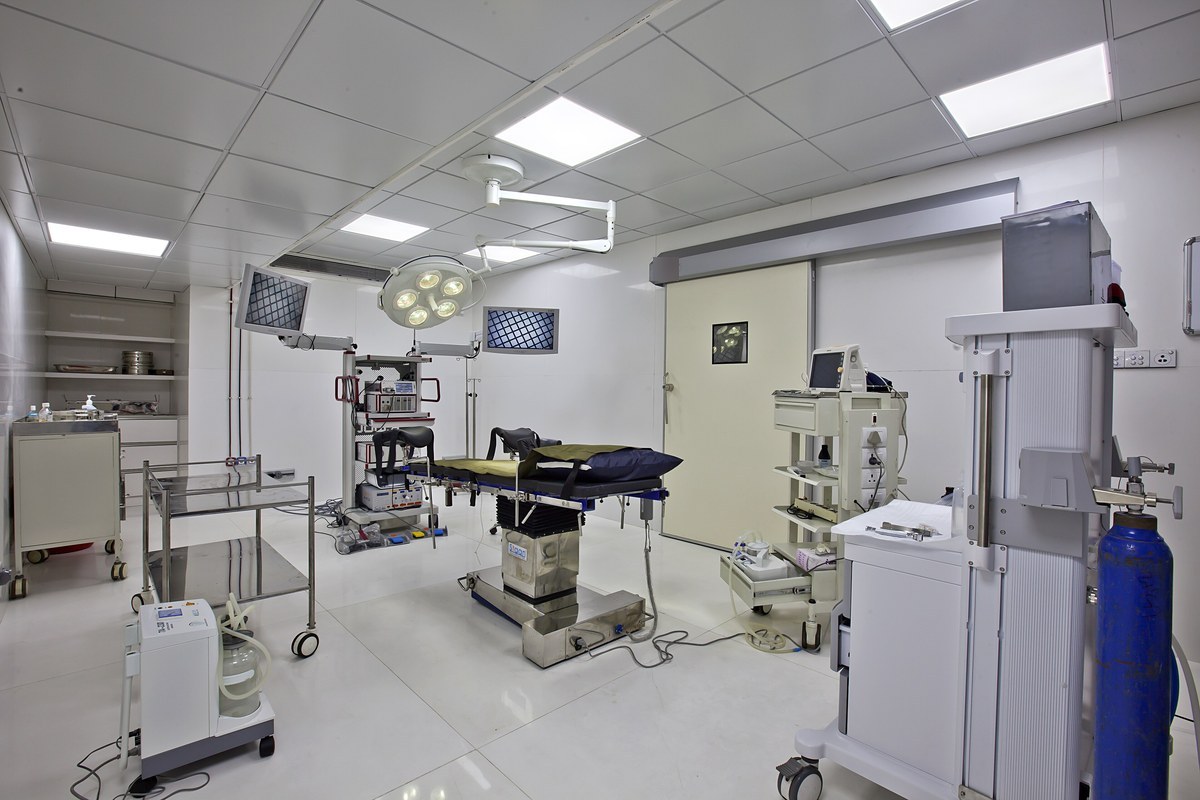
Much of the load comes from how the room is set up, and it can be corrected in a few minutes before the incision. The narrative review on laparoscopy gathers practical recommendations, based on experimental ergonomics studies (Mohammad Azmi et al., 2026):
- Table at the surgeon's elbow height, with a footstool for those shorter than the rest of the team.
- Monitor in front, with the top edge of the screen at eye level or slightly below.
- Monitor distance of about one extended arm, between 0.8 and 1.2 meters (Mohammad Azmi et al., 2026).
- Instruments with a handle suited to hand size, avoiding extreme wrist extension or flexion.
- At the robotic console, adjust the seat, the armrests and the viewing height before starting.
- Review the setup whenever the surgical field moves to another quadrant.
Why the adjustment gets set aside
The same review notes that, under time pressure and with other clinical priorities, surgeons stop adjusting the table height and compensate with unfavorable postures (Mohammad Azmi et al., 2026). This explains why ergonomic checklists and nursing participation in setup are often proposed as part of the room routine.
Training in ergonomics
At Stanford, only 23.8 percent of surgeons had received any training in ergonomics (Aaron et al., 2021). Among the plastic surgeons in the Winters study, 83 percent reported a lack of teaching on posture and ergonomics (Winters et al., 2020). In the Italian questionnaire, 94 percent said they would have found such teaching useful during residency (Restaino et al., 2024). Ergonomics, therefore, seems to be a training gap, and not only an equipment one.
Breaks, exercise and care
Changing how the room is set up is only one part. The other is interrupting static posture and taking care of the body outside the room.
Microbreaks during surgery
A systematic review gathered ten trials, eight crossover and two randomized, with 284 participants, on microbreaks with stretching during surgery (Heierli et al., 2026). The median break duration was 1.75 minutes, with a median interval of 25 minutes between them (Heierli et al., 2026). Six of the ten trials showed at least one better outcome; pain and discomfort improved in five of eight studies that assessed them, and concentration in three of three. The five studies that measured operating time found no increase in surgery duration.
The interventions varied widely in duration, frequency and exercises, so the authors did not run a meta-analysis, only a descriptive synthesis. The long-term effect and the best format are still unknown. In Italy, 43.9 percent of surgeons already took breaks or did short exercises to relieve pain during surgery (Restaino et al., 2024).
Outside the room
Winters and colleagues, together with physiotherapists and fitness trainers, put together videos with postural assessment and stretching and strengthening exercises for the neck, back and shoulders, designed for the routine outside the room (Winters et al., 2020). The material is educational and was not tested in a trial. Neurosurgery also lists exercise and adjusting the weekly schedule among the measures to prioritize (Lavé et al., 2020).
The evidence on exercise for chronic low back pain in general is in the text Exercise for chronic low back pain: what the evidence supports, and the recommendation for physical activity in adults appears in Exercise as prescription: the WHO recommendation in practice.
Long surgeries
The physical load adds to the cognitive one when surgery runs long. Short breaks were also associated with better concentration in the reviewed trials (Heierli et al., 2026). What happens to decisions in the last hours of work is in Decision fatigue on shift: what changes in the last hours and in Sleep deprivation on shift and medical error, and the effect of acute tension on reasoning in Acute stress and clinical reasoning: what changes in the scene.
Pain and career
Pain weighs on professional choices. In the Italian questionnaire, 15.8 percent of surgeons said they would switch to a specialty that is less physically demanding (Restaino et al., 2024). In the review on neurosurgery, the authors note that musculoskeletal disorders can lead to absence from work and affect career length (Lavé et al., 2020).
Early retirement
In the British study, the more physically demanding the activities, the higher the risk of pain, with a prevalence ratio of 1.04 per level of demand (95% CI 1.01 to 1.07) (Ntani et al., 2025). A better balance between work and personal life was associated with less pain, with a prevalence ratio of 0.92 (95% CI 0.85 to 0.99) (Ntani et al., 2025). Intention to retire early was associated with job dissatisfaction, not with pain: in the mutually adjusted model, only dissatisfaction kept the association, with a prevalence ratio of 1.83 (95% CI 1.02 to 3.27) (Ntani et al., 2025).
These associations come from a cross-sectional study with snowball sampling, in a period of overload after the pandemic, and the intervals are close to null. The study suggests that pain, overload and dissatisfaction go together, without showing which comes first, and does not allow saying that pain by itself leads to early retirement.
When to seek help
The signs below are a synthesis by the editorial team, not a criterion taken from the cited studies. Pain that wakes you at night, radiates to the arm, comes with persistent tingling or weakness, or forces you to cut back your schedule deserves medical evaluation, like any other complaint. When the pain becomes chronic and relief starts to depend on medication, other issues come into play, discussed in the text on Chronic pain and opioid use disorder together. The feeling of working against your own body to meet what is expected also connects with the theme of Moral injury: the suffering that is not burnout.
Studies at a glance
| Study | Design | Population | Main finding |
|---|---|---|---|
| Stucky, 2018 | Systematic review and meta-analysis | 5152 surgeons in 40 articles | Widespread pain in 68 percent (Stucky et al., 2018) |
| Gorce, 2025 | Systematic review and meta-analysis | 17,188 surgeons in 68 studies | Prevalence from 62.8 to 77.6 percent depending on the continent (Gorce and Jacquier-Bret, 2025) |
| Cooper, 2025 | Systematic review | 508 surgeons in 16 studies | Lower overall muscle activation in robotics (Cooper et al., 2025) |
| Valorenzos, 2025 | Observational crossover study | 4 hernia surgeons | Borg 1.5 versus 3.0, RULA equal (Valorenzos et al., 2025) |
| Heierli, 2026 | Systematic review of trials | 284 participants in 10 trials | Median break of 1.75 minutes every 25 minutes (Heierli et al., 2026) |
| Ntani, 2025 | Cross-sectional study | 242 surgeons in the United Kingdom | Dissatisfaction and early retirement, PRR 1.83 (Ntani et al., 2025) |
Sources: prevalence in percent of the surgeons studied; Borg CR10 scale of perceived exertion, from 0 to 10, as a median; RULA is a unitless postural score; duration and interval of breaks in minutes; PRR is a prevalence ratio adjusted for age and sex. Data from Stucky et al., 2018, Gorce and Jacquier-Bret, 2025, Cooper et al., 2025, Valorenzos et al., 2025, Heierli et al., 2026 and Ntani et al., 2025.
Back to the case
This closing is a synthesis by the editorial team that applies the study findings to an illustrative case, not a recommendation tested in a trial.
The surgeon from the opening fits the picture described in the studies: long laparoscopic surgery, a high monitor placed to the side, the table above elbow height, shoulders raised and neck turned for hours. Pain that runs from the nape to the shoulder, with tingling in the hand, deserves medical evaluation, not just an anti-inflammatory when it gets worse.
In the room, it is worth asking for the monitor straight ahead and at eye level, lowering the table or standing on a platform, and agreeing with the team on short stretching breaks roughly every half hour, as in the reviewed trials. Outside it, regular exercise and attention to sleep. The answer to the question she asked her colleague is that the pain is common, but it is not inevitable, and much of what causes it can be adjusted.
How NEXO helps train this reasoning
In NEXO, the case of the day is fictional, with a real clinical presentation and up to six progressive clues, and you propose the diagnosis by searching for the ICD-10 code. Telling mechanical strain pain apart from a radiculopathy that needs investigation is the same exercise of putting together signs, symptoms and history that appears in the text on Signs, symptoms and history: how to interpret what the patient brings.
The limits on using the game are described on the NEXO economy page. If you research the teaching of clinical reasoning, the page for researchers explains how to get in touch. Professionals who write or review cases find information under curation and under creators, and institutions can learn about the proposal on the partnerships page.
Frequently asked questions
Does robotics solve the surgeon's pain?
It reduces overall muscle activation and is usually perceived as less tiring, but it shifts part of the load to the neck, lower back and fingers (Cooper et al., 2025). Adjusting the console remains important.
Do breaks during surgery delay the list?
In the five trials that measured operating time, microbreaks did not increase surgery duration (Heierli et al., 2026).
What is the right table height?
The most cited recommendation is the surgeon's elbow height, with the monitor straight ahead and at eye level or slightly below (Mohammad Azmi et al., 2026).
Does the pain only start after years in the profession?
Neck and low back pain is already common among residents, including in the first year (Mohamed et al., 2026).
Take-home messages
- Pain in the neck, back and shoulders affects most surgeons, on every continent and starting in residency.
- Laparoscopy increased the load on the neck, shoulders and arms; robotics relieves part of it but creates others.
- A table at elbow height, a monitor straight ahead at eye level and instruments that fit the hand are simple adjustments that are often forgotten.
- Short microbreaks with stretching are promising and did not lengthen surgery in the trials, but the evidence is still heterogeneous.
- Persistent pain, with radiation or tingling, deserves assessment, and ergonomics needs to enter surgical training.
Play the case of the day on NEXO and train your reasoning with progressive clues.
References
- Stucky CH, Cromwell KD, Voss RK, et al. Surgeon symptoms, strain, and selections: Systematic review and meta-analysis of surgical ergonomics. Ann Med Surg (Lond). 2018;27:1-8. [PubMed](https://pubmed.ncbi.nlm.nih.gov/29511535/).
- Gorce P, Jacquier-Bret J. Continental Assessment of Work-Related Musculoskeletal Disorders Prevalence Among Surgeons: Systematic Review and Meta-Analysis. J Funct Morphol Kinesiol. 2025;10(2):221. [PubMed](https://pubmed.ncbi.nlm.nih.gov/40566471/).
- Mohamed M, Kim GJ, Conrad-Schnetz K, et al. Surgeon Health and Well-Being Initiative: A Survey of General and Orthopedic Surgery Residents' Reports of Musculoskeletal Pain. Cureus. 2026;18(8):e115174. [PubMed](https://pubmed.ncbi.nlm.nih.gov/42787846/).
- Ntani G, D'Angelo S, Slight R, et al. Working Conditions, Musculoskeletal Pain and Wellbeing Among Hospital Surgeons: A Cross-Sectional Study. Healthcare (Basel). 2025;13(8):898. [PubMed](https://pubmed.ncbi.nlm.nih.gov/40281850/).
- Aaron KA, Vaughan J, Gupta R, et al. The risk of ergonomic injury across surgical specialties. PLoS One. 2021;16(2):e0244868. [PubMed](https://pubmed.ncbi.nlm.nih.gov/33561117/).
- Winters JN, Sommer NZ, Romanelli MR, et al. Stretching and Strength Training to Improve Postural Ergonomics and Endurance in the Operating Room. Plast Reconstr Surg Glob Open. 2020;8(5):e2810. [PubMed](https://pubmed.ncbi.nlm.nih.gov/33133890/).
- Lavé A, Gondar R, Demetriades AK, et al. Ergonomics and musculoskeletal disorders in neurosurgery: a systematic review. Acta Neurochir (Wien). 2020;162(9):2213-2220. [PubMed](https://pubmed.ncbi.nlm.nih.gov/32705353/).
- Mohammad Azmi N, Dualim DM, Balaganapathi S, et al. Patients recover while surgeons suffer: a narrative review on surgical ergonomics in laparoscopic surgery. BMC Surg. 2026;26(1):741. [PubMed](https://pubmed.ncbi.nlm.nih.gov/42972363/).
- Restaino S, D'Indinosante M, Perelli F, et al. Ergonomics in the operating room and surgical training: a survey on the Italian scenario. Front Public Health. 2024;12:1417250. [PubMed](https://pubmed.ncbi.nlm.nih.gov/39171296/).
- Cooper H, Lau HM, Mohan H. A systematic review of ergonomic and muscular strain in surgeons comparing robotic to laparoscopic approaches. J Robot Surg. 2025;19(1):252. [PubMed](https://pubmed.ncbi.nlm.nih.gov/40448883/).
- Valorenzos A, Nielsen KA, Helligsø P, et al. Ergonomic strain of robotic-assisted versus laparoscopic inguinal hernia repair (ESRALI): a crossover trial. Surg Endosc. 2025;39(5):3095-3105. [PubMed](https://pubmed.ncbi.nlm.nih.gov/40164838/).
- Heierli G, Grass F, Pereira LC, et al. Impact of Intraoperative Ergonomic Microbreaks on Surgeons' Well-Being and Performance: A Systematic Review. World J Surg. 2026;50(9):2633-2641. [PubMed](https://pubmed.ncbi.nlm.nih.gov/42541764/).