Decision fatigue on shift: what changes in the last hours
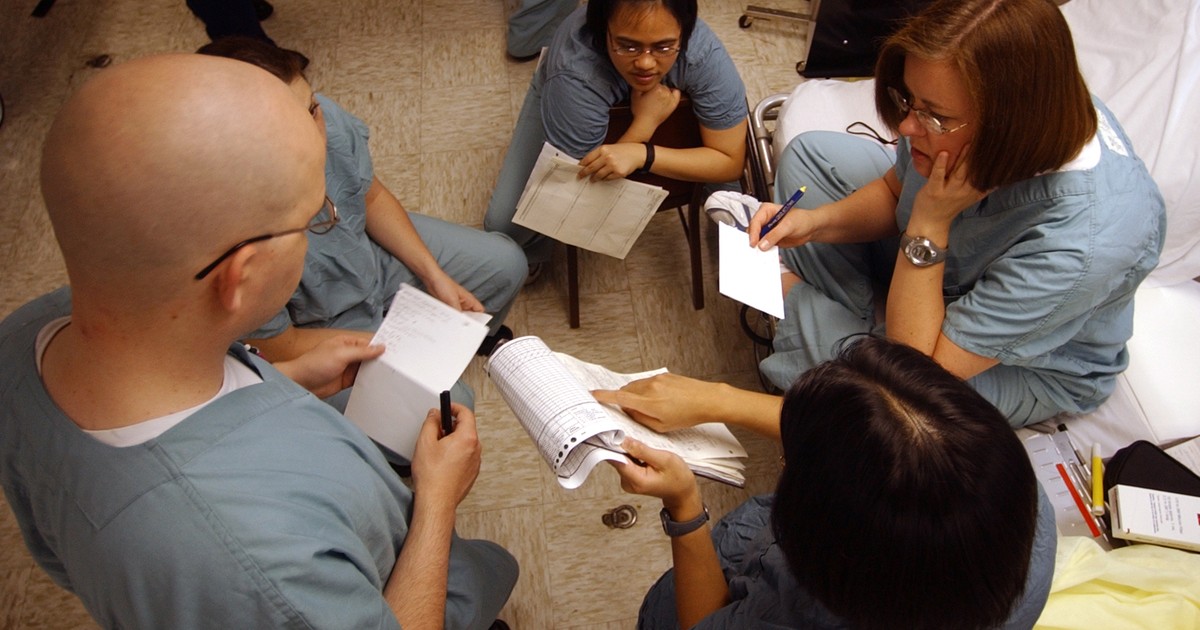



Table of contents
- What decision fatigue is
- What clinical practice studies show
- Where the theory is still debated
- Why the shift concentrates decisions
- How fatigue shows up in clinical decisions
- What the service can do
- A personal script for the final hours
- How NEXO helps train this reasoning
- Frequently asked questions
- Take-home messages
- References
It is four in the morning and the nineteenth patient of the shift has had a cough for three days. At eight in the evening, the same complaint received a careful examination, an explanation and a scheduled follow-up. Now the prescription seems the shortest path to ending the consultation. Nothing changed in the patient; what changed is who decides.
This wear on judgment after many choices in a row has a name: decision fatigue. It is different from drowsiness, although the two often appear together on the same shift. This text shows what research has observed in clinical practice, where the theory is still debated and what the team can do to protect the decisions of the last hours.
Key points
- Decision fatigue is the loss of the ability to decide well after many decisions in a row (Pignatiello, 2020).
- Antibiotic prescribing for acute respiratory infection increased over the course of each outpatient clinic session (Linder, 2014).
- Requests for cancer screening fell as the day went on (Hsiang, 2019).
- In the emergency department, the hour of the shift changed opioid prescribing in opposite directions depending on the indication (Agarwal, 2022).
- The laboratory effect that inspired the concept is small and still debated (Dang, 2021).
- Breaks, protocols and task division are the most cited measures to reduce the problem (Goudarzian, 2025).
Summary
- What decision fatigue is
- What clinical practice studies show
- Where the theory is still debated
- Why the shift concentrates decisions
- How fatigue appears in clinical decisions
- What the service can do
- A personal script for the last hours
- How NEXO helps train this reasoning
- Frequently asked questions
- Take-home messages
What decision fatigue is
A concept analysis gathered 63 sources that used the term and observed that few defined it clearly (Pignatiello, 2020). The definition proposed by the authors describes decision fatigue as the impaired ability to make decisions and control behavior as a consequence of repeated acts of decision (Pignatiello, 2020).
The same analysis organized the phenomenon into three antecedents, called decisional, self-regulatory and situational, and into three attributes, called behavioral, cognitive and physiological (Pignatiello, 2020). In practical terms, the person decides a lot, has to control themselves all the time and works in an environment that demands quick choices. The result appears as avoidance of decisions, impulsivity, difficulty weighing options and a feeling of tiredness.
A later review, focused on nursing, reached a similar picture. It describes decision fatigue as a cumulative effect of continuous decision making, with behavioral, physiological and cognitive manifestations (Goudarzian, 2025). Among the consequences, the review lists lower quality and safety of care, ineffective decisions, stress, professional burnout and turnover (Goudarzian, 2025).
It is worth separating decision fatigue from two close neighbors. Sleep deprivation reduces vigilance due to lack of rest, and alert fatigue describes desensitization to repeated alarms. Decision fatigue can happen in a rested professional, in the middle of the afternoon, after a morning full of difficult choices.
What clinical practice studies show
The clinical evidence comes almost entirely from observational studies that compare the beginning and the end of a work period. They use the hour of the shift as an indirect marker of the number of accumulated decisions. The pattern that repeats is this: the same complaint receives different management depending on the time of day.
Antibiotic for respiratory infection
The most cited study analyzed 21 867 consultations for acute respiratory infection, seen by 204 clinicians in 23 primary care units (Linder, 2014). In 44 of every 100 consultations there was an antibiotic prescription (Linder, 2014). Compared with the first hour of each four-hour period, the adjusted chance of prescribing was 1.01 times higher in the second hour, 1.14 times in the third and 1.26 times in the fourth (Linder, 2014).
The authors note that unnecessary prescribing is often the easy and apparently safe option, because it meets the patient's expectations and ends the consultation sooner (Linder, 2014). When the capacity to deliberate decreases, the choice tends to fall to the side that requires less explanation.
Cancer screening
A quality study in 33 primary care units followed 19,254 patients eligible for breast cancer screening and 33,468 eligible for colorectal cancer screening (Hsiang, 2019). Requests for the breast exam were 63.7 per 100 consultations at 8 a.m., fell to 48.7 at 11 a.m., rose to 56.2 at noon and ended at 47.8 at 5 p.m. (Hsiang, 2019). Completion of the exam followed the decline, from 33.2 per 100 at 8 a.m. to 17.8 at 5 p.m. (Hsiang, 2019).
The partial recovery after lunch is noteworthy. It suggests that accumulated fatigue, and not only the profile of patients scheduled in the afternoon, plays a part in the decline.
Opioid in the emergency department
In the emergency department, a study of 16,115 visits for pain found a pattern in two directions (Agarwal, 2022). For conditions in which the opioid is sometimes indicated, such as fracture and renal colic, prescribing rose from 28 to 40 per 100 visits between the first and the last hour of the shift (Agarwal, 2022). For conditions in which it is generally avoided, such as headache, low back pain and fibromyalgia, prescribing fell from 40 to 23 per 100 (Agarwal, 2022).
This result shows that decision fatigue does not always mean prescribing more. Sometimes it pushes toward the service's default option, whatever that may be.
Tests, diagnoses and transfusion
An analysis of 3,342 consultations by 20 physicians compared the first and the last hour of each professional's day (Trinh, 2021). Sixteen of the 20 physicians ordered, on average, more diagnostic tests in the first hour than in the last (Trinh, 2021). The authors also assessed the number of diagnoses recorded per consultation, a marker of how many problems the physician can address.
In scheduled cardiac surgery, an analysis of 1,220 patients found a higher estimated probability of intraoperative transfusion when the surgery started later (Addis, 2020). The study is from a single center and the authors excluded cases at high risk of bleeding precisely because they cluster at certain times (Addis, 2020).
The table summarizes the findings.
| Study | Setting | Decision observed | What changed as the shift progressed |
|---|---|---|---|
| Linder, 2014 | Primary care, 21,867 consultations | Antibiotic for respiratory infection | More prescribing in the third and fourth hours |
| Hsiang, 2019 | Primary care, 33 units | Cancer screening request | Fewer requests and fewer exams completed |
| Agarwal, 2022 | Emergency department, 16,115 visits | Opioid at discharge | More when sometimes indicated, less when generally avoided |
| Trinh, 2021 | Outpatient clinic, 20 physicians | Tests and diagnoses per consultation | More tests in the first hour for 16 of the 20 |
| Addis, 2020 | Cardiac surgery, 1,220 patients | Intraoperative transfusion | Higher probability with a later start |
Where the theory is still debated
The concept originated in experimental psychology, with the idea that self-control works as a resource that runs out. In the classic experiments, one group performs a task that requires self-control and then a second task, and performance is compared with that of a group that performed an easy initial task (Dang, 2021).
Replicating this effect was difficult. An effort with 23 laboratories and 2,141 participants found a practically null effect, with a d of 0.04 (Dang, 2021). A new preregistered replication in 12 laboratories, with 1,775 participants, found a small and significant effect, with a d of 0.10 (Dang, 2021).
For the clinician, the consequence is humility. The exact mechanism is open, and the effect measured in the laboratory is small. Even so, clinical practice studies describe consistent changes over the course of a shift, and professionals report the experience clearly. The review on emergency physicians cites working hours, end of shift, night shifts and extended shifts as associated factors, alongside workload (Nasa, 2023).
Clinical studies themselves acknowledge limits. The analysis of outpatient visits notes that the actual duration of each visit is a confounding factor that the data do not capture (Trinh, 2021). The research on antibiotics adjusted the model for the number of visits per period, the month and patient characteristics, which reduces, but does not eliminate, the chance of another explanation (Linder, 2014).
A useful way to think about it is to treat the hour of the shift as a risk factor, just as one treats a clinical clue that changes the probability of a diagnosis. It enters the reasoning without explaining the error on its own.
Why the shift concentrates decisions
A shift is a sequence of chained choices. Each patient calls for decisions about priority, tests, treatment, destination and communication, and each phone call from the ward adds others. Emergency physicians are often the first to see patients of widely varying complexity, with decisions that must integrate several data points in a short time (Nasa, 2023).
The review on nursing separates the factors into personal and organizational (Goudarzian, 2025). On the shift, organizational factors include high patient volume, understaffing and conflicting decisions between teams, and personal factors include insufficient sleep, stress and little support (Goudarzian, 2025). The complexity of the cases and the repeated alerts in the medical record add choices over the course of the shift (Ancker, 2017). For those in training, time pressure and the fear of judgment by more experienced colleagues add weight to each decision (Lauffenburger, 2022).
System alerts deserve a separate note. In a primary care study, about a quarter of medication alerts and a third of clinical reminders were repeats for the same patient in the same year (Ancker, 2017). Acceptance of alerts fell with the complexity of the work and with repetition, with no relation to the number of appointments (Ancker, 2017). Each alert is one more microdecision, and microdecisions add up.

The resident's night shift
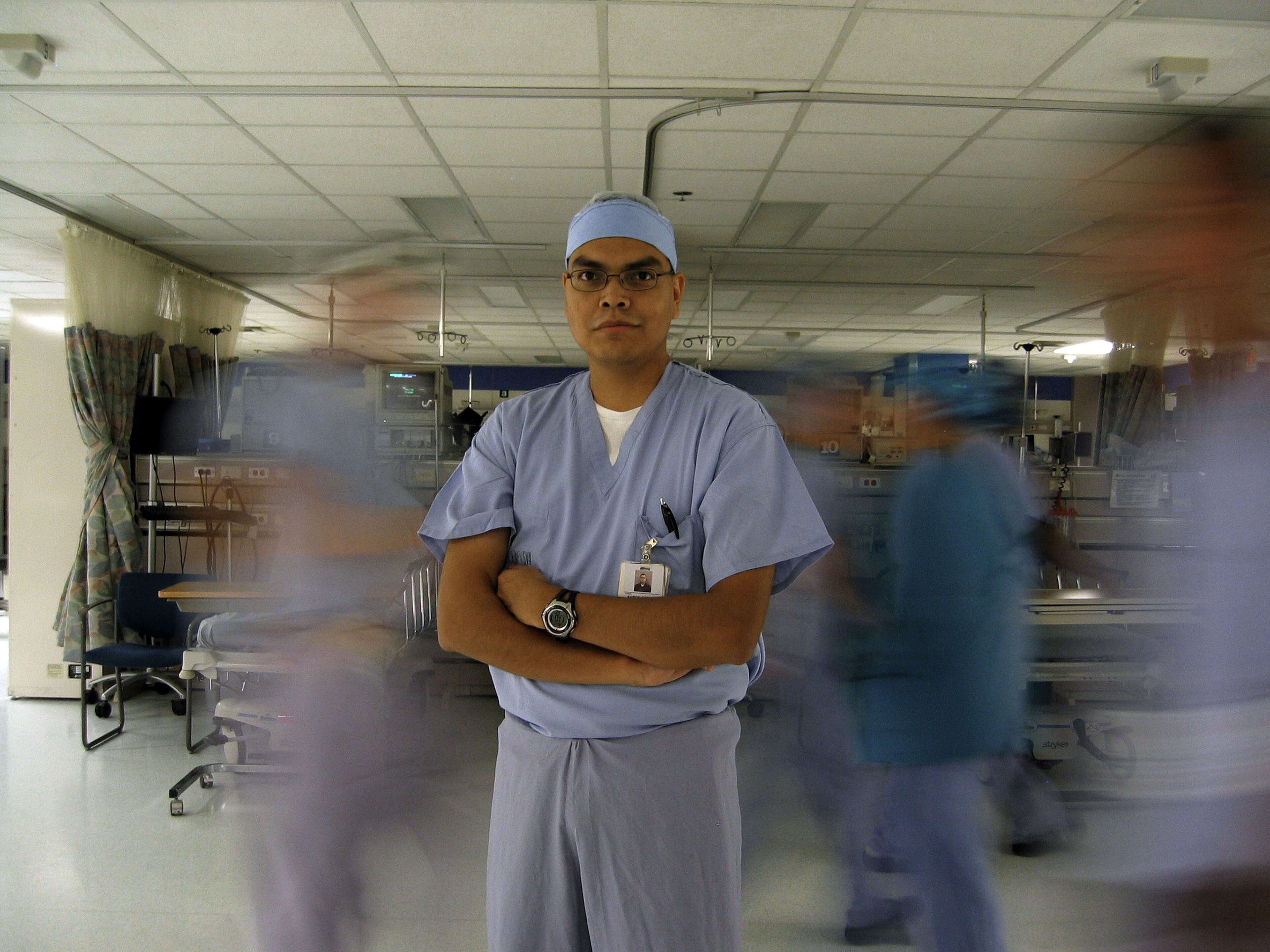
A qualitative study interviewed 21 internal medicine residents about prescriptions made on night shifts (Lauffenburger, 2022). Five themes emerged: time pressure, fear of judgment and of responsibility for the outcome, perceived pressure from nursing, clinical severity as a decision factor and communication strategies, such as a good handover by the day team (Lauffenburger, 2022). The authors conclude that these factors favor fast thinking over slow thinking when prescribing (Lauffenburger, 2022).
This description connects with dual process theory. The fast mode is efficient most of the time. The problem begins when it starts deciding on its own in situations that called for the analytical mode.

How fatigue shows up in clinical decisions
Decision fatigue rarely presents itself as declared tiredness. It shows up in the type of choice the professional starts making. People with decision fatigue tend to make impulsive or excessively conservative decisions, because the capacity to weigh pros and cons decreases (Dong, 2024).
The most useful signs for recognizing the pattern in yourself and in the team are these:
- choosing the default option without considering the alternative, such as prescribing out of habit or keeping the previous approach (Agarwal, 2022);
- postponing decisions that could be made now, such as screening requests and referrals (Hsiang, 2019);
- addressing fewer problems per visit and recording fewer diagnoses (Trinh, 2021);
- accepting or ignoring alerts without reading them (Ancker, 2017);
- becoming more cautious and less efficient with each decision since the last break (Goudarzian, 2025).
The last item comes from a study at a telephone nursing center, with 4000 calls handled by 150 nurses (Goudarzian, 2025). Each successive decision after the last break shifted the choice toward more cautious and less efficient approaches, while the total volume of calls and the time since the start of the shift weighed little (Goudarzian, 2025). The break, and not only the length of the shift, seems to reset the counter.

What professionals report
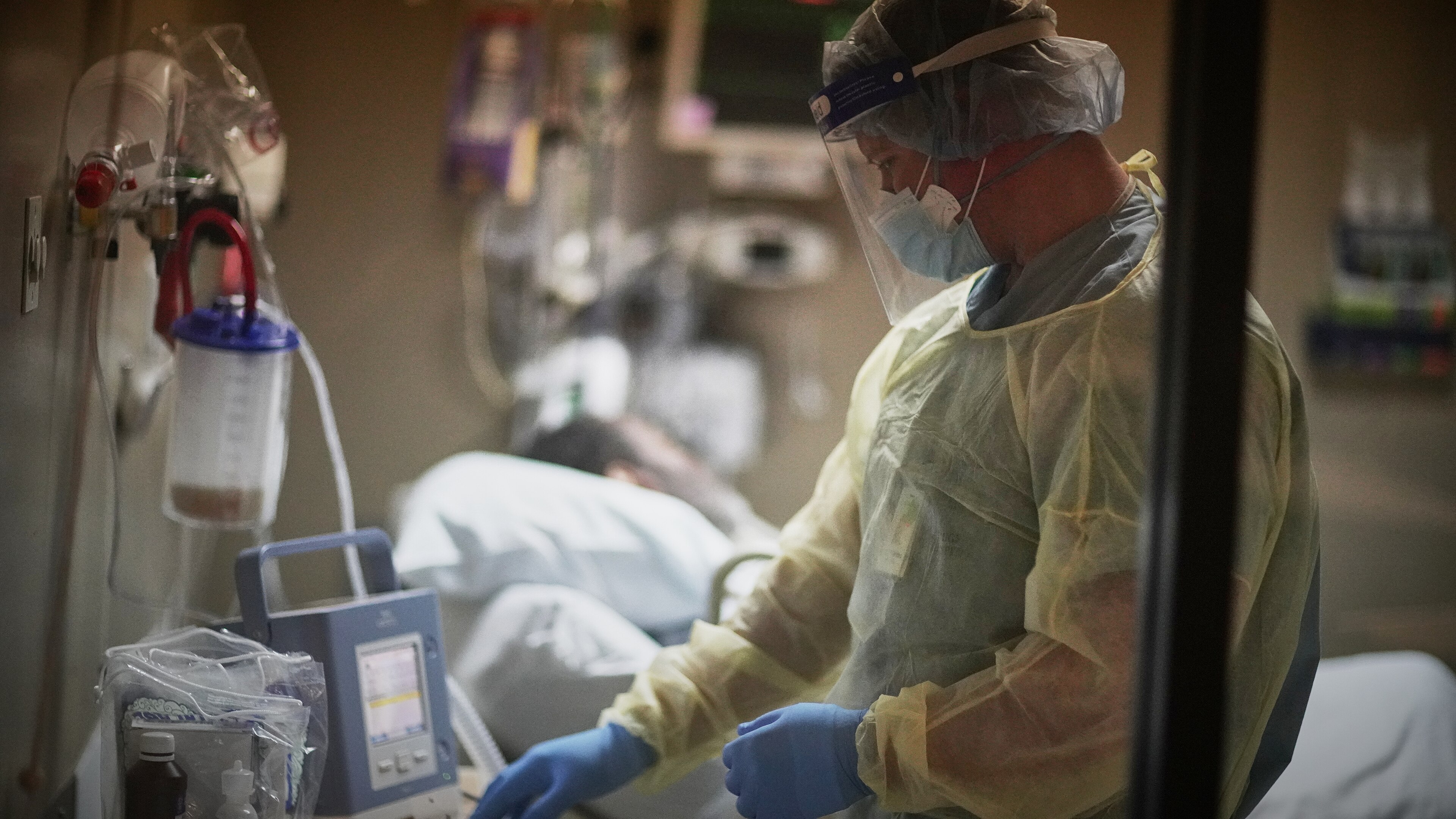
A phenomenological study with 14 frontline nurses during a public health emergency organized the experience into three themes: perception of and attitude toward decision fatigue, the factors that bring it closer and the factors that keep it away (Dong, 2024). The authors note that professionals with decision fatigue may adopt behaviors inconsistent with the clinical evidence (Dong, 2024).
The link to premature closure
The most dangerous effect for diagnosis is premature closure. Accepting the first plausible hypothesis saves effort, and effort is exactly what is missing at the end of the shift. The heuristics that work well at eight at night can mislead at four in the morning, when no one reviews the shortcut anymore.
What the service can do
Decision fatigue is, above all, a problem of work design. The review on nursing cites workload management, structured decision protocols and regular breaks as strategies to reduce the problem and its consequences (Goudarzian, 2025). The review on emergency care asks that future studies assess ways to recognize decision fatigue and strategies to mitigate it in time (Nasa, 2023).
Translated into routine, these recommendations become concrete measures. Scheduled breaks make sense because the wear seems to accumulate since the last break (Goudarzian, 2025). Protocols and standardized orders for frequent decisions turn repeated choices into a routine reviewed calmly (Goudarzian, 2025). Reviewing repeated, low-value alerts in the medical record removes useless micro-decisions from the path (Ancker, 2017). A complete handoff by the day team reduces nighttime decisions made without context (Lauffenburger, 2022).
The authors of the screening study cite an earlier work in which a reminder in the medical record improved influenza vaccination at all times of day, and they acknowledge that it is still necessary to understand how to reduce the decline in care over the course of the day (Hsiang, 2019). The general idea is to take off the shoulders of those at the end of the shift the decisions that can be prepared beforehand.
A culture that allows asking for help
Residents reported fear of judgment by more experienced physicians and by colleagues (Lauffenburger, 2022). A service where calling the supervisor at three in the morning is seen as a sign of care, not weakness, reduces the number of solitary decisions made at the worst moment of the shift. A well-conducted handoff is part of the same culture.
A personal script for the final hours
The design of the service comes first, but some attitudes help protect the decisions that remain. The script below was designed for the last two hours of the shift.
- Notice the time as a cue. Faced with a relevant decision, remember that the same complaint received another approach at the start of the shift (Linder, 2014).
- Ask what the standard approach would be and whether it is the best for this patient, and not just the fastest (Agarwal, 2022).
- Separate what must be decided now from what can be safely passed on, and record the reason.
- Use the diagnostic pause before discharging cases with a vague complaint.
- Read the alert you are about to ignore, at least the title (Ancker, 2017).
- Take a short break between blocks of decisions, because the effect seems to accumulate since the last break (Goudarzian, 2025).
- Ask for a second opinion when the decision is high-risk and you notice impatience.
This script works best when it is agreed with the team, and not kept as an individual effort. The what to do on shift and outside it for sleep completes the protection.
A case to think about
Imagine a resident at the end of a twelve-hour shift. She sees a middle-aged man with low back pain that started two days ago, without trauma. The service's standard approach for low back pain is simple analgesia and guidance, and she is ready to apply it.
The script suggests three questions before discharge. The first is whether the hour is weighing on her: it is the twentieth consultation, and she realizes she skipped part of the neurological exam. The second is what the standard approach would be and whether it fits this patient: the history shows low-grade fever and recent injection drug use, clues that change the probability of spinal infection. The third is what can be decided now and what can be handed over: assessing red flags is for now, not for the morning team.
The final decision may even be the same, but it becomes a conscious choice. That is the goal of the script: to bring the analytical mode back to the decisions that need it most, precisely when it is most costly. It is worth noting that the clues were all in the history from the start; what was missing was the energy to look at them carefully.
In teaching
For those who teach, the hour of the shift is a variable worth discussing with students and residents. Reviewing cases seen at the end of the shift with them, without blame, helps show how context changes the decision. This type of feedback on the decision turns a common experience into learning.
How NEXO helps train this reasoning
In NEXO, the case of the day is fictional, with a real clinical presentation and up to six progressive clues, and you propose the diagnosis by looking for the ICD-10 code.
The limits of use of the game are described on the NEXO economy page. If you research teaching of clinical reasoning, the page for researchers explains how to get in touch. Professionals who write or review cases find information under curation and under creators, and institutions can learn about the proposal on the partnerships page. Training differential diagnosis with clues and looking for the right ICD-10 code complete this practice.
Frequently asked questions
What is decision fatigue?
It is the loss of the ability to decide well and to control behavior after many decisions in a row (Pignatiello, 2020). On a shift, it shows up as a preference for shortcuts, postponing decisions or excessive caution.
Is decision fatigue the same thing as sleep deprivation?
They are different phenomena that often appear together. Sleep deprivation comes from lack of rest, while decision fatigue comes from the accumulation of choices and can arise in a well-rested professional (Goudarzian, 2025).
Is there evidence that decision fatigue causes medical error?
The evidence is observational and shows changes in practice over the course of a shift, such as more antibiotics and less screening at the end of the period (Linder, 2014). The exact mechanism is still debated, and the laboratory effect is small (Dang, 2021).
Does decision fatigue always lead to doing more?
It depends on the decision. In the emergency department, opioid prescribing increased when it is sometimes indicated and decreased when it is generally avoided (Agarwal, 2022). The common pattern is choosing the easiest option.
Do short breaks help?
They help, according to the available data. In a study with nurses, decisions became more cautious and less efficient with each decision since the last break (Goudarzian, 2025).
What can the service change?
Scheduled breaks, protocols for frequent decisions, review of repeated alerts and a good shift handover are the most cited measures (Goudarzian, 2025). A culture that welcomes requests for help reduces solitary decisions at the end of the shift (Lauffenburger, 2022).
Take-home messages
- Decision fatigue is the wear on judgment after many choices in a row.
- Clinical practice studies show different approaches for the same complaint at the start and at the end of the shift.
- The effect can go either toward more or toward less, but it usually follows the easiest option.
- The laboratory mechanism is still debated, and this calls for caution in conclusions.
- Breaks, protocols, fewer useless alerts and a good shift handover protect the last hours.
- The hour of the shift is a clue that enters clinical reasoning as a risk factor.
Want to train clinical decisions calmly, one clue at a time? Play the case of the day on NEXO.
References
- Addis DR, Moore BA, Garner CR, et al. Case Start Time Affects Intraoperative Transfusion Rates in Adult Cardiac Surgery: A Single-Center Retrospective Analysis. J Cardiothorac Vasc Anesth. 2020. PMID 31882380. DOI 10.1053/j.jvca.2019.10.044.
- Agarwal I, Joseph JW, Sanchez LD. Time on shift in the emergency department and decision to prescribe opioids to patients without chronic opioid use. Clin Exp Emerg Med. 2022. PMID 35843610. DOI 10.15441/ceem.22.212.
- Ancker JS, Edwards A, Nosal S, et al. Effects of workload, work complexity, and repeated alerts on alert fatigue in a clinical decision support system. BMC Med Inform Decis Mak. 2017. PMID 28395667. DOI 10.1186/s12911-017-0430-8.
- Dang J, Barker P, Baumert A, et al. A Multilab Replication of the Ego Depletion Effect. Soc Psychol Personal Sci. 2021. PMID 34113424. DOI 10.1177/1948550619887702.
- Dong SS, Wang K, Zhang KQ, et al. Decision fatigue experience of front-line nurses in the context of public health emergency: an interpretative phenomenological analysis. BMC Nurs. 2024. PMID 39135083. DOI 10.1186/s12912-024-02163-w.
- Goudarzian AH, Hatkehlouei SAT, Taebi M, et al. Decision Fatigue in Nursing: An Evolutionary Concept Analysis. Health Sci Rep. 2025. PMID 40837719. DOI 10.1002/hsr2.71166.
- Hsiang EY, Mehta SJ, Small DS, et al. Association of Primary Care Clinic Appointment Time With Clinician Ordering and Patient Completion of Breast and Colorectal Cancer Screening. JAMA Netw Open. 2019. PMID 31074811. DOI 10.1001/jamanetworkopen.2019.3403.
- Lauffenburger JC, Coll MD, Kim E, et al. Prescribing decision making by medical residents on night shifts: A qualitative study. Med Educ. 2022. PMID 35611564. DOI 10.1111/medu.14845.
- Linder JA, Doctor JN, Friedberg MW, et al. Time of day and the decision to prescribe antibiotics. JAMA Intern Med. 2014. PMID 25286067. DOI 10.1001/jamainternmed.2014.5225.
- Nasa P, Majeed NA. Decision Fatigue among Emergency Physicians: Reality or Myth. Indian J Crit Care Med. 2023. PMID 37719349. DOI 10.5005/jp-journals-10071-24526.
- Pignatiello GA, Martin RJ, Hickman RL Jr. Decision fatigue: A conceptual analysis. J Health Psychol. 2020. PMID 29569950. DOI 10.1177/1359105318763510.
- Trinh P, Hoover DR, Sonnenberg FA. Time-of-day changes in physician clinical decision making: A retrospective study. PLoS One. 2021. PMID 34534247. DOI 10.1371/journal.pone.0257500.