Exercise as prescription: WHO guidance in practice



Table of contents
- Why treat exercise as a prescription
- What the WHO recommends for adults
- How much benefit comes from how much movement
- How to ask and record: physical activity as a vital sign
- How to build the prescription with the FITT model
- Adjustments for people with chronic disease
- Reasoning errors that get in the way of prescription
- How NEXO helps train this reasoning
- Frequently asked questions
- Take-home messages
- References
A 58-year-old woman returns to the appointment to show test results. She has hypertension controlled with one pill, fasting glucose at the limit and knee pain when climbing stairs. The prescription comes out with the antihypertensive renewed and a request for a follow-up in six months. At the end of the appointment, almost at the door, someone says: "and go for a walk". She agrees, smiles and leaves without knowing how much, how, when or where to start.
The scene is common and shows the problem. Physical activity has one of the most solid evidence bases in medicine for reducing mortality, cardiovascular disease, diabetes and symptoms of depression. Even so, it usually enters the appointment as generic advice, with no record, no goal and no follow-up, unlike the pill, which has a name, a time and a date for reassessment.
This text treats exercise as what the guidelines say it is: an intervention with an indication, a way of applying it and adjustment. We will look at what the World Health Organization recommends, how to ask and record, how to put together a simple prescription and how to adapt it for people with chronic disease.
Key points
- The WHO recommends 150 to 300 minutes per week of moderate activity, or 75 to 150 minutes of vigorous activity, plus muscle strengthening on two or more days (Bull, 2020).
- The benefit starts well below the goal: about a third of it is already associated with lower mortality (Kraus, 2019).
- Two questions at screening are enough to record physical activity as a vital sign (Golightly, 2017).
- Advice about physical activity is still given irregularly in primary care (Hall, 2022).
- The FITT model (frequency, intensity, time and type) organizes the prescription (Pelliccia, 2021).
- Diabetes, cancer and aging call for their own adjustments, described in international consensus statements.
Summary
- Why treat exercise as a prescription
- What the WHO recommends for adults
- How much benefit comes from how much movement
- How to ask and record: physical activity as a vital sign
- How to put together the prescription with the FITT model
- Adjustments for people with chronic disease
- Reasoning errors that get in the way of the prescription
- How NEXO helps train this reasoning
- Frequently asked questions
- Take-home messages
Why treat exercise as a prescription
The word prescription changes the conversation. Advice ends when the patient leaves the room, and a prescription has a goal, a way of carrying it out and a time for review. The international consensus for older adults says this explicitly: the exercise prescription should start from the intended outcome and be individualized, adjusted and monitored like any other medical treatment (Izquierdo, 2021).
The same authors recall that exercise acts on several systems at once. A drug usually has one target; strength training improves muscle, balance, blood glucose and mood in the same session. In some situations, exercise is an alternative to the drug, as in depression, and in others it fills a space where there is almost no effective drug treatment, as in sarcopenia (Izquierdo, 2021).
The size of the problem justifies the attention. The review that supported the American guidelines estimated that about 80 in every 100 adults and adolescents in the United States are insufficiently active (Piercy, 2018). Those in the least active group are precisely the ones who gain the most from small increases.
There is also a clinical reasoning reason. Inactivity is a risk factor that rarely appears on the problem list, although it weighs as much as others that always appear. When it stays out of the record, it also stays out of the pre-test probability that the doctor estimates for cardiovascular disease, diabetes or falls. The logic of estimating the probability before the test applies to lifestyle as much as to symptoms.
What the WHO recommends for adults
The 2020 guideline from the World Health Organization updated the 2010 recommendations and was built from systematic reviews updated by a group of experts (Bull, 2020). For adults aged 18 to 64, including those with chronic disease or disability, the central recommendation is as follows.
- 150 to 300 minutes per week of moderate aerobic activity, or 75 to 150 minutes of vigorous activity, or an equivalent combination.
- Muscle strengthening of moderate or greater intensity, involving the major muscle groups, on two or more days of the week.
- Reducing sitting time, replacing it with activity of any intensity, including light.
The guideline links physical activity to lower all-cause and cardiovascular mortality, fewer incident cases of hypertension and type 2 diabetes, fewer cancers at some sites, fewer symptoms of anxiety and depression, and better cognition and sleep (Bull, 2020). Above 300 minutes per week of moderate activity there is additional benefit, provided there is no contraindication for people with chronic disease.
Two messages from the guideline deserve emphasis in the consultation. The first: some activity is better than none. The second: more activity is better for health. Sedentary behavior received its own recommendation, although the evidence does not yet allow a limit of hours spent sitting to be defined (Bull, 2020).
The 2018 American guidelines reached practically identical numbers for adults and add that older adults should do multicomponent activity, with balance training in addition to aerobic and strengthening exercise (Piercy, 2018). Pregnant and postpartum women should accumulate at least 150 minutes per week of moderate activity.
For those who exercise, moderate is the intensity at which a person can talk but not sing. Vigorous is the intensity at which one can say only a few words without pausing to breathe. This scale, called the talk test, also appears in the European sports cardiology guideline (Pelliccia, 2021).
How much benefit comes from how much movement
The umbrella review that supported the American guidelines summarized the shape of the relationship between activity and outcomes (Kraus, 2019). The main points are clear.
- The association with better outcomes begins at very modest amounts, about one third of the target.
- Any moderate to vigorous activity is better than none.
- Meeting the target reduces mortality and cardiovascular risk to about three quarters of the maximum benefit obtained with physical activity.
- Going beyond the target reduces risk further, but each additional gain requires more activity.
- Up to three to five times the target, studies showed no excess risk.
These findings hold for walking, running and cycling when activity is measured as energy expenditure (Kraus, 2019). For the consultation, the translation is direct: the curve is steep at the start. The sedentary person who begins walking a few days a week makes the move with the greatest return on the whole curve.
The meta-analysis with accelerometer reinforced this picture with objective data. It pooled individual data from 36,383 people, with a mean age of 62.6 years and a median follow-up of 5.8 years (Ekelund, 2019). Compared with the least active quartile, the risk of death in the following quartiles of total activity had hazard ratios of 0.48, 0.34 and 0.27 (Ekelund, 2019).
The same study showed that light activity also counts. The hazard ratios for light activity were 0.60, 0.44 and 0.38 in successive quartiles (Ekelund, 2019). In the opposite direction, the quartile that sat the most had a hazard ratio of 2.63 compared with the one that sat the least (Ekelund, 2019). These are observational data, subject to reverse causality, because those who are already ill move less. Even so, they point in the same direction as the trials on risk factors.
| Clinical question | What the evidence shows | Source |
|---|---|---|
| How much per week? | 150 to 300 min moderate or 75 to 150 min vigorous | Bull, 2020 |
| Does strengthening count? | Two or more days per week, major muscle groups | Bull, 2020 |
| Does less than the target help? | Benefit begins at about one third of the target | Kraus, 2019 |
| Does light activity count? | Lower mortality in all quartiles of light activity | Ekelund, 2019 |
| Does sitting time matter? | Quartile that sat the most with higher risk of death | Ekelund, 2019 |
| Do older adults need anything more? | Balance together with aerobic and strength | Piercy, 2018 |
| Does type 2 diabetes change anything? | Breaks in sitting time and attention to hypoglycemia | Kanaley, 2022 |
| Cancer survivor? | Moderate aerobic three times per week, 30 min, 8 to 12 weeks | Campbell, 2019 |
Muscle strengthening, the forgotten half
When the recommendation becomes "go for a walk", strengthening disappears. The WHO and American guidelines call for strength training on two or more days per week for all age groups (Bull, 2020; Piercy, 2018).
A meta-analysis of observational studies with more than 1.2 million participants assessed strength training and cancer (Nascimento, 2021). Doing strength training twice or more per week, compared with less than twice, was associated with lower overall cancer mortality, with a hazard ratio of 0.81 (Nascimento, 2021). The combination of strength and aerobic activity, compared with no activity, had a hazard ratio of 0.72 for cancer mortality (Nascimento, 2021).
For older adults, strength training is almost a prerequisite. The international consensus recommends that, when a person cannot support their own weight well, the initial priority should be strength, power and balance, before walking and other weight-bearing aerobic activities (Izquierdo, 2021). In frail older adults, multicomponent programs of three to five months appear to be the most effective for recovering function.
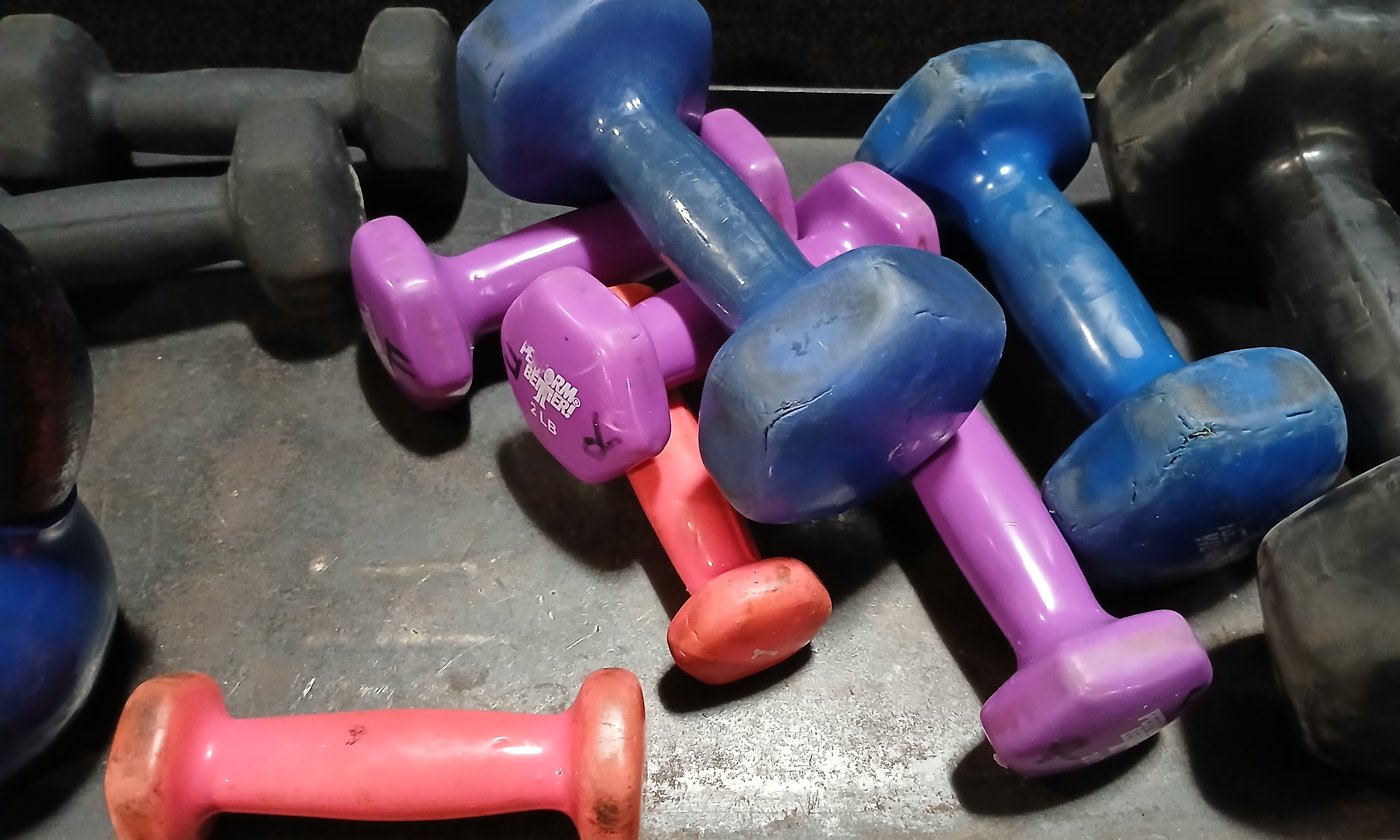
In practice, strength training can use body weight, resistance bands, dumbbells or bottles filled with water. Standing up from and sitting down in a chair, climbing steps and pushing against a wall are exercises that fit in the living room. The clinical point is to include strength in the written guidance, with a defined frequency, so that it does not depend on the patient's memory.
How to ask and record: physical activity as a vital sign
Prescribing requires knowing where one starts. The idea of recording physical activity as a vital sign arose so that inactivity appears in the medical record with the same regularity as blood pressure (Golightly, 2017).
The most studied instrument, the Exercise Vital Sign, uses two questions: on average, how many days per week does the person do moderate to vigorous exercise, such as brisk walking, and how many minutes per day at that level. The product of the answers gives the weekly minutes. The systematic review found five brief instruments of this type (Golightly, 2017).
The limitations need to be known. Compared with the accelerometer, the Exercise Vital Sign had a weak correlation of 0.27, sensitivity of 27 to 59 per 100 and specificity of 74 to 89 per 100 (Golightly, 2017). In terms of a diagnostic test, it is better at confirming inactivity than at ruling it out: those who report little activity are almost always inactive, and part of those who report a lot of activity overestimate their own movement.
A recent study at an American university hospital compared 7,261 patients screened with the Exercise Vital Sign with 33,445 unscreened patients in routine visits (Chapman, 2025). Active patients had a lower risk of 19 conditions linked to inactivity, including obesity, depression, hypertension, diabetes and valvular disease. The authors concluded that inactive patients should receive or be referred to evidence-based behavioral counseling.
In the conversation, asking about commuting, work and leisure helps to calibrate the answer. Someone who walks to work every day may already meet part of the goal without calling it exercise. Someone who says "I go to the gym" may go once a week. Recording the number of minutes, rather than a "yes" or "no", allows comparison at the next visit.
Why counseling still fails
A mixed-methods systematic review gathered 66 studies on brief physical activity interventions in primary care (Hall, 2022). The frequency of screening ranged from 2.4 to 100 per 100 visits, and that of counseling from 0.6 to 100 per 100 (Hall, 2022). In other words, the practice depends heavily on the service and the professional.
Counseling was given more often to patients with a higher body mass index, less activity or more comorbidities (Hall, 2022). This seems reasonable, but it means that people with normal weight who are inactive, a real risk group, receive less guidance. It is a representativeness bias in action: the image of the sedentary patient is that of someone with obesity, and those who do not fit the image go without being asked.
The reported barriers were lack of time, lack of training and lack of practical guidelines, despite the WHO and NICE recommendations (Hall, 2022). Few studies have assessed patients' receptiveness, which leaves a gap regarding the best time to raise the subject.
The solution proposed by the authors is systemic: changes in the care flow and training programs. Recording it as a vital sign solves part of the problem, because it makes an optional question a step in triage. The other part depends on the physician knowing what to do with the answer, which is the topic of the next sections.
How to build the prescription with the FITT model
The European sports cardiology guideline describes exercise prescription using the FITT concept: frequency, intensity, time and type (Pelliccia, 2021). It is a simple format that fits on a prescription and allows review.
- Frequency: how many days per week. For aerobic activity, the goal is to spread the activity over most days; for strength, two or more nonconsecutive days.
- Intensity: it can be measured by heart rate, by perceived exertion on the Borg scale or by the talk test. On the Borg scale, which ranges from 6 to 20, the 12 to 14 range corresponds to moderate exertion (Pelliccia, 2021).
- Time: minutes per session. Short sessions add up; the weekly goal can be reached in blocks.
- Type: walking, cycling, swimming, dancing, strength training, balance. The best type is the one the person can keep up.
The patient in the opening scene could leave with something like this: walking at a pace where talking is possible but singing is not, 20 minutes, five days a week, preferably after dinner; standing up from and sitting down in a chair and climbing steps holding the handrail, twice a week; reassessment in three months with the number of minutes recorded. Knee pain is handled by adjusting the type, with cycling or water as alternatives if walking worsens the symptom.
Progression should also be written down. Starting below the goal is acceptable and even desirable for someone who is inactive, because the benefit curve is steeper at the beginning (Kraus, 2019). Increasing time first and then intensity is a practical rule that reduces injuries and dropouts.
As for clearance, the WHO states that medical evaluation before exercise is generally unnecessary for people without contraindications who are going to start light or moderate activity, not exceeding the demands of brisk walking or daily life (Bull, 2020). Ordering an exercise stress test for every sedentary person who wants to walk creates a barrier with no demonstrated benefit and can start a cascade of care. Evaluation makes sense for those with symptoms, known cardiovascular disease or plans for vigorous activity, and the stress test itself has limits, as shown in the discussion of why the stress test alone misleads.
Adjustments for people with chronic disease
The WHO recommendation applies to people with chronic disease, but specific consensus statements add details that change the conversation.
Type 2 diabetes
The American College of Sports Medicine consensus states that the general guidelines apply to almost all people with type 2 diabetes, with some modifications (Kanaley, 2022). Breaking up sitting time with bouts of light walking or simple resistance exercises, 3 minutes every 30 minutes, reduced glucose, insulin and triglycerides after meals.
The main safety concern is hypoglycemia, which is largely restricted to those who use insulin or secretagogues such as sulfonylureas and meglitinides (Kanaley, 2022). Those who control glycemia only through lifestyle changes have minimal risk. Long, intense sessions increase the risk of late hypoglycemia in insulin users, a point that connects to the reasoning on how to define and classify hypoglycemia.
Cancer survivors
The 2018 international roundtable maintained the conclusion that exercise is generally safe for cancer survivors and that everyone should avoid inactivity (Campbell, 2019). The prescription that most consistently improves anxiety, depressive symptoms, fatigue, physical function and quality of life is moderate aerobic activity at least three times a week, for at least 30 minutes, for at least 8 to 12 weeks.
Combined aerobic and resistance training, twice a week, also reduced anxiety and depressive symptoms (Campbell, 2019). For other outcomes, such as peripheral neuropathy and cognition, the evidence is still uncertain. Adherence to long-term cancer treatment has parallels with adherence to exercise, as discussed in adherence as a clinical outcome.
Older adults
The international consensus for older adults recommends multicomponent programs, with strength, power, balance and aerobic exercise (Izquierdo, 2021). For many older adults with associated diseases, balance needs to come before resuming walking. Examples cited include tai chi, walking with one foot in front of the other, standing on one foot and climbing steps slowly.
The authors recall that balance training carries the risk of a fall during the session itself, which calls for supervision at the start (Izquierdo, 2021). Exercise is also discussed as a tool for withdrawing potentially inappropriate medications, because it improves conditions that usually lead to more prescriptions.
Cardiovascular disease
The European guideline details the prescription for coronary disease, heart failure, arrhythmias and other conditions (Pelliccia, 2021). In atrial fibrillation, heart rate is no longer a good gauge, and intensity is monitored by power or by the Borg scale. In patients with loss of muscle mass, the program starts with resistance. For these situations, cardiological assessment before intensifying training is part of the prescription. Signs such as syncope during exertion change the path, and the reasoning comes close to the one used for signs that point to a cardiac cause.
Reasoning errors that get in the way of prescription
Some biases appear often when the topic is physical activity.
The first is premature closure about the patient's response. "I'm active" ends the question, although the sensitivity of self-report is low (Golightly, 2017). Asking about days and minutes takes seconds and keeps inactivity from staying hidden.
The second is all or nothing. The doctor who only considers the 150-minute goal valid tends to give up on the patient who cannot reach it. The benefit curve shows the opposite: the greatest gain is in the first minutes (Kraus, 2019). Treating each step as progress is consistent with the evidence.
The third is the medicalization of the start. Requiring tests before any walking turns a simple recommendation into a process, and the patient may give up in the queue. The reasoning of quaternary prevention helps separate those who need assessment from those who only need to start.
The fourth is the representativeness bias already mentioned: advising mostly people with obesity or many diseases (Hall, 2022). The sedentary thin person and the young person with a desk job are also in the risk group.
The fifth is forgetting to review. A prescription without a scheduled follow-up stops being a prescription. Using time as a tool, with a date and criteria for reassessment, follows the same logic as watchful waiting with a safety net.
How NEXO helps train this reasoning
In NEXO, the case of the day is fictional, with a real clinical presentation and up to six progressive clues, and you propose the diagnosis by looking for the code in ICD-10.
The limits of using the game are described on the NEXO economy page. If you research the teaching of clinical reasoning, the page for researchers explains how to get in touch. Professionals who write or review cases find information in curation and in creators, and institutions can learn about the proposal on the partnerships page. Reading each clue as a test and knowing how the ICD-10 code is put together complete this training.
Frequently asked questions
How much exercise does the WHO recommend for adults?
From 150 to 300 minutes per week of moderate aerobic activity, or from 75 to 150 minutes of vigorous activity, plus muscle strengthening on two or more days (Bull, 2020).
Does doing less than the goal bring benefit?
It does. The association with lower mortality starts at about one third of the goal, and any moderate to vigorous activity is better than none (Kraus, 2019).
Do I need a test before I start walking?
For those without contraindications who are going to start light or moderate activity, the WHO considers prior medical evaluation generally unnecessary (Bull, 2020). Symptoms, known heart disease or the intention to do vigorous activity change that calculation.
How can intensity be measured without a device?
With the talk test or the Borg scale. Moderate effort allows you to talk without singing and corresponds to 12 to 14 on the 6 to 20 scale (Pelliccia, 2021).
Do people with type 2 diabetes need special care?
People who use insulin or secretagogues are at risk of exercise-related hypoglycemia. Short breaks from sitting help lower glucose after meals (Kanaley, 2022).
Is muscle strengthening mandatory?
It is part of the recommendation for all ages, on two or more days a week (Bull, 2020). In frail older adults, strength and balance usually come before walking (Izquierdo, 2021).
Take-home messages
- Exercise works best in the consultation when it has frequency, intensity, time, type and a review date.
- The WHO goal is 150 to 300 minutes a week of moderate activity, or 75 to 150 of vigorous activity, plus strength on two or more days.
- The biggest gain is in leaving sedentary behavior behind, well below the goal.
- Two screening questions record physical activity as a vital sign, with limited sensitivity.
- Counseling is still irregular and tends to forget the inactive patient of normal weight.
- Diabetes, cancer, aging and cardiovascular disease call for adjustments described in their own consensus statements.
- For light to moderate activity without contraindication, prior evaluation is generally unnecessary.
Play the case of the day on NEXO.
References
- Bull FC, Al-Ansari SS, Biddle S, et al. World Health Organization 2020 guidelines on physical activity and sedentary behaviour. Br J Sports Med. 2020. PMID 33239350. DOI 10.1136/bjsports-2020-102955.
- Piercy KL, Troiano RP, Ballard RM, et al. The Physical Activity Guidelines for Americans. JAMA. 2018. PMID 30418471. DOI 10.1001/jama.2018.14854.
- Kraus WE, Powell KE, Haskell WL, et al. Physical Activity, All-Cause and Cardiovascular Mortality, and Cardiovascular Disease. Med Sci Sports Exerc. 2019. PMID 31095084. DOI 10.1249/MSS.0000000000001939.
- Ekelund U, Tarp J, Steene-Johannessen J, et al. Dose-response associations between accelerometry measured physical activity and sedentary time and all cause mortality: systematic review and harmonised meta-analysis. BMJ. 2019. PMID 31434697. DOI 10.1136/bmj.l4570.
- Golightly YM, Allen KD, Ambrose KR, et al. Physical Activity as a Vital Sign: A Systematic Review. Prev Chronic Dis. 2017. PMID 29191260. DOI 10.5888/pcd14.170030.
- Hall LH, Thorneloe R, Rodriguez-Lopez R, et al. Delivering brief physical activity interventions in primary care: a systematic review. Br J Gen Pract. 2022. PMID 34782318. DOI 10.3399/BJGP.2021.0312.
- Chapman CG, Schroeder MC, Marcussen B, et al. Identifying Patients at Risk for Cardiometabolic and Chronic Diseases by Using the Exercise Vital Sign to Screen for Physical Inactivity. Prev Chronic Dis. 2025. PMID 39745943. DOI 10.5888/pcd22.240149.
- Kanaley JA, Colberg SR, Corcoran MH, et al. Exercise/Physical Activity in Individuals with Type 2 Diabetes: A Consensus Statement from the American College of Sports Medicine. Med Sci Sports Exerc. 2022. PMID 35029593. DOI 10.1249/MSS.0000000000002800.
- Campbell KL, Winters-Stone KM, Wiskemann J, et al. Exercise Guidelines for Cancer Survivors: Consensus Statement from International Multidisciplinary Roundtable. Med Sci Sports Exerc. 2019. PMID 31626055. DOI 10.1249/MSS.0000000000002116.
- Izquierdo M, Merchant RA, Morley JE, et al. International Exercise Recommendations in Older Adults (ICFSR): Expert Consensus Guidelines. J Nutr Health Aging. 2021. PMID 34409961. DOI 10.1007/s12603-021-1665-8.
- Nascimento W, Ferrari G, Martins CB, et al. Muscle-strengthening activities and cancer incidence and mortality: a systematic review and meta-analysis of observational studies. Int J Behav Nutr Phys Act. 2021. PMID 34051796. DOI 10.1186/s12966-021-01142-7.
- Pelliccia A, Sharma S, Gati S, et al. 2020 ESC Guidelines on sports cardiology and exercise in patients with cardiovascular disease. Eur Heart J. 2021. PMID 32860412. DOI 10.1093/eurheartj/ehaa605.