NeurologyClimate and health
Heat and the brain: epilepsy, stroke and multiple sclerosis



Table of contents
- Why the brain suffers with heat
- Multiple sclerosis and the Uhthoff phenomenon
- Epilepsy and seizures
- Stroke
- Dementia and Parkinson's disease
- Medicines that get in the way of heat loss
- What to advise, with the WHO as the backbone
- How NEXO helps train this reasoning
- Frequently asked questions
- Take-home messages
- References
In a fictional case, a 42-year-old teacher with relapsing-remitting multiple sclerosis arrives at the emergency department on the third day of a heat wave. She had optic neuritis in her left eye four years ago. Since the previous afternoon, after grading exams in a room without ventilation, the vision in that eye has been blurry and her legs feel weaker and more tired. She asks whether this is a new relapse and whether she needs corticosteroids.
The question is a good one because heat often mimics a worsening of the disease. The World Health Organization (WHO) notes that heat aggravates chronic diseases and that health professionals need to adjust their guidance to ever greater exposure (WHO, Heat and health). In neurology, the effect appears differently in each disease: transient symptoms in multiple sclerosis, more seizures in some people with epilepsy, a trigger for stroke, worsening in people with dementia or Parkinson's, and interaction with medications used continuously.
This text uses WHO publications as its backbone and gathers recent reviews and studies from several continents, to help those providing care recognize the effect of heat and counsel neurological patients.
Key points
- The European Academy of Neurology summarizes that heat can increase the risk of stroke, increase the risk of seizures and worsen the symptoms of multiple sclerosis, the so-called Uhthoff phenomenon (Caronna et al., 2026).
- In multiple sclerosis, 60 to 80 percent of patients have temporary worsening of symptoms when body temperature rises, according to a recent systematic review (Pereira et al., 2026).
- In Taiwan, each interquartile increase in the wet bulb globe temperature index raised by about 8 percent the chance of an emergency visit for an epileptic seizure on the same day (Chang et al., 2025).
- Humid heat and heat waves appear as an immediate trigger of stroke, although cold still accounts for most of the temperature-related stroke burden (Ali et al., 2026).
- Diuretics, ACE inhibitors, angiotensin receptor blockers, anticholinergics and antipsychotics are the classes most associated with heat illness in older adults (Tews et al., 2026).
- Why the brain suffers with heat
- Multiple sclerosis and the Uhthoff phenomenon
- Epilepsy and seizures
- Stroke
- Dementia and Parkinson's disease
- Medications that interfere with heat loss
- What to advise, with the WHO as the backbone
- How NEXO helps train this reasoning
- Frequently asked questions
- Take-home messages
Why the brain suffers with heat
The body keeps its core temperature stable thanks to a system coordinated by the hypothalamus, which increases blood flow to the skin and sweating when the environment heats up. The WHO describes that, when this system cannot eliminate the heat received from the environment, the risks of heat exhaustion and heat stroke rise, and the effort to cool the body overloads the heart and kidneys (WHO, Heat and health).
Neurological diseases affect precisely this system. A systematic review published in 2026 gathered 13 studies and concluded that patients with epilepsy, stroke, multiple sclerosis, Parkinson's disease, Alzheimer's disease and amyotrophic lateral sclerosis have lower capacity for physiological adaptation to heat (Pereira et al., 2026). The same review describes the mechanisms studied in the laboratory: oxidative stress, mitochondrial dysfunction, excitotoxicity, neuroinflammation and impairment of cerebral microcirculation.
Heat also acts through indirect paths. It worsens sleep, which is a known trigger of seizures, and can reduce the stability of medications stored in hot and humid places (Gulcebi et al., 2025). For someone with a chronic neurological disease, each of these effects can be the push that was missing to cause decompensation.
There is also a public health point. A report from an international conference on climate and the brain noted that only half of the countries with a very high human development index have heat health alert systems, and that the lack of preparedness of services showed up even in the account of an experienced athlete who fainted in a marathon with heat illness that was difficult to manage (Mills et al., 2024). In low- and middle-income countries the scenario is usually harder.
Multiple sclerosis and the Uhthoff phenomenon
Heat sensitivity is a classic feature of multiple sclerosis. The 2026 systematic review reports that an increase in body temperature, from exercise or environmental heat, temporarily worsens cognitive, motor and visual symptoms and fatigue in 60 to 80 percent of patients (Pereira et al., 2026). The mechanism described is failure of impulse conduction in demyelinated axons, together with an abnormal distribution of sweat.
The threshold is low. An experimental study notes that fatigue, blurred vision and weakness appear or worsen with a rise in core temperature of about 0.5 °C, and that some patients report an effect with rises of only 0.2 °C (English et al., 2025). In that study, people with multiple sclerosis and previous optic neuritis were warmed with a hot-water garment until core temperature rose by 0.6 °C. The warming worsened visual symptoms and reduced the amplitude of visual evoked potentials in the affected eye.
The same study tested cold packs on the back during warming. They barely reduced the sensation of heat and did not prevent the visual worsening, which suggests that what matters is core temperature, not just the sensation on the skin (English et al., 2025). In practice, cooling the environment and the whole body tends to matter more than localized measures.
Pseudo-relapse or true relapse
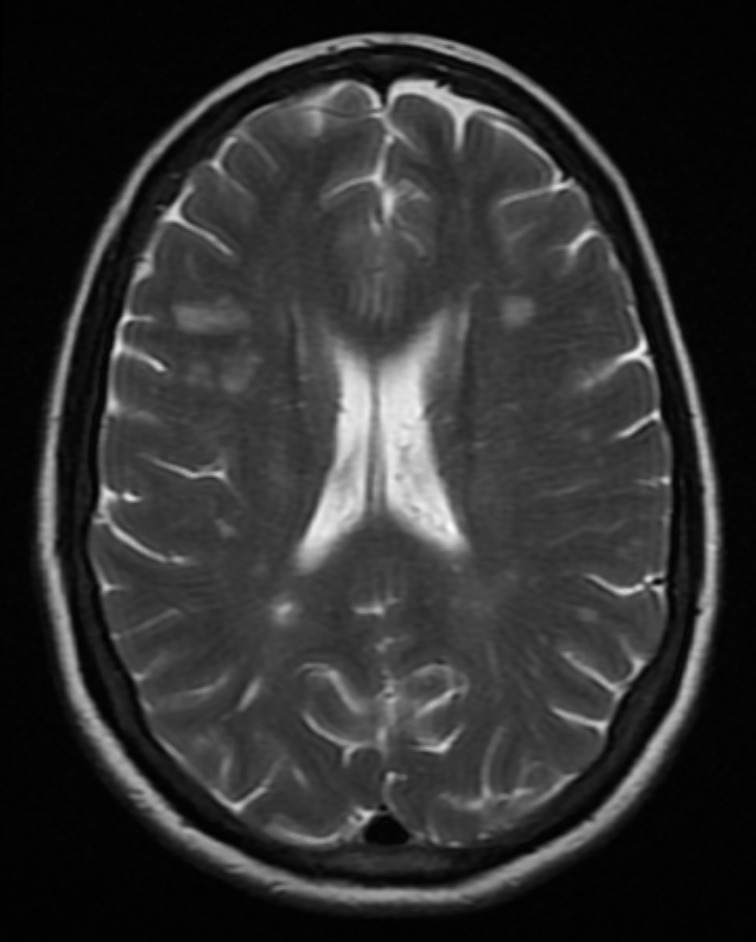
Worsening from heat can look like a relapse, but it usually resolves when temperature returns to normal. The systematic review describes that this worsening can cause short-lived "relapses" with no change on neuroimaging (Pereira et al., 2026). Some clues help separate the two situations:
- symptoms that already existed before and reappeared, with no new deficit;
- a clear link with heat exposure, exercise, a hot bath or fever;
- improvement within hours after cooling and rest;
- absence of fever from infection, which also raises temperature and can trigger a pseudo-relapse;
- a new deficit or one that persists beyond a day, which calls for assessment of a true relapse.
Heat and seeking care
The effect also shows up in health services. In the United States, unusual heat, more than 1.5 °C above the long-term monthly average, was associated with more emergency visits and hospital admissions among people with multiple sclerosis (Pereira et al., 2026). A Chicago study that examined all diagnoses from nearly one million acute care visits found multiple sclerosis among the diagnoses most likely to lead to care in the days following extreme heat (Jang et al., 2026).
Epilepsy and seizures
The WHO estimates that about 50 million people live with epilepsy worldwide, and that close to 80 percent of them are in low- and middle-income countries (WHO, Epilepsy). This means that most people with epilepsy live precisely in the regions most exposed to heat and with the fewest resources to protect themselves.
The link between heat and seizures exists, but it is heterogeneous. The largest recent study came from Taiwan and analyzed 187,657 emergency visits for epileptic seizures between 2007 and 2017 (Chang et al., 2025). Risk rose linearly with the wet-bulb globe temperature index, with no threshold at which the effect began, and was highest on the day of exposure itself.
Other studies have found different results. The 2026 systematic review cites a US study with no association between environmental heat and emergency visits for epilepsy, and another with a lower risk of admission for seizures on the day after temperatures above 20 °C, which suggests a bimodal relationship (Pereira et al., 2026). The same review highlights that sleep deprivation, a known trigger for seizures, worsens during heat waves.
Febrile seizures in children
In young children, ambient temperature intersects with fever. A study in Japan analyzed 3,201 ambulance attendances for fever-associated seizures in children under 7 years old (Matsumoto et al., 2026). The risk rose both in moderate cold and in moderate heat, with an effect that appeared days after exposure, which the authors attribute mainly to infections. The WHO notes that lowering the temperature of a child with fever reduces the chance of a febrile seizure (WHO, Epilepsy).
Access to treatment
Heat weighs more where treatment is already lacking. The WHO estimates that up to 70 percent of people with epilepsy could become seizure-free with adequate diagnosis and treatment, but about three quarters of people with epilepsy in low-income countries do not receive the treatment they need (WHO, Epilepsy). Extreme weather events can disrupt supply chains for antiseizure medicines, and adherence to treatment depends on the medicine arriving (Gulcebi et al., 2025). In countries in Sub-Saharan Africa, reports point to a relationship between higher temperatures and worsening seizures, as well as more hospital admissions in the hot months (Mills et al., 2024).
Stroke
Stroke is one of the leading causes of death and disability worldwide, and its relationship with temperature is the most studied in neurology. A 2026 review of environmental exposures concludes that heat is one of the clearest immediate environmental triggers of stroke, especially with high humidity, a high heat index or a heatwave (Ali et al., 2026).
The numbers vary by place. In Israel's national stroke registry, a heat index of 100 °F compared with 80 °F was associated with a risk of stroke about 40 percent higher on the day of the event, and in Hunan province, China, heatwaves increased hospital admissions for ischemic stroke, even more so with high humidity (Ali et al., 2026). The proposed mechanisms are dehydration, hemoconcentration, blood pressure variation, autonomic activation, endothelial dysfunction and a prothrombotic tendency.
The 2026 systematic review notes that cold also counts. Studies in Canada and Spain found more hospital admissions for stroke at low temperatures, and the authors consider the data inconclusive (Pereira et al., 2026). The review of environmental exposures adds that low temperature still accounts for most of the stroke burden attributed to temperature, but the part linked to heat is growing fast, especially in older adults and in socially vulnerable populations (Ali et al., 2026).
The acute deficit on the hot day
For those providing care, the consequence is twofold. Heat increases the chance of a true stroke and, at the same time, can worsen old deficits and produce confusion, dizziness and weakness that resemble stroke. The reasoning about stroke mimics still applies: hypoglycemia, seizure, dehydration and worsening of an old lesion enter the differential before concluding that it is a new vascular event.
Dementia and Parkinson's disease
In Parkinson's disease, autonomic failure alters sweating and temperature regulation. The 2026 systematic review cites data from Spain in which, during the 2008 and 2009 heatwaves, each degree above 34 °C was associated with an 11.5 percent increase in emergency admissions and a 12 percent increase in mortality among people with Parkinson's (Pereira et al., 2026). The same authors note that some studies on Parkinson's and heat have conflicting results.
In dementia, thermoregulation already impaired by age worsens with the disease, and the patient often does not notice thirst or cannot protect themselves alone. In England, the risk of dementia-related hospital admission rose 4.5 percent for each degree above 17 °C, and nine of 11 studies in eight countries associated high temperatures with worsening symptoms, more hospital admissions and more deaths (Pereira et al., 2026).
Sleep is another link. The report from the conference on climate and the brain highlighted that rising temperature harms sleep, especially in older adults and in people with dementia (Mills et al., 2024). Hot nights, poor sleep and dehydration form a known path to hypoactive delirium in older adults, which often goes unnoticed.
Comparison between the conditions
| Condition | Described effect of heat | Strength of evidence | Source |
|---|---|---|---|
| Multiple sclerosis | Temporary worsening of symptoms in 60 to 80 percent; more emergency visits | Consistent | Pereira et al., 2026; Jang et al., 2026 |
| Epilepsy | More crises on the same day in Taiwan, with no threshold | Heterogeneous, bimodal relationship in some studies | Chang et al., 2025; Pereira et al., 2026 |
| Febrile seizure in children | Risk in moderate cold and heat, with a delay of days | One regional study | Matsumoto et al., 2026 |
| Stroke | Immediate trigger with humid heat and heatwaves | Moderate, cold also counts | Ali et al., 2026 |
| Parkinson's disease | More hospitalizations and deaths above 34 °C | Limited, with conflicting results | Pereira et al., 2026 |
| Dementia | More hospitalizations for each degree above 17 °C | Consistent across several countries | Pereira et al., 2026 |
Medicines that get in the way of heat loss
Many neurological patients take medicines that interfere with sweating, hydration or blood pressure. A scoping review of 61 primary studies showed that diuretics, ACE inhibitors, angiotensin receptor blockers, anticholinergics and antipsychotics were the classes most associated with heat illness in older adults (Tews et al., 2026). The same review cites evidence of increased core temperature with potent anticholinergics, antiparkinsonian drugs and non-selective beta-blockers.
Anti-seizure medicines deserve attention of their own. The review on medicines, epilepsy and climate describes reports of heat stroke with topiramate, due to reduced sweating, and of hyperthermia with seizures and status epilepticus in a patient with Dravet syndrome taking zonisamide (Gulcebi et al., 2025). The topiramate package insert, cited in the scoping review, advises warning the patient about reduced sweating, especially in children (Tews et al., 2026).
Before summer, these reviews point to the classes that deserve review: topiramate and zonisamide, for reduced sweating; anticholinergics, including those used in Parkinson's and overactive bladder; antipsychotics, also used for agitation in dementia; diuretics, ACE inhibitors and angiotensin receptor blockers, for dehydration and the drop in blood pressure; and non-selective beta-blockers (Tews et al., 2026; Gulcebi et al., 2025).
Where the medicine is kept
Heat also acts on the tablet. The review by Gulcebi and colleagues describes that the dissolution rate of carbamazepine tablets from different manufacturers changed with heat and humidity, and that pill organizers can compromise the stability of medicines in hot and humid regions (Gulcebi et al., 2025). The authors argue for guidance on safe storage on days of extreme heat.
At the appointment, it is worth asking where the person keeps their medicines. A parked car, a backpack left in the sun and a shelf near the stove are common and hot places. Keeping the medicine in its original packaging in a cool place is simple guidance, at low cost.
What to advise, with the WHO as the backbone
The WHO publishes practical guidance for the public during heatwaves, and it serves as a basis for neurological patients (WHO, Heat and health). For the home, the WHO suggests opening windows at night, when it is cooler outside, and closing them during the day, covering them with blinds or shutters to block direct sun.

The WHO guidance that most applies to people with neurological disease:
- stay in the shade or at home during the hottest hours and spend a few hours a day in a cool place;
- use a fan only below 40 °C and, if there is air conditioning, set it to about 27 °C with a fan running;
- wear light, loose clothing, take cool showers and wet the skin with a damp cloth or spray bottle;
- drink water regularly, about one glass per hour and at least two to three liters a day;
- follow official heat alerts and check on vulnerable people often, especially older adults and those who live alone.
Adapt to each disease
In multiple sclerosis, cooling the whole body and planning activities for the cooler hours help maintain exercise, which improves strength, balance and independence (English et al., 2025). In epilepsy, the priority is to protect sleep, keep antiseizure medicines up to date and have a reserve supply when there is a risk of running out. In dementia, the responsibility shifts to the caregiver, who needs to offer water, control the environment and watch for changes in behavior.
People with fluid restriction, such as in heart failure or advanced kidney disease, need individual guidance on how much to drink. In pregnant women, heat also brings its own obstetric risks, such as preterm birth, discussed in the text on extreme heat in pregnancy. The same attention applies to people who work in the heat, a group in which kidney disease of unknown cause has already been described.
Signs to seek care
The WHO reminds us that heat stroke is an emergency with high lethality (WHO, Heat and health). Confusion, seizure, very hot skin, fainting or a new deficit require immediate care, and the reasoning of extreme heat in the emergency department and of exertional heat stroke applies: cool first, transport later.
Health services and climate-resilient neurology
The WHO works with health services to create heat action strategies, alert systems and emergency responses that identify the vulnerable population (WHO, Heat and health). The European Academy of Neurology adapted the WHO operational framework for climate-resilient health systems and proposed ten areas of action for a climate-ready neurology (Caronna et al., 2026).
In service practice, this means listing the most fragile neurology patients, reviewing medicines before summer, ensuring a stock of antiseizure medicines and including heat in discharge guidance. The relationship between heat and mental health follows the same logic: admissions rise during heat waves, and services need to prepare beforehand.
Back to the case
The teacher from the beginning has old symptoms that returned with the heat, with no new deficit, no fever and no apparent infection. The picture suggests Uhthoff phenomenon, which usually regresses with cooling and rest (Pereira et al., 2026). The approach is to cool the environment, hydrate, look for urinary or respiratory infection and reassess in a few hours.
If the symptoms improve, the diagnosis of pseudo-relapse is strengthened and she can avoid an unnecessary corticosteroid. If they persist beyond a day or a new deficit appears, investigation of a true relapse comes into play. She should leave the visit with the WHO guidance for hot days and knowing which signs require returning.
How NEXO helps train this reasoning
In NEXO, the case of the day is fictional, with a real clinical presentation and up to six progressive clues, and you propose the diagnosis by looking for the ICD-10 code. Telling a pseudo-relapse from a relapse, a functional seizure from an epileptic seizure or a mimic from a stroke requires the same exercise: weigh each new clue and revise the hypothesis, as in differential diagnosis training with clues.
The limits of using the game are described on the NEXO economy page. If you research the teaching of clinical reasoning, the page for researchers explains how to get in touch. Professionals who write or review cases find information in curation and in creators, and institutions can learn about the proposal on the partnerships page. Looking for the right ICD-10 code completes this training.
Frequently asked questions
Can heat trigger a multiple sclerosis relapse?
Heat usually causes temporary worsening of old symptoms, the Uhthoff phenomenon, and not a relapse with a new lesion. The worsening regresses with cooling and can happen without changes on neuroimaging (Pereira et al., 2026).
Do people with epilepsy have more seizures in the heat?
Some studies show more seizures on hot days, as in Taiwan, where the risk rose without a threshold (Chang et al., 2025). Other studies found no association or even fewer admissions for seizures after hot days, and sleep deprivation seems to be an important link (Pereira et al., 2026).
Does heat increase the risk of stroke?
Yes. Humid heat, a high heat index and heatwaves appear as immediate triggers of stroke, although cold also raises the risk (Ali et al., 2026).
Which medications require more care in the heat?
Diuretics, ACE inhibitors, angiotensin receptor blockers, anticholinergics and antipsychotics are the classes most associated with heat illness in older adults (Tews et al., 2026). Among antiseizure medications, topiramate and zonisamide can reduce sweating (Gulcebi et al., 2025).
Is a fan enough for people with neurological disease?
The WHO advises using a fan only below 40 °C and combining it with air conditioning at around 27 °C when available (WHO, Heat and health). Above that, finding a cool place for a few hours a day is safer.
Take-home messages
- Treat heat as a factor in decompensation in patients with chronic neurological disease (Caronna et al., 2026).
- In multiple sclerosis, consider Uhthoff's phenomenon before concluding there is a relapse when old symptoms return in the heat (Pereira et al., 2026).
- In epilepsy, protect sleep and access to antiseizure medications during heatwaves (Gulcebi et al., 2025).
- Remember that humid heat and heatwaves are immediate triggers of stroke (Ali et al., 2026).
- Review diuretics, anticholinergics, antipsychotics and antiseizure medications that reduce sweating before summer (Tews et al., 2026).
- Use the WHO guidance on shade, ventilation, water and official alerts as the basis for counseling (WHO, Heat and health).
References
- World Health Organization. Heat and health. Fact sheet. Full text.
- World Health Organization. Epilepsy. Fact sheet. Full text.
- Caronna E, Sisodiya SM, Pozo-Rosich P, et al. Climate change, neurological disorders and brain health: to-know concepts and future actions by the EAN Environmental Influences in Neurology Task Force. Eur J Neurol. 2026. PMID 42626786. DOI 10.1111/ene.70687.
- Pereira GM, Rocha GWB, Li LM. The impact of rising global temperatures on neurological diseases. Arq Neuropsiquiatr. 2026;84(12). PMID 42946002. DOI 10.1055/s-0046-1829128.
- Mills JD, Gulcebi MI, Allatt J, et al. Climate change and neurological diseases: report from the Hot Brain 2: Climate Change and Brain Health meeting, 2024. BMJ Neurol Open. 2024. PMID 39737344. DOI 10.1136/bmjno-2024-000929.
- Chang YT, Lin YT, Chuang BR, et al. Association between wet-bulb globe temperature and epilepsy: a space-time-stratified case-crossover study in Taiwan. Trop Med Health. 2025. PMID 40394709. DOI 10.1186/s41182-025-00755-z.
- Matsumoto N, Yamamura Y, Uraguchi K, et al. Immediate and delayed effects of thermal stress on fever-associated seizures in children: a time-stratified case-crossover study in Japan. Int J Biometeorol. 2026. PMID 41784651. DOI 10.1007/s00484-026-03146-z.
- English T, Barton J, Vargas N, et al. Toward isolating perceptual and physiological contributors to heat sensitivity in multiple sclerosis: insights from a new experimental model. Eur J Appl Physiol. 2025. PMID 40500533. DOI 10.1007/s00421-025-05838-7.
- Jang H, Graffy PM, et al. Identifying heat-related diagnoses in emergency department visits among adults in Chicago: a heat-wide association study. Sci Adv. 2026. PMID 42647618. DOI 10.1126/sciadv.aed3977.
- Ali M, Mayberry W, Achey R, et al. Environmental exposures and stroke risk: converging pathways, unequal burdens, and prevention opportunities. Curr Neurol Neurosci Rep. 2026. PMID 42484963. DOI 10.1007/s11910-026-01505-2.
- Tews LM, Abazia DT, Blackburn H, et al. Recognizing and mitigating the effects of medication on heat-related illness in older adults: a scoping review. Pharmacy (Basel). 2026;14(3):74. PMID 42200961. DOI 10.3390/pharmacy14030074.
- Gulcebi MI, Gavas S, Sisodiya SM. Medications, epilepsy and climate change: added layers of complexity. Br J Clin Pharmacol. 2025. PMID 40432167. DOI 10.1002/bcp.70108.