AccessibilityDisaster medicineClimate and health
Disability in disasters: evacuation and shelter
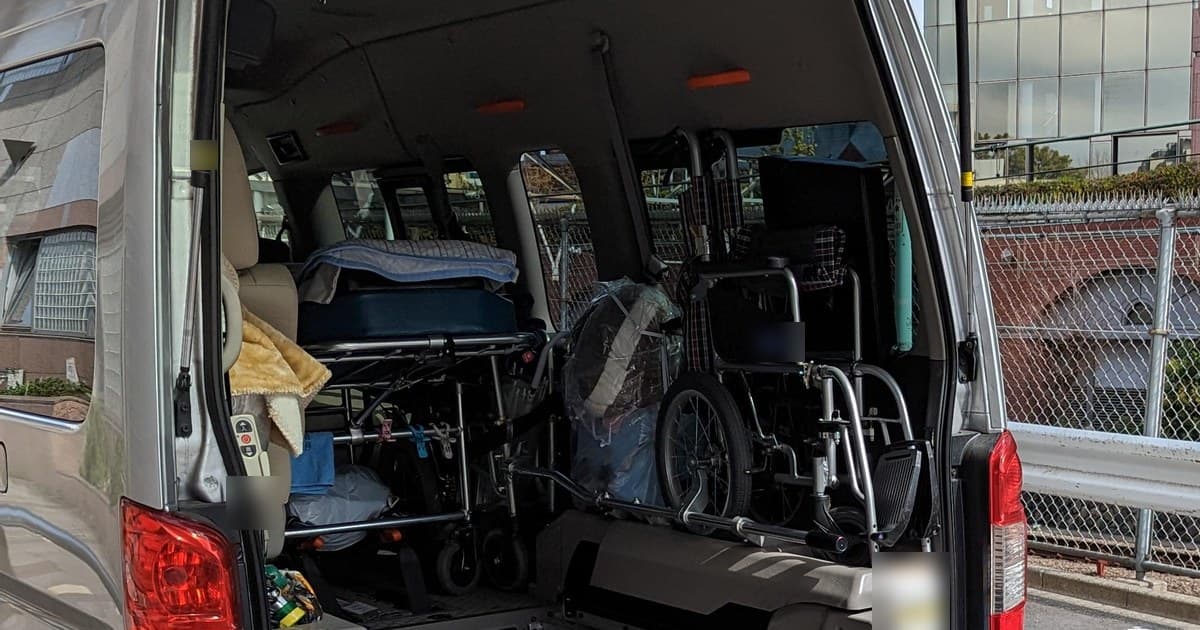



Table of contents
- Why people with disabilities die more in disasters
- Accessible warning and communication
- Evacuation and transport
- Triage and trauma care
- Accessible shelter
- Recovery and mental health
- What to advise, with WHO as the guide
- How NEXO helps train this reasoning
- Frequently asked questions
- Take-home messages
- References
In a fictional case, a 58-year-old man with a thoracic spinal cord injury arrives at a shelter two days after a flood. He uses a motorized wheelchair and lives alone. Water entered the ground floor of the building, the elevator stopped, and he waited almost a day until neighbors carried him down the stairs. The motorized wheelchair was left behind, along with the charger and the cushion. At the shelter, he receives a mat on the floor, near the door. The bathroom has a step. At arrival triage, the team notes "no complaints", because he does not report pain.
The scene brings together almost all the failures described in the literature. The World Health Organization (WHO) states that people with disabilities must be considered in health emergency prevention and response because they are more likely to be affected, directly and indirectly (WHO, Disability). The same organization shows that the risk does not come only from the body: it comes from warnings that do not arrive, from transport that does not exist, from shelters with steps, and from decisions made by people who do not see these individuals.
This text uses WHO publications as its backbone and brings together reviews from several continents to answer two questions: why people with disabilities die more and recover worse after disasters, and what changes in triage and in shelters to reduce this difference.
Key points
- About 1.3 billion people, or 16 percent of the world population, live with significant disability (WHO, Disability).
- In the 2011 earthquake and tsunami in Japan, the mortality rate among people with disabilities registered by the government was 2.06 percent, double the 1.03 percent of the general population (WHO, Guidance Note, 2013).
- WHO warns that negative attitudes toward disability can significantly affect decisions about who is prioritized in an emergency (WHO, Guidance Note, 2013).
- Shelters without ramps and without accessible bathrooms, as well as discrimination and violence inside them, appear repeatedly in the literature (Nguyen-Trung et al., 2025).
- In a study cited in a review on floods in rural Australia, people with disabilities had more interruption of access to health care and more displacement for more than six months than others (Del Prete et al., 2025).
- Why people with disabilities die more in disasters
- Accessible warning and communication
- Evacuation and transport
- Triage and trauma care
- Accessible shelter
- Recovery and mental health
- What to guide, with WHO as the backbone
- How NEXO helps train this reasoning
- Frequently asked questions
- Take-home messages
Why people with disabilities die more in disasters
Disability, in the definition adopted by WHO, arises from the interaction between a health condition and the environment: physical, communication and attitudinal barriers. The organization's fact sheet recalls that some people with disabilities die up to 20 years earlier than the general population and have twice the risk of depression, asthma, diabetes and stroke (WHO, Disability). This starting point is already unfavorable before any flood or earthquake.
The disaster amplifies this disadvantage. The WHO technical note on disability and emergency risk management describes three central mechanisms: the person may lose assistive devices, such as glasses, hearing aids and mobility aids, may run out of medicines, and may be left behind when the community evacuates (WHO, Guidance Note, 2013). The 2011 Japanese figure, with mortality twice as high among people registered with disabilities, illustrates the result.
The review by Peek and Stough, written from the perspective of social vulnerability, organizes the factors for children with disabilities: poverty, greater exposure to risk, separation from caregivers and parental burden. The authors estimate 200 million children with disabilities worldwide and argue that they may have worse outcomes in disasters unless there are specific protections (Peek and Stough, 2010). It is a conceptual synthesis, which extrapolates from studies with other groups, and therefore speaks of probable risk, not measured effect.
Invisibility before the disaster
The WHO points to invisibility as a root problem: people with disabilities are often not identified in community records or in displacement registration systems (WHO, Guidance Note, 2013). Those who do not appear in the registry are left off the transport list and the visits.
A study in Assam, India, showed how this gap persists even when policy exists. The authors note that drills and alerts are generally not accessible, that registration and mapping of people with disabilities are lacking, and that relief services such as water, sanitation and shelter are rarely adapted; in Assam, they found a mismatch between disaster risk reduction guidelines and what is done in practice, with flood response relying on local knowledge rather than institutional measures (Doll et al., 2025).
The disability that disaster creates
Disaster also produces new disabilities. The WHO cites data from some countries suggesting that up to a quarter of disabilities may be associated with injuries and violence, and describes that disasters cause fractures, burns, spinal cord injuries, amputations and traumatic brain injuries, with possible physical, cognitive, sensory and psychological limitations afterward (WHO, Guidance Note, 2013). Stough and colleagues' review on children cites the same phenomenon: disasters increase the incidence of disability (Stough et al., 2017). Those organizing the response must think about two populations: those who already lived with a disability and those who come to live with one from the event onward.
Accessible warning and communication
The first link in the chain is knowing the danger is coming. Peek and Stough describe that people with disabilities may not receive or understand warnings and alerts, and that blind or deaf people often do not receive alert messages in time (Peek and Stough, 2010). The rapid review by Nguyen-Trung and colleagues, which gathered 33 studies and interviews in Vietnam, details the problem by type of disability: people with hearing disabilities miss sound alerts and have difficulty communicating with rescuers; people with visual disabilities depend on spoken messages and on support from others (Nguyen-Trung et al., 2025).
The scoping review by Matsuo and colleagues found the same mismatch between the communication channel and the need: radio for people with visual disabilities, text for people with hearing disabilities and location resources for people with dual sensory disability (Matsuo et al., 2025). The review on developing countries by Uddin and colleagues adds that glasses, hearing aids and wheelchairs make it easier to access the warning and evacuate (Uddin et al., 2024).
The WHO lists formats that help the message reach everyone: sign language, images and plain language, speaking slowly and demonstrating the expected action, audio for those who cannot see, braille and large print (WHO, Guidance Note, 2013). Using more than one channel for the same alert keeps someone from depending on a single sense.
For a person with intellectual disability, the difficulty may lie in understanding what is happening. Rohwerder describes that these people may become distressed in an emergency and that sirens, flashing lights and the presence of strangers and rescuers may hinder, rather than help, evacuation (Rohwerder, 2026). Explaining calmly and anticipating what will happen is part of the care.
Evacuation and transport
Leaving home in time depends on transport, help and an unobstructed path. The WHO notes that inaccessible transport is 15 times harder for people with disabilities than for others (WHO, Disability). In a disaster, this everyday barrier becomes a matter of survival.
The review by Matsuo and colleagues gathered 20 studies on evacuating vulnerable populations and identified a recurring problem: dependence on caregivers who were also affected by the event, which delays departure (Matsuo et al., 2025). The authors report that 41 percent of older adults left behind in Hurricane Katrina cited lack of transport as the main reason, that ventilator-dependent people needed equipped vehicles, which are generally scarce in emergencies, and they suggest partnerships with adapted transport services.
The review by Del Prete and colleagues, with 98 studies on floods in high-income countries, reports that about 700 elevators stopped during Hurricane Sandy left residents with disabilities stranded in their buildings (Del Prete et al., 2025). The same review found people who decided not to evacuate because they knew shelters were not accessible.
Spinal cord injury and reduced mobility
The narrative review by Shah and colleagues, with 12 articles on spinal cord injury and climate events, describes risks that go beyond displacement (Shah et al., 2026). A person with spinal cord injury has impaired thermoregulation and may have autonomic dysreflexia. Power outages drain the batteries of motorized wheelchairs, water damages wheelchairs and debris blocks the way. The authors highlight that the feeling of being prepared does not match actual preparedness, with a median of 3 out of 10 in one of the studies, and that most of the research comes from the Global North.
The same review cites a global survey by the United Nations office for disaster risk reduction in which only 26 percent of people with disabilities said they could evacuate immediately, and 84 percent did not have a personal preparedness plan (Shah et al., 2026). It is a secondary citation, and the data comes from self-report.
Who cares for whom
The separation between a person with a disability and their caregiver is a risk in itself. Peek and Stough point to separation from caregivers as a vulnerability factor for children (Peek and Stough, 2010), and the review by Uddin and colleagues associates this separation with post-traumatic stress and depression (Uddin et al., 2024). The WHO recommends reuniting the person with their caregiver as soon as possible (WHO, Guidance Note, 2013).
Records of past experiences reinforce the warning. Peek and Stough cite reports about people with physical and cognitive disabilities left behind in the 2000 floods in Mozambique and Zimbabwe (Peek and Stough, 2010). The review on intellectual disability describes that medications and assistive devices are often left at home in the rush to leave (Rohwerder, 2026).
Triage and trauma care
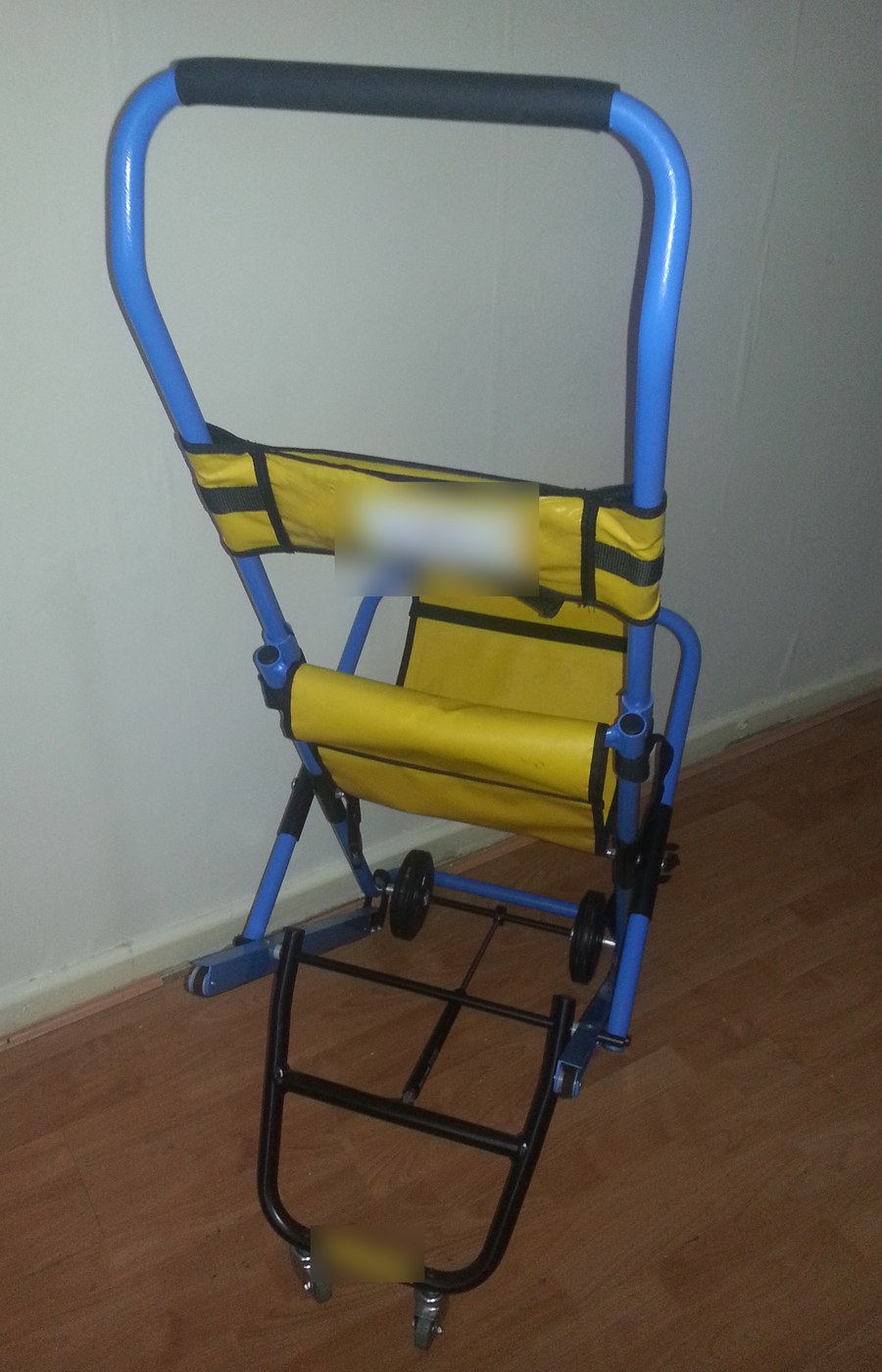
Mass casualty triage algorithms, such as START and SALT, classify by physiological severity. The risk for people with disabilities lies elsewhere: in the human judgment that accompanies any algorithm. The WHO technical note states that negative attitudes toward disability can significantly affect decisions about who is prioritized during emergencies (WHO, Guidance Note, 2013).
There are concrete signs of this bias. During the covid-19 pandemic, Rohwerder reports complaints about triage criteria and do-not-resuscitate orders applied to people with intellectual disabilities (Rohwerder, 2026). The WHO descriptive note recalls that resolution WHA74.8 calls for equal protection for people with disabilities in health emergencies (WHO, Disability).
In practice, the criterion remains the current clinical condition, and a pre-existing disability should not by itself lower priority. It is worth asking how the person moved around and communicated before the event, remembering that a deaf person may have difficulty communicating with rescuers (Nguyen-Trung et al., 2025) and reuniting the person with their caregiver as soon as possible (WHO, Guidance Note, 2013).
Trauma, spinal cord injury and rehabilitation
The trauma annex of the WHO technical note provides direct guidance for mass casualty care teams (WHO, Guidance Note, 2013). The team must be trained to recognize spinal cord injury and traumatic brain injury, to safely move and transport people with spinal cord injury and to refer catastrophic injuries to services capable of treating them. Prevention of pressure injuries and urinary infection becomes routine from the first day, as does the presence of rehabilitation professionals on emergency teams and a stock of wheelchairs and crutches.
The same annex calls for wound care guidance in plain language (WHO, Guidance Note, 2013). For the patient in this case, that means examining the skin, asking about the catheter and bowel habits, and remembering that he may not feel an injury that is forming. The hospital's surge capacity must include beds and equipment for people with reduced mobility.
Accessible shelter
The shelter is where inequality shows up most visibly. The review by Nguyen-Trung and colleagues describes shelters without ramps and without accessible bathrooms, as well as reports of discrimination and sexual violence against people with disabilities in these spaces (Nguyen-Trung et al., 2025). Peek and Stough also pointed to the lack of accessible shelters among the problems faced by children with disabilities and their families (Peek and Stough, 2010).
For families of people with intellectual disabilities, the shelter can be a problem in itself. Rohwerder describes that, in the United States and Japan, collective shelters proved hard to bear for children with intellectual disabilities, with parents worried about their children's behavior and the reaction of others, that these families may suffer stigma and discrimination in shelters, and that, in Vietnam and Vanuatu, caregivers avoided evacuation centers because of stigma, privacy and safety (Rohwerder, 2026).
The WHO recommends that shelters and health services follow universal design, be prepared before the emergency, and that reconstruction take the opportunity to build back better (WHO, Guidance Note, 2013). The note's assessment annex suggests simple questions for anyone coordinating a shelter:
- Is the shelter accessible for people who use wheelchairs or walk with difficulty?
- Are the bathrooms and bathing areas accessible?
- Is there fuel or another way to keep warm for people who have trouble regulating their body temperature?
- Do health services reach people in shelters, in camps and in institutions?
- Has anyone visited the institutions in the area to check whether there are people forgotten or abandoned?
The technical note also lists supplies that are often missing: medicines for epilepsy, type 1 diabetes, psychosis and depression, mattresses, cushions, bedpans, catheters and assistive devices (WHO, Guidance Note, 2013). Continuity of life-sustaining treatments such as insulin, dialysis and oxygen is the subject of another blog text on chronic diseases in disasters. The point here is that a mat on the floor may be unusable for someone who cannot get up from it.
Barriers by type of disability
The table summarizes the barriers described in the sources and the responses that the WHO and the reviews suggest for shelter and triage.
| Type of disability | Main barrier described | What to do in shelter and triage | Source |
|---|---|---|---|
| Physical or mobility | Obstacles, narrow spaces, stopped elevators, damaged wheelchairs | Accessible routes and bathrooms, raised mattress, recharging of motorized wheelchairs, prevention of pressure injuries | Nguyen-Trung et al., 2025; Del Prete et al., 2025; Shah et al., 2026 |
| Spinal cord injury | Impaired thermoregulation, autonomic dysreflexia, loss of electrical power | Temperature control, attention to autonomic symptoms, safe transport | Shah et al., 2026; WHO, 2013 |
| Hearing | Sound alerts, communication with responders, loss of hearing aid | Visual and written warnings, sign language, replacement of the hearing aid | Nguyen-Trung et al., 2025; WHO, 2013 |
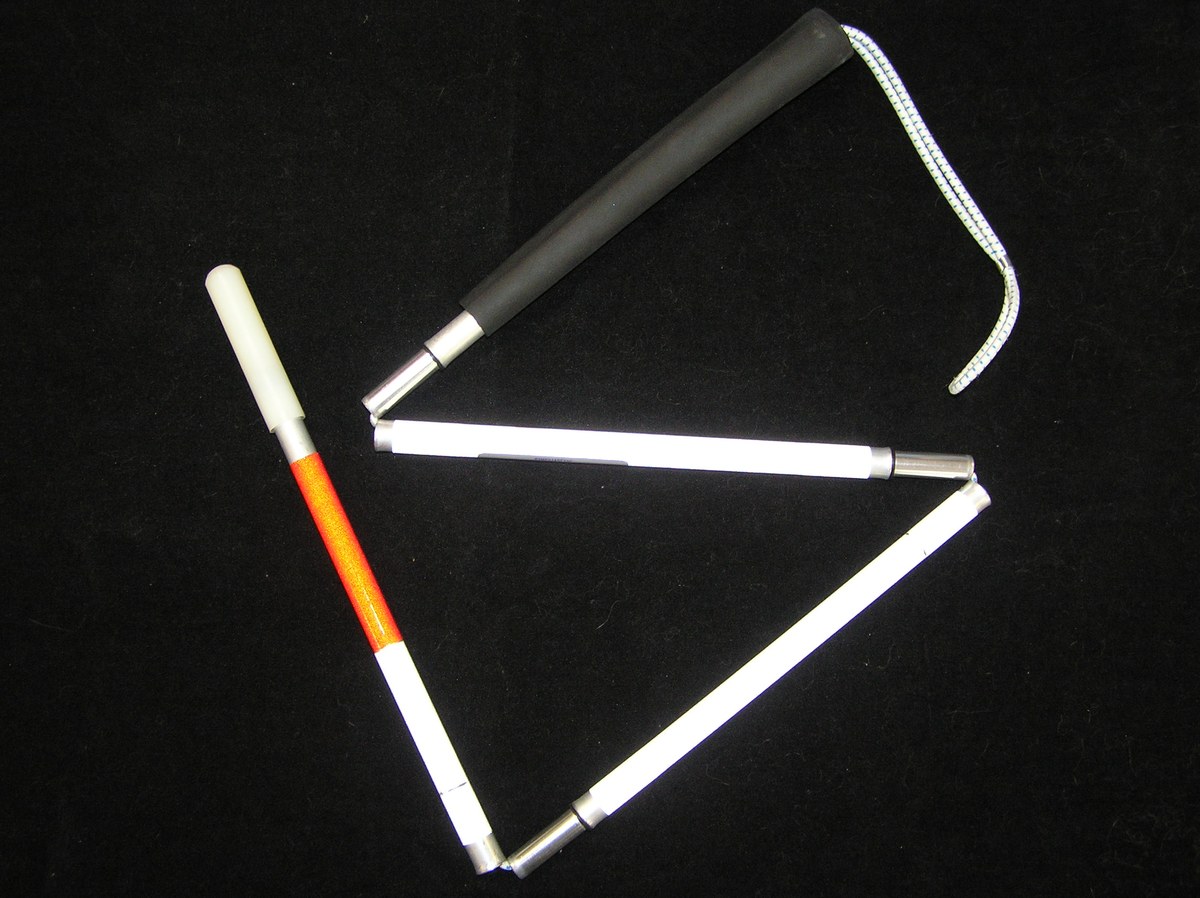
| Vision | Visual-only messages, dependence on support, loss of glasses or cane | Audio warnings, orientation to the space, companion | Nguyen-Trung et al., 2025; Uddin et al., 2024 |
| Intellectual or cognitive | Understanding of events, distress and agitation, noisy environment | Plain language, calmer space, presence of the caregiver | Rohwerder, 2026; Nguyen-Trung et al., 2025 |
| Psychosocial | Interruption of treatment, risk of neglect in institutions | Continuity of medicines, regular visits to institutions | WHO, 2013 |
The review by Nguyen-Trung and colleagues notes that the literature has focused on mobility disabilities, which leaves the others with less evidence (Nguyen-Trung et al., 2025). The table reflects this asymmetry.
Recovery and mental health
Inequality continues after the water recedes. Rohwerder's review describes that people with intellectual disabilities may face significant barriers to long-term recovery: access to medicines and rehabilitation services may be interrupted, children who stop going to school may lose the progress they were making, and the death, injury or displacement of family members and caregivers requires a new support network and grief care (Rohwerder, 2026).
Quantitative flood data point in the same direction. Del Prete and colleagues cite a study in rural Australia in which people with disabilities, compared with others, had more interruption of access to health care, with an odds ratio of 3.98 (95 percent confidence interval 2.82 to 5.60), and more displacement for more than six months, with an odds ratio of 3.78 (interval 2.18 to 6.55) (Del Prete et al., 2025). In the same study, post-traumatic stress was about three times more likely among people with disabilities. It is a specific population, and the review authors note that the evidence linking vulnerability assessment to shelter decisions is still limited.
Children with disabilities
Stough, Ducy and Kang's review of children with disabilities exposed to disasters or terrorism acknowledges that studies on psychological effects in this group are very scarce and that evidence on trauma therapies is limited (Stough et al., 2017). With that caveat, the authors highlight the role of schools and teachers in recovery, cite stigma and health conditions as factors that undermine it, and note that post-traumatic stress may present differently in children with intellectual disabilities. The authors also note that almost all studies in this group rely only on reports from parents or caregivers.
The same review mentions that prior health disabilities were associated with higher mortality in earthquakes (Stough et al., 2017). Rohwerder describes, for people with intellectual disabilities, higher rates of mortality and injury in earthquakes than in the general population, as well as difficulty coping with changes in routine after the event, with a negative effect on mental health and behavior (Rohwerder, 2026).
Accessible psychological support
WHO warns that the risk of severe neglect or abuse of people in institutions is extremely high and advises regularly visiting psychiatric hospitals and residences for people with severe mental health conditions, especially in the acute phase (WHO, Guidance Note, 2013). Psychological first aid after a disaster applies to everyone, but it must be offered in formats the person can access, with a sign language interpreter, plain language or the presence of a caregiver. The text on deafness and hearing disability in medical training discusses communication barriers that recur in care.
What to advise, with WHO as the guide
The WHO technical note recalls that article 11 of the Convention on the Rights of Persons with Disabilities asks countries to take all necessary measures to ensure the protection and safety of these people in risk situations, including natural disasters. The same note proposes that people with disabilities, their supporters and their representative organizations take part in disaster policies and decisions, including risk assessment, and that services reach those in shelters, camps and institutions, with reasonable accommodations (WHO, Guidance Note, 2013).
For the health service and for those providing care, the practical list is as follows:
- identify in the patient registry who has a disability and what support they use, and include this information in displacement registration systems;
- help each patient put together a personal preparedness plan, with contacts, a list of medicines, devices and chargers;
- arrange adapted transport and a backup caregiver in advance;
- ensure the alert reaches people through more than one channel and in an accessible format;
- organize the shelter space with an accessible route, an adapted bathroom and a quieter area;
- record at triage how the person moved around and communicated before the event.
Del Prete and colleagues report that Japan treats people with disabilities as a priority evacuation group and uses registries and geographic mapping to locate them (Del Prete et al., 2025). The Assam study shows the opposite path, where the inclusion set out in the guidelines does not reach practice and people with disabilities are left without resources and without institutional support (Doll et al., 2025).
Heat, climate and disability
Extreme climate events make the topic more urgent. Uddin and colleagues, in a review of 14 articles on developing countries, describe greater disruption of medical care for people with disabilities than for the general population and recall that access to glasses, hearing aids and wheelchairs helps with warning and evacuation, but note that the literature is still scarce (Uddin et al., 2024). For people with spinal cord injury, difficulty regulating temperature makes heat waves and power outages especially dangerous (Shah et al., 2026). The effect of heat on neurological diseases appears in the text on heat and the brain, and care for pregnant women in the text on extreme heat during pregnancy.
Back to the case
The man from the beginning arrived at the shelter without his motorized wheelchair, without his cushion and without reporting pain, and was classified as "no complaints". With the WHO perspective, the assessment changes: ask how he got around and how he manages his bladder and bowel, examine the skin of pressure areas, check temperature and signs of autonomic dysreflexia and replace assistive devices (WHO, Guidance Note, 2013; Shah et al., 2026).
He needs a raised mattress, access to a bathroom without steps and a borrowed wheelchair until he recovers his own. The registration in the displaced persons registry must record the disability, so that the rehabilitation team and adapted transport can find him. The one-day delay in leaving the building is a data point for preparing for the next rainy season.
How NEXO helps train this reasoning
In NEXO, the case of the day is fictional, with a real clinical presentation and up to six progressive clues, and you propose the diagnosis by searching for the ICD-10 code. Noticing that "no complaints" can hide a pressure injury in formation, or that a lack of response to a command can come from deafness rather than reduced consciousness, requires the same exercise: weigh each new clue and revise the hypothesis, as in differential diagnosis training with clues.
The limits on using the game are described on the NEXO economy page. If you research the teaching of clinical reasoning, the page for researchers explains how to get in touch. Professionals who write or review cases find information in curation and in creators, and institutions can learn about the proposal on the partnerships page. Searching for the right ICD-10 code completes this training.
Frequently asked questions
Do people with disabilities really die more in disasters?
The available data indicate that they do. In the 2011 earthquake and tsunami in Japan, the mortality rate among people with disabilities registered by the government was 2.06 percent, against 1.03 percent in the general population (WHO, Guidance Note, 2013). Rohwerder's review on intellectual disability also describes higher mortality in earthquakes (Rohwerder, 2026).
Why do some people with disabilities not go to the shelter?
Many know that the shelter will not have a ramp, an accessible bathroom or a quiet space. Del Prete and colleagues describe people who decided not to evacuate for this reason (Del Prete et al., 2025), and Rohwerder reports families who avoid evacuation centers because of stigma and the environment (Rohwerder, 2026).
Should disability change triage priority?
The criterion should be the current clinical condition, and prior disability alone does not indicate severity or a poor prognosis. WHO warns that negative attitudes can distort prioritization decisions (WHO, Guidance Note, 2013), and resolution WHA74.8 calls for equal protection in emergencies (WHO, Disability).
What does a shelter need to have to receive people with disabilities?
Accessible routes and bathrooms, communication in more than one format, mattresses and pillows, catheters and assistive devices, medications for continuous use, and access to health and rehabilitation services, according to the WHO technical note (WHO, Guidance Note, 2013).
Is there evidence on treating psychological trauma in children with disabilities?
The evidence is limited. The review by Stough and colleagues states that studies on psychological effects in children with disabilities are very scarce and that evidence on therapies for trauma in this group is limited (Stough et al., 2017).
Take-home messages
- Consider disability a risk factor in disasters, because the WHO shows that these people are more affected, directly and indirectly (WHO, Disability).
- Identify before the event who has a disability and what support they use, and take this information to the registry of displaced people (WHO, Guidance Note, 2013).
- Send alerts through more than one channel and in an accessible format (Matsuo et al., 2025).
- At triage, assess the current clinical condition and ask how the person moved around and communicated before (WHO, Guidance Note, 2013).
- Prepare shelters with accessible routes and bathrooms, assistive devices and a calmer space (Nguyen-Trung et al., 2025).
- Follow recovery for months, because access to health care and housing remains compromised for longer in people with disabilities (Del Prete et al., 2025).
References
- World Health Organization. Disability. Fact sheet, March 7, 2023. [Full text](https://www.who.int/news-room/fact-sheets/detail/disability-and-health).
- World Health Organization. Guidance Note on Disability and Emergency Risk Management for Health. Geneva: WHO; 2013. [Full text](https://www.who.int/publications/i/item/guidance-note-on-disability-and-emergency-risk-management-for-health).
- Stough LM, Ducy EM, Kang D. Addressing the needs of children with disabilities experiencing disaster or terrorism. Curr Psychiatry Rep. 2017;19(4):24. [PMID 28405894](https://pubmed.ncbi.nlm.nih.gov/28405894/). DOI 10.1007/s11920-017-0776-8.
- Peek L, Stough LM. Children with disabilities in the context of disaster: a social vulnerability perspective. Child Dev. 2010;81(4):1260-70. [PMID 20636694](https://pubmed.ncbi.nlm.nih.gov/20636694/). DOI 10.1111/j.1467-8624.2010.01466.x.
- Nguyen-Trung K, et al. Vulnerabilities of people with different types of disabilities in disasters: a rapid evidence review and qualitative research. Disasters. 2025;49(3):e12686. [PMID 40353289](https://pubmed.ncbi.nlm.nih.gov/40353289/). DOI 10.1111/disa.12686.
- Matsuo Y, Kietzman K, Hays RD, Song Y. Evacuation and transportation barriers among vulnerable populations in natural hazard-related disasters: a scoping review. Int J Environ Res Public Health. 2025;22(11):1680. [PMID 41302625](https://pubmed.ncbi.nlm.nih.gov/41302625/). DOI 10.3390/ijerph22111680.
- Del Prete C, et al. Understanding vulnerability to flood-induced disasters: a scoping review on at-risk individuals and evacuation challenges. BMC Health Serv Res. 2025;26(1):171. [PMID 41413884](https://pubmed.ncbi.nlm.nih.gov/41413884/). DOI 10.1186/s12913-025-13898-w.
- Doll V, Vij S, Warner J. How inclusive is disaster risk reduction? Perceptions and predicaments of persons with disabilities during disaster in Assam, India. Disasters. 2025;49(4):e12693. [PMID 40616303](https://pubmed.ncbi.nlm.nih.gov/40616303/). DOI 10.1111/disa.12693.
- Rohwerder B. Crisis affected people with intellectual disabilities: experiences of conflict, natural hazard related disaster, and public health emergencies. Front Psychiatry. 2026;17:1844950. [PMID 42519197](https://pubmed.ncbi.nlm.nih.gov/42519197/). DOI 10.3389/fpsyt.2026.1844950.
- Shah I, McLean M, Rahman K. Impacts of a changing climate and adverse weather events on individuals with spinal cord injury: a narrative review. J Clim Chang Health. 2026;28:100678. [PMID 42109690](https://pubmed.ncbi.nlm.nih.gov/42109690/). DOI 10.1016/j.joclim.2026.100678.
- Uddin T, et al. Health impacts of climate-change related natural disasters on persons with disabilities in developing countries: a literature review. J Clim Chang Health. 2024;19:100332. [PMID 41647316](https://pubmed.ncbi.nlm.nih.gov/41647316/). DOI 10.1016/j.joclim.2024.100332.