PediatricsArmed conflict and humanitarian crises
Child injured in war: blast, burns and resuscitation
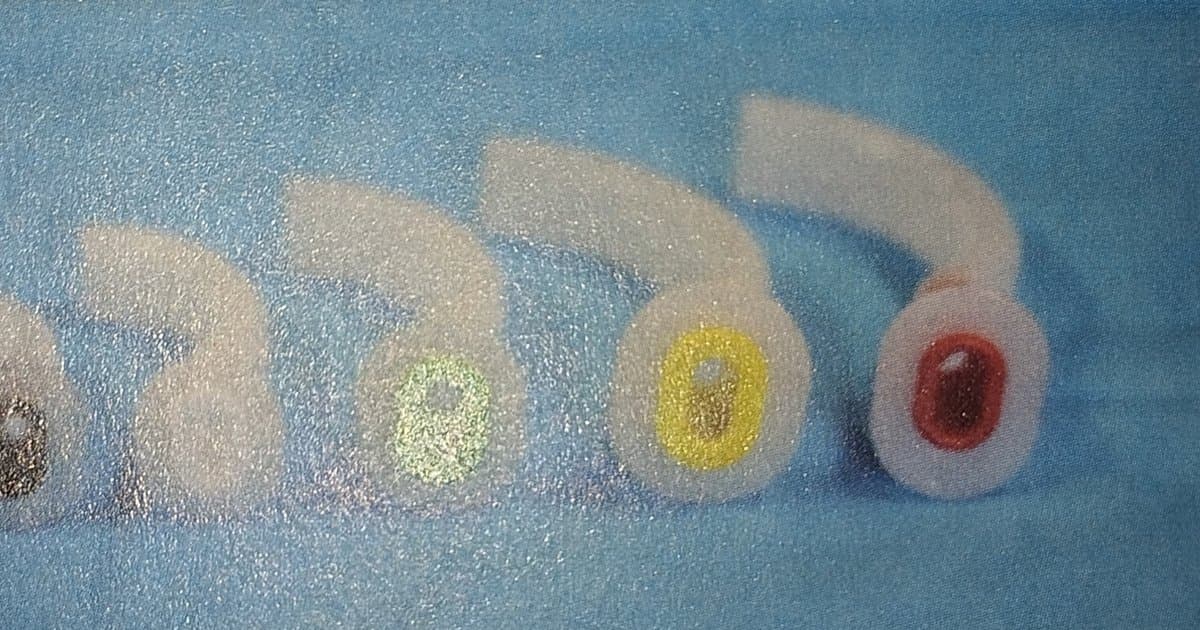



Table of contents
- Why the child wounded in war is a separate problem
- The pattern of injuries in children
- Conflict series: who arrives and who dies
- The burn that kills most
- The small airway
- The shock that does not show in the blood pressure
- Volume, blood and access
- How NEXO helps train this reasoning
- Frequently asked questions
- Take-home messages
- References
In a fictional case, a 6-year-old boy arrives at a field hospital half an hour after an explosive device detonates near where he was playing with other children. He has burns on his face, chest and arms, a wound on his thigh that bleeds little, and blood coming from one ear. Blood pressure is normal, and the team, tired after receiving three adults, almost classifies him as stable. A heart rate of 160 and slow capillary refill tell another story.
The explosion that injures an adult and a child is the same. The body that receives the energy is different, and so the pattern of injuries, the evolution of the burn and the response to shock are also different. This text gathers what reviews and series from recent conflicts show about these differences and what they change in resuscitation.
Key points
- In a review of 74 studies, children injured by explosion had more head and face injuries and severe burns than adults, and fewer lower limb injuries (Milwood Hargrave et al., 2019).
- Severe burns in children injured by explosion were fatal in 36 to 40 percent of cases, against about 5 percent in military adults (Milwood Hargrave et al., 2019).
- Among 105,913 victims of mines and other explosive devices, children died less overall, but had a higher chance of death than adults during active conflict, while playing and as bystanders (Pizzino et al., 2026).
- The child maintains blood pressure until losing 25 to 30 percent of blood volume, and hypotension is a late sign (Abady et al., 2026).
- Permissive hypotension used in adults is considered inadequate in children, and intraosseous access is the alternative when venous access fails (Layoun et al., 2026).
- Why the child wounded in war is a separate problem
- The pattern of injuries in children
- Conflict series: who arrives and who dies
- The burn that kills more
- The small airway
- The shock that does not show in blood pressure
- Volume, blood and access
- How NEXO helps train this reasoning
- Frequently asked questions
- Take-home messages
Why the child wounded in war is a separate problem
Children are a large part of civilian victims of conflicts. In a systematic review on civilians injured in wars, they represented 23 percent of the injured described in the studies (Chevalley et al., 2024). The same review, with 63 articles, found the extremities to be the most affected region, followed by the head and chest.
Exposure has also grown. A review published in the Lancet estimated that the number of non-displaced children living within 50 kilometers of an armed conflict rose from about 250 million in 2000 to 368 million in 2017, and that 36 million children were displaced in 2017 (Bendavid et al., 2021). Many of them are cared for by teams trained mainly for adults, in hospitals that have lost staff, supplies and power. The post on attacks on health services in armed conflicts describes how this loss happens.
What changes between wars
Weapons have changed profile. Explosive devices used in populated areas, munition remnants left on the ground after combat and landmines produce injuries different from those of firearm projectiles. In the Lancet review, between 22 and 55 percent of landmine victims, with a median of 38 percent, were under 18 (Bendavid et al., 2021). Limb amputation was the most common injury among mine victims of all ages, described in 20 to 83 percent of them (Bendavid et al., 2021).
How this topic differs from neighboring posts
The post on blast trauma and the injuries that do not appear right away deals with adults and the physics of the shock wave, with the lung, the eardrum and the abdomen that worsens later. Here the focus is the child: the pattern of injuries that changes with body size and proportions, the burn that kills more and the physiology that changes the airway, access and volume replacement. Combined radiation and trauma injury is another war scenario, with its own reasoning.
The pattern of injuries in children
The review by Milwood Hargrave and colleagues gathered 74 studies on children injured by blast and compared the findings with data from adults in combat (Milwood Hargrave et al., 2019). The design is a narrative review of mixed methods, with registries, single-center series and community studies of variable quality. The numbers should be read as ranges, and the comparison with adults comes from different populations.
Head and face
The proportion of head injuries in children ranged from 6 to 54 percent across studies, against 16 to 29 percent in data from adults in combat (Milwood Hargrave et al., 2019). Facial injuries appeared in 27 to 48 percent of children, against about 10 percent of adults (Milwood Hargrave et al., 2019). The proportionally larger head, the child's height relative to the blast and the lack of helmet and body armor explain part of this difference.
Limbs, chest and abdomen
Lower limb injuries were less frequent in children than in adults, according to the same review. In a study of the Syrian civil war cited by it, pulmonary contusion appeared in 51 percent of children with trunk injury, against 35 percent of adults, and the abdomen was hit less often, 12 against 20 percent (Milwood Hargrave et al., 2019). The child's more compliant chest wall transmits energy to the lung without fracturing ribs, and the absence of fracture misleads anyone looking for external signs.
Eyes and ears
A 2026 review gathered data comparing children and adults in smaller organs. Middle ear rupture was described in 17 percent of children, against 3 percent of adults, and perforation of the globe in 28 against 14 percent (Layoun et al., 2026). Blindness appeared in 21 to 28 percent of children, against about 10 percent of adults (Layoun et al., 2026). Eye examination is part of the secondary assessment of every child injured in a blast, even when the child cries and cooperates little.
Conflict series: who arrives and who dies
A blast in a civilian area usually injures several people at once. In the Milwood Hargrave review, events with children had multiple casualties in 45 to 63 percent of the cases described, against 30 to 40 percent in events with adults (Milwood Hargrave et al., 2019). A school, a market or a group playing near an explosive device produce a whole group of small patients.
What the series of recent conflicts say
In Kharkiv, Ukraine, a cross-sectional study described 64 children with war-related injuries. Upper limbs were hit in 31 percent, lower limbs in 28 percent and the chest in 28 percent, and 36 percent had severe or critical injury (Sennersten et al., 2025). At discharge, 52 percent had good recovery, 41 percent were left with moderate disability, 3 percent with severe disability and 5 percent died (Sennersten et al., 2025).
In Mogadishu, Somalia, a five-year series gathered 54 children with vascular injuries in a conflict zone. The brachial artery was the most affected vessel, in 25.9 percent, the limb was preserved in 53 of the 54 children and there was 1 death (Ali et al., 2025). Arrival more than 6 hours after the injury was associated with worse outcomes in the same series, which weighs heavily in regions where transport is slow.
The child in the ICU of a military hospital
In Camp Bastion, Afghanistan, 112 of the 811 admissions to the military hospital ICU, or 14 percent, were children, with a median age of 8 years (Inwald et al., 2014). Improvised explosive device blast was the most common mechanism, 73 percent of the children needed mechanical ventilation and 11 percent died (Inwald et al., 2014). None of the 8 children with an injury severity score above 60 had known survival: five died in the hospital and three were transferred to other centers, according to the same study. The ICU had ventilators capable of ventilating children from 5 kg and a pediatric drug calculator. In another series cited in the Milwood Hargrave review, children were 12 percent of admissions and occupied 35 percent of intensive care beds (Milwood Hargrave et al., 2019).
Who dies and when
Mortality varies greatly with context. In a registry cited by the Milwood Hargrave review, with 4913 children, mortality was 8 percent (Milwood Hargrave et al., 2019). The same review describes higher mortality in children under 8 years old: in two series, 10 to 18 percent, versus 4 to 7 percent between 8 and 16 years.
Fewer deaths overall, more risk in certain situations
The largest available analysis gathered 105 913 victims of landmines and other explosive ordnance, with data from 17 countries or territories (Pizzino et al., 2026). Crude lethality was 31.4 percent in children and 42.0 percent in adults (Pizzino et al., 2026). The direction reverses when the analysis separates the situation the victim was in.
During the active conflict phase, children had an odds ratio for death of 2.72 compared with adults (95% CI: 2.38 to 3.11) (Pizzino et al., 2026). While playing, the ratio was 1.83 (95% CI: 1.47 to 2.29), and as bystanders it was 1.69 (95% CI: 1.48 to 1.94), according to the same analysis (Pizzino et al., 2026). A child who picks up an unknown object to play with is too close to it at the moment of the explosion.
The burn that kills most
Burns are where the difference between child and adult weighs most. In the Milwood Hargrave review, explosive burns were less frequent in children than in adults in combat, but severe burns after an explosion affected about 30 percent of children and were fatal in 36 to 40 percent (Milwood Hargrave et al., 2019). In military adults injured by explosion, the reported burn mortality was about 5 percent (Milwood Hargrave et al., 2019). The same review found mortality of 47 percent in children burned in conflict, versus 3 percent in those burned outside conflict (Milwood Hargrave et al., 2019).
Why the burned child deteriorates more
A child has more body surface area relative to weight, loses heat and water through the burn more quickly and has smaller reserves. Inhalation injury had mortality of 39 percent in children, versus 4 percent in adults, in a 2026 review (Layoun et al., 2026). The smaller and more reactive airway explains part of this difference. Children from 6 months to 3 years old had up to 14 times the chance of adults of needing surgery, such as escharotomy and fasciotomy, according to the same review.
Measuring the burned area
The adult rule of nines is wrong for children, because the head is proportionally larger and the legs smaller. The Layoun review recommends the Lund and Browder chart, adjusted for age, and notes that the child's palm corresponds to about 1 percent of body surface area (Layoun et al., 2026). Care with smoke, carbon monoxide and cyanide follows the reasoning of the post on burns and smoke in the airway.
The small airway
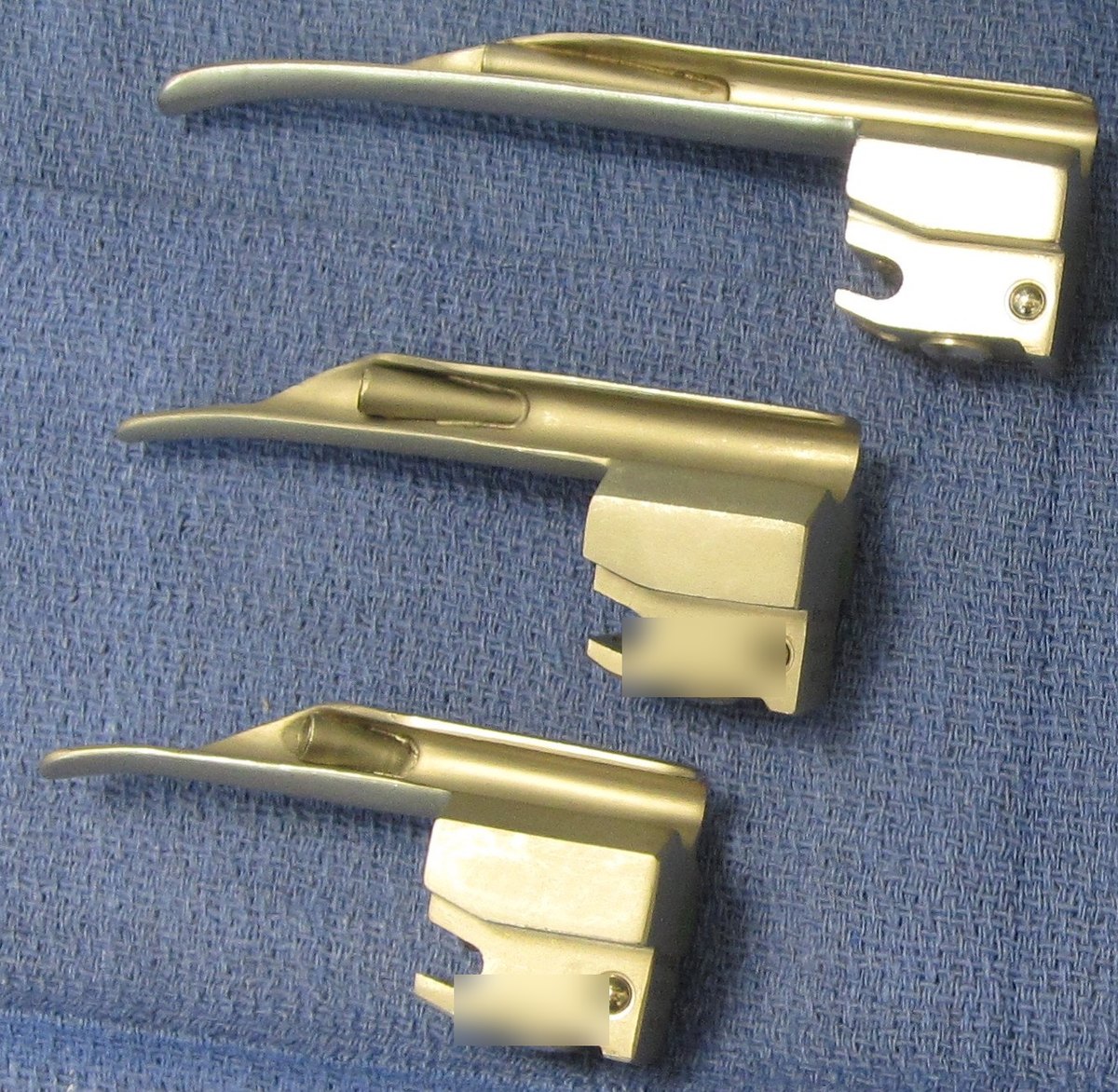
Pediatric airway anatomy changes the technique from the first minute. The Milwood Hargrave review notes that the narrowest part of the child's airway is below the vocal cords, in the subglottic region (Milwood Hargrave et al., 2019). Edema from burns or inhalation closes a small-caliber tube faster.
Position and spine protection
The prominent occiput flexes the neck of a lying child. The Layoun review recommends a pad under the shoulders in children under 8 years old, the jaw-thrust maneuver and caution with rigid cervical collars, which may not fit a short neck (Layoun et al., 2026). Correct alignment is worth more than a collar of the wrong size.
The chest that needs decompression
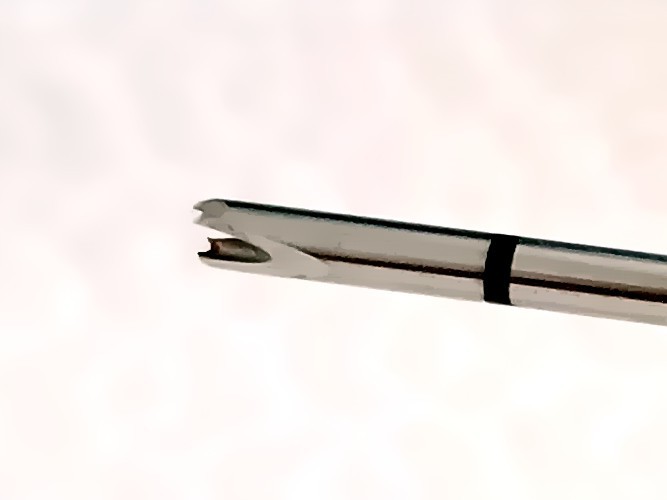
The child's chest wall is thinner. Ultrasound and CT data showed a thinner wall in those under 13 years old, and the Layoun review recommends shorter needles for decompression of tension pneumothorax in this age range (Layoun et al., 2026). An adult needle can pass through structures beyond the pleura.
The shock that does not show in the blood pressure
A child's circulatory physiology is the biggest trap in resuscitation. It compensates for blood loss with tachycardia and vasoconstriction and keeps blood pressure up until 25 to 30 percent of circulating volume is lost, which makes hypotension a late and severe sign (Abady et al., 2026). When the pressure falls, the reserve is gone.
Signs worth more than the blood pressure
Abady's review of pediatric trauma in resource-limited settings lists the early markers that should trigger resuscitation before the pressure falls (Abady et al., 2026):
- tachycardia, an early and sensitive sign of shock in children;
- capillary refill longer than 2 seconds;
- weak or thready peripheral pulses.
The same review includes mental status in the circulatory assessment and recommends the AVPU scale (alert, voice, pain, unresponsive) for a rapid neurological assessment.
Normal pressure is not stability
The normal pressure of the child in the opening case does not rule out shock. Layoun's review considers the permissive hypotension used in adults with hemorrhage inappropriate for children, because a child has little reserve to tolerate low perfusion (Layoun et al., 2026). When traumatic brain injury is suspected, the EXTRACCT group guideline recommends avoiding hypotension and keeping mean arterial pressure appropriate for age (Wooldridge et al., 2026). The post about pediatric warning scores shows how a child's deterioration appears earlier in combined vital signs.
Volume, blood and access
The sources agree on the urgency of replacement and differ in the detail. The reviews by Layoun and Abady cite crystalloid boluses of 20 mL/kg with reassessment after each infusion (Layoun et al., 2026). The EXTRACCT guideline, produced by expert consensus for resource-limited settings, recommends limiting crystalloid and giving whole blood or components in a 1:1:1 ratio as soon as possible in hemorrhage (Wooldridge et al., 2026). In practice, blood availability defines which path is viable.
The weight that guides everything
In children, almost everything is calculated by weight, and weight is rarely known on arrival. The EXTRACCT guideline recommends the Broselow tape, which estimates weight from height, but warns that it can overestimate weight in low- and middle-income countries (Wooldridge et al., 2026). In malnourished children, such as those described in the post about cholera, measles and malnutrition in armed conflicts, the estimation error can lead to volumes and drugs above what is needed.
Tranexamic acid
The EXTRACCT guideline describes two tranexamic acid regimens in pediatric hemorrhage, within 3 hours of injury (Wooldridge et al., 2026). The first is 15 mg/kg, maximum 1 g, followed by a continuous infusion of 2 mg/kg per hour for at least 8 hours or until bleeding stops. The second is a single dose of 25 mg/kg, maximum 2 g, without infusion. The choice depends on what the service can sustain.
When the vein fails
A child in shock has thin, collapsed veins. Layoun's review indicates intraosseous access when venous access is not obtained quickly (Layoun et al., 2026). Crystalloid, blood and drugs go through the bone. The principles of external hemorrhage control, such as tourniquet and compression, follow the post about hemorrhage control in the field, with equipment sized for the child.
Temperature
Two metabolic details separate pediatric resuscitation from adult resuscitation. A child loses heat quickly, even more so when burned, undressed for examination and resuscitated with cold fluids. The EXTRACCT guideline notes that hypothermia worsens coagulopathy and recommends preventing it from arrival (Wooldridge et al., 2026). The post about accidental hypothermia details the stages and rewarming.
The forgotten blood glucose
Children have small glycogen reserves and may become hypoglycemic during a long resuscitation. The review by Layoun recommends checking blood glucose and, if it is below 3 mmol/L, correcting with 2 mL/kg of 10% glucose (Layoun et al., 2026). The EXTRACCT guideline also includes blood glucose in the initial assessment (Wooldridge et al., 2026).
A practical check for arrival
The sources gathered here converge on a few steps for the child injured by an explosion:
- Estimate weight, knowing that the tape may overestimate in malnourished children.
- Position the airway with a pad under the shoulders and choose the right size equipment.
- Look for shock by heart rate, capillary refill and pulses, before blood pressure.
- Obtain intraosseous access if the vein fails.
- Replace volume with reassessment after each infusion and prioritize blood in hemorrhage, if available.
- Warm the child and measure blood glucose.
- Examine eyes and ears in the secondary assessment.
What the studies compare
| Source and design | Who was studied | Outcome | Result as reported | Reading |
|---|---|---|---|---|
| Milwood Hargrave 2019, narrative review of mixed methods | 74 studies on children injured by explosions | Head injuries | 6 to 54, versus 16 to 29 in adults in combat | Wide ranges, different populations |
| Milwood Hargrave 2019, same review | Children with severe burns | Mortality | 36 to 40, versus about 5 in military adults | Burns weigh more heavily on children |
| Layoun 2026, review | Comparative data from children and adults | Middle ear rupture; ocular perforation | 17 versus 3; 28 versus 14 | Eye and ear deserve active examination |
| Pizzino 2026, analysis of databases from 17 countries or territories | 105,913 victims of mines and explosive devices | Death | Case fatality of 31.4 in children and 42.0 in adults; OR 2.72 in active conflict (Pizzino et al., 2026) | Lower overall, higher in certain situations |
| Inwald 2014, military ICU series | 112 children admitted to Camp Bastion | Death | 11 died; none of the 8 with a score above 60 had known survival | Anatomical severity predicts the outcome |
| Sennersten 2025, cross-sectional study | 64 children injured in Kharkiv | Status at discharge | 52 with good recovery; 5 died | Frequent disability among survivors |
Sources: Milwood Hargrave et al., 2019; Layoun et al., 2026; Pizzino et al., 2026; Inwald et al., 2014; Sennersten et al., 2025. Table values in percent, except counts and the odds ratio (Milwood Hargrave et al., 2019). OR: odds ratio relative to adults (Pizzino et al., 2026).
Back to the case
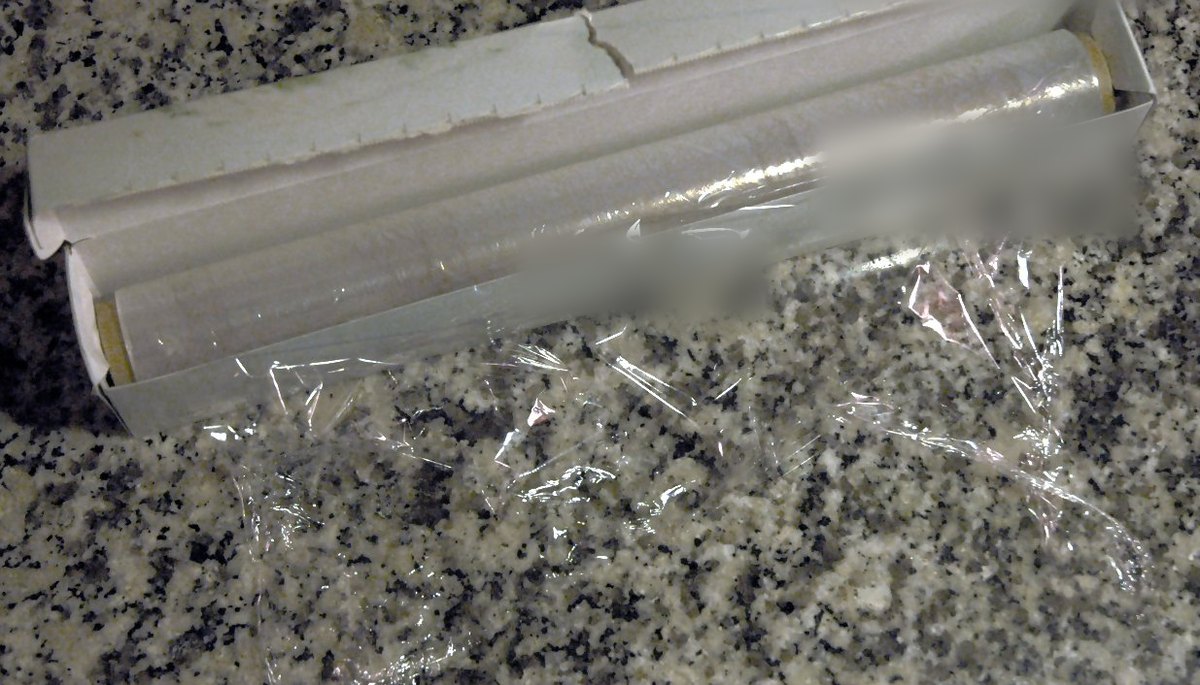
The boy in the case had normal blood pressure, but a heart rate of 160 and slow capillary refill, signs of compensated shock. With the weight estimated by the tape and corrected for thinness, the team obtained intraosseous access, started blood, warmed the child and measured blood glucose. The ear exam showed a perforated tympanic membrane, and the eye exam found a foreign body in the cornea. The burn, measured by the Lund and Browder chart, was covered with plastic film for transport.
How NEXO helps train this reasoning
In NEXO, the case of the day is fictional, with a real clinical presentation and up to six progressive clues, and you propose the diagnosis by searching for the ICD-10 code. Reading shock in the child by heart rate and capillary refill, and not only by blood pressure, is the same exercise of gathering clues and reviewing the hypothesis that appears in clinical reasoning exercises for pediatrics.
The limits of using the game are described on the NEXO economy page. If you research clinical reasoning teaching, the page for researchers explains how to get in touch. Professionals who write or review cases find information in curation and in creators, and institutions can learn about the proposal on the partnerships page.
Frequently asked questions
Does an explosion injure a child the same way as an adult?
The mechanism is the same, but the pattern changes. In a review of 74 studies, children had proportionally more head and face injuries and severe burns and fewer lower limb injuries than adults in combat (Milwood Hargrave et al., 2019).
Does normal blood pressure rule out shock in an injured child?
It rules out little. A child maintains blood pressure until losing 25 to 30 percent of blood volume, and tachycardia, slow capillary refill and weak pulses appear earlier (Abady et al., 2026).
Does permissive hypotension apply to children?
Layoun's review considers it inadequate in children, who have little physiological reserve (Layoun et al., 2026). When brain injury is suspected, the EXTRACCT guideline recommends avoiding hypotension and keeping mean pressure adequate for age.
Why is a burn so severe in a child injured in a blast?
A child has more body surface area relative to weight, loses heat and fluid faster and has a smaller airway. In a review, severe blast burn was fatal in 36 to 40 percent of children (Milwood Hargrave et al., 2019).
Take-home messages
- A child injured by a blast has more injuries to the head, face, eyes and ears than an adult, and fewer injuries to the lower limbs.
- Blast burn is more lethal in children, and so is inhalation injury.
- Blood pressure falls late: tachycardia, slow capillary refill and weak pulses indicate shock before it does.
- Permissive hypotension from adult care is considered inadequate in children, and intraosseous access solves the vein that fails.
- Estimated weight, temperature and blood glucose are part of resuscitation from the first minute.
Play the case of the day on NEXO and train your reasoning with progressive clues.
References
- Milwood Hargrave J, Pearce P, Mayhew ER, et al. Blast injuries in children: a mixed-methods narrative review. BMJ Paediatr Open. 2019;3(1):e000452. [PubMed](https://pubmed.ncbi.nlm.nih.gov/31548997/).
- Bendavid E, Boerma T, Akseer N, et al. The effects of armed conflict on the health of women and children. Lancet. 2021;397(10273):522-532. [PubMed](https://pubmed.ncbi.nlm.nih.gov/33503456/).
- Layoun CJ, Hitti E, El Helou R, et al. Pediatric blast injuries: distinguishing features and unique challenges. Turk J Emerg Med. 2026;26(2):87-93. [PubMed](https://pubmed.ncbi.nlm.nih.gov/42137065/).
- Wooldridge G, Abantanga F, Ameh E, et al. Explosive Weapons Trauma Care Collective (EXTRACCT) clinical practice guideline: resuscitation of pediatric blast injury patient. World J Surg. 2026;50(1):162-176. [PubMed](https://pubmed.ncbi.nlm.nih.gov/41423257/).
- Sennersten F, Frogh S, Falk G, et al. War's youngest victims: a descriptive cross-sectional study on injury distributions, severity patterns, and outcomes among paediatric trauma patients in Kharkiv, Ukraine. Confl Health. 2025;19(1):50. [PubMed](https://pubmed.ncbi.nlm.nih.gov/40713682/).
- Inwald DP, Arul GS, Montgomery M, et al. Management of children in the deployed intensive care unit at Camp Bastion, Afghanistan. J R Army Med Corps. 2014;160(3):236-240. [PubMed](https://pubmed.ncbi.nlm.nih.gov/24307254/).
- Chevalley K, Zimmerman J, Mittendorf A, et al. Civilian pattern of injuries in armed conflicts: a systematic review. Scand J Trauma Resusc Emerg Med. 2024;32(1):125. [PubMed](https://pubmed.ncbi.nlm.nih.gov/39633489/).
- Pizzino S, Durham J, Wild HB, et al. A multi-country epidemiological analysis of mortality from landmines and other explosive ordnance. Commun Med (Lond). 2026;6(1). [PubMed](https://pubmed.ncbi.nlm.nih.gov/41708927/).
- Ali AA, Ahmed FM, Hussein AM, et al. Five-year review of pediatric vascular trauma patterns and management in conflict zones: insights from Somalia. Int J Gen Med. 2025;18:6881-6888. [PubMed](https://pubmed.ncbi.nlm.nih.gov/41244954/).
- Abady E, Bucciarelli B, Maka MGR, et al. Pediatric trauma management in low-resource emergency departments: from first contact to safe disposition, a narrative review. Int J Emerg Med. 2026;19(1). [PubMed](https://pubmed.ncbi.nlm.nih.gov/41872746/).