Harm reductionToxicologyAddiction medicine
Xylazine and nitazenes: overdose, sedation and wounds



Table of contents
- A supply that changes faster than clinical practice
- The sedation that naloxone does not reverse
- How much naloxone people receive
- The wounds associated with xylazine
- Caring for the wound outside the hospital
- Withdrawal, pain and what xylazine adds
- Detection and limits of the evidence
- How NEXO helps train this reasoning
- Frequently asked questions
- Take-home messages
- References
In a fictional case, a harm reduction team finds a 38-year-old man collapsed in a bathroom, cyanotic, with slow breathing and pinpoint pupils. After a nasal dose of naloxone and bag-mask ventilation, he breathes well again, with normal saturation, but remains drowsy and barely responds when spoken to. Twenty minutes later, he wakes up agitated, with withdrawal symptoms. On his left forearm, far from any injection site, there is a dark, dry ulcer covered by an adherent crust.
Two changes in the illicit drug market appear in this picture. The first is xylazine, a veterinary sedative mixed with fentanyl, which prolongs sedation and is linked to severe wounds. The second is nitazenes, very potent synthetic opioids that may require more naloxone. This text brings together what expert reports, cohorts, reviews and clinical series from several countries show about these two substances, and where the evidence is still weak.
Key points
- Naloxone acts on the opioid receptor and therefore reverses the respiratory depression of fentanyl, but the sedation caused by xylazine, an alpha 2 agonist, can continue after reversal (Perrone et al., 2024).
- In a multicenter cohort of adults with suspected opioid overdose, bradycardia on arrival at the emergency department was associated with a higher chance of detecting xylazine in the blood (Love et al., 2026).
- Wounds associated with xylazine progress from dark blisters to dry crusts and deep ulcers, often far from the injection site (McFadden et al., 2024).
- For nitazenes, reports point to the need for larger and repeated amounts of naloxone, but the data still come from few patients (Berger et al., 2025).
- A supply that changes faster than clinical practice
- The sedation that naloxone does not reverse
- How much naloxone people receive
- Wounds associated with xylazine
- Caring for the wound outside the hospital
- Withdrawal, pain and what xylazine adds
- Detection and limits of the evidence
- How NEXO helps train this reasoning
- Frequently asked questions
- Take-home messages
A supply that changes faster than clinical practice
Opioid overdose rarely involves a single substance. Illicit fentanyl circulates mixed with other drugs, and two of them have changed the clinical presentation in recent years. The classic toxidrome and the decision of when to give naloxone are described in the text on Opioid overdose: toxidrome and the naloxone decision. Here the focus is what changes when the opioid arrives with xylazine or when it is a nitazene.
Xylazine
Xylazine is a sedative for veterinary use, not approved for humans. It is an alpha 2 adrenergic receptor agonist and, in clinical effect, resembles dexmedetomidine more than clonidine (Perrone et al., 2024). In veterinary practice, intravenous xylazine produces rapid sedation that lasts up to two hours, but its human pharmacology is poorly studied, according to the report of a meeting of experts from the Clinical Trials Network of the National Institute on Drug Abuse.
Most studies on xylazine come from the United States, with reports also from Mexico, and the data on nitazenes include Estonia and Australia. In Philadelphia, the wound clinic of a harm reduction service reported that more than 90 percent of the city's samples of unregulated fentanyl contained xylazine (McFadden et al., 2024). At the same clinic, annual visits became five times those of 2020. The presence of xylazine has also been described in Tijuana, Mexico, where a community harm reduction team reported overdoses with prolonged sedation (Bufanda et al., 2025).
Nitazenes
In a perspective article, Pereira and colleagues summarize the history of this group. Nitazenes are synthetic opioids of the benzimidazole group, synthesized in the late 1950s and never approved for clinical use. Their reappearance on the illicit market began in 2019 with isotonitazene, followed by a rapid proliferation of analogues in several countries (Pereira et al., 2025). Etonitazene has been described as a thousand times more potent than morphine and up to 10 to 20 times more potent than fentanyl, and isotonitazene as about 500 times more potent than morphine (Pereira et al., 2025). Potency varies between analogues.
By early 2024, 13 nitazene analogues had been identified in six regions of the world (Clifford et al., 2025). The person using it often does not know what they are using (Pereira et al., 2025).
The sedation that naloxone does not reverse
The central point for those treating overdose is pharmacological. Xylazine acts on the alpha 2 receptor, and naloxone acts on the opioid receptor. That is why naloxone does not reverse the effect of xylazine (Perrone et al., 2024).
This does not diminish the role of naloxone. Because xylazine almost always arrives together with an opioid, naloxone remains very effective for restoring ventilatory effort in this co-intoxication, and the report recommends giving it by the usual criteria (Perrone et al., 2024). According to the authors, situations described as "naloxone-resistant overdose" often represent exposure to multiple substances.
What changes at the bedside
The practical consequence is to change the target. Someone who has returned to breathing well but remains sedated may be under the effect of xylazine, and repeating naloxone to force wakefulness carries a risk of precipitated withdrawal (Perrone et al., 2024). Higher doses of naloxone can also precipitate more severe withdrawal (Merchant et al., 2026). In Tijuana, the harm reduction team reported having learned to center the response on oxygenation and ventilation, not on the level of consciousness (Bufanda et al., 2025).
The three episodes described by the team show the pattern. In the first, the person received 4 mg of naloxone intranasally, breathed well, was unconscious for about 20 minutes and then woke with withdrawal and agitation (Bufanda et al., 2025). In the second, the person was unconscious for about 40 minutes and needed only supportive care, without naloxone. In the third, the person received 0.4 mg of naloxone intramuscularly and was unconscious for about 12 minutes (Bufanda et al., 2025). Testing for xylazine and fentanyl was positive only in the first and third episodes, and so the link to xylazine in the second was not confirmed.
The relationship between sedation and breathing is discussed in the text on Opioid-induced respiratory depression: sedation comes first. With xylazine, the order is reversed: breathing can improve before consciousness.
What xylazine does to the heart and blood pressure
Xylazine reduces sympathetic tone. The result is sedation, with hypotension and bradycardia that are generally limited (Perrone et al., 2024). In large amounts, it can cause peripheral vasoconstriction and transient hypertension.
The ToxIC Fentalog cohort followed adults with suspected opioid overdose at 10 institutions in 9 US states between September 2020 and September 2023 (Love et al., 2026). Among 1289 participants with completed toxicological analysis, xylazine was detected in 238, and 814 had an opioid without xylazine. Bradycardia in the first vital signs was associated with a higher chance of xylazine detection, with an adjusted odds ratio of 2.26 and a 95 percent confidence interval between 1.14 and 4.50, according to table 3 and the results text (Love et al., 2026). The interval excludes the null value.
Among people with xylazine detected, 78 percent were men and 75 percent were in the Northeast of the United States (Love et al., 2026). Bradycardia is a clue, but it is not enough to diagnose exposure, and the finding applies to this population.
Does xylazine make overdose more severe?
The answer is still uncertain. The NIDA report states that direct links between xylazine and overdose outcomes have not yet been identified, and that fentanyl remains the strongest cause of respiratory depression (Perrone et al., 2024). A study by Love and colleagues published in 2023 in Clinical Toxicology, cited in the report, found, after adjustment, a lower chance of cardiac arrest and coma in the first four hours among patients with confirmed exposure to opioid and xylazine than among those who had only an opioid, with no difference in the total amount of naloxone and with low mortality in both groups. The reason for the finding is not clear.
How much naloxone people receive
The practical question is whether xylazine or nitazenes require more naloxone. The data come from small studies.
With xylazine and fentanyl
A pilot observational study followed 106 adults treated for suspected opioid overdose in two emergency departments in the United States, between October 2022 and January 2025 (Merchant et al., 2026). Fentanyl was detected in 72 percent and xylazine in 49 percent of participants (Merchant et al., 2026). The mean total amount of naloxone was 3.45 mg, with a standard deviation of 2.13, and a median of 4.0 mg (Merchant et al., 2026).
Participants in the highest quartile of fentanyl concentration received more naloxone, 4.67 mg on average, versus 3.22 and 2.74 mg in the other groups, with p less than 0.01 (Merchant et al., 2026). In the subgroup of 52 people exposed to xylazine, the highest quartile received 5.03 mg, versus 3.35, 2.92 and 3.27 mg, but the difference did not reach statistical significance, with p greater than 0.05, in a small pilot study (Merchant et al., 2026). The authors also note that xylazine concentration rose along with fentanyl concentration (rho 0.45, p less than 0.001), which, in our reading, makes it hard to separate the effect of each one.
With nitazenes
A scoping review searched for studies published between 2018 and 2024 on naloxone and hospitalization in nitazene overdose. Of the 109 publications screened, 6 were included, totaling 19 patients (Berger et al., 2025). The median total amount of naloxone was 6.00 mg for metonitazene, 3.06 mg for etonitazene, 3.00 mg for isotonitazene and 1 mg for protonitazene, with p of 0.4 (Berger et al., 2025). The difference between compounds is inconclusive.
The mean length of hospitalization also varied: 360 hours for metonitazene, 122.25 for etonitazene, 32.67 for isotonitazene and 20 for protonitazene (Berger et al., 2025). Some patients received continuous naloxone infusion for hours. The comparison of naloxone amounts between compounds showed no statistical difference (p 0.4). The authors conclude that data are scarce, that most patients were hospitalized and that high doses of naloxone were used.
Reports from people who use them point in the same direction. In Estonia, people who use nitazenes described them as stronger, faster-acting and shorter-lasting than fentanyl, and reported that one dose of naloxone was often not enough (Abel-Ollo et al., 2025). In Australia, emergency department surveillance confirmed nitazenes in 32 visits between July 2020 and February 2024, and the authors note that naloxone is effective, although larger and repeated amounts may be needed (Clifford et al., 2025).
Why naloxone keeps working
High potency does not mean resistance to naloxone. Potency describes how much of the drug is needed to produce the effect, not how tightly it binds to the receptor (Schwarz et al., 2025). The authors recall that methadone is more potent than morphine, but small amounts of naloxone displace both from the receptor. According to them, despite the potency, nitazenes are reversed by naloxone (Schwarz et al., 2025).
The clinical implication is to observe for longer and be ready to repeat naloxone, not to abandon the antidote.
The wounds associated with xylazine
The second change is in the skin, with wounds different from the abscesses already known in people who inject drugs.
How the wound evolves
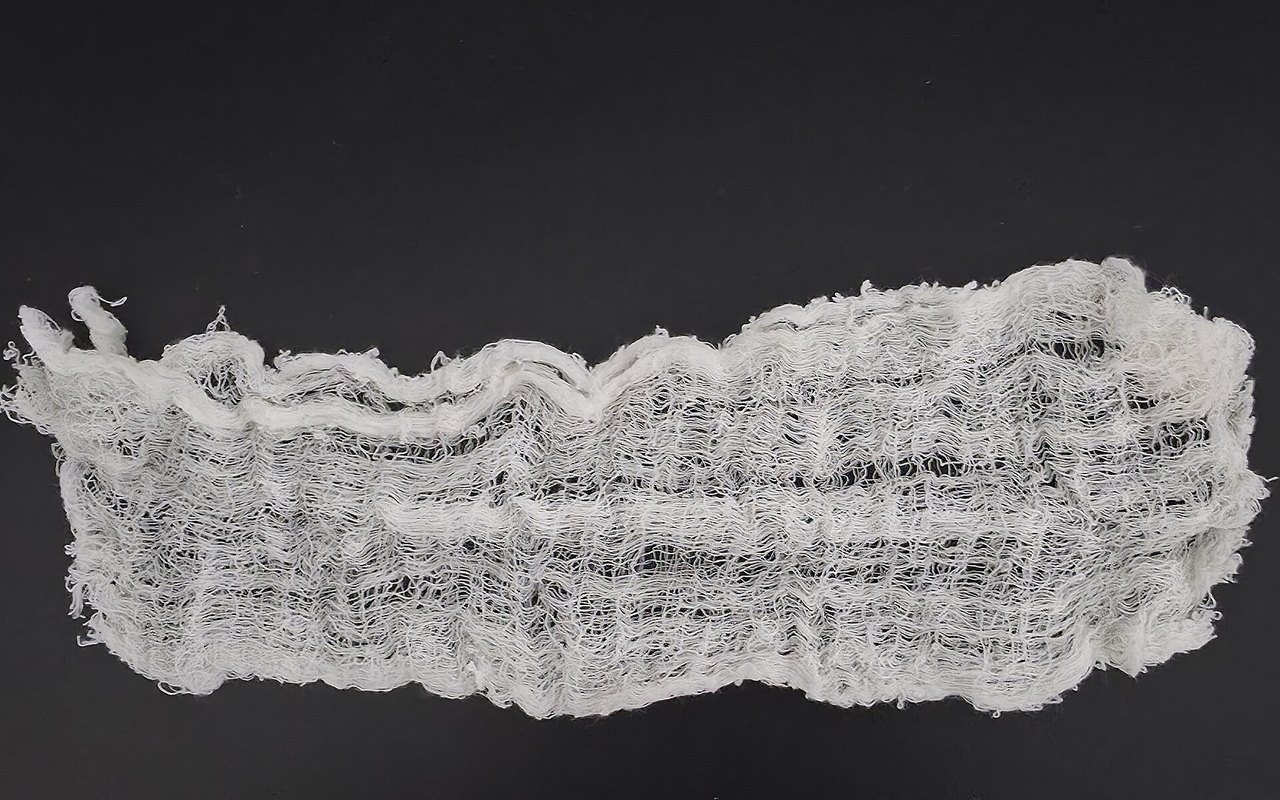
The nursing staff at the Philadelphia wound clinic described a typical course (McFadden et al., 2024):
- It starts with dark purple blisters.
- The affected skin forms a dry, dark, adherent crust.
- Underneath, deep ulcers appear, which can reach the full thickness of the skin and expose tendon or bone.
- The wounds also appear far from injection sites and in people who only smoke or inhale the drug.
- Many do not have the classic signs of infection, although the crust may favor cellulitis.
The authors stress that more research is needed to confirm xylazine as the cause (McFadden et al., 2024). The NIDA report also states that xylazine is associated with ulcers and tissue loss through mechanisms still unknown (Perrone et al., 2024).
When the wound reaches the surgeon
A systematic review registered in PROSPERO gathered 19 studies with 92 patients with xylazine-associated wounds (Kastury et al., 2026). Among the 27 patients with detailed individual data, all had limb injuries, 56 percent had exposed bone or tendon and 30 percent had osteomyelitis (Kastury et al., 2026). In the same group of 27, 78 percent underwent surgery, 41 percent received a graft, 11 percent a free flap and 26 percent amputation (Kastury et al., 2026).
All these proportions refer to the 27 patients with individual data, not to the 92 in the review nor to all people with wounds of this type. In these 27, algorithm-guided care, documented in 56 percent, was associated with exposure of bone or tendon (p 0.007) and with amputation (p 0.008) (Kastury et al., 2026). The authors themselves interpret that structured algorithms tended to be applied where the wounds were more severe (Kastury et al., 2026).
What the image shows
A retrospective study of 120 patients with xylazine-associated wounds described the imaging findings (Ordonez et al., 2026). The wounds were on the lower limbs in 48 percent and on the upper limbs in 48 percent (Ordonez et al., 2026).
The radiographs often showed distortion of the soft tissue layers and marked periosteal reaction. CT and MRI showed necrosis and ulceration of variable depth, sometimes down to the muscle. Acute osteomyelitis was described in 16 percent and chronic in 13 percent (Ordonez et al., 2026). The authors warn against overdiagnosing osteomyelitis, since periosteal reaction can accompany the wound without bone infection.
Caring for the wound outside the hospital
The wounds heal slowly, over weeks to months, and many people avoid the hospital because of withdrawal and pain (Perrone et al., 2024). That is why the NIDA report considers that much of the care can be done in low-threshold clinics, and notes that not every wound requires antibiotics.
The DIME model
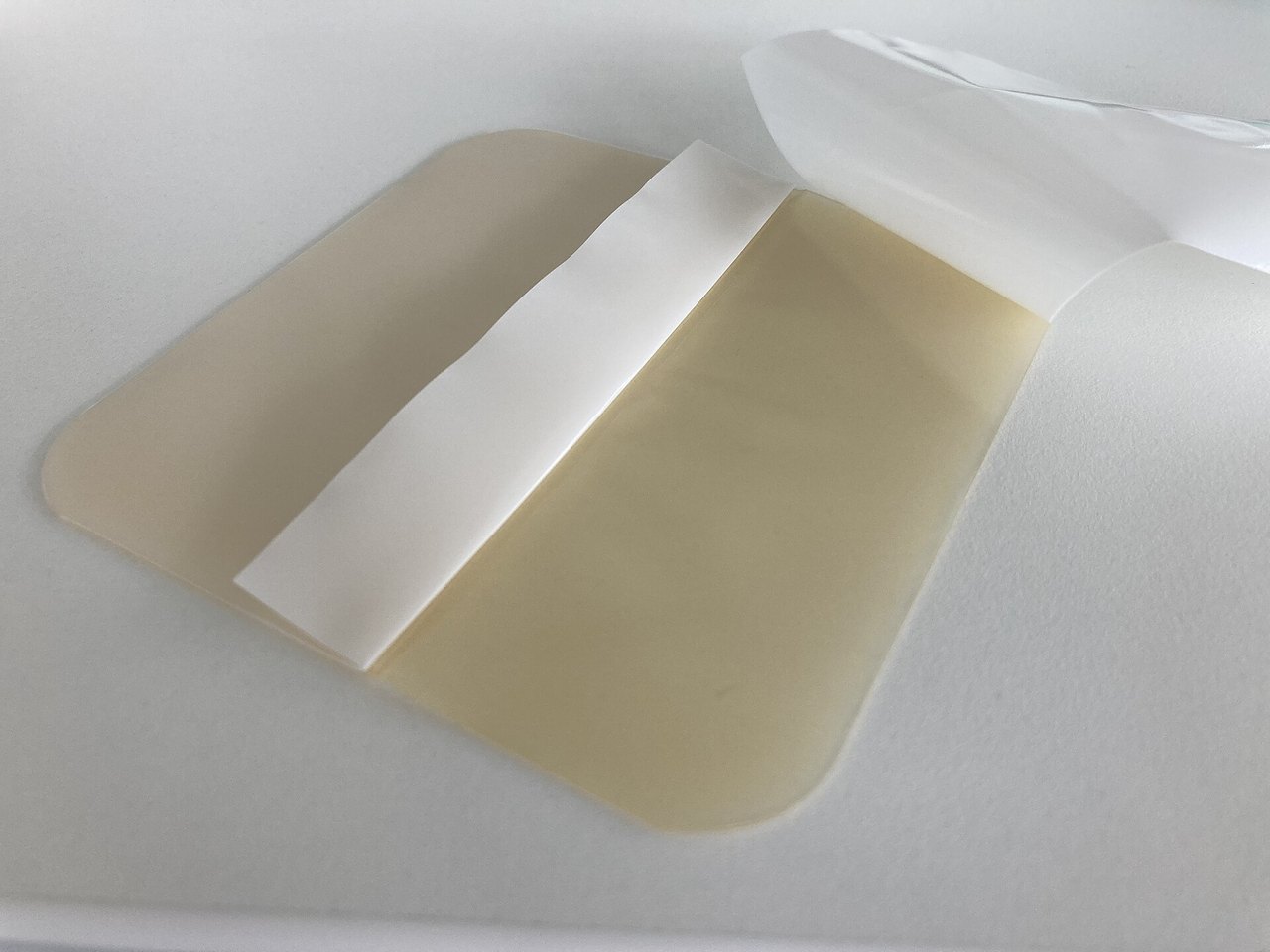
The Philadelphia clinic organizes wound care around the DIME model (McFadden et al., 2024):
- D, devitalized tissue: autolytic or enzymatic debridement, with medical-grade honey or collagenase.
- I, infection: oral and topical antibiotics guided by local microbiology, when indicated.
- M, moisture: balance of wound moisture, without leaving it dry or soaked.
- E, edge: protection of the skin around the wound.
In the same table, the first step is to treat pain and withdrawal before dressing the wound, and non-adherent dressings help reduce pain during changes (McFadden et al., 2024).
In cases of infection, the team uses oral and topical antibiotics guided by local microbiology, and refers to the hospital, with direct contact between the teams, when there are extensive crusts or suspected complex infection (McFadden et al., 2024).
What hinders healing
The NIDA report lists barriers that go beyond the dressing (Perrone et al., 2024). For people living on the street, it is hard to keep scheduled appointments and to have access to dressing supplies. Inadequate nutrition, lack of personal hygiene and injecting into the wound itself increase the risk of deep infection. Open wounds also make it harder to enter residential treatment centers, which often do not offer wound care on site.
The Philadelphia clinic reports having read surgical consultation notes that failed to indicate debridement because the person might continue using drugs, and that nursing care facilities, detoxification services and residential treatment programs refused people because of the wound (McFadden et al., 2024). Severe infections in people who inject, such as endocarditis, have similar challenges of staying in the hospital, discussed in the text on Endocarditis in people who inject drugs and discharge at the patient's request.

Stigma and access to care
Visible wounds and prolonged sedation can increase stigma against people who use drugs. The Philadelphia clinic reports treatment refusals because of the wound, and people who stop seeking the hospital because of how they are treated (McFadden et al., 2024). The language used in the medical record also influences management, as shown in the text on Stigma and language: how a label changes clinical management.
The harm reduction reasoning, which accepts intermediate goals such as caring for the wound without requiring immediate abstinence, is described in the text on Harm reduction: clinical reasoning beyond all or nothing. Spaces where an overdose can be treated on the spot are discussed in Supervised consumption sites: what the evidence says, and testing for infections at the same visit, in Hepatitis C and HIV in people who use drugs: test and treat.
Withdrawal, pain and what xylazine adds
People who use fentanyl with xylazine may have a different withdrawal. The NIDA report describes that some people feel the usual strategies for opioid withdrawal are not enough, but a withdrawal syndrome specific to xylazine has not yet been well characterized (Perrone et al., 2024). In a cohort of 73 inpatients with confirmed exposure to xylazine and fentanyl, presented by Thakrar and colleagues at a conference in 2023 and cited in the report, the chart review found fewer than 3 percent with hypertension or tachycardia after xylazine was stopped, and nearly all did well without intensive care (Perrone et al., 2024).
Signs at treatment entry
One study gathered 36 people with opioid use disorder from two harmonized clinical trials, and xylazine was detected in the urine of 69 percent of them (Strickland et al., 2026). Among those detected, higher xylazine concentrations were associated with higher systolic blood pressure and higher scores on the Clinical Opiate Withdrawal Scale (COWS). In the comparison between people with and without detected xylazine, however, the authors found no difference (Strickland et al., 2026).
What the systematic review found
A systematic review of the literature from 1957 to 2024 gathered 34 studies on xylazine toxicity, overdose, dependence and withdrawal (Owusu-Antwi et al., 2025). The reported amounts ranged from 40 to 4300 mg, with no established toxic threshold. Supportive management included naloxone, other alpha 2 agonists such as clonidine and dexmedetomidine, and GABAergic medications (Owusu-Antwi et al., 2025). Xylazine has no antidote, and the authors conclude that evidence-based treatment recommendations are still lacking.
Treating opioid use remains central
The presence of xylazine does not change the importance of offering treatment for opioid use disorder. The choice between buprenorphine and methadone appears in the text on Buprenorphine or methadone: the shared decision, and starting with fentanyl in the supply is discussed in the text on Precipitated withdrawal and starting buprenorphine.
Detection and limits of the evidence
Knowing what is in the sample
Laboratory confirmation of xylazine still has limits. The detection window is short, and urine detects it for longer than blood (Perrone et al., 2024). In a cohort of 128 inpatients, also from Thakrar and colleagues and cited in the report, analyzed by gas chromatography with mass spectrometry, no test was positive more than 43 hours after the last reported use. Clinical suspicion therefore weighs heavily.
Test strips and drug checking services help show what is circulating, and are described in the text on Drug checking: what sample analysis reveals. In Estonia, studies of syringe residue and seizure data confirmed the rise of nitazenes from 2022 onward (Abel-Ollo et al., 2025).
A market that changes in a few years
The case of Estonia, a country of about 1.3 million inhabitants, shows the speed of this change (Abel-Ollo et al., 2025). The number of drug-related deaths was 39 in 2021, 80 in 2022 and 113 in 2023, while nitazenes spread in the market (Abel-Ollo et al., 2025). The authors link the increase to the arrival of these compounds and record more demand for take-home naloxone kits.
What the numbers do not yet show
The table brings together the main numbers from this text, with the design of each study in the authors' words.
| Study | Design | Population | Main finding |
|---|---|---|---|
| Love, 2026 | Prospective multicenter cohort | 1289 adults with suspected opioid overdose, 9 US states | Initial bradycardia associated with xylazine, adjusted odds ratio 2.26, 95% CI 1.14 to 4.50, table 3 (Love et al., 2026) |
| Merchant, 2026 | Observational pilot study | 106 adults at two US emergency departments | Mean total naloxone of 3.45 mg; difference between xylazine quartiles without statistical significance (p greater than 0.05) (Merchant et al., 2026) |
| Berger, 2025 | Scoping review | 19 patients across 6 studies | Median naloxone of 1 to 6 mg depending on the nitazene; no statistical difference between compounds (p 0.4) |
| Kastury, 2026 | Systematic review | 27 patients with individual data, out of 92 in the review | Exposed bone or tendon in 56 and amputation in 26 out of every 100 |
| Ordonez, 2026 | Retrospective study | 120 patients with wounds | Acute osteomyelitis in 16 and chronic in 13 out of every 100 |
| Strickland, 2026 | Analysis of two clinical trials | 36 people with opioid use disorder | Xylazine in the urine of 69 out of every 100 |
Sources: Love et al., 2026; Merchant et al., 2026; Berger et al., 2025; Kastury et al., 2026; Ordonez et al., 2026; Strickland et al., 2026. Proportions expressed per 100 people in the study group; naloxone amounts in mg (Love et al., 2026; Merchant et al., 2026; Berger et al., 2025).
Almost all of these studies come from the United States, and the nitazene data come from reports of a few patients, Australian surveillance and the experience of Estonia. Data from low and middle income countries are still rare, which limits generalization.
Back to the case
The man in the fictional case began breathing well again with naloxone and ventilation, but remained sedated for about 20 minutes. This pattern fits cointoxication with fentanyl and xylazine: naloxone reversed the opioid respiratory depression and did not act on the alpha 2 sedation (Perrone et al., 2024).
The team kept monitoring breathing and oxygenation, waited for him to wake up and offered care for withdrawal. The dark, dry ulcer on the forearm, away from the injection site, has the appearance described in wounds associated with xylazine (McFadden et al., 2024). He was referred to a low threshold wound clinic, with pain treatment before dressing, and received information about opioid use treatment and a naloxone kit.
How NEXO helps train this reasoning
In NEXO, the case of the day is fictional, with a real clinical presentation and up to six progressive clues, and you propose the diagnosis by looking for the ICD-10 code. Noticing that a person who is already breathing well remains sedated for another reason, and not for lack of naloxone, is the same exercise of putting clues together and reviewing the hypothesis that appears in the text about Opioid overdose: toxidrome and the naloxone decision.
The limits of using the game are described on the NEXO economy page. If you research the teaching of clinical reasoning, the page for researchers explains how to get in touch. Professionals who write or review cases find information in curation and in creators, and institutions can learn about the proposal on the partnerships page.
Frequently asked questions
Does naloxone work when xylazine is present?
It works on the opioid, which is almost always present, and so it remains indicated by the usual criteria. It does not reverse the sedation from xylazine, which acts on another receptor (Perrone et al., 2024).
Should I repeat naloxone until the person wakes up?
The target is breathing and oxygenation, not consciousness. In Tijuana, the harm reduction team began following this principle after episodes of prolonged sedation (Bufanda et al., 2025).
Are nitazenes resistant to naloxone?
The reports indicate that naloxone reverses nitazenes, but that larger and repeated amounts may be needed (Clifford et al., 2025). The available scoping review includes only 19 patients, and the differences between compounds were not statistically significant, with p of 0.4 (Berger et al., 2025).
Does every wound in someone who uses fentanyl with xylazine need antibiotics?
It depends on the presentation. Many wounds do not have the classic signs of infection, and the NIDA report notes that not every wound requires antibiotics (Perrone et al., 2024). Signs of cellulitis, exposed bone or systemic worsening call for medical evaluation.
Take-home messages
- Naloxone remains central in overdose with xylazine, because it acts on the opioid that accompanies it.
- Xylazine sedation can persist after breathing improves, and the goal is ventilation and oxygenation, not waking the patient.
- Nitazenes are very potent and may require larger and repeated doses of naloxone, with longer observation.
- Wounds associated with xylazine can appear far from the injection site and progress to bone or tendon.
- Much of wound care can be done in low-barrier clinics, with treatment of pain and withdrawal.
- The evidence is still limited, comes mostly from the United States and from small studies, and several findings did not reach statistical significance.
Play the case of the day on NEXO and train your reasoning with progressive clues.
References
- Perrone J, Haroz R, D'Orazio J, et al. National Institute on Drug Abuse Clinical Trials Network Meeting Report: Managing Patients Exposed to Xylazine-Adulterated Opioids in Emergency, Hospital and Addiction Care Settings. Ann Emerg Med. 2024;84(1):20-28. [PubMed](https://pubmed.ncbi.nlm.nih.gov/38493376/).
- McFadden R, Wallace-Keeshen S, Petrillo Straub K, et al. Xylazine-associated Wounds: Clinical Experience From a Low-barrier Wound Care Clinic in Philadelphia. J Addict Med. 2024;18(1):9-12. [PubMed](https://pubmed.ncbi.nlm.nih.gov/38019592/).
- Love JS, Vargas-Torres C, Aldy K, et al. Clinical factors linked to xylazine exposure in emergency department patients with illicit opioid overdose. Addiction. 2026;121(5):1227-1236. [PubMed](https://pubmed.ncbi.nlm.nih.gov/41531011/).
- Merchant RC, Chapman B, Martinez PM, et al. Naloxone Administration in Relation to Fentanyl, Xylazine, CNS Depressants, and Stimulants Exposure After Suspected Opioid Overdose: A Pilot Study. Acad Emerg Med. 2026;33(4):e70280. [PubMed](https://pubmed.ncbi.nlm.nih.gov/41931114/).
- Bufanda LP, Montoya AG, Carrillo BT, et al. Managing xylazine-involved overdoses in a community harm reduction setting: lessons from Tijuana, Mexico. Harm Reduct J. 2025;22(1):2. [PubMed](https://pubmed.ncbi.nlm.nih.gov/39755636/).
- Strickland JC, Bergeria CL, Huhn AS, et al. Xylazine Exposure and Association With Early Physiological and Withdrawal Symptoms in People With Opioid Use Disorder. J Addict Med. 2026;20(5):e77-e80. [PubMed](https://pubmed.ncbi.nlm.nih.gov/41668254/).
- Owusu-Antwi P, Atodaria P, Appiah-Kubi E, et al. Management of xylazine toxicity, overdose, dependence, and withdrawal: A systematic review. Am J Addict. 2025;34(6):589-602. [PubMed](https://pubmed.ncbi.nlm.nih.gov/40476542/).
- Kastury MR, Nuako ES, Viswanath N, et al. Surgical Challenges and Harm-reduction Strategies in Xylazine-associated Wounds: A Systematic Review. Plast Reconstr Surg Glob Open. 2026;14(6):e7824. [PubMed](https://pubmed.ncbi.nlm.nih.gov/42549466/).
- Ordonez AA, Karp JD, Qiao P, et al. Musculoskeletal imaging findings of xylazine-associated wounds. Emerg Radiol. 2026;33(4):755-763. [PubMed](https://pubmed.ncbi.nlm.nih.gov/42047731/).
- Berger JC, Severe AD, Jalloh MS, et al. Naloxone Dosing and Hospitalization for Nitazene Overdose: A Scoping Review. J Med Toxicol. 2025;21(2):276-283. [PubMed](https://pubmed.ncbi.nlm.nih.gov/39904921/).
- Abel-Ollo K, Tõnisson M, Rausberg P, et al. The nitazene epidemic in Estonia: a first report. Eur J Public Health. 2025;35(6):1233-1240. [PubMed](https://pubmed.ncbi.nlm.nih.gov/40988497/).
- Clifford B, Peacock A, Siefried KJ, et al. Responding to reports of nitazene toxicity in Australia. Med J Aust. 2025;222(5):216-219. [PubMed](https://pubmed.ncbi.nlm.nih.gov/39943670/).
- Schwarz ES, Dicker F, Lothet E, et al. Nitazenes: An Old Drug Class Causing New Problems. Mo Med. 2025;122(4):329-333. [PubMed](https://pubmed.ncbi.nlm.nih.gov/40787029/).
- Pereira JRP, Quintas A, Neng NR. Nitazenes: The Emergence of a Potent Synthetic Opioid Threat. Molecules. 2025;30(19):3890. [PubMed](https://pubmed.ncbi.nlm.nih.gov/41097311/).