



PediatricsTropical and travel medicineClimate and health

In a fictional appointment, a woman at 22 weeks of pregnancy comes to the consultation with her ticket already bought. She is going to a wedding in a tropical region, with a ten-hour flight, a two-week stay and outings through rural areas. She wants to know three things: whether the plane harms the baby, whether she can take the yellow fever vaccine and what to do about mosquitoes. The honest answer mixes good data, weak data and a few gaps.
The scene sums up the pre-travel consultation in pregnancy. The flight itself has data from large cohorts; live-virus vaccines and antimalarials have observational data and a few trials; arboviruses have traveler cohorts and registries. This text goes through each part, shows the size and design of each study and separates what is demonstrated from what is our inference.
Key points
The most common question is whether the plane itself harms the pregnancy. The pressurized cabin is equivalent to an altitude of about 2,400 meters, and oxygen saturation can fall to 90 to 93 percent in healthy passengers (Izadi et al., 2015). Anyone who wants to review the physiology of the cabin will find the topic in hypobaric hypoxia in flight. What matters here is the pregnancy outcome.
The largest study on the topic is a retrospective cohort from Israel, with 284,069 women and 628,292 live births between 2000 and 2016; the unit of analysis is the birth (Shalev Ram et al., 2020). Exposure was defined by the purchase of travel insurance through a partner insurer, and 41,677 births (6.6 percent) came from pregnant women who flew (Shalev Ram et al., 2020).
In the adjusted model, flying was associated with an increase of 9 grams in birth weight (95 percent CI 4.8 to 14.5) and of 0.36 days in gestational age (95 percent CI 0.24 to 0.48) (Shalev Ram et al., 2020). The authors call these differences clinically negligible. Most pregnant women flew in the second trimester, with a growing share traveling up to the middle of the third.
The design has limits that the authors themselves point out. Those who flew were older and of higher socioeconomic status, and domestic flights, which are short in Israel, were included in the group of those who did not fly (Shalev Ram et al., 2020). The study also states that the data do not allow saying that flights longer than six hours are safe. For our fictional patient, with a ten-hour flight, the cohort is partly reassuring, but the duration falls outside what it measured.
A small study followed 112 pregnant women in the third trimester on transatlantic flights of 8 to 15 hours, with resting cardiotocography before and after the flight; the unit is the pregnant woman (Petrikovsky et al., 2018). The tracing was reactive in 93 percent before the flight, in 73 percent 12 hours later and in 94 percent after 24 hours (Petrikovsky et al., 2018).
The authors read the finding as a temporary change in fetal behavior. The sample has a clear bias: 98 of the 112 pregnant women traveled in first or business class (Petrikovsky et al., 2018). The fetal movement count comes from the pregnant women's own diaries, and some numbers in the abstract do not add up to the sample total, so this text uses only the tracing.
Pregnancy already increases the risk of venous thromboembolism 5 to 10 times compared with non-pregnant women, and the postpartum period raises that risk 20 to 80 times (Izadi et al., 2015). The same narrative review cites the MEGA study, in which pregnancy had an OR of 4.6 (95 percent CI 2.7 to 7.8) for venous thrombosis (Izadi et al., 2015).
The weak point is that direct data on travel-related thrombosis in pregnant women are almost absent; the authors say so in the opening (Izadi et al., 2015). The review describes the mechanisms that add up on a long flight: seated immobility, compression of the popliteal veins by the seat, hypobaric hypoxia and dehydration. The prophylaxis reasoning follows the same as for the general traveler, discussed in thrombosis after long travel, with the extra weight of the hypercoagulable state of pregnancy.
As our hypothesis, the combination of third trimester, flight over six hours and a prior risk factor such as previous thrombosis is the scenario that most calls for an individual conversation before boarding. This combination is an inference from the sources; no study cited here measured that combination.
The pre-flight consultation can follow five questions, which organize what the sources describe:
This list is our synthesis and serves as a script, with no protocol value.
The routine inactivated vaccines of pregnancy are in the post about vaccines in pregnancy. Travel raises another question: live attenuated virus vaccines, such as the yellow fever vaccine, are generally contraindicated in pregnancy. What the data say about them is less than the rule suggests, and also less reassuring than one would like.
A systematic review with meta-analysis included 15 studies: 12 cohorts, two case-control studies and one secondary analysis of clinical trials; the unit of analysis is the pregnancy (Laris-González et al., 2020). Smallpox, rubella, oral polio, yellow fever and dengue vaccines were included.
Overall, vaccination had an OR of 0.98 for spontaneous abortion (95 percent CI 0.87 to 1.10) and 1.04 for stillbirth (95 percent CI 0.74 to 1.48) (Laris-González et al., 2020). Both intervals include the null, so the result is inconclusive, not proof of safety. For malformations, the OR was 1.09 (95 percent CI 0.98 to 1.21), also inconclusive (Laris-González et al., 2020).
The signal of harm appeared for the smallpox vaccine: OR of 1.24 for malformations (95 percent CI 1.03 to 1.49) and 4.82 for abortion after vaccination in the first trimester (95 percent CI 2.38 to 9.77) (Laris-González et al., 2020). First-trimester exposure to the vaccines as a whole gave an OR of 2.66 (95 percent CI 0.73 to 9.64), inconclusive (Laris-González et al., 2020). The authors rate the quality of evidence as very low.
For yellow fever, four cohorts without a comparison group showed no unexpected outcomes, and there was a single probable case of intrauterine infection among 422 infants tested for IgM (Laris-González et al., 2020). The only controlled study suggested more abortions among vaccinated women, but the authors consider the association weak: the campaign took place after a dengue outbreak with the use of organophosphate insecticides.
The review concludes that inadvertent vaccination during pregnancy should reassure the woman, and that therapeutic abortion is not justified by the vaccine's teratogenic potential (Laris-González et al., 2020). This conclusion is useful in practice, when a pregnant woman finds out about the pregnancy after being vaccinated. The assessment of a suspected adverse event follows the logic of causality after vaccination.
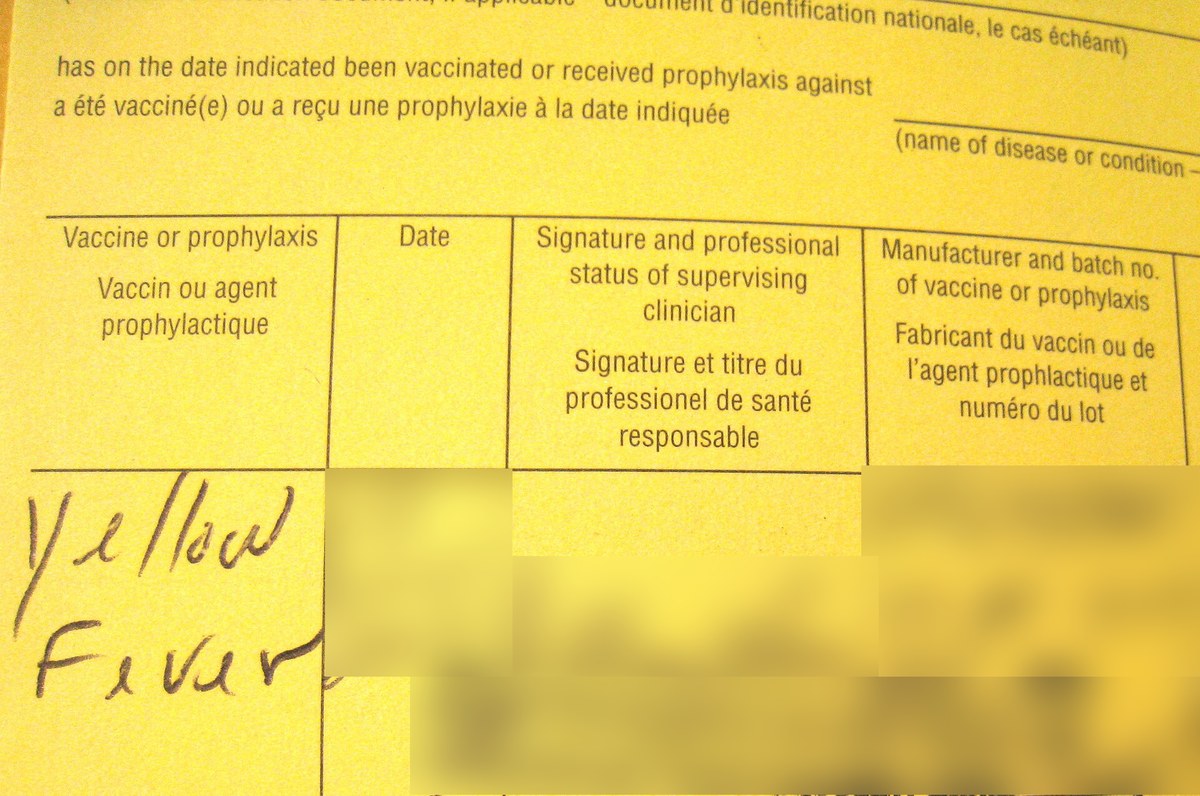
The 2026 systematic review of vaccine adverse events gathered 109 records and concludes that serious events are rare, although they can be fatal and unpredictable; the unit of analysis varies across the included studies (Santangelo et al., 2026). In pregnancy, observational cohorts with more than 190 thousand pregnancies showed no increase in adverse maternal or infant outcomes (Santangelo et al., 2026).
The same review notes that live-virus vaccine is generally contraindicated in pregnancy, except when the risk of infection is high, and recommends postponing when exposure is low (Santangelo et al., 2026). During breastfeeding, there are rare reports of transmission of the vaccine virus to the baby, with encephalitis.
The review on yellow fever in pregnancy, written in the context of the 2024 to 2026 outbreak in the Americas, proposes stratifying risk before deciding (Rodríguez-Morales et al., 2026). The authors state that current evidence does not show greater susceptibility to or severity of yellow fever in pregnancy, and that abortion, stillbirth, preterm birth and perinatal transmission have been described but remain poorly characterized. In high-risk areas, they conclude that the benefit of maternal vaccination outweighs theoretical concerns.
Putting the two reviews together, our hypothesis is that the right question is "what is the real risk of this trip", not "is the vaccine allowed". A short stay in an urban area without active transmission weighs differently from weeks in a rural area during an outbreak. The post on the vaccination schedule shows how countries reach different rules with the same data, and the one on false contraindications helps separate a real contraindication from a fear.
The three arboviruses are transmitted by Aedes mosquitoes and appear together in the pre-travel consultation. The 2019 narrative review summarizes the profile of each: dengue can cause severe maternal complications, such as postpartum hemorrhage; Zika is teratogenic, with severe brain lesions; and chikungunya is concerning mainly because of transmission at delivery, with severe neonatal infection (Vouga et al., 2019).
The same review points out that few agencies issue their own recommendations for pregnant travelers, and that there are divergences among them (Vouga et al., 2019). The authors consider it reasonable to avoid unnecessary travel to regions with Aedes and to reserve tests after return for those with symptoms. The clinical differentiation of the three diseases is in dengue, chikungunya and Zika.
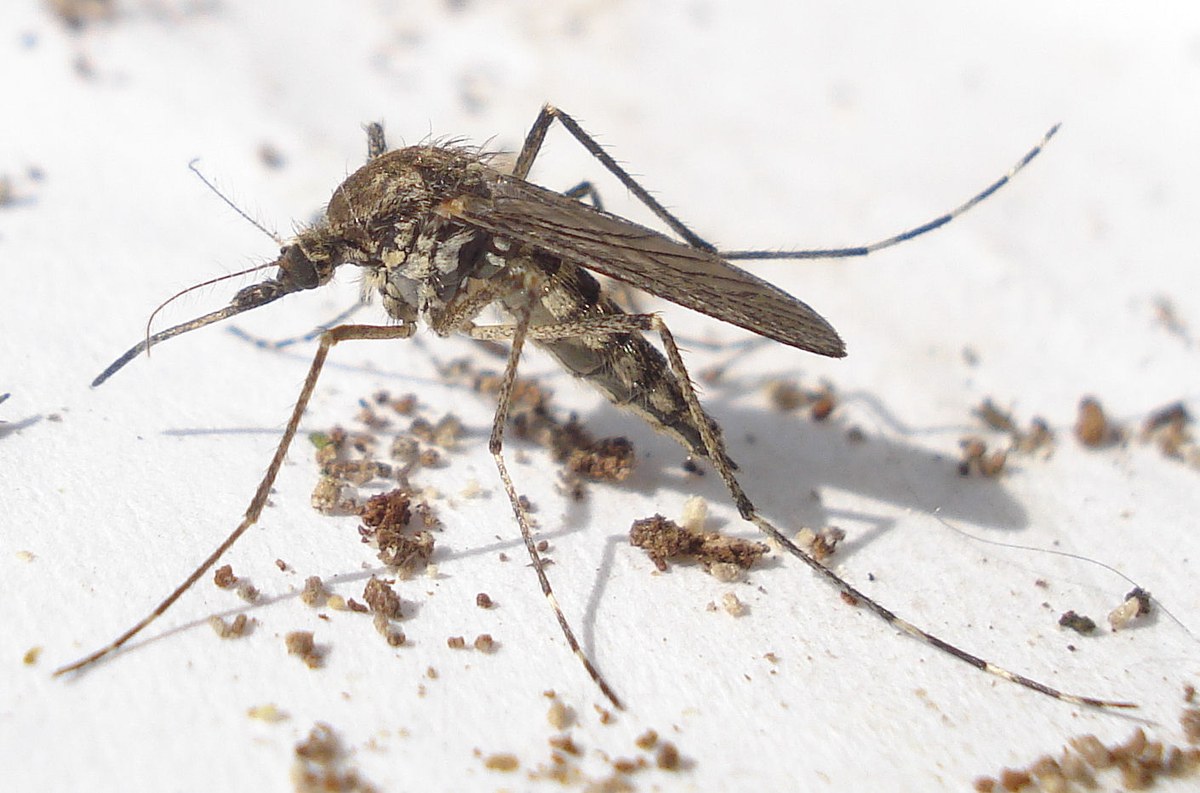
The international registry of Zika in pregnancy included 865 exposed pregnant women, 144 travelers and 721 residents in areas with virus circulation; the unit is the pregnant woman (Vouga et al., 2021). Maternal infection occurred in 25.0 percent of travelers and in 42.9 percent of residents, with an adjusted relative risk of 0.6 (95 percent CI 0.5 to 0.8) (Vouga et al., 2021).
Among travelers, three factors were associated with infection. Traveling during the epidemic period, from June 2015 to December 2016, had an adjusted OR of 29.4 (95 percent CI 3.7 to 228.1); traveling to Caribbean islands, 3.2 (95 percent CI 1.2 to 8.7); and staying more than two weeks, 8.7 (95 percent CI 1.1 to 71.5) (Vouga et al., 2021). The intervals are wide, which shows few infections per group.
Adverse pregnancy outcomes occurred in 3 of 36 infected travelers and in 39 of 309 infected residents (Vouga et al., 2021). The authors conclude that stays of less than two weeks, outside outbreaks, are associated with minimal risk.
The registry reports averages; a 2024 report shows the individual case. A pregnant woman from Denmark spent three weeks in Phuket, Thailand, between weeks 8 and 10, used repellent and noticed a few bites (Rubin et al., 2025). She had one day of malaise and then a rash. The second-trimester ultrasound was normal, but at week 26 the head circumference was far below expected, and the pregnancy was terminated due to severe microcephaly, with confirmed Zika (Rubin et al., 2025).
The authors point out that she was unaware of the Zika risk at the destination. As our hypothesis, the report reinforces that the risk map used in the consultation needs to include Asian destinations, not only the Americas.
The ZIP cohort followed 6,100 pregnant women at 10 centers in South America, Central America and Puerto Rico, from 2016 to 2018, with 61 infections confirmed by RNA; the unit of analysis is the pregnancy with its fetal and infant outcome (Lebov et al., 2025). For the main composite outcome, the relative risk was 1.64 (95 percent CI 0.65 to 4.13) for any exposure and 1.08 (95 percent CI 0.15 to 7.64) for symptomatic exposure (Lebov et al., 2025).
Both intervals include the null, so the main analysis is inconclusive. In the secondary analyses, the adjusted risks were significant for stillbirth, with an RR of 4.28 (95 percent CI 1.39 to 13.21), and for fetal loss before 20 weeks, with an RR of 3.72 (95 percent CI 1.82 to 7.59) (Lebov et al., 2025). The authors attribute the lack of power to the number of infections below what was expected, at a time when the epidemic was declining.
A 2025 meta-analysis gathered 35 comparative observational studies, with about 65 thousand pregnancies from 14 countries; the unit is the pregnancy (U et al., 2025). Confirmed dengue was associated with stillbirth (OR 2.70; 95 percent CI 1.44 to 5.10), miscarriage (OR 3.51; 95 percent CI 1.15 to 10.77) and neonatal death (OR 3.03; 95 percent CI 1.17 to 7.83) (U et al., 2025).
The associations with preterm birth, low birth weight and small for gestational age were inconsistent, stronger in severe or first-trimester infections (U et al., 2025). The studies come from populations in endemic areas, and transferring the numbers to the short-stay traveler is inference. In pregnant women, the heat at the destination also matters, as discussed in the post on extreme heat in pregnancy.
Malaria in pregnancy increases maternal and fetal morbidity, and diagnosis is delayed in countries without transmission, where suspicion is low (Reyes Lizaola et al., 2026). Prevention has three fronts: avoid the bite, use chemoprophylaxis when indicated and suspect any fever on return early.
A pregnant woman at 36 weeks and 4 days arrived at a community hospital in the United States with fever, headache and abdominal discomfort, after traveling to Ghana (Reyes Lizaola et al., 2026). The first smear was doubtful; the repeated test confirmed Plasmodium falciparum with 5.4 percent parasitemia, a criterion for severe malaria (Reyes Lizaola et al., 2026).
Treatment began with artemether-lumefantrine and switched to artesunate. There was premature rupture of membranes, a drop in platelets, transfer to a tertiary center, induced vaginal delivery and preeclampsia with severe features; mother and baby recovered, and congenital malaria was ruled out (Reyes Lizaola et al., 2026). The authors stress that the travel history is essential and that the test should be repeated when suspicion is high. The general reasoning is in fever in the traveler.
Mefloquine has been used for decades as chemoprophylaxis in travelers. A 2014 systematic review included 18 articles, only one double-blind and placebo-controlled; the unit is the pregnant woman treated or exposed (González et al., 2014). The authors found no difference in the risk of adverse pregnancy outcomes between those exposed to mefloquine and those exposed to other antimalarials or the general population, and they call for blinded trials in African pregnant women.
The 2018 Cochrane review assessed mefloquine as intermittent preventive treatment in pregnant women living in endemic areas (González et al., 2018). There were six trials, from 1987 to 2013, with 8,192 pregnant women in Thailand, Benin, Gabon, Tanzania, Mozambique and Kenya; the unit is the randomized pregnant woman. The count by country in the full text adds up to nine participations in six trials, because some were multicenter.
Against sulfadoxine-pyrimethamine, mefloquine reduced maternal peripheral parasitemia at delivery (RR 0.65; 95 percent CI 0.48 to 0.86) (González et al., 2018). For placental malaria, the RR was 1.04 (95 percent CI 0.58 to 1.86), and for clinical episodes, the incidence rate ratio was 0.83 (95 percent CI 0.65 to 1.05); both intervals include the null, and the results are inconclusive (González et al., 2018).
For low birth weight, the RR was 0.95 (95 percent CI 0.78 to 1.17), and for stillbirth and miscarriage combined, 1.20 (95 percent CI 0.91 to 1.58), both inconclusive (González et al., 2018). The downside was tolerability: vomiting with RR 4.76 (95 percent CI 4.13 to 5.49) and dizziness with RR 4.21 (95 percent CI 3.36 to 5.27) (González et al., 2018).
These trials tested resident pregnant women, with an intermittent preventive treatment regimen, not travelers on continuous prophylaxis. As our hypothesis, the tolerability data is what transfers most to the traveler: vomiting and dizziness can lead to abandoning the drug mid-trip.
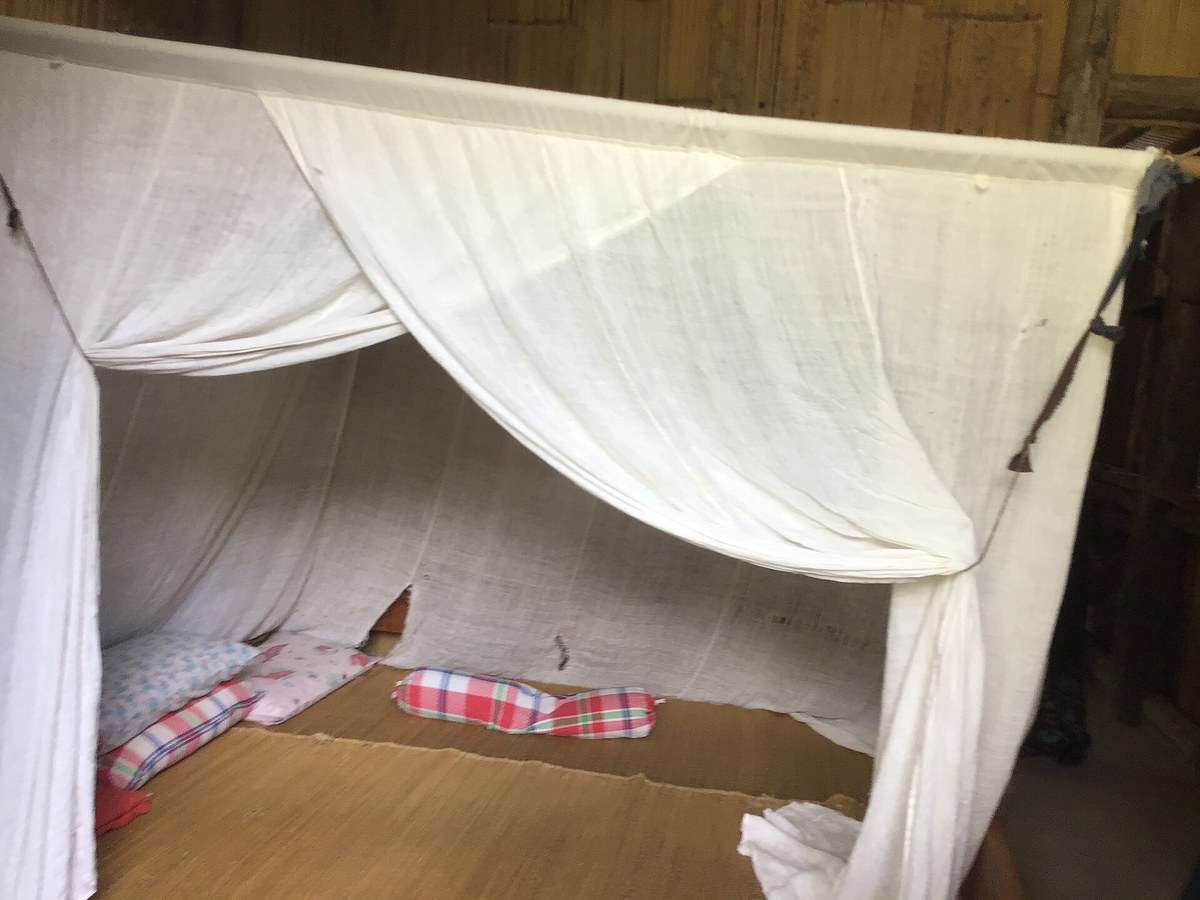
For arboviruses, the 2019 review states that prevention depends above all on measures against the mosquito (Vouga et al., 2019).
For the traveler who is also going to the mountains, it is worth remembering that altitude and pregnancy add another layer of risk, covered in the post on altitude sickness.
| Study | Design, sample and unit | Main finding |
|---|---|---|
| Shalev Ram 2020 | Retrospective cohort, Israel, 628,292 births from 284,069 women; unit birth | Weight 9 grams higher, negligible difference (Shalev Ram et al., 2020) |
| Petrikovsky 2018 | Prospective series, 112 pregnant women in the third trimester; unit pregnant woman | Reactive tracing in 73 percent after 12 hours (Petrikovsky et al., 2018) |
| Izadi 2015 | Narrative review; unit cited study | Pregnancy multiplies the risk of thrombosis 5 to 10 times (Izadi et al., 2015) |
| Laris-González 2020 | Systematic review, 15 studies; unit pregnancy | Miscarriage overall: inconclusive; harm with the smallpox vaccine (Laris-González et al., 2020) |
| Santangelo 2026 | Systematic review, 109 records; unit variable | More than 190 thousand pregnancies without an increase in adverse outcomes (Santangelo et al., 2026) |
| Rodríguez-Morales 2026 | Review of the 2024 to 2026 outbreak; unit cited study | Stratify risk before vaccinating (Rodríguez-Morales et al., 2026) |
| Vouga 2021 | Multicenter registry, 865 pregnant women; unit pregnant woman | Infection in 25.0 percent of travelers (Vouga et al., 2021) |
| Rubin 2025 | Single-patient report, pregnant woman from Denmark; unit patient | Severe microcephaly after Zika in Phuket (Rubin et al., 2025) |
| Lebov 2025 | Prospective cohort, 6,100 pregnant women; unit pregnancy | Composite outcome: inconclusive (Lebov et al., 2025) |
| U 2025 | Meta-analysis, 35 studies, about 65 thousand pregnancies; unit pregnancy | Stillbirth with OR 2.70 (U et al., 2025) |
| Vouga 2019 | Narrative review; unit cited study | Prevention centered on the mosquito (Vouga et al., 2019) |
| González 2014 | Systematic review, 18 articles; unit pregnant woman | Pregnancy outcomes similar to comparators (González et al., 2014) |
| González 2018 | Cochrane review, 6 trials, 8,192 pregnant women; unit pregnant woman | Lower parasitemia, vomiting with RR 4.76 (González et al., 2018) |
| Reyes Lizaola 2026 | Single-patient report, United States; patient unit | Severe malaria at 36 weeks after travel to Ghana (Reyes Lizaola et al., 2026) |
Sources: Shalev Ram et al., 2020; Petrikovsky et al., 2018; Izadi et al., 2015; Laris-González et al., 2020; Santangelo et al., 2026; Rodríguez-Morales et al., 2026; Vouga et al., 2021; Rubin et al., 2025; Lebov et al., 2025; U et al., 2025; Vouga et al., 2019; González et al., 2014; González et al., 2018; Reyes Lizaola et al., 2026.
In NEXO, the case of the day is fictional, with a real clinical presentation and up to six progressive clues, and you propose the diagnosis by looking for the ICD-10 code. One clue may say "34 weeks pregnant with fever and headache"; another, "returned ten days ago from a trip to West Africa". The proximity feedback in five levels helps separate malaria, dengue, urinary tract infection and pre-eclampsia, without turning the practice into a protocol. The useful exercise is to ask, at each clue, what the travel history adds to the picture.
In the Israeli cohort, flying was associated with a 9 gram increase in birth weight and a 0.36 day increase in gestational age, differences the authors call clinically negligible (Shalev Ram et al., 2020). The same study says the data do not allow claiming the safety of flights longer than six hours.
In 112 women in the third trimester, the reactive tracing fell from 93 to 73 percent 12 hours after the flight and returned to 94 percent within 24 hours (Petrikovsky et al., 2018). The authors read this as a temporary change and limit the conclusion to third-trimester fetuses.
The review of live-virus vaccines concludes that a woman vaccinated without knowing she was pregnant should be reassured, and that therapeutic abortion is not justified by the vaccine's teratogenic potential (Laris-González et al., 2020). The same review rates the quality of evidence as very low.
In the international registry, stays of less than two weeks, outside outbreaks, were associated with minimal risk of maternal infection (Vouga et al., 2021). Staying more than two weeks and traveling during the epidemic increased the risk in the same study.
The 2014 systematic review found no difference in the risk of adverse pregnancy outcomes between those exposed to mefloquine and the comparison groups (González et al., 2014). In the Cochrane review, mefloquine increased vomiting and dizziness compared with sulfadoxine-pyrimethamine (González et al., 2018).