



Obstetrics and gynecologyTropical and travel medicineInfectious diseases
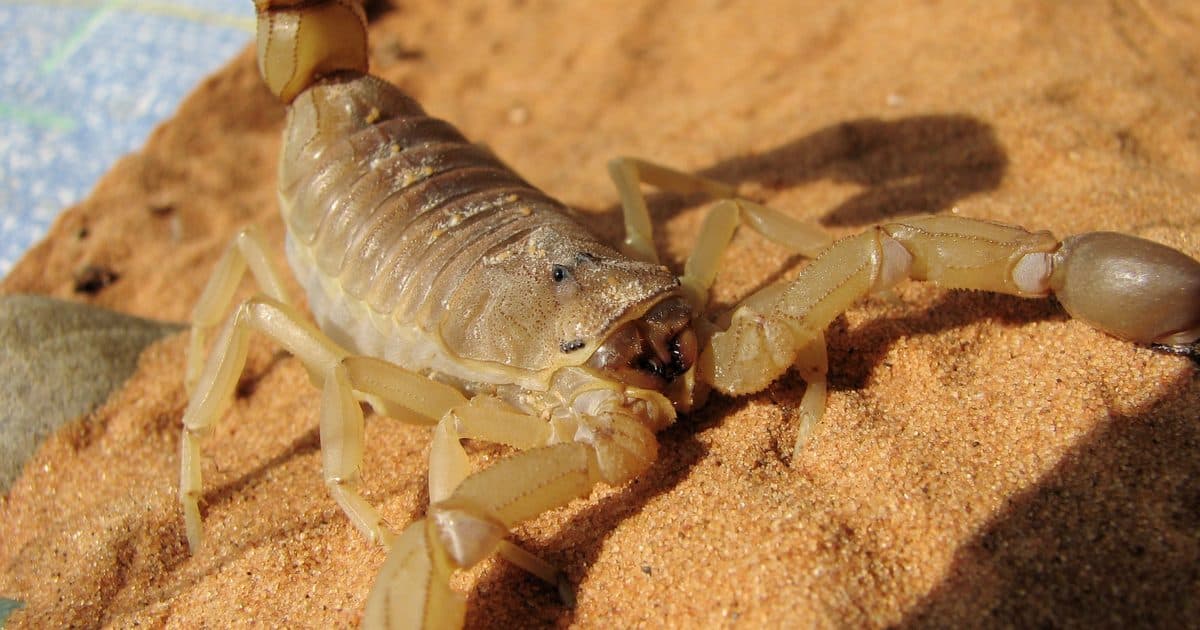
In a fictional case, a three-year-old boy cries a lot after putting on the sneaker that was left in the backyard on a hot night. The mother sees a small yellowish scorpion come out of the shoe. On arrival at the emergency department, forty minutes later, the foot is painful and the child is agitated. Half an hour later, he starts vomiting without stopping, sweats and breathes faster. The question the on-call physician needs to answer is simple to formulate and hard to get wrong by much: is this still just local pain or is it already systemic envenoming?
Scorpion sting is a public health problem in much of the world, from the Americas to the Maghreb, from the Middle East to India. Most stings cause only pain, but small children are the ones who die most, and the window between the mild picture and cardiogenic shock can be short. This text gathers what full-text studies show about severity in children, the antivenom decision, the role of prazosin and the way heat and cities are bringing scorpions closer to homes.
Key points
Almost all scorpions dangerous to humans belong to the family Buthidae (Rodrigo et al., 2017). The genera change with the region: Centruroides in Mexico, Central America and the southwestern United States; Tityus in South America and the Caribbean; Androctonus, Leiurus and Buthus in North Africa and the Middle East; Mesobuthus in the eastern Mediterranean; Hottentotta in Southeast Asia (González-Ruiz et al., 2026). This difference matters, because each antivenom is made against specific venoms and clinical trials cannot be transposed from one continent to another without care.
A child receives the same amount of venom as an adult in a much smaller body. The review on the global burden attributes childhood vulnerability to lower body mass and greater susceptibility to systemic complications, and recalls that mortality is concentrated where access to antivenom and intensive care is difficult (Vasconez-Gonzalez et al., 2025). In Brazil, the genus Tityus is the main cause of stings and increases the risk of death in children under ten years old (Lacerda et al., 2025).
The retrospective cross-sectional study by González-Ruiz and colleagues analyzed 3145 patients seen in an emergency department in western Mexico between 2021 and 2025. Each additional year of age reduced the odds of moderate or severe envenoming (aOR 0.772 per year; 95 percent CI 0.698 to 0.851), and higher weight was also protective (González-Ruiz et al., 2026). In the analysis by age group, those under one year had a median of 5.5 symptoms, versus 4 among children aged three to six years (González-Ruiz et al., 2026). The authors recall that the retrospective design limits causal inference and that residual confounding cannot be ruled out.
In the pediatric cohort from Belo Horizonte, children who progressed to a severe condition had lower weight, down to half the median of the mild group, and tended to be younger, although age itself did not reach statistical significance (dos Santos et al., 2026).
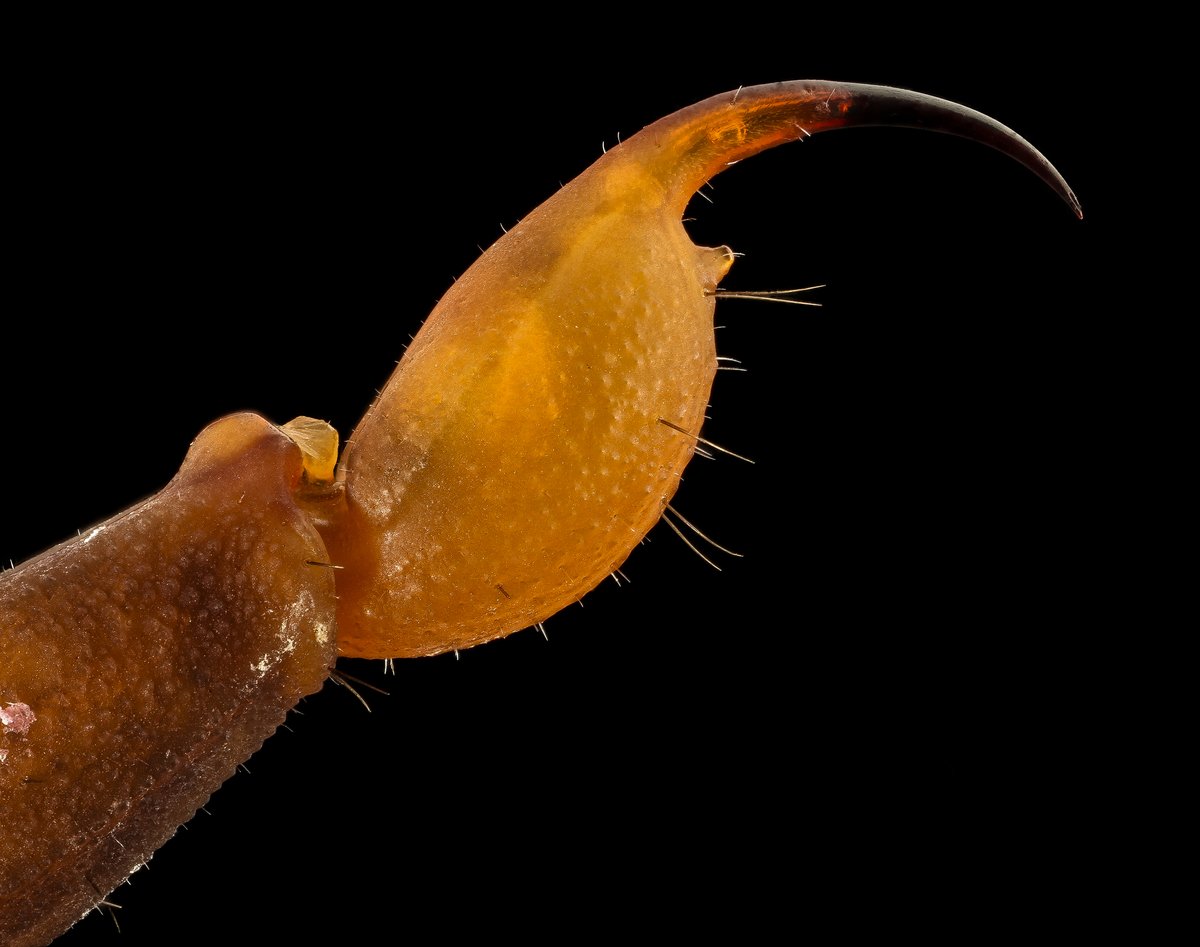
Pain at the sting site is almost universal. It appeared in 95.5 percent of the patients in the Mexican series (González-Ruiz et al., 2026) and in 98.5 percent of the children in the Brazilian cohort (dos Santos et al., 2026). Local paresthesia and a foreign body sensation in the throat are also common in stings by Centruroides (González-Ruiz et al., 2026).
What separates the mild condition from the severe one is systemic envenomation. Scorpion toxins bind to voltage-gated sodium channels and prevent their inactivation, which prolongs depolarization and excites both the sympathetic and the parasympathetic systems at the same time (Rodrigo et al., 2017). The result is an autonomic storm: tachycardia or bradycardia, hypertension or hypotension, excessive salivation and lacrimation, incontinence and pulmonary edema (Rodrigo et al., 2017).
In the pediatric cohort from Belo Horizonte, the variables that differed between mild and severe cases were uncontrollable vomiting, intense sweating, respiratory rate, Glasgow Coma Scale score, prostration, sensory depression, weight and blood glucose (dos Santos et al., 2026). Repeated vomiting appears in several studies as a warning sign, and in the series by Silva and colleagues it was associated with transfer to the ICU (Silva et al., 2026).
The reading below is our synthesis. Isolated pain, even if intense, in a child who is calm between crying spells suggests a local condition. Vomiting that does not stop, cold sweat, agitation, drowsiness, salivation, tachypnea, tachycardia or cold extremities indicate that the venom is already acting at a distance, and the conversation shifts from analgesia to monitoring and antivenom. Those who work with children know the value of reassessing at short intervals, the subject of the text on pediatric warning scores, and this eye is trained with clinical reasoning exercises for pediatrics.
Deaths from scorpion stings are generally due to cardiogenic shock and pulmonary edema (Rodrigo et al., 2017). The massive release of adrenaline and noradrenaline first causes tachycardia, hypertension and agitation; then, with cardiac dysfunction, respiratory distress, fluid in the lungs and a drop in blood pressure appear (Fereidooni et al., 2023).
The systematic review by Fereidooni and colleagues gathered 703 patients from 30 published case reports and 34 series with myocarditis associated with the sting. The condition was described mostly in children, with pulmonary edema in 60.7 percent and shock or hypotension in 45.8 percent (Fereidooni et al., 2023). Sinus tachycardia was the most common finding on the electrocardiogram, in 82 percent, followed by ST-T changes in 64.6 percent, and 36.7 percent of the patients required mechanical ventilation (Fereidooni et al., 2023). Mortality in confirmed cases was estimated at 7.3 percent, and almost all survivors quickly recovered left ventricular function (Fereidooni et al., 2023).
The authors themselves point out that the review relies on case reports and series, that some series included only patients admitted to the ICU, which may have exaggerated the frequency of manifestations and deaths, and that other cardiac complications were left out of the search (Fereidooni et al., 2023). The percentages describe those who came to have documented myocarditis, not the risk for every child who is stung.
The authors' recommendation is to consider myocarditis in the envenomed child with cardiorespiratory symptoms and to screen with serial cardiac markers and echocardiography (Fereidooni et al., 2023). The treatment described included inotropes, especially dobutamine, prazosin, diuretics, nitroglycerin and digoxin when indicated (Fereidooni et al., 2023). Bedside ultrasound has a practical role here, as discussed in the text on diagnosis with few resources.
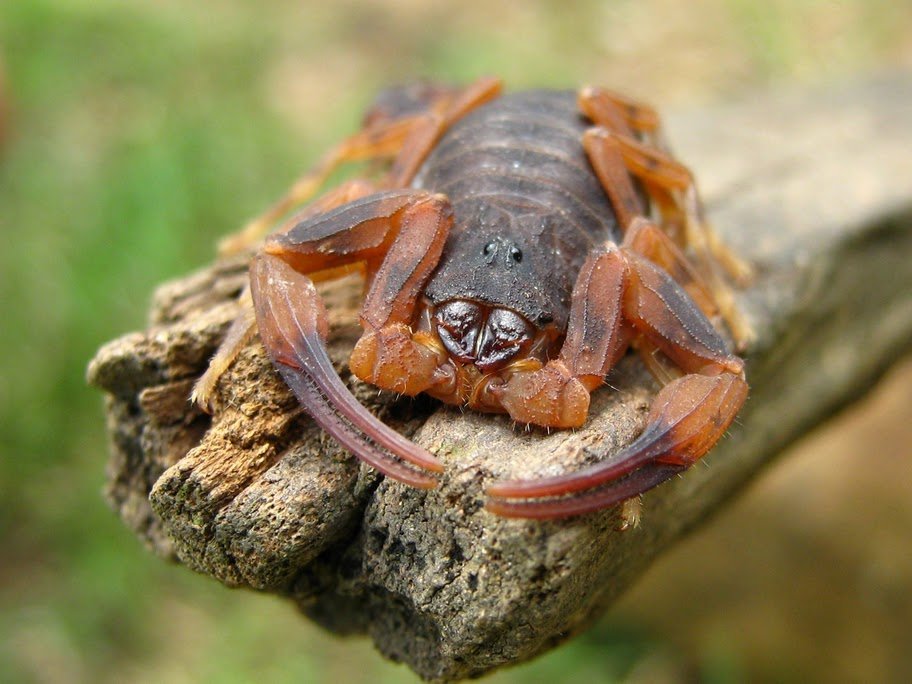
Two recent Brazilian studies tried to predict, on admission, which patient will need more care. Neither has undergone external validation: the glucose cutoffs and the ICU score were developed and tested on data from a single center.
Dos Santos and colleagues conducted a prospective observational cohort at Hospital João XXIII, in Belo Horizonte, between September 2023 and March 2024, with 67 children and adolescents aged 0 to 17 years stung by a scorpion, mostly Tityus serrulatus (dos Santos et al., 2026). Nine children progressed to a moderate or severe condition, 13.4 percent of the group, defined by the need for antivenom (dos Santos et al., 2026).
An admission glucose of 142 mg/dL or more had 100 percent specificity for severe cases, with an area under the ROC curve of 0.979 (95 percent CI 0.937 to 1.000) (dos Santos et al., 2026). The 105 mg/dL cutoff maximized sensitivity, at 100 percent, with lower specificity, at 79.3 percent (dos Santos et al., 2026). The stated limitations are the small sample, with nine children in the severe group, the single center, the associative design that prevented formal validation of the cutoffs, the lack of comparison with troponin, CK-MB or inflammatory markers, and the absence of outcome evaluation with glucose-guided management. The authors ask that the cutoffs be treated as clinical hypotheses and undergo multicenter external validation before routine use.
Silva and colleagues analyzed 146 patients from a toxicology center in Minas Gerais seen between 2019 and 2024 and built regression models to predict transfer to the ICU (Silva et al., 2026). Hyperamylasemia, vomiting and cardiac dysfunction on echocardiography or bedside ultrasound were strongly associated with the need for intensive care (Silva et al., 2026). The final simplified model, presented as a nomogram, had an area under the curve of 0.92, and at the 0.567 cutoff it reached specificity of 0.95 and sensitivity of 0.78 (Silva et al., 2026).
The authors write that no model perfectly determines who goes to the ICU from variables available on arrival and that the score works better as a confirmatory test when there is already clinical suspicion. Among the limitations, they cite incomplete data, which required multiple imputation, and the relative rarity of severe outcomes; in the five imputed sets, before readjustment, the mean area under the curve of an intermediate model, the fifth, was 0.648, a sign of how much performance depends on the data used. The score has not been tested in another population, and therefore still has no external validation (Silva et al., 2026).
In the Mexican series, each additional hour to care increased the odds of a moderate or severe condition (aOR 1.08 per hour; 95 percent CI 1.013 to 1.164) (González-Ruiz et al., 2026). The use of home remedies in general, especially milk and garlic, had an inconclusive association with severity (aOR 1.019; 95 percent CI 0.857 to 1.213) (González-Ruiz et al., 2026). Oral garlic was associated with more severe cases, but the authors interpret the finding as a reflection of delay in seeking care, not as a biological effect of garlic.
The systematic review with meta-analysis by Rodrigo and Gnanathasan gathered controlled clinical trials, randomized or not, on the management of stings in adults and children (Rodrigo et al., 2017). The central point of the review is that antivenom is not a single entity: each recommendation applies to the location, the species and the age range of the trials.
For Centruroides in the United States and Mexico, antivenom reversed the clinical syndrome faster than no serum in children, with symptom resolution in 4 hours (RR 0.02; 95 percent CI 0.01 to 0.06; 322 participants; three trials) (Rodrigo et al., 2017). This is the strongest evidence in favor of antivenom in pediatrics, and it applies to those under 18 years old stung by Centruroides (Rodrigo et al., 2017).
In a randomized trial in Tunisia, 825 patients received 20 mL of bivalent antivenom against Androctonus australis and Buthus occitanus or placebo, with no difference in cure rates, prevention of worsening or hospitalization after 4 hours (Rodrigo et al., 2017). Commenting on an earlier meta-analysis, the review reports that the effect in Old World scorpions was inconclusive (risk difference of minus 0.05; 95 percent CI minus 0.28 to 0.18) (Rodrigo et al., 2017). In the same review, corticosteroids brought no benefit in the Tunisian trial (Rodrigo et al., 2017).
In India, antivenom against Mesobuthus tamulus plus prazosin shortened symptom resolution compared with prazosin alone (mean difference of 12.59 hours less; 95 percent CI 14.01 to 11.17 hours less; 173 participants; three trials) (Rodrigo et al., 2017). The authors point out important limits: few countries studied, historical controls in some trials, additional treatments at the physician's discretion and selection, detection and reporting biases.
Prazosin, an alpha-1 blocker, is used against the adrenergic storm. In Rodrigo's review, it may be better than supportive care alone in M. tamulus stings in children, with level of evidence 3b (Rodrigo et al., 2017). Shokry Zaghary and Abd ElKader conducted a prospective randomized comparative study in Egypt, with 100 patients of median age 7 years, comparing antivenom with prazosin and antivenom alone (Shokry Zaghary et al., 2025). The prazosin group needed fewer vials of antivenom, median of 6 versus 9 (Shokry Zaghary et al., 2025).
Mortality was 8 percent with prazosin and 20 percent without it, but the difference was not statistically significant, and the result should be read as inconclusive (Shokry Zaghary et al., 2025). The authors describe the study as single-blind, with an inherent risk of bias and without randomization stratified by heart rate and blood pressure. In the discussion, the authors also cite the recommendation of another paper to prefer dobutamine over prazosin in acute pulmonary edema, heart failure or shock; this was not tested and is not a finding of the Egyptian study (Shokry Zaghary et al., 2025).
The following sequence is our synthesis, based on the sources above, and must be adjusted to the local protocol and the species of the region:
The logic of deciding on serum based on clinical signs, and not on tests, resembles that of snakebite, but the mechanisms are different; the text on snakebite and antivenom decision deals with the coagulopathy and neurotoxicity of snakes.
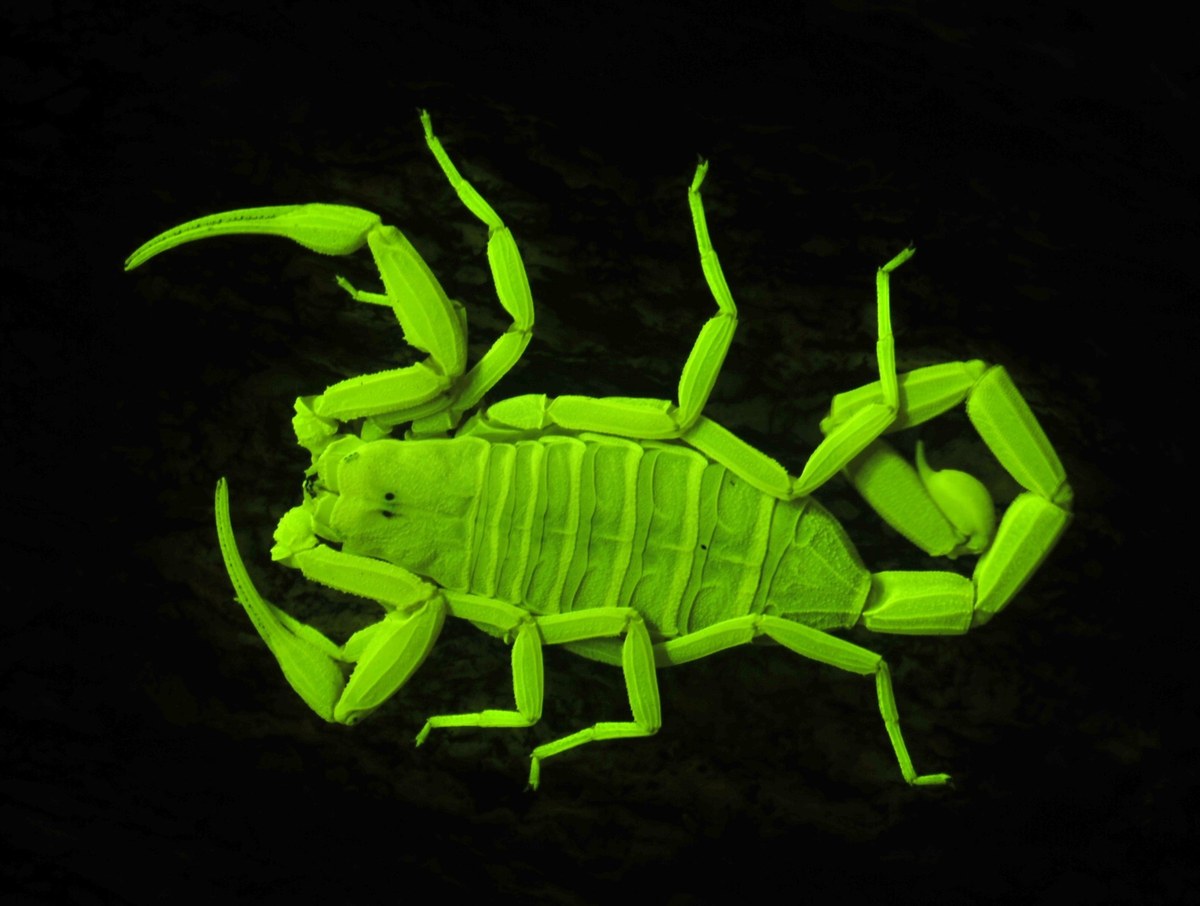
In Brazil, the ecological and descriptive study by Lacerda and colleagues analyzed the 5570 municipalities between 2012 and 2024 and counted 1 729 023 scorpionism notifications and 1230 deaths (Lacerda et al., 2025). Incidence rose from 31.8 to 142.82 per 100 000 inhabitants, an increase of 349 percent, with death more frequent in children and accidents more frequent in older adults (Lacerda et al., 2025). Minas Gerais, São Paulo and Bahia concentrated the high-risk clusters, and the North region had the opposite pattern. The authors point to the lack of information on the species involved in each accident as a limitation.
Da Silva and colleagues carried out a national time-series analysis from 2007 to 2025, crossing SINAN records with TerraClimate climate data in a nonlinear distributed lag model (da Silva et al., 2026). The growth was nonlinear, with a structural break around 2011 that marks an acceleration, and the months from September to November concentrated more accidents. Temperature had the strongest association, with a peak at a one-month lag (r of about 0.57), and rain had a weaker and later effect (da Silva et al., 2026).
The authors describe scorpionism as a climate-sensitive system, driven by the interaction between environmental variability and urban expansion. The limitations they themselves list are the aggregated monthly data, underreporting, the absence of socioeconomic variables in the model and the fact that the design shows association, not causality.
In Bodrum, on the Aegean coast of Turkey, a single-center retrospective observational study gathered 473 emergency visits for scorpion stings between 2015 and 2023 (İşkorur et al., 2026). In years above the regional mean temperature, mean prevalence was 0.21 percent, against 0.14 percent in colder years, and mean temperature correlated with incidence (r of 0.878) (İşkorur et al., 2026). The authors warn that seasonal tourism, migration to the city during the covid-19 pandemic and urban changes may have altered the number of visits independently of the climate.
The review by Vasconez-Gonzalez and colleagues describes how houses made of less durable materials, with cracks and near natural shelters, favor the entry of the scorpion, and cites clearing debris and sealing cracks among community measures, and recalls that, in rural areas, children who help with farm work are more exposed (Vasconez-Gonzalez et al., 2025). Mexico, Brazil, Iran, Algeria and Morocco appear among the countries with the highest incidence (Vasconez-Gonzalez et al., 2025). Animals and vectors that change territory with the climate are a recurring theme, as in the text on ticks on the move and the one on One Health.
The family guidance below is our own summary, compatible with the sources: shake out shoes, clothes and towels before use, keep debris and trash away from the walls of the house, seal drains and cracks and seek care right after a child is stung, instead of waiting at home or trying home remedies. During heat waves, surveillance needs to be greater, a subject that adds to the text on extreme heat and dehydration.
| Study | Design | Population | Main finding |
|---|---|---|---|
| Rodrigo, 2017 | Systematic review and meta-analysis of controlled trials | Adults and children stung by scorpions | Antivenom effective against Centruroides and M. tamulus; inconclusive for others from the Old World (Rodrigo et al., 2017) |
| Shokry Zaghary, 2025 | Prospective randomized comparative study | 100 patients in Egypt, median age 7 years | Fewer vials with prazosin; mortality inconclusive (Shokry Zaghary et al., 2025) |
| Fereidooni, 2023 | Systematic review of case reports and series | 703 patients with myocarditis | Pulmonary edema and shock are frequent, especially in children (Fereidooni et al., 2023) |
| dos Santos, 2026 | Prospective observational cohort | 67 children in Belo Horizonte | High admission blood glucose in severe cases; cutoffs still hypothetical (dos Santos et al., 2026) |
| González-Ruiz, 2026 | Retrospective cross-sectional study | 3145 patients in western Mexico | Delay in care and younger age associated with severity (González-Ruiz et al., 2026) |
| da Silva, 2026 | National time series with a lag model | Brazil, 2007 to 2025 | Accelerated spread linked to the previous month's temperature (da Silva et al., 2026) |
Sources: data from Rodrigo et al., 2017, Shokry Zaghary et al., 2025, Fereidooni et al., 2023, dos Santos et al., 2026, González-Ruiz et al., 2026 and da Silva et al., 2026.
In NEXO, the case of the day is fictional, with a real clinical presentation and up to six progressive clues, and you propose the diagnosis by looking for the ICD-10 code. Noticing the moment when local pain becomes systemic envenoming is the same exercise of putting together signs, symptoms and history that appears in the text on Signs, symptoms and history: how to interpret what the patient brings.
The limits of using the game are described on the NEXO economy page. If you research the teaching of clinical reasoning, the page for researchers explains how to get in touch. Professionals who write or review cases find information under curation and under creators, and institutions can learn about the proposal on the partnerships page.
Most stings cause only local pain. In the pediatric cohort in Belo Horizonte, 58 of 67 children had a mild picture and were only observed (dos Santos et al., 2026). Antivenom is indicated when systemic signs appear, and close observation in the first hours is what allows them to be recognized.
The studies cited vary in observation time, and the decision depends on the local protocol. In the Belo Horizonte cohort, the mean stay was 8.4 hours in mild cases and 44.2 hours in moderate or severe cases (dos Santos et al., 2026). In our synthesis, the younger the child and the more dangerous the species in the region, the longer the observation should be.
According to the sources reviewed, prazosin works as a complement. In India, the combination of antivenom and prazosin outperformed prazosin alone (Rodrigo et al., 2017), and in Egypt the addition of prazosin reduced the number of antivenom vials, with no significant difference in mortality (Shokry Zaghary et al., 2025).
In the Mexican series, home remedies in general had an inconclusive association with severity, and oral garlic was associated with worse pictures, probably because it delays going to the hospital (González-Ruiz et al., 2026). What has a consistent association with severity is the delay in seeking care.
Ecological studies in Brazil and Turkey show an association between higher temperature and more accidents (da Silva et al., 2026; İşkorur et al., 2026). These designs show association, and the authors acknowledge that urbanization, tourism and reporting also change the numbers.
Play the case of the day on NEXO and train your reasoning with progressive clues.