


Obstetrics and gynecologyGlobal healthCommunication and ethics
In a fictional case, a 58-year-old teacher who never smoked is diagnosed with lung adenocarcinoma. At the next visit, she asks what could have caused the disease, since she has never put a cigarette in her mouth. The resident reviews the history: passive smoking, occupation, air pollution. One question is missing that almost no one asks: how many years has she lived in the same house, and has anyone ever measured the radon inside it?
Radon is a radioactive gas of natural origin, colorless and odorless, that comes from the soil and accumulates in closed environments. For most people, it is the largest source of ionizing radiation outside medicine, and almost no one knows they are exposed. This text gathers what miner cohorts, residential case-control studies and disease burden estimates show about lung cancer risk, how this risk adds to that of tobacco and when it is worth remembering radon in the clinical history.
Key points
Radon-222 arises from the decay of uranium-238, present throughout the Earth's crust. With a half-life of four days, it has time to diffuse through the soil and reach the air before decaying. The inhaled gas is almost entirely exhaled soon after, but the short-lived decay products, which are solid, tend to deposit in the bronchial epithelium, and two of them, polonium-218 and polonium-214, emit alpha particles (Darby et al., 2005). It is this very localized alpha radiation that damages the DNA of the cells lining the airways.
Outdoors, radon dilutes. Inside a building, it accumulates. Indoor concentration depends on geology, the permeability of the subsoil to the gas, ventilation and building materials, and energy-efficient buildings without adequate radon protection have already shown higher indoor concentrations (Ritchie et al., 2026). The unit used in studies is the becquerel per cubic meter of air (Bq/m³), which counts radioactive disintegrations per second in each cubic meter (Darby et al., 2005).
In many countries, household exposure to radon decay products accounts for about half of all non-medical exposure to ionizing radiation (Darby et al., 2005). This exposure is continuous and leaves no signal. Those who work with flights and space travel encounter another type of natural radiation, covered in the text on cosmic radiation in astronauts and crews.
A common intuition is that radon is a problem of old, damp houses. A study that tested 11,727 homes in the western Canadian prairies found a geometric mean of 108 Bq/m³, and 17.8 percent of them had 200 Bq/m³ or more (Stanley et al., 2019). In that region, newer buildings, with larger area, fewer floors, higher ceilings and windows opened less often were associated with more radon, and measurements in the basement were higher than on the upper floors (Stanley et al., 2019). The data come from a region of high geological potential and appear here only as an example that the age of the house does not protect.
The link between radon and lung cancer was established first in underground miners and later confirmed in the general population by residential case-control studies (Ruano-Ravina et al., 2023). Radon and its decay products were classified as a known cause of human cancer by IARC in 1988 (Gaskin et al., 2018).
The first miner cohorts had very high exposures, quite different from those of a house. To bring the estimate closer to current conditions, a pooled analysis followed 57,873 male uranium miners in Canada, the Czech Republic, France, Germany and the United States, hired from 1960 onward, a period with better-quality exposure assessment (Richardson et al., 2022). There were 1.9 million person-years of observation and 1217 deaths from lung cancer (Richardson et al., 2022).
The lung cancer rate increased linearly with cumulative exposure, with an excess relative rate of 1.33 per 100 WLM (95 percent CI 0.89 to 1.88) (Richardson et al., 2022). WLM, or working level month, is the unit of occupational exposure to radon decay products, different from the Bq/m³ used in homes. The association varied with attained age, age at exposure and annual intensity: below 55 years of attained age, in miners exposed from age 35 onward and with low annual intensity, the excess was 8.38 per 100 WLM (95 percent CI 3.30 to 18.99) (Richardson et al., 2022).
The centerpiece of the residential evidence is the collaborative analysis of individual data from thirteen case-control studies in nine European countries, with 7148 people with lung cancer and 14,208 controls (Darby et al., 2005). Exposure was measured in Bq/m³ in the homes lived in during the previous 5 to 34 years, and the analysis was stratified by study, age, sex, region and a detailed smoking history.
A risk that rises with no apparent threshold. The mean measured concentration was 97 Bq/m³ in the homes of controls and 104 Bq/m³ in the homes of those who had cancer (Darby et al., 2005). The risk of lung cancer increased 8.4 percent (95 percent CI 3.0 to 15.8) for each 100 Bq/m³ of measured radon (Darby et al., 2005). After correcting for the random uncertainties of the measurements, which dilute the association, the increase rose to 16 percent (95 percent CI 5 to 31) for each 100 Bq/m³ of usual radon (Darby et al., 2005).
The relationship was compatible with a straight line, and the association remained significant even among those with measured concentrations below 200 Bq/m³ (Darby et al., 2005). In practice, the analysis found no value below which radon was harmless. The authors stress that the studies showed the risk as a whole, and not separately.
Why adjustment for smoking weighs so much. Among controls, the proportion of never smokers increased with radon concentration (Darby et al., 2005). If smoking had not entered the stratification, the risk increase would have been only 2.3 percent for each 100 Bq/m³ measured, and with only seven smoking categories, 5.2 percent (Darby et al., 2005). This methodological detail explains why studies with a crude smoking history tend to underestimate the effect of radon.
A regional study as an example. More recent studies point in the same direction. In Northern Ireland, a population-based case-control study with secondary data linked an indicative radon atlas to cancer registries, with 1687 people with lung cancer and 8094 controls (Delargy et al., 2026). Living in the highest radon class of the atlas was associated with an odds ratio of 2.24 (95 percent CI 1.25 to 3.92) (Delargy et al., 2026). By histological type, small cell carcinoma had an odds ratio of 4.39 (95 percent CI 1.45 to 10.91), and squamous cell carcinoma 2.19 (95 percent CI 0.73 to 5.35), an interval that includes the null and is therefore inconclusive (Delargy et al., 2026). Exposure was assigned by area of residence, not measured in each home, a limitation the authors themselves point out; the study was not designed to measure individual risk.
The most important clinical question is how radon combines with cigarettes. In the European analysis, the proportional increase in risk per 100 Bq/m³ did not differ convincingly by smoking status (P = 0.98), and the model in which the effects of radon and tobacco would only add was rejected (P = 0.05) (Darby et al., 2005). In other words, the data are compatible with a radon that multiplies the baseline risk, and the smoker's baseline risk is much higher (our synthesis).
According to the authors' model, and in the absence of other causes of death, the absolute risk of lung cancer by age 75 at usual concentrations of 0, 100 and 400 Bq/m³ would be about 0.4, 0.5 and 0.7 percent in never smokers (Darby et al., 2005). For cigarette smokers, the values would be about 25 times higher, 10, 12 and 16 percent (Darby et al., 2005).
Therefore, most lung cancers attributable to radon occur in smokers, because of the combined effect of the two (Ritchie et al., 2026). In Finland, among smokers, most radon-related cancers were attributed to the joint effect of radon and tobacco (Kurkela et al., 2023). In Germany, of the deaths attributed to residential radon, 19 percent occurred in never smokers, 41 percent in former smokers and 41 percent in current smokers (Heinzl et al., 2024).
A Spanish case-control study described a significant association with concentrations above 37 Bq/m³ and a submultiplicative interaction between radon and tobacco (Ruano-Ravina et al., 2023). The European analysis, with far more participants, rejected the additive model, but that does not prove the interaction is exactly multiplicative (our synthesis). For the conversation with the patient, the practical message does not change: radon and cigarettes together weigh far more than each one alone.
This does not make radon a topic for the cessation consultation. How reducing consumption does not always reduce risk is in the text on tobacco and less exposure, and the approach to quitting smoking is in smoking cessation at every consultation.
The scenario of the fictional case at the start is the most disconcerting for the patient. In the European analysis, considering only never smokers, the risk increased 10.6 percent (95 percent CI 0.3 to 28.0) per 100 Bq/m³ measured, with no variation by age, sex or spouse's smoking (Darby et al., 2005). The interval is wide, but it stays above the null.
In Spain, a multicenter study in 11 hospitals with more than 500 never smokers with lung cancer and more than 900 controls found a linear relationship with radon and a significant risk above 200 Bq/m³ (Ruano-Ravina et al., 2023). The authors note that, without tobacco, a higher radon concentration is needed for the risk to appear clearly (Ruano-Ravina et al., 2023).
Small cell carcinoma is closely linked to tobacco and is rare in people who have never smoked. A multicenter case series in a high-radon region gathered 32 never-smokers with this histological type (Torres-Durán et al., 2021). The median radon level in the homes was 182 Bq/m³ (interquartile range 82 to 234), and 87.5 percent were women, many of them homemakers and farm workers (Torres-Durán et al., 2021). The authors concluded that radon may play a role, but they found no association between the concentration and the characteristics of the disease at diagnosis; 1- and 2-year survival was 34.4 and 21.9 percent (Torres-Durán et al., 2021). Because it is a case series with no comparison group, the study describes risk rather than measuring it.
A systematic review with meta-analysis looked for effects of radon beyond lung cancer, with 129 studies in the review and 40 in the meta-analysis (Henyoh et al., 2024). None of the estimated associations reached statistical significance. For lymphohematopoietic cancers in childhood, for example, the hazard ratio was 1.01 (95 percent CI 1.00 to 1.03), an interval that touches the null and should be read as inconclusive (Henyoh et al., 2024). The authors do not rule out other effects and call for larger studies; today, lung cancer is the outcome with solid evidence.
A global estimate calculated the fraction of lung cancer deaths attributable to residential radon in 66 countries with representative national surveys (Gaskin et al., 2018). With three different risk models, the medians were 16.5, 14.4 and 13.6 percent (Gaskin et al., 2018). By the first model, the fraction ranged from 4.2 percent in Japan to 29.3 percent in Armenia (Gaskin et al., 2018). In total, 226,057 lung cancer deaths were attributed to radon in 2012, a median of 3.0 percent of all cancer deaths (Gaskin et al., 2018).
The WHO estimates that between 3 and 14 percent of lung cancers may be attributable to radon, a range that depends on the local average concentration, the type of construction and the prevalence of smoking (Ritchie et al., 2026). National estimates appear here as examples of this variation. In Finland, about 72 to 211 lung cancers per year, or 3 to 8 percent of the total, were attributed to avoidable radon exposure, numbers the authors considered low for the country's radon level and explained by the lower prevalence of smoking (Kurkela et al., 2023). In Germany, the estimate was about 2800 deaths per year (95 percent CI 900 to 5100), or 6.3 percent (95 percent CI 2.1 to 11.4) of lung cancer deaths (Heinzl et al., 2024).
Attributable fraction estimates depend on risk models, on the radon distribution and on smoking data, and they vary widely between methods; the Finnish team itself recorded values well below those of the global estimate for the same country (Kurkela et al., 2023). They serve to size the problem, not to assign the cause of an individual cancer.
In a patient with lung cancer, radon rarely changes immediate management. It enters the clinical history for three reasons: to understand the exposure of the person who became ill, to protect those living in the same home and to advise those with added risk, such as smokers. The workup of a nodule and the treatment of cancer follow their own paths, discussed in the texts on incidental pulmonary nodule and localized lung cancer.
The questions below are our synthesis, based on the factors described in the sources (Ritchie et al., 2026; Stanley et al., 2019):
The answer to these questions fits into reasoning about exposure and risk, like any other piece of the history. The text on long-term follow-up after radiation exposure deals with people who had known exposures and need follow-up.
In our synthesis, radon deserves a prominent place in three situations. The first is lung cancer in people who never smoked, in which it is described as the main cause or one of the main causes (Kurkela et al., 2023; Ritchie et al., 2026). The second is the smoker or former smoker who lives in a high-radon area, in which the absolute risk is much higher (Darby et al., 2005). The third is the family with children or pregnant women asking what to do at home: a Pennsylvania program, cited here as an example, that distributed test kits to parents of newborns showed that, among 11,556 kits analyzed, 41.8 percent had radon above 4 picocuries per liter (Pillay et al., 2025).
The same program shows the size of the challenge: of the 3,093,704 babies born in the period, the parents of 24,165, or 0.78 percent, requested the test (Pillay et al., 2025).
The European Code Against Cancer, in its 5th edition coordinated by IARC, recommends that people check local radon maps, seek professional measurement when indicated and take corrective measures if necessary (Ritchie et al., 2026). The caveat "if necessary" is deliberate: remediation is indicated when the concentration exceeds the national reference level, to avoid unnecessary concern in people with low exposure.
The WHO recommends that the radon concentration inside homes not exceed 100 Bq/m³, and European Union legislation sets an upper reference limit of 300 Bq/m³, which each country can lower (Ritchie et al., 2026). Other countries use their own values and units; in the United States, for example, results are usually given in picocuries per liter (Pillay et al., 2025). Because risk rises linearly from low concentrations, a value below the reference level does not equal zero risk (Darby et al., 2005).
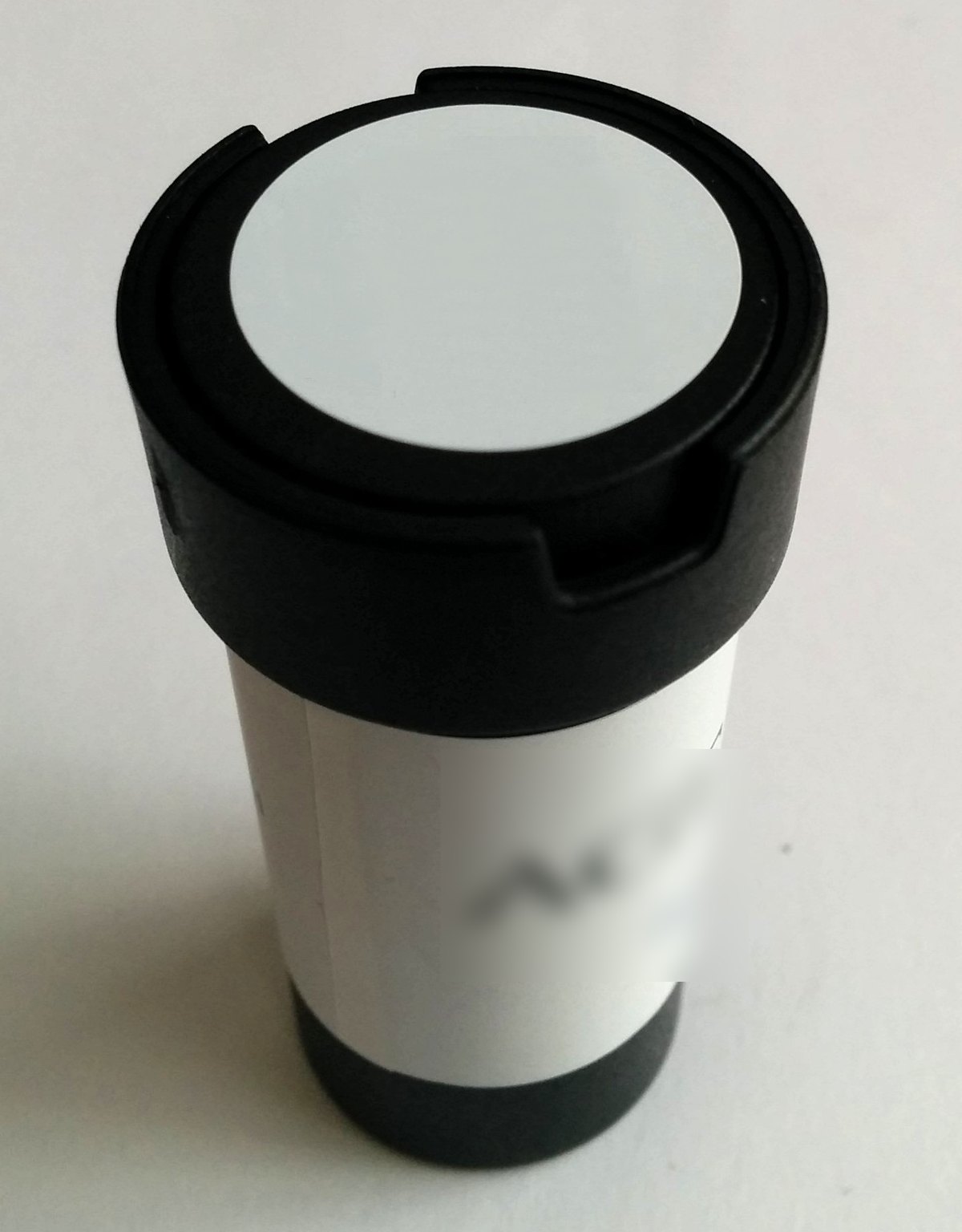
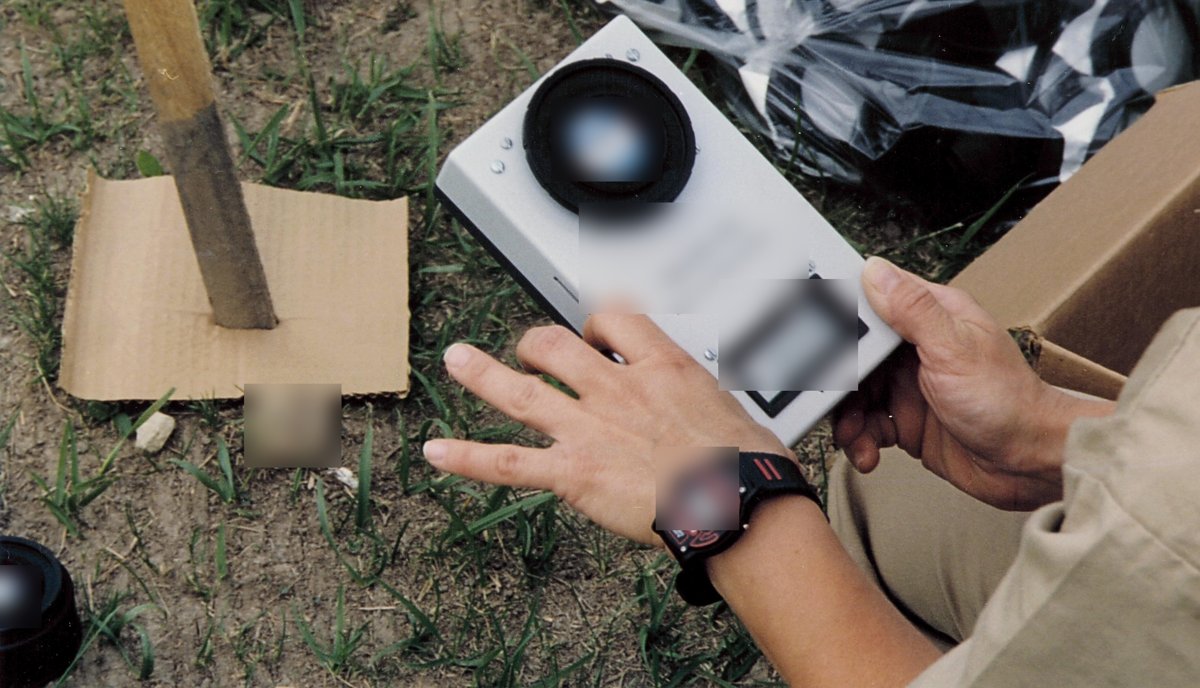
Long-term measurement is the most informative. In the Canadian study, short-term tests, despite being widely used, had limited value for estimating exposure, with accuracy strongly influenced by the time of year (Stanley et al., 2019). In almost half of the homes, the variation between winter and summer was minimal, and in the others the peak could be in winter or in summer, which contradicts the idea that measuring in one season is enough (Stanley et al., 2019).
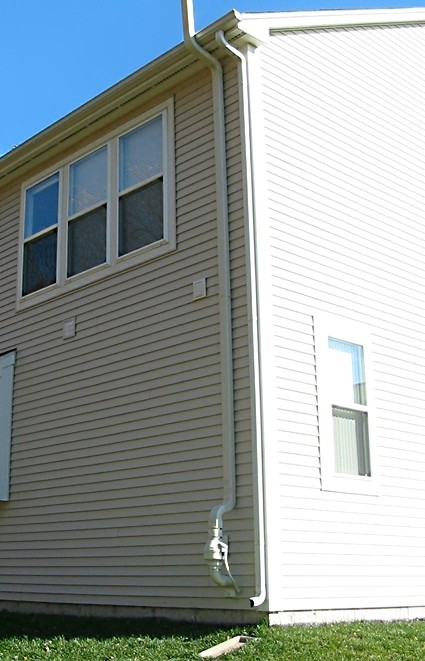
Measures range from improving ventilation, usually simple, to sealing gaps at basement level and making structural modifications, which require more investment (Ritchie et al., 2026). Reducing radon also improves indoor air quality, with a possible respiratory benefit beyond cancer prevention (Ritchie et al., 2026).
National models give an idea of the possible gain. In Germany, remediating all homes above 100 Bq/m³ would prevent about 966 lung cancer deaths per year, or 34.0 percent of those attributable to radon (Heinzl et al., 2024). In Finland, bringing homes above 100 Bq/m³ down to that level would eliminate about 30 percent of attributable cancers (Kurkela et al., 2023). These are model projections, not results observed after remediation.
The way of talking below is our synthesis. For someone who already has lung cancer, it is worth saying that radon may have contributed, but that no study allows attributing the cause of an individual case. For the family, the message is practical: measure the home for long enough and remediate if the value exceeds the reference level. For the smoker, the information that radon and cigarettes together weigh much more than each alone can be one more reason to quit, without turning the conversation about radon into a sermon.
| Study | Design | Population | Main finding |
|---|---|---|---|
| Darby, 2005 | Collaborative analysis of thirteen case-control studies | 7148 people with lung cancer and 14 208 controls in nine European countries | Risk rises linearly with radon at home, with no apparent threshold (Darby et al., 2005) |
| Richardson, 2022 | Pooled analysis of miner cohorts | 57 873 uranium miners hired from 1960 onward | Lung cancer rises linearly with cumulative exposure in WLM (Richardson et al., 2022) |
| Gaskin, 2018 | Estimate of attributable fraction | 66 countries with a national survey | Residential radon accounts for a relevant share of lung cancer deaths (Gaskin et al., 2018) |
| Delargy, 2026 | Population-based case-control study | 1687 people with lung cancer and 8094 controls in Northern Ireland | More lung cancer in the highest radon class of the atlas (Delargy et al., 2026) |
| Torres-Durán, 2021 | Multicenter case series | 32 never smokers with small cell carcinoma | High radon in homes; no association with characteristics at diagnosis (Torres-Durán et al., 2021) |
| Henyoh, 2024 | Systematic review and meta-analysis | 129 studies, 40 in the meta-analysis | Other outcomes beyond the lung: inconclusive associations (Henyoh et al., 2024) |
Sources: residential concentrations are in Bq/m³; the miner cohort uses WLM, an occupational unit. Data from Darby et al., 2005, Richardson et al., 2022, Gaskin et al., 2018, Delargy et al., 2026, Torres-Durán et al., 2021 and Henyoh et al., 2024.
In NEXO, the case of the day is fictional, with a real clinical presentation and up to six progressive clues, and you propose the diagnosis by looking for the ICD-10 code. Remembering an environmental exposure the patient does not mention is the same exercise of putting together signs, symptoms and history that appears in the text on Signs, symptoms and history: how to interpret what the patient brings.
The limits on using the game are described on the NEXO economy page. If you research the teaching of clinical reasoning, the page for researchers explains how to get in touch. Professionals who write or review cases find information under curation and under creators, and institutions can learn about the proposal on the partnerships page.
The risk increases, but most exposed people will not get lung cancer. According to the European model, someone who never smoked and lives with 400 Bq/m³ has an absolute risk of about 0.7 percent by age 75, against 0.4 percent without radon (Darby et al., 2005). In smokers, the numbers are much higher.
In general, less. In the Canadian study, measurements in the basement were higher than on the upper floors (Stanley et al., 2019), and in Finland houses had more attributable cancers than apartments (Kurkela et al., 2023). A high floor reduces exposure but does not eliminate it, because building materials also count (Ritchie et al., 2026).
Current evidence is inconclusive. The most recent meta-analysis found no statistically significant association for other outcomes, although it does not rule out that possibility (Henyoh et al., 2024).
Because the relative increase is similar with or without smoking and the baseline risk of non-smokers is lower, the absolute risk attributable to it is much lower in non-smokers (Darby et al., 2005). The approach to cessation is in the text on smoking cessation at every visit.
Play the case of the day on NEXO and train your reasoning with progressive clues.