Neoadjuvant therapy in stage III melanoma: NADINA
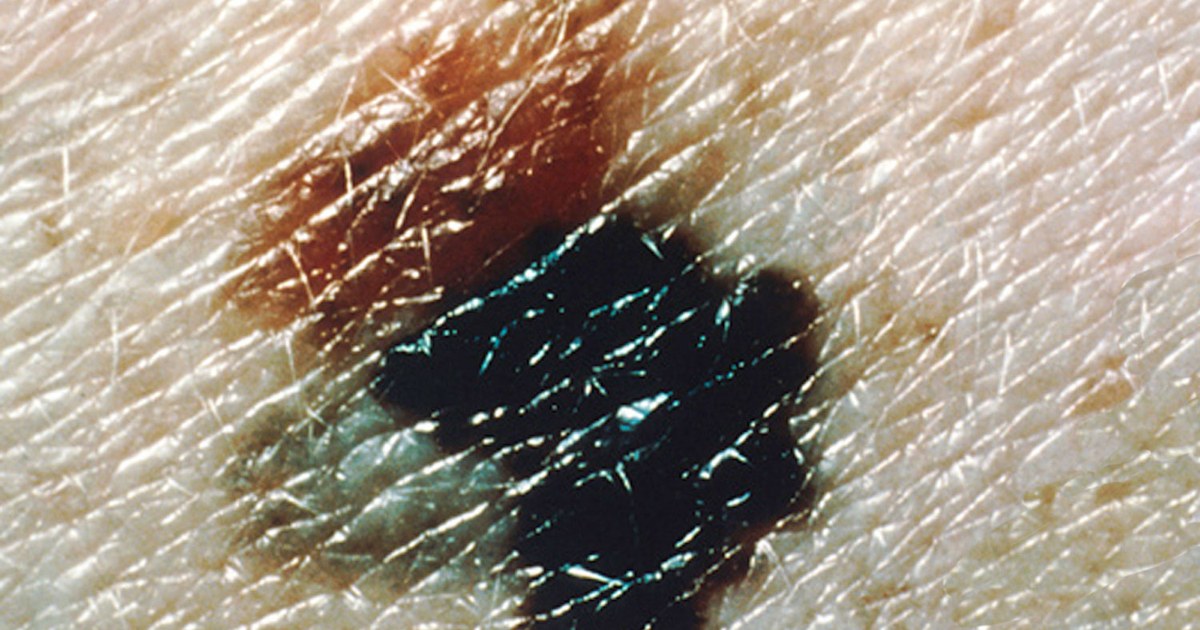
Table of contents
- Why this is a reasoning scenario
- The biological rationale for neoadjuvant therapy
- What NADINA tested
- What NADINA showed and what it has not yet shown
- SWOG S1801 and pembrolizumab before surgery
- Whom to refer and when
- Pathologic response as a compass
- Toxicity and talking with the patient
- How NEXO helps train this reasoning
- Frequently asked questions
- Final checklist
- References
A 52-year-old engineer notices a lump in his left armpit while taking a shower. Two years earlier, he had a dark mole removed from his back, and the report spoke of a thin melanoma with clear margins. Ultrasound shows two enlarged lymph nodes, and a core needle biopsy confirms melanoma metastasis. A whole-body CT scan and a brain MRI show no disease elsewhere. The surgeon already has a date for the axillary dissection. At the tumor board, the oncologist asks if anyone thought about treating before operating. The scene is fictional and was written for teaching.
This text uses the case as a clinical reasoning scenario for students and health professionals. The topic is neoadjuvant therapy with ipilimumab and nivolumab in resectable stage III melanoma, based on the NADINA study, and the question Dr. Alexei proposed for the series: when should a patient be referred for a neoadjuvant discussion before surgery? Along with it comes another question from the same list: how can evidence on neoadjuvant treatment be incorporated into the multidisciplinary discussion of resectable regional disease? The text does not replace your country's guideline or your institution's protocol. If you play the case of the day on NEXO, you will recognize the challenge: the order of decisions can matter as much as the decisions themselves.
Key points
- NADINA compared two cycles of nivolumab plus ipilimumab before surgery with surgery followed by adjuvant nivolumab in 423 patients with macroscopic, resectable stage III melanoma.
- Neoadjuvant therapy improved event-free survival and distant metastasis-free survival at 18 months.
- The overall survival benefit is not yet established, and the European guideline asks that this be told to the patient.
- The pathological response in the surgical specimen guided the rest of the treatment: those with a major pathological response did not receive adjuvant therapy.
- The critical point is timing. The discussion must happen before surgery, because after it the neoadjuvant window disappears.
- Biopsy confirmation, complete staging and BRAF testing are part of preparing the decision.
Why this is a reasoning scenario
For years, the path for melanoma with clinically involved lymph nodes was linear. First surgery, with removal of the lymph nodes in the region, and then the discussion about adjuvant treatment. With the arrival of adjuvant immunotherapy, that path gained a strong second step. In the CheckMate 238 study, for example, adjuvant nivolumab had a 5-year recurrence-free survival of 50 per 100 patients, versus 39 per 100 with ipilimumab (Larkin et al., 2023). Even so, half of the patients still relapsed.
Neoadjuvant therapy proposes reversing the order. Systemic treatment comes first, with the tumor still in place, and surgery comes afterward. The change seems simple, but it requires someone to think of it at the right moment. If the patient reaches the operating room before going through the multidisciplinary meeting, the opportunity is lost. There is no neoadjuvant therapy after the lymph node has been removed.
That is why the topic is a good reasoning exercise. The most likely error is not choosing the wrong drug. It is following the old flow by inertia, because surgery was scheduled and seemed the natural step. The series has already addressed team organization in the post on dermatology, surgery and oncology in melanoma. Here the focus is the concrete decision to treat before operating.
The bias that pushes toward surgery
When a plan is already underway, changing direction takes effort. The surgery date, the conversation already held with the family, and the feeling that removing the tumor solves the problem all weigh in favor of keeping the plan. The post on heuristics in clinical reasoning describes how mental shortcuts of this kind work. The antidote is a structured pause before surgery, like the one the post on diagnostic pause proposes for diagnosis.
The biological rationale for neoadjuvant therapy
The central idea is that the immune system reacts better when there is still plenty of tumor antigen present. With the tumor in place, PD-1 and CTLA-4 blockers find lymphocytes that already recognize the cancer inside the affected lymph node itself. The review by Witt, Erstad and Wargo summarizes the proposed advantages: a broader immune response, the possibility of assessing pathological response, tumor reduction before surgery and, potentially, less need for extensive lymph node dissection (Witt et al., 2022).
The same review notes that patients with high-risk resectable melanoma account for up to one fifth of new cases, and that before immunotherapy adjuvant treatment relied on interferon and chemotherapy, with a lot of toxicity and little efficacy (Witt et al., 2022). This history explains why each new strategy came to be compared with adjuvant immunotherapy, and no longer with observation.
The surgical specimen becomes a test
A practical advantage of neoadjuvant therapy is that it makes surgery a measure of response. In the adjuvant setting, treatment starts with no visible tumor, and there is no way to know whether it is working until a possible recurrence. In the neoadjuvant setting, the pathologist measures how much viable tumor is left in the treated bed. This information allows the next steps to be adjusted, and it is this adjustment that NADINA tested.


What NADINA tested
NADINA was a phase III randomized study with 423 patients with resectable stage III melanoma, confirmed by biopsy, involving lymph nodes, with or without up to three in-transit metastases (Amaral et al., 2025). One group received two cycles of nivolumab with ipilimumab before surgery. The other was operated on first and received adjuvant nivolumab, the standard treatment at the time.
The design brought a novelty. In the neoadjuvant group, only patients with partial pathological response or no response received adjuvant treatment after surgery: dabrafenib with trametinib when the tumor had a BRAF mutation, or nivolumab in the others (Amaral et al., 2025). Those with major pathological response were only followed. The ESMO guideline explains that the dosing schedule and the number of cycles came from two earlier phase II studies, OpACIN-neo and PRADO (Amaral et al., 2025).
Where the doses came from
In OpACIN-neo, the arm that served as the basis compared dose combinations, and the chosen schedule was ipilimumab 1 mg/kg with nivolumab 3 mg/kg for two cycles (Witt et al., 2022). In the following Dutch studies, the group used fixed doses. In the DONIMI study, for example, one of the arms received two cycles of nivolumab 240 mg with ipilimumab 80 mg every 3 weeks (Reijers et al., 2023). This is the same two-cycle format used in NADINA. Check the dose in your service's protocol, because neoadjuvant therapy with this combination is not approved by the FDA or the EMA for this indication (Amaral et al., 2025).
What NADINA showed and what it has not yet shown
With a median follow-up of 15.4 months, estimated event-free survival at 18 months was about 81 in every 100 patients in the neoadjuvant group, versus about 54 in every 100 in the adjuvant group, with a hazard ratio of 0.32 (Amaral et al., 2025). Distant metastasis-free survival followed the same direction: about 86 versus 62 in every 100, with a hazard ratio of 0.37 (Amaral et al., 2025).
In the neoadjuvant group, about 61 in every 100 patients had a major pathological response. In these patients, recurrence-free survival at 18 months was around 93 in every 100. Among those with partial response, the number was about 80 in every 100, and among those who did not respond, about 55 in every 100 (Amaral et al., 2025). The guideline concludes that these data suggest that those with a major pathological response do not need further treatment, but calls for longer follow-up to confirm.
The caveat that needs to be stated
Dr. Alexei's question comes with a clear warning, and he is correct. NADINA showed a gain in event-free survival, not an already established gain in overall survival. The ESMO guideline recommends offering neoadjuvant nivolumab plus ipilimumab followed by surgery, but says the conversation with the patient should consider the benefits in event-free survival, metastasis-free survival and recurrence-free survival and the lack of mature overall survival data (Amaral and colleagues, 2025). Talking about cure or a longer life, at this point, would go beyond the evidence.
The post about prognostic reasoning helps separate what an intermediate outcome shows from what it does not yet show. Delaying or preventing recurrence has real value for the patient, even before overall survival is known.
| Item | NADINA | SWOG S1801 |
|---|---|---|
| Phase | III | II |
| Patients | 423, stage III with lymph node involvement | 313, stage IIIB to IV, most stage III |
| Before surgery | Two cycles of nivolumab plus ipilimumab | Three doses of pembrolizumab 200 mg every 3 weeks |
| After surgery | Only for those without a major pathological response | Fifteen doses of pembrolizumab for all |
| Comparator | Surgery and adjuvant nivolumab | Surgery and eighteen doses of pembrolizumab |
| Primary endpoint | Event-free survival | Event-free survival |
| Overall survival | No mature data | No established difference |
SWOG S1801 and pembrolizumab before surgery
S1801 opened the way with a different design. Patients with measurable, resectable stage IIIB to IV melanoma, without brain metastasis, were randomized to surgery followed by 18 doses of pembrolizumab 200 mg every 3 weeks, or to 3 doses of pembrolizumab before surgery and 15 after (Amaral and colleagues, 2025). Of the 313 patients, 288 had stage III disease, and event-free survival was higher in the neoadjuvant group.
The interpretation has limits, and the published critique is worth reading. Olivier and Prasad point out that 2-year event-free survival was 72 in 100 versus 49 in 100, but raise three problems: an arbitrary rule in assigning events, different rates of early censoring between the groups and the natural risk of chance results in a phase II study (Olivier and Prasad, 2024). The authors argue that the strategy should be confirmed in phase III before being widely adopted.
What to do with two different studies
The ESMO guideline also recommends the S1801 strategy, with a lower level of evidence than NADINA, and notes that neither is approved by regulatory agencies for this indication (Amaral and colleagues, 2025). In practice, the choice between combination and monotherapy depends on toxicity profile, comorbidities, patient preference and access. The important reasoning is that both strategies share the same premise: treat with the tumor in place.
Whom to refer and when
The answer to Dr. Alexei's question starts with the patient profile. The studies included macroscopic regional disease, that is, clinically detectable lymph nodes confirmed by biopsy, and resectable. They did not include micrometastasis found only on sentinel lymph node biopsy. The ESMO guideline notes that sentinel lymph node biopsy is recommended for tumors from T2a onward, and that is another scenario, that of microscopic disease (Amaral and colleagues, 2025).
The right moment is before any definitive lymph node surgery. That means the referral has to come from whoever makes the first diagnosis: the dermatologist who examines the axilla, the radiologist who describes the suspicious lymph node, the surgeon who receives the patient. Each of them can be the person who remembers to ask about neoadjuvant treatment.
Signs that the case needs to go to the meeting before surgery
- Palpable or imaging-visible lymph node, with melanoma metastasis confirmed by biopsy.
- In-transit metastases associated with resectable lymph node disease.
- Regional recurrence after an already treated primary melanoma.
- Staging without distant disease, with imaging of the body and the skull.
- Patient with clinical condition for combination immunotherapy.
- BRAF result available or in progress, because it may define adjuvant treatment later.
Who is left out of the data
Patients with unresectable disease or distant metastasis are in another setting, that of advanced disease, which the series discusses in the post on targeted therapy and immunotherapy in BRAF melanoma. Patients with severe active autoimmune disease, solid organ transplant or a clinical condition that contraindicates combination immunotherapy require individual discussion. Mucosal and acral melanoma have different biology, and studies with them are smaller, as specific neoadjuvant series in mucosal melanoma show (Ho et al., 2022).


Pathologic response as a compass
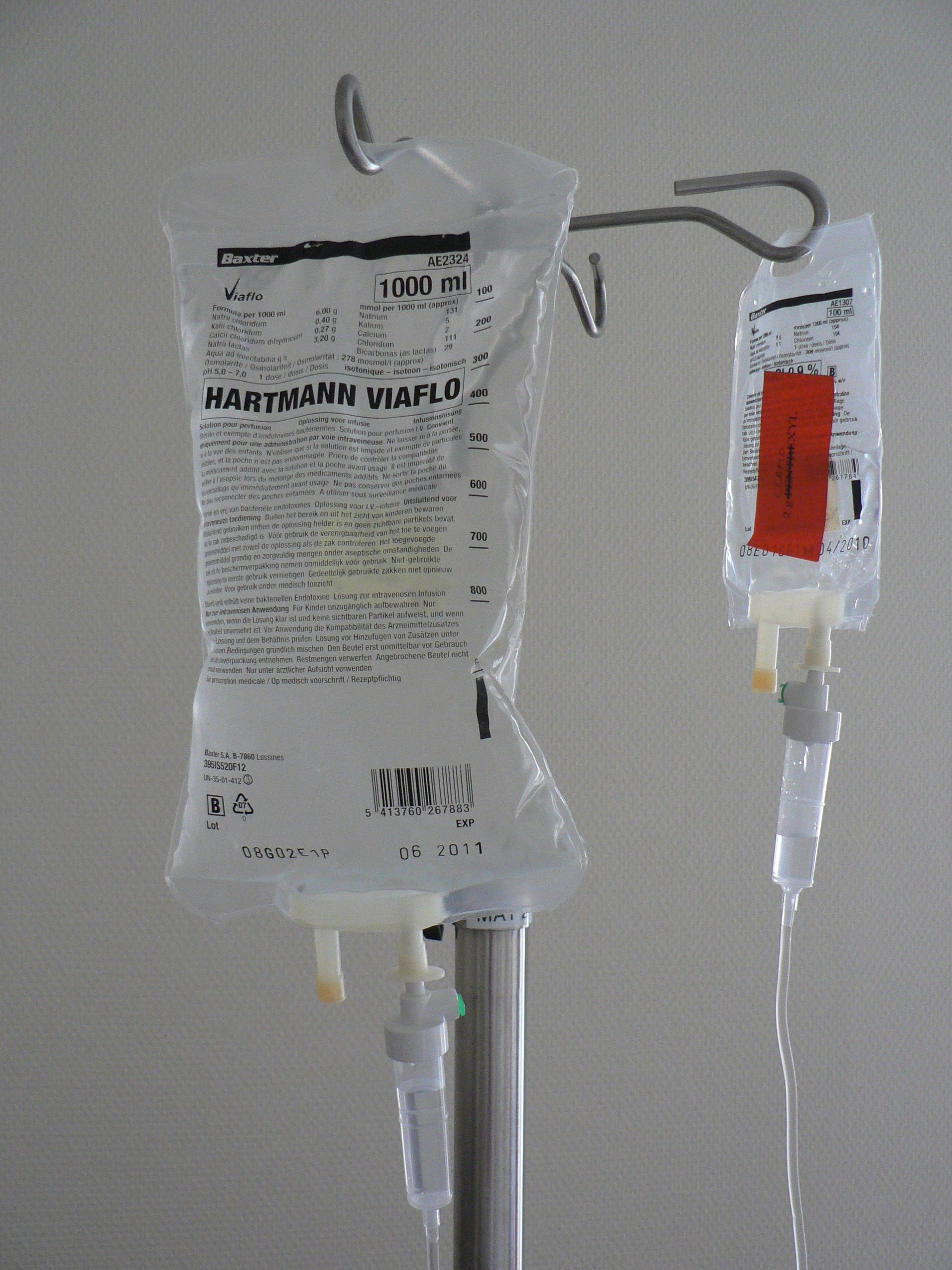
In melanoma neoadjuvant therapy, pathologic response is measured by the proportion of viable tumor remaining in the treated bed. A concordance study describes the categories used: complete pathologic response when no viable tumor remains, near complete when up to one tenth remains, partial when more than one tenth and up to half remains, and no response when more than half remains (Tetzlaff et al., 2026). Major pathologic response combines the first two categories.
This measure only works if the pathologist knows what to look for. In the same study, agreement between local and central reading was good, with a weighted kappa coefficient of 0.79, and the three central reviewers agreed on the category in 54 of 61 participants (Tetzlaff et al., 2026). The message for the team is that the specimen must reach the laboratory identified as post-neoadjuvant, so that the tumor bed is sampled adequately.
Recurrence even with good response
Major pathologic response does not eliminate the risk. In a group of 140 patients with pathologic response after neoadjuvant combination in the OpACIN, OpACIN-neo and PRADO studies, 10 had recurrence (Versluis et al., 2025). The authors found no genetic alterations that explained immune escape and suggest that the initial immune response may have diminished over time. For clinical reasoning, the lesson is to keep follow-up even after an excellent report.
Biomarkers under study
Two markers are being researched to refine the decision. The first is the interferon gamma signature in the initial biopsy: in the OpACIN-neo and PRADO studies, patients with a high signature had pathologic response in 89 of every 100, against 49 of every 100 with a low signature (Reijers et al., 2023). The second is circulating tumor DNA. In a study with 40 patients from these trials, all 4 with detectable tumor DNA after surgery had recurrence, but the test missed more than half of the recurrences (Chan et al., 2024). Neither is validated to decide treatment outside a study.
Other combinations being tested
Neoadjuvant therapy is also being studied with other combinations. With relatlimab and nivolumab, in a phase II study with 30 patients, complete pathologic response appeared in 57 of every 100 patients, with no grade 3 and 4 immune-mediated events in the neoadjuvant phase (Amaria et al., 2022). These are phase II data, useful for generating hypotheses, but they do not replace a comparative study.
Toxicity and talking with the patient
The combination of ipilimumab and nivolumab has more immune-mediated effects than monotherapy. In advanced disease, with higher doses of ipilimumab, the ESMO guideline reports grade 3 and 4 events in 55 of every 100 patients with the combination, against about 16 of every 100 with nivolumab alone (Amaral et al., 2025). Neoadjuvant therapy uses a lower dose of ipilimumab and only two cycles, but the risk exists and must be explained.
The ipilimumab label describes that immune-mediated reactions can occur in any organ or tissue, including intestine, liver, skin, endocrine glands and lung, and advises stopping both drugs when toxicity appears during the combination (Yervoy label). Hypothyroidism and adrenal insufficiency can delay surgery if not recognized in time. The post on diagnostic uncertainty helps to think about how to explain benefit and risk when part of the response does not exist yet.
What needs to be part of the conversation
- The demonstrated benefit is in event-free and metastasis-free survival, not in overall survival.
- If there is a major pathological response, treatment can end after surgery.
- Immune-mediated effects can appear months later, and some are permanent.
- Surgery is still planned, and the treatment before it does not replace it.
- A small share of patients can progress during neoadjuvant therapy.
Common reasoning errors
- Scheduling the lymph node dissection before taking the case to the multidisciplinary meeting.
- Confusing micrometastasis in the sentinel lymph node with macroscopic disease.
- Presenting neoadjuvant therapy as a proven gain in overall survival.
- Sending the specimen without telling the pathologist that there was prior treatment.
- Forgetting the BRAF test, which can define the treatment after surgery.


How NEXO helps train this reasoning
In NEXO, the case of the day is fictional, with a real clinical presentation and up to six progressive clues, and you propose the diagnosis by searching for the ICD-10 code. Neoadjuvant therapy in melanoma is a good exercise because the decisive clue is not a new finding, but the moment when the decision is made. The post on clinical decision-making helps you think about the order of steps, and the post on differential diagnosis shows how to organize clues.
Three exercises with cases
Change the finding. Say what changes if the disease in the lymph node had been found only on the sentinel biopsy, with no palpable lymph node.
Change the pathology report. Say what you would do if the specimen showed more than half viable tumor and the tumor had a BRAF mutation.
Change the patient. Say how the conversation changes if the patient had active Crohn's disease.
The limits of use of the game are described on the NEXO Economy page. If you research clinical reasoning teaching, the page for Researcher explains how to get in touch. Professionals who write or review cases find information on Curator and on Creators, and institutions can learn about the proposal on the partnerships page.
Frequently asked questions
Does neoadjuvant therapy increase survival in stage III melanoma?
NADINA showed improvement in event-free survival and distant metastasis-free survival. The overall survival data are not yet mature, and the European guideline asks that this be explained to the patient (Amaral et al., 2025).
How many cycles are given before surgery?
In NADINA, two cycles of nivolumab with ipilimumab. In a study by the same group, the doses were nivolumab 240 mg and ipilimumab 80 mg every 3 weeks (Reijers et al., 2023). Follow your service's protocol.
Does every patient need treatment after surgery?
In NADINA, no. Those who had a major pathological response were followed without adjuvant treatment, and those who did not received nivolumab or targeted therapy according to BRAF (Amaral et al., 2025).
Does it apply to disease found in the sentinel lymph node?
The studies included macroscopic disease confirmed by biopsy. Micrometastasis found in the sentinel node is another scenario, with other evidence.
Is pembrolizumab alone an alternative?
S1801 suggests a benefit with pembrolizumab before and after surgery, but it is a phase II study with methodological limitations pointed out in the literature (Olivier and Prasad, 2024).
Final checklist
- I confirmed lymph node metastasis by biopsy before any definitive surgery.
- I completed staging with imaging of the body and the skull.
- I ordered the BRAF test.
- I took the case to the multidisciplinary meeting before scheduling the lymph node dissection.
- I explained the benefit in event-free survival and the lack of mature overall survival data.
- I reviewed contraindications to combination immunotherapy and ordered baseline thyroid, adrenal and liver tests.
- I informed the pathologist that the specimen comes after neoadjuvant therapy.
- I planned what to do after surgery according to the pathological response.
Want to practice reasoning with progressive clues? Play the case of the day.
References
- Amaral T, Ottaviano M, Arance A, et al. Cutaneous melanoma: ESMO Clinical Practice Guideline for diagnosis, treatment and follow-up. Ann Oncol. 2025. PMID 39550033.
- Amaria RN, Postow M, Burton EM, et al. Neoadjuvant relatlimab and nivolumab in resectable melanoma. Nature. 2022. PMID 36289334.
- Bristol-Myers Squibb Company. YERVOY (ipilimumab) injection, for intravenous use. Prescribing information. DailyMed. 2026. DailyMed.
- Chan WY, Lee JH, Stewart A, et al. Circulating tumour DNA dynamics predict recurrence in stage III melanoma patients receiving neoadjuvant immunotherapy. J Exp Clin Cancer Res. 2024. PMID 39169411.
- Ho J, Mattei J, Tetzlaff M, et al. Neoadjuvant checkpoint inhibitor immunotherapy for resectable mucosal melanoma. Front Oncol. 2022. PMID 36324592.
- Larkin J, Del Vecchio M, Mandalá M, et al. Adjuvant Nivolumab versus Ipilimumab in Resected Stage III/IV Melanoma: 5-Year Efficacy and Biomarker Results from CheckMate 238. Clin Cancer Res. 2023. PMID 37058595.
- Olivier T, Prasad V. Neoadjuvant followed by adjuvant pembrolizumab in melanoma: time biases in the data analysis of the SWOG S1801 trial. Transl Oncol. 2024. PMID 38621314.
- Reijers ILM, Rao D, Versluis JM, et al. IFN-γ signature enables selection of neoadjuvant treatment in patients with stage III melanoma. J Exp Med. 2023. PMID 36920329.
- Tetzlaff M, Taube JM, Long GV, et al. Concordance of pathologic response assessment between local and central review in melanoma: a post hoc analysis of KEYMAKER-U02 substudy 02C. ESMO Open. 2026. PMID 42190314.
- Versluis JM, Shehwana H, Elens R, et al. Clinical, pathological and molecular characteristics of patients with disease recurrence despite pathologic response to neoadjuvant ipilimumab plus nivolumab in stage III melanoma. Commun Med (Lond). 2025. PMID 41028530.
- Witt RG, Erstad DJ, Wargo JA. Neoadjuvant therapy for melanoma: rationale for neoadjuvant therapy and pivotal clinical trials. Ther Adv Med Oncol. 2022. PMID 35251322.