ATRA and arsenic in promyelocytic leukemia: APL0406
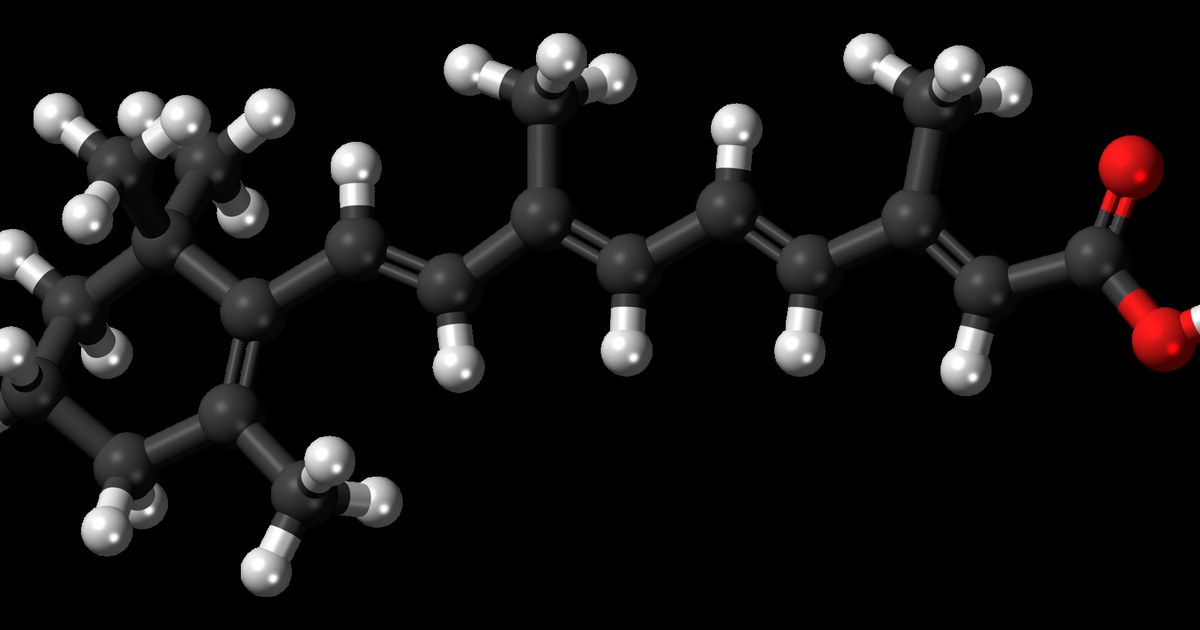
Table of contents
- Why this is a reasoning scenario
- How risk is defined
- How ATRA and arsenic act
- What APL0406 tested and showed
- Doses and regimen in low and intermediate risk
- High risk: cytoreduction and new evidence
- Toxicity: differentiation, QT and liver
- Older adults, children and oral arsenic
- How NEXO helps train this reasoning
- Frequently asked questions
- Final checklist
- References
A 38-year-old man arrives at the emergency department with bleeding gums and purple spots on his legs. The blood count shows 2,800 leukocytes per microliter and 22,000 platelets, and fibrinogen is low. The smear suggests acute promyelocytic leukemia (APL). The team has already started transretinoic acid (ATRA) that same night, as the urgency demands. The next morning, with confirmation of PML::RARA, the question changes: does he need chemotherapy, or is arsenic with ATRA enough? The scene is fictional and was written for teaching.
This text uses the case as a scenario for clinical reasoning for students and health professionals. The urgency of diagnosing APL, with immediate ATRA and support for the coagulopathy, was already covered in the post about how the leukemia team is organized. Here the topic is the next step: choosing treatment by risk, based on the APL0406 study and the studies that came after it. The question Dr. Alexei proposes for the series is this: why does the leukocyte count from the first blood count decide the entire regimen? The text does not replace your country's guideline or your service's protocol. If you play the case of the day on NEXO, you know that a simple number can change the whole reasoning.
Key points
- APL is classified by risk based on the leukocyte count at diagnosis: above 10,000 per microliter is high risk.
- In APL0406, in patients without high risk, ATRA with arsenic trioxide (ATO) without chemotherapy was superior to ATRA with idarubicin.
- Event-free survival at 50 months was 97 in 100 with ATRA and ATO versus 80 with ATRA and chemotherapy.
- In high risk, most guidelines add cytoreduction, with an anthracycline or gemtuzumab ozogamicin.
- Differentiation syndrome, QT prolongation and hepatotoxicity are the effects to watch for with ATRA and ATO.
- Most deaths happen before the treatment shows effect, from bleeding, infection or differentiation syndrome.
Why this is a reasoning scenario
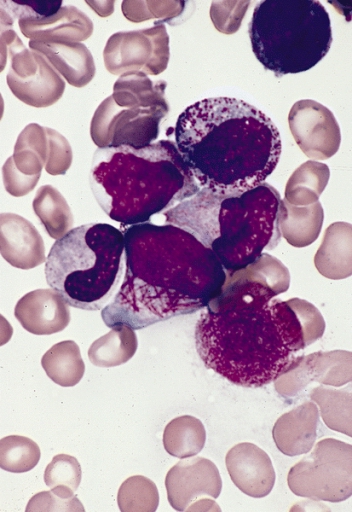
APL is at once one of the most curable leukemias and one of the most dangerous in the first weeks. The 2024 Brazilian consensus summarizes this paradox: APL is highly curable because of differentiation-directed therapy, and it is also a severe and urgent condition that requires rapid recognition to avoid early death (de Figueiredo-Pontes and colleagues, 2024).
McCulloch and colleagues recall that APL was described as a distinct subtype in 1957 by Leif Hillestad, who recognized an acute leukemia associated with fibrinolysis, hypofibrinogenemia and catastrophic hemorrhage (McCulloch and colleagues, 2017). Decades later, with ATRA and arsenic, the same disease began to go into remission in nearly all treated patients.
After confirming the diagnosis, the team must decide the regimen. And the decision depends on a question that seems simple: how many leukocytes did the patient have at diagnosis? The man in the scene has fewer than 10,000, which places him outside high risk. For him, APL0406 offers a path without chemotherapy.
What makes this error easy to make
There are two opposite errors. The first is to treat every patient with APL as if they were high risk and add chemotherapy out of habit, exposing those who do not need it to myelosuppression, infection and cardiotoxicity. The second is to use the regimen without chemotherapy in someone with leukocytosis, without controlling the count, and to underestimate the risk of differentiation syndrome and bleeding. Both come from not looking carefully at the first blood count.
There is also a third, subtler error: assuming the low-risk patient is out of danger. Wen and colleagues analyzed 60 low- and intermediate-risk patients treated at a Chinese hospital and found 14 deaths during induction, 23 in 100: 5 from hemorrhage, 5 from severe infection and 4 from differentiation syndrome (Wen and colleagues, 2022). Hemoglobin below 65 g/L at diagnosis was an independent factor for early death in that series.

How risk is defined
Sanz and colleagues defined, in the early 2000s, three relapse risk groups: low, with white blood cells up to 10,000 per microliter and platelets above 40,000; intermediate, with white blood cells up to 10,000 and platelets up to 40,000; and high, with white blood cells above 10,000 (Coombs and colleagues, 2015). Because the results of the low and intermediate groups are similar, the two are usually treated together, as non-high risk.
The Brazilian consensus adopts this simplification. The white blood cell count at diagnosis is recognized as the most important prognostic factor, because it is associated not only with survival and relapse, but also with death and severe complications before or during induction. For this reason, APL is stratified into two categories: high risk, with white blood cells from 10,000 per microliter, and low risk, below that, regardless of platelets (de Figueiredo-Pontes and colleagues, 2024).
Kelaidi and colleagues describe why high risk is a concern. Even in the ATRA era, these patients had more early mortality and more relapse, including in the central nervous system (Kelaidi and colleagues, 2011). In a study cited by the authors, relapse-free survival was 100, 90 and 75 in every 100 in the low, intermediate and high groups. Early deaths, however, can largely be avoided with rapid referral to a specialized center, immediate ATRA, transfusion support for the coagulopathy and prevention of differentiation syndrome.
The risk that changes after diagnosis
Österroos and colleagues created a score to predict early death in APL from 301 patients in the Swedish AML registry, validated in 129 patients from a Portuguese registry (Österroos and colleagues, 2022). Early death was 19.6 and 18.6 in every 100 in the two cohorts. White blood cells, platelets and age were the most important variables, and risk already rose with white blood cell counts below normal or normal, from about 2,200 per microliter. The practical lesson is that risk is not a fixed label: the count needs to be monitored every day during induction.
How ATRA and arsenic act
APL is caused, in the vast majority of patients, by the translocation between chromosomes 15 and 17, which generates the PML::RARA fusion protein and blocks cell maturation at the promyelocyte stage (Jimenez and colleagues, 2020). ATRA and ATO act on this protein and induce the differentiation of leukemic cells, instead of destroying them immediately as chemotherapy does.
McCulloch and colleagues also note that, in combination with ATO, ATRA appears to increase the expression of aquaglyceroporin 9, which helps arsenic enter the cell (McCulloch and colleagues, 2017). The combination of the two agents is, therefore, more than the sum of two active drugs.
The Brazilian consensus notes that this sensitivity applies to typical APL with t(15;17) and PML::RARA. In rare RARA translocations, the response varies, and some, such as ZBTB16::RARA or STAT5B::RARA, respond poorly to these agents (de Figueiredo-Pontes and colleagues, 2024). For this reason, molecular confirmation guides not only the diagnosis, but also the choice of regimen.
What APL0406 tested and showed
APL0406 was a phase 3, randomized, multicenter study, conducted by the Italian GIMEMA group and the German AMLSG and SAL groups, with low and intermediate risk patients. It tested whether ATRA with ATO in induction and consolidation, without maintenance, was non-inferior to the classic regimen of ATRA with idarubicin followed by maintenance (McCulloch and colleagues, 2017).
Yilmaz and colleagues summarize the results: 263 patients were randomized. Complete remission was 100 in every 100 with ATRA and ATO and 97 with ATRA and idarubicin, and death during induction was 0 versus 3 in every 100 (Yilmaz and colleagues, 2021). In the update, event-free survival at 50 months was 97 versus 80 in every 100, and overall survival was 99 versus 93. The cumulative incidence of relapse at 50 months was 2 versus 14 in every 100, even without maintenance in the arsenic arm. With 72 months of follow-up, the advantage of ATRA and ATO increased.
| Outcome in APL0406 | ATRA and ATO | ATRA and idarubicin |
|---|---|---|
| Randomized patients (total 263) | 127 in the analysis | 136 in the analysis |
| Complete remission | 100 in every 100 | 97 in every 100 |
| Death during induction | 0 in every 100 | 3 in every 100 |
| Event-free survival at 50 months | 97 in every 100 | 80 in every 100 |
| Overall survival at 50 months | 99 in every 100 | 93 in every 100 |
| Cumulative relapse at 50 months | 2 in every 100 | 14 in every 100 |
| Maintenance | none | ATRA, mercaptopurine and methotrexate for up to 2 years |
Table source: summary by Yilmaz and colleagues, 2021 (PMID 34193815).
Coombs and colleagues highlight other details: hematologic toxicity was more frequent in the chemotherapy arm, while hepatotoxicity and QTc prolongation were more frequent in the ATO arm (Coombs and colleagues, 2015). There was no difference in the incidence of differentiation syndrome, possibly because of prophylactic prednisone in both arms. Fatigue, measured in quality of life, was lower with ATRA and ATO.
The Brazilian consensus notes that the British AML17 study, which included patients of all risks, also dropped maintenance. Relapses were very low in both studies: 1.9 in every 100 at 50 months in APL0406 and 1 in every 100 at 4 years in AML17 (de Figueiredo-Pontes and colleagues, 2024). For this reason, in the arsenic era, maintenance lost its role in low and intermediate risk.
Doses and regimen in low and intermediate risk
Kayser and Conneely reproduce the APL0406 regimen in a table (Kayser and Conneely, 2023):
- Induction: ATO 0.15 mg/kg intravenously over 2 hours, every day from day 1, until complete remission, for a maximum of 60 days.
- Induction: ATRA 45 mg/m² per day in adults, 25 mg/m² in children, orally in 2 doses, until remission, for a maximum of 60 days, with the dose rounded to the next 10 mg.
- Consolidation: ATO 0.15 mg/kg intravenously over 2 hours, 5 days per week, 4 weeks on and 4 weeks off, for 4 cycles.
- Consolidation: ATRA 45 mg/m² per day, 14 days on and 14 days off, for 7 cycles.
- Maintenance: none.
McCulloch and colleagues present the same regimen in the table of protocols by risk (McCulloch and colleagues, 2017). AML17 used another arsenic regimen: 0.3 mg/kg on days 1 to 5 of each cycle and 0.25 mg/kg twice a week in the following weeks, which Yilmaz and colleagues describe as more practical, because consolidation has only two applications per week (Yilmaz and colleagues, 2021).
When to stop induction
Kayser and Conneely recommend assessing the marrow on day 28 and ending induction based on morphological criteria, if complete remission or remission with incomplete recovery is reached (Kayser and Conneely, 2023). If not, ATO and ATRA continue for a maximum of 60 days. Yilmaz and colleagues recall that part of the neutropenia attributed to ATO results from late marrow assessment and from prolonged treatment without need (Yilmaz and colleagues, 2021). Molecular remission, measured by PML::RARA, is assessed after consolidation.
The support that accompanies the regimen
The Brazilian consensus recommends replacement of plasma, cryoprecipitate and platelets to keep fibrinogen above 150 mg/dL, platelets above 50 thousand per microliter and PT and aPTT below 1.5, throughout induction, until the coagulopathy resolves. Prophylactic use of heparin, tranexamic acid and epsilon-aminocaproic acid is not recommended, and invasive procedures, such as central venous catheter and lumbar puncture, should be avoided during induction (de Figueiredo-Pontes and colleagues, 2024).
If the count rises during ATRA and ATO, hydroxyurea can keep leukocytes below 10 thousand per microliter. The consensus suggests 500 mg 4 times a day with leukocytes between 10 thousand and 50 thousand, and 1,000 mg 4 times a day above 50 thousand. Leukapheresis should be avoided because of the risk of fatal hemorrhage.
High risk: cytoreduction and new evidence
APL0406 did not include high-risk patients, who are about a quarter of patients with APL (Wang and colleagues, 2022). For them, the Brazilian consensus describes two strategies tested: ATRA and ATO with cytoreduction, including gemtuzumab ozogamicin, or ATRA with chemotherapy (de Figueiredo-Pontes and colleagues, 2024). In AML17, high-risk patients received gemtuzumab 6 mg/m² on day 1; in the MD Anderson study, 9 mg/m² on day 1. Where gemtuzumab is not available, the recommendation is to start idarubicin or daunorubicin right away together with ATRA and ATO.
Coombs and colleagues recall that, in the MD Anderson studies with ATRA and ATO, high-risk patients had a lower complete remission rate, 79 to 81 in every 100, due to early failure caused by fatal hemorrhage and differentiation syndrome, even with gemtuzumab or idarubicin in induction (Coombs and colleagues, 2015). It is the picture of a group in which the risk is concentrated in the first weeks.
Wang and colleagues tested a chemotherapy-free strategy in all risk groups, in a Chinese phase 3, randomized, non-inferiority study (Wang and colleagues, 2022). In the chemotherapy-free arm, leukocytosis was controlled with hydroxyurea. With 128 patients treated, complete remission was 97 in every 100 in both arms. Two-year disease-free survival was 98 versus 97 in every 100, and event-free survival was 95 versus 92. In high-risk patients, they were 94 versus 87 and 85 versus 78, with no statistical difference. Grade 3 or 4 cardiac toxicity was lower without chemotherapy: 2 versus 12 in every 100. The number of high-risk patients was small, 21 and 19 per arm, which limits the conclusion.
McCulloch and colleagues cite the APOLLO study, which compares a high-risk arm based on AIDA2000 with an arm based on APL0406 plus two doses of idarubicin in induction (McCulloch and colleagues, 2017). While these data do not define the standard, high risk continues to be treated with cytoreduction in most protocols.
Central nervous system
Yilmaz and colleagues recall that central nervous system involvement is rare in lower-risk APL and occurs mainly in patients with high leukocytes at diagnosis and with bleeding in the nervous system (Yilmaz and colleagues, 2021). Because intrathecal chemotherapy was not used in the large studies with ATRA and ATO, universal prophylaxis is not recommended. The Brazilian consensus adds that patients with neurological symptoms should be investigated, avoiding lumbar puncture during the coagulopathy phase whenever possible (de Figueiredo-Pontes and colleagues, 2024).
Toxicity: differentiation, QT and liver
Differentiation syndrome is the main life-threatening complication of therapy with ATRA or ATO (Montesinos and Sanz, 2011). Blast differentiation leads to cell migration, endothelial activation and release of interleukins. In Frankel's original description, patients had fever, respiratory distress, weight gain, pleural effusion and pulmonary infiltrates. Peripheral edema, unexplained hypotension, renal failure, hyperbilirubinemia and pericardial effusion may also appear.
Montesinos and Sanz show that, in the Spanish studies, the syndrome had two peaks, one early and another from the third week onward. Early severe cases needed more mechanical ventilation or dialysis and had induction mortality of up to 40 in every 100 (Montesinos and Sanz, 2011). Preemptive treatment with high-dose dexamethasone at the first signs appears to reduce mortality from the syndrome to 1 in every 100 or less in recent studies.
- Prophylaxis: Kayser and Conneely recommend prednisone 0.5 mg/kg per day from day 1 of ATO until the end of induction (Kayser and Conneely, 2023).
- Treatment: the Brazilian consensus indicates dexamethasone 10 mg every 12 hours as soon as the syndrome is suspected (de Figueiredo-Pontes and colleagues, 2024).
- Daily weight: in the program by Jillella and colleagues, patients were weighed on admission and urine output was used to keep them at their initial weight (Jillella and colleagues, 2021).
- Suspension: in the same program, at the first sign of the syndrome, the corticosteroid dose was increased and ATRA, ATO or both were suspended.
QT and electrolytes
ATO is associated with electrolyte changes that prolong the corrected QT interval, with a risk of ventricular tachycardia and death (Kayser and Conneely, 2023). In APL0406, QTc prolongation occurred in 12 of 77 patients treated with ATO and ATRA, 16 in every 100, and was severe, with QTc from 501 ms, in only one patient, who had ATO permanently suspended. There was no life-threatening arrhythmia. Yilmaz and colleagues recommend monitoring and correcting potassium, magnesium and calcium closely, and managing QTc and hepatotoxicity with temporary pauses and ATO dose adjustment (Yilmaz and colleagues, 2021).


Infections and herpes zoster
Kayser and Conneely gather other effects of ATO that the team needs to know about (Kayser and Conneely, 2023):
- reactivation of varicella-zoster virus, in 7 of 15 patients treated with ATO, versus none of 10 treated with conventional chemotherapy;
- peripheral neuropathy, usually mild and reversible when ATO is stopped, but which can be severe and irreversible when there is thiamine deficiency;
- skin changes, such as hyperkeratosis, during maintenance or in the following 6 months, with recovery in 2 to 18 months.
Acyclovir or valacyclovir was very effective against herpes zoster, with no postherpetic neuralgia, and the authors recommend one of these antivirals as prophylaxis throughout treatment with ATO. On the other hand, ATRA and ATO cause less myelosuppression and fewer infections than the chemotherapy regimen, as the Brazilian consensus highlights.


Older adults, children and oral arsenic
APL0406 had an age limit of 70 years, and few patients over 60 were included. Kayser and Conneely argue that there is no biological evidence that non-high-risk APL behaves differently according to age, and that it seems reasonable to offer ATO and ATRA, with or without chemotherapy, as first-line treatment to older patients, regardless of risk (Kayser and Conneely, 2023). With chemotherapy, outcomes in older adults are worse: in a study cited by the authors, 6 of 25 patients aged 70 or older died in remission, and remission was 74 in every 100 above 70 years versus 89 between 60 and 70.
In the program by Jillella and colleagues, after early deaths in older adults who received ATRA 45 mg/m² and had severe differentiation syndrome, the recommendation became ATRA reduced to 25 mg/m² for patients over 60 or with major comorbidities, with ATO added after 10 to 14 days (Jillella and colleagues, 2021). In children, the Brazilian consensus describes the same structure as APL0406, with ATRA reduced to 25 mg/m² (de Figueiredo-Pontes and colleagues, 2024).
Oral arsenic can simplify treatment. Chen and colleagues compared, in consolidation of non-high-risk patients, ATRA with the oral formula Realgar-Indigo naturalis (RIF) versus ATRA with intravenous ATO (Chen and colleagues, 2025). All 108 eligible patients had hematologic remission after induction. With a median follow-up of 29 months, 2-year disease-free survival was 97 in every 100 with RIF and 98 with ATO, which confirmed non-inferiority. There were no deaths, and patients in the oral arm did consolidation at home, with outpatient follow-up.
Organization of care
A large share of deaths in APL happen before the patient reaches an experienced center. Jillella and colleagues tested a model in which community hospitals treated with support from specialists at academic centers, following a simplified protocol (Jillella and colleagues, 2021). Among 118 evaluable patients from 32 hospitals, early mortality was 8.5 in every 100, and overall survival was 84.5 in every 100 with a median follow-up of 27.3 months. In Portugal, Infante and colleagues described a telephone referral system, available 24 hours, to specialized centers: early death in non-high-risk patients fell from 11.4 to 3.7 in every 100, with complete remission and negative MRD in all those treated with first-line ATO (Infante and colleagues, 2026).
For those who study other leukemias, it is worth comparing with the logic of genetics and MRD in acute myeloid leukemia, in the post about genetics and MRD in AML.
How NEXO helps train this reasoning
In NEXO, the case of the day is fictional, with a real clinical presentation and up to six progressive clues, and you propose the diagnosis by looking for the ICD-10 code. APL is a good exercise because a single number, the white blood cell count, changes the whole regimen. The post on diagnostic pause shows how to stop before deciding, and the post on clinical decision-making helps you choose the right test for each step.
Three exercises with cases
Change the count. Say what changes if the patient had 18,000 white blood cells at diagnosis.
Change the course. Say what you would do if, on the fifth day, the patient had fever, shortness of breath and 3 kg more on the scale.
Change the electrocardiogram. Say how you would act with a QTc above 500 ms in the second week of ATO.
The post on differential diagnosis helps separate differentiation syndrome from infection, and the post on diagnostic uncertainty helps you act before confirmation. The limits on using the game are described on the NEXO Economy page. If you research the teaching of clinical reasoning, the page for Researchers explains how to get in touch. Professionals who write or review cases find information on Curator and on Creators, and institutions can learn about the proposal on the partnerships page.
Frequently asked questions
What defines high-risk APL?
A white blood cell count of 10,000 per microliter or more at diagnosis, regardless of platelets, according to the Brazilian consensus (de Figueiredo-Pontes and colleagues, 2024).
What are the doses in APL0406?
ATO 0.15 mg/kg per day and ATRA 45 mg/m² per day until remission, for at most 60 days, followed by 4 cycles of ATO and 7 of ATRA in consolidation (Kayser and Conneely, 2023).
Is maintenance needed after ATRA and ATO?
In low and intermediate risk, no. APL0406 and AML17 did not use maintenance and had very low relapse rates (de Figueiredo-Pontes and colleagues, 2024).
Can high risk be treated without chemotherapy?
A Chinese study suggested it can, with hydroxyurea to control leukocytosis, but with few high-risk patients (Wang and colleagues, 2022). Most guidelines still add cytoreduction.
How do you prevent differentiation syndrome?
With prophylactic prednisone during induction, daily monitoring of weight, breathing and white blood cells, and dexamethasone at the first signs (Montesinos and Sanz, 2011).
Does oral arsenic work?
In consolidation for patients without high risk, the oral RIF formula was non-inferior to intravenous ATO (Chen and colleagues, 2025). Availability varies between countries.
Final checklist
- I started ATRA on suspicion, without waiting for molecular confirmation.
- I confirmed PML::RARA and classified the risk by the white blood cell count.
- In non-high risk, I considered ATRA and ATO without chemotherapy, as in APL0406.
- In high risk, I planned cytoreduction according to the service protocol.
- I kept fibrinogen and platelets at target and avoided invasive procedures.
- I prescribed prophylaxis for differentiation syndrome and weighed the patient every day.
- I did an electrocardiogram and corrected potassium, magnesium and calcium during ATO.
- I prescribed antiviral prophylaxis for herpes zoster.
- I planned the bone marrow on day 28 and PML::RARA after consolidation.
Want to practice reasoning with progressive clues? Play the case of the day.
References
- Chen S, Qin W, Lu X, et al. Arsenic trioxide <i>versus</i> Realgar-Indigo naturalis formula in non-high-risk acute promyelocytic leukemia: a multicenter, randomized trial. Haematologica. 2025. PMID 39506905.
- Coombs CC, Tavakkoli M, Tallman MS. Acute promyelocytic leukemia: where did we start, where are we now, and the future. Blood Cancer J. 2015. PMID 25885425.
- de Figueiredo-Pontes LL, Catto LFB, Chauffaille MLLF, et al. Diagnosis and management of acute promyelocytic leukemia: Brazilian consensus guidelines 2024 on behalf of the Brazilian Association of Hematology, Hemotherapy and Cellular Therapy. Hematol Transfus Cell Ther. 2024. PMID 38890097.
- Infante JB, Aguiar E, Sá I, et al. Improved real-world outcomes of patients with acute promyelocytic leukaemia treated with first-line arsenic trioxide in specialized centres in Portugal through a 24/7 phone-based referral. Br J Haematol. 2026. PMID 42259659.
- Jillella AP, Arellano ML, Gaddh M, et al. Comanagement Strategy Between Academic Institutions and Community Practices to Reduce Induction Mortality in Acute Promyelocytic Leukemia. JCO Oncol Pract. 2021. PMID 33125295.
- Jimenez JJ, Chale RS, Abad AC, et al. Acute promyelocytic leukemia (APL): a review of the literature. Oncotarget. 2020. PMID 32215187.
- Kayser S, Conneely SE. Management of Acute Promyelocytic Leukemia at Extremes of Age. Cancers (Basel). 2023. PMID 37509298.
- Kelaidi C, Adès L, Fenaux P. Treatment of acute promyelocytic leukemia with high white cell blood counts. Mediterr J Hematol Infect Dis. 2011. PMID 22084652.
- McCulloch D, Brown C, Iland H. Retinoic acid and arsenic trioxide in the treatment of acute promyelocytic leukemia: current perspectives. Onco Targets Ther. 2017. PMID 28352191.
- Montesinos P, Sanz MA. The differentiation syndrome in patients with acute promyelocytic leukemia: experience of the pethema group and review of the literature. Mediterr J Hematol Infect Dis. 2011. PMID 22220256.
- Wang HY, Gong S, Li GH, et al. An effective and chemotherapy-free strategy of all-trans retinoic acid and arsenic trioxide for acute promyelocytic leukemia in all risk groups (APL15 trial). Blood Cancer J. 2022. PMID 36404343.
- Wen J, Xu F, Zhou Q, et al. Predictors of early death and clinical features in newly diagnosed patients with low-intermediate risk acute promyelocytic leukemia. Front Oncol. 2022. PMID 36185183.
- Yilmaz M, Kantarjian H, Ravandi F. Acute promyelocytic leukemia current treatment algorithms. Blood Cancer J. 2021. PMID 34193815.
- Österroos A, Maia T, Eriksson A, et al. A risk score based on real-world data to predict early death in acute promyelocytic leukemia. Haematologica. 2022. PMID 35081688.