Stage III melanoma: absolute benefit of adjuvant therapy

Table of contents
- Why this is a reasoning setting
- Staging and risk
- KEYNOTE-054: pembrolizumab versus placebo
- CheckMate 238: nivolumab versus ipilimumab
- COMBI-AD: targeted therapy for BRAF V600
- Absolute benefit and overall survival
- Adverse effects that last
- When the disease comes back
- How NEXO helps train this reasoning
- Frequently asked questions
- Final checklist
- References
A 52-year-old engineer had a 2.4 mm thick ulcerated melanoma removed from the thigh. Sentinel lymph node biopsy of the groin showed a 1.5 mm micrometastasis, and imaging showed no distant disease. Mutation testing showed BRAF V600E. He is well, without symptoms, and asks whether he really needs a year of medication after having had everything removed, and which medication would be better. The scene is fictional and was written for teaching.
This text uses the scenario as a clinical reasoning setting for students and health professionals. The question comes from Dr. Alexei's list for the oncology series: how does staging define risk in resected stage III melanoma and what is the absolute benefit of adjuvant treatment? The reference studies are KEYNOTE-054 with pembrolizumab, CheckMate 238 with nivolumab and COMBI-AD with dabrafenib and trametinib. The text does not replace your country's guideline or your service's protocol. If you play the case of the day on NEXO, you will recognize the challenge: translating hazard ratios into numbers the patient understands.
Key points
- Adjuvant treatment in stage III melanoma reduces the risk of recurrence, and the size of the absolute gain depends on the baseline risk.
- In KEYNOTE-054, 3-year recurrence-free survival was 63.7 per 100 with pembrolizumab and 44.1 per 100 with placebo.
- In COMBI-AD, for BRAF V600 tumors, 4-year recurrence-free survival was 54 per 100 with dabrafenib and trametinib and 38 per 100 with placebo.
- CheckMate 238 compared nivolumab with ipilimumab, not with placebo.
- A Swedish registry found no overall survival gain after the introduction of adjuvant therapy.
- Chronic immune adverse effects are frequent and need to be part of the conversation.
Why this is a reasoning setting
The engineer in the scenario has no visible disease. All adjuvant treatment is given to reduce the chance of a recurrence that may never happen. The decision therefore depends on two estimates: the risk of recurrence without treatment and how much the treatment reduces that risk. Both numbers need to come from studies, not from impression.
He also has two options from different classes, because the tumor has a BRAF mutation: immunotherapy with an anti-PD-1 antibody or targeted therapy with BRAF and MEK inhibitors. Each has its own adverse effects and schedule. The post on melanoma and the joint work of dermatology, surgery and oncology shows how the team organizes itself.
The error the scenario wants to avoid
The most common error is presenting the relative risk reduction as if it were the patient's benefit. A hazard ratio of 0.56 sounds like half the risk, but what matters is how many people out of 100 no longer have a recurrence. The opposite error is saying that adjuvant therapy is worthless because there is no proven overall survival gain in every study.
Staging and risk
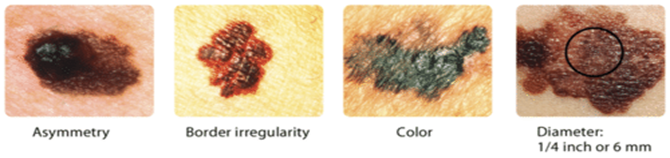
Stage III includes melanomas with regional lymph node metastasis or in-transit metastases. Risk within stage III varies widely, according to the thickness and ulceration of the primary tumor and the number and size of lymph node metastases. The adjuvant studies used the seventh edition of the American Joint Committee on Cancer staging, but the eighth edition reclassified some patients.
What the eighth edition changes in reading the studies
In KEYNOTE-054, the effect of pembrolizumab on recurrence-free survival was similar in the subgroups defined by the seventh and eighth editions (Eggermont et al., 2020). In COMBI-AD, recurrence-free survival was also analyzed by subgroups of both editions, and the benefit was similar regardless of stage, nodal burden and ulceration (Hauschild et al., 2018). A real-world analysis with adjuvant nivolumab used the eighth edition to compare patients from CheckMate 238 with patients treated outside the study (Moser et al., 2024).
The role of the sentinel lymph node
Staging depends on sentinel lymph node biopsy. A Dutch study showed that the proportion of patients staged with this biopsy rose from 40 to 65 per 100 during the period assessed, but it was lower in older adults and in head and neck tumors (Deckers et al., 2020). Without the biopsy, the patient may be staged below the true risk and miss the discussion of adjuvant therapy.
To organize staging before discussing treatment, it is worth checking:
- Breslow thickness and presence of ulceration in the primary tumor.
- Number of involved lymph nodes and size of the largest metastasis.
- Presence of in-transit or satellite metastases.
- Imaging tests to rule out distant disease.
- Testing for BRAF mutation in tumor tissue.

KEYNOTE-054: pembrolizumab versus placebo
KEYNOTE-054 included 1,019 patients with stage IIIA cutaneous melanoma with nodal metastasis larger than 1 mm, IIIB or IIIC without in-transit metastasis, after complete lymphadenectomy (Eggermont et al., 2020). They received pembrolizumab at a fixed dose of 200 mg or placebo every 3 weeks, for a total of 18 doses over about 1 year (Eggermont et al., 2020).
The 3-year results
With a median follow-up of 3.05 years, 3-year recurrence-free survival was 63.7 per 100 with pembrolizumab and 44.1 per 100 with placebo, with a hazard ratio of 0.56 (Eggermont et al., 2020). In absolute terms, about 20 more people per 100 were recurrence-free at 3 years (Eggermont et al., 2020). The effect was similar with and without BRAF V600 mutation and in the PD-L1 positive subgroup (Eggermont et al., 2020).
| Study | Comparison | Recurrence-free survival | Hazard ratio |
|---|---|---|---|
| KEYNOTE-054 | Pembrolizumab versus placebo | 63.7 versus 44.1 per 100 at 3 years | 0.56 |
| CheckMate 238 | Nivolumab versus ipilimumab | 50 versus 39 per 100 at 5 years | 0.72 |
| COMBI-AD | Dabrafenib and trametinib versus placebo | 54 versus 38 per 100 at 4 years | 0.49 |
Source of the table numbers: Eggermont et al., 2020, Larkin et al., 2023, and Hauschild et al., 2018 (Eggermont et al., 2020) (Larkin et al., 2023) (Hauschild et al., 2018).
CheckMate 238: nivolumab versus ipilimumab
CheckMate 238 included patients with resected stage IIIB, IIIC or IV melanoma, who received nivolumab 3 mg/kg every 2 weeks or ipilimumab 10 mg/kg every 3 weeks for 4 doses and then every 12 weeks, for 1 year (Larkin et al., 2023). With a minimum follow-up of 62 months, 5-year recurrence-free survival was 50 per 100 with nivolumab and 39 per 100 with ipilimumab, with a hazard ratio of 0.72 (Larkin et al., 2023).
Overall survival and biomarkers
5-year overall survival was 76 per 100 with nivolumab and 72 per 100 with ipilimumab (Larkin et al., 2023). Because the comparator was active, this difference does not show the gain of nivolumab versus observation. Mutational burden, PD-L1, CD8 lymphocytes in the tumor and other markers were associated with better outcomes, but with limited predictive value in practice (Larkin et al., 2023). A study by the Melanoma Institute Australia showed that a higher proportion of CD39-positive lymphocytes residing in the tumor predicted better recurrence-free survival with adjuvant anti-PD-1 (Attrill et al., 2022).
Small subgroups
In an analysis of the Japanese subgroup of CheckMate 238, with 28 patients, recurrence-free survival at 12 and 18 months was 56 per 100 with nivolumab and 30 per 100 with ipilimumab, with a hazard ratio of 0.66 and a wide confidence interval, from 0.19 to 2.24 (Yokota et al., 2019). The authors considered the result consistent with that of the overall population (Yokota et al., 2019). Such small subgroups serve to confirm consistency, not to change management.
Does the study apply outside the protocol?
A comparison between 369 patients from CheckMate 238 and 452 patients treated with nivolumab in practice, in an American database, found no difference in overall survival after adjustments, with 2-year survival of 84 in 100 in both groups (Moser and colleagues, 2024). The result suggests that the benefit seen in the trial holds outside it, at least in the available follow-up (Moser and colleagues, 2024).
COMBI-AD: targeted therapy for BRAF V600
COMBI-AD randomized 870 patients with resected stage III melanoma and BRAF V600 mutation to 12 months of dabrafenib 150 mg twice a day with trametinib 2 mg once a day or placebo (Hauschild and colleagues, 2018). With a median follow-up of 44 months in the treated group and 42 months in the placebo group, 4-year relapse-free survival was 54 in 100 versus 38 in 100, with a hazard ratio of 0.49 (Hauschild and colleagues, 2018).
Relapse and estimated cure rate
There was relapse in 174 patients in the treated group, or 40 in 100, and in 253 in the placebo group, or 59 in 100, most of them distant (Hauschild and colleagues, 2018). A cure fraction model estimated that 54 in 100 treated patients and 37 in 100 of the placebo group would remain relapse-free in the long term (Hauschild and colleagues, 2018). Distant metastasis-free survival also favored treatment, with a hazard ratio of 0.53 (Hauschild and colleagues, 2018).


Absolute benefit and overall survival
The three studies show a reduction in relapse. The gain in overall survival is harder to measure, because patients who relapse receive effective treatments afterwards. A Swedish registry study compared 634 patients with stage III diagnosed before and 737 diagnosed after the introduction of adjuvant therapy (Helgadottir and colleagues, 2023). Two-year overall survival was 84.3 versus 86.1 in 100, with no statistical difference, with an adjusted hazard ratio of 0.91 (Helgadottir and colleagues, 2023). The authors recommended careful review of current recommendations (Helgadottir and colleagues, 2023).
The design of the Swedish study deserves attention. Patients were divided according to diagnosis before or from July 2018, when adjuvant therapy was introduced in the country, and were followed until the end of 2021 (Helgadottir and colleagues, 2023). The authors pointed to differences between the groups as a limitation, with thicker melanomas and fewer stage IIIA in the more recent group, and wrote that, if there is a survival gain, it is probably much smaller than the gain in relapse-free survival (Helgadottir and colleagues, 2023). They also found no positive trend in melanoma-specific survival in the groups with the greatest chance of having received adjuvant therapy, such as younger patients and those with ulcerated tumors (Helgadottir and colleagues, 2023). The data remind us that the gain in relapse does not automatically become a survival gain in the population.
Cure estimates
A 2025 analysis applied cure fraction models to data from CheckMate 238 and EORTC 18071, a study of ipilimumab versus placebo (Weber and colleagues, 2025). The estimated cure rate was 48.3 in 100 with nivolumab and 38.2 in 100 with ipilimumab in CheckMate 238, and 38.0 with ipilimumab versus 29.2 in 100 with placebo in EORTC 18071 (Weber and colleagues, 2025). In the indirect comparison, the chance of cure was higher with nivolumab than with placebo, with an odds ratio of 2.33 (Weber and colleagues, 2025). Indirect comparisons, however, have their own biases, and these numbers are model estimates.
How to present it to the patient
For the engineer, an honest way to present the numbers is:
- Without treatment, about 44 in 100 patients like him would be relapse-free at 3 years in the placebo group of KEYNOTE-054.
- With pembrolizumab, about 64 in 100.
- With dabrafenib and trametinib, in COMBI-AD, 54 versus 38 in 100 relapse-free at 4 years.
- The overall survival gain is still uncertain, and a population registry did not find it.
- Some patients would never have a recurrence and receive the treatment without needing it.
The sources for these numbers are the articles already cited (Eggermont et al., 2020) (Hauschild et al., 2018) (Helgadottir et al., 2023). The post about diagnostic uncertainty helps with conversations about decisions with a probable, not guaranteed, benefit.
Adverse effects that last
In a cohort of 318 patients treated with adjuvant anti-PD-1, 63.7 in every 100 had acute immune adverse effects, and 13.8 in every 100 had grade 3 to 5 events (Goodman et al., 2023). Chronic adverse effects, which persisted at least 3 months after the end of treatment, occurred in 46.2 in every 100 (Goodman et al., 2023). At the last follow-up, 29.2 in every 100 of the cohort still had persistent effects, and the most common was hypothyroidism (Goodman et al., 2023).
Rare effects and the link to efficacy
Granulomatous and sarcoid reactions were reported in 11 of 2,878 patients in the E1609 and S1404 studies, most of them grade 3, in the lung, mediastinal lymph nodes, skin and eyes (Eljilany et al., 2023). The link between immune effects and efficacy is debated. A 2022 letter argued that, in CheckMate 238, the hazard ratio of 0.62 with adverse effects in the ipilimumab group should not be read as an absence of association (Eggermont et al., 2022). A 2025 Turkish study linked skin adverse effects to better recurrence-free survival (Şahin et al., 2025).
The list of effects the patient should know before starting includes:
- Hypothyroidism and other hormonal changes, which may require replacement for life.
- Adrenal insufficiency and hypophysitis, rare but serious.
- Arthritis and persistent joint pain.
- Granulomatous and sarcoid reactions, rare, in the lung, lymph nodes, skin and eyes.
- With dabrafenib and trametinib, fever, fatigue and nausea, which are the most common effects of targeted therapy.
The sources for this list are the chronic effects cohort, the series of granulomatous reactions and COMBI-AD (Goodman et al., 2023) (Eljilany et al., 2023) (Hauschild et al., 2018).
The effects of targeted therapy
In the primary analysis of COMBI-AD, the most common adverse effects with dabrafenib and trametinib were fever, in 63 in every 100 patients, with 5 in every 100 grade 3 or 4, fatigue in 47 in every 100 and nausea in 40 in every 100 (Hauschild et al., 2018). These are different from the effects of immunotherapy: they usually appear during treatment and improve with a pause or a dose adjustment, while some immune effects can remain after the end. For an engineer who works in the field, recurrent fever may weigh more than a small risk of hypothyroidism, and their preference should be part of the choice.

When the disease comes back
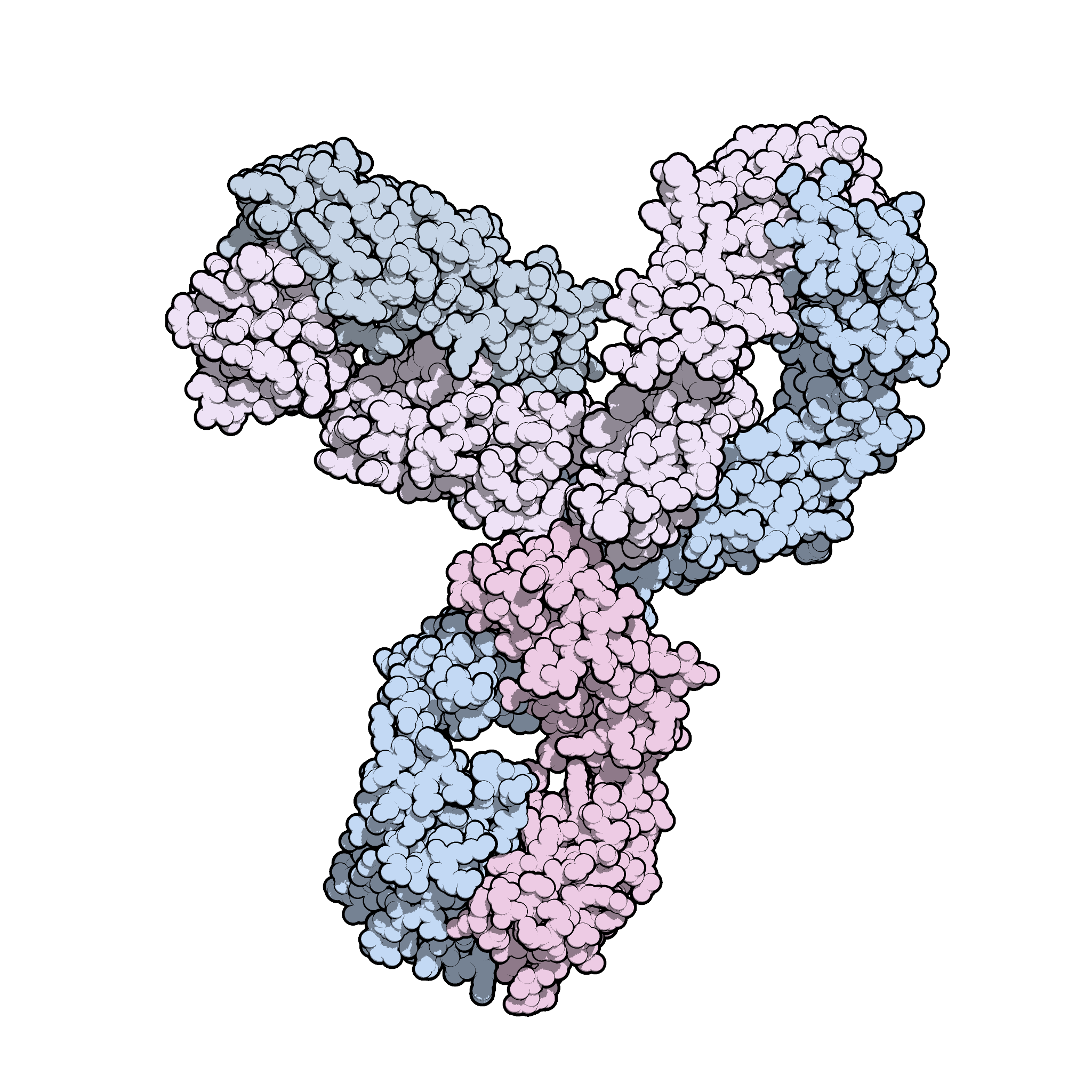
In CheckMate 238, 198 of 453 patients treated with nivolumab and 232 of 453 treated with ipilimumab had a recurrence (Weber et al., 2024). Among those treated with nivolumab, median overall survival was 19.8 months when the recurrence occurred early and 42.8 months when it occurred after 12 months (Weber et al., 2024). Patients with early recurrence during nivolumab had better survival with regimens containing ipilimumab or with targeted therapy than with another anti-PD-1 monotherapy (Weber et al., 2024).
The recurrence numbers in detail
In the nivolumab group, 122 recurrences were early and 76 late (Weber et al., 2024). Median progression-free survival on the next treatment was 4.7 months for early recurrence and 12.4 months for late recurrence, and 24-month overall survival was 37 versus 73 in every 100 (Weber et al., 2024). Patients with late recurrence responded better to another anti-PD-1 monotherapy (Weber et al., 2024). These data show that the timing of recurrence is a prognostic clue and guides the next treatment.
This finding helps with the initial choice. Patients who receive targeted therapy as adjuvant treatment can still receive immunotherapy at recurrence, and those who receive immunotherapy can still receive targeted therapy if they have a BRAF mutation. For patients with bulky nodal disease not yet operated on, the post on neoadjuvant treatment in stage III melanoma covers immunotherapy before surgery. The post on clinical decision-making covers choices that preserve future options.
How NEXO helps train this reasoning
In NEXO, the case of the day is fictional, with a real clinical presentation and up to six progressive clues, and you propose the diagnosis by looking for the ICD-10 code. Adjuvant melanoma is a good exercise because the decision depends on clues from the surgical specimen, the sentinel lymph node and the tumor biology. The post on differential diagnosis with clues shows how to train with progressive clues.
Three exercises with cases
Change BRAF. Say which options remain if the engineer's tumor has no BRAF mutation.
Change the underlying condition. Say how the choice weighs up if he has active autoimmune disease and is taking corticosteroids.
Change the timing. Say what changes if the recurrence appears in the eighth month of pembrolizumab.
The limits on using the game are on the NEXO Economy page. If you research the teaching of clinical reasoning, the page for Researchers explains how to get in touch.
Frequently asked questions
What is the pembrolizumab dose in KEYNOTE-054?
200 mg every 3 weeks, for a total of 18 doses over about 1 year (Eggermont and colleagues, 2020). Check the label in your country.
What is the dabrafenib and trametinib dose in COMBI-AD?
Dabrafenib 150 mg twice a day with trametinib 2 mg once a day for 12 months (Hauschild and colleagues, 2018).
Does adjuvant treatment increase overall survival?
It reduces recurrence, but the overall survival gain is uncertain, and a Swedish registry found no difference (Helgadottir and colleagues, 2023).
Do adverse effects go away after treatment?
Not always. In one cohort, 46.2 out of every 100 patients had chronic effects (Goodman and colleagues, 2023).
Was nivolumab compared with placebo?
No. In CheckMate 238 the comparator was ipilimumab (Larkin and colleagues, 2023).
Final checklist
- I confirmed the stage with thickness, ulceration and sentinel lymph node.
- I ruled out distant disease with imaging tests.
- I tested for a BRAF mutation.
- I presented the benefit in absolute numbers.
- I explained that the overall survival gain is uncertain.
- I discussed acute and chronic adverse effects.
- I set the schedule for tests and follow-up.
- I recorded the patient's preference.
Want to practice reasoning with progressive clues? Play the case of the day.
References
- Attrill GH, Owen CN, Ahmed T, et al. Higher proportions of CD39+ tumor-resident cytotoxic T cells predict recurrence-free survival in patients with stage III melanoma treated with adjuvant immunotherapy. J Immunother Cancer. 2022. PMID 35688560.
- Deckers EA, Louwman MW, Kruijff S, et al. Increase of sentinel lymph node melanoma staging in The Netherlands; still room and need for further improvement. Melanoma Manag. 2020. PMID 32399176.
- Eggermont A, Kicinski M, Suciu S. Association of selected (immune-related) adverse events and outcome in two adjuvant phase III trials, Checkmate-238 and EORTC1325/KEYNOTE-054. J Immunother Cancer. 2022. PMID 35042824.
- Eggermont AMM, Blank CU, Mandala M, et al. Longer Follow-Up Confirms Recurrence-Free Survival Benefit of Adjuvant Pembrolizumab in High-Risk Stage III Melanoma: Updated Results From the EORTC 1325-MG/KEYNOTE-054 Trial. J Clin Oncol. 2020. PMID 32946353.
- Eljilany I, Noor A, Paravathaneni M, et al. Granulomatous and Sarcoid-like Immune-Related Adverse Events following CTLA4 and PD1 Blockade Adjuvant Therapy of Melanoma: A Combined Analysis of ECOG-ACRIN E1609 and SWOG S1404 Phase III Trials and a Literature Review. Cancers (Basel). 2023. PMID 37174027.
- Goodman RS, Lawless A, Woodford R, et al. Extended Follow-Up of Chronic Immune-Related Adverse Events Following Adjuvant Anti-PD-1 Therapy for High-Risk Resected Melanoma. JAMA Netw Open. 2023. PMID 37535354.
- Hauschild A, Dummer R, Schadendorf D, et al. Longer Follow-Up Confirms Relapse-Free Survival Benefit With Adjuvant Dabrafenib Plus Trametinib in Patients With Resected BRAF V600-Mutant Stage III Melanoma. J Clin Oncol. 2018. PMID 30343620.
- Helgadottir H, Ny L, Ullenhag GJ, et al. Survival after introduction of adjuvant treatment in stage III melanoma: a nationwide registry-based study. J Natl Cancer Inst. 2023. PMID 37227040.
- Larkin J, Del Vecchio M, Mandalá M, et al. Adjuvant Nivolumab versus Ipilimumab in Resected Stage III/IV Melanoma: 5-Year Efficacy and Biomarker Results from CheckMate 238. Clin Cancer Res. 2023. PMID 37058595.
- Moser JC, Bhatia S, Amin A, et al. Clinical outcomes of adjuvant nivolumab in resected stage III melanoma: comparison of CheckMate 238 trial and real-world data. Cancer Immunol Immunother. 2024. PMID 38713408.
- Weber J, Del Vecchio M, Mandalá M, et al. Outcomes With Postrecurrence Systemic Therapy Following Adjuvant Checkpoint Inhibitor Treatment for Resected Melanoma in CheckMate 238. J Clin Oncol. 2024. PMID 39102624.
- Weber JS, Middleton MR, Yates G, et al. Estimating Long-Term Survivorship Rates Among Patients With Resected Stage III/IV Melanoma: Analyses From CheckMate 238 and European Organization for Research and Treatment of Cancer 18071 Trials. J Clin Oncol. 2025. PMID 39378385.
- Yokota K, Uchi H, Uhara H, et al. Adjuvant therapy with nivolumab versus ipilimumab after complete resection of stage III/IV melanoma: Japanese subgroup analysis from the phase 3 CheckMate 238 study. J Dermatol. 2019. PMID 31638282.
- Şahin G, Acar C, Yüksel HÇ, et al. Association between immune-related adverse events and recurrence dynamics under adjuvant anti-PD-1 therapy in resected melanoma. Front Oncol. 2025. PMID 41278272.