NephrologyPsychiatryToxicology
Lithium and kidney: toxicity, diabetes insipidus, dialysis



Table of contents
- Why the kidney decides the fate of lithium
- Three types of poisoning, three different pictures
- The serum level only makes sense with the neurological picture
- What the EXTRIP group recommends
- Nephrogenic diabetes insipidus: the thirst that does not go away
- Chronic kidney disease: how much lithium really weighs
- Monitor so as not to poison
- How NEXO helps train this reasoning
- Frequently asked questions
- Take-home messages
- References
In a fictional case, a 71-year-old woman has used lithium for two decades for bipolar disorder and has always had a stable level. A month ago she started a thiazide diuretic for blood pressure. In the last week she had fever and diarrhea, ate little and kept taking her usual tablets. Her daughter brings her in because she is confused, with coarse tremor and unsteady gait. The lithium level comes back at 2.8 mmol/L, creatinine has doubled and sodium is high. The emergency team discusses whether the number is too low to indicate dialysis.
The answer depends less on the number and more on the context. A patient who has used lithium for years, dehydrated, with neurological signs, has a different picture from a young person who swallowed a whole box two hours ago, even if the young person's level is higher. Lithium is an essential medicine for the World Health Organization (WHO) and is used worldwide, so this reasoning applies in any service (WHO, 2023).
This text separates the three types of poisoning, explains nephrogenic diabetes insipidus and chronic kidney disease from prolonged use and shows how to apply the criteria of the international EXTRIP group to decide on dialysis.
Key points
- Lithium has been on the WHO Model List of Essential Medicines since 1977, and the 23rd list, from 2023, keeps it in the bipolar disorders section (WHO, 2023).
- Poisoning can be acute, chronic or acute-on-chronic; in acute ingestions the level tends to be higher and the neurological picture milder (Decker et al., 2015).
- The EXTRIP group recommends extracorporeal treatment with a level above 4.0 mmol/L and impaired kidney function, or with decreased consciousness, seizure or severe arrhythmia, at any level (Decker et al., 2015).
- In a cohort of 26 European hospitals, the EXTRIP clinical criterion was associated with the severe outcome, and the serum level alone was not (Pineda-Torcuato et al., 2026).
- Polyuria affects up to 70 percent of long-term users, and overt nephrogenic diabetes insipidus appears in about 12 percent after 15 years (Gitlin, 2016; Davis et al., 2018).
- At levels kept within target, the risk of chronic kidney disease over ten years was similar to that of valproate in a population-based cohort (Bosi et al., 2023).
Summary
- Why the kidney decides the fate of lithium
- Three types of poisoning, three different pictures
- The serum level only makes sense with the neurological picture
- What the EXTRIP group recommends
- Nephrogenic diabetes insipidus: the thirst that does not go away
- Chronic kidney disease: how much lithium really weighs
- Monitor to avoid poisoning
- How NEXO helps train this reasoning
- Frequently asked questions
- Take-home messages
Why the kidney decides the fate of lithium
A small ion that only the kidney eliminates
Lithium is an ion with a molecular mass of 7, it does not bind to proteins and is not metabolized by the liver. Almost everything that goes in comes out in the urine, and the half-life is between 12 and 27 hours, and can reach 58 hours in older adults and in those who have used the medicine for a long time (Decker et al., 2015). In other words, the amount the patient takes is always the same, but the amount that stays in the body depends on how much the kidney filters that day.
The proximal tubule reabsorbs lithium along with sodium. When the body loses sodium and water, through diarrhea, vomiting, fever, heat or a low-salt diet, the tubule reabsorbs more sodium and takes lithium along with it. That is why a patient who has been stable for years can become poisoned during a week of gastroenteritis without any change in the prescription.
A narrow therapeutic range
The usual therapeutic range is between 0.6 and 1.2 mmol/L, and mild toxicity usually appears between 1.5 and 2.5 mmol/L (Decker et al., 2015). The distance between the amount that treats and the amount that poisons is small, and any factor that reduces filtration shortens that distance even more.
Lithium also enters and leaves the brain slowly. The level in the blood falls before the level in nervous tissue, so a patient can remain confused hours after the number improves. This mismatch explains much of the trap of poisoning.
An essential medicine for the WHO
The WHO included lithium carbonate on the list of essential medicines in 1977, and the 2023 edition keeps the 300 mg oral tablet on the main list for adolescents and adults, in the bipolar disorders section (WHO, 2023). In the same revision, the WHO committee added quetiapine and kept lithium, carbamazepine and valproate as options (WHO, 2023).
This means lithium appears in psychiatry outpatient clinics, primary care clinics and emergency departments in countries with very different resources. In many of these places there is no same-day serum level and no dialysis at hand, and clinical reasoning has to work anyway.
Three types of poisoning, three different pictures
Acute, chronic and acute-on-chronic
Acute poisoning happens in people who were not using lithium and take a large amount at once, almost always on purpose. Chronic poisoning happens in people who keep their usual dosage and accumulate the drug because the kidney has started filtering less. Acute-on-chronic poisoning combines both situations: the person already uses lithium and takes an extra amount.
This separation is not just didactic. In the EXTRIP review, acute ingestions had a higher mean level (5.7 mmol/L versus 3.4 mmol/L), but milder neurological signs, because lithium has not yet had time to enter the brain (Decker et al., 2015). In chronic poisoning, the brain is already loaded, and a modest level can come with confusion, myoclonus or coma.
What the cohorts show
In a series from Taiwan with 36 patients, the acute-on-chronic form was the most common (61.1 percent), followed by chronic (25.0 percent) and acute (13.9 percent) (Liu et al., 2022). The most frequent precipitating factors were dehydration, in 36.1 percent, and infection, in 25.0 percent, according to the same series (Liu et al., 2022).
In the multicenter cohort from hospitals in Spain, Ireland and Switzerland, 644 episodes were analyzed: 136 acute, 196 acute-on-chronic and 312 chronic (Pineda-Torcuato et al., 2026). The acute-on-chronic form tripled the chance of a severe outcome compared with the acute form, and each year of age added risk.
How poisoning presents
The most common signs, in approximate order of severity, are these (Decker et al., 2015; Gitlin, 2016):
- Nausea, vomiting and diarrhea, more frequent in acute ingestion.
- Coarse tremor, different from the fine tremor many users already have.
- Slurred speech, ataxia and unsteady gait.
- Hyperreflexia, myoclonus and fasciculations.
- Confusion, drowsiness and, in severe cases, coma and seizures.
- Bradycardia, QT prolongation and other changes on the electrocardiogram.
Confusion in an older patient on lithium can be mistaken for delirium due to infection, and the two often coexist. The text on hypoactive delirium in the hospitalized older adult helps recognize the silent form. Tremor, myoclonus and hyperreflexia also resemble serotonin syndrome, discussed in MDMA and serotonin syndrome, especially when the patient uses lithium with an antidepressant.
The serum level only makes sense with the neurological picture
When and how to draw it
The lithium level should be drawn about 12 hours after the last dose to reflect the steady state. In poisoning, this care does not exist: the first level comes on arrival and the next ones every few hours. In acute ingestion, especially with extended-release tablets, the level can rise for hours, and a low first value does not close the case.
High number, patient well; low number, patient ill
The two most dangerous scenarios are opposite. In the first, a young person with acute ingestion has a level of 6 mmol/L and is awake. They may worsen over the next hours as lithium enters the brain. In the second, an older woman on chronic use has a level of 2.5 mmol/L and is confused. She already has neurological injury, and waiting for the number to rise is a waste of time.
The 2026 European cohort shows this with data. Meeting any EXTRIP criterion nearly doubled the chance of a severe outcome, but the clinical criterion (consciousness, seizure, arrhythmia) was associated with the outcome, while the laboratory criterion alone was not (Pineda-Torcuato et al., 2026). Adding age and type of poisoning to the criteria improved the ability to predict who would do poorly.
This kind of reading is the same one made with any test: the result changes the probability, but does not replace the patient. The post on pretest probability shows this reasoning in other contexts.
The tests that accompany the level
Beyond lithium, the initial assessment calls for creatinine and urea, sodium, potassium, calcium, glucose, an electrocardiogram and, when there is doubt about ingestion, levels of other medicines. High sodium points to nephrogenic diabetes insipidus and dehydration. High calcium brings to mind the hyperparathyroidism associated with chronic use. Hypothyroidism is also common and can worsen the confusion.
What the EXTRIP group recommends
Who EXTRIP is
EXTRIP is an international group of nephrologists, toxicologists, intensivists and pharmacologists that reviews the evidence on extracorporeal treatments in poisonings. For lithium, the 2015 review graded the evidence as low or very low, which is expected in a topic without randomized trials, and still arrived at practical recommendations (Decker et al., 2015).
Table: EXTRIP criteria for lithium
| Situation | Strength of the suggestion | Criterion | Source |
|---|---|---|---|
| Dialysis recommended | 1D | Impaired kidney function and level above 4.0 mmol/L | Decker et al., 2015 |
| Dialysis recommended | 1D | Lowered consciousness, seizure or life-threatening arrhythmia, at any level | Decker et al., 2015 |
| Dialysis suggested | 2D | Level above 5.0 mmol/L | Decker et al., 2015 |
| Dialysis suggested | 2D | Mental confusion | Decker et al., 2015 |
| Dialysis suggested | 2D | Expected time for the level to fall below 1.0 mmol/L greater than 36 hours | Decker et al., 2015 |
| When to stop | 1D | Level below 1.0 mmol/L, clear clinical improvement or, without access to the level, after 6 hours | Decker et al., 2015 |
How to read the table at the bedside
The table has two entry doors. One is the number with the kidney, and the other is the brain and the heart. The second door does not require a minimum level, and it is the one the European cohort showed to be more useful for predicting the outcome (Pineda-Torcuato et al., 2026).
The 36-hour criterion calls for a simple calculation. If the estimated half-life is long, because the kidney is damaged or the patient is elderly, and the level is at 3 mmol/L, getting below 1.0 will take days. It is in this situation that dialysis shortens the brain's exposure to lithium.
What dialysis adds
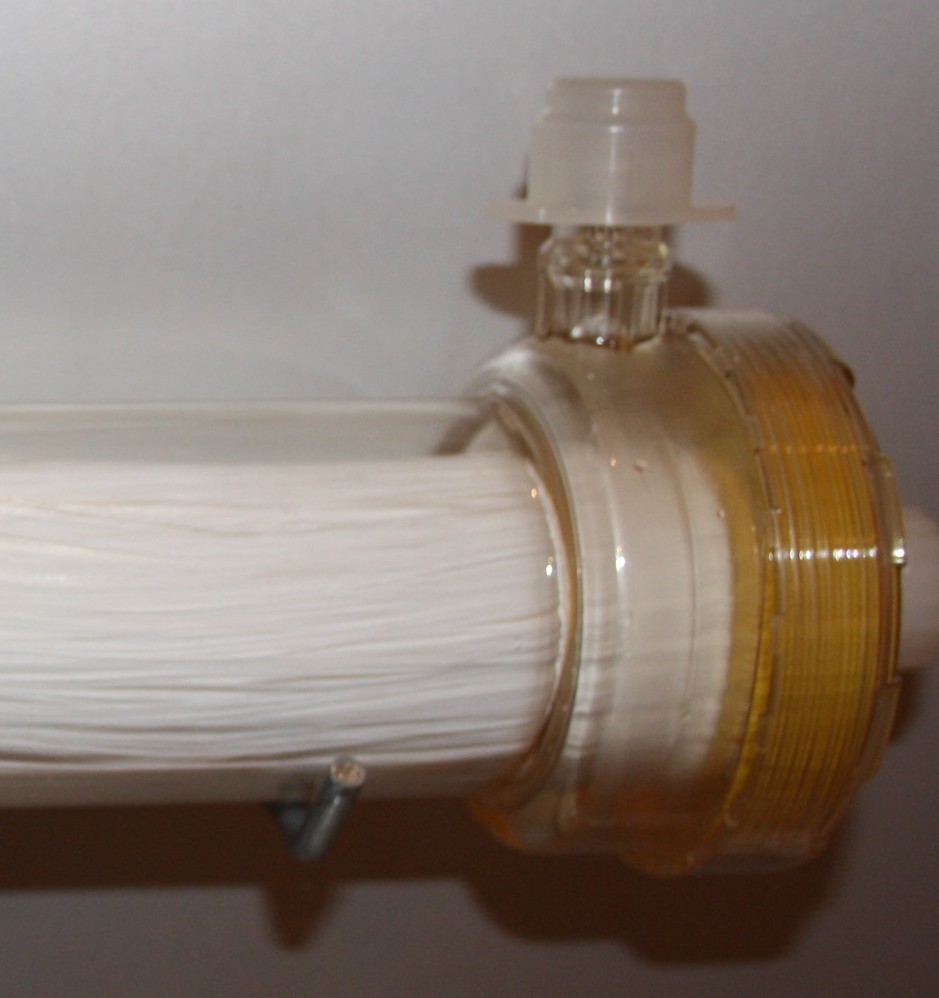
Intermittent hemodialysis is the preferred method, because lithium is small, does not bind to proteins and passes freely through the membrane. Clearance can reach 180 mL/min, against about 10 mL/min for the kidney of a poisoned patient (Decker et al., 2015). Continuous methods are acceptable when hemodialysis is not available, but they remove less lithium per hour, and a Swedish cohort observed that, after large ingestions, this clearance can be too low (Ott et al., 2016).
The rebound after the session
At the end of the session, the lithium that was in the cells returns to the blood, and the level rises again. EXTRIP recommends measuring lithium serially for at least 12 hours after dialysis to identify this rebound and decide on a new session (Decker et al., 2015). In the Taiwan series, seven patients underwent hemodialysis and none died (Liu et al., 2022).
First measures outside dialysis
Most patients do not need dialysis. Basic treatment follows a few steps (Decker et al., 2015; Gitlin, 2016):
- Stop lithium and the medicines that reduce its elimination, such as diuretics, angiotensin-converting enzyme inhibitors, angiotensin receptor blockers and anti-inflammatories.
- Restore volume with saline, with attention to sodium when there is diabetes insipidus.
- Collect lithium level, creatinine and electrolytes serially.
- Monitor the electrocardiogram and the level of consciousness.
- Discuss early with nephrology when there is any EXTRIP criterion or when the patient worsens.
Activated charcoal does not adsorb lithium and should not be used for this purpose (Decker et al., 2015). Whole bowel irrigation can be considered in large ingestions of extended-release tablets, by decision of a toxicology center.
Care with sodium
Saline helps the kidney eliminate lithium, but the patient with nephrogenic diabetes insipidus loses free water and can develop severe hypernatremia. In these cases, volume must be replaced with solutions guided by serum sodium and by diuresis, with frequent measurements.
The conversation with psychiatry
Stopping lithium resolves the intoxication, but it can destabilize bipolar disorder. The decision to restart, reduce the dose or switch stabilizer must be made with psychiatry and with the patient. The text on deprescribing offers a script for that conversation.
Nephrogenic diabetes insipidus: the thirst that does not go away
The mechanism
Lithium enters the cells of the collecting duct through the epithelial sodium channel and blocks the pathway that antidiuretic hormone uses to insert aquaporins into the membrane. The kidney stops concentrating urine, and the patient urinates a lot and drinks a lot (Gitlin, 2016).
How many patients have it
Polyuria with polydipsia affects up to 70 percent of long-term users, according to a review of adverse effects (Gitlin, 2016). In the nephrotoxicity review, loss of the ability to concentrate urine appeared in 54 percent, polyuria in 19 percent and overt nephrogenic diabetes insipidus in about 12 percent after 15 years (Davis et al., 2018).

The danger of thirst without water
As long as the patient can drink, polyuria is bothersome but compensated. The risk appears when they lose access to water: surgery, fasting, hospitalization, sedation, dementia or a hot day. In a cohort of 2463 lithium users, dehydration explained 12 percent of episodes of sodium at or above 150 mmol/L, and a quarter of those had nephrogenic diabetes insipidus (Ott et al., 2019). In the same cohort, 25 percent of hypernatremia episodes ended in death, almost always from infection (Ott et al., 2019).
Extreme heat is a clear example of this risk. The post on heat, heatstroke and medicines that make it worse discusses how dehydration affects people who use medicines eliminated by the kidney.
How to treat
The measures with the most support in the literature are (Davis et al., 2018; Gitlin, 2016):
- A single daily dose, instead of divided doses, when psychiatry agrees.
- The lowest effective level for that patient.
- Amiloride, which blocks the channel through which lithium enters the collecting duct; it is the most established option.
- A thiazide, with caution, because it raises the lithium level and requires reducing the dose by about a third, with a control serum level.
- Guaranteeing access to water during hospitalizations, surgeries and fasting, with a note in the medical record.
Chronic kidney disease: how much lithium really weighs
What biopsies show
Prolonged use can cause chronic tubulointerstitial nephritis, with nephron atrophy, interstitial fibrosis and microcysts that appear on MRI (Davis et al., 2018). The first reports of these lesions date from about 40 years ago (Gitlin, 2016).
Lithium versus valproate
In a Stockholm cohort of 10,946 new users, lithium did not increase the risk of chronic kidney disease or acute kidney injury compared with valproate (Bosi et al., 2023). The ten-year risk of chronic kidney disease was 8.4 percent with lithium and 8.2 percent with valproate in the same study (Bosi et al., 2023). Only 3 percent of the more than 35 thousand levels measured were above 1.0 mmol/L, and those high levels were associated with acute kidney injury (Bosi et al., 2023).
The practical reading is that well-monitored lithium, kept in the target range, carries a smaller kidney risk than was thought, and that episodes of high levels are the point to avoid.
The 2026 meta-analysis
A 2026 meta-analysis compared lithium users with controls without lithium and found a filtration rate on average 11 mL/min/1.73 m² lower and creatinine slightly higher (Macaron et al., 2026). The difference in annual decline was small, and the association with chronic kidney disease events was not significant, with very high heterogeneity between studies.
Does stopping lithium help the kidney?
In a study of 168 patients who stopped lithium, filtration decline was about 1.6 mL/min/1.73 m² per year before stopping and became almost nil afterwards (Fransson et al., 2025). The gain was greater in those whose filtration was below 30, and restarting lithium brought the decline back. The decision to stop remains clinical, because the psychiatric benefit weighs heavily, but the data helps in talking with the patient.
Staging kidney disease by filtration and by albuminuria helps measure this risk, as shown in the post about KDIGO 2024 and the staging of chronic kidney disease.
Monitor so as not to poison
What to measure and when
The international guidelines reviewed by Davis and colleagues recommend serum level, creatinine and filtration every 3 to 6 months during stable use, plus thyroid function and calcium (Davis et al., 2018). The interval shortens in older adults, in those with kidney disease and whenever a drug that interacts is added.
The drugs that interfere most
In the Swedish population cohort of 1340 patients, the incidence of poisoning was 0.01 per patient per year, and 34 percent of episodes required intensive care (Ott et al., 2016). Episodes linked to drugs of the renin-angiotensin axis occurred only in people aged 65 or older, according to the same study (Ott et al., 2016). The main culprits are:
- Thiazide diuretics.
- Angiotensin-converting enzyme inhibitors and angiotensin receptor blockers.
- Nonsteroidal anti-inflammatory drugs.
- Any drug that causes diarrhea, vomiting or dehydration.
What to teach the patient
The patient needs to know that fever, diarrhea, vomiting and heat require attention, that coarse tremor, slurred speech and imbalance are warning signs and that no new drug should be started without telling whoever prescribes the lithium. Checking whether they understood, with the teach-back method, is part of care, as shown in the post about health literacy.
In disasters and mass emergencies
Heat waves, floods and displacement cut off access to water, the pharmacy and the laboratory. The post about chronic diseases in disasters discusses how to maintain essential medicines in these situations, and lithium is on that list.
Back to the patient from the opening
The patient has chronic poisoning, precipitated by thiazide, fever and diarrhea. The level of 2.8 mmol/L does not reach the EXTRIP laboratory cutoff, but she is confused, has altered kidney function and, with the prolonged half-life of age and the injured kidney, should take more than 36 hours to fall below 1.0. There are two suggested criteria, and age and the type of poisoning increase the risk (Pineda-Torcuato et al., 2026).
The approach is to stop lithium and the thiazide, replace volume guided by sodium, discuss hemodialysis with nephrology and measure lithium serially after the session. At discharge, the note should record the interaction with the diuretic and the monitoring plan. Pausing before closing the case, as described in the post about diagnostic pause, avoids attributing the confusion only to infection. The same applies to building the differential diagnosis with clues, and psychiatry comes in early, as in other psychopharmacology topics, such as the post about xanomeline and trospium.
How NEXO helps train this reasoning
In NEXO, the case of the day is fictional, with a real clinical presentation and up to six progressive clues, and you propose the diagnosis by searching for the code in ICD-10.
The limits on using the game are described on the NEXO economy page. If you research the teaching of clinical reasoning, the page for researchers explains how to get in touch. Professionals who write or review cases find information under curation and under creators, and institutions can learn about the proposal on the for partnerships page. Searching for the right code in ICD-10 completes this training.
Frequently asked questions
What lithium level indicates dialysis?
A single number settles little. EXTRIP recommends dialysis with a level above 4.0 mmol/L and altered kidney function, or with reduced consciousness, seizure or severe arrhythmia at any level, and suggests it with a level above 5.0, confusion or a predicted time greater than 36 hours to fall below 1.0 (Decker et al., 2015).
Why does acute poisoning look milder at a higher level?
Because lithium takes time to enter the brain. In acute ingestion the blood is loaded, but the nervous tissue is not yet; in chronic use, the brain has already accumulated the drug (Decker et al., 2015).
Does activated charcoal help?
Activated charcoal is useless here, because it does not adsorb lithium (Decker et al., 2015).
Does nephrogenic diabetes insipidus improve if lithium is stopped?
It may improve, but not always completely, especially after many years of use. Amiloride is the most established option for those who continue on lithium (Davis et al., 2018).
Does lithium always lead to chronic kidney disease?
That outcome is far from the rule. With the level kept in target, the risk over ten years was similar to that of valproate in a population-based cohort (Bosi et al., 2023).
Can I combine lithium and a thiazide?
Only with caution. The thiazide raises the lithium level, and the dose usually needs a reduction of about one third, with level monitoring (Gitlin, 2016).
Take-home messages
- Lithium is essential for the WHO and used worldwide; the kidney decides how much of it stays in the body (WHO, 2023).
- Separate the poisoning into acute, chronic and acute-on-chronic before interpreting the level.
- Read the level together with the neurological picture: confusion, seizure or arrhythmia weigh more than the number.
- Apply EXTRIP: a level above 4.0 with impaired kidney function or severe signs recommends dialysis; a level above 5.0, confusion or a delay longer than 36 hours suggests it.
- Measure lithium serially for 12 hours after dialysis to catch the rebound.
- Ensure water for those with nephrogenic diabetes insipidus and be careful with thiazides, anti-inflammatory drugs and renin-angiotensin axis blockers.
- Monitor level, creatinine, thyroid and calcium every 3 to 6 months and more often in older adults.
Milestone inventory
- 1977: lithium carbonate enters the WHO Model List of Essential Medicines (WHO, 2023).
- 2015: the EXTRIP group publishes recommendations for extracorporeal treatment in lithium poisoning (Decker et al., 2015).
- 2016: a population cohort measures the incidence of poisoning and the renal course (Ott et al., 2016).
- 2019: a cohort links nephrogenic diabetes insipidus to severe hypernatremia in lithium users (Ott et al., 2019).
- 2023: the 23rd WHO list keeps lithium, and a cohort compares the renal risk of lithium and valproate (WHO, 2023; Bosi et al., 2023).
- 2025: a study shows that the decline in filtration nearly stops after lithium is stopped (Fransson et al., 2025).
- 2026: a cohort from 26 European hospitals tests the EXTRIP criteria, and a meta-analysis reviews nephrotoxicity (Pineda-Torcuato et al., 2026; Macaron et al., 2026).
Play today's case on NEXO.
References
- Decker BS, Goldfarb DS, Dargan PI, et al. Extracorporeal Treatment for Lithium Poisoning: Systematic Review and Recommendations from the EXTRIP Workgroup. Clin J Am Soc Nephrol. 2015;10(5):875-887. PMID 25583292. DOI 10.2215/CJN.10021014.
- Pineda-Torcuato Á, Caballero-Bermejo AF, Supervia A, et al. Clinical context enhances interpretation of extracorporeal treatment criteria in lithium poisoning. Clin Kidney J. 2026;19(10):sfag328. PMID 42871752. DOI 10.1093/ckj/sfag328.
- Ott M, Stegmayr B, Salander Renberg E, et al. Lithium intoxication: Incidence, clinical course and renal function - a population-based retrospective cohort study. J Psychopharmacol. 2016;30(10):1008-1019. PMID 27307388. DOI 10.1177/0269881116652577.
- Ott M, Forssén B, Werneke U. Lithium treatment, nephrogenic diabetes insipidus and the risk of hypernatraemia: a retrospective cohort study. Ther Adv Psychopharmacol. 2019;9:2045125319836563. PMID 31007893. DOI 10.1177/2045125319836563.
- Bosi A, Clase CM, Ceriani L, et al. Absolute and Relative Risks of Kidney Outcomes Associated With Lithium vs Valproate Use in Sweden. JAMA Netw Open. 2023;6(7):e2322056. PMID 37418264. DOI 10.1001/jamanetworkopen.2023.22056.
- Liu YH, Tsai KF, Hsu PC, et al. Hemodialysis Treatment for Patients with Lithium Poisoning. Int J Environ Res Public Health. 2022;19(16):10044. PMID 36011678. DOI 10.3390/ijerph191610044.
- Gitlin M. Lithium side effects and toxicity: prevalence and management strategies. Int J Bipolar Disord. 2016;4(1):27. PMID 27900734. DOI 10.1186/s40345-016-0068-y.
- Davis J, Desmond M, Berk M. Lithium and nephrotoxicity: a literature review of approaches to clinical management and risk stratification. BMC Nephrol. 2018;19(1):305. PMID 30390660. DOI 10.1186/s12882-018-1101-4.
- Fransson F, Werneke U, Öhlund L, et al. Kidney function decline improves after lithium discontinuation. J Intern Med. 2025;297(3):289-299. PMID 39829336. DOI 10.1111/joim.20054.
- Macaron MM, Abou Rjeily M, Macaron R, et al. Lithium nephrotoxicity: a systematic review and meta-analysis of lithium versus non-lithium control studies in patients with affective disorders. Ther Adv Psychopharmacol. 2026;16:20451253261419633. PMID 41727809. DOI 10.1177/20451253261419633.
- World Health Organization. Lithium carbonate. Electronic Essential Medicines List, recommendation 317. Geneva: WHO; 2023. list.essentialmeds.org.
- World Health Organization. WHO Model List of Essential Medicines, 23rd List, 2023. Geneva: WHO; 2023 (WHO/MHP/HPS/EML/2023.02). iris.who.int.