Anaphylaxis on board: child with peanut allergy
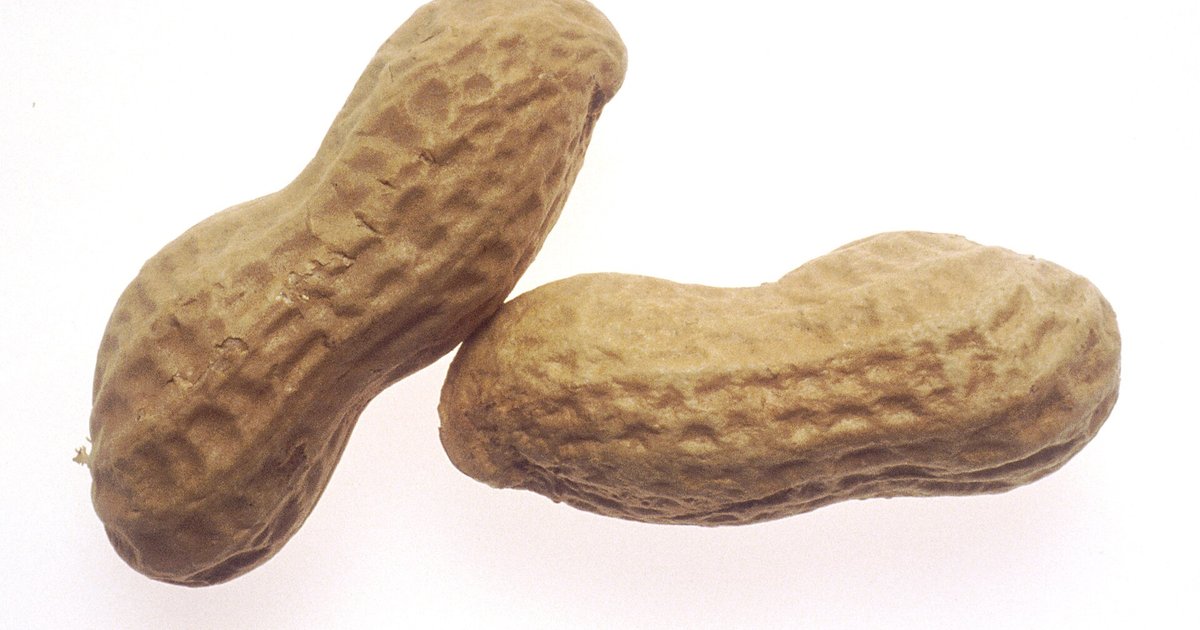
Table of contents
- Why this is a reasoning setting
- What is known about allergy in flight
- Pathophysiology: what happens within minutes
- How the condition presents
- Differential diagnosis
- Management on board
- After the reaction: observation and tryptase
- Step-by-step reasoning in the case
- Common mistakes
- How NEXO helps train this reasoning
- Frequently asked questions
- Final checklist
- References
A 9-year-old boy with a known peanut allergy is traveling with his mother on a transoceanic flight. Two hours after takeoff, he eats a cookie from a package offered by another passenger. Within minutes, itchy red patches appear on his trunk, his voice becomes hoarse, and a high-pitched sound appears on inspiration. The mother calls the crew. When a volunteer doctor arrives, the boy is pale, drowsy and has a weak pulse. In the mother's bag there is an antihistamine tablet and an adrenaline autoinjector. The scene is fictional and was written for teaching.
This text uses the picture as a setting for clinical reasoning. The trap lies in the order of things. The tablet seems the simplest choice, but it acts slowly and does not treat what kills in anaphylaxis, which is the airway closing and the pressure dropping. The text is not an airline protocol. If you play the case of the day on NEXO, you will recognize the challenge: the clues arrive together, and the decision has to come before you are sure.
Key points
- Anaphylaxis is a severe allergic reaction that can progress quickly and cause death.
- Skin with hives plus stridor or a drop in blood pressure, after a known allergen, settles the diagnosis in practice.
- Intramuscular adrenaline in the thigh is the first treatment and does not wait for complete criteria.
- Antihistamines and corticosteroids do not replace adrenaline and must not delay it.
- Severe allergic reactions in flight are rare, and cabin air does not spread peanut.
- Anyone with a severe food allergy should board with two autoinjectors in their carry-on bag.
Why this is a reasoning setting
Anaphylaxis in flight brings together three difficulties. The environment is cramped, noisy and far from a hospital. The person attending is usually a volunteer who does not know the patient. And the first clues, such as itching and skin patches, seem trivial. The reasoning has to separate what is discomfort from what is a threat, and do so within minutes.
The starting point is the definition. The 2024 international consensus defines anaphylaxis as a severe allergic reaction that can progress rapidly and cause death (Dribin et al., 2025). The definition is short on purpose. It reminds us that the problem is speed, and not only the intensity of what is seen at the start.
What the scene teaches
The scene trains three habits. The first is recognizing the pattern involving skin, airway and circulation. The second is acting before having all the data, because waiting worsens the prognosis. The third is not letting the most accessible treatment take the place of the right treatment. The post on diagnostic pause discusses when to stop and think. Here, the pause must be short, and it serves to confirm that nothing argues against adrenaline.
What is known about allergy in flight
Many families fear the flight more than they should, and the most common fear is that a peanut opened in another row will reach them through the air. A 2025 review shows that allergic reactions in flight are rare, estimated at about 0.7 per million passengers, and that the risk appears lower than on the ground (Turner, 2025). The same text found no evidence that peanut particles spread through cabin air enough to cause a reaction.
The real risk is on hands, on surfaces and in food. Residues stay on the tray table, the armrest and the screen. That is why the practical recommendation is to clean the seat and the table on boarding, and not to accept food without a label (Turner and Dowdall, 2025). In the scenario, the cookie came from another passenger, and that is the type of exposure the reviews point to.
Which foods appear most
A review of food-related allergic reactions during travel gathered reports from flights and destinations. Peanut and tree nuts were among the triggers most often cited in in-flight reports (Charoensakulchai et al., 2025). The studies gathered deal mainly with travelers who already knew about the allergy, with in-flight reactions reported in 1.7 to 3.0 per 100 of these travelers, which reinforces the importance of planning the trip (Charoensakulchai et al., 2025).


Pathophysiology: what happens within minutes
In anaphylaxis, mast cells and basophils release histamine and other mediators all at once. The result appears in several systems at the same time. In the skin, vessels dilate and leak, and hives and swelling appear. In the airway, the laryngeal mucosa swells and the bronchi close. In the circulation, vasodilation and plasma leakage drop the blood pressure.
This process can unfold within minutes, and that is why the 2024 definition stresses that the reaction can progress rapidly. In the child in the scenario, the interval between the cookie and the stridor was short, and there is no reason to expect the condition to resolve on its own.
Adrenaline acts on all three points. It constricts the vessels, reduces mucosal swelling, opens the bronchi and decreases the release of mediators. That is why it is the first treatment recommended by the World Allergy Organization guidance (Cardona et al., 2020). The antihistamine blocks only part of this process, and it neither opens the airway nor sustains blood pressure.
Why the cabin matters
The cabin of a commercial aircraft is pressurized to an altitude equivalent to something between 6000 and 8000 feet (Alves et al., 2025). The oxygenation of a healthy person tolerates this altitude well. A child with a narrowed airway and bronchospasm, however, has less reserve, and saturation can fall faster than it would on the ground. The post on hypobaric hypoxia explains why cabin altitude reduces the margin.
How the condition presents
The 2024 consensus proposes criteria for recognizing anaphylaxis. In short, the disease is probable when there is skin or mucosal involvement together with respiratory or cardiovascular symptoms. After exposure to a known or likely allergen, respiratory or cardiovascular involvement alone is enough, even without the skin (Dribin et al., 2025). The authors explain that this is the only criterion without involvement of more than one system, and that is why it requires a known allergen, a situation in which the pre-test probability is the highest.
The same consensus makes an important caveat. Treatment with adrenaline does not depend on meeting the criteria. If suspicion is strong and the person worsens, adrenaline comes before confirmation.
Signs of severity
The World Allergy Organization grading system helps measure severity. Stridor without increased respiratory effort falls into grade 3. Stridor with increased effort, a drop in blood pressure or altered consciousness fall into the higher grades (Turner et al., 2024). The boy in the scenario has stridor, pallor, drowsiness and a weak pulse, which places him in the most severe group.
What to ask in a few seconds
The short history has four questions. What did the child eat or touch? Does the child have a known allergy? Has the child had a severe reaction before? Does the child have asthma? Asthma matters because it raises the risk of a severe reaction and of a biphasic reaction. The post on signs, symptoms and history shows how to combine the family's account with what is observed.
Differential diagnosis
The condition has alternatives that must be kept in mind, but none should delay adrenaline when anaphylaxis is probable. The World Allergy Organization guidance lists acute asthma, panic attack, syncope, localized angioedema and foreign body aspiration among the differential diagnoses (Cardona et al., 2020).
| Hypothesis | Clues in favor | Clues against |
|---|---|---|
| Anaphylaxis | Known allergen, hives, stridor, weak pulse | Normal skin and no exposure to an allergen |
| Acute asthma | Wheezing, history of asthma, respiratory trigger | Hives, hoarseness and drop in blood pressure |
| Panic attack | Intense fear, tingling, rapid breathing | Stridor, hives and low blood pressure |
| Foreign body | Sudden choking during the meal, coughing | Skin spots and signs in several systems |
| Vasovagal syncope | Pallor, slow pulse, improvement when lying down | Hives, stridor and rapid, weak pulse |
Acute asthma and anaphylaxis
Asthma is the alternative that causes the most confusion, because anaphylaxis also causes bronchospasm. The guidance notes that symptoms of acute asthma can be part of an anaphylaxis episode (Cardona et al., 2020). The practical difference lies in the other systems. Hives, hoarseness and a drop in blood pressure point to anaphylaxis. A child with asthma who comes into contact with their allergen and has trouble breathing should be treated as anaphylaxis.
Panic and foreign body
None of these hypotheses should delay adrenaline when the picture meets the criteria for anaphylaxis, because waiting carries a much greater risk. Panic enters the differential because the child and the mother are frightened, and the alarm of those around them can distort the reading of the picture. But panic does not cause hives or stridor with low blood pressure. The foreign body enters because the picture began with food. Aspiration usually comes with sudden choking and coughing, without skin spots. The post on differential diagnosis with clues shows how to keep alternatives open without freezing the decision.
Management on board
The recommended sequence is to remove the trigger, assess airway, breathing, circulation, consciousness and skin, call for help and give intramuscular adrenaline in the anterolateral thigh (Cardona et al., 2020). In flight, calling for help means alerting the crew, who connect the captain and, on many airlines, a ground medical service.
The adrenaline dose
The recommended dose for professionals is 0.01 mg/kg of body weight, up to a maximum of 0.5 mg in total, intramuscularly, repeated every 5 to 15 minutes if symptoms do not improve (Cardona et al., 2020). The same guidance includes a simplified table, with 0.3 mg for children aged 6 to 12, which applies to the boy in the scenario. The intramuscular route is usually well tolerated, unlike the intravenous bolus route, which carries a higher risk of arrhythmias.
Autoinjectors have fixed doses. The European guidelines cited by Ebisawa recommend 0.15 mg for children from 7.5 kg to 25 to 30 kg and 0.3 mg above that (Ebisawa et al., 2025). A review points out that weight-based dosing is a convention, and that recommendations for autoinjectors vary between countries (Dreborg et al., 2022). In practice, the child's own autoinjector, prescribed for their weight, is the fastest way to give the first dose.
Position, oxygen and fluids
Most patients should lie on their back. Those who have trouble breathing can sit, and those who are unconscious go into the lateral position (Cardona et al., 2020). Sitting the child up suddenly can worsen the drop in blood pressure. High-flow oxygen goes in as soon as it is available, and in flight it is the most used intervention in medical events (Alves et al., 2025). If there is venous access and instability, the guidance indicates crystalloid in a bolus of 20 mL/kg.


The place of antihistamines
Antihistamines can relieve itching and hives, but they act slowly and do not treat airway obstruction or the drop in blood pressure. That is why they come in as third line, after adrenaline and supportive measures (Ebisawa et al., 2025). The World Allergy Organization guidance warns that giving an antihistamine first can delay adrenaline. Corticosteroids also act slowly and their role is debated.
Diversion and decision in flight
In a study of medical events on commercial flights, diversion happened in about 1.7 out of every 100 events, and the final decision rested with the captain (Alves et al., 2025). The volunteer doctor reports the severity and the response to treatment. A child with stridor and low blood pressure who needs a second dose of adrenaline is a strong candidate for diversion. The post on emergency on a commercial flight and when to divert details this dialogue.
What is in the kit
The volunteer doctor should ask for the kit right at the start, before needing it, because opening, checking and preparing the material takes time in a narrow aisle.
The contents of onboard medical kits vary widely between airlines and countries. A 2025 letter describes this lack of standardization and recommends that people at risk of anaphylaxis carry their own adrenaline (Aguiar et al., 2025). Another review argues that airlines should consider including autoinjectors in the kit, because drawing a dose from an ampoule under pressure is slower and prone to error (Turner and Dowdall, 2025).
Before boarding
Planning reduces the risk. The family should carry two autoinjectors in their hand luggage, along with the written action plan, and inform the airline about the allergy (Turner and Dowdall, 2025). Cleaning the table and the seat, bringing their own food and not accepting food from other passengers complete the list. For the child, it is worth agreeing on the same plan with the school and with caregivers, because the reaction can happen anywhere and the person next to them needs to know where the autoinjector is and how to use it. The post about fitness to fly covers the medical assessment before the trip.
A practical checklist for the family before flying, based on the review by Turner and Dowdall (Turner and Dowdall, 2025):
- Have two prescribed adrenaline autoinjectors and keep them on your person at all times, including on the plane.
- Clean the table, the seat and the entertainment screen at the start of the flight with a wipe containing detergent, which removes peanut residue better than water or hand sanitizer.
- Ask to board early, when the airline allows it, to have time to clean the seat area.
- Do not rely on announcements banning peanuts on board, which can give a false sense of safety.
- Know that bringing your own food does not eliminate the risk, because reactions have occurred with home-made food and with food bought before boarding.
After the reaction: observation and tryptase
Anaphylaxis can return hours later, even without a new exposure. This is the biphasic reaction. A narrative review of a decade of data cites a meta-analysis with a biphasic reaction in about 4 to 5 out of every 100 patients, and argues for risk-adjusted observation (Abouelmagd et al., 2026). The higher-risk group includes those who needed two or more doses of adrenaline, had low blood pressure or hypoxia, or have asthma.
The boy in the scenario falls into the higher-risk group. Even if he improves after the first dose, he needs a medical assessment on the ground, whether at the destination or at the diversion airport. The World Allergy Organization guidance notes that about half of biphasic reactions appear in the first 6 to 12 hours (Cardona et al., 2020).
The role of tryptase
Tryptase is a marker of mast cell activation. During anaphylaxis, it rises from 15 minutes to 3 hours after onset, with a peak between 1 and 2 hours (Cardona et al., 2020). A high value supports the diagnosis, but a normal value does not rule it out, especially in children with a food reaction. The baseline measurement is taken at least 24 hours after resolution. In flight there is no way to measure it, and the sample is left for the hospital. The post about pretest probability explains why a normal test does not overturn a strong suspicion.
Referral
After the episode, the child should be referred to an allergy specialist, receive a new prescription for autoinjectors and a revised action plan. The guidance recommends this referral to confirm the trigger and guide prevention (Cardona et al., 2020).
Step-by-step reasoning in the case
First, the exposure clue: a known peanut allergy and a cookie of unknown origin minutes earlier. The probability of an allergic reaction is already high before any test.
Second, the skin clue: hives on the trunk. On its own, this could be a mild reaction. But it is only the beginning.
Third, the airway clue: hoarseness and stridor. Now there is respiratory involvement after a known allergen, which is already enough for the practical diagnosis.
Fourth, the circulation clue: pallor, drowsiness and a weak pulse. This is severe anaphylaxis, and adrenaline cannot wait.
Fifth, the decision: the child's autoinjector is applied to the thigh, over clothing if needed. The tablet waits. The child is laid down, given oxygen and monitored.
Sixth, reassessment: if there is no improvement within 5 to 15 minutes, the second dose goes in, from the second autoinjector or from the kit. The crew informs the captain, and the need for a second dose weighs in favor of diversion.
Seventh, the follow-up: even with improvement, the child needs observation on the ground because of the risk of a biphasic reaction.
Eighth, the record: noting the time of exposure, of each dose and of the response helps the ground team decide how long to observe and when to measure tryptase. The mother should keep the cookie packaging, because the label may confirm the trigger.
Common mistakes
The first mistake is giving the antihistamine and waiting. The relief of itching can give a false sense of control while the airway closes.
The second mistake is waiting for all the criteria. The consensus makes clear that treating with adrenaline does not depend on meeting them.
The third mistake is standing the child up. Putting the child on their feet or on a lap can worsen the drop in blood pressure.
The fourth mistake is attributing everything to panic. The fear is real, but it does not explain hives, stridor and low blood pressure.
The fifth mistake is stopping after the first dose. Reassessment within minutes decides whether a repeat is needed.
The sixth mistake is skipping observation. The reaction can return hours later.
The seventh mistake is thinking the cabin air was to blame. Prevention should focus on surfaces and food. The post on affective biases discusses how the emotion of the moment can steer reasoning off course.
How NEXO helps train this reasoning
To use the case of the day as training, try three habits. Before the first guess, ask which serious diagnosis calls for immediate action. With each clue, see how many body systems are already involved. After the result, note which treatment you would have given first and why.
Three exercises with cases
Count the systems. For each case of allergic reaction, list skin, airway, circulation and gut, and mark which are involved.
Order the treatment. Write the sequence of steps and check whether the most effective one comes first.
Plan the reassessment. Define what you expect to see in 5 to 15 minutes and what you would do if you did not see it.
The post on clinical reasoning exercises in pediatrics brings other cases to train with children, and the post on case-based learning in clinical practice shows how cases help cement this habit.
The limits on using the game are described on the NEXO economy page. If you research the teaching of clinical reasoning, the page for researchers explains how to get in touch. Professionals who write or review cases find information under curation and creators, and institutions can learn about the proposal on the partnerships page.
Frequently asked questions
Is intramuscular adrenaline the first treatment for anaphylaxis?
Yes. The World Allergy Organization guidance recommends intramuscular adrenaline in the thigh as first line (Cardona et al., 2020).
Can you treat with adrenaline before meeting the criteria?
Yes. The 2024 consensus states that treatment with adrenaline does not depend on meeting the criteria (Dribin et al., 2025).
Are severe allergic reactions in flight rare?
Yes. Estimates point to about 0.7 events per million passengers (Turner, 2025).
Should people with severe food allergy carry two autoinjectors?
Yes. The recommendation is to carry two autoinjectors in hand luggage (Turner and Dowdall, 2025).
Does the child need observation after improving?
Yes. The biphasic reaction can appear hours later, and observation should follow the risk (Abouelmagd et al., 2026).
Final checklist
- I asked about exposure, known allergy, previous reactions and asthma.
- I counted the systems involved: skin, airway, circulation.
- I gave intramuscular adrenaline in the thigh without waiting for the full criteria.
- I laid the child down, or sat them up if breathing got worse.
- I offered oxygen and called for the medical kit.
- I reassessed in 5 to 15 minutes and repeated the dose if needed.
- I left the antihistamine for after the adrenaline.
- I informed the commander about severity and response.
- I kept asthma, panic and foreign body in the differential without delaying treatment.
- I advised observation on the ground and referral to a specialist.
Want to practice your reasoning with progressive clues? Play today's case.
References
- Abouelmagd K, Alhaddad J, Oyedele TJ, et al. Post-anaphylaxis observation in the ED: a decade of data challenging the traditional 24-hour rule. Int J Emerg Med. 2026. PMID 41832433.
- Aguiar R, Baptista-Pestana R, Morais-Almeida M. Managing in-flight allergic emergencies: Challenges and solutions. World Allergy Organ J. 2025. PMID 41170021.
- Alves PM, Kumar KR, Devlin J, et al. In-Flight Medical Events on Commercial Airline Flights. JAMA Netw Open. 2025. PMID 41021228.
- Cardona V, Ansotegui IJ, Ebisawa M, et al. World allergy organization anaphylaxis guidance 2020. World Allergy Organ J. 2020. PMID 33204386.
- Charoensakulchai S, Sukme C, Chantapinya P, et al. Characteristics of food-related allergic reactions during travel: a scoping literature review. Trop Dis Travel Med Vaccines. 2025. PMID 41466461.
- Dreborg S, Walter G, Kim H. International recommendations on epinephrine auto-injector doses often differ from standard weight-based guidance: a review and clinical proposals. Allergy Asthma Clin Immunol. 2022. PMID 36471385.
- Dribin TE, Muraro A, Camargo CA, et al. Anaphylaxis definition, overview, and clinical support tool: 2024 consensus report-a GA2LEN project. J Allergy Clin Immunol. 2025. PMID 39880313.
- Ebisawa M, Muraro A, Worm M, et al. Optimizing Adrenaline Administration in Anaphylaxis: Clinical Practice Considerations and Safety Insights. Clin Transl Allergy. 2025. PMID 40769873.
- Turner P, Dowdall N. Flying with nut and other food allergies: unravelling fact from fiction. Arch Dis Child. 2025. PMID 39414343.
- Turner PJ. Risk of anaphylaxis on commercial flights. Curr Opin Allergy Clin Immunol. 2025. PMID 40643054.
- Turner PJ, Ansotegui IJ, Campbell DE, et al. Updated grading system for systemic allergic reactions: Joint Statement of the World Allergy Organization Anaphylaxis Committee and Allergen Immunotherapy Committee. World Allergy Organ J. 2024. PMID 38361745.