Patient as partner in diagnosis: how to involve



 Thiago Longo Moraes, Rafael Guimarães Malanga, and Caroline Wilhelmsen Martins
Table of contents
- What it means to treat the patient as a partner
- What studies show about errors reported by patients
- How to talk about uncertainty without losing trust
- Safety net: the patient who knows when to come back
- Who is left out and why
- How to involve the patient in the consultation and in the service
- How NEXO helps train this reasoning
- Frequently asked questions
- Take-home messages
- References
A 62-year-old woman returns to the office three weeks after a visit for cough. She brought a piece of paper with dates: the fever came back twice, always in the afternoon, and the prescribed syrup changed little. At the first visit no one asked about the pattern of the fever. Her note is worth more than any test ordered that day.
Diagnosis is usually told as the doctor's work. In practice, the patient holds much of the information, notices when something changes and often spots errors before the team. This text shows what research knows about errors reported by patients, why so many people stay out of the conversation and how to make the patient a partner in clinical reasoning, from the first question to the follow-up.
Key points
- The current definition of diagnostic error includes the failure to explain the problem to the patient (Gleason, 2021).
- Patients with several chronic conditions reported more diagnostic error in primary care (Aoki, 2020).
- Among patients who read their own note, 1 in 5 found an error (Bell, 2020).
- After discharge from the emergency department, one third of the patients followed up reported a new problem (Gleason, 2021).
- Talking about uncertainty with partnership and clear information improves the patient's experience (Dahm, 2023).
- Guidance adapted, in writing and spoken, helps the patient know when to return (Wannheden, 2024).
Summary
- What it means to treat the patient as a partner
- What studies show about errors reported by patients
- How to talk about uncertainty without losing trust
- Safety net: the patient who knows when to return
- Who stays out and why
- How to involve the patient in the visit and in the service
- How NEXO helps train this reasoning
- Frequently asked questions
- Take-home messages
What it means to treat the patient as a partner
Treating the patient as a partner in diagnosis means sharing with them the steps of reasoning: what is known, what is still open, what can change and what to do if it changes. The patient stops being only a source of data and starts taking part in checking the hypotheses.
This idea appears in the very definition of diagnostic error used in current studies. Diagnostic error is the failure to establish an accurate and timely explanation for the patient's health problem, or to communicate that explanation to them (Gleason, 2021). The second half of the sentence matters. A correct diagnosis that the patient does not know about, misunderstands or receives late also counts as a failure of the process.
The partnership starts before the diagnosis. It depends on a good history told by the patient and on room for them to bring their own agenda, with ideas, concerns and expectations. It continues after the visit, when the patient observes symptoms, reads the record and decides whether to return.
Thinking this way changes the central question. Instead of asking only what the diagnosis is, the doctor also asks how the patient will know if the diagnosis was wrong. This second question makes the patient a sensor of the process.
An example helps show the difference. A woman comes to the unit with mild abdominal pain for one day. The examination is reassuring and the most likely hypothesis is a benign cause. In a traditional model, she leaves with a prescription and the guidance to return if it gets worse. In a partnership model, she leaves knowing what the main hypothesis is, which others were considered, which concrete signs would change the reasoning and how long she should expect improvement. If the pain moves or fever appears, she knows that this information is exactly what the team needs.
The difference seems small, but it changes the patient's role. They stop waiting passively and start observing with a clear goal.
The patient has access to information that no test shows. They know when the symptom started, what makes it worse and what relieves it, how the complaint behaves in the following days and whether the treatment worked. Much of the diagnosis comes from this clinical history.
They also follow the course outside the office. The visit is a photograph, and the patient sees the film. A symptom that seemed trivial on the first day can take another shape the following week, and only those who live with the illness notice the change in time.
There is also what the patient notices about their own care. They notice when two sets of instructions contradict each other, when a promised test was not done, when the visit note describes something they did not say. These process failures rarely show up in audits, but they are visible to the person on the other side of the table.
Finally, the patient knows their own context: the distance to the service, who cares for them at home, what they can pay for and what they can follow through on. A diagnostic plan that ignores this context fails even when the hypothesis is right.
What studies show about errors reported by patients
Research that asks patients directly whether there was a diagnostic error is still scarce, but the results are consistent. These studies measure the patient's perception, and that perception reveals problems that official records let slip by.
In a study of 1474 primary care patients across several services, 57 reported having experienced a diagnostic error (Aoki, 2020). After adjusting for other factors, having several chronic diseases at the same time was associated with more reported error, with an adjusted odds ratio of 1.83 (Aoki, 2020). Patients with multimorbidity have more complex visits, more overlapping symptoms and a greater chance that a new problem is attributed to an old disease.
A pilot study followed adults after discharge from the emergency department with questionnaires through the patient portal (Gleason, 2021). Of the 517 patients contacted through the portal, 45 agreed to take part (Gleason, 2021), and participation was much higher among those approached in person in the emergency department. Of the 59 included, 53 answered the two-week questionnaire, and 16 of those 53 reported that a new health problem was identified after discharge (Gleason, 2021).
These numbers are small, but they show two things. Patients are willing to report what happened after the visit, and that report brings information the service would only have if the patient came back. They also show that an invitation made in person works better than an automated message.
A special data source is the clinical note read by the patient themselves.
Many services already allow patients to read the notes from their own visit. This openness created a natural laboratory for studying what patients find when they read what the doctor wrote.
In a survey of patients from three health systems, 136,815 were invited and 29,656 responded (Bell, 2020). Among those who read the note, 1 in 5 reported having found an error, and 42 in 100 of those considered the error serious (Bell, 2020).
The errors that patients classified as very serious were concentrated in areas central to clinical reasoning:
- diagnoses recorded incorrectly;
- incorrect or incomplete clinical history;
- swapped or outdated medications;
- physical examination findings described without having been performed;
- wrong test results;
- note assigned to the wrong patient or with the side of the body swapped.
This list is useful for anyone writing notes (Bell, 2020). It shows that patients can check exactly the items where an error weighs most. A note well organized in the medical record makes this check simpler, because it separates what was reported, what was examined and what was concluded.
Patients also value the note as a tool for partnership. In a program that invited patients to comment on notes read in the portal, patients and companions sent 260 reports (Gerard, 2017). The themes included confirming and remembering next steps, sharing the information with caregivers, correcting errors and feeling part of the team (Gerard, 2017).
Another study, with 445 patients who used a personal health record, looked at the ability to understand and respond to errors (Lear, 2022). Of these, 181 said they understood the information in the record with certainty, and 79 had already noticed errors (Lear, 2022). Patients with high digital health literacy were much more confident about understanding their own record (Lear, 2022).
The barriers reported were of two kinds: information barriers, such as medical jargon and lack of context, and system barriers, such as difficulty of use and poorly presented data (Lear, 2022). People with fewer resources face more of these barriers, and reading the record can increase inequality if the service does not help.
How to talk about uncertainty without losing trust
Involving the patient requires saying what is not yet known. Many doctors fear that admitting uncertainty reduces trust. The evidence shows a more nuanced picture.
An integrative systematic review included 19 studies, selected from 1281, on communicating diagnostic uncertainty in primary care (Dahm, 2023). Doctors revealed uncertainty explicitly, implicitly or simply omitted it. Explicit expression was associated with greater patient satisfaction only when it came together with positive talk, partnership building and information (Dahm, 2023).
The message is practical. Saying "I don't know" on its own worries people. Saying "we don't know yet, and we will find out together like this" calms them. The way of handling diagnostic uncertainty changes the effect of the same information.
A review on the ethics of this communication recalls the real limits (Cox, 2021). Family doctors agreed that they should explain the uncertainty of a provisional diagnosis, but pointed to the short consultation time and the preference of some patients for "black and white" answers (Cox, 2021). Partnership, therefore, involves asking how much the patient wants to know and adjusting the conversation.
Some phrases help share uncertainty clearly. Saying "the most likely is this, and these are the other possibilities I am still considering" shows the reasoning without hiding the doubt. Explaining that "this test serves to separate one hypothesis from the other" gives meaning to the request. Agreeing that "if this sign appears, the hypothesis changes and you should come back" turns uncertainty into a plan. And asking "at the follow-up, tell me what has changed since today" makes clear that the patient's observation is part of the diagnosis.
Tone matters as much as words. Talking about uncertainty calmly, looking at the patient and without rushing to finish, communicates that doubt is a normal part of the process and that there is a path to resolving it. The same sentence said in a hurry, with your back to the patient or while typing on the computer, can sound like insecurity or neglect.

Safety net: the patient who knows when to come back
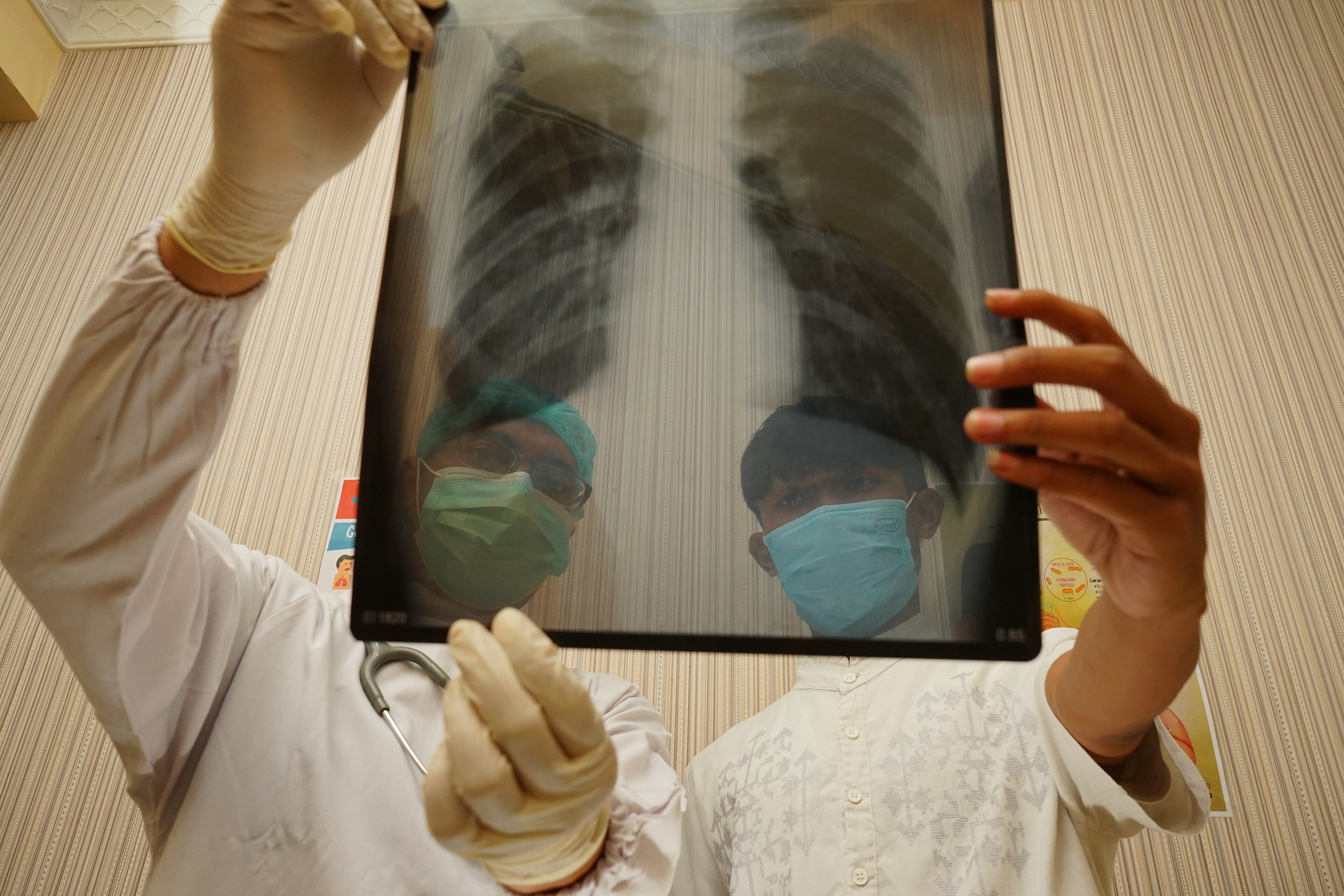
The moment when partnership matters most is the end of the consultation. The patient leaves with a provisional diagnosis and needs to recognize the signs that something has gone differently than expected. This guidance is the safety net.
A realist review gathered 95 documents to understand what makes this guidance effective and arrived at 15 recommendations (Friedemann Smith, 2022). Guidance works best when it is tailored to the patient and brings practical information about self-care and about when to seek the service again (Friedemann Smith, 2022).
A codesign study brought together 7 people with experience as patients, 1 caregiver and 18 clinicians to design safety net strategies for primary care and emergency care (Wannheden, 2024). Among the proposals, combining written information with spoken explanation appeared as a way to ensure that the guidance is remembered and used at home (Wannheden, 2024).
Guidance only works if the patient has understood. Asking them to repeat it in their own words, the teach-back technique, is the simplest way to know whether the person has understood before they leave.
Patient participation can happen at various moments of the diagnostic process. The table summarizes where they contribute, what the team can do and what the studies suggest.
| Moment | What the patient brings | What the team can do | Evidence |
|---|---|---|---|
| Before the consultation | List of symptoms, dates and questions | Ask them to bring notes and their own schedule | Clinical practice |
| During the consultation | History, context, preferences | Explain hypotheses and what remains unknown | Uncertainty with partnership improves the experience (Dahm, 2023) |
| At the end | Understanding the plan | Written and spoken safety net, teach-back | Tailored guidance and practice (Friedemann Smith, 2022) |
| After the consultation | Symptom progression | Active contact and a channel for follow-up | New problems reported after discharge (Gleason, 2021) |
| When reading the record | Checking the note | Clear notes and a channel for corrections | Errors found by patients (Bell, 2020) |
The table shows that participation is a continuous process. Each step has a simple action that the team controls.
Family members and caregivers also join this partnership. In children, older adults with cognitive decline and people with serious illnesses, the person accompanying the patient often notices the change in behavior, appetite or level of alertness first. Including this person in the explanation of the plan and in the safety net widens the number of eyes watching the progression.

Who is left out and why
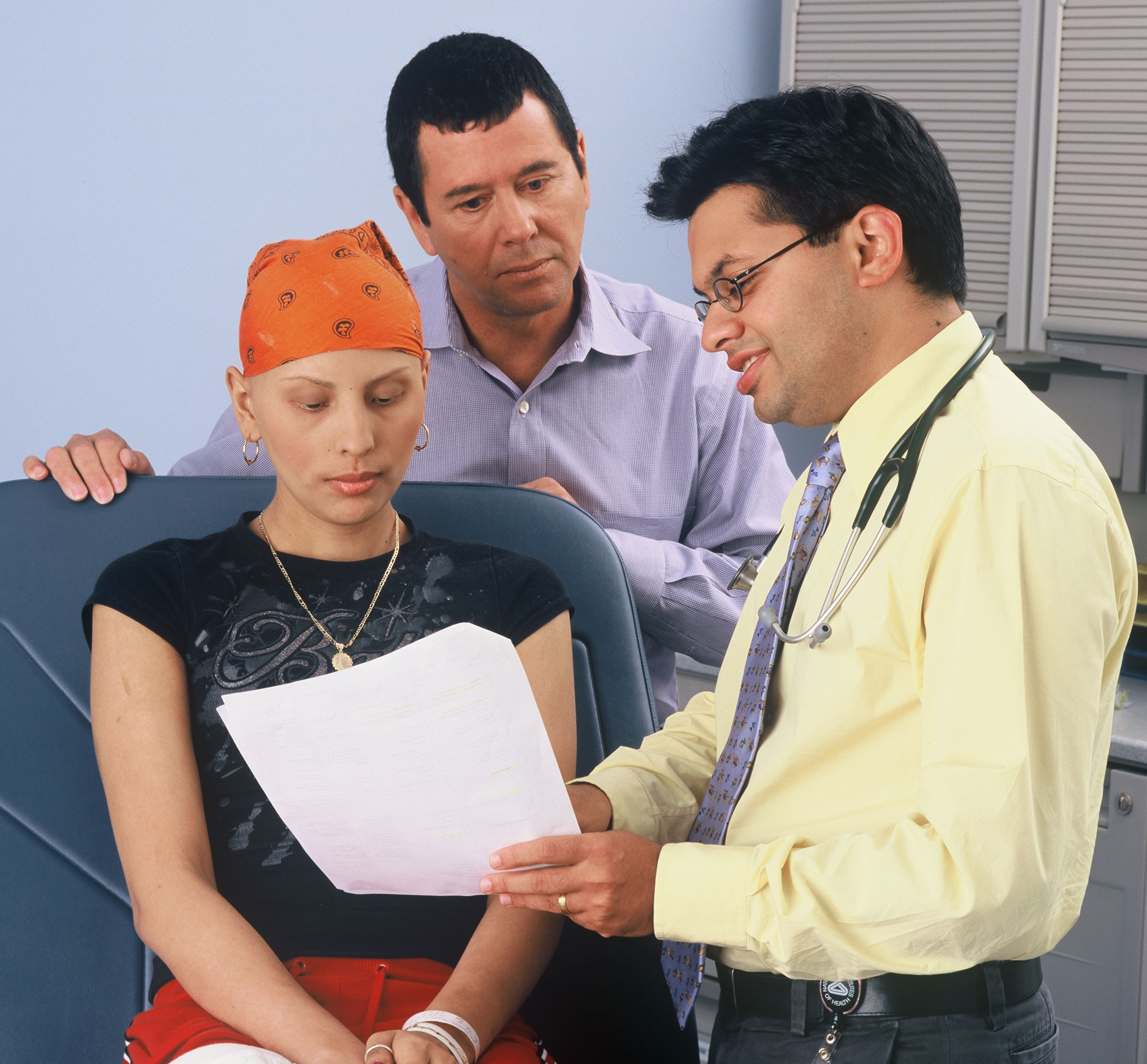
The partnership assumes that the patient has a voice, time and information. These conditions vary greatly from person to person. Patients with low health literacy, little digital access, a language barrier or conditions that make communication difficult are further from the process.
The study of personal health records showed that barriers weigh more heavily on already disadvantaged groups (Lear, 2022). The post-discharge study showed that the invitation through the portal reached few patients, while the personal approach worked much better (Gleason, 2021). A single, digital and passive channel tends to hear always the same people.
Patient-reported measures can help close this gap, as long as they are designed with equity in mind (McDonald, 2024). The authors propose roadmaps to develop these measures with the patient's voice from the start and treat equity as a cross-cutting goal (McDonald, 2024).
At the transition between levels of care, the risk increases. Information is lost between hospital discharge and primary care, and the patient is often the only link between the teams. Preparing the patient to carry the plan is part of the care.
How to involve the patient in the consultation and in the service
Some actions fit into any consultation and do not require new technology. They make participation part of the routine.
- Start with the patient's agenda and let them finish their first statement.
- Say out loud the main hypothesis and the alternatives you are still considering.
- Explain what each test is for and what each result would change.
- Agree on concrete warning signs and the path to come back.
- Use teach-back before closing.
- Invite the patient to read the note and point out anything that is wrong.
- At the follow-up, ask first what has changed since the last consultation.
When the diagnosis turns out to be wrong, the partnership built beforehand makes the next conversation simpler. Knowing what patients expect to hear after an error helps maintain trust and correct the course.
Reassessment can also be shared. Scheduling a follow-up with a clear goal, a planned reassessment, gives the patient a defined role: observe and report.
The partnership depends on conditions that go beyond the individual consultation. The service defines the time available, the contact channels and the way notes are written and shared.
Opening the notes to the patient and creating a simple channel for corrections takes advantage of a perspective that already exists (Bell, 2020). Simplifying the reading, with less jargon and more context, reduces information barriers (Lear, 2022).
Active contact after discharge from the emergency department brings back information that would otherwise be lost (Gleason, 2021). Patient-reported measures, designed with an equity lens, allow the quality of diagnosis to be tracked from the point of view of those receiving care (McDonald, 2024).
Safety net materials built with patients, caregivers and clinicians tend to be used more (Wannheden, 2024). Those who take part in the design understand better what needs to be written and what needs to be said.
There are also limits and precautions to respect.
Patient participation is a layer of safety, and diagnosis remains the team's responsibility. Transferring to the patient the task of finding the error would be unfair and dangerous.
Studies of reported error measure perception. Part of what the patient calls an error may be a difference in understanding or a failure of explanation, and that also deserves attention (Bell, 2020). The multimorbidity study is cross-sectional and shows association, without proving cause (Aoki, 2020).
Some patients prefer to receive direct guidance and little discussion about uncertainty (Cox, 2021). Respecting that preference is also partnership. The essential thing is that the patient knows what to do and when to return, even if they do not want to hear every hypothesis.
In medical training, this outlook can be trained early. Students who practice explaining hypotheses in plain language, combining warning signs and asking the patient to repeat the plan take these habits into residency. Preceptors who do the same in front of the learner show, in practice, that sharing the reasoning with the patient is part of good diagnosis, and not a waste of time.


How NEXO helps train this reasoning
In NEXO, the case of the day is fictional, with a real clinical presentation and up to six progressive clues, and you propose the diagnosis by looking for the code in ICD-10.
The limits of using the game are described on the NEXO economy page. If you research the teaching of clinical reasoning, the page for researchers explains how to get in touch. Professionals who write or review cases find information in Curator and in Creators, and institutions can learn about the proposal on the partnerships page. Training differential diagnosis with clues and looking for the right code in ICD-10 complete this practice.
Frequently asked questions
What is the patient as a partner in diagnosis?
It is the patient who takes part in the steps of reasoning: tells the story, understands the hypotheses, observes the evolution and speaks up when something changes. The current definition of diagnostic error includes the failure to communicate the explanation to the patient (Gleason, 2021).
Can patients identify diagnostic errors?
Yes, in part. Among patients who read their own note, 1 in 5 found an error, and the most serious ones involved diagnoses, history and medications (Bell, 2020).
Does talking about uncertainty reduce the patient's confidence?
It depends on the form. Uncertainty stated explicitly was associated with more satisfaction when it came together with positive talk, partnership and information (Dahm, 2023).
Who has more difficulty taking part?
People with lower digital and health literacy face more barriers to understanding the record and responding to errors (Lear, 2022). Digital-only channels reach few patients (Gleason, 2021).
What should discharge guidance be like?
Adapted to the patient, practical and with concrete signs for return (Friedemann Smith, 2022). Written information added to the spoken explanation helps with remembering (Wannheden, 2024).
Does the patient become responsible for the diagnosis?
Responsibility remains with the team. The patient adds a view that the team has difficulty reaching, especially after the consultation.
Take-home messages
- Diagnosis includes communicating the explanation to the patient, and failing to do so is also an error.
- The patient sees the evolution outside the office and can speak up when something changes.
- Open notes allow the patient to find errors in diagnosis, history and medications.
- Uncertainty stated with partnership and a plan improves the experience instead of frightening.
- An adapted safety net, written and spoken, with teach-back, helps the patient know when to return.
- Varied channels designed for equity keep the partnership from being restricted to those who already have more resources.
Want to train reasoning from the clues the patient brings? Play the case of the day on NEXO.
References
- Aoki T, Watanuki S. Multimorbidity and patient-reported diagnostic errors in the primary care setting: multicentre cross-sectional study. BMJ Open. 2020. PMID 32819954. DOI 10.1136/bmjopen-2020-039040.
- Bell SK, Delbanco T, Elmore JG, et al. Frequency and Types of Patient-Reported Errors in Electronic Health Record Ambulatory Care Notes. JAMA Netw Open. 2020. PMID 32515797. DOI 10.1001/jamanetworkopen.2020.5867.
- Cox CL, Miller BM, Kuhn I, et al. Diagnostic uncertainty in primary care: what is known about its communication, and what are the associated ethical issues? Fam Pract. 2021. PMID 33907806. DOI 10.1093/fampra/cmab023.
- Dahm MR, Cattanach W, Williams M, et al. Communication of Diagnostic Uncertainty in Primary Care and Its Impact on Patient Experience: an Integrative Systematic Review. J Gen Intern Med. 2023. PMID 36127538. DOI 10.1007/s11606-022-07768-y.
- Friedemann Smith C, Lunn H, Wong G, et al. Optimising GPs' communication of advice to facilitate patients' self-care and prompt follow-up when the diagnosis is uncertain: a realist review of 'safety-netting' in primary care. BMJ Qual Saf. 2022. PMID 35354664. DOI 10.1136/bmjqs-2021-014529.
- Gleason KT, Peterson S, Dennison Himmelfarb CR, et al. Feasibility of patient-reported diagnostic errors following emergency department discharge: a pilot study. Diagnosis (Berl). 2021. PMID 33006949. DOI 10.1515/dx-2020-0014.
- Gerard M, Fossa A, Folcarelli PH, et al. What Patients Value About Reading Visit Notes: A Qualitative Inquiry of Patient Experiences With Their Health Information. J Med Internet Res. 2017. PMID 28710055. DOI 10.2196/jmir.7212.
- Lear R, Freise L, Kybert M, et al. Patients' Willingness and Ability to Identify and Respond to Errors in Their Personal Health Records: Mixed Methods Analysis of Cross-sectional Survey Data. J Med Internet Res. 2022. PMID 35802397. DOI 10.2196/37226.
- McDonald KM, Gleason KT, Jajodia A, et al. Achieving Diagnostic Excellence: Roadmaps to Develop and Use Patient-Reported Measures With an Equity Lens. Int J Health Policy Manag. 2024. PMID 39099491. DOI 10.34172/ijhpm.8048.
- Wannheden C, Hagman J, Riggare S, et al. Safety-netting strategies for primary and emergency care: a codesign study with patients, carers and clinicians. BMJ Open. 2024. PMID 39107019. DOI 10.1136/bmjopen-2024-089224.