Fatigue with abiraterone: what to investigate




Table of contents
- Why this is a reasoning scenario
- What abiraterone does to the adrenal axis
- What the studies show about fatigue
- Mineralocorticoid excess and low potassium
- When the corticosteroid changes
- Building the reasoning step by step
- How NEXO helps train this reasoning
- Frequently asked questions
- Milestone inventory
- Take-home messages
- References
A man with metastatic prostate cancer has been taking abiraterone with prednisone for a few months. At the visit, he reports feeling increasingly tired. He climbs the stairs at home with effort, naps in the afternoon, and has lost the desire to go out. His PSA is controlled, and the first explanation that comes to mind is the usual one: cancer and hormonal blockade are tiring.
That explanation may be right, but it is incomplete. Abiraterone interferes with the production of several adrenal hormones, requires an associated glucocorticoid, and can cause potassium loss and fluid retention. Each of these changes can produce fatigue through its own pathway, and some have simple treatment.
This text organizes the differential diagnosis of fatigue in people taking abiraterone. It discusses what the drug does to the adrenal axis, what studies show about fatigue, the role of mineralocorticoid excess, what happens when the corticosteroid changes, and how to build the reasoning during the visit.
Key points
- Abiraterone blocks CYP17, raises ACTH, and can cause mineralocorticoid excess (Attard, 2009).
- Hypokalemia, hypertension, and fluid retention are the hallmarks of this excess (Attard, 2009).
- Fatigue was the most common adverse event in a phase 3 study, with a frequency similar to the control group (de Bono, 2011).
- Changing or withdrawing the glucocorticoid can produce withdrawal symptoms that are confused with adrenal insufficiency (Beuschlein, 2024).
- Exposure to the drug varies widely between patients and is affected by food (Benoist, 2016).
- Moderate or severe fatigue calls for a full evaluation, not just reassurance (Rau, 2023).
Summary
- Why this is a reasoning scenario
- What abiraterone does to the adrenal axis
- What studies show about fatigue
- Mineralocorticoid excess and low potassium
- When the corticosteroid changes
- Building the reasoning step by step
- How NEXO helps train this reasoning
- Frequently asked questions
- Milestone inventory
- Take-home messages
Why this is a reasoning scenario
Fatigue is the most common complaint in cancer and one of the hardest to investigate. A consensus on cancer-related fatigue cites a study of 1207 patients in which 92 out of 100 reported problems linked to fatigue (Rau, 2023). When almost everyone is tired, tiredness stops drawing attention.
In men with prostate cancer on hormonal blockade, fatigue has several possible sources at the same time. Castration reduces testosterone, which decreases muscle mass, energy, and mood. The tumor itself, anemia, pain, and bone metastases are also tiring. Abiraterone adds its own mechanisms, linked to the adrenal axis, potassium, and the glucocorticoid.
The reasoning risk is early closure. The team finds a sufficient explanation, that of cancer and castration, and stops looking for treatable causes. The fatigue consensus recommends that, with a score of 4 or more on a 0 to 10 scale, the person receive a full fatigue evaluation before defining treatment (Rau, 2023).
There is also a language difficulty. The patient uses the word tiredness to describe different things: lack of energy, weakness in the legs, drowsiness, shortness of breath on exertion, low spirits. Each points to a different mechanism, and separating these complaints in conversation is the first step of the differential diagnosis.
The question that organizes the reasoning is simple: what has changed? Did the medication, the corticosteroid, the potassium, the blood pressure, the weight, the disease change? The answer usually points the way.
What abiraterone does to the adrenal axis
Abiraterone inhibits CYP17, an enzyme needed for androgen production in the adrenal, testes, and the tumor itself. The blockade also affects cortisol production, and this changes how the axis works.
ACTH rises and upstream steroids accumulate
The phase 1 and 2 study that described abiraterone activity explained the mechanism. Continuous CYP17 inhibition raises ACTH, which increases the steroids that come before the blockade, such as corticosterone and deoxycorticosterone (Attard, 2009). These steroids prevent adrenal insufficiency but can cause a mineralocorticoid excess syndrome, with fluid retention, hypertension, and hypokalemia (Attard, 2009).
The authors described two ways to control this excess: mineralocorticoid receptor antagonists or glucocorticoids, which reduce ACTH and the steroids above the blockade (Attard, 2009). For this reason, abiraterone is used with an associated glucocorticoid in usual practice.
This balance explains why fatigue can have a hormonal origin. If the glucocorticoid is low, ACTH rises and mineralocorticoid excess appears. If it is high, or if it is switched to another one, effects specific to the corticosteroid appear. If it is withdrawn suddenly, the axis may respond poorly.
The glucocorticoid regimen
A randomized study with 164 men compared different glucocorticoid regimens associated with abiraterone (Attard, 2019). The authors concluded that reducing the glucocorticoid requires attention to the effects of mineralocorticoid excess (Attard, 2019). Insulin resistance and loss of bone mineral density were significant only in the group that received dexamethasone (Attard, 2019).
For reasoning about fatigue, this study teaches that the type of glucocorticoid matters. A man who has started using dexamethasone may have changes in glucose and muscle that contribute to tiredness, and these effects deserve to be remembered.
Exposure to the drug varies
Abiraterone is poorly absorbed, and absorption depends heavily on food. A pharmacokinetics review describes low bioavailability, a large food effect and wide variation in exposure between patients (Benoist, 2016). A crossover study on the food effect found variability above 50 in every 100 in all parameters, with or without food (Lubberman, 2019).
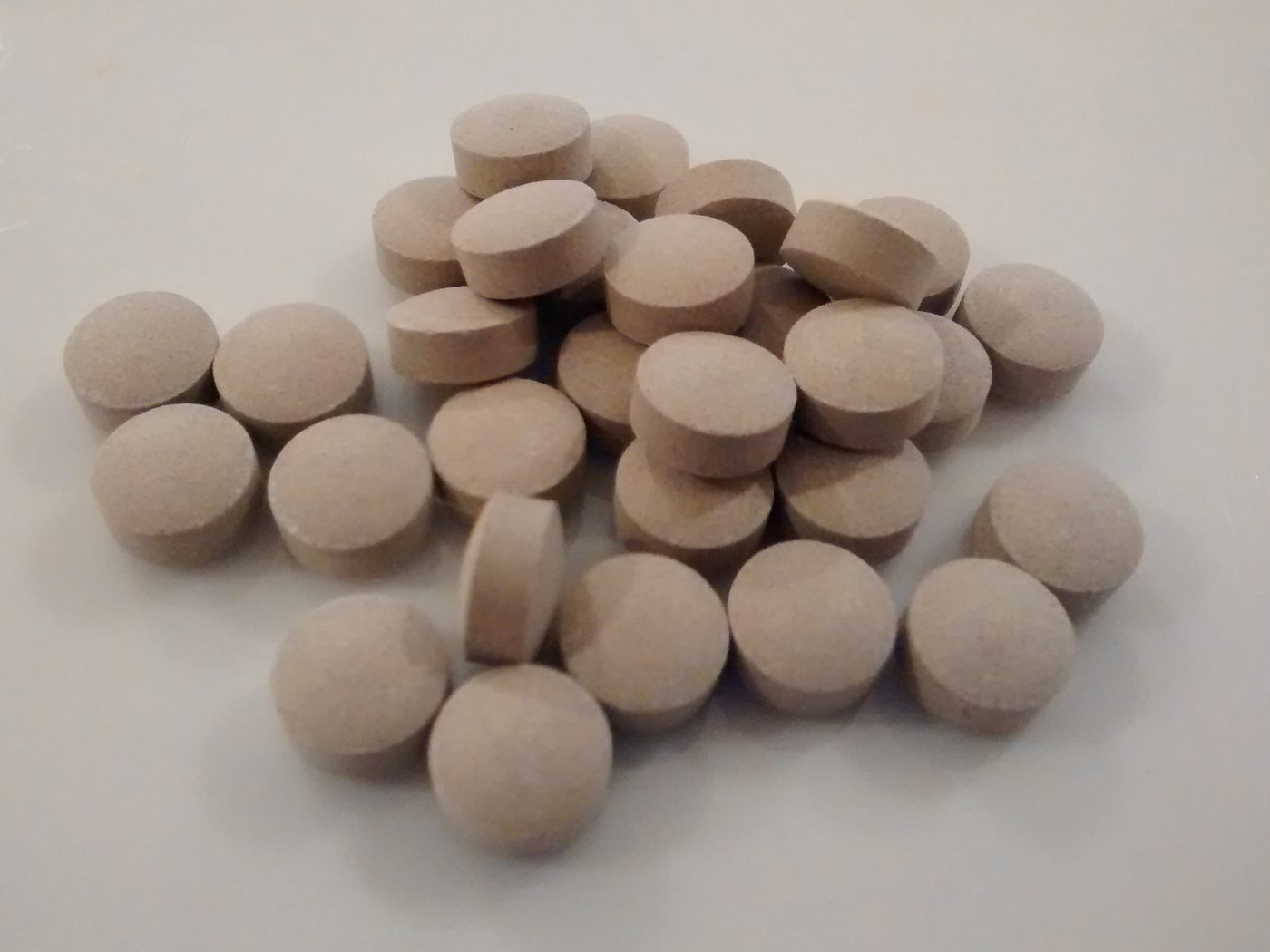
This variation has clinical relevance. A study of drug concentration monitoring used a minimum concentration of 8.4 ng/mL as the target and noted that about 40 in every 100 patients fall below it (van der Kleij, 2025). With pharmacokinetics-guided interventions, the proportion above the target rose from 33.5 to 81.4 in every 100, with no additional adverse events (van der Kleij, 2025). The authors acknowledge that a group without monitoring was missing to compare the effect on treatment duration (van der Kleij, 2025). The American label directs taking the tablet on an empty stomach and adjusts use by liver function, without recommending measurement of the concentration (FDA, 2024). For now, monitoring is a research tool and a tool of centers that offer it.
For fatigue, the lesson is indirect. Changes in how the drug is taken, such as starting to take it with food, alter exposure and, with it, the hormonal balance. Asking how and when the patient takes abiraterone is part of the history, alongside the questions about the glucocorticoid.
What the studies show about fatigue
The large abiraterone studies recorded fatigue in different ways, and reading them together helps calibrate expectations.
In the phase 3 study in men already treated with chemotherapy, fatigue was the most common adverse event and appeared with similar frequency in the abiraterone group and the control group (de Bono, 2011). In the study in men without prior chemotherapy, fatigue, joint pain and peripheral edema were reported more with abiraterone than with prednisone alone (Ryan, 2013).
In men with castration-sensitive disease, severe fatigue appeared in 2 in every 100 in both groups (James, 2017). Reading them together suggests that abiraterone adds little fatigue to that already coming from the cancer and castration, and that intense and progressive fatigue deserves an explanation.
Comparison with other antiandrogens also helps. A scoping review found that enzalutamide is associated with more fatigue and more neurological effects than abiraterone, which has more cardiovascular complications (Shah, 2022). A man who switched from enzalutamide to abiraterone and remains very tired therefore calls for investigation.
Cancer-related fatigue
Cancer fatigue has characteristics of its own. The consensus on the topic describes it as a subjective fatigue, long-lasting and that does not improve with rest or sleep (Rau, 2023). In the study cited by the consensus, patients rated fatigue as more distressing than sleep problems, pain, lack of appetite and depression, but often did not report it to the team (Rau, 2023).
This silence is a clue for the consultation. The man on abiraterone may think the tiredness is the inevitable price of treatment and not even mention the symptom. Asking actively, with a simple 0 to 10 scale, turns a vague complaint into information that can be followed over time (Rau, 2023).
Treating cancer-related fatigue also requires care. The consensus notes that there is strong evidence in favor of exercise, but that people with bone metastases, blood count changes, anemia, fever or infection should avoid exercise without guidance, and that a professional should help set up the program in doubtful cases (Rau, 2023). In metastatic prostate cancer, in which bone metastases are common, this caveat has practical weight.
The text about the price of intensification discusses the adverse effects from the point of view of the study that brought the drug to high-risk disease.
Mineralocorticoid excess and low potassium
Mineralocorticoid excess is the hormonal cause of fatigue most typical of abiraterone. In the phase 1 and 2 study with 42 men, hypokalemia appeared in 88 out of 100, hypertension in 40 out of 100 and fluid retention in 31 out of 100 (Attard, 2009). In this study, the excess was treated with eplerenone, and the glucocorticoid was used only when the antagonist did not resolve it (Attard, 2009).
Hypokalemia causes muscle weakness, cramps, tiredness and, when severe, arrhythmias. The patient rarely distinguishes weakness from fatigue, and the complaint is usually the same: "I have no strength". A potassium measurement is the simplest and most useful test in the face of this complaint.
Fluid retention is also tiring. Leg edema, rapid weight gain and shortness of breath on exertion can be read as general worsening, when in fact they point to volume overload. Higher blood pressure than usual reinforces the suspicion.
When the glucocorticoid is avoided
Some patients do not tolerate or do not want to use a glucocorticoid for a long time. A retrospective study showed that eplerenone can be used safely together with abiraterone and spare prednisone in part of these patients (Gill, 2017). The authors note that prolonged corticosteroid use is undesirable in those with diabetes or who have received immunotherapy (Gill, 2017).
The study compared, in the same period, men who used abiraterone with eplerenone because they did not want a corticosteroid and men who used abiraterone with prednisone, recording the incidence and grade of mineralocorticoid excess toxicities (Gill, 2017). The authors note that prednisone is associated precisely to prevent hypertension, hypokalemia and edema (Gill, 2017).
In this scenario, mineralocorticoid excess depends on the antagonist to be controlled, and any interruption can make potassium fall and blood pressure rise. Knowing which strategy the patient uses is part of the reasoning. The text about the treatments that weigh on the marrow and the kidney notes that other prostate treatments also have effects of their own on the body.

When the corticosteroid changes
Switching, reducing or withdrawing the glucocorticoid is a moment of risk for fatigue. It happens for several reasons: adverse effects, disease progression, diabetes, end of treatment or change of regimen.
Switching from prednisone to dexamethasone
The SWITCH study evaluated switching from prednisone to dexamethasone in men with limited progression during abiraterone use, in a group of 26 patients (Romero-Laorden, 2018). An editorial about the study highlighted that the switch can produce new PSA responses in part of the patients (Teo, 2018).
The switch also changes the side effect profile. Dexamethasone is more potent, and the study with different regimens showed insulin resistance and bone loss with it alone (Attard, 2019). Muscle weakness, changes in sleep and mood, and hyperglycemia can appear after the switch and be perceived as tiredness.
Withdrawal of the glucocorticoid
Withdrawal is more delicate. The joint European and American guideline on glucocorticoid-induced adrenal insufficiency notes that withdrawal symptoms overlap with those of adrenal insufficiency, which makes tapering difficult (Beuschlein, 2024). The same guideline suggests that, for use of less than 3 to 4 weeks, gradual tapering is generally unnecessary (Beuschlein, 2024).
The US label for abiraterone describes adrenocortical insufficiency in 0.3 per 100 of 2230 patients, versus 0.1 per 100 of 1763 on placebo, in the randomized trials (FDA, 2024). According to the label, the cases appeared in people taking the drug with prednisone after stopping the daily corticosteroid or alongside infection or stress, and monitoring for signs is advised when prednisone is withdrawn or reduced (FDA, 2024). The joint guideline considers at risk of adrenal insufficiency anyone using an oral glucocorticoid for 3 to 4 weeks or more (Beuschlein, 2024), and the man on abiraterone usually uses it for months or years. Withdrawal or reduction of the corticosteroid therefore deserves monitoring, and the decision should involve the team following the treatment.
Glucocorticoid withdrawal syndrome has musculoskeletal, gastrointestinal, neuropsychiatric, cardiovascular and metabolic symptoms, which can closely resemble adrenal insufficiency (Snyder, 2026). The authors acknowledge that the mechanisms are still poorly understood, which makes the condition harder to recognize (Snyder, 2026).
In practice, intense fatigue, muscle pain, nausea, dizziness and low mood in the weeks after a corticosteroid reduction call for assessment. Distinguishing withdrawal syndrome from true adrenal insufficiency is clinical and laboratory-based, and endocrinology helps in doubtful cases. The text on what the adrenal can produce reviews the gland's hormonal physiology.
Building the reasoning step by step
Returning to the man from the opening, the reasoning starts with what changed. Did he switch corticosteroids? Did he reduce or stop on his own? Did he start taking abiraterone with food? Did he start another drug? Did his blood pressure rise? Did he gain weight or notice swelling?
The examination looks for edema, hypertension, proximal muscle weakness, pallor and signs of dehydration. Initial tests include potassium, glucose, complete blood count, kidney function, liver function and, when the history suggests it, assessment of the adrenal axis. The search for other common causes of fatigue, such as anemia, hypothyroidism, depression, sleep disorders and pain, completes the assessment.
A few questions organize the consultation:
- whether the glucocorticoid was switched, reduced or stopped in recent weeks;
- whether the way of taking abiraterone changed;
- whether there is edema, weight gain or higher blood pressure;
- whether potassium is low;
- whether glucose rose after a corticosteroid switch;
- whether fatigue worsened along with disease progression.
The table summarizes the main hypotheses.
| Clue | Hypothesis | First step |
|---|---|---|
| Weakness, cramps, high blood pressure | Mineralocorticoid excess | Potassium and blood pressure |
| Edema and weight gain | Fluid retention | Weight, examination and volume assessment |
| Fatigue after reducing the corticosteroid | Withdrawal or adrenal insufficiency | Review the regimen and assess the axis |
| Weakness and high glucose after a switch | Effect of the new glucocorticoid | Blood glucose and muscle strength |
| Change in how the drug is taken | Altered exposure | Review with the patient how they take it |
| Pallor and shortness of breath | Anemia or progression | Complete blood count and reassessment of the disease |
| Low mood and poor sleep | Depression or sleep disorder | Screening and clinical assessment |
If potassium comes back low and blood pressure high, mineralocorticoid excess becomes the leading hypothesis, as described in the study that characterized the syndrome (Attard, 2009). If fatigue began weeks after a corticosteroid reduction, withdrawal or adrenal insufficiency move to the front (Beuschlein, 2024). If everything comes back normal and the disease progresses, cancer-related fatigue becomes the most likely explanation, now as the conclusion of an investigation.
After correcting what is treatable, reassessment closes the loop. Using the same 0 to 10 scale from the first visit shows whether fatigue improved with potassium correction, corticosteroid adjustment or anemia treatment (Rau, 2023). When the score stays high even with everything corrected, cancer-related fatigue gains strength as an explanation and starts to receive its own treatment, with guided exercise, psychological support and attention to sleep.
Recording in the chart what was investigated and what was ruled out also helps. The next person who sees this man will know the tiredness has already been studied, and any new change, such as a corticosteroid switch, can be compared with a known baseline.
The decision about cancer treatment involves several teams, and the text on rehabilitation from the start shows how attention to quality of life comes in early. Before any change to the regimen, it is also worth reviewing how the risk was classified.
How NEXO helps train this reasoning
In NEXO, the case of the day is fictional, with a real clinical presentation and up to six progressive clues, and you propose the diagnosis by searching for the ICD-10 code.
The limits of using the game are described on the NEXO Economy page. If you research the teaching of clinical reasoning, the page for Researchers explains how to get in touch. Professionals who write or review cases find information under Curator and Creators, and institutions can learn about the proposal on the partnerships page. Training differential diagnosis with clues and searching for the right ICD-10 code complete this practice.
Frequently asked questions
Does abiraterone cause fatigue?
Fatigue was the most common adverse event in a phase 3 study, but it appeared at a similar frequency in the control group (de Bono, 2011).
Why does abiraterone lower potassium?
Blocking CYP17 raises ACTH and upstream steroids, which have mineralocorticoid action and cause potassium loss (Attard, 2009).
Why is a corticosteroid used alongside it?
The glucocorticoid reduces ACTH and the steroids above the block, which controls the mineralocorticoid excess (Attard, 2009).
Can stopping the corticosteroid cause tiredness?
It can. Glucocorticoid withdrawal symptoms overlap with those of adrenal insufficiency (Beuschlein, 2024).
Does food change the effect of abiraterone?
It changes exposure. Absorption is low and greatly affected by food, with wide variation between patients (Benoist, 2016).
When does fatigue call for a full assessment?
With a score of 4 or more on a 0 to 10 scale, the consensus recommends a full assessment of fatigue (Rau, 2023).
Milestone inventory
- 2009: the phase 1 and 2 study describes the mechanism of mineralocorticoid excess and its control with eplerenone (Attard, 2009).
- 2011: the phase 3 study in men already treated with chemotherapy shows a survival gain, with fatigue as the most common event (de Bono, 2011).
- 2013: the study in men without prior chemotherapy reports more fatigue with abiraterone than with prednisone alone (Ryan, 2013).
- 2016: the pharmacokinetics review highlights the low absorption and the effect of food (Benoist, 2016).
- 2017: use in castration-sensitive disease records similar severe fatigue between groups (James, 2017), and eplerenone appears as an alternative to prednisone (Gill, 2017).
- 2018: the SWITCH study evaluates switching from prednisone to dexamethasone (Romero-Laorden, 2018).
- 2019: a randomized trial compares glucocorticoid regimens (Attard, 2019), and a crossover study measures the effect of food (Lubberman, 2019).
- 2024: the joint guideline addresses glucocorticoid-induced adrenal insufficiency and withdrawal syndrome (Beuschlein, 2024).
- 2025: a study monitoring concentration shows that pharmacokinetics-guided interventions raise the proportion of patients within target (van der Kleij, 2025).
Take-home messages
- Fatigue in people taking abiraterone has several sources, and some are treatable.
- Mineralocorticoid excess causes hypokalemia, hypertension and fluid retention, and potassium is the first test.
- The associated glucocorticoid is part of the mechanism, and changing or stopping the corticosteroid can produce symptoms.
- Dexamethasone has its own effects on glucose and bone.
- Exposure to abiraterone varies widely between patients and depends on how the drug is taken.
- Moderate or severe fatigue calls for a full assessment before it is attributed to the cancer.
Want to train your reasoning in the face of fatigue with many causes? Play the case of the day on NEXO.
References
- Attard G, Merseburger AS, Arlt W, et al. Assessment of the Safety of Glucocorticoid Regimens in Combination With Abiraterone Acetate for Metastatic Castration-Resistant Prostate Cancer: A Randomized, Open-label Phase 2 Study. JAMA Oncol. 2019. PMID 31246234. DOI 10.1001/jamaoncol.2019.1011.
- Attard G, Reid AH, A'Hern R, et al. Selective inhibition of CYP17 with abiraterone acetate is highly active in the treatment of castration-resistant prostate cancer. J Clin Oncol. 2009. PMID 19470933. DOI 10.1200/JCO.2008.20.0642.
- Benoist GE, Hendriks RJ, Mulders PF, et al. Pharmacokinetic Aspects of the Two Novel Oral Drugs Used for Metastatic Castration-Resistant Prostate Cancer: Abiraterone Acetate and Enzalutamide. Clin Pharmacokinet. 2016. PMID 27106175. DOI 10.1007/s40262-016-0403-6.
- Beuschlein F, Else T, Bancos I, et al. European Society of Endocrinology and Endocrine Society Joint Clinical Guideline: Diagnosis and Therapy of Glucocorticoid-induced Adrenal Insufficiency. J Clin Endocrinol Metab. 2024. PMID 38724043. DOI 10.1210/clinem/dgae250.
- de Bono JS, Logothetis CJ, Molina A, et al. Abiraterone and increased survival in metastatic prostate cancer. N Engl J Med. 2011. PMID 21612468. DOI 10.1056/NEJMoa1014618.
- FDA. Abiraterone acetate tablets: prescribing information. DailyMed, revised 11/2024. Label on DailyMed.
- Gill D, Gaston D, Bailey E, et al. Efficacy of Eplerenone in the Management of Mineralocorticoid Excess in Men With Metastatic Castration-resistant Prostate Cancer Treated With Abiraterone Without Prednisone. Clin Genitourin Cancer. 2017. PMID 28131750. DOI 10.1016/j.clgc.2016.12.008.
- James ND, de Bono JS, Spears MR, et al. Abiraterone for Prostate Cancer Not Previously Treated with Hormone Therapy. N Engl J Med. 2017. PMID 28578639. DOI 10.1056/NEJMoa1702900.
- Lubberman FJE, Benoist GE, Gerritsen W, et al. A prospective phase I multicentre randomized cross-over pharmacokinetic study to determine the effect of food on abiraterone pharmacokinetics. Cancer Chemother Pharmacol. 2019. PMID 31515667. DOI 10.1007/s00280-019-03952-w.
- Rau KM, Shun SC, Hung SH, et al. Management of cancer-related fatigue in Taiwan: an evidence-based consensus for screening, assessment and treatment. Jpn J Clin Oncol. 2023. PMID 36354095. DOI 10.1093/jjco/hyac164.
- Romero-Laorden N, Lozano R, Jayaram A, et al. Phase II pilot study of the prednisone to dexamethasone switch in metastatic castration-resistant prostate cancer (mCRPC) patients with limited progression on abiraterone plus prednisone (SWITCH study). Br J Cancer. 2018. PMID 30131546. DOI 10.1038/s41416-018-0123-9.
- Ryan CJ, Smith MR, de Bono JS, et al. Abiraterone in metastatic prostate cancer without previous chemotherapy. N Engl J Med. 2013. PMID 23228172. DOI 10.1056/NEJMoa1209096.
- Shah YB, Shaver AL, Beiriger J, et al. Outcomes Following Abiraterone versus Enzalutamide for Prostate Cancer: A Scoping Review. Cancers (Basel). 2022. PMID 35954437. DOI 10.3390/cancers14153773.
- Snyder CN, Frontera ED, Meng J, et al. Potential mechanisms of the glucocorticoid withdrawal syndrome. Eur J Endocrinol. 2026. PMID 41988948. DOI 10.1093/ejendo/lvag062.
- Teo MY, Scher HI. Lessons from the SWITCH trial: changing glucocorticoids in the management of metastatic castration-resistant prostate cancer (mCRPC). Br J Cancer. 2018. PMID 30344307. DOI 10.1038/s41416-018-0239-y.
- van der Kleij MBA, Meertens M, Groenland SL, et al. Feasibility and efficacy of therapeutic drug monitoring of abiraterone in metastatic castration-resistant prostate cancer patients. Br J Cancer. 2025. PMID 39934337. DOI 10.1038/s41416-025-02954-1.