Acute and chronic leukemias: how the team organizes
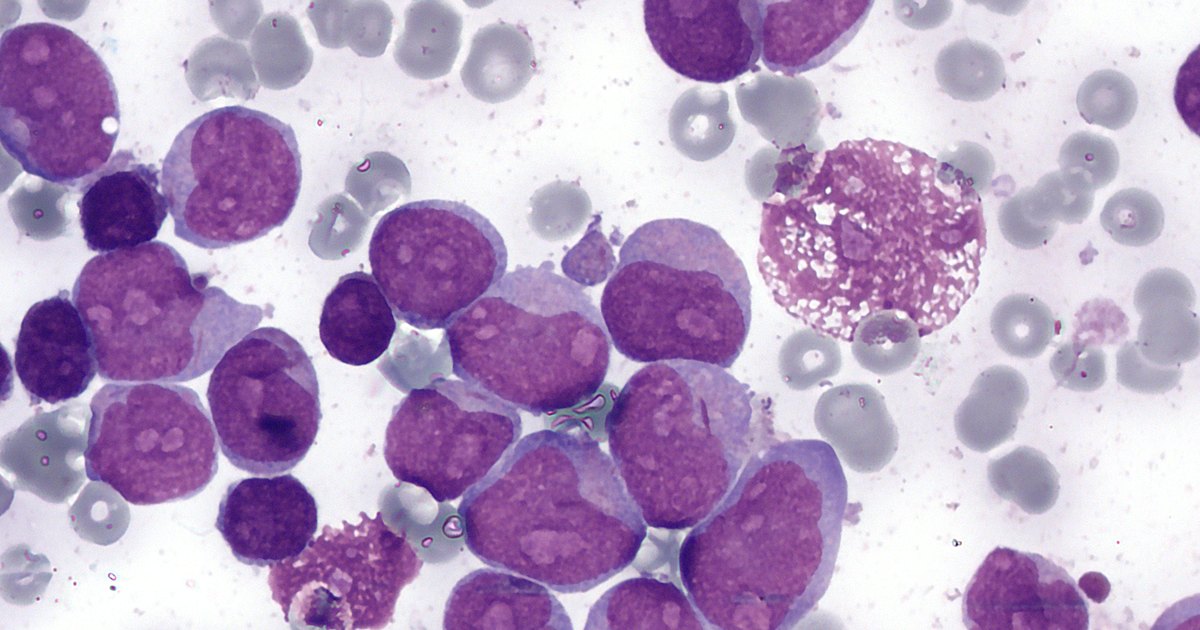
Table of contents
- Acute or chronic: two paces of care
- The first hours when acute leukemia is suspected
- Promyelocytic leukemia: the urgency that saves lives
- The molecular laboratory and the time until the result
- Infectious diseases during induction
- Transplant and older patients
- Chronic leukemias: adherence, monitoring and watchful waiting
- Long-term follow-up and survival
- How NEXO helps train this reasoning
- Frequently asked questions
- Final checklist
- References
A 41-year-old rideshare driver arrives at the emergency department with purple spots on his legs, bleeding gums and fatigue that started a week ago. The complete blood count shows very low platelets, abnormal white blood cells and immature cells in the blood. Coagulation tests also come back abnormal. The on-call physician thinks of acute leukemia and calls hematology in the early hours of the morning. The hematologist asks the laboratory to look at the smear urgently and already prescribes a medication before any genetic result. The scene is fictional and was written for teaching.
This text uses the case as a setting for clinical reasoning for students and health professionals. The topic is how the team organizes itself in the care of leukemias, from the acute ones, which demand decisions within hours, to the chronic ones, which demand follow-up for years. The focus is on joint work among hematology, the morphology and molecular biology laboratory, infectious diseases, hemotherapy, the transplant center, nursing, pharmacy and primary care. The text does not replace your country's guideline or your service's protocol. If you play the case of the day on NEXO, you will recognize the challenge: some clues call for action before the picture is complete.
Key points
- Acute and chronic leukemias have very different paces, and the team's organization must keep up with that pace.
- When acute promyelocytic leukemia is suspected, treatment starts before genetic confirmation, because the risk of fatal bleeding is early.
- The molecular laboratory defines risk and treatment, and the time until the result is part of care.
- Infection prevention and transfusion support sustain the induction phase.
- In chronic leukemias, adherence, molecular monitoring and life with the disease take center stage.
- Long-term follow-up is shared between the specialized center and primary care.
Acute or chronic: two paces of care
Leukemia is the name given to cancers of the cells that form in the bone marrow. The most useful division for organizing care is between acute and chronic. In acute leukemias, such as acute myeloid leukemia and acute lymphoblastic leukemia, immature cells multiply fast and fill the marrow, which brings down red blood cells, platelets and defenses within days or weeks. In chronic ones, such as chronic myeloid leukemia and chronic lymphocytic leukemia, the disease usually evolves over months or years, often found on a routine complete blood count.
This difference changes everything in how the team is organized. In the acute setting, the work resembles an emergency: admission, tests within hours, quick decisions about treatment, transfusions and antibiotics. In the chronic setting, the work resembles that of a long-term disease, such as diabetes or heart failure: periodic visits, control tests, adherence to medication, accumulated adverse effects and social and professional life preserved whenever possible.
The same hematology service must work at both paces. For that, the support areas also organize themselves differently. The laboratory needs fast tracks for acute cases. Hemotherapy needs stock and protocols for patients who receive many transfusions. The pharmacy follows interactions of medications that will be taken for years. Primary care needs to know what to watch between visits. The text on interprofessional clinical reasoning discusses why each profession sees different parts of the same patient.
| Aspect | Acute leukemias | Chronic leukemias |
|---|---|---|
| Pace of the disease | Days to weeks | Months to years |
| Main place of care | Inpatient ward and day hospital | Outpatient clinic |
| Initial decision | Within hours or a few days | Within weeks, with time to plan |
| Laboratory | Urgent morphology, flow cytometry and genetics with a short deadline | Periodic molecular monitoring |
| Support | Transfusions, infection prevention, central catheter | Control of adverse effects and comorbidities |
| Central challenge | Surviving the initial phase and reaching remission | Maintaining a response with quality of life |
The first hours when acute leukemia is suspected
Suspicion usually arises from a blood count showing cytopenias and immature cells, called blasts. The first step is to confirm what is seen in the blood and in the marrow. Morphology, done by whoever looks at the slide under the microscope, gives the first clue. Flow cytometry defines the lineage, myeloid or lymphoid. Cytogenetics and molecular biology identify alterations that define subtypes, risk and, increasingly, treatment.
While the diagnosis moves forward, the team manages the complications that can kill before the leukemia does. Infection with neutropenia, bleeding, coagulation disorders, tumor lysis syndrome and an excess of white blood cells that block small vessels are emergencies in themselves. In a study from a resource-limited center on early mortality related to acute leukemia treatment, 9 in every 100 patients died in the first 30 days of treatment, and sepsis was the main cause, followed by differentiation syndrome and cerebral hemorrhage.
These numbers depend heavily on the setting and the patient profile, but the lesson is general. The initial phase of acute leukemia requires a team trained to recognize infection, bleeding and metabolic changes early. Nursing plays a decisive role: it is nursing that sees the fever at three in the morning, the discreet bleeding at the venous access and the change in behavior that may indicate hemorrhage.
What is usually done in the first hours
- Blood count with slide review by an experienced professional.
- Full coagulation panel, including fibrinogen, to detect disseminated intravascular coagulation.
- Biochemistry with renal function, uric acid, potassium, phosphorus and lactate dehydrogenase.
- Cultures and prompt antibiotics if there is fever with low neutrophils.
- Blood typing and reservation of blood components.
- Early contact with the reference hematology service when the hospital does not have one.
Promyelocytic leukemia: the urgency that saves lives
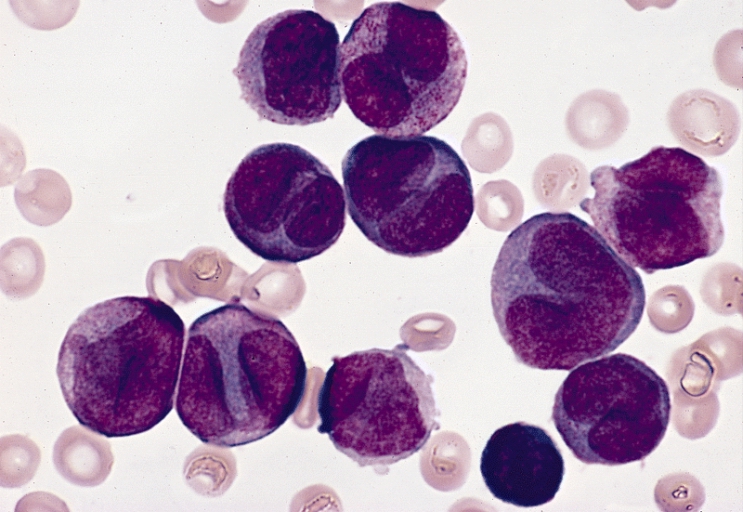
Acute promyelocytic leukemia is a subtype of acute myeloid leukemia with a feature that defines the team's work: the risk of severe bleeding and disseminated intravascular coagulation right at the start. At the same time, it is one of the subtypes with the best long-term outcome, thanks to the combination of transretinoic acid, a vitamin A derivative, with arsenic trioxide.
The long-term outcome is impressive. An Italian analysis of patients treated with transretinoic acid and arsenic trioxide showed that those who survive the acute phase have a life expectancy equal to that of the general population. The authors highlight that the biggest obstacle today is early deaths, before the treatment takes effect.
That is why the practical rule is to start transretinoic acid as soon as suspicion is strong, based on morphology and coagulation, without waiting for genetic confirmation. In a US national study of 5,155 hospitalizations for acute promyelocytic leukemia, only about 25 in every 100 patients received treatment in the first 24 hours. In the same study, early treatment was associated with less disseminated intravascular coagulation, less sepsis and lower in-hospital mortality, at 4.6 versus 6.7 in every 100 patients.
In the early mortality study cited above, promyelocytic leukemia had the highest mortality in the first 30 days, at about 29 in every 100 patients. The difference between these scenarios shows what organization can do: a laboratory that alerts the physician right away, a pharmacy with the drug available in the hospital, a blood bank ready to replace platelets and fibrinogen, and a team that knows differentiation syndrome, a complication of the treatment itself.

The molecular laboratory and the time until the result
In acute myeloid leukemia, risk classification and treatment choice depend on genetic alterations, such as mutations in FLT3, NPM1, IDH1, IDH2 and TP53, as well as chromosomal rearrangements. Some of these alterations have targeted drugs, which are given along with chemotherapy or after it. For this reason, the time between bone marrow collection and the molecular report is no longer an administrative detail and has become part of treatment.
A national mapping of laboratories that run tests for acute myeloid leukemia in Canada showed that reducing the time to the result was a priority for 56 out of every 100 laboratories. In the same survey, rapid tests, with results in up to five days, were available for FLT3 in 69 out of every 100 laboratories, while other markers, such as IDH1 and TP53, were rapid in only a few services.
For the clinical team, this means knowing the flow of their own laboratory: which tests come back in days, which take weeks, where samples are sent and how to receive the result. For the laboratory, it means integrating morphology, cytometry, cytogenetics and molecular biology into a single report that hematology can use in the decision meeting. The conversation between the two ends avoids lost samples, repeated tests and avoidable delays.
Questions the team asks the laboratory
- Which markers come back in up to five days and which take longer?
- What type of tube and sample volume are needed for each test?
- Do the results arrive in an integrated report or in separate reports?
- Who tells the team when a result changes the treatment?
- Is there monitoring of measurable residual disease and how often?
Infectious diseases during induction
Induction chemotherapy for acute leukemia leaves the patient without neutrophils for weeks. During this period, bacteria and fungi that would not normally cause disease can be fatal. Prevention and rapid treatment of these infections are one of the reasons survival has improved in recent decades, and infectious diseases is a fixed part of the team.
A review on antifungal management in hematologic neoplasms proposes stratifying the patient's risk and recommends prophylaxis with an antifungal active against filamentous fungi, mainly posaconazole, in high-risk situations, such as induction for acute myeloid leukemia. The same review warns that new drugs, such as venetoclax and FLT3 inhibitors, interact with azole antifungals and require dose adjustment, and supports chest tomography and early fungal biomarkers when infection is suspected.
This is a point where clinical pharmacy makes a difference. More and more patients receive combinations of chemotherapy, targeted therapy, antifungals, antivirals and antibiotics at the same time. An unnoticed interaction can cause severe toxicity or leave the treatment without effect. Daily review of the prescription, with infectious diseases and hematology, reduces this risk.
For the driver in the scene, infectious diseases comes in even before the first dose of chemotherapy. The team reviews vaccines, screens for latent infections, such as hepatitis and tuberculosis when indicated, checks the mouth and skin for sources and advises the family on hygiene, food and signs of fever. The central catheter, needed for weeks of treatment, receives daily nursing care, because it is one of the most common entry points for bacteria.
Hemotherapy and transfusion support
Patients with acute leukemia receive many red blood cell and platelet transfusions during treatment. Hemotherapy must ensure availability, compatibility and safety, and the clinical team must decide when to transfuse. The most accepted thresholds are restrictive, but the specific evidence for acute leukemia is still limited.
In a Canadian national survey on red blood cell transfusion thresholds in acute leukemia, 79 out of every 100 physicians used a hemoglobin level of 7 g/dL as the trigger for stable patients in induction. The same authors note that restrictive recommendations are based on indirect, low-certainty evidence, and most physicians would agree to include patients in a study comparing different strategies.
In practice, the threshold is adjusted to the patient: active bleeding, fever, infection, a scheduled procedure and symptoms change the decision. Nursing monitors transfusion reactions, and the blood bank advises on irradiated or filtered blood components when indicated, for example before and after a transplant. Working together avoids both unnecessary transfusion and lack of support at a critical moment.
Transplant and older patients
For many people with intermediate- or high-risk acute leukemia, allogeneic hematopoietic stem cell transplant is the most concrete chance of prolonged control. The decision involves the risk of the disease, clinical condition, measurable residual disease and donor availability. That is why the search for a donor, among siblings, registries or partially matched donors, usually starts at diagnosis, not after remission.
Age complicates the decision. Acute myeloid leukemia is more common in older people, who often have comorbidities and less reserve to withstand intensive chemotherapy. In a real-world study of older patients with acute myeloid leukemia, with a median age of 71 years, there was no significant difference in survival between intensive and non-intensive treatment, and the patient's functional status was the factor associated with survival. The authors warn that the result does not prove the treatments are equivalent, but it reinforces the value of functional assessment.
Here geriatrics and functional assessment gain ground. Measuring mobility, cognition, nutrition, family support and preferences helps choose between intensive treatment, lower-intensity therapy or care focused on comfort. This conversation needs to include palliative care from the start, not as giving up, but as support for symptoms and decisions. The post about affective bias recalls how emotion can push the team toward decisions the patient would not make.
Chronic leukemias: adherence, monitoring and watchful waiting
Chronic myeloid leukemia changed level with tyrosine kinase inhibitors, pills that block the BCR::ABL1 protein responsible for the disease. In a retrospective study of 650 adults with chronic myeloid leukemia treated with these inhibitors, 76 in 100 achieved a major molecular response, and overall survival at three years was about 96 in 100 patients. The same authors stress that periodic molecular monitoring remains essential.
With treatment that can last a lifetime, low-intensity adverse effects start to weigh on adherence and quality of life. A Canadian review on asciminib in chronic myeloid leukemia describes the shift in priorities toward long-term tolerability and the possibility of stopping treatment in patients with a deep and sustained response, always with rigorous monitoring. The same review notes that, faced with an insufficient response, the first step is to assess adherence and test for mutations before switching the drug.


Chronic lymphocytic leukemia follows another logic. Many patients do not need treatment at diagnosis and enter watchful waiting, with periodic visits and tests, until criteria for treatment appear. This strategy avoids toxicity without loss of survival in those with stable disease, but it is not passive for those living with it. A qualitative systematic review on living with cancer under watchful waiting describes fear, anxiety, uncertainty, isolation and the difficulty family members have in understanding the distress in the absence of active treatment, and recommends clear communication and psychological or peer support.
The topic connects with the text on overdiagnosis, which discusses when observing is better than treating. In chronic lymphocytic leukemia, observing is real treatment, and it needs to be explained as such.
Chronic leukemia routine in the outpatient clinic
- Periodic molecular test with the same laboratory, to compare results over time.
- Review of adherence and adverse effects at every visit, with help from the pharmacy.
- Check for interactions with new medications prescribed by other doctors.
- Up-to-date vaccines and guidance on signs of infection.
- A clear explanation of the criteria that would indicate starting or changing treatment.
Long-term follow-up and survival
With more people living for years after leukemia, acute or chronic, follow-up now involves needs that go beyond the blood count. An Australian qualitative study with leukemia survivors described survival as continuous and uncertain, with effects that persist, and highlighted that it is team work, with a large weight of work and financial security in patients' identity. The authors proposed their own model of care for leukemia survivors.
The format of appointments can change too. In a Danish study of follow-up guided by questionnaires answered by patients with lymphoma and chronic lymphocytic leukemia, in 64 out of every 100 questionnaires patients indicated they did not need an in-person appointment, and 49 out of every 100 scheduled appointments were canceled without relapses that required treatment soon afterward. The results come from a small study, but they show that follow-up can be lighter without losing safety when there is a well-designed system.
Primary care is part of that system. It monitors blood pressure, cholesterol, blood glucose, mental health, vaccines and cancer screenings, and it needs a written summary of the treatment received and of the signs that call for quick contact with hematology.
What the follow-up plan should contain
- Diagnosis, subtype, genetic alterations and treatments received.
- Schedule of tests and appointments, with who does each one.
- Warning signs for relapse or progression.
- Expected late effects, such as on the heart, fertility and mental health.
- Direct contact of the hematology center for primary care.
How NEXO helps train this reasoning
NEXO uses fictional cases with a real clinical presentation, with up to six clues, to train step-by-step decision-making. In leukemia, the skill is knowing when one clue is enough to act, such as altered coagulation in suspected promyelocytic leukemia, and when it is worth waiting for more information, such as when choosing the treatment for a chronic leukemia. The text on how to train differential diagnosis with clues shows how to order hypotheses, and the post on vesicant chemotherapy extravasation brings another example of an emergency in which the team needs to act fast.
The Researcher track goes deeper into the mechanisms behind the clues, the Closer profile helps measure your own accuracy, Curator organizes case curation and Creators brings together those who produce medical content. The limits of use are at /economia.
Frequently asked questions
What is the difference between acute and chronic leukemia?
In acute leukemia, immature cells multiply fast and the disease progresses in days or weeks, requiring immediate treatment. In chronic leukemia, progression is slower, over months or years, and treatment can be planned or even postponed.
Why does treatment for promyelocytic leukemia start before confirmation?
Because the risk of severe bleeding is higher in the first days, and retinoic acid reduces that risk. Waiting for the genetic result can cost the patient's life.
Why are genetic tests so important in acute myeloid leukemia?
Because they define the risk of the disease, the indication for transplant and, in several cases, the choice of drugs targeted at specific mutations.
Will every patient with acute leukemia have a transplant?
No. The indication depends on the subtype, the genetic risk, the response to treatment, the clinical condition and the availability of a donor. In many cases, the search for a donor starts at diagnosis so as not to lose time.
Is it safe to wait without treating chronic lymphocytic leukemia?
In patients without criteria for treatment, watchful waiting is the recommended approach and avoids toxicity without loss of survival. It requires regular appointments and a clear explanation of the signs that would change the approach.
Who follows the patient after treatment?
In general, the hematology center and primary care share follow-up, with a written plan that defines tests, warning signs and contacts.
Final checklist
- Blood smear reviewed urgently and full coagulation panel in suspected acute leukemia.
- Retinoic acid started without waiting for genetics when promyelocytic leukemia is suspected.
- Sample flow and molecular laboratory deadlines known by the team.
- Infection prophylaxis defined according to risk, with pharmacy review of interactions.
- Transfusion threshold recorded and adjusted to the clinical picture.
- Donor search started early when transplantation is a possibility.
- Functional assessment and conversation about goals in older patients.
- Written monitoring, adherence and follow-up plan for chronic leukemias.
Play the case of the day on NEXO and practice recognizing the clue that calls for immediate action.
References
- AlJafar N, Mohammed A, Ali T, et al. Early Treatment-Related Mortality in Acute Leukemia: A Real-World, Single-Center Study From a Resource-Limited Setting. Cureus. 2026. PMID 42483110.
- Boutry C, Covington M, Kochar A, et al. Living with Cancer under watch and wait: a qualitative systematic review and thematic synthesis. Front Psychol. 2026. PMID 42898263.
- Khan F, Ahmad A, Ayyazuddin M, et al. Association of Early Chemotherapy With Reduced In-Hospital Mortality and Complications in Acute Promyelocytic Leukemia: Insights From a Nationwide Cohort. Cancer Diagn Progn. 2026. PMID 42078315.
- Kim DDH, Busque L, Hillis C, et al. Integrating Asciminib into the Evolving Treatment Landscape of Chronic Myeloid Leukemia: A Canadian Perspective. J Blood Med. 2026. PMID 42807211.
- Kirsten S, Laidsaar-Powell R, Shaw JM, et al. The holistic model of leukaemia survivorship care: derived from a qualitative exploration of leukaemia survivorship. Support Care Cancer. 2025. PMID 40153078.
- Liu Y, Zhang L, Zeng L. Treatment response and survival outcomes with BCR-ABL tyrosine kinase inhibitors in chronic myeloid leukemia: a retrospective study. Front Med (Lausanne). 2026. PMID 42688142.
- Luo TYX, Usta S, McGinnis E, et al. Charting the Future of Canadian Adult Acute Myeloid Leukemia (AML) Laboratory Testing: A Canadian Leukemia Study Group Current State Mapping of Diagnostic AML Laboratory Practice. Curr Oncol. 2026. PMID 42782852.
- Modi D, Houston BL, Leber B, et al. Red blood cell transfusion thresholds in acute leukemia: Current practice and physician perspectives from a national survey. Transfusion. 2026. PMID 42032976.
- Özkocaman V, Kırkızlar TA, Metan G, et al. Antifungal Management in Patients with Hematological Malignancies: From Primary Prophylaxis to Empirical and Diagnosis-Driven Treatment. Turk J Haematol. 2026. PMID 42535888.
- Piciocchi A, Talone A, Messina M, et al. Normal life expectancy after all-trans retinoic acid and arsenic trioxide for acute promyelocytic leukemia. Leukemia. 2026. PMID 42260109.
- Roed ML, Johansen MLK, Jensen P, et al. Clinical follow-up using patient-reported outcome (PRO) for patients with lymphoma and chronic lymphocytic leukemia in a hematological outpatient clinic: a Danish prospective study. Sci Rep. 2026. PMID 42050093.
- Yuksekli DE, Bayar A, Uzunoglu Guren C, et al. Intensive Versus Non-Intensive Therapy in Older Patients with Acute Myeloid Leukemia: A Real-World Experience. Medicina (Kaunas). 2026. PMID 42796339.