



Obstetrics and gynecologyTropical and travel medicineInfectious diseases
In a fictional case, a 2-year-old girl arrives at the emergency department on the fifth day of diarrhea that started watery and became bloody. The fever has passed, but she is pale, drowsy and has barely wet her diaper since the night before. Two days earlier, another service had prescribed an antibiotic and a medicine to stop the bowel. The family reports that they made hamburgers at home over the weekend and that the girl ate the meat still pink inside. The blood count shows new anemia, low platelets and schistocytes on the smear; creatinine is three times above normal for age.
This is the picture of hemolytic uremic syndrome (HUS) associated with Shiga toxin-producing Escherichia coli, the most common form of thrombotic microangiopathy in children (Gülhan and Özaltın, 2021). The World Health Organization (WHO) describes HUS as the most common cause of acute kidney failure in young children and notes that antibiotics are not part of the treatment for this infection (WHO, note on E. coli).
This text follows the path of the bacterium from food to the kidney, the signs that anticipate the syndrome, what not to do in bloody diarrhea, the support that saves lives, the forms that do not depend on the toxin and the follow-up that needs to last for years.
Key points
Summary
HUS belongs to the group of thrombotic microangiopathies, diseases in which endothelial injury forms microthrombi in small vessels. Red blood cells fragment as they pass through these vessels, platelets are consumed and the kidney, with its dense network of glomerular capillaries, loses filtration (Gülhan and Özaltın, 2021). Thrombotic thrombocytopenic purpura, more common in adults, is separated from HUS by severe deficiency of the enzyme ADAMTS13.
The old classification, which divided HUS into a form with diarrhea and a form without diarrhea, was abandoned, because diarrhea appears in both groups. Today classification is by cause: Shiga toxin HUS, pneumococcal HUS, complement-mediated atypical HUS and forms secondary to drugs, transplantation, autoimmune diseases or cobalamin C deficiency (Gülhan and Özaltın, 2021).
Shiga toxin HUS accounts for 85 to 90 percent of pediatric HUS and affects mainly children under 3 to 5 years old (Gülhan and Özaltın, 2021). In Europe and North America, incidence is between 1.9 and 2.9 per 100,000 children under 5 years old per year (Gülhan and Özaltın, 2021). The systematic review by de Zwart and colleagues summarizes the severity: mortality of 3 to 5 percent, neurological involvement in about 20 percent and dialysis in the acute phase in about 40 percent (de Zwart et al., 2024).
The child who worsens quickly in diarrhea that seemed ordinary is a recognition challenge; pediatric warning scores help to see deterioration before collapse. Training with fictional pediatric cases is in the clinical reasoning exercises for pediatrics.
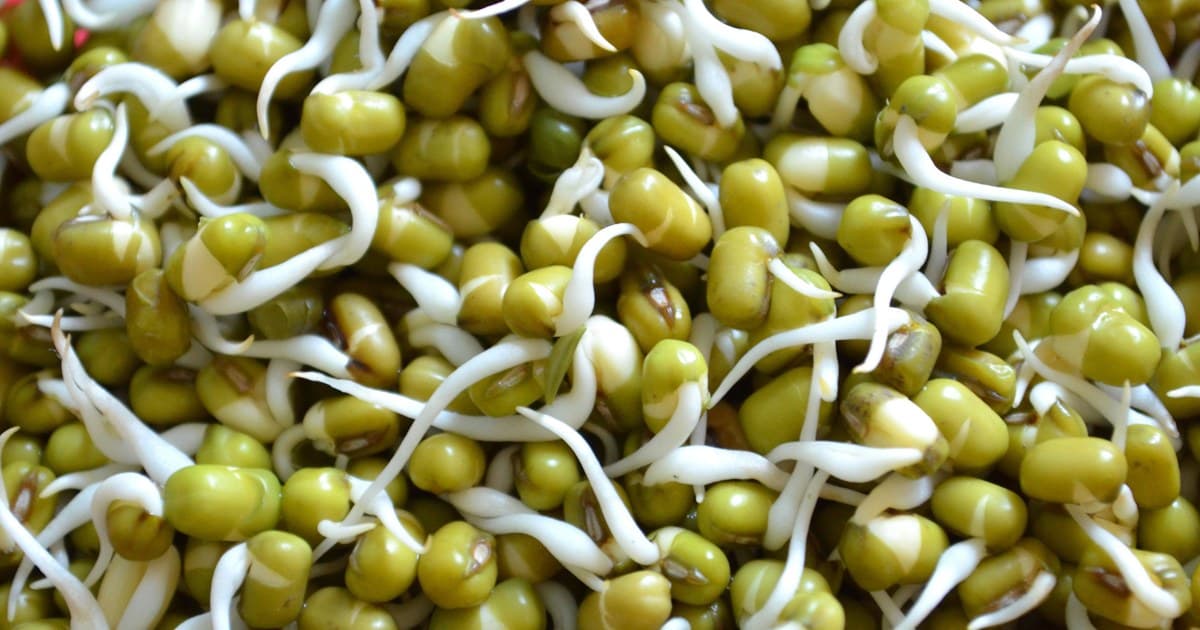
The main reservoir of Shiga toxin-producing E. coli is cattle; sheep, goats and deer also carry the bacterium without becoming ill (WHO, fact sheet on E. coli). A child becomes infected by eating undercooked ground beef, drinking raw milk or eating raw vegetables and sprouts contaminated with animal feces. Water from wells, lakes and poorly maintained pools, contact with animals on farms and person-to-person transmission complete the routes (WHO, fact sheet on E. coli). It is a clear example of the One Health reasoning, where the diagnosis depends on the animal and the environment.
The bacterium withstands acidic environments and survives for months in manure and in the sediment of drinking troughs, but it dies with thorough cooking (WHO, fact sheet on E. coli). Serotype O157:H7 is the most studied, but other serotypes cause outbreaks, such as O104:H4, responsible for the large German outbreak of 2011, linked to fenugreek sprouts (Joseph et al., 2020).
WHO estimates for foodborne diseases, published by the FERG group, calculated that 0.8 percent of O157 infections and 0.03 percent of infections by other serotypes progress to HUS, and that 3 percent of HUS cases end in end-stage renal disease (Kirk et al., 2015). The same work assumed a case fatality of 20 percent for end-stage renal disease in rich countries and 100 percent elsewhere, because chronic dialysis is not available (Kirk et al., 2015). The inequality in access to treatment follows the inverse care law.
Latin America has the highest recorded incidence, about ten times that of other continents (Gülhan and Özaltın, 2021). Argentina notified 10.4 HUS cases per 100,000 children under 5 years old in 2001, and there HUS is the second cause of chronic kidney failure in childhood (Rivas et al., 2003). The Argentine report linked a sporadic HUS case to a hamburger made at home, with the same strain found in the raw meat kept in the family's refrigerator (Rivas et al., 2003).
The bacterium attaches to the large intestine and releases Shiga toxin, which crosses the damaged mucosa and enters the circulation. The toxin binds to the Gb3 receptor, abundant in the glomerular endothelium, blocks protein synthesis and activates inflammatory and thrombotic pathways, in addition to activating complement (Gülhan and Özaltın, 2021). The result is swollen endothelium, capillary lumen closed by microthrombi and a kidney without flow.
Diarrhea begins 3 to 8 days after ingesting the contaminated food, usually watery at first and bloody later, with severe abdominal pain and vomiting (WHO, fact sheet on E. coli). Fever is usually low or absent, which helps distinguish it from other dysenteries. Signs of HUS appear 2 to 14 days after the onset of diarrhea, often when the intestine is already improving (Liu et al., 2022). The WHO estimates that up to 10 percent of infected people progress to HUS (WHO, fact sheet on E. coli).
Factors linked to higher risk include serotype O157:H7, Stx2-type toxin, age under 5 years, fever, severe diarrhea, female sex and leukocytosis (Gülhan and Özaltın, 2021). High leukocytosis at the start was also one of the risk markers in Wong's prospective study (Wong et al., 2000).
In a study cited by Gülhan and Özaltın, only 41 percent of children had the three components of the triad at disease onset (Gülhan and Özaltın, 2021). Therefore, a child with bloody diarrhea needs blood count, blood smear, creatinine and urinalysis repeated in the following days, even if the first test comes back normal. Waiting methodically, and not carelessly, is the logic of watchful waiting as a diagnostic test.
Typical laboratory findings are hemoglobin below 8 to 10 g/dL, schistocytes on the smear, raised reticulocytes and lactate dehydrogenase, low haptoglobin and a negative direct Coombs test (Gülhan and Özaltın, 2021). The negative Coombs separates HUS from immune hemolysis, including the transfusion hemolysis discussed in the text on transfusion reaction. In the kidney, hematuria, proteinuria and often oliguria or anuria appear.
The etiologic diagnosis comes from the stool: culture on selective media, Shiga toxin testing by immunoassay and detection of the toxin genes by real-time PCR (Liu et al., 2022). The sample must be collected early, because the bacterium disappears from the stool over the following days. Serology for the lipopolysaccharide of common serogroups helps when the culture is negative (de Souza et al., 2011).
The central nervous system is the organ most affected outside the kidney: irritability, drowsiness, seizures, stroke and coma (Gülhan and Özaltın, 2021). The WHO cites neurological complications in about 25 percent of HUS cases (WHO, note on E. coli). The intestine can suffer necrosis and perforation, the pancreas can become inflamed and the heart can have myocarditis or infarction. Multiple organ injury and the need for dialysis recall another renal emergency in which fluids and potassium decide the outcome, crush syndrome.
The prospective study by Wong and colleagues followed 71 children with E. coli O157:H7 infection in the state of Washington. Among them, 14 percent progressed to HUS, and the antibiotic was associated with a relative risk of 14.3 in the initial analysis (Wong et al., 2000). After adjusting for leukocytosis and the day of stool collection, the association persisted, with a relative risk of 17.3 (Wong et al., 2000). Sulfonamides and beta-lactams had a similar risk.
Later studies confirmed the direction of the effect. A 2016 meta-analysis, limited to studies with lower risk of bias, estimated a 2.24 times higher odds of HUS with antibiotics (Tarr et al., 2018). In the study by Tarr and colleagues, the association appeared with every definition of HUS tested, and the highest estimate corresponded to one extra case of HUS for every 6 to 7 children treated (Tarr et al., 2018). The likely explanation is that antibiotics that damage the bacterium increase the release of the toxin.
The WHO is direct: antibiotics are not part of the treatment of infection by Shiga toxin-producing E. coli and may increase the risk of HUS (WHO, note on E. coli). In a child with bloody diarrhea and no high fever, the safest approach is to collect stool before any medication, avoid empirical antibiotics and avoid antidiarrheals that slow intestinal transit. Bloody diarrhea in an area where other bacteria such as Shigella are endemic calls for clinical judgment and the local protocol, the same kind of reasoning discussed in the text on typhoid fever and misleading tests.
In the girl from the opening, the antibiotic and the antidiarrheal prescribed on the second day did not cause the infection, but may have worsened the risk. That is why the first visit for bloody diarrhea in a small child is the moment to explain the warning signs to the family: pallor, drowsiness and little urine.
The first pillar is volume management. For many years, fluid restriction was the rule; today, early volume expansion with isotonic crystalloid, guided by clinical assessment, is recommended during the diarrhea phase and at the onset of HUS, with the goal of maintaining renal perfusion (Joseph et al., 2020). A study cited in Gülhan's review showed that early hydration reduced the need for dialysis, the length of stay and neurological involvement (Gülhan and Özaltın, 2021). In a child who is already anuric and fluid overloaded, the logic reverses, with fluid restriction and diuretics.
Attention to dehydration also applies in other contexts of risk to the kidney, such as extreme heat.
Kidney replacement therapy comes in when potassium, acidosis or volume overload do not respond to clinical treatment; no modality has been proven superior (Gülhan and Özaltın, 2021). In places with few resources, peritoneal dialysis is usually the most accessible option for the small child. Hypertension is treated first by correcting the overload; in the acute phase, calcium channel blockers are preferred, and angiotensin-converting enzyme inhibitors and angiotensin receptor blockers should be avoided (Gülhan and Özaltın, 2021).
Up to 80 percent of children need at least one red blood cell transfusion (Gülhan and Özaltın, 2021). The ECUSTEC trial protocol proposed transfusing with hemoglobin below 7 g/dL, or with a rapid drop, deciding together with the nephrologist because of the risk of hyperkalemia and overload. Routine platelets are not indicated without bleeding, but they can be given before placing the dialysis catheter. The child is in a catabolic state, and nutrition must be ensured from the start (Gülhan and Özaltın, 2021).
Plasma exchange and plasma infusion have not shown consistent benefit in Shiga toxin HUS and remain as rescue in severe cases with neurological involvement (Joseph et al., 2020). Eculizumab, an antibody that blocks the C5 fraction of complement, was used in the German outbreak and in series of severe cases. The systematic review by de Zwart and colleagues gathered only observational studies, with no randomized trial, and found no clear benefit; two randomized trials, ECULISHU and ECUSTEC, were designed to answer the question (de Zwart et al., 2024). The authors recall that well-executed supportive care remains what changes the outcome the most.
| Step | What to do | Source |
|---|---|---|
| Bloody diarrhea | Collect stool early for culture, toxin and PCR | Liu et al., 2022 |
| First days | Repeated blood count, blood smear, creatinine and urinalysis | Gülhan and Özaltın, 2021 |
| Antibiotic | Avoid in Shiga toxin infection | WHO, note on E. coli |
| Volume | Isotonic expansion in the first hours; restriction if anuria and overload | Joseph et al., 2020 |
| Dialysis | If potassium, acidosis or volume are refractory | Gülhan and Özaltın, 2021 |
| Eculizumab in the toxin form | Benefit not yet proven; trials designed | de Zwart et al., 2024 |
| Atypical HUS | Eculizumab in the first 24 hours; plasma if unavailable | Raina et al., 2021 |
| After discharge | Blood pressure, urine and kidney function for years | Rosales et al., 2024 |
| Prevention | Cook meat through to the center, avoid raw milk, wash vegetables and hands | WHO, note on E. coli |
Atypical HUS accounts for 5 to 10 percent of pediatric HUS and arises from dysregulation of the alternative complement pathway, through genetic variants or antibodies against factor H (Gülhan and Özaltın, 2021). About 70 percent of children have their first episode before age 2 (Gülhan and Özaltın, 2021). Variants in complement regulatory genes explain half or more of the atypical forms, and the disease can recur and progress to kidney failure (Raina et al., 2021).
Clues to think of atypical HUS: a very young child, recurrence, family history, absence of bloody diarrhea or stool without toxin, and severe hypertension. An infection, including Shiga toxin-producing E. coli itself, can trigger atypical HUS in someone with a genetic predisposition, which confuses the diagnosis in the acute phase (de Zwart et al., 2024).
Eculizumab changed the prognosis of atypical HUS and is the first-line treatment, ideally within the first 24 hours; when it is not available, plasma exchange is the alternative (Gülhan and Özaltın, 2021). Because it blocks complement, it requires vaccination and prophylaxis against meningococcus.
Streptococcus pneumoniae causes about 5 percent of HUS, usually after pneumonia with empyema or meningitis (Gülhan and Özaltın, 2021). The pneumococcus neuraminidase exposes an antigen hidden on red blood cells, platelets and endothelium, and the Coombs test may be positive. These children tend to be younger and more severely ill, and fresh plasma and unwashed red blood cells should be avoided (Gülhan and Özaltın, 2021).
Shiga toxin-associated HUS was long seen as an acute illness with full recovery. Long-term follow-up showed otherwise. In the Austrian and German cohort followed by Rosales and colleagues, 34 percent of children with confirmed HUS had some abnormality ten years later, such as proteinuria, hypertension, reduced filtration or neurological symptoms (Rosales et al., 2024). The duration of anuria and dialysis in the acute phase was the factor that most predicted the worst outcome (Rosales et al., 2024). Some of the abnormalities appeared after a period of apparent recovery.
A population-based study in Wales, with data from 1990 to 2020, compared people exposed to E. coli O157 with the general population. Long-term complications were about twice as frequent in those exposed and up to eight times more frequent in those who had HUS, including chronic kidney disease and inflammatory bowel disease, sometimes more than a decade later (Merrick et al., 2025). The WHO cites chronic kidney sequelae, usually mild, in about half of survivors (WHO, note on E. coli).
Follow-up after discharge includes blood pressure, urinalysis with proteinuria and kidney function, at least once a year for many years, with closer attention for those who needed dialysis. Those who follow the child in primary care need to receive this guidance in writing. For the family, it is worth checking whether they understood why a child who seems well needs blood pressure measured and a urine test every year. When filtration falls persistently, staging follows the logic of KDIGO for chronic kidney disease, adapted to age.
The WHO sums up prevention in the five keys to safer food: keep clean, separate raw and cooked, cook thoroughly, keep food at safe temperatures and use safe water and raw materials (WHO, note on E. coli). For young children, the practical guidance is to cook ground meat until the center is no longer pink, not offer raw milk or raw-milk cheeses, wash vegetables well and wash hands after contact with farm animals and before eating.
Water also matters. Floods mix sewage, manure and drinking water, and the same scenario that favors leptospirosis favors E. coli diarrhea, as described in the text on floods and contaminated water.
The 2-year-old girl has the complete triad, oliguria and drowsiness, after bloody diarrhea and an undercooked hamburger. The next step is to stop the antibiotic and the antidiarrheal, collect stool for toxin and PCR, assess volume carefully and call the pediatric nephrologist, already with peritoneal dialysis in mind. The drowsiness calls for close neurological monitoring. After discharge, the family needs to leave with guidance to measure blood pressure and do urine tests for years, and with the WHO five keys explained for the siblings.
In NEXO, the case of the day is fictional, with a real clinical presentation and up to six progressive clues, and you propose the diagnosis by searching for the ICD-10 code.
The limits on using the game are described on the NEXO economy page. If you research the teaching of clinical reasoning, the page for researchers explains how to get in touch. Professionals who write or review cases find information under curation and under creators, and institutions can learn about the proposal on the partnerships page. Searching for the right ICD-10 code completes this training.
Only some. The WHO estimates that up to 10 percent of infections with Shiga toxin-producing E. coli progress to HUS, with higher risk under 5 years of age (WHO, note on E. coli). That is why a child with bloody diarrhea needs guidance on warning signs and, often, repeat tests.
In Shiga toxin infection, antibiotics were associated with more HUS and are not part of the treatment. The decision depends on the context, such as suspected Shigella or cholera, and should follow the local protocol after collecting the stool sample.
Pallor, fatigue, drowsiness, little urine, swelling, purple spots on the skin and high blood pressure, usually 2 to 14 days after the diarrhea starts, sometimes when the bowel has already improved.
Around 40 percent need it in the acute phase, a number that varies with the service and the outbreak (de Zwart et al., 2024). Early, well-guided hydration can reduce this need.
There is still no proof of benefit in this form; the studies are observational, and randomized trials were designed to answer this. In atypical HUS, linked to complement, eculizumab is the first-line treatment.
Yes, for many years. Proteinuria, hypertension and a drop in filtration can appear after a period of apparent recovery, especially in those who spent more time in anuria or on dialysis.
Milestone inventory
Play today's case on NEXO.