Dupilumab in COPD with eosinophils: who to treat
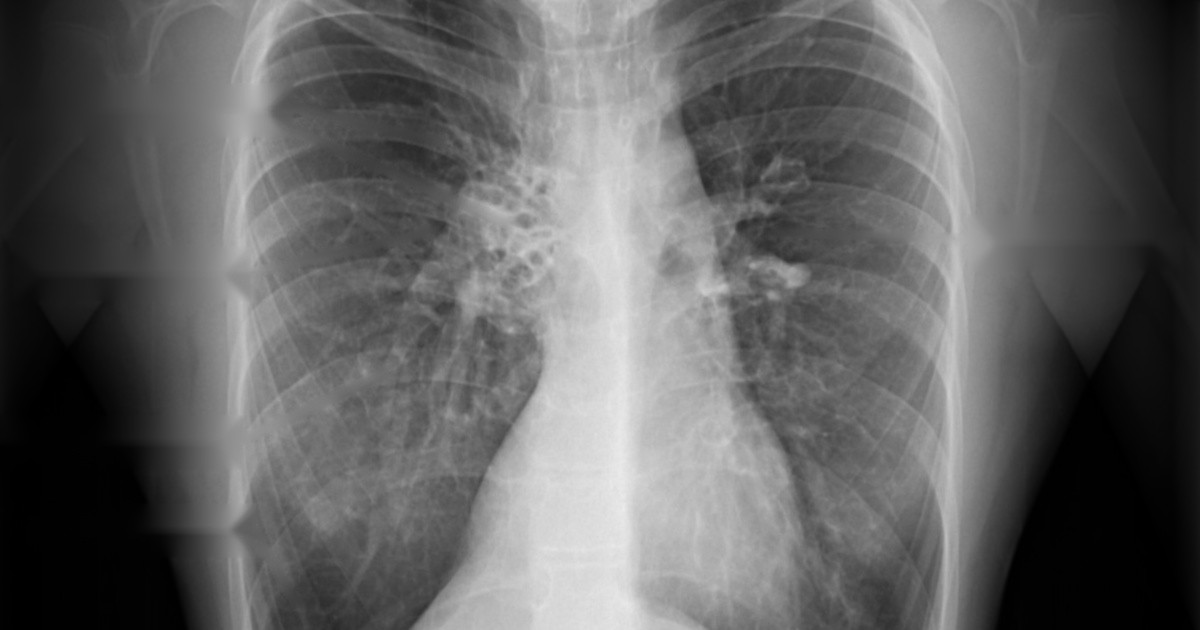
Table of contents
A 64-year-old man, a former smoker of 40 pack-years, has chronic obstructive pulmonary disease, COPD, with cough and sputum on most days. He has been on triple inhaled therapy for more than a year, with a long-acting beta-agonist bronchodilator, a long-acting antimuscarinic and an inhaled corticosteroid. His inhalation technique was reviewed and is correct. Even so, he had two exacerbations in the last year, both treated with oral prednisone and an antibiotic. Spirometry shows an FEV1/FVC ratio of 0.55 and an FEV1 of 48 percent of predicted after the bronchodilator. A complete blood count in the stable phase shows 400 eosinophils per microliter, similar to the value six months ago. He has never been diagnosed with asthma. The scene is fictional and was written for teaching.
This text uses the case as a scenario for clinical reasoning for students and health professionals. It covers dupilumab, a monoclonal antibody approved as add-on maintenance treatment in COPD with an eosinophilic phenotype. The text explains what type 2 inflammation in COPD is, how to read the eosinophil count, who was enrolled in the BOREAS and NOTUS trials, what the dose is, what the label says to watch for and where the limits of the evidence lie. It does not replace your institution's protocol or the local label. If you play the case of the day on NEXO, you will recognize the challenge: deciding with clues that arrive in sequence.
Key points
- Dupilumab (brand name Dupixent) blocks signaling by interleukin 4 and interleukin 13, two central cytokines of type 2 inflammation.
- In COPD, it is indicated for adults who are not controlled despite inhaled therapy and who have raised blood eosinophils.
- The BOREAS and NOTUS trials included people with eosinophils of 300 per microliter or more and exacerbations in the previous year despite triple therapy.
- The dose in COPD is 300 mg subcutaneously every 2 weeks, with no loading dose.
- The label calls for attention to conjunctivitis and keratitis, to eosinophilic diseases, to intestinal parasites and to vaccines.
- The regulatory dates in this text were checked with the FDA and the EMA on October 24, 2026.
Why this is a reasoning scenario
Exacerbations mark the natural history of COPD. A review notes that more frequent exacerbations are associated with a faster decline in lung function, worse quality of life and higher mortality (Ritchie and Wedzicha, 2020). The same review notes that repeated events are associated with much higher mortality and that this led health services to try to prevent readmissions (Ritchie and Wedzicha, 2020). A 2026 analysis notes that COPD caused about 3.5 million deaths worldwide in 2021 (Ramakrishnan and colleagues, 2026).
The scenario is good for training because the question is not whether the patient has COPD, but why he keeps having exacerbations on full inhaled treatment. The answer requires reviewing technique, adherence, exposure, comorbidities and the inflammatory phenotype before considering a biologic. The post on signs, symptoms and history helps organize the history of exacerbations, and the post on clinical decision-making notes that every test ordered must change a decision.
What the scene teaches
The scene trains six habits. The first is confirming the diagnosis of COPD with spirometry. The second is counting exacerbations and their severity in the last year. The third is reviewing inhalation technique and adherence before blaming the medication. The fourth is reading the eosinophil count in the stable phase and repeating it. The fifth is looking for associated asthma, parasites and other causes of eosinophilia. The sixth is combining what to measure after starting.
What is not at stake
The text does not discuss the treatment of acute exacerbation, oxygen therapy, pulmonary rehabilitation or volume reduction surgery in detail. It also does not compare prices or access. Dupilumab is not for treating acute bronchospasm or an exacerbation in progress (US Dupixent label, 4/2026). The post on diagnostic uncertainty helps deal with the fact that no single biomarker guarantees a response.
Before considering a biologic
A review on precision medicine in COPD organizes the reasoning into phenotypes, which are observable clinical manifestations, endotypes, which are molecular or pathophysiological subtypes, and treatable traits, which are detectable characteristics that can be treated in each person (Xie and colleagues, 2025). For the patient in the scene, the sequence is to check the basics, such as smoking cessation, vaccines, inhaler technique and rehabilitation, and only then ask whether eosinophilic inflammation is the trait still left to treat.
Type 2 inflammation and eosinophils in COPD
A heterogeneous disease
A 2025 review recalls that COPD was historically described as a neutrophilic inflammation driven by the Th1 and Th17 pathways, distinct from the type 2 eosinophilic inflammation typical of asthma (Vanetti and colleagues, 2025). The same review says that 20 to 40 percent of people with COPD have raised eosinophils in sputum or blood, which suggests a role for type 2 inflammation in a subgroup (Vanetti and colleagues, 2025). This subgroup tends to have more exacerbations, more response to short-acting bronchodilators and a better response to inhaled corticosteroids (Vanetti and colleagues, 2025).
The current definition of COPD already recognizes this heterogeneity. A review of the GOLD 2023 report recalls that the disease is defined as a heterogeneous lung condition, with chronic respiratory symptoms caused by changes in the airways, such as bronchitis and bronchiolitis, or in the alveoli, such as emphysema, which cause persistent and often progressive obstruction (Sharma and colleagues, 2024).
The type 2 cytokines
A review on type 2 inflammation in the airways recalls that interleukin 4 and interleukin 13 are the central cytokines of these diseases (Maspero and colleagues, 2022). Both take part in B lymphocyte class switching and IgE production, with release of mediators by basophils and mast cells, barrier disruption and remodeling (Maspero and colleagues, 2022). Interleukin 13 takes part in goblet cell hyperplasia and mucus production, as well as in smooth muscle contractility and hyperplasia (Maspero and colleagues, 2022).
Eosinophils and inhaled corticosteroids
The blood eosinophil count first entered practice as a guide for inhaled corticosteroids. A 2023 review recalls that, in randomized studies, a count below 100 per microliter identifies people who are unlikely to benefit from inhaled corticosteroids, while a count above 300 per microliter identifies a high probability of benefit (Lea and colleagues, 2023). The same review recalls that inhaled corticosteroids can cause pneumonia, osteoporosis, diabetes and cataract (Lea and colleagues, 2023). A review of GOLD 2023 recalls that triple therapy is considered for people with eosinophils from 300 per microliter and two moderate exacerbations or one severe exacerbation (Sharma and colleagues, 2024).
Is the count stable?
This is a practical question. A 2025 review cites a study in which blood eosinophils had good stability after one year of observation, with an intraclass correlation coefficient of 0.84 (Vanetti and colleagues, 2025). The greatest variability appeared in the higher counts, but movement between the groups below 100 and from 300 per microliter was rare, in less than 1 percent of the cohort (Vanetti and colleagues, 2025). Another review recalls that GOLD used the eosinophil count as a biomarker to estimate the efficacy of inhaled corticosteroids in preventing exacerbations, although inflammation is no longer part of the definition of the disease (David and colleagues, 2021). For the patient in the scene, two similar counts, in a stable phase and far from oral corticosteroids, give more confidence.
Exhaled nitric oxide
The fraction of exhaled nitric oxide, FeNO, is a marker of interleukin 13 activity (Singh and colleagues, 2025). In COPD, the use of FeNO is limited because current smoking reduces the values (Singh and colleagues, 2025). A 2025 review recalls that the BOREAS and NOTUS studies showed benefit from dupilumab with FeNO above or below 20 parts per billion (Thawanaphong and Nair, 2025). For this reason, FeNO is not a selection criterion in the label.


How dupilumab works
Dupilumab is a human monoclonal antibody of the IgG4 subclass that binds to the alpha subunit of the interleukin 4 receptor (US Dupixent label, 4/2026). Because this subunit is part of both the interleukin 4 and interleukin 13 receptors, the blockade inhibits both pathways (Thawanaphong and Nair, 2025). The label describes that the blockade inhibits inflammatory responses induced by these cytokines, including the release of pro-inflammatory cytokines, chemokines, nitric oxide and IgE (US Dupixent label, 4/2026). The label itself notes that the mechanism of action has not been definitively established (US Dupixent label, 4/2026).
Why eosinophils rise
One confusing finding is the rise in blood eosinophils during treatment. In the COPD studies, eosinophilia defined as 3000 per microliter or more occurred in 2.3 percent with dupilumab and in 0.7 percent with placebo, and none of these episodes was a serious eosinophilic disease (US Dupixent label, 4/2026). For this reason, the follow-up blood count must be read together with the symptoms.
Other biologics
Other antibodies have been tested in eosinophilic COPD. In the pooled analysis of the METREX and METREO studies, mepolizumab 100 mg reduced the annual rate of moderate or severe exacerbations by 18 percent, with a rate ratio of 0.82 (Pavord and colleagues, 2021). A 2025 network meta-analysis concluded that, among five biologics assessed, only dupilumab significantly reduced the annual exacerbation rate in one of the analyses (Li and colleagues, 2025). The authors note that this type of indirect comparison has design and population limitations (Li and colleagues, 2025).
Regulatory status: FDA and EMA
FDA
According to Drugs@FDA, Dupixent, BLA 761055, was approved in the United States on March 28, 2017 (Drugs@FDA, BLA 761055). The COPD indication came in supplement 64, approved on September 27, 2024 (Drugs@FDA, BLA 761055). The approval letter states that the supplement provides for use as add-on maintenance treatment in adults with uncontrolled COPD and an eosinophilic phenotype (FDA approval letter, 09/27/2024). The last labeling action listed on Drugs@FDA is supplement 76, of July 15, 2026 (Drugs@FDA, BLA 761055). The label consulted for this text is the 4/2026 revision (US Dupixent label, 4/2026).
EMA
In the European Union, the EMA page records a positive opinion on July 20, 2017 and authorization on September 26, 2017 (EMA, Dupixent page). The page, updated on August 18, 2026, lists the indication for adults with COPD and increased blood eosinophils who are not controlled with a combination of a long-acting beta-agonist, a long-acting antimuscarinic and an inhaled corticosteroid, or with the two bronchodilators if the corticosteroid is not appropriate (EMA, Dupixent page). The page does not state the date of the extension for COPD, so this text does not cite it.
Label and indication
In the United States, the indication is as add-on maintenance treatment in adults with uncontrolled COPD and an eosinophilic phenotype (US Dupixent label, 4/2026). The label does not set a minimum eosinophil count in the indication, but it describes the study criteria, which required at least 300 per microliter at screening (US Dupixent label, 4/2026). The only contraindication is known hypersensitivity to dupilumab or to any component (US Dupixent label, 4/2026).
The table summarizes the dates.
| Agency | Event | Date | Source |
|---|---|---|---|
| FDA | Initial approval, BLA 761055 | 03/28/2017 | (Drugs@FDA, BLA 761055) |
| FDA | COPD indication, supplement 64 | 09/27/2024 | (FDA approval letter, 09/27/2024) |
| FDA | Last labeling action listed, supplement 76 | 07/15/2026 | (Drugs@FDA, BLA 761055) |
| EMA | Positive opinion | 07/20/2017 | (EMA, Dupixent page) |
| EMA | Authorization in the European Union | 09/26/2017 | (EMA, Dupixent page) |
What the studies showed
Who was enrolled in the studies
The BOREAS and NOTUS studies lasted 52 weeks and together included 1874 adults (US Dupixent label, 4/2026). The criteria required an FEV1/FVC ratio below 0.7, FEV1 between 30 and 70 percent of predicted, at least 300 eosinophils per microliter at screening and at least two moderate or one severe exacerbation in the previous year despite triple therapy (US Dupixent label, 4/2026). Mean age was 65 years, with about 40 pack-years, about 30 percent current smokers and FEV1 of about 50 percent of predicted (US Dupixent label, 4/2026). Almost all had chronic bronchitis and were on triple therapy (US Dupixent label, 4/2026).
The patient in the scene resembles these participants. He is 64 years old, has had two moderate exacerbations in the year, is on triple therapy, has an FEV1 of 48 percent and 400 eosinophils per microliter. This does not guarantee a response, but it indicates that the evidence was produced in people like him.
Exacerbations
In BOREAS, the annual rate of moderate or severe exacerbations was 0.78 with dupilumab and 1.10 with placebo, with a rate ratio of 0.71 (US Dupixent label, 4/2026). In NOTUS, it was 0.86 versus 1.30, with a rate ratio of 0.66 (US Dupixent label, 4/2026). The EMA page gives the same numbers rounded (EMA, Dupixent page). A 2025 review describes these reductions as 30 and 34 percent (Singh and colleagues, 2025). Time to first exacerbation was also longer with dupilumab, with a hazard ratio of 0.80 in BOREAS and 0.71 in NOTUS (US Dupixent label, 4/2026).
Lung function
Post-bronchodilator FEV1 improved more with dupilumab. At week 12, the difference versus placebo was 74 mL in BOREAS and 68 mL in NOTUS (US Dupixent label, 4/2026). At week 52, it was 79 mL and 67 mL (US Dupixent label, 4/2026). A review notes that pre-bronchodilator FEV1 improved by 83 mL and 82 mL at week 12 (Singh and colleagues, 2025). These are modest gains in milliliters, but measured in a group with significant obstruction.
An analysis with several outcomes
A 2026 post hoc analysis with 1872 participants from the two studies used the win ratio, which ranks outcomes by severity, starting with death and hospitalization (Ramakrishnan and colleagues, 2026). Dupilumab had a win ratio of 1.31 for clinically significant events versus placebo (Ramakrishnan and colleagues, 2026). The authors interpret the result as better chances of avoiding severe outcomes, in addition to gains in lung function and symptoms, but the analysis was not planned at the start of the studies (Ramakrishnan and colleagues, 2026).
The table summarizes the main results.
| Study | Participants | Exacerbations per year | FEV1 at week 12 | Source |
|---|---|---|---|---|
| BOREAS | 468 versus 471 | 0.78 versus 1.10, ratio 0.71 | Difference of 74 mL | (US Dupixent label, 4/2026) |
| NOTUS | 935 in total | 0.86 versus 1.30, ratio 0.66 | Difference of 68 mL | (US Dupixent label, 4/2026) (Singh and colleagues, 2025) |
| METREX and METREO, mepolizumab | Pooled analysis | Rate ratio of 0.82 | Not the focus of this table | (Pavord and colleagues, 2021) |
| BOREAS and NOTUS, win ratio | 1872 | Win ratio of 1.31 | Included in the hierarchy | (Ramakrishnan and colleagues, 2026) |
Adverse effects
In the pooled safety analysis, with 938 people on dupilumab and 934 on placebo, the most frequent reactions were viral infection, at 14.2 versus 12.3 percent, headache, at 7.8 versus 6.6 percent, and nasopharyngitis, at 7.8 versus 7.4 percent (US Dupixent label, 4/2026). Back pain, diarrhea, joint pain, urinary infection, injection site reaction and rhinitis were also slightly more frequent with dupilumab (US Dupixent label, 4/2026). Cholecystitis occurred in 0.6 percent with dupilumab and in 0.1 percent with placebo (US Dupixent label, 4/2026).
How to read these numbers
The studies selected people with eosinophils of 300 per microliter or more, frequent exacerbations and triple therapy. The results do not automatically apply to those with lower eosinophils, to those not on triple therapy or to those with associated asthma. The post on differential diagnosis helps to remember that eosinophilia can have other causes, such as asthma, parasites, drug allergy or vasculitis.
From selection to follow-up
Before starting
- Confirm COPD with spirometry and review inhaler technique and adherence.
- Count the exacerbations of the last year and their severity.
- Repeat the eosinophil count in a stable phase, away from oral corticosteroids.
- Investigate associated asthma, parasites and other causes of eosinophilia.
- Update vaccinations and avoid live virus vaccines during treatment.
- Record the state of the eyes and agree on what to do if conjunctivitis appears.
Dose and administration
In COPD, the dose is 300 mg subcutaneously every 2 weeks, with no loading dose (US Dupixent label, 4/2026). The label asks that patients or caregivers receive training on preparation and administration before use (US Dupixent label, 4/2026). Dupilumab is an add-on treatment, so maintenance inhalers continue.
Label warnings
The label lists hypersensitivity reactions, including anaphylaxis, serum sickness and angioedema (US Dupixent label, 4/2026). It lists conjunctivitis and keratitis and recommends advising the patient to report new or worsening eye symptoms (US Dupixent label, 4/2026). It notes that eosinophilic diseases may appear, such as eosinophilic pneumonia and eosinophilic granulomatosis with polyangiitis, and that vasculitic rash, worsening of pulmonary symptoms, cardiac complications, kidney injury or neuropathy require attention, especially when oral corticosteroids are reduced (US Dupixent label, 4/2026).
The label says dupilumab should not be used to treat acute exacerbations or acute bronchospasm (US Dupixent label, 4/2026). It also says systemic, inhaled or topical corticosteroids should not be stopped abruptly when starting treatment (US Dupixent label, 4/2026). People with associated asthma should not adjust or stop asthma treatment without medical guidance (US Dupixent label, 4/2026). Psoriasis and joint pain, including psoriatic arthritis, are also among the warnings (US Dupixent label, 4/2026).
Parasites and vaccines
People with a known helminth infection should be treated before starting dupilumab (US Dupixent label, 4/2026). If the infection appears during treatment and does not respond to the antiparasitic drug, dupilumab should be stopped until it resolves (US Dupixent label, 4/2026). Vaccinations should be completed before starting, according to the current schedule, and live virus vaccines should be avoided during treatment (US Dupixent label, 4/2026). In regions where worm infections are common, this step deserves special attention.


Follow-up
Follow-up includes counting exacerbations, measuring lung function, asking about eye symptoms, reviewing the blood count if there are new symptoms and looking for signs of vasculitis (US Dupixent label, 4/2026). The decision to continue depends on an honest comparison with the previous year, since not everyone responds. The post on diagnostic pause helps to reassess before concluding whether or not there was a response. The post on interprofessional clinical reasoning shows how pulmonology, primary care, nursing, pharmacy and ophthalmology can share this follow-up.
Pregnancy
The label states that there is a pregnancy exposure registry and notes that IgG antibodies cross the placenta (US Dupixent label, 4/2026). In COPD, the population is older, but the question still applies to women of childbearing age.
How NEXO helps train this reasoning
On NEXO, the case of the day is fictional, with a real clinical presentation and up to six progressive clues, and you propose the diagnosis by searching for the ICD-10 code. Eosinophilic COPD is a good exercise because the eosinophil count, the number of exacerbations and a history of asthma change the management. The post about case-based learning explains why this format fixes knowledge.
Three exercises with cases
Change the lab result. Say what to do if the eosinophils were at 150 per microliter.
Change the history. Say what changes if the patient had asthma since childhood.
Change the course. Say what to do if, in the third month, red and itchy eyes appeared.
The post about simulating a consultation helps train the conversation about expectations, injections and warning signs.
The limits on using the game are described on the NEXO Economy page. If you research the teaching of clinical reasoning, the page for Researchers explains how to get in touch. Professionals who write or review cases find information on Curator and on Creators, and institutions can learn about the proposal on the for partnerships page.
Frequently asked questions
Does dupilumab replace inhalers?
No. It is an additional maintenance treatment, and inhalers continue (US Dupixent prescribing information, 4/2026).
Which eosinophil count was used in the studies?
At least 300 per microliter at screening, along with frequent exacerbations despite triple therapy (US Dupixent prescribing information, 4/2026).
What is the dose?
300 mg subcutaneously every 2 weeks, with no loading dose (US Dupixent prescribing information, 4/2026).
Which effects deserve attention?
Conjunctivitis and keratitis, hypersensitivity, eosinophilic diseases and parasite infections (US Dupixent prescribing information, 4/2026).
Is it approved in Europe?
Yes. The EMA page lists the indication for COPD with increased eosinophils (EMA, Dupixent page).
Final checklist
- I confirmed COPD with spirometry.
- I counted the exacerbations of the last year.
- I reviewed inhalation technique, adherence and smoking.
- I repeated the eosinophils in a stable phase.
- I investigated asthma, parasites and other causes of eosinophilia.
- I updated the vaccines and avoided live virus vaccines.
- I gave guidance on eye symptoms and signs of vasculitis.
- I agreed on how to measure the response after one year.
Want to practice reasoning with progressive clues? Play the case of the day.
References
- David B, Bafadhel M, Koenderman L, et al. Eosinophilic inflammation in COPD: from an inflammatory marker to a treatable trait. Thorax. 2021. PMID 33122447.
- European Medicines Agency. Dupixent | European Medicines Agency (EMA). Accessed on 24/10/2026. Official source.
- Lea S, Higham A, Beech A, et al. How inhaled corticosteroids target inflammation in COPD. Eur Respir Rev. 2023. PMID 37852657.
- Li S, Yi B, Wang H, et al. Efficacy and Safety of Biologics Targeting Type 2 Inflammation in COPD: A Systematic Review and Network Meta-Analysis. Int J Chron Obstruct Pulmon Dis. 2025. PMID 40626315.
- Maspero J, Adir Y, Al-Ahmad M, et al. Type 2 inflammation in asthma and other airway diseases. ERJ Open Res. 2022. PMID 35923421.
- Pavord ID, Chapman KR, Bafadhel M, et al. Mepolizumab for Eosinophil-Associated COPD: Analysis of METREX and METREO. Int J Chron Obstruct Pulmon Dis. 2021. PMID 34163157.
- Ramakrishnan S, Petousi N, Bon J, et al. Win Ratio Analysis to Clarify Clinical Benefits: A Post Hoc Analysis of Phase 3 BOREAS and NOTUS (Two Pivotal Studies to Assess the Efficacy, Safety, and Tolerability of Dupilumab in Patients With Moderate-to-Severe COPD With Type 2 Inflammation). Chest. 2026. PMID 41794122.
- Regeneron Pharmaceuticals. DUPIXENT® (dupilumab) injection, for subcutaneous use. Prescribing Information. Revised in 4/2026. Accessed on 24/10/2026. Official source.
- Ritchie AI, Wedzicha JA. Definition, Causes, Pathogenesis, and Consequences of Chronic Obstructive Pulmonary Disease Exacerbations. Clin Chest Med. 2020. PMID 32800196.
- Sharma M, Joshi S, Banjade P, et al. Global Initiative for Chronic Obstructive Lung Disease (GOLD) 2023 Guidelines Reviewed. Open Respir Med J. 2024. PMID 38660684.
- Singh D, Higham A, Mathioudakis AG, et al. Chronic Obstructive Pulmonary Disease (COPD): Developments in Pharmacological Treatments. Drugs. 2025. PMID 40392521.
- Thawanaphong S, Nair P. Contemporary Concise Review 2024: Chronic Obstructive Pulmonary Disease. Respirology. 2025. PMID 40437348.
- U.S. Food and Drug Administration. BLA 761055/S-064 SUPPLEMENT APPROVAL. Dupixent. 27/09/2024. Accessed on 24/10/2026. Official source.
- U.S. Food and Drug Administration. Drugs@FDA: FDA-Approved Drugs. BLA 761055, Dupixent. Accessed on 24/10/2026. Official source.
- Vanetti M, Visca D, Ardesi F, et al. Eosinophils in chronic obstructive pulmonary disease. Ther Adv Respir Dis. 2025. PMID 40434001.
- Xie C, Wang K, Yang K, et al. Toward precision medicine in COPD: phenotypes, endotypes, biomarkers, and treatable traits. Respir Res. 2025. PMID 41024111.