CPR 2025: what changed in advanced life support



Table of contents
- What Part 9 is and why it matters
- Vascular access: vein first, intraosseous after
- Drugs: epinephrine and what left the list
- Shocks: energy, recurrence and the new strategies
- Airway: tube, supraglottic device and capnography
- Monitoring and the decision to stop
- Arrhythmias near the arrest
- How NEXO helps train this reasoning
- Frequently asked questions
- Take-home messages
- References
It is three in the morning when the emergency department team receives a 58-year-old man who collapsed in the waiting room. The monitor shows ventricular fibrillation. The first shock is delivered in under a minute, compressions resume, and two minutes later the rhythm is unchanged. The nurse asks whether she can give epinephrine through the tube, because the vein is still difficult. The resident remembers that this was accepted in the 2020 exam. The answer has changed.
In October 2025, the American Heart Association published Part 9 of its resuscitation guidelines, dedicated to adult advanced life support (Wigginton et al., 2025). The text reorganizes vascular access, abandons the endotracheal route for medications, creates formal rules for ending resuscitation and treats ventricular fibrillation that returns after a shock with more caution. Some 2020 recommendations stayed the same, but the reasoning behind them became clearer.
This text goes through the changes that matter to anyone treating cardiac arrest anywhere in the world: access, medications, shocks, the airway, monitoring and the decision to stop. The goal is to help you think through the sequence, with the evidence that supports each step.
Key points
- The endotracheal route for medications is out of the guideline; the first choice is the peripheral vein, and the intraosseous route comes when it fails (Wigginton et al., 2025).
- Epinephrine keeps a strong recommendation, 1 mg every 3 to 5 minutes, as early as possible in non-shockable rhythms.
- Much of the ventricular fibrillation after a shock is recurrence, and the guideline now speaks of persistent fibrillation.
- Vector change and double sequential defibrillation have utility not yet established, with a 2b recommendation.
- Routine calcium, bicarbonate and magnesium still show no benefit.
- Rules for terminating resuscitation received recommendations according to the level of the service providing care.
- Exhaled CO2 helps assess resuscitation, but it never decides on its own when to stop.
Summary
- What Part 9 is and why it matters
- Vascular access: vein first, intraosseous after
- Medications: epinephrine and what left the list
- Shocks: energy, recurrence and the new strategies
- Airway: tube, supraglottic device and capnography
- Monitoring and the decision to stop
- Arrhythmias near cardiac arrest
- How NEXO helps train this reasoning
- Frequently asked questions
- Take-home messages
What Part 9 is and why it matters
The AHA guidelines are divided into parts, and Part 9 covers what happens after basic support has already begun: manual defibrillation, vascular access, medications, advanced airway, physiological monitoring, arrhythmias near cardiac arrest and the decision to end efforts (Wigginton et al., 2025). The text applies to in-hospital and out-of-hospital cardiac arrest in adults.
A living guideline
Since 2020, the AHA has updated its recommendations through focused updates, linked to the systematic reviews of the international resuscitation committee. The 2025 edition consolidates these updates into a single document, with classes of recommendation from 1 to 3 and levels of evidence from A to C. A full reading shows that most of the changes came from clinical trials published between 2018 and 2024, several of them conducted outside the United States.
An underlying message
The guideline repeats an idea that runs through the whole text: advanced steps only help if compressions stay good and with few pauses. Ultrasound, access, tube and medications come around compressions, never in their place. This care also appears in special scenarios, such as cardiac arrest in microgravity, where the compression technique changes, but the logic stays the same.
Vascular access: vein first, intraosseous after
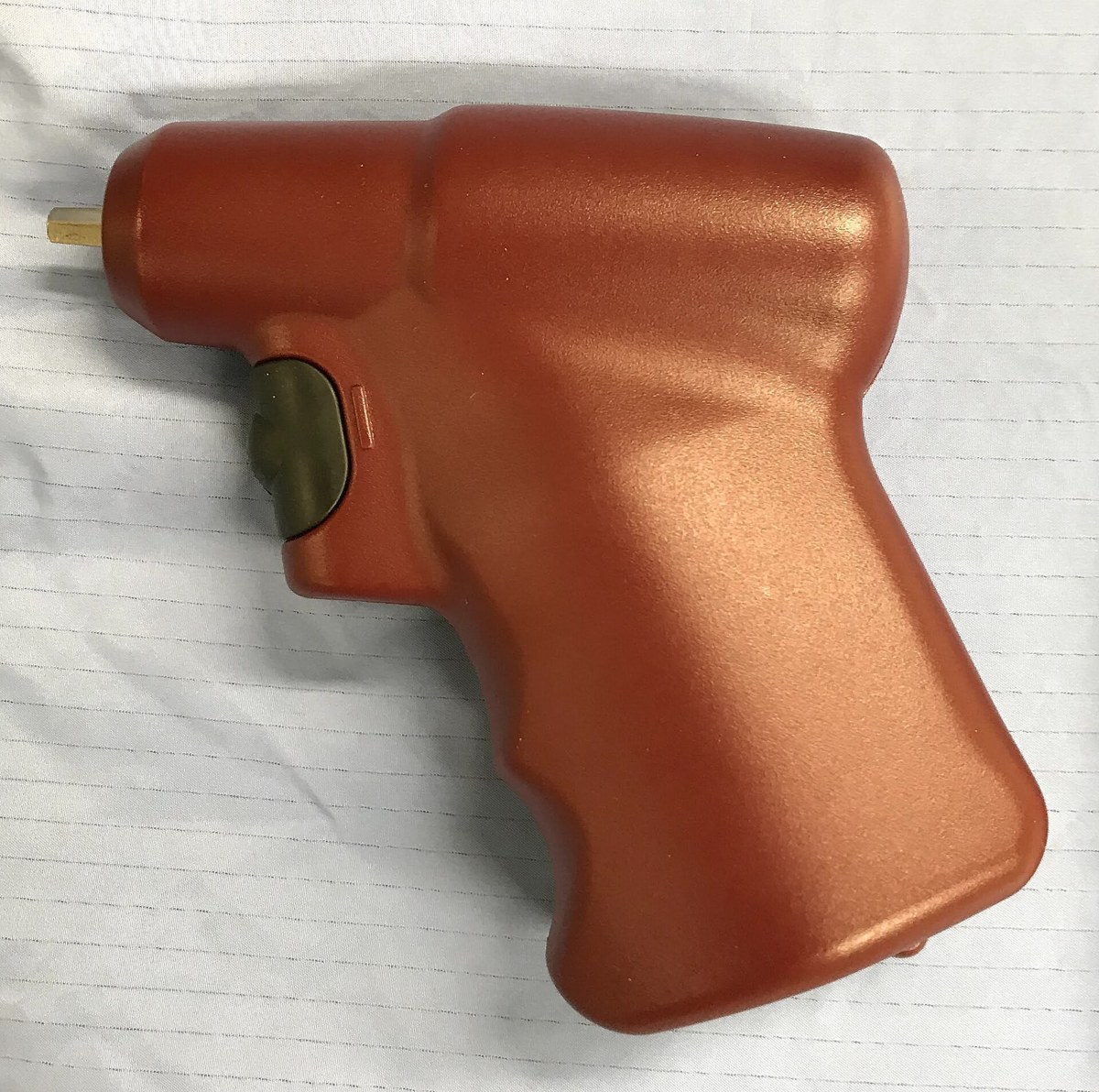
The most practical change in the 2025 edition is in access. The guideline recommends trying the peripheral vein first (class 1, level A) and moving to the intraosseous route when it fails or is impractical (class 2a, level A). Central venous access remains an option for those with experience, with class 2b (Wigginton et al., 2025).
What the trials showed
The order changed because three large clinical trials compared the two routes in out-of-hospital cardiac arrest. A meta-analysis of four randomized trials, with 9475 patients, found similar clinical results: return of circulation, survival to discharge, 30-day survival and neurological recovery with no difference between the routes (Alsagban et al., 2025). The intraosseous route had more first-attempt success and reached the drug a few seconds earlier, with a mean difference of 0.38 minute. In other words, the intraosseous route is easier, but that ease was far from becoming survival.
The guideline itself cites a meta-analysis with an odds ratio of 0.89 for sustained return of circulation with the intraosseous route, a signal that led the committee to prefer the vein when it is available. Observational studies reinforce the doubt. A review with 23 studies and more than 230 thousand patients associated the intraosseous route with fewer shockable rhythms and worse outcomes in some subgroups, but heterogeneity was very high and selection bias is likely, since the intraosseous route is usually used in the most difficult cases (Cai and Dai, 2025).
The end of the endotracheal route
Giving drugs through the tube is out of the recommendations. Absorption through the bronchial tree is unpredictable, and today almost every service has intraosseous access at hand (Wigginton et al., 2025). In the case of the opening, the answer to the nurse is to try the vein once more and, if it remains difficult, place the intraosseous line without stopping compressions.
Drugs: epinephrine and what left the list
Epinephrine remains the only vasopressor with a strong recommendation in cardiac arrest, class 1 with level B-R, at 1 mg every 3 to 5 minutes (Wigginton et al., 2025). The guideline supports this position on the PARAMEDIC2 trial, which showed more survival with epinephrine than with placebo, but with a small neurological gain. According to the guideline summary, the benefit was greater when the drug arrived early and approached placebo around 20 minutes.
Non-shockable rhythm and shockable rhythm
In non-shockable rhythms, asystole and pulseless electrical activity, epinephrine should come as early as possible (class 2a). In shockable rhythms, it comes in after the first shocks fail, because defibrillation is the treatment that resolves ventricular fibrillation. A meta-analysis of 25 studies showed that, in non-shockable rhythms, each minute of delay was associated with about 4 points fewer in the chances of survival, with an odds ratio of 0.958 per minute (Ahn et al., 2026). The authors warn that all estimates are probably inflated by resuscitation-time bias: those who receive the drug later were already in a longer arrest. Their conclusion is to avoid avoidable delay, without an exact limit of minutes.
More epinephrine and vasopressin
Higher amounts of epinephrine and vasopressin, alone or combined, remain without benefit. The guideline kept these options out of routine use, and other combinations that seemed promising were tested in well-conducted trials, which helped clear the cardiac arrest drug list (Wigginton et al., 2025).
Vasopressin with methylprednisolone
A Danish trial with 501 patients in in-hospital cardiac arrest compared vasopressin with methylprednisolone against placebo, both added to standard treatment. Return of circulation was higher in the treated group, 42 versus 33 per 100 patients, but 30-day survival was 9.7 versus 12 per 100, and the favorable neurological outcome was equal, 7.6 per 100 in both groups (Andersen et al., 2021). The guideline turned this finding into a weak recommendation: in in-hospital cardiac arrest, the use of corticosteroid may be considered (class 2b), and return of circulation alone was not enough to change practice.
Calcium
Calcium was studied again in a randomized trial with 391 patients in out-of-hospital cardiac arrest. The trial committee stopped enrollment earlier than planned out of concern for harm. Sustained return of circulation was 19 per 100 with calcium and 27 per 100 with saline, and a favorable neurological outcome at 30 days was 3.6 versus 7.6 per 100 (Vallentin et al., 2021). The differences did not reach statistical significance, but the direction of the effect weighed against it. In the guideline, routine calcium received class 3, no benefit (Wigginton et al., 2025).
When calcium still makes sense
The recommendation against it is for routine use. Severe hyperkalemia remains a reversible cause in which calcium protects the myocardium, as discussed in the text on hyperkalemia and protecting the heart with calcium. The same logic applies to bicarbonate and magnesium: no benefit in routine use, possible in specific situations, such as acidosis from poisoning or polymorphic tachycardia of the torsades type.
Antiarrhythmics
Amiodarone or lidocaine may be considered in ventricular fibrillation that persists after shocks, with class 2b. According to the guideline summary, the ALPS trial showed a trend toward benefit only in witnessed arrests, with no overall difference in survival to discharge.
Shocks: energy, recurrence and the new strategies
The guideline prefers biphasic defibrillators (class 2a) and one shock at a time, instead of three consecutive shocks (class 2a, level B-NR). After each shock, compressions resume immediately, without checking rhythm or pulse (Wigginton et al., 2025).
Recurrence and persistence
The conceptual novelty lies in separating two phenomena that seemed the same. Many patients leave ventricular fibrillation with the shock and return to it during compressions. The guideline cites data in which about eight in every ten episodes of fibrillation after the shock were recurrence, and it began using the term persistent ventricular fibrillation or pulseless ventricular tachycardia. A 2025 review of alternative strategies reaches the same observation: most studies mixed refractory and recurrent fibrillation, and only one analyzed true refractory fibrillation separately, with no difference between strategies (Perna et al., 2025).
Vector change and double sequential defibrillation
Changing the pad position to anteroposterior or delivering two nearly simultaneous shocks with two devices are the most studied strategies. A single Canadian randomized trial showed more survival to discharge with these strategies, and double sequential defibrillation had the most consistent signal (Perna et al., 2025). Even so, the guideline classified the usefulness as not yet established after three or more shocks, with class 2b and level B-R (Wigginton et al., 2025). The reasons are the size of the trial, the early termination and the doubt about which part of the effect came from the vector change.
Polymorphic tachycardia
The guideline made clear that polymorphic ventricular tachycardia should be treated as unstable and receives an unsynchronized shock (class 1, level B-NR). Trying to synchronize on a rhythm of variable shape delays treatment.
Airway: tube, supraglottic device and capnography
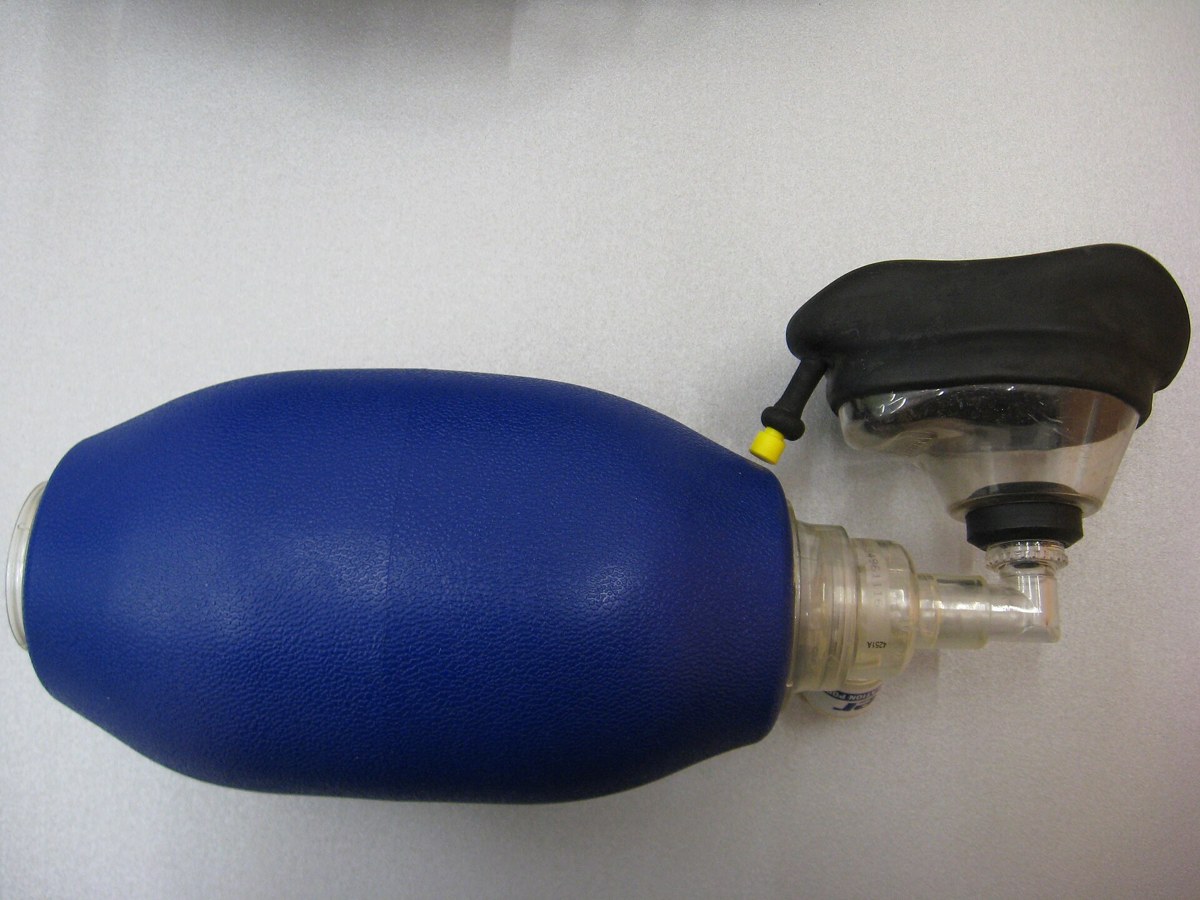
The choice between intubation and a supraglottic device depends on the service's success rate. Where intubation success is low, the supraglottic device is reasonable (class 2a); where it is high, both choices are acceptable. With an advanced airway, ventilation is one breath every 6 seconds, with continuous compressions (Wigginton et al., 2025).
The two 2018 trials
In the United Kingdom, AIRWAYS-2 randomized 9296 patients between a supraglottic device and intubation performed by paramedics. Good functional outcome at 30 days was practically the same, 6.4 versus 6.8 per 100, and initial ventilation succeeded in 87.4 per 100 with the supraglottic device and in 79.0 per 100 with the tube (Benger et al., 2018). In the United States, PART compared a laryngeal tube with intubation in 3000 patients. Initial success was 90.3 per 100 with the laryngeal tube and 51.6 per 100 with intubation, and 72-hour survival was 18.3 versus 15.4 per 100 (Wang et al., 2018). The difference between the trials shows that the best device is the one the team places quickly and well.
Confirming the tube
Continuous capnography with a waveform is the recommended way to confirm and monitor tube position (class 1). Auscultation and chest observation help, but they often fail in the noisy environment of resuscitation. In scenarios where hypoxia caused the arrest, such as drowning with ventilation at the center, the airway matters even more.
Monitoring and the decision to stop
During resuscitation, exhaled CO2 reflects blood flow in the lungs when ventilation is stable. The guideline suggests aiming for at least 10 mmHg, ideally 20 or more, and notes that a sudden rise of more than 10 mmHg suggests return of circulation (Wigginton et al., 2025).
Signs that guide, without validated targets
A 2026 review on physiological monitoring sums up the state of the question well: low or falling exhaled CO2 should lead to reviewing compressions, ventilation, tube position and reversible causes (Melo et al., 2026). The authors note that the classic association between low CO2 after prolonged resuscitation and death came from intubated patients with pulseless electrical activity, and that it is far from applying to every arrest. Diastolic blood pressure, when an arterial line is in place, also guides compression quality, but no pressure target has been validated to improve survival.
Ultrasound without pausing
Bedside ultrasound can help look for tamponade, pulmonary embolism, hypovolemia or tension pneumothorax. The guideline accepts its use as long as it does not prolong pauses in compressions (Wigginton et al., 2025). Images taken during the rhythm check require a trained person and a strict limit of seconds.
Resuscitation with the head raised
Resuscitation with the head and chest raised received class 3, with no benefit outside clinical trials. The monitoring review reaches the same reading: the timing and degree of elevation remain uncertain and depend on a package of measures (Melo et al., 2026).
The rules for ending resuscitation
For the first time, the guideline gives formal recommendations for termination rules according to the type of service. The rule for basic life support teams has class 1; the rule for advanced life support teams has class 2a; and a universal rule can be used in systems with multiple levels of care, also with class 2a (Wigginton et al., 2025).
The role of CO2 in this decision
Exhaled CO2 should never be used alone to end resuscitation. In intubated patients, a value below 10 mmHg after 20 minutes can enter into a decision with several elements (class 2b). In patients without a tube, using a CO2 cutoff to stop received class 3, with harm, because the value depends heavily on the mask seal.
Situations where the ruler changes
Hypothermia, cold-water drowning and some poisonings require another ruler. The text on resuscitation in accidental hypothermia shows why a cold patient can recover after a long arrest, and the text on lightning injuries explains reverse triage, in which those who appear dead receive attention first.
Arrhythmias near the arrest
Part 9 also covers tachycardias and bradycardias that can lead to the arrest or happen after it. The guideline notes that the arrhythmia may be the cause of the collapse or merely a consequence of another problem, such as hypoxia or shock, and that treating only the rhythm may leave the cause unaddressed (Wigginton et al., 2025).
Tachycardias
In regular narrow-complex tachycardia, vagal maneuvers and adenosine have class 1. In wide-complex tachycardia, verapamil and diltiazem received class 3, with harm, because they can drop blood pressure when the origin is ventricular. For cardioversion of atrial fibrillation or flutter, an initial energy of at least 200 J with a biphasic device is reasonable (class 2a, level B-R), instead of starting low and increasing gradually.
The reasoning behind it
The clinical question is always the same: is the patient unstable because of the rhythm, or is the rhythm a response to something else? A sinus tachycardia of 140 in a septic patient calls for fluids and antibiotics, and a shock would be useless. The same care appears in the assessment of someone who fainted, where the signs that point to a cardiac cause separate those who need monitoring.
What changed and what stayed
| Topic | Before | AHA 2025 |
|---|---|---|
| Vascular access | Vein or intraosseous, with no clear order | Vein first (1), intraosseous if it fails (2a) |
| Endotracheal route | Accepted alternative | Removed from the recommendations |
| Epinephrine | 1 mg every 3 to 5 minutes | Maintained, as early as possible in non-shockable rhythms |
| Fibrillation after the shock | Called refractory | Separated into recurrent and persistent |
| Vector change and double sequential | Absent from the recommendations | Usefulness not yet established (2b) |
| Corticosteroid in in-hospital cardiac arrest | Poorly defined | May be considered (2b) |
| Routine calcium, bicarbonate and magnesium | No benefit | No benefit (3) |
| Head-up resuscitation | Little discussed | Only in trials (3, no benefit) |
| Termination rules | Cited as support | Recommendations by level of service |
| Polymorphic tachycardia | Shock recommended | Always unstable, unsynchronized shock (1) |
Table sources: Wigginton et al., 2025, Alsagban et al., 2025 and Perna et al., 2025.
Back to the waiting room
In the opening case, the sequence would look like this: a single shock, immediate compressions, a new attempt at a vein and intraosseous access if it fails, epinephrine after the first shocks do not resolve it, amiodarone or lidocaine if the fibrillation persists, and attention to recurrence, which is different from an ineffective shock. The search for reversible causes accompanies everything, as is done in the differential diagnosis with serious causes listed early.
How NEXO helps train this reasoning
In NEXO, the case of the day is fictional, with a real clinical presentation and up to six progressive clues, and you propose the diagnosis by searching for the ICD-10 code.
The limits of use of the game are described on the NEXO Economy page. If you research the teaching of clinical reasoning, the Researcher page explains how to get in touch. Professionals who write or review cases find information on the Curator and Creators pages, and institutions can learn about the proposal on the partnerships page. Searching for the right ICD-10 code completes this training.
Frequently asked questions
Can I still give epinephrine through the tube?
AHA 2025 removed the endotracheal route from the recommendations (Wigginton et al., 2025). If the peripheral vein fails, the path is intraosseous access, placed without interrupting compressions.
Is intraosseous worse than a vein?
The randomized trials showed similar clinical outcomes between the two routes, with intraosseous access faster and easier on the first attempt (Alsagban et al., 2025). The guideline prefers the vein because of a small signal in its favor in sustained return of circulation.
When should I try double sequential defibrillation?
The guideline considers its usefulness not yet established after three or more shocks, with class 2b (Wigginton et al., 2025). Before thinking about it, it is worth asking whether the fibrillation is persistent or recurrent, because recurrence is much more common.
Has corticosteroid entered the routine of cardiac arrest?
It remained a weak option, class 2b, in in-hospital cardiac arrest. In the Danish trial, vasopressin with methylprednisolone increased the return of circulation, but survival and neurological outcome at 30 days were the same as placebo (Andersen et al., 2021).
Does low expired CO2 authorize stopping resuscitation?
On its own, never. In an intubated patient, a value below 10 mmHg after 20 minutes can be part of a decision with several elements; in a patient without a tube, using a CO2 cutoff to stop was classified as harm (Wigginton et al., 2025).
Tube or supraglottic device?
It depends on the team's experience. In the AIRWAYS-2 and PART trials, the supraglottic device had more initial success, with equal or better outcomes (Benger et al., 2018; Wang et al., 2018).
Take-home messages
- Peripheral vein first, intraosseous if it fails, and no medication through the tube.
- Epinephrine early in non-shockable rhythms and after the first shocks in shockable rhythms.
- Fibrillation that returns after the shock is, most of the time, recurrence, and deserves its own reasoning.
- Vector change and double sequential defibrillation are options with still limited evidence.
- Calcium, bicarbonate and magnesium are reserved for specific causes, not for routine use.
- The right airway device is the one the team places quickly and well, confirmed with capnography.
- Stopping resuscitation requires a validated rule and context, never an isolated number.
Milestone inventory
- 2018: AIRWAYS-2 and PART compare supraglottic airway and intubation in out-of-hospital cardiac arrest.
- 2021: Danish trials test vasopressin with methylprednisolone and calcium.
- 2024: vascular access trials compare intraosseous and intravenous routes in out-of-hospital cardiac arrest.
- 2025: AHA publishes Part 9 with intravenous access first, the end of the endotracheal route and termination rules.
Play the case of the day on NEXO.
References
- Wigginton JG, Agarwal S, Bartos JA, et al. Part 9: Adult Advanced Life Support: 2025 American Heart Association Guidelines for Cardiopulmonary Resuscitation and Emergency Cardiovascular Care. Circulation. 2025;152:S538-S577. PMID 41122884. DOI 10.1161/CIR.0000000000001376. Read in full at cpr.heart.org.
- Benger JR, Kirby K, Black S, et al. Effect of a Strategy of a Supraglottic Airway Device vs Tracheal Intubation During Out-of-Hospital Cardiac Arrest on Functional Outcome: The AIRWAYS-2 Randomized Clinical Trial. JAMA. 2018;320:779-791. PMID 30167701.
- Wang HE, Schmicker RH, Daya MR, et al. Effect of a Strategy of Initial Laryngeal Tube Insertion vs Endotracheal Intubation on 72-Hour Survival in Adults With Out-of-Hospital Cardiac Arrest: A Randomized Clinical Trial. JAMA. 2018;320:769-778. PMID 30167699.
- Andersen LW, Isbye D, Kjærgaard J, et al. Effect of Vasopressin and Methylprednisolone vs Placebo on Return of Spontaneous Circulation in Patients With In-Hospital Cardiac Arrest: A Randomized Clinical Trial. JAMA. 2021;326:1586-1594. PMID 34587236.
- Vallentin MF, Granfeldt A, Meilandt C, et al. Effect of Intravenous or Intraosseous Calcium vs Saline on Return of Spontaneous Circulation in Adults With Out-of-Hospital Cardiac Arrest: A Randomized Clinical Trial. JAMA. 2021;326:2268-2276. PMID 34847226.
- Alsagban A, Saab O, Al-Obaidi H, et al. Intraosseous Versus Intravenous Vascular Access in Out-of-Hospital Cardiac Arrest: A Systematic Review and Meta-Analysis of Randomized Controlled Trials. Med Sci (Basel). 2025;13. PMID 40559236.
- Cai M, Dai Y. Safety and Efficacy of Intra-Osseous versus Intravenous Vascular Access for Out-of-Hospital Cardiac Arrest: A Systematic Review and Meta-Analysis. Ther Clin Risk Manag. 2025;21:1887-1903. PMID 41488200.
- Perna B, Guarino M, De Fazio R, et al. Beyond Standard Shocks: A Critical Review of Alternative Defibrillation Strategies in Refractory Ventricular Fibrillation. J Clin Med. 2025;14. PMID 40725708.
- Ahn C, Kim JH, Hwang SJ, Oh YT. Association Between Epinephrine Administration Timing and Outcomes in Adult Out-of-Hospital Cardiac Arrest: A Systematic Review and Dose-Response Meta-Analysis. Medicina (Kaunas). 2026;62. PMID 42654392.
- Melo RH, Joelsons D, Guimaraes HP, Passos RDH. Physiological monitoring and physiology-informed strategies in cardiac arrest: current evidence and clinical translation. Int J Emerg Med. 2026;19. PMID 42947025.