Attacks on health services in armed conflicts
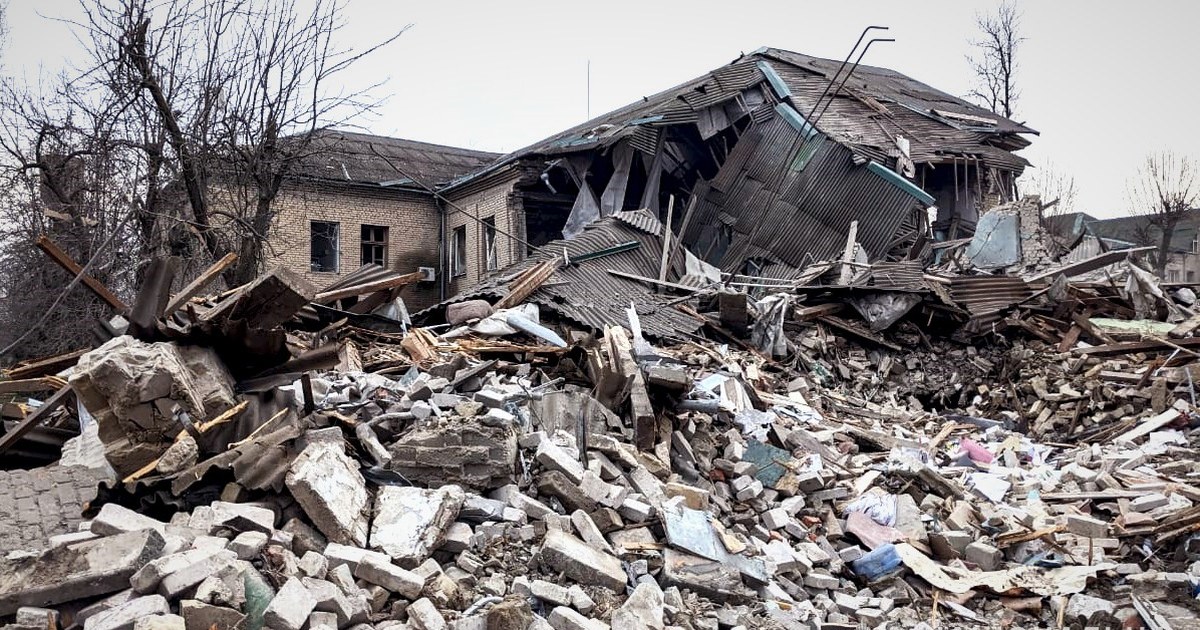
Table of contents
The ambulance arrives at the emergency department of a border hospital with a shattered windshield. The driver says the vehicle was stopped at a checkpoint, searched for nearly an hour and released only after the patient, a boy with an abdominal wound, was already pale and cold. In the same week, the hospital lost its generator in a nearby explosion, two nurses stopped coming because the road had become dangerous and the supply of saline lasted less than expected. None of this appears as a single dramatic event. But added together, it decides who survives.
Attacks on health services in armed conflicts are this: not only the bombing that makes the news, but the threat, the obstruction, the abduction of the professional, the looting of the pharmacy and the occupation of the building. This text explains what counts as an attack, why the numbers are so hard to compare, what happens to hospitals, teams and medical training, and what the clinician can do when working, or one day working, in this scenario.
What counts as an attack on health
International humanitarian law protects health professionals, facilities, transport, the wounded and the sick during war (Patel and colleagues, 2017). The underlying idea is simple: those outside combat, or caring for those outside combat, cannot be targeted. In practice, this protection is often violated, and the violation is not limited to an armed attack on the building.
In 2011, the International Committee of the Red Cross published a report documenting attacks on health care in 16 countries affected by conflict (PLOS Medicine Editors, 2014). Commenting on the topic, the PLOS Medicine editors recalled the report's own phrase: statistics show only the tip of the iceberg, because they do not capture the cumulative effect of violence, with professionals leaving their posts, hospitals running out of supplies and vaccination campaigns interrupted (PLOS Medicine Editors, 2014).
For the clinician, it is worth thinking about four targets, because each produces a different type of harm. The first is the person, that is, doctors, nurses, drivers and community health workers. The second is the facility, from the health post to the referral hospital. The third is transport, including the ambulance stopped, diverted or hit. The fourth is the patient, prevented from arriving, removed from the bed or attacked inside the service.
In a systematic review on violence against health care in conflicts, Haar and colleagues make clear that attacks include those affecting workers, facilities, patients and transport, and that all represent serious violations of human rights and international humanitarian law (Haar and colleagues, 2021). This broad definition matters, because a registry system that counts only destroyed buildings leaves out most of the problem.
There is a point that often goes unnoticed. Threats and intimidation are also forms of attack, even when no one is injured. A professional who receives a message not to treat a certain group, or who is forced to prioritize fighters from one side, suffers a violation that changes clinical conduct. This type of pressure is related to what is discussed under moral injury: doing, or being prevented from doing, something that offends one's own professional values.
Why the numbers cannot be compared
The first question for anyone starting to study the subject is whether attacks have increased. The honest answer is that no one knows for sure, because counting systems have changed a great deal over time.
Briody and colleagues compared attacks on health facilities in six conflicts over the last three decades: Yemen, Syria, Iraq, Chechnya, Kosovo and Bosnia (Briody and colleagues, 2018). In Syria, a human rights organization recorded attacks on 315 facilities in seven years, while another system, launched later by the health group coordinating the response from Turkey, recorded attacks on 135 facilities in just 14 months (Briody and colleagues, 2018). In Yemen, 93 attacks were reported; in Iraq, 12; in Chechnya, more than 24; in Kosovo, more than 100; in Bosnia, 21 (Briody and colleagues, 2018).
The Syrian figure is the highest, and the authors conclude that the phenomenon probably increased compared with earlier conflicts (Briody and colleagues, 2018). But they make a decisive caveat: the data were incomplete in every conflict, the methods varied widely and, in some cases, attack was not even defined (Briody and colleagues, 2018). Two counts from the same country, made by different systems, arrived at very different monthly rates.
Patel and colleagues point to the most serious gaps. There are no baseline data and no routine record of attacks on health workers and facilities, which makes it hard to identify real trends (Patel and colleagues, 2017). Most available sources do not capture violence against local workers, who appear to bear the majority of attacks, and data broken down by sex are lacking (Patel and colleagues, 2017). The databases that exist were set up to record violence against humanitarian workers in general and, according to the authors, do not offer health-specific data (Patel and colleagues, 2017).
The review by Haar and colleagues shows the size of the research gap. Of 1479 articles identified up to early 2020, only 45 entered the analysis (Haar and colleagues, 2021). Of these, 26 assessed the evidence of the attacks, 15 analyzed their impacts, three discussed legal and human rights principles and only one dealt with documentation methods (Haar and colleagues, 2021). The authors call for recording to become more consistent, complete, accessible and with a clear taxonomy (Haar and colleagues, 2021).
For anyone who thinks like a clinician, the problem resembles that of the base rate in diagnosis: the same instrument, applied in different contexts, produces numbers that cannot be compared directly. Before concluding that one conflict is worse than another, one must ask who counted, how they defined the event and how long they observed.
| Question | Why it matters | What the literature shows |
|---|---|---|
| Who recorded it? | Each system has its own criteria and reach | In Syria, two systems gave very different rates (Briody and colleagues, 2018) |
| What was defined as an attack? | Counting only buildings underestimates the problem | In some conflicts there was no definition (Briody and colleagues, 2018) |
| Are local workers included? | They suffer the most and appear the least | Sources usually leave them out (Patel and colleagues, 2017) |
| Are there data broken down by sex? | Threats and risks differ | These data are missing (Patel and colleagues, 2017) |
| How was it verified? | It avoids duplication and rumor | Open-source protocols help (Barten and colleagues, 2023) |
What recent conflicts show
The war in Ukraine brought one of the most detailed records so far. Barten and colleagues analyzed the attacks documented by a Ukrainian health center, which used a digital open-source investigation protocol, in the first year of the large-scale invasion (Barten and colleagues, 2023). There were 334 attacks against 267 health facilities, with 230 facilities damaged and 37 destroyed (Barten and colleagues, 2023). General hospitals, primary care facilities, emergency services and children's hospitals were the most frequent targets (Barten and colleagues, 2023).
The timing pattern also draws attention. Most attacks occurred in the first three months and in the eastern regions, and heavy weapons were used in almost all of them (Barten and colleagues, 2023). The total number of victims included 97 dead and 114 injured (Barten and colleagues, 2023). This kind of data helps predict where and when the risk is greater, something useful for those planning the evacuation of patients or the protection of supplies.
In Syria, the picture is one of prolonged attrition. Omar describes a conflict in which health facilities were attacked as a war strategy and estimates that 782 health workers died, with doctors accounting for about a third of the deaths over five years (Omar, 2020). Some facilities began operating at minimal capacity (Omar, 2020). The author states that the number of attacks remained constant over the years and that almost nothing was done to hold the perpetrators accountable (Omar, 2020).
Ri and colleagues tested a different idea: using public data on attacks on hospitals as an indicator of violence against civilians. In the adjusted model, each attack on a health facility in Syria corresponded to about 260 reported civilian casualties in the same month (Ri and colleagues, 2019). The association changed over the course of the war, falling after May 2014 (Ri and colleagues, 2019). The authors propose that attacks on hospitals serve as an additional thermometer, one that adds detail to traditional indicators (Ri and colleagues, 2019).
In Tigray, in northern Ethiopia, Gesesew and colleagues gathered the evidence on what they called medicine under threat (Gesesew and colleagues, 2023). Of 8039 documents found, 41 dealt with conflict and health in the region (Gesesew and colleagues, 2023). Attacks on infrastructure, health workers, patients, ambulances and aid trucks appeared in 29 documents, and the interruption of health or social services in 31 (Gesesew and colleagues, 2023). The documents also described the use of starvation, medicines and rape as weapons of war (Gesesew and colleagues, 2023). Those treating survivors of this last type of violence will find the clinical script in sexual violence in a humanitarian crisis.


The hospital that keeps running
An attacked hospital rarely closes all at once. It loses functions one by one, and the order of those losses says a lot about what the clinician will find on shift.
Haque and colleagues surveyed 74 Ukrainian hospitals in 12 regions, comparing the pre-war period with the war period (Haque and colleagues, 2024). Daily emergency admissions rose from 2773 to 2830 (Haque and colleagues, 2024). At the same time, the number of hospitals offering laboratory tests fell from 72 to 63, cancer screening from 49 to 37, rehabilitation from 37 to 27 and telehealth from 33 to 21 (Haque and colleagues, 2024). The hospitals also reported failures in the supply chain for equipment and medicines, shortages of laboratory kits and problems storing medicines because of power outages (Haque and colleagues, 2024).
The pattern is clear. Emergency care grows, and everything elective, preventive or follow-up shrinks. This has a direct clinical consequence: the patient with a chronic disease loses follow-up precisely when they need it most, a topic discussed in the other medicines that cannot stop. The person on dialysis who misses a session, or the diabetic without insulin, may arrive at the emergency department with an emergency that began weeks earlier.
Altare and colleagues studied eastern Democratic Republic of the Congo, where insecurity is chronic (Altare and colleagues, 2021). They identified three main pathways through which insecurity affects the provision and quality of care: violence, mobility restrictions and resource availability (Altare and colleagues, 2021). Among the intermediate factors, the two most important were the availability of health workers and access to medicines and equipment (Altare and colleagues, 2021).
Providers responded with various strategies, showing the capacity to absorb, adapt and transform the service in the face of insecurity (Altare et al., 2021). Most responses were of the absorbing type and sought to compensate for the lack of staff (Altare et al., 2021). An excerpt from an interview illustrates the logistics of transport: a box of nutritional products covering one child's treatment weighs 15 kilos, and when air freight is charged by the kilo, the activity becomes very hard to sustain (Altare et al., 2021).
Distance also counts. Garber et al. used geospatial analysis in Yemen and estimated that, in 2018, almost 8.8 million people lived more than 30 minutes from the nearest functioning primary facility, and more than 12.1 million more than an hour from the nearest functioning public hospital, even assuming motorized transport (Garber et al., 2020). Almost 40 out of every 100 people lived more than two hours from full emergency obstetric and surgical care (Garber et al., 2020).
These numbers change clinical reasoning. In a scenario like this, the time to first care is long, and the patient arrives sicker. Crush syndrome, blast trauma and wound infections present at a more advanced stage than in the textbooks. Triage must consider not only severity, but also what the service can still offer that day.

Those who care under threat
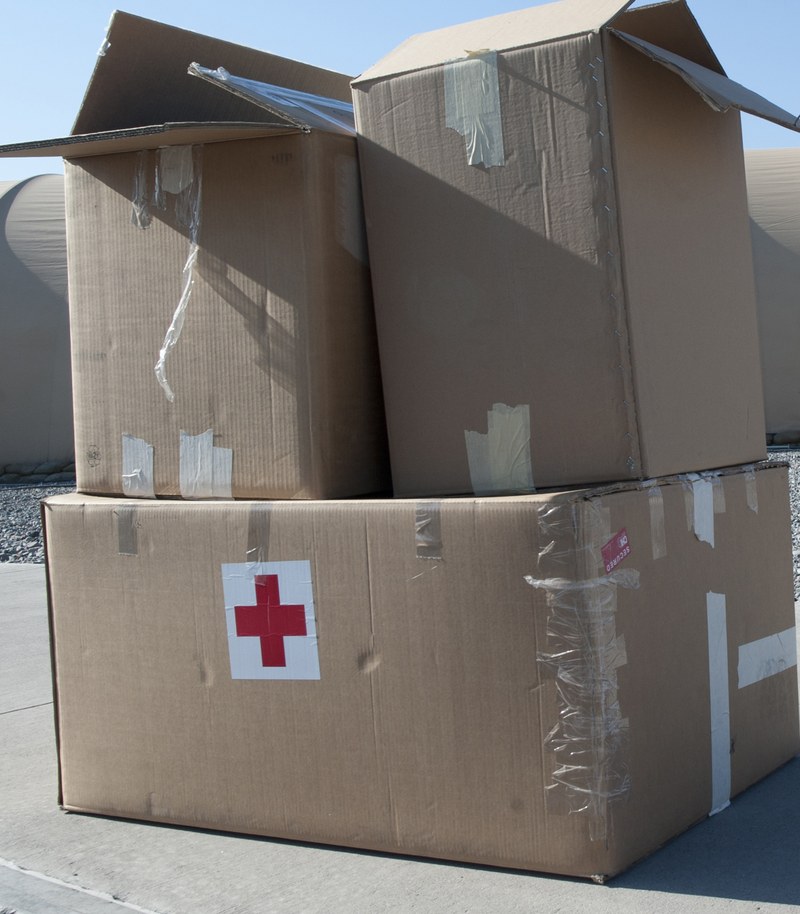
Elnakib et al. interviewed health professionals in Yemen at the height of the conflict: 43 interviews with professionals from facilities and 6 focus groups with community health workers and midwives (Elnakib et al., 2021). Participants reported sporadic attacks by armed civilians, tensions with patients and harassment at checkpoints (Elnakib et al., 2021). Working conditions were severe, with chronic suspension of salaries and a serious shortage of supplies and medicines (Elnakib et al., 2021).
The study also showed how these professionals kept working. Coping strategies revolved around fatalism and religious motivation, creativity and improvisation, and a sense of duty and patriotism (Elnakib et al., 2021). The authors note that the security situation was complex, with multiple parties to the conflict, politicization of humanitarian aid and access restrictions, added to everyday stressors that hindered the work (Elnakib et al., 2021).
It is tempting to read this sense of duty as pure resilience. But it coexists with accumulated stress, and those who teach or supervise must know how to recognize the strain. The professional who works without pay, with fear on the way and without materials to do what they know how to do is exposed to the suffering described in work environment and institutional culture. When something goes wrong, the blame falls on them, and the support among colleagues, discussed in second victim, becomes part of caring for the team.
War also affects those still learning. Bdaiwi et al. reviewed the impact of the Syrian conflict on the training of health professionals and included 70 studies from 5710 screened citations (Bdaiwi et al., 2023). Attacks on education and training, and the innovations to keep them going, appeared in a good part of the papers (Bdaiwi et al., 2023). The authors conclude that the conflict politicized every aspect of training and that the system split into two realities, depending on the political control of each area (Bdaiwi et al., 2023). They call for international academic cooperation and teaching platforms that combine distance classes, peer teaching and remote tutoring (Bdaiwi et al., 2023).
The long-term effect is predictable. If the country loses experienced doctors and does not train new ones with quality, care capacity stays low for years after the conflict ends. The destruction of a hospital is visible; the interruption of a generation of residents does not show up in any count of attacks.

What the clinician can do
Most of the response to attacks depends on policy, diplomacy and justice. But there are decisions within reach of those on the front line, and they start with record keeping.
Good record keeping is the most concrete contribution. Patel and colleagues show that the lack of routine data prevents identifying trends (Patel and colleagues, 2017), and Briody and colleagues argue for a standardized global system, with several reporting channels and different levels of confirmation (Briody and colleagues, 2018). In practice, this means noting the date, time, place, type of event, who was hit and what stopped being done because of it. A patient who died because the ambulance was held up is information that is lost if nobody writes it down.
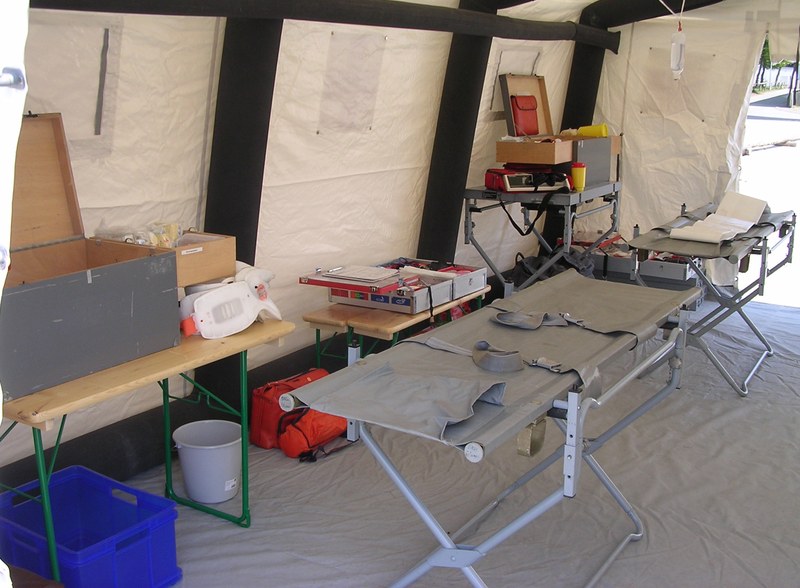
Planning minimum operations is also part of care. The Ukrainian data show that what is lost first is laboratory, prevention and follow-up (Haque and colleagues, 2024). Knowing in advance which tests and which medicines are essential, where to store them when the power fails and how to transfer patients helps keep the essentials going. The logic of prioritizing when everything arrives at once is in triage when everything arrives at once, and the logic of not confusing severity with appearance is in overtriage and undertriage.
Thinking about the diseases that come later avoids surprises. When vaccination stops, water becomes contaminated and services fall into disarray, old diseases return, as the text on services that fall into disarray shows. An attack on the health post today can mean a measles outbreak a few months from now.
Looking after the team is a clinical conduct. The Yemen study shows that suspended salaries, fear and lack of supplies coexist with a sense of duty (Elnakib and colleagues, 2021). Rotating shifts, structured conversation after serious events and referral of those who fall ill are part of protecting the service, as discussed in protecting those who care.
Finally, knowing the legal protection helps recognize the violation. The professional who knows that treating the wounded from all sides is a protected duty has more clarity to record pressure to the contrary and to seek institutional support when it appears (Patel and colleagues, 2017).
Common reasoning errors
The first error is thinking that an attack is only a bombardment. The broad definition includes people, units, transport and patients (Haar and colleagues, 2021). Those who think only of the building fail to record threats, obstructions and hold-ups at checkpoints, which in Yemen appeared as part of daily life (Elnakib and colleagues, 2021).
The second is comparing numbers from different sources as if they were the same. Two counts from the same country reached quite different monthly rates (Briody and colleagues, 2018). Before drawing a conclusion, one must ask how each system defined and verified the event.
The third is looking only at the emergency. In Ukraine, emergency admissions rose while laboratory, prevention and rehabilitation fell (Haque and colleagues, 2024). The greater harm may be in the chronic patient who does not show up, and not in the injured person who arrives.
The fourth is forgetting geography. In Yemen, millions of people lived more than half an hour from a functioning primary unit (Garber and colleagues, 2020). A protocol designed for those who arrive in minutes does not serve those who arrive in hours.
The fifth is treating the professional as an inexhaustible resource. The loss of professionals is one of the main ways in which insecurity reduces care (Altare and colleagues, 2021), and the training of the next ones is also affected (Bdaiwi and colleagues, 2023). Protecting those who care is protecting the capacity to treat tomorrow.
Frequently asked questions
What is considered an attack on a health service?
Any violence or obstruction against professionals, units, transport or patients, including threats, hold-ups and occupations, and not only bombardments (Haar and colleagues, 2021).
Are attacks increasing?
In Syria, the recorded number was much higher than in previous conflicts, but data from all conflicts are incomplete and methods vary widely (Briody et al., 2018).
Why is it so hard to count attacks?
Because there is no routine recording, definitions vary, and local workers and sex-disaggregated data are usually left out (Patel et al., 2017).
What happens to a hospital that is attacked?
It loses functions gradually. In Ukraine, emergency care grew while laboratory, screening and rehabilitation decreased (Haque et al., 2024).
How does insecurity affect care outside the hospital?
Through violence, mobility restrictions and lack of resources, especially the shortage of professionals and medicines (Altare et al., 2021).
What can clinicians do in practice?
Record each event in detail, plan for minimum functioning, anticipate outbreaks and look after the team (Patel et al., 2017).
Take-home messages
- Attacks on health include people, facilities, transport and patients, not just buildings (Haar et al., 2021).
- Numbers from different sources cannot be compared without knowing how each one defined and verified them (Briody et al., 2018).
- Local workers suffer the most and appear the least in the records (Patel et al., 2017).
- A hospital that is attacked keeps emergency care and loses laboratory, prevention and follow-up (Haque et al., 2024).
- Distance and restricted mobility make patients arrive later and sicker (Garber et al., 2020).
- Looking after the team and training protects the capacity to provide care after the conflict (Bdaiwi et al., 2023).
References
- Altare C, Castelgrande V, Tosha M, et al. From Insecurity to Health Service Delivery: Pathways and System Response Strategies in the Eastern Democratic Republic of the Congo. Glob Health Sci Pract. 2021. PMID 34933986.
- Barten DG, Tin D, Granholm F, et al. Attacks on Ukrainian healthcare facilities during the first year of the full-scale Russian invasion of Ukraine. Confl Health. 2023. PMID 38066621.
- Bdaiwi Y, Sabouni A, Patel P, et al. Impact of armed conflict on health professionals' education and training in Syria: a systematic review. BMJ Open. 2023. PMID 37474187.
- Briody C, Rubenstein L, Roberts L, et al. Review of attacks on health care facilities in six conflicts of the past three decades. Confl Health. 2018. PMID 29743939.
- Elnakib S, Elaraby S, Othman F, et al. Providing care under extreme adversity: The impact of the Yemen conflict on the personal and professional lives of health workers. Soc Sci Med. 2021. PMID 33588206.
- Garber K, Fox C, Abdalla M, et al. Estimating access to health care in Yemen, a complex humanitarian emergency setting: a descriptive applied geospatial analysis. Lancet Glob Health. 2020. PMID 33069304.
- Gesesew H, Kebede H, Berhe K, et al. Perilous medicine in Tigray: a systematic review. Confl Health. 2023. PMID 37254199.
- Haar RJ, Read R, Fast L, et al. Violence against healthcare in conflict: a systematic review of the literature and agenda for future research. Confl Health. 2021. PMID 33962623.
- Haque U, Bukhari MH, Fiedler N, et al. A Comparison of Ukrainian Hospital Services and Functions Before and During the Russia-Ukraine War. JAMA Health Forum. 2024. PMID 38758566.
- Omar A. Understanding and Preventing Attacks on Health Facilities During Armed Conflict in Syria. Risk Manag Healthc Policy. 2020. PMID 32256132.
- Patel P, Gibson-Fall F, Sullivan R, et al. Documenting attacks on health workers and facilities in armed conflicts. Bull World Health Organ. 2017. PMID 28053368.
- PLOS Medicine Editors. Health care in danger: deliberate attacks on health care during armed conflict. PLoS Med. 2014. PMID 24959856.
- Ri S, Blair AH, Kim CJ, et al. Attacks on healthcare facilities as an indicator of violence against civilians in Syria: An exploratory analysis of open-source data. PLoS One. 2019. PMID 31181095.