Cholera, measles and malnutrition in conflicts
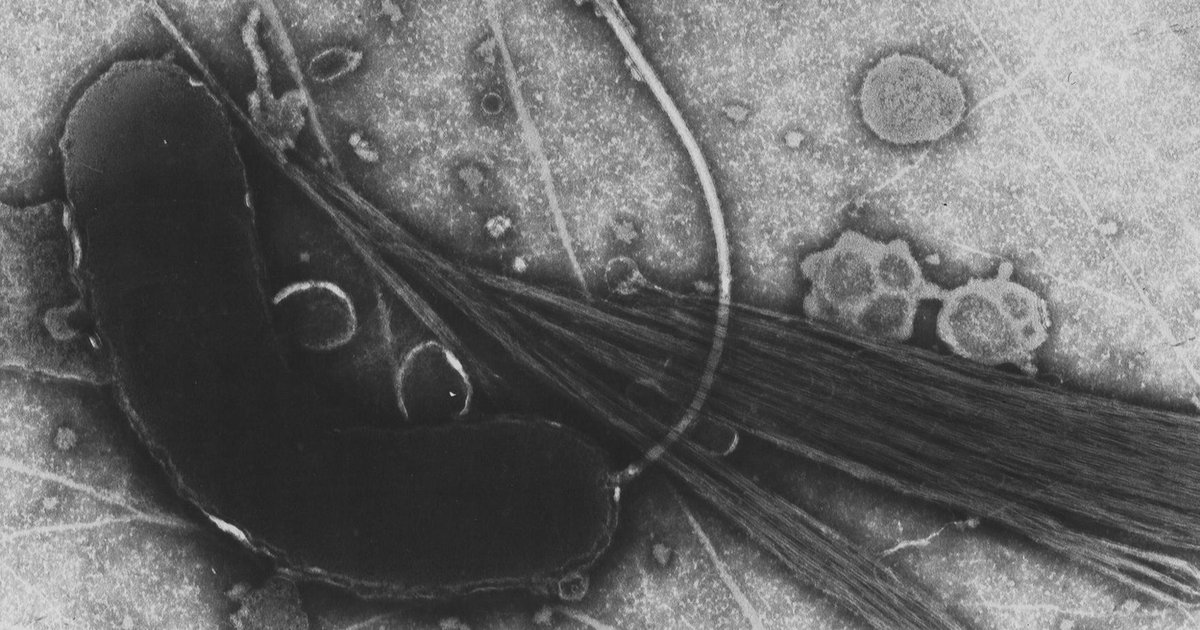
Table of contents
- Why these diseases return
- The services that fall apart
- Cholera: the disease that kills through dehydration
- Measles: when vaccination stops
- Malnutrition: the condition that worsens the others
- Triage when everything arrives at once
- Mental health also comes in
- Protecting those who care
- How NEXO helps train this reasoning
- Frequently asked questions
- Final checklist
- References
A doctor starts her shift at a health unit set up in a hurry to care for displaced families. In line, a mother holds a three-year-old boy with watery diarrhea since dawn, sunken eyes and intense thirst. Right behind, a grandmother brings a two-year-old girl with fever, cough and red spots that started behind her ears. The doctor notices that both have thin arms for their age. The scene is fictional and was written for teaching. This text uses that moment as a setting for clinical reasoning: why known and treatable diseases gain strength when health services fall apart, and how to think about triage when cholera, measles and malnutrition arrive together.
NEXO is a daily medical diagnosis game: one clinical case a day, up to six progressive clues, and ICD-10 proximity feedback across five levels.
The text is not a humanitarian response manual nor a treatment protocol. The approaches follow World Health Organization guidelines, local protocols and the judgment of those providing care. The interest here is reasoning: how context changes the probability of hypotheses and the order of priorities. If you play the case of the day on NEXO, you will recognize the logic: the setting in which the patient appears is also a clue.
Key points
- Communicable diseases, alone or combined with malnutrition, cause most deaths in complex emergencies.
- Adequate rehydration reduced cholera mortality from more than 50 to well under 1 per 100 patients.
- Measles returns when vaccination coverage falls, and malnutrition increases the risk of complications and death.
- Mid-upper arm circumference is a simple measurement that helps identify malnourished children at high risk of death.
- The protection of patients, professionals and health services is part of the response to these diseases.
Why these diseases return
Cholera, measles and malnutrition are known conditions with simple and effective treatments. Even so, they gain strength when the life of a population falls apart. Connolly and colleagues report that, in complex emergencies, communicable diseases, alone or combined with malnutrition, cause most deaths, especially diarrhea, respiratory infection, malaria and measles (Connolly and colleagues, 2004).
The factors that add up
Toole and Waldman describe the factors that combine in these situations: population displacement, lack of food and collapse of health services (Toole and Waldman, 1997). The same authors point to diarrhea, measles, acute respiratory infection and malaria as the main causes of death. Connolly and colleagues add that these factors act together and raise transmission (Connolly and colleagues, 2004).
What the scene teaches
In the opening scene, the doctor has two conditions that, in isolation, would lead to different hypotheses. The context, a displaced population, increases the probability of cholera and measles, and the thin arms suggest a third condition that changes the risk of the other two. The post on pretest probability explains how context changes the value of each finding.
The services that fall apart
The disease does not return only because the population is more exposed. It also returns because the services that controlled it stop working. Connolly and colleagues report that the delivery of interventions is compromised by the loss of health professionals, damage to infrastructure and insecurity (Connolly and colleagues, 2004).
What works
The same authors list the measures that make a difference: adequate shelter, water, food and sanitation, along with effective treatment of the sick, vaccination, health education and disease surveillance (Connolly and colleagues, 2004). Toole and Waldman reach a similar list when reviewing public health in these situations (Toole and Waldman, 1997).


What has changed in recent decades
Salama and colleagues report that the response to diseases with epidemic potential improved, especially in camps, and that mortality among children with severe malnutrition fell greatly with better protocols and products (Salama and colleagues, 2004). The authors note that the main causes of death, such as respiratory infection, diarrhea, malaria, measles, neonatal causes and malnutrition, still demand attention outside the camps.
Cholera: the disease that kills through dehydration
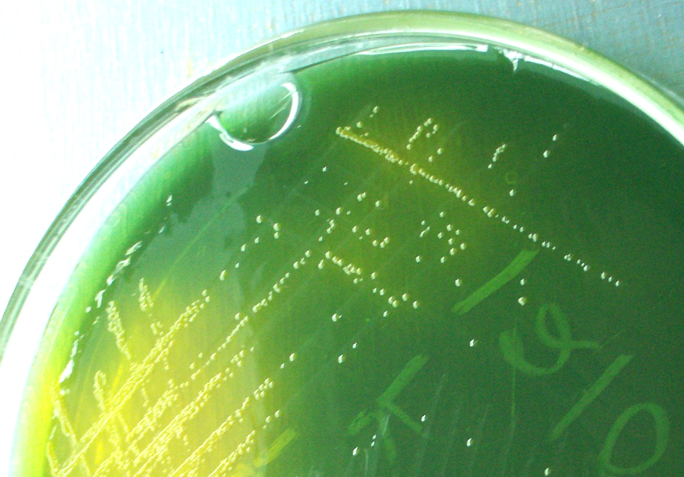
Cholera is caused by the bacterium Vibrio cholerae and shows up as watery diarrhea that can lead to severe dehydration within a few hours. WHO reports that most cases are mild or moderate and can be treated with oral rehydration salts (WHO, cholera fact sheet). The same source links the disease to conflict, population displacement and lack of access to clean water and sanitation.

Rehydration as treatment
Clemens and colleagues report that adequate rehydration reduced cholera mortality from more than 50 to well under 1 in every 100 patients (Clemens and colleagues, 2017). WHO recommends intravenous fluids, oral rehydration salts and antibiotics in severe cases (WHO, cholera fact sheet). The same source states that mortality in treatment centers should stay below 1 in every 100 patients treated.
What the reasoning needs to prioritize
In the opening scene, the boy with watery diarrhea, sunken eyes and intense thirst shows signs of dehydration. The immediate priority is to assess the degree of dehydration and start rehydration, before any laboratory confirmation. WHO also reports that mass chemoprophylaxis is not recommended (WHO, cholera fact sheet).
The assessment of dehydration uses signs that fit into a quick exam: alertness, the eyes, thirst, skin that goes back slowly when pinched, the ability to drink (WHO, The treatment of diarrhoea, 2005). The WHO manual uses these signs to choose between the oral and the intravenous rehydration plan. On oral fluids, the child is observed throughout the replacement and fully reassessed after four hours. In severe dehydration, reassessment happens at least every hour (WHO, The treatment of diarrhoea, 2005). The same manual notes that skin turgor is less useful in children with severe malnutrition, which matters in a scene where the children have thin arms. In an overloaded service, this reassessment is what keeps a child who looked stable from getting worse without anyone noticing.
The oral vaccine
Clemens and colleagues report that oral cholera vaccines are available in stock for use in outbreaks and emergencies (Clemens and colleagues, 2017). The same authors estimate about 100 000 cholera deaths per year worldwide. The vaccine complements, but does not replace, clean water, sanitation and rapid treatment of patients.


Measles: when vaccination stops
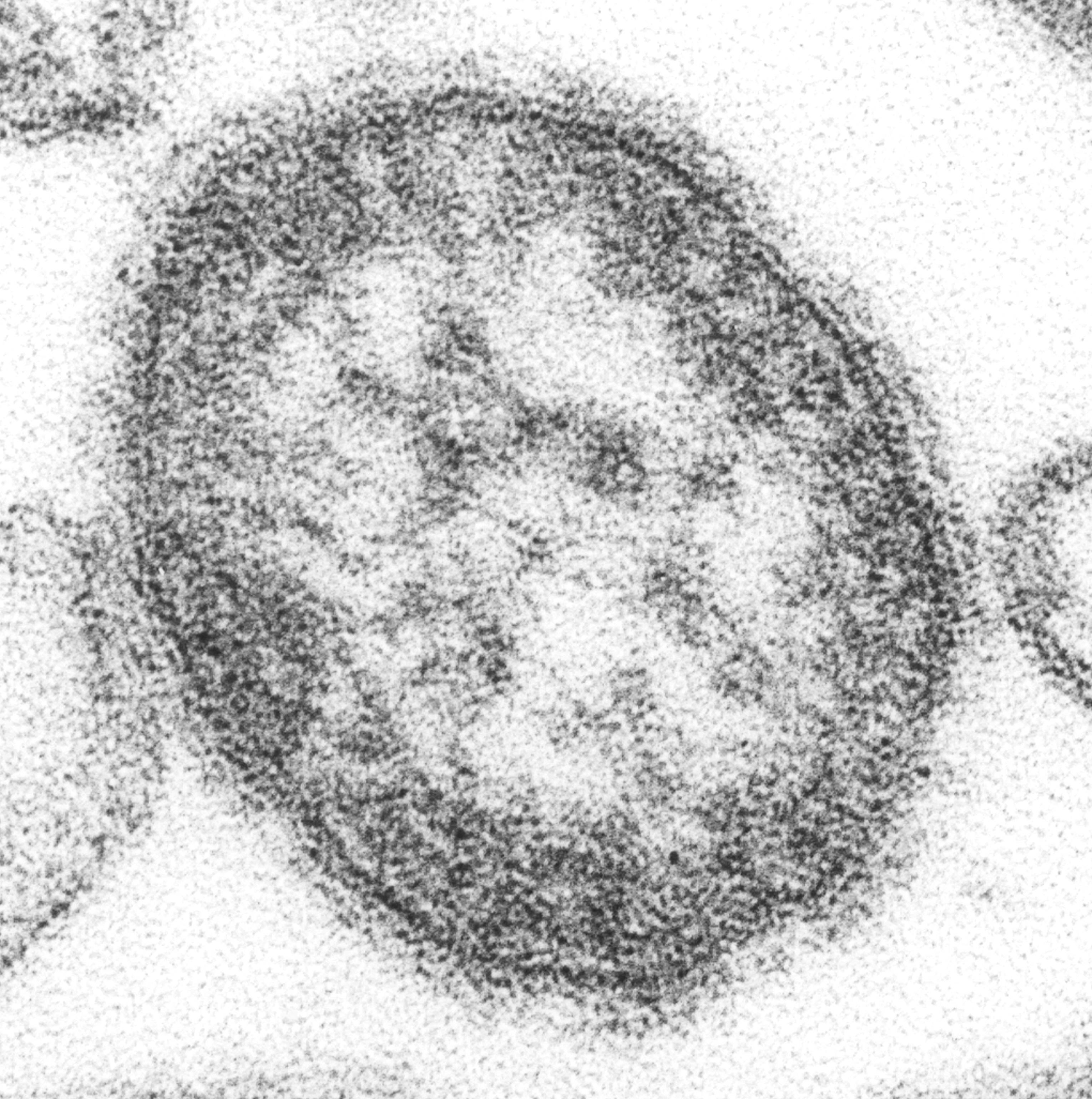
Measles is a highly contagious viral disease. Moss and Griffin report that measles circulates again when vaccination coverage falls (Moss and Griffin, 2012). WHO reports that conflict interrupts vaccination and that crowding in camps increases the risk of transmission (WHO, measles fact sheet).

Malnutrition as an aggravating factor
WHO reports that measles complications are more likely in malnourished children and in those with vitamin A deficiency, and that malnourished children have the highest risk of death (WHO, measles fact sheet). In the opening scene, the girl with fever, cough and spots behind the ears has a picture consistent with measles, and the thin arms raise concern.
Vitamin A
The WHO recommends two doses of vitamin A for children under five with suspected measles, one on the first day and another on the following day, and a third dose four to six weeks later when there are eye signs (WHO, descriptive note on measles). It is a simple measure that enters the reasoning from the moment of suspicion.
Isolation in a crowded setting
In a place with many people close together, each measles case can generate many others. Clinical suspicion must lead to notification and control measures, along with treatment of the child. The post on clinical decision-making shows how an individual decision can have effects that go beyond the patient.
Malnutrition: the condition that worsens the others
Severe acute malnutrition changes the risk of almost every other disease. Collins and colleagues describe very low weight for height, bilateral edema of nutritional origin and a very reduced arm circumference as criteria for severe acute malnutrition (Collins and colleagues, 2006).
The arm circumference
The joint statement by the WHO and UNICEF defines severe acute malnutrition, in children aged 6 to 60 months, by an arm circumference of less than 115 mm, among other criteria (WHO and UNICEF, 2009). Briend and colleagues report that the WHO and UNICEF define severe acute malnutrition without edema by an arm circumference of less than 115 mm or by a weight-for-height z-score of less than minus 3 (Briend and colleagues, 2012). In the same study, arm circumference identified children at high risk of death better, and the authors concluded that using it alone is preferable.
Treatment close to home
Collins and colleagues describe community treatment programs, with ready-to-use therapeutic foods, that allow children with severe malnutrition without complications to be treated at home (Collins and colleagues, 2006). Children with complications still need hospitalization, and triage serves to separate the two groups. The practical question is whether the child can eat, whether the child is alert and whether there is any infection or dehydration that calls for closer care. The answer defines whether the child goes home with the therapeutic food and a scheduled return, or stays under observation. In a scenario with few beds, this separation allows hospitalization to be concentrated on the children who need it most.
A measure that fits in the queue
In the opening scene, the doctor notices that the two children have thin arms. An arm measuring tape turns that impression into a number in a few seconds. The post on differential diagnosis shows how a discreet clue can change the main hypothesis and the approach.
Triage when everything arrives at once
The table below summarizes, in a didactic way, the three conditions in the text and the question each one suggests. It does not replace WHO guidelines or local protocols.
| Condition | Clue that draws attention | First priority | Question that helps |
|---|---|---|---|
| Cholera | Abundant watery diarrhea, signs of dehydration | Assess the degree of dehydration and rehydrate | How much fluid has this child lost and by what route should it be replaced? |
| Measles | Fever, cough, spots that start on the face or behind the ears | Treat, give vitamin A and notify | Are there signs of complication and who else is exposed? |
| Severe acute malnutrition | Thin arms, edema in both feet, weight loss | Measure the arm and look for complications | Can this child be treated at home or does the child need hospitalization? |
The conditions add up
The most useful point of the table is to remember that the same child can have more than one condition. Salama and colleagues note that diarrhea, measles and malnutrition appear together among the main causes of death in these situations (Salama and colleagues, 2004). A malnourished child with diarrhea or measles has a higher risk than a child with only one condition.
The order of priorities
In the queue, the order of care depends on severity. Severe dehydration can kill within hours and comes first. Measles with respiratory complication also calls for prompt attention. Arm measurement should accompany every assessment, because it changes the risk of everything else. The post on diagnostic pause describes how a short moment of verification prevents haste from hiding a second condition.
Calibrating confidence under overload
In the long queue, the temptation is to recognize the pattern quickly and move on to the next patient. Most of the time, the pattern is right. The risk lies in letting the second condition slip by, such as malnutrition behind the diarrhea or the complication behind the measles.
The context raises the probability of certain diseases, but it does not rule out the others. A child with diarrhea in a cholera outbreak may have another cause of diarrhea, and a child with fever and spots may have another exanthematous disease. The post on calibrating confidence in diagnosis explains how to compare the certainty we feel with how often we are right.
Recognizing patterns is essential when many patients arrive at the same time. The post on examples of heuristics in clinical reasoning shows how these shortcuts work and where they fail. One extra question, such as "what else does this child have?", helps use the shortcut without getting stuck to it.
Back to the scene
In the opening scene, the doctor has two children and three hypotheses. The boy with watery diarrhea, sunken eyes and intense thirst comes first, because dehydration can worsen within a few hours. She assesses the degree of dehydration, starts rehydration by the appropriate route and, meanwhile, measures his arm. If the measurement indicates severe malnutrition, the approach changes: the child now has a higher risk, and rehydration and feeding follow the specific care for malnourished children described in WHO protocols.
The girl with fever, cough and spots behind the ears receives the clinical diagnosis of suspected measles. The doctor looks for signs of complication, such as difficulty breathing, diarrhea or eye changes, gives vitamin A and measures her arm. The suspicion also calls for notification and a question about who sleeps in the same tent, because siblings and neighbors may need vaccination.
In both cases, the question that changes the approach the most is not the one about the main diagnosis, but the one about the second condition. Malnutrition, noticed through thin arms, raises the risk of the other two diseases and changes where treatment takes place. The doctor also asks how the mother and grandmother are doing, because they are the ones who will continue the care at home.
Mental health also comes in
Infectious diseases and malnutrition are not the only health consequences. Charlson and colleagues estimated, in a systematic review, that mental disorders affect 22.1 in every 100 people in populations affected by conflict, with severe forms in 5.1 in every 100 (Charlson and colleagues, 2019).
What this means in care
For those providing care, the data reminds us that mental suffering is part of the picture for many patients, including caregivers. The mother who brings her child with diarrhea may be exhausted, afraid and not sleeping. Asking how she is doing is part of the care, and the answer may change the ability to follow the treatment at home. When psychosocial support services are available, knowing how to refer to them is also part of care, even in a short consultation.
Uncertainty in the setting
In contexts of great overload, information is often incomplete, tests are few and follow-up is difficult. The post on diagnostic uncertainty shows how to make reasonable decisions when the information is still incomplete.
Protecting those who care
All these measures depend on health services that can function. Rubenstein and Bittle report that attacks on patients, professionals, health facilities and health transport have become a feature of armed conflicts, despite being prohibited by the laws of war, and that the recording of these violations is poor (Rubenstein and Bittle, 2010). The same authors recall the ethical duty of health professionals to treat patients regardless of their affiliation.
The Health Care in Danger initiative
The International Committee of the Red Cross describes the Health Care in Danger initiative, of the International Red Cross and Red Crescent Movement, launched after resolutions of the 31st International Conference, in 2011, and reinforced in 2015 (ICRC, Health Care in Danger). The same page reports that, when health care is compromised, children miss vaccinations and people die from treatable injuries.
Why this enters clinical reasoning
For the clinician, protecting health care is not a distant topic. The lack of professionals, facilities and supplies changes what is possible in each encounter, and the return of measles and cholera is partly a consequence of the interruption of these services (Connolly et al., 2004). The impartial treatment of all patients, described by Rubenstein and Bittle as an ethical duty, is part of the same reasoning.
How NEXO helps train this reasoning
In NEXO, the case of the day is fictional, with a real clinical presentation and up to six progressive clues. You propose a diagnosis by searching for the ICD-10 code and receive feedback on proximity at five levels, which shows whether your guess landed on the exact code, the same category, the same group, the same chapter or a different chapter. This format speaks to the theme of this text: the context in which the patient appears changes the probability of each ICD-10 chapter.
To use the case of the day as training, try three habits. Before each guess, ask what the context of the case makes more likely. When a new clue appears, ask whether it points to a second condition. After the result, note which clue about the context you failed to use.
Three exercises with cases
Use the context. Faced with a case, write in one line how the patient's location and situation change the list of hypotheses.
Look for the second condition. With each clue, ask whether there is something the main hypothesis does not explain.
Rank by severity. List the conditions in the case by how quickly they can kill.
The post on case-based learning in clinical education shows how cases help fix decision patterns.
The limits on using the game are described on the NEXO Economy page. If you research the teaching of clinical reasoning, the page for Researcher explains how to get in touch. Professionals who write or review cases find information on Curator and on Creators, and institutions can learn about the proposal on the partnerships page.
Frequently asked questions
Why does cholera appear in situations of conflict and displacement?
Because transmission is linked to the lack of clean water and sanitation, which usually accompanies population displacement and damage to basic services.
How is cholera treated?
Most cases are mild or moderate and are treated with oral rehydration salts. In severe cases, the WHO recommends intravenous fluids, oral rehydration salts and antibiotics.
Why does measles return in crisis situations?
Because vaccination is interrupted and crowding makes transmission easier. The disease circulates again when vaccination coverage falls.
What is vitamin A for in measles?
The WHO recommends vitamin A for children under five with suspected measles, because a deficiency of this vitamin increases the risk of complications.
How is mid-upper arm circumference measured?
With a tape placed at the midpoint of the arm, between the shoulder and the elbow. In children aged 6 to 60 months, a value below 115 mm indicates severe acute malnutrition, according to the 2009 joint statement by the WHO and UNICEF.
Which malnourished children can be treated at home?
Those who have severe malnutrition without complications and are able to eat, with ready-to-use therapeutic foods and follow-up. Those with complications need to be hospitalized.
Final checklist
- I considered how the context changes the probability of the hypotheses.
- I assessed the degree of dehydration in every child with diarrhea.
- I thought of measles when faced with fever, cough and rash, and I remembered vitamin A.
- I measured the mid-upper arm circumference of the children seen.
- I looked for a second condition behind the main picture.
- I reported the notifiable diseases and thought about who else was exposed.
- I asked how the caregivers were doing.
Want to practice reasoning with progressive clues? Play the case of the day.
References
- Briend A, Maire B, Fontaine O, Garenne M. Mid-upper arm circumference and weight-for-height to identify high-risk malnourished under-five children. Matern Child Nutr. 2012. PMID 21951349.
- Charlson F, van Ommeren M, Flaxman A, et al. New WHO prevalence estimates of mental disorders in conflict settings: a systematic review and meta-analysis. Lancet. 2019. PMID 31200992.
- Clemens JD, Nair GB, Ahmed T, et al. Cholera. Lancet. 2017. PMID 28302312.
- Collins S, Dent N, Binns P, et al. Management of severe acute malnutrition in children. Lancet. 2006. PMID 17141707.
- International Committee of the Red Cross. Protection of health care: the Health Care in Danger initiative. Initiative page.
- Connolly MA, Gayer M, Ryan MJ, et al. Communicable diseases in complex emergencies: impact and challenges. Lancet. 2004. PMID 15567014.
- Moss WJ, Griffin DE. Measles. Lancet. 2012. PMID 21855993.
- Rubenstein LS, Bittle MD. Responsibility for protection of medical workers and facilities in armed conflict. Lancet. 2010. PMID 20109960.
- Salama P, Spiegel P, Talley L, Waldman R. Lessons learned from complex emergencies over past decade. Lancet. 2004. PMID 15541455.
- Toole MJ, Waldman RJ. The public health aspects of complex emergencies and refugee situations. Annu Rev Public Health. 1997. PMID 9143721.
- World Health Organization. Cholera: fact sheet. 2026. Fact sheet page.
- World Health Organization. Measles: fact sheet. 2026. Fact sheet page.
- World Health Organization. The treatment of diarrhoea: a manual for physicians and other senior health workers. 4th rev. 2005. Manual PDF.
- World Health Organization, UNICEF. WHO child growth standards and the identification of severe acute malnutrition in infants and children: a joint statement. 2009. Publication page.