AccessibilityNeurology
Aphasia in consultations: communicating and consent
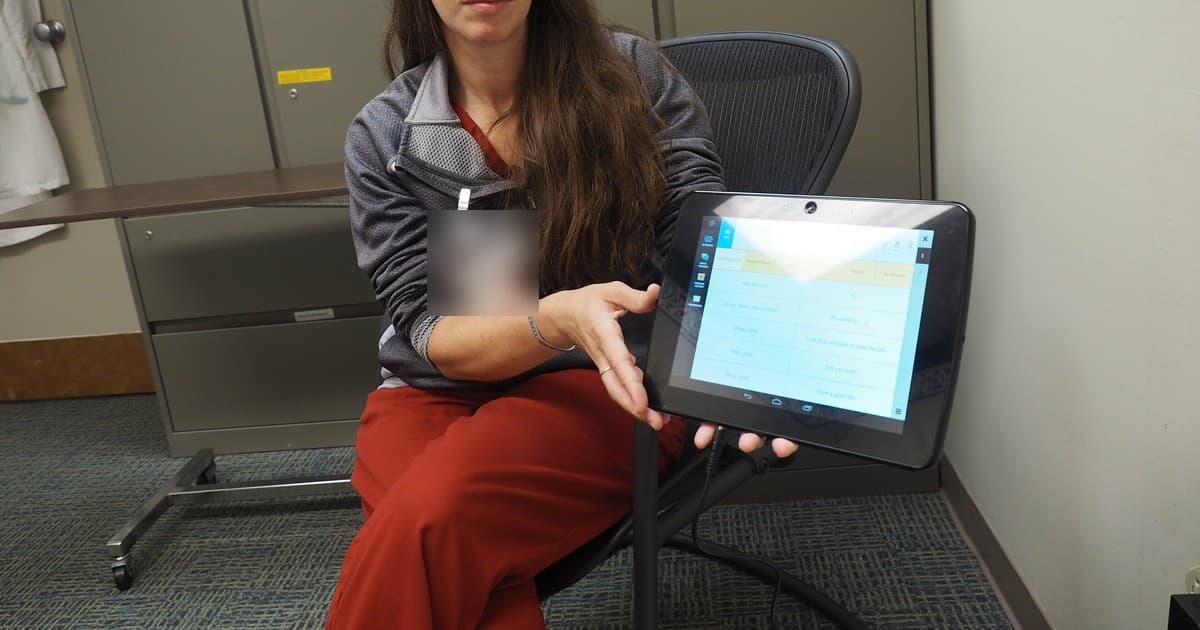



Table of contents
In a fictional case, a 68-year-old man, a retired history teacher, returns to the outpatient clinic three months after a stroke. He understands well what is said slowly, but he swaps words, takes time to find names, and sometimes answers only "yes" to everything. The resident needs to explain a colonoscopy and obtain consent. The daughter offers to answer for him, and the resident, in a hurry, almost accepts. In the hospital admission record, someone wrote "confused patient".
The teacher, however, knows where he is, recognizes his daughter, remembers the hospitalization, and points on the calendar to the day of the next appointment. What he lacks is the word, not the judgment. This text gathers what guidelines, reviews, and qualitative studies show about how to talk with someone who has aphasia, how to explain a procedure, and how to reach a consent that is truly the patient's.
Key points
- Aphasia affects about one third of people after a stroke and impairs speaking, understanding, reading, and writing (Brady et al., 2025).
- Aphasia is a language disorder and, by itself, does not imply cognitive impairment, a distinction often forgotten in clinical practice and in law (Brunasso et al., 2026).
- Supported conversation organizes the conversation in three steps: helping to understand, helping to express oneself, and checking what was understood (Meehan et al., 2026).
- Supported communication strategies can reveal a competence hidden by language difficulty, but the evidence is still mostly qualitative (Brunasso et al., 2026).
- A short training in supported conversation improved professionals' perception of their own knowledge and attitudes, in a Portuguese study without a control group (Maurício et al., 2026).
- What aphasia is and how many people have it
- Aphasia is not mental confusion
- Preparing the consultation and talking
- Taking the history and explaining
- Consent with aphasia
- Training the team
- Studies in summary
- How NEXO helps train this reasoning
- Frequently asked questions
- Take-home messages
What aphasia is and how many people have it
Aphasia is an acquired language disorder, caused by brain injury, that affects the ability to speak, write, understand speech, and understand reading (Brady et al., 2025). The European Stroke Organisation guideline separates this condition from other communication difficulties: slurred speech due to muscle weakness (dysarthria), difficulty coordinating speech movements (apraxia), and sensory or cognitive problems are outside the definition.
A frequent problem
Aphasia affects about one third of people after a stroke, and the guideline authors estimate that more than 4 million people worldwide acquired stroke-related aphasia in 2019 alone (Brady et al., 2025). In the United States, an analysis of 745,917 Medicare beneficiaries hospitalized for stroke found a diagnosis of aphasia in 14.5 percent of them within the following 90 days (Ellis et al., 2026). The difference between the numbers reflects distinct populations and methods: billing codes tend to capture less than direct clinical assessment.
Stroke is the most common cause, but aphasia also appears after traumatic brain injury, tumors, and progressive neurological diseases (Meehan et al., 2026). This means that the person with aphasia appears in any clinic, not only in neurology: in cardiology, oncology, surgery, primary care, and the emergency department.
Why it matters in the consultation
Aphasia affects autonomy and is associated with more morbidity, longer hospital stays, social isolation, and difficulty returning to work (Meehan et al., 2026). People with aphasia describe fear, frustration, and the feeling of not being understood by those who care for them. When the conversation fails, the person may be left out of decisions about their own care, and the family member starts speaking in their place.
Aphasia is not mental confusion
The most common mistake when facing someone with aphasia is to take the language difficulty for a lack of judgment. A scoping review on informed consent recalls that aphasia is primarily a language disorder and does not, by itself, imply cognitive impairment, a distinction often forgotten in clinical and legal settings (Brunasso et al., 2026). The authors describe aphasia as something that can mask, not eliminate, decision-making capacity.
The label of "confused"
In a qualitative study with 15 speech-language pathologists from England and Wales, the interviewees reported that people with Wernicke's aphasia can be labeled as "confused" in the hospital (Williams et al., 2026). In this type of aphasia, speech is fluent, auditory comprehension is impaired, and the person has little awareness of their own errors, which makes the conversation seem disorganized. The speech-language pathologists also reported the difficulty other professionals have in separating what was cognition from what was language comprehension.
A US case report shows the risk of misinterpreting what the person is trying to say. A woman with non-fluent aphasia after a stroke, admitted to a psychiatric unit, reported visions described as "fairies", which led to a hypothesis of psychosis and the start of an antipsychotic (Duckworth et al., 2026). In outpatient follow-up, these experiences were reinterpreted as visual phenomena linked to changes in position or to stress, and the antipsychotic was stopped. This is a single case, but it illustrates how the language barrier can distort the assessment.
Signs that call for another explanation
Some clues suggest there is something beyond aphasia and call for medical assessment (our synthesis, based on the sources in this text and on clinical practice, with no specific study to support it). Attention that fluctuates over the course of the day, with drowsiness or agitation that come and go, is one of them. Disorientation that also appears in tasks without language, such as pointing to one's own room or recognizing close people, is another. Rapid worsening compared with what the family describes as usual, and a change in behavior together with fever, pain, infection or new medications, complete the list.
Aphasia and delirium can coexist, and one does not rule out the other. The investigation of a new and acute neurological deficit is another matter, covered in Stroke mimics: the acute deficit that is not vascular.
Preparing the consultation and talking
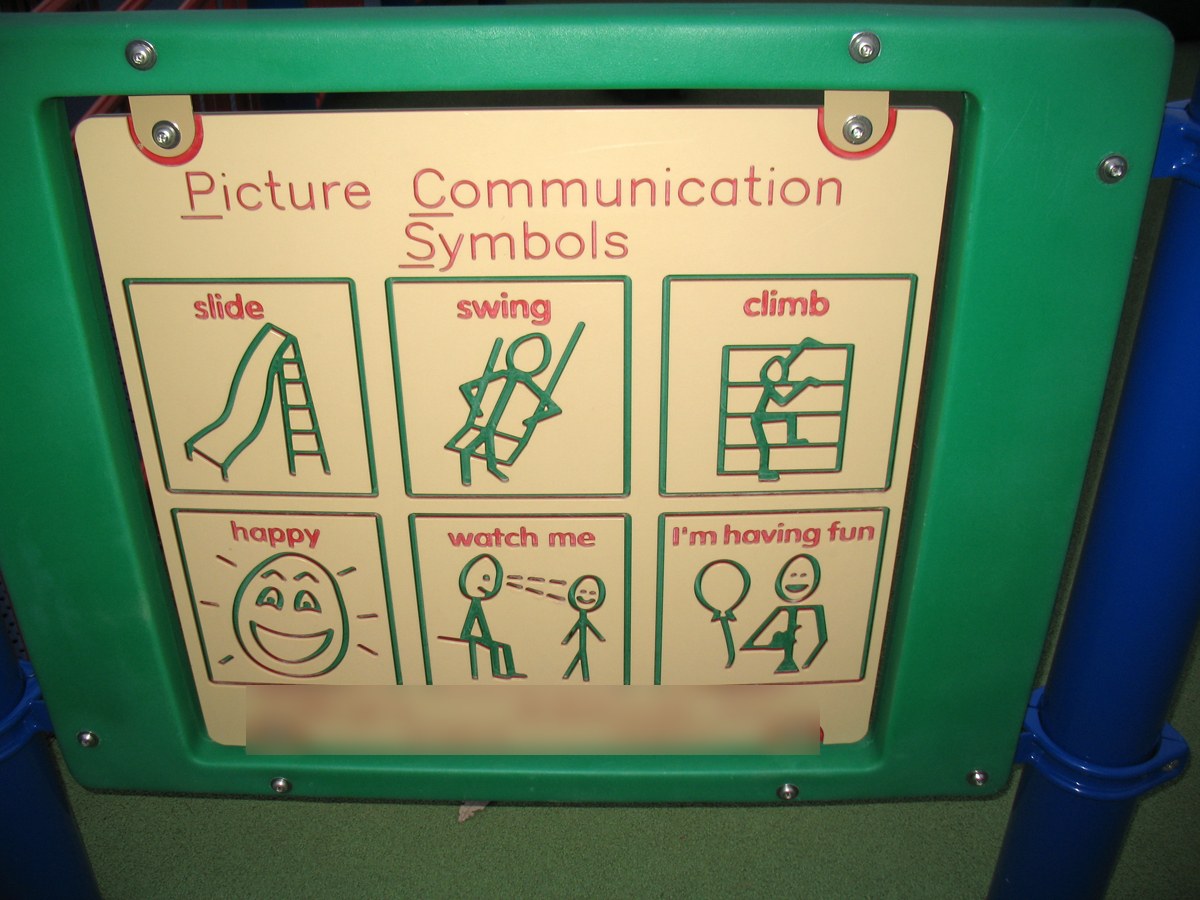
The conversation with someone who has aphasia begins before the person enters the room. A practice article aimed at case managers describes how to adapt the assessment with a composite clinical scenario, based on real consultations (Meehan et al., 2026). The suggested preparation begins with reading the medical record, especially the speech-language pathology reports, and checking hearing, since aphasia does not rule out hearing loss. It is worth inviting a support person, who can advise on the strategies that work and say whether the patient's "yes" and "no" are reliable, and announcing the topics of the conversation in advance. Pen, paper or a whiteboard, yes and no cards, visual scales from 0 to 4 and a calendar should be at hand. Finally, enough time must be set aside, without stretching the session too long, to avoid cognitive fatigue (Meehan et al., 2026).
The role of the companion
The family member helps a great deal, but the consultation is still the patient's. In the scenario described by Meehan, the manager asks the patient whether she can include the wife when needed, and he agrees (Meehan et al., 2026). In a secondary analysis of interviews with people with acquired brain injury, family members and staff, the participation of close people made the conversation easier and helped interpret and confirm the patient's account (Gustavsson et al., 2026). Direct questions to the patient and noting non-verbal communication added information that no other source provided.
The companion who interprets needs the patient's consent for this, and the final decision does not become theirs. When the barrier is one of language, and not of language ability, the path is different, discussed in Professional interpreter: the consultation in another language.
The environment
Turning off the television, closing the door and reducing background noise make a difference (Meehan et al., 2026). A room with fewer stimuli allows the person to devote full attention to what is being said. The same logic applies at the bedside: pulling the curtain and sitting at eye level helps more than speaking louder.
Supported conversation: the three stages
A Supported Conversation for Adults with Aphasia (SCA), or supported conversation, is a method for training communication partners designed to reveal the decision-making abilities that remain intact in people with aphasia (Meehan et al., 2026). It is organized in three stages: supporting understanding of incoming messages, supporting expression of outgoing messages, and checking whether understanding occurred.
Incoming messages
To help the person understand, the strategies described include (Meehan et al., 2026):
- Start with an informal conversation to adjust to the person's way of communicating.
- Make sure you have the person's attention before speaking, and use short, simple sentences at a calm, natural pace.
- Write the key words, draw or make gestures while you speak.
- Show images, maps or the calendar when the subject involves place or time.
- Clearly signal when the subject changes, for example by pointing to the part of the body in question.
- Rephrase, rather than repeating the same words, when the person seems not to understand, and allow time to process.
- Offer options instead of open questions, when the question allows it.
Outgoing messages
To help the person express themselves, it is worth allowing plenty of time for the answer, acknowledging every attempt at communication and accepting any form of response: speech, writing, drawing, gesture, facial expression, tone of voice or a communication notebook (Meehan et al., 2026). Asking one question at a time and keeping to one subject at a time reduces the load. Visual scales and the calendar help with answers about intensity, frequency and time.
Checking
The third stage is checking whether what was understood is what the person meant. The strategies described include repeating the patient's message and asking for confirmation, using yes and no cards, writing the important words and checking the answer in two different ways when the subject is important (Meehan et al., 2026). A simple sentence, such as "let me see if I understood", invites the person to correct.
In Meehan's scenario, when the manager asks about the goals of care, the patient answers only "home". She confirms: "you want to stay in your home, is that it?", writes "stay in my home" and he nods (Meehan et al., 2026). A one-word answer became a recorded and confirmed decision.
Taking the history and explaining
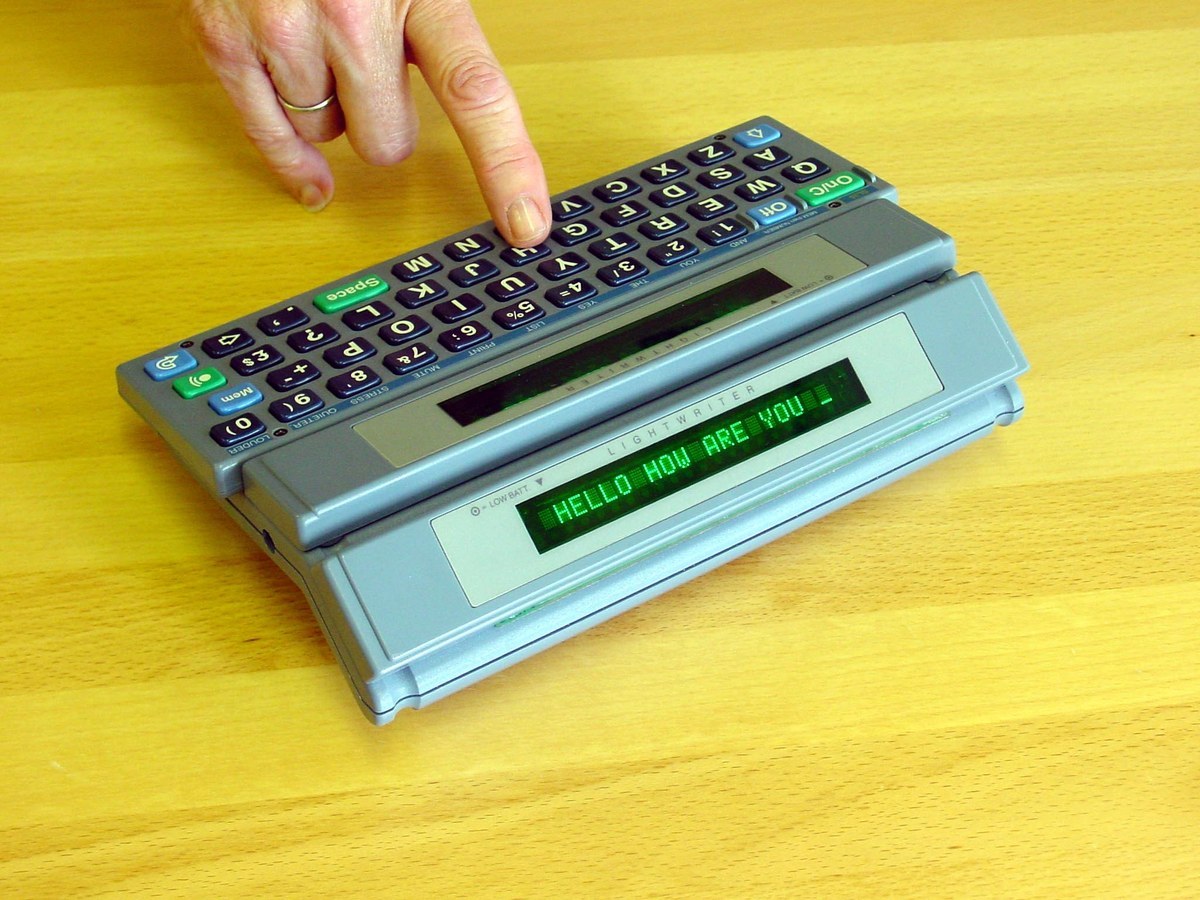
The medical history depends almost entirely on language, and that is why it is the moment when aphasia weighs most. The supported conversation strategies apply here: closed questions when possible, one at a time, with visual support (our synthesis, based on Meehan et al., 2026).
Questions that work
Yes or no questions help, provided the yes and the no are reliable. In Meehan's scenario, the wife reports that her husband sometimes answers with a single word or with yes and no, but without confidence (Meehan et al., 2026). In practice, this means testing beforehand with questions whose answers are known and, for important answers, reversing the question to check (our synthesis).
For pain, a body diagram where the person points to the location and a visual intensity scale replace verbal description. For time, the calendar and simple gestures, such as showing three fingers for "the last three days", help (Meehan et al., 2026).
What the research team learned
Qualitative studies with people who have communication difficulties offer useful lessons for the medical history. In the Swedish study, which included people with acquired brain injury in general, not only aphasia, fragmented narratives, lack of concentration, fatigue and difficulty finding words led to answers about another subject, forgotten questions and changes of topic (Gustavsson et al., 2026). The strategies that worked were targeted follow-up questions, summaries to confirm understanding, adjusting the time to avoid fatigue and noting non-verbal signals. The authors themselves note that the sample was small, with 13 interviews in total.
Mental health and symptoms that are hard to name
Mood, suicidal ideation and changes in perception are hard to assess when speech is missing. In the psychiatric case report, the patient communicated through gestures, nods, emojis on a tablet and yes and no answers, and the assessment of mood and risk was limited by this (Duckworth et al., 2026). The speech-language pathologists in the British study reported frustration, agitation, depressed mood, anxiety and suicide attempts among people with Wernicke's aphasia, and called for more access to mental health care (Williams et al., 2026).
Explain in parts
Explaining a diagnosis or a procedure to someone with aphasia calls for less information at a time and more visual support. To communicate results, the practice article suggests sharing two or three main impressions, stating the next steps clearly and leaving a written note with them (Meehan et al., 2026). Written material should be short, in plain letters, with 1.5 line spacing and plenty of white space (Meehan et al., 2026).
Teach-back adapted to aphasia
The method of asking the patient to explain in their own words what they understood is described in Health literacy: checking whether the patient understood. In aphasia, asking the person to repeat in words may measure difficulty speaking, not understanding. The adaptation we propose (our synthesis, based on the verification strategies of Meehan et al., 2026) replaces the spoken answer with other forms. The person can point, on a drawing or a card, to what will be done, or choose the right answer among two or three written options. The same point can be asked in two ways, one affirmative and one negative, and facial expression and gesture count as much as the word.
Bad news
Giving difficult news to someone with aphasia requires the same steps as any such conversation, with more time and visual support. The structure of these conversations is in Communicating bad news: the SPIKES protocol in teaching. The specific point in aphasia is to check at each step, by yes and no or by choosing among options, whether the message arrived.
Consent with aphasia
Informed consent is a central ethical and legal requirement, and aphasia can hinder communication during this process (Brunasso et al., 2026). The prevailing ethical and legal presumption is that the person has decision-making capacity until proven otherwise. The authors distinguish capacity, a clinical judgment made by the professional, from competence, a legal decision made by the court.
What the scoping review says
The review found 519 records, of which 9 studies, published between 2010 and 2024, in Australia, Canada, the United Kingdom and Ireland, met the criteria (Brunasso et al., 2026). Three themes appeared. Capacity assessments depend heavily on language and rarely involve speech-language pathologists, who could reduce bias. Simplified language, visual support, alternative response formats and structured instruments can reveal a "hidden competence". And structural barriers, such as lack of time, insufficient training and poor access to aphasia services, limit application.
The authors warn that the evidence is limited, mostly qualitative, and insufficient for definitive clinical recommendations (Brunasso et al., 2026). Among the tools cited are the Communication Aid to Capacity Evaluation (CACE) and the Mental Capacity Assessment Support Toolkit (MCAST), which accept answers by gesture, picture or yes and no. Many capacity assessment instruments, however, were not created with aphasia in mind.
Who assesses capacity
In the British study, the speech-language pathologists reported concern about the quality of capacity assessments made by other team members, including physicians who assessed people with Wernicke's aphasia on their own (Williams et al., 2026). The assessment method itself is in Decision-making capacity: how to assess at the bedside. The point here is different: before concluding that capacity is lacking, one must ensure that the person received the information in a way they could understand and had a means of responding.
A script for the term
A possible script for consent from someone with aphasia (our synthesis, based on Brunasso et al., 2026 and Meehan et al., 2026):
- Explain the procedure in short sentences, with a drawing and written keywords.
- Present risks, benefits and alternatives one at a time, each on a sheet or a card.
- Check each point with a choice between options or with yes and no confirmed by two paths.
- Ask for the decision in a way the person can answer by pointing, writing or marking.
- Record in the medical chart the strategies used and how the person showed they understood and chose.
- Call speech-language pathology when the doubt persists, instead of transferring the decision to the family member.
The documentation of support strategies is highlighted by the review as something that can make the process fairer and more strong from a legal point of view (Brunasso et al., 2026).
Decisions that look ahead
Shared decisions in stroke are still little studied. A scoping review gathered 17 studies on shared decision-making in thrombolysis, secondary prevention and discharge, with paper tools, visual supports and digital platforms (Wang et al., 2026). The authors considered the application promising, but the evidence was heterogeneous and limited. For people with aphasia, conversations about future preferences gain weight, and the structure of that conversation is in Advance care planning: the conversation.
Training the team
Communication with people who have aphasia can be learned. In a Portuguese before-and-after study, the team at a clinical center answered a questionnaire about professionals and aphasia before and after training based on supported conversation (Maurício et al., 2026). Of the 39 professionals who agreed to take part, 23 completed all stages, and there was significant improvement in items of knowledge, skills, attitudes and environment (Maurício et al., 2026).
Participants found the aphasia simulation the hardest part and the most revealing about the experience of those who live with it. The study was exploratory, with no control group and no power calculation, and it measured the professionals' perception right after the training, not the effect on patients. The authors argue for modules on communication in aphasia in health curricula.
What the system lacks
In a study with focus groups in German-speaking countries, people with aphasia, family members, speech-language pathologists and other actors in the system described fragmented care, little coordination and services that are hard to access (May et al., 2026). The transition from hospital stay to outpatient follow-up was the most fragile moment, and family members often made up for the failures by taking on tasks of organization, communication and emotional support.
The European guideline recommends, with high strength and low quality of evidence, that speech and language therapy for aphasia after stroke last 20 hours or more (Brady et al., 2025). The guideline addresses rehabilitation, not communication during the consultation. Referring to speech-language pathology is therefore part of care, and not just a detail of discharge. The topic of accessibility in medical training also appears in Deafness and hearing loss in medical training and in Cognitive accessibility in diagnostic games.
Studies in summary
| Study | Design | Population | Main finding |
|---|---|---|---|
| Brady, 2025 | Guideline with GRADE method | Aphasia after stroke | Aphasia in about one third after stroke (Brady et al., 2025) |
| Ellis, 2026 | Administrative cohort | 745,917 Medicare beneficiaries | Aphasia diagnosed in 14.5 percent within 90 days (Ellis et al., 2026) |
| Brunasso, 2026 | Scoping review | 9 studies from 4 countries | Communication support can reveal hidden competence (Brunasso et al., 2026) |
| Maurício, 2026 | Before-and-after study | 23 professionals in Portugal | Improvement in knowledge, skills and attitudes (Maurício et al., 2026) |
| Williams, 2026 | Qualitative interviews | 15 speech-language pathologists | Wernicke aphasia labeled as confusion (Williams et al., 2026) |
| Wang, 2026 | Scoping review | 17 studies on stroke | Shared decision-making promising, evidence limited (Wang et al., 2026) |
Sources: frequency of aphasia as a proportion of people with stroke; the Ellis number comes from billing codes; the qualitative findings have no numerical measure of effect. Data from Brady et al., 2025, Ellis et al., 2026, Brunasso et al., 2026, Maurício et al., 2026, Williams et al., 2026 and Wang et al., 2026.
Back to the case
The professor from the beginning brings together what the studies describe (our synthesis): reasonable comprehension with slow speech, difficulty finding words and a "yes" that is not always reliable. The "confused" note in the chart deserves to be reviewed, since he is oriented and recognizes people, and the difficulty seems to be with language.
For the colonoscopy, the resident can draw the intestine, write "exam", "preparation", "sedation" and "risks" on separate sheets and explain one point at a time. The daughter can help say what works with her father, but the decision remains his. To check, the resident asks him to point to the drawing of the exam and choose, among written options, what to do the day before. Recording in the chart how the patient showed he understood and chose completes the process (our synthesis).
How NEXO helps train this reasoning
In NEXO, the case of the day is fictional, with a real clinical presentation and up to six progressive clues, and you propose the diagnosis by searching for the ICD-10 code. Separating a language difficulty from a change in level of consciousness is the same exercise of putting together signs, symptoms and history that appears in the text on Signs, symptoms and history: how to interpret what the patient brings.
The limits of using the game are described on the NEXO economy page. If you research teaching of clinical reasoning, the page for researchers explains how to get in touch. Professionals who write or review cases find information on curation and on creators, and institutions can learn about the proposal on the partnerships page.
Frequently asked questions
Can someone with aphasia consent on their own?
Yes, when they have decision-making capacity, and the presumption is that they do until proven otherwise (Brunasso et al., 2026). The doctor's role is to offer information in an accessible way and a means of responding.
Can I ask the family member to answer for the patient?
The family member can help interpret, with the patient's consent, but the consultation remains theirs (Meehan et al., 2026).
Does speaking louder help?
Aphasia is a language disorder, not a hearing one. It helps more to speak slowly, with short sentences, write the key words and reduce background noise (Meehan et al., 2026).
Is supported conversation quick to learn?
In a Portuguese study, training based on it improved professionals' perception of knowledge and attitudes, but with no control group and no long follow-up (Maurício et al., 2026).
Take-home messages
- Aphasia is common after stroke and appears in any specialty, not only in neurology.
- Language difficulty is not mental confusion; the wrong label can take the person out of decisions about their own care.
- Supported conversation organizes the consultation in three steps: helping to understand, helping to express oneself and checking.
- For consent, explain one point at a time, check by choice or by a confirmed yes and no, and record how it was done.
- Call speech-language pathology when the doubt persists, and refer for therapy as part of care.
Play the case of the day in NEXO and train your reasoning with progressive clues.
References
- Brady MC, Mills C, Prag Øra H, et al. European Stroke Organisation (ESO) guideline on aphasia rehabilitation. Eur Stroke J. 2025;10(4):1189-1220. [PubMed](https://pubmed.ncbi.nlm.nih.gov/40401776/).
- Brunasso L, Maugeri R, Cipollina GP, et al. Informed Consent in Patients with Aphasia: Scoping Review of Clinical Decision-Making Tools and Medico-Legal Issues. Brain Sci. 2026;16(6):621. [PubMed](https://pubmed.ncbi.nlm.nih.gov/42352630/).
- Meehan BMT, Bevin M, Saari M. [...] Person-Centered Assessment of Persons Living With Aphasia. Prof Case Manag. 2026;31(6):264-270. [PubMed](https://pubmed.ncbi.nlm.nih.gov/42268409/).
- Maurício C, Sá-Couto P, Costa IMD, et al. Improving Care for People With Aphasia: Communication Training for Healthcare Providers. Int J Lang Commun Disord. 2026;61(2):e70208. [PubMed](https://pubmed.ncbi.nlm.nih.gov/41689295/).
- Williams S, Bell F, Northcott S, et al. Speech and Language Therapists' Views and Experiences of Working With People With Wernicke's Aphasia: A Qualitative Interview Study. Int J Lang Commun Disord. 2026;61(5):e70299. [PubMed](https://pubmed.ncbi.nlm.nih.gov/42500848/).
- Gustavsson H, Jangland E, Nyholm L. Challenges and Strategies in Interviewing People With Acquired Brain Injury and Communication Impairment in Qualitative Interview Studies: A Secondary Analysis of Interview Data. J Clin Nurs. 2026;35(11):5084-5098. [PubMed](https://pubmed.ncbi.nlm.nih.gov/42438304/).
- Duckworth ED, Khan TS, Regalado D, et al. Lost in Translation: Barriers in Psychiatric Care for Patients With Communication Impairments. Cureus. 2026;18(6):e110389. [PubMed](https://pubmed.ncbi.nlm.nih.gov/42416941/).
- Wang S, Liu L, Yao L, et al. Shared decision-making in patients with stroke: a scoping review. BMJ Open. 2026;16(9):e121043. [PubMed](https://pubmed.ncbi.nlm.nih.gov/42778243/).
- May S, Muehlensiepen F, Plotho L, et al. "Then you are left on your own": barriers to guideline-based speech and language therapy for aphasia along the patient journey in the German-speaking healthcare context. BMC Health Serv Res. 2026;26(1):1239. [PubMed](https://pubmed.ncbi.nlm.nih.gov/42706524/).
- Ellis C, Jacobs M, Perraillon M, et al. Aphasia among Medicare fee for service beneficiaries: initial encounter for services and discharge disposition. Aphasiology. 2026. [PubMed](https://pubmed.ncbi.nlm.nih.gov/42807639/).