Implicit bias in diagnosis: gender, race and age




Table of contents
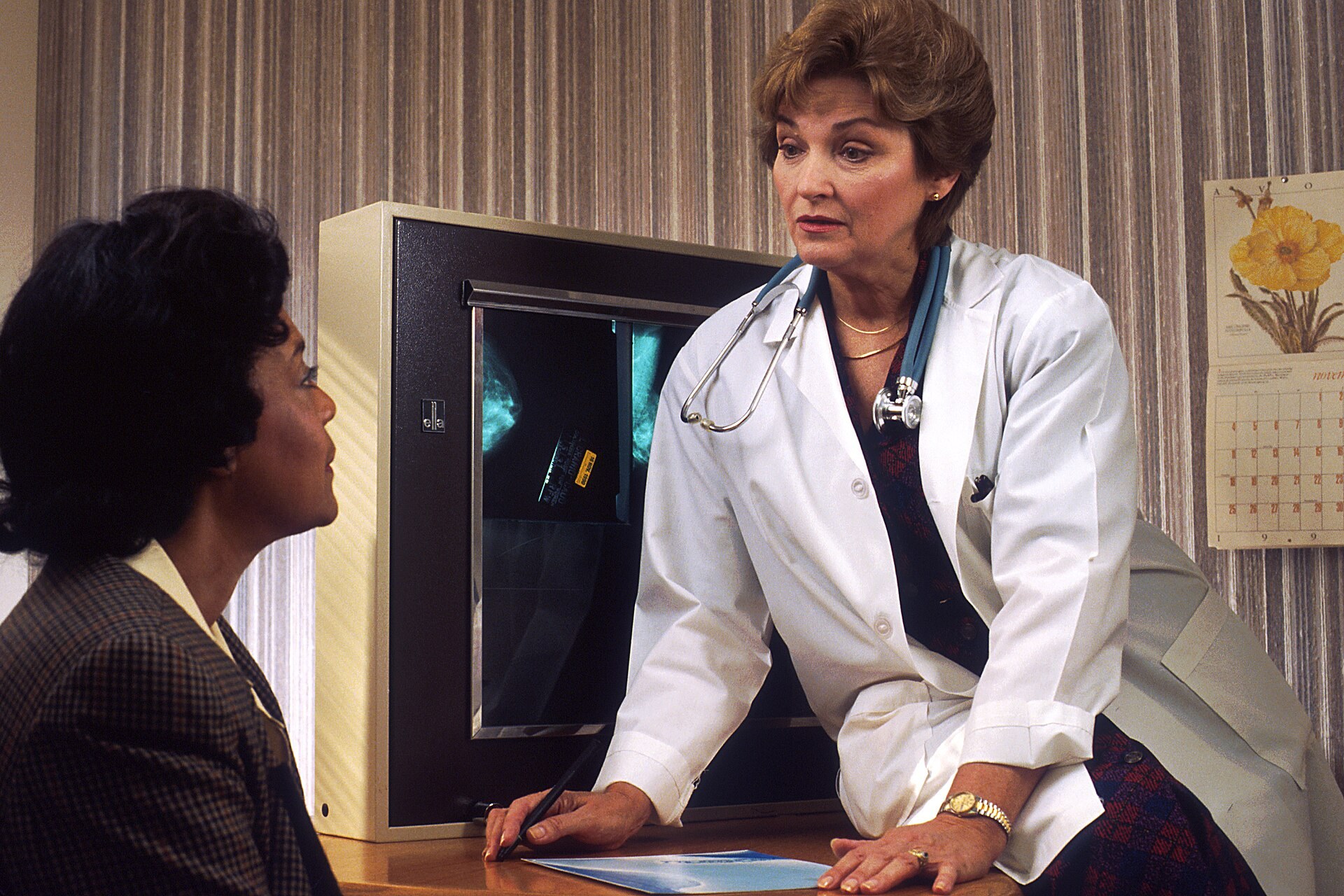
It is two in the morning and two people with chest pain arrive ten minutes apart. A 58-year-old man, who presses his sternum with a closed fist, and a woman of the same age, who talks about tiredness, nausea and a pressure that is hard to describe. Both have hypertension and smoke. The resident orders the man's electrocardiogram before finishing the history. For the woman, the first hypothesis he writes is anxiety. No one there considers themselves prejudiced, and perhaps no one is in the ordinary sense of the word. But something, before any conscious reasoning, gave more weight to one of the two presentations.
That something has a name: implicit bias. They are automatic associations that we all carry about groups of people and that can change, without us noticing, the way we interpret a patient's data. This guide explains what implicit bias is, how it is measured, what reviews have found among health professionals, how it appears in relation to gender, race and age, and what works, or does not, to reduce its effect on clinical reasoning.
Key points
- Implicit bias is an automatic association, outside consciousness, that leads to judging a person by characteristics irrelevant to the case, such as race or gender.
- Systematic reviews have found implicit bias in health professionals at levels similar to those of the general population.
- The link between the bias measure and the clinical decision is less consistent than is often said: some studies find an association, others do not.
- In studies with simulated patients and vignettes, race, sex and age changed the estimated probability of disease and the recommendations for testing and treatment.
- Short training sessions change behavior little. What helps most is a process that forces you to look at each patient's data before the group they belong to.
What implicit bias is
Associations that act before reasoning
Implicit bias is the name given to associations that operate outside consciousness and that lead to judging a person negatively based on irrelevant characteristics, such as race or gender (FitzGerald and Hurst, 2017). Cultural stereotypes do not need to be consciously accepted to influence how information about a person is processed (Chapman et al., 2013).
In clinical practice, this means that two patients with the same data can receive different interpretations. A symptom may seem more likely, more severe or more "emotional" depending on who describes it.
Different from explicit prejudice
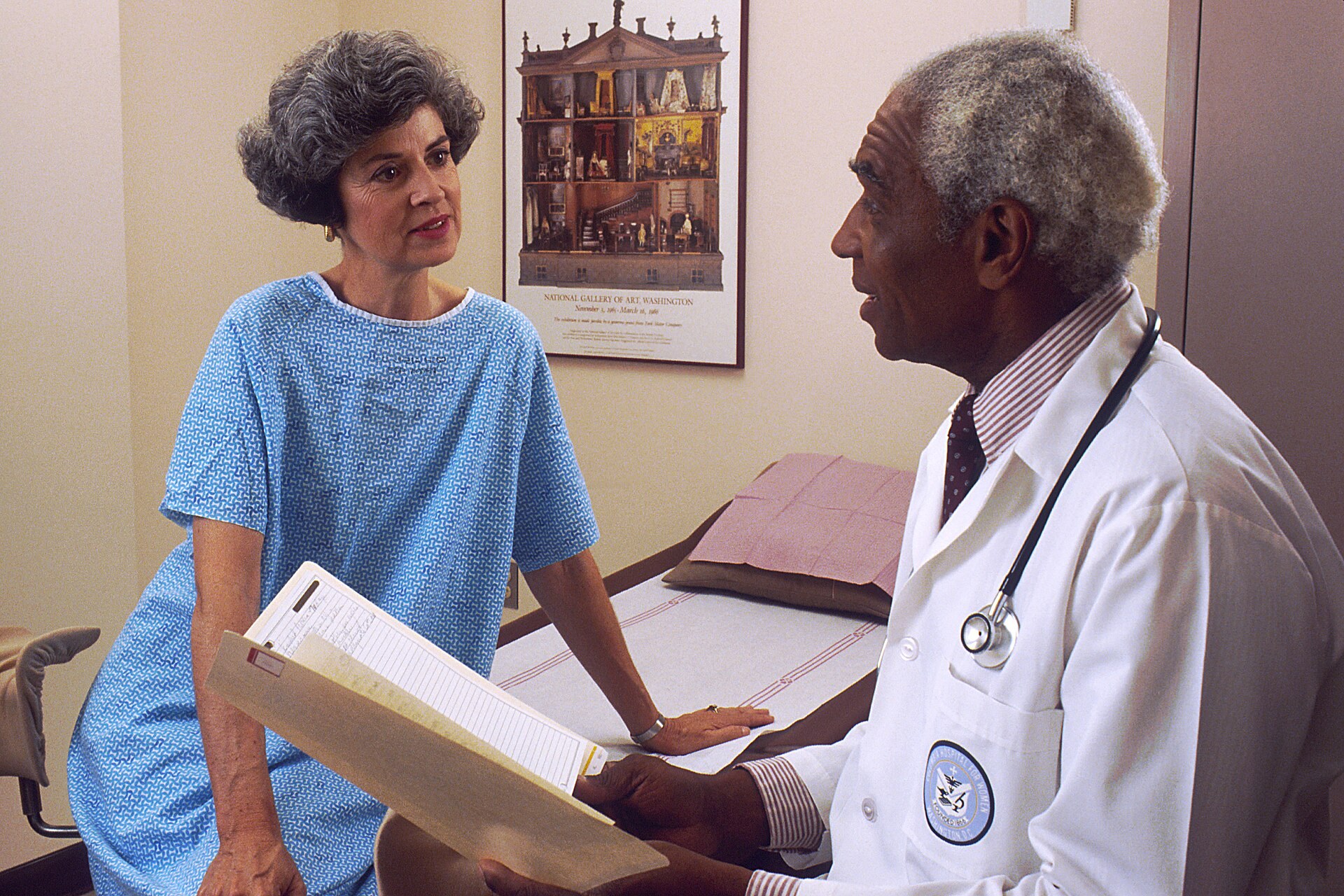
Explicit prejudice is a belief that a person recognizes and states. Implicit bias can exist in those who sincerely reject any discrimination. In a study with residents, the physicians reported no explicit preference between white and black patients, but the association tests showed an implicit preference for white patients (Green et al., 2007). This separation between what is stated and what is measured is the core of the problem.
Why it enters clinical reasoning
Clinical reasoning depends on recognizing patterns, and patterns are built from groups: "chest pain in a male smoker", "tiredness in an elderly woman". This is a useful tool when the group does in fact change the probability of disease. The problem starts when the group comes to weigh more than the patient's data, or when the learned association does not match the real epidemiology. The guide on examples of heuristics in clinical reasoning shows when these shortcuts help and when they get in the way.
What this text is not
This text deals with the effect of bias on diagnosis and clinical decision. Inequalities of access, of system and of society are larger than the reasoning of each physician, and do not fit here. They matter, but they require other responses beyond those a student can train alone.
How implicit bias is measured
The implicit association test
The most used tool is the implicit association test, or IAT. It measures reaction time when associating concepts, such as faces of different groups and positive or negative words. Small differences in time, added up over many attempts, produce a score of automatic association. In a review of studies carried out between 2003 and 2013, 17 articles used an implicit measure, 15 of them with the IAT (FitzGerald and Hurst, 2017).
Vignettes and simulated patients
The second method is identical clinical vignettes in which only one patient characteristic changes, such as race, sex or age. The same review included 25 articles with this design, which does not isolate the implicit attitude, but is accepted by researchers in the field as a way to detect the possible presence of bias (FitzGerald and Hurst, 2017). Some studies use actors or videos, which brings the situation closer to a real consultation.
The limits of measurement
A systematic review with emergency physicians criticized the predominant use of vignettes and concluded that, although implicit preference for white people was common, the evidence that it changes clinical decisions was limited and of low quality (Dehon et al., 2017). This does not mean that bias does not matter, but that a score on a test does not, on its own, predict what a physician will do with a patient.


What the reviews show
Health professionals have bias like everyone else
In a review of 42 articles, 35 found evidence of implicit bias in health professionals, and all the studies that looked for correlation found a relationship between more bias and worse quality of care (FitzGerald and Hurst, 2017). The authors concluded that these professionals show the same levels of implicit bias as the general population (FitzGerald and Hurst, 2017).
Race and ethnicity
A review of 15 studies found low to moderate levels of racial or ethnic implicit bias in health professionals in all but one (Hall et al., 2015). Bias was significantly associated with the interaction between professional and patient, with treatment decisions, with adherence and with health outcomes, although some associations were not significant (Hall et al., 2015).
Another review, with 37 studies that used the IAT, found bias against Black, Hispanic, Indigenous or dark-skinned people in 31 of them (Maina et al., 2018). Of the 14 that tested the link with care in vignettes or simulated patients, 8 found no significant association and 6 did (Maina et al., 2018). The 7 that observed real consultations found worse communication between professionals with stronger bias and their patients (Maina et al., 2018).
The size of the effect in medical training
A meta-analysis of 29 studies with the IAT estimated a small but present racial implicit bias in both physicians and medical students (Ahadinezhad et al., 2022). Small does not mean irrelevant: a small effect repeated across thousands of decisions per year changes the care of many people.
A summary of the evidence
| Source | What it gathered | What it found |
|---|---|---|
| FitzGerald and Hurst, 2017 | 42 articles with health professionals | Bias in 35 of them; levels similar to those of the general population |
| Hall et al., 2015 | 15 studies on race and ethnicity | Low to moderate bias in almost all; association with interaction and treatment in some of them |
| Maina et al., 2018 | 37 studies with the IAT | Bias in 31; association with care in 6 of 14 studies with vignettes |
| Dehon et al., 2017 | 9 studies with physicians | Common implicit preference; link with decision in 2, of low quality |
| Ahadinezhad et al., 2022 | 29 studies with the IAT | Small racial bias in physicians and students |
Each row includes the link to the review from which the numbers come.
Gender in diagnosis
Chest pain and estimated probability
A classic study used actors portraying patients with chest pain in recorded interviews, with identical scripts and varying race, sex and age (Schulman et al., 1999). A total of 720 primary care physicians took part. The estimated probability of coronary disease was lower for women, 64.1%, than for men, 69.2% (Schulman et al., 1999).
Even after controlling for estimated probability, type of pain and stress test result, women were less likely to be referred for catheterization, with an odds ratio of 0.60 (Schulman et al., 1999). The opening scene of this text is fictional, but the pattern it describes is grounded in this type of study.
Underestimated pain
In three studies with 532 participants who watched videos of real people in pain, observers underestimated the pain of Black women and of people of other non-white ethnicities more than that of any other group (Ruben and Stosic, 2024). The intersection of gender and race weighed more than each characteristic on its own.
When "emotional" closes the case
In practice, gender bias often shows up as a psychological explanation offered too early. Anxiety, stress and somatization are real diagnoses, but when they come up as the first hypothesis before ruling out serious organic causes, they become a form of premature closure. The guide on affective bias deals with when the doctor's emotion enters the decision; here the risk is the emotion attributed to the patient.


Race in diagnosis
Thrombolysis and implicit preference
The first study to measure doctors' implicit bias and test whether it predicted a clinical decision used a vignette of acute coronary syndrome, with the patient's race randomized, applied to 287 internal medicine and emergency residents (Green et al., 2007). The greater the implicit preference for white people, the greater the chance of indicating thrombolysis for the white patient and not for the Black patient (Green et al., 2007).
In the study with actors, Black patients were also less likely to be referred for catheterization, with an odds ratio of 0.60, and Black women were even less likely than white men (Schulman et al., 1999).
False beliefs about the body
A study with white medical students and residents found that half of them accepted at least one false belief about biological differences between Black and white people, such as the idea that Black people's skin is thicker (Hoffman et al., 2016). Those who accepted these beliefs rated the Black patient's pain as lower and made less accurate treatment recommendations (Hoffman et al., 2016). This is a bias that knowledge can correct: false beliefs that were learned need to be unlearned.
When the bias is in the instrument
Part of the bias lives in the equipment itself, outside the doctor's head. In a study with more than 30,000 paired readings of pulse oximetry and arterial blood gas in hospitalized patients, occult hypoxemia, the kind the blood gas detects and the oximeter does not, was more frequent in Black patients: 19.6% versus 15.6% in white patients with pulse saturation at or above 92% (Valbuena et al., 2022). Knowing this changes the reasoning: a reassuring number may deserve a check when the picture does not fit.
Age in diagnosis
Ageism and health
A systematic review that gathered studies from 45 countries found that ageism was linked to worse health outcomes in 95.5% of the studies (Chang et al., 2020). The effect appeared regardless of the age, sex and race of the person practicing ageism (Chang et al., 2020), which includes young professionals and older ones too.
"It's the age"
The most common form of ageism in clinical reasoning is attributing a new symptom to aging. A recent essay describes a 72-year-old patient whose symptoms were treated as normal aging and whose cancer was diagnosed late (Cheung, 2026). The text points to anchoring on age, instead of individual assessment, as the mechanism of the error (Cheung, 2026).
Age also changes the probability
Age is a legitimate clinical data point: it changes the probability of many diseases. In the actors study, the estimated probability of coronary disease was lower for 55-year-old patients than for 70-year-old ones (Schulman et al., 1999), which makes epidemiological sense. The question is not whether age should enter the reasoning, but whether it is replacing the other data. The guide on pretest probability in diagnosis explains how to use prevalence without letting it close the case.
Signs that age weighed too much
Some phrases in the chart or in the case discussion usually indicate that the age group took the place of individual assessment. It is worth stopping when you catch yourself writing or hearing:
- "Normal for age", with no comparison to the person's own previous state.
- "Elderly patient, confused", with no record of how they were before the current condition.
- "Not worth investigating", decided before talking with the patient about what they want.
- "It has always been like this", said by someone who has known the patient for a short time.
- "Chronic pain of age", for a pain that started a few days ago.
Each of these phrases may be right. They just cannot replace the central question: what changed in this person, and what explains that change? Taking the history with attention to what is new for the patient is the first step, and the guide on signs, symptoms and history shows how to organize that collection. On the other side, there is also the opposite error: investigating aggressively, without talking, a condition that the person and the family would prefer to monitor closely. Individualizing works in both directions.
What to do with your own bias
What short trainings do
A meta-analysis of 492 studies on procedures to change implicit measures found that these measures can change, but with generally weak and short-term effects (Forscher et al., 2019). More important: changes in implicit measures did not translate into behavior changes (Forscher et al., 2019). Taking a test, finding out you have bias and attending a lecture helps little on the next shift.
What seems to help more
Two strategies appear more often in the literature on physicians: consciously taking the patient's perspective and intentionally focusing on their individual information, separated from the social group they belong to (Chapman et al., 2013). In a study with observers of pain videos, an intervention based on practice with immediate feedback reduced bias in pain assessment more than awareness training (Ruben and Stosic, 2024).
Check questions in the consultation
A practical way to individualize is to use fixed questions at decision moments. The table below is an editorial proposal, without formal testing, based on the strategies described above.
| Moment | Question | What it protects against |
|---|---|---|
| First hypothesis | Would I write the same hypothesis if this patient were of another sex, race or age? | Premature closure by group |
| Psychological explanation | Have I ruled out serious organic causes with the data I have? | Emotional diagnosis too early |
| Symptom attributed to age | Is this symptom new for this person, or just common in the age range? | "It's age" |
| Pain | Am I assessing pain by the report and the exam, or by the expression? | Underestimated pain |
| Reassuring number | Does the device have a known limitation in this patient? | Instrument bias |
Everyday habits
- Write the main hypothesis and two alternatives before thinking about the patient's "profile".
- List the data that support the hypothesis, not the characteristics of the group.
- When the hypothesis is psychological, record what was ruled out beforehand.
- Ask a colleague to read the case without the demographic information when in doubt.
- Review your error cases looking for patterns: were the poorly assessed patients similar to each other?
In training
Students arrive at the internship with associations already formed by books, classes and exam cases, many of them with the "typical patient" always of the same profile. The text on the hidden curriculum in medicine shows how what is learned outside class shapes behavior. Varying the profile of patients in study cases is a simple way not to reinforce these associations.
How NEXO helps you reason from the data
Clues before the profile
In NEXO, each case arrives with up to six progressive clues, and the guess receives feedback by proximity in ICD-10 across five levels. These are fictional cases with a real clinical presentation. This format invites you to reason from the data that appear in each clue and to note what made you change or keep your hypothesis.
Reviewing your own pattern
When you go back over the cases you got wrong, it is worth looking at the profile of the fictional patient and asking whether it weighed on your guess. The distribution of correct answers by clue, on the home screen, shows at what point in the case you usually reach the diagnosis. If you notice you get more wrong in certain types of presentation, that is a point to study. To get to know the game, read what NEXO is. The limits of use are in NEXO economy.
For researching and writing cases
If you study bias in clinical reasoning, the researchers page explains how to take part. Those who write or review cases can learn about curation. Diversity of profiles in cases is a topic that belongs in that review.
Frequently asked questions
What is implicit bias in medicine?
It is an automatic association, outside awareness, that can lead a professional to assess a patient differently because of characteristics such as race, gender or age, without realizing it (FitzGerald and Hurst, 2017).
Does having implicit bias mean being prejudiced?
It means having associations that everyone learns in the environment where they live. Doctors who reported no explicit preference showed an implicit preference on the test (Green et al., 2007). What matters is what you do so that these associations do not decide for the patient.
Does the implicit association test predict what the doctor will do?
It predicts little, and inconsistently. In one review, 6 of 14 studies with vignettes or simulated patients found an association between the measured bias and care (Maina et al., 2018), and another review considered that evidence to be of low quality (Dehon et al., 2017).
Does bias training work?
Short trainings change implicit measures little and behavior hardly at all (Forscher et al., 2019). Practices that force a focus on the patient's individual data and training with immediate feedback seem more promising (Chapman et al., 2013; Ruben and Stosic, 2024).
Shouldn't the patient's age enter the reasoning?
It should, because it changes the probability of many diseases. The problem is when age replaces individual assessment and a new symptom is attributed to aging without investigation (Cheung, 2026).
How does NEXO relate to implicit bias?
NEXO presents fictional cases with up to six clues, which allows you to train the habit of reasoning from the data in each clue and to review your own mistakes afterward. None of the studies cited here measures NEXO.
Implicit bias checklist
- Write the hypothesis and two alternatives before thinking about the patient's profile.
- List the data that support the hypothesis, not the characteristics of the group.
- Ask whether you would write the same hypothesis for a patient of another sex, race or age.
- Rule out serious causes before recording a psychological explanation.
- Treat the new symptom as new, even if it is common in that age group.
- Assess pain by the report and by the exam, with the same scale for everyone.
- Check reassuring numbers when the picture does not match them.
- Correct false beliefs about biological differences whenever you find them.
- Review your mistakes looking for patterns of profile among the patients you assessed poorly.
- Vary the profile of patients in the cases you study.
Want to train reasoning from the data in each clue? Play the case of the day on NEXO.
References
- FitzGerald C, Hurst S. Implicit bias in healthcare professionals: a systematic review. BMC Med Ethics. 2017. https://pubmed.ncbi.nlm.nih.gov/28249596/
- Hall WJ, Chapman MV, Lee KM, Merino YM, Thomas TW, Payne BK, et al. Implicit Racial/Ethnic Bias Among Health Care Professionals and Its Influence on Health Care Outcomes: A Systematic Review. Am J Public Health. 2015. https://pubmed.ncbi.nlm.nih.gov/26469668/
- Maina IW, Belton TD, Ginzberg S, Singh A, Johnson TJ. A decade of studying implicit racial/ethnic bias in healthcare providers using the implicit association test. Soc Sci Med. 2018. https://pubmed.ncbi.nlm.nih.gov/28532892/
- Dehon E, Weiss N, Jones J, Faulconer W, Hinton E, Sterling S. A Systematic Review of the Impact of Physician Implicit Racial Bias on Clinical Decision Making. Acad Emerg Med. 2017. https://pubmed.ncbi.nlm.nih.gov/28472533/
- Ahadinezhad B, Khosravizadeh O, Maleki A, Hashtroodi A. Implicit racial bias among medical graduates and students by an IAT measure: a systematic review and meta-analysis. Ir J Med Sci. 2022. https://pubmed.ncbi.nlm.nih.gov/34495481/
- Chapman EN, Kaatz A, Carnes M. Physicians and implicit bias: how doctors may unwittingly perpetuate health care disparities. J Gen Intern Med. 2013. https://pubmed.ncbi.nlm.nih.gov/23576243/
- Green AR, Carney DR, Pallin DJ, Ngo LH, Raymond KL, Iezzoni LI, et al. Implicit bias among physicians and its prediction of thrombolysis decisions for black and white patients. J Gen Intern Med. 2007. https://pubmed.ncbi.nlm.nih.gov/17594129/
- Schulman KA, Berlin JA, Harless W, Kerner JF, Sistrunk S, Gersh BJ, et al. The effect of race and sex on physicians' recommendations for cardiac catheterization. N Engl J Med. 1999. https://pubmed.ncbi.nlm.nih.gov/10029647/
- Hoffman KM, Trawalter S, Axt JR, Oliver MN. Racial bias in pain assessment and treatment recommendations, and false beliefs about biological differences between blacks and whites. Proc Natl Acad Sci U S A. 2016. https://pubmed.ncbi.nlm.nih.gov/27044069/
- Ruben MA, Stosic MD. Documenting Race and Gender Biases in Pain Assessment and a Novel Intervention Designed to Reduce Biases. J Pain. 2024. https://pubmed.ncbi.nlm.nih.gov/38692397/
- Valbuena VSM, Seelye S, Sjoding MW, Valley TS, Dickson RP, Gay SE, et al. Racial bias and reproducibility in pulse oximetry among medical and surgical inpatients in general care in the Veterans Health Administration 2013-19: multicenter, retrospective cohort study. BMJ. 2022. https://pubmed.ncbi.nlm.nih.gov/35793817/
- Chang ES, Kannoth S, Levy S, Wang SY, Lee JE, Levy BR. Global reach of ageism on older persons' health: A systematic review. PLoS One. 2020. https://pubmed.ncbi.nlm.nih.gov/31940338/
- Cheung K. The Silent Threat to Clinical Excellence: Ageism in Medicine. J Gen Intern Med. 2026. https://pubmed.ncbi.nlm.nih.gov/41239116/
- Forscher PS, Lai CK, Axt JR, Ebersole CR, Herman M, Devine PG, et al. A meta-analysis of procedures to change implicit measures. J Pers Soc Psychol. 2019. https://pubmed.ncbi.nlm.nih.gov/31192631/