Abiraterone in high-risk prostate cancer: STAMPEDE
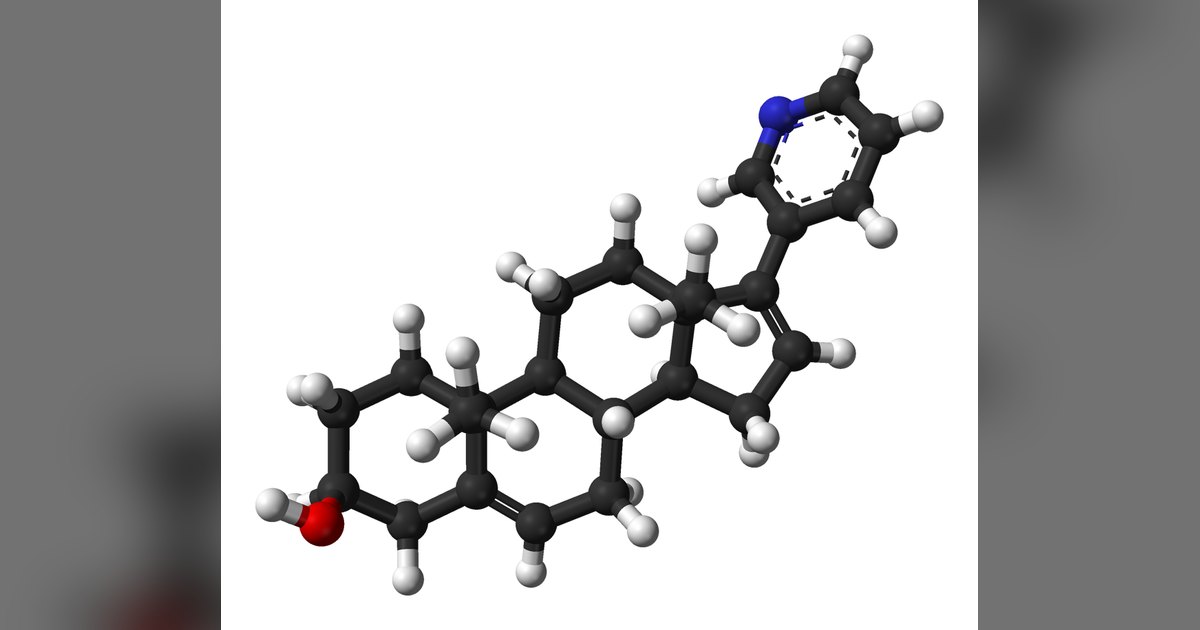
Table of contents
A 66-year-old bus driver receives the result of his prostate biopsy: adenocarcinoma with a Gleason score of 9. The MRI shows extension beyond the capsule, and the prostate-specific antigen is 48 ng/mL. The CT scan and bone scan show no metastases. The team proposes radiotherapy with hormonal blockade for three years and discusses adding abiraterone for two years. He has high blood pressure controlled with two medications and diabetes. His daughter asks whether the extra pill is worth the risk. The scene is fictional and was written for teaching.
This text uses the case as a clinical reasoning scenario for students and health professionals. The topic is treatment intensification in high-risk non-metastatic prostate cancer based on STAMPEDE, and the question Dr. Alexei proposed for the series: who meets the criteria for intensification and which clinical conditions may limit its use? The text does not replace your country's guideline or your service's protocol. If you play the case of the day on NEXO, you will recognize the challenge: applying trial criteria to a patient with other diseases.
Key points
- STAMPEDE tested abiraterone with prednisolone for two years added to hormonal blockade in men with high-risk non-metastatic prostate cancer.
- High risk was defined as node-positive or, with node-negative disease, at least two of three criteria: T3 or T4, Gleason 8 to 10 and PSA of at least 40 ng/mL.
- At six years, about 82 of every 100 patients on the combination were free of metastasis, versus 69 of every 100 in the control group.
- Overall survival was also higher with the combination, with a hazard ratio of 0.60.
- Adding enzalutamide brought no gain and increased toxicity.
- Hypertension, hypokalemia, fluid retention, liver changes and significant heart disease may limit its use.
Why this is a reasoning scenario
The standard treatment for high-risk localized prostate cancer was already intense before STAMPEDE: radiotherapy with prolonged hormonal blockade. Even so, some men developed metastases in the following years. The question was whether adding a more potent hormonal blockade, abiraterone, right at the start would reduce that risk. The trial's answer was positive, but it raised a second, harder question: for whom exactly is it worth it?
Abiraterone inhibits the CYP17 enzyme, which takes part in androgen production in the testes, the adrenal glands and the tumor itself. This mechanism also increases mineralocorticoids, which explains the effects on blood pressure, potassium and fluid retention. Prednisolone is given along with it to reduce this effect. The post on clinical decision-making helps you think about how benefit and risk combine in each patient.
The value of knowing the exact criteria
A common mistake is to call any aggressive tumor high risk and apply the trial result broadly. The STAMPEDE criteria were specific, and the strength of the evidence applies to those who resemble the participants. The post on pretest probability works through the same idea: the same data point carries different weight in different populations.
A problem that will grow
Prostate cancer is one of the most common tumors in men, and the Lancet Commission on prostate cancer projected that the number of new cases per year worldwide should rise from 1.4 million in 2020 to 2.9 million in 2040, mainly due to population aging (James et al., 2024). With more men diagnosed, the number of patients with high-risk localized disease who will discuss intensification also grows, and many of them will have associated cardiovascular disease.
The STAMPEDE design
STAMPEDE is a platform trial, with several experimental arms compared against the same control group and with the possibility of opening and closing arms over time. The authors who described the methodology explain that this design allows several treatments to be assessed at the same time, with faster and potentially cheaper answers than a series of traditional studies (Sydes et al., 2009). The platform had already shown, for example, a survival gain with docetaxel and no benefit with zoledronic acid in men starting long-term hormone blockade (James et al., 2016).
The analysis of men without metastasis pooled two randomized studies from the platform, carried out at 113 centers in the United Kingdom and Switzerland between 2011 and 2016 (Attard et al., 2022). In the first, 459 men received abiraterone with prednisolone and 455 remained in the control group. In the second, 527 received abiraterone, prednisolone and enzalutamide, and 533 remained in the control group. The data were combined by meta-analysis, with metastasis-free survival as the primary outcome.
The treatment compared
The control group received hormone blockade for three years, and local radiotherapy was mandatory for those with negative lymph nodes, unless contraindicated, and encouraged for those with positive lymph nodes (Attard et al., 2022). The experimental group also received abiraterone 1000 mg with prednisolone 5 mg once a day, for two years or until progression. When radiotherapy was not given, the combination could continue until progression.


Who entered the study
The answer to the first part of Dr. Alexei's question is in the methods section. Eligible were men with no age limit who had high-risk non-metastatic prostate cancer, with a performance status of 0 to 2 on the World Health Organization scale (Attard et al., 2022). Men with relapse after local treatment who had high-risk features also entered.
The high-risk criteria
- Positive pelvic lymph node, regardless of the other criteria.
- Or, with a negative lymph node, at least two of three: stage T3 or T4, Gleason score of 8 to 10 and PSA of at least 40 ng/mL.
- Or relapse after local treatment with high-risk features, such as PSA of at least 20 ng/mL, lymph node relapse or PSA doubling time shorter than six months with PSA of at least 4 ng/mL.
- Absence of distant metastases on conventional imaging exams.
- Performance status of 0 to 2.
Participants had a median age of 68 years and a median PSA of 34 ng/mL, about 39 out of every 100 had a positive lymph node and about 85 out of every 100 had planned radiotherapy (Attard et al., 2022). Most had a Gleason score of 8 to 10 and a T3 or T4 tumor. Staging exams were conventional, without PSMA PET, which has implications discussed further on.
What the study showed
With a median follow-up of 72 months, there were 180 metastasis or death events in the combination groups and 306 in the control groups (Attard et al., 2022). The hazard ratio for metastasis-free survival was 0.53. At six years, about 82 out of every 100 men in the combination group were alive and free of metastasis, against 69 out of every 100 in the control group.
Overall survival was also higher with the combination, with a hazard ratio of 0.60, as was prostate cancer-specific survival, with a hazard ratio of 0.49 (Attard et al., 2022). The authors concluded that abiraterone with prednisolone should be considered a new standard for this population.
| Outcome | Hazard ratio | Practical reading |
|---|---|---|
| Metastasis-free survival | 0.53 | At six years, 82 out of every 100 against 69 out of every 100 |
| Overall survival | 0.60 | Fewer deaths with the combination |
| Cancer-specific survival | 0.49 | Fewer deaths from prostate cancer |
| Biochemical failure-free survival | 0.39 | Less rise in PSA |
| Enzalutamide added to abiraterone | 1.02 in the interaction | No additional gain |
Source of the numbers in the table: Attard et al., 2022.
How to read these numbers
The absolute difference is what helps most in the conversation with the patient. Over six years, the difference in metastasis-free survival was about 13 points, from 69 to 82 out of every 100 (Attard and colleagues, 2022). Put another way, out of every 100 men treated with the combination, about 13 more were alive and free of metastasis at six years than would be expected with standard treatment alone. Most men in the control group were also doing well at six years, which shows that standard treatment is already effective and that intensification adds on top of a good base.
Why enzalutamide was not included
There was no difference in metastasis-free survival when enzalutamide was given together with abiraterone, compared with abiraterone alone, and the data from the two studies were consistent (Attard and colleagues, 2022). Because toxicity was greater with the three drugs, the recommendation stayed with abiraterone and prednisolone.
The price of intensification
In the first 24 months, grade 3 or higher adverse events occurred in about 37 of every 100 men on abiraterone and prednisolone, versus about 29 of every 100 in the control group (Attard and colleagues, 2022). In the study with enzalutamide, the difference was much larger, about 58 versus 32 of every 100. The most frequent events with the combination were hypertension and increased transaminases.
The US label for abiraterone describes hypertension, hypokalemia and fluid retention from mineralocorticoid excess, and calls for monitoring at least once a month, with blood pressure control and potassium correction before and during treatment (Zytiga label). The same label describes severe liver toxicity, including fulminant hepatitis, and grade 3 or 4 transaminase increases in about 6 of every 100 patients in the studies, usually in the first three months.
Adrenal insufficiency and interactions
The label warns of adrenal insufficiency when prednisone is stopped or reduced, or in stressful situations such as infection (Zytiga label). It also mentions severe hypoglycemia in diabetic patients who use pioglitazone or repaglinide, and recommends taking the tablet on an empty stomach, with no food for two hours before and one hour after. The combination with radium-223 is not recommended outside of studies, because of increased fractures and mortality.
What to monitor during the two years
- Blood pressure, with targets set before starting.
- Blood potassium, with correction when low.
- Transaminases, with special attention in the first three months.
- Weight and leg swelling, as signs of fluid retention.
- Blood glucose in diabetics, because of the corticosteroid and the interactions.
The label recommends reducing the starting dose to 250 mg a day in moderate hepatic impairment, and stopping the drug if severe liver toxicity appears (Zytiga label). These simple precautions are part of the treatment as much as the daily tablet itself.


Conditions that limit use
The second part of Dr. Alexei's question asks for the clinical conditions that may limit intensification. STAMPEDE excluded patients with clinically significant cardiovascular disease, such as severe angina, recent myocardial infarction or a history of heart failure (Attard and colleagues, 2022). The label states that safety in patients with an ejection fraction below 50 of every 100 or functional class II to IV heart failure has not been established, because they were excluded from the studies (Zytiga label).
Conditions that call for caution
- Heart failure, recent myocardial infarction or severe angina.
- Uncontrolled hypertension, which needs to be controlled before starting.
- Hypokalemia, which needs to be corrected before starting.
- Liver disease, with a reduced starting dose in moderate impairment, according to the label.
- Diabetes, because of the corticosteroid effect and the interaction with some antidiabetic drugs.
- Poor functional status, outside the study criteria.
Cardiovascular risk outside the studies
Observational studies have compared abiraterone and enzalutamide in metastatic disease and suggest more cardiovascular events with abiraterone. A Hong Kong study of 1015 patients found a lower risk of major cardiovascular events with enzalutamide (Lee et al., 2024), and a German analysis of 2240 patients found a similar result (Merseburger et al., 2025). A registry analysis of more than 17 thousand patients in the Medicare system in the United States, on the other hand, found no significant difference after adjustment for comorbidities (Baser et al., 2024), and an analysis of practice data in England found more major cardiovascular events with abiraterone, along with longer corticosteroid exposure (Bahl et al., 2025). These are observational data, in a different disease setting, but they reinforce cardiovascular assessment before starting.
The PSMA PET era
STAMPEDE used conventional staging. Today, many men undergo PSMA PET, which finds small lesions not seen on CT or bone scan. This creates a translation problem: a man who would be non-metastatic in the trial may show small lesions on PET, and a man with a negative PET may have a lower risk than the participants. An Indian series of 170 men staged by PSMA PET and treated with intensified radiotherapy and prolonged hormonal blockade showed six-year metastasis-free survival of about 81 out of 100 (Murthy et al., 2025).
The authors of this series suggest that, in selected patients staged by PSMA PET, well intensified local treatment may complement or replace systemic intensification. It is a retrospective single-center series, without a randomized control group, and it does not replace STAMPEDE. But it shows that the decision today also involves the quality of staging.
Other forms of intensification
Some studies test intensification before surgery instead of alongside radiotherapy. A Chinese study of 137 men with very high-risk prostate cancer compared hormonal blockade alone, with docetaxel or with abiraterone before prostatectomy, and found more complete pathological responses or minimal residual disease with the combinations (Zhuang et al., 2023). It is a smaller study, with intermediate outcomes, and it does not change the standard established by STAMPEDE, but it shows that the question of when and how to intensify remains open.
Abiraterone or docetaxel
A direct comparison within the platform, with 566 men randomized at the same time to docetaxel or abiraterone, found no clear difference in overall survival, although failure-free survival favored abiraterone (Sydes et al., 2018). Most patients in this comparison had metastatic disease, so the data for non-metastatic patients are limited.


Back to the driver
The driver in the scene has a negative lymph node, a T3 tumor, Gleason 9 and a PSA of 48 ng/mL. He meets three of three criteria, so he clearly fits the STAMPEDE population. His hypertension is controlled, which does not exclude him, but calls for careful monitoring. His diabetes requires attention to the effect of prednisolone and to the list of antidiabetic drugs.
The conversation with his daughter can be honest: there is evidence that adding abiraterone reduces metastases and deaths, at the cost of more adverse events, mainly high blood pressure and liver changes. Before starting, the team needs to assess the heart, correct potassium, check transaminases and review medications. The US label lists indications for metastatic disease, so use in the non-metastatic setting relies on STAMPEDE and on the guidelines, and local approval should be checked.
How to explain it to the family
The driver's daughter wants to know whether the pill is worth the risk. A clear way to answer is to separate three parts: what standard treatment already offers, what abiraterone adds in absolute numbers, and which tests and care come with it. Showing that most men do well in both groups avoids both exaggerated optimism and unnecessary fear. The final decision also depends on how much the patient values reducing the risk of metastasis compared with dealing with more appointments, tests and adverse effects.
Common reasoning errors
- Calling a tumor high risk with only one of the criteria and a negative lymph node.
- Adding enzalutamide assuming that more blockade is always better.
- Starting abiraterone with uncontrolled hypertension or low potassium.
- Forgetting the risk of adrenal insufficiency when prednisolone is stopped.
- Applying the result without thinking about how PSMA-PET changes staging.
How NEXO helps train this reasoning
In NEXO, the case of the day is fictional, with a real clinical presentation and up to six progressive clues, and you propose the diagnosis by looking for the ICD-10 code. Intensification in prostate cancer is a good exercise because it forces you to combine trial criteria with the patient's clinical reality. The post on heuristics in clinical reasoning helps avoid shortcuts, and the post on diagnostic uncertainty helps decide when the evidence does not exactly cover your patient.
Three exercises with cases
Change the criteria. Say whether a man with T2, Gleason 9, PSA of 15 ng/mL and a negative lymph node would enter STAMPEDE.
Change the heart. Say how you would think about a patient with heart failure and an ejection fraction of 35 out of 100.
Change the imaging. Say what to do if PSMA-PET shows a 5 mm bone lesion not seen on scintigraphy.
The limits of use of the game are described on the NEXO Economy page. If you research teaching of clinical reasoning, the page for Researcher explains how to get in touch. Professionals who write or review cases find information on Curator and on Creators, and institutions can learn about the proposal on the partnerships page.
Frequently asked questions
How long does treatment with abiraterone last?
In STAMPEDE, two years or until progression, together with three years of hormone blockade, when radiotherapy was given (Attard and colleagues, 2022).
What dose was used?
Abiraterone 1000 mg with prednisolone 5 mg once a day, by mouth, according to the article. The label recommends taking abiraterone on an empty stomach, with the tablet whole and with water.
Was there a gain in overall survival?
Yes. The hazard ratio for death was 0.60 with the combination.
Is it worth adding enzalutamide?
No. There was no additional gain, and toxicity was higher.
Can people with heart disease use it?
Patients with clinically significant cardiovascular disease were excluded from the study, and the label says that safety in heart failure has not been established (Zytiga label). The decision requires individual assessment.
Does PSMA-PET change the indication?
STAMPEDE used conventional staging, so translating this to patients staged by PSMA-PET requires clinical judgment and team discussion.
Final checklist
- I confirmed the absence of metastases and recorded the staging method.
- I checked the criteria: positive lymph node, or at least two among T3 or T4, Gleason 8 to 10 and PSA of at least 40 ng/mL.
- I assessed the heart, blood pressure, potassium and transaminases before starting.
- I reviewed the medications, including diabetes drugs.
- I planned monitoring at least monthly at the start.
- I advised against stopping prednisolone on their own.
- I checked local approval for use in non-metastatic disease.
- I explained the expected benefit, the risks and the duration of treatment.
Want to practice reasoning with progressive clues? Play the case of the day.
References
- Attard G, Murphy L, Clarke NW, et al. Abiraterone acetate and prednisolone with or without enzalutamide for high-risk non-metastatic prostate cancer: a meta-analysis of primary results from two randomised controlled phase 3 trials of the STAMPEDE platform protocol. Lancet. 2022. PMID 34953525.
- Bahl A, Chilelli A, Faria R, et al. Association between major cardiovascular events and abiraterone acetate compared to enzalutamide in patients with metastatic castration-resistant prostate cancer: a post hoc analysis of the EVADE study. World J Urol. 2025. PMID 40748504.
- Baser O, Samayoa G, Dwivedi A, et al. Cardiovascular events among patients with prostate cancer treated with abiraterone and enzalutamide. Acta Oncol. 2024. PMID 38591349.
- James ND, Sydes MR, Clarke NW, et al. Addition of docetaxel, zoledronic acid, or both to first-line long-term hormone therapy in prostate cancer (STAMPEDE): survival results from an adaptive, multiarm, multistage, platform randomised controlled trial. Lancet. 2016. PMID 26719232.
- James ND, Tannock I, N'Dow J, et al. The Lancet Commission on prostate cancer: planning for the surge in cases. Lancet. 2024. PMID 38583453.
- Janssen Biotech, Inc. ZYTIGA (abiraterone acetate) tablets, for oral use. Prescribing information. DailyMed. 2025. DailyMed.
- Lee YHA, Hui JMH, Leung CH, et al. Major adverse cardiovascular events of enzalutamide versus abiraterone in prostate cancer: a retrospective cohort study. Prostate Cancer Prostatic Dis. 2024. PMID 38049634.
- Merseburger AS, Dornstauder E, Ohlmann CH, et al. Cardiovascular Risks and Survival with Abiraterone vs Enzalutamide in Chemotherapy-Naïve Metastatic Castration-Resistant Prostate Cancer in Germany: AVENGER Study. Adv Ther. 2025. PMID 40025387.
- Murthy V, Samanta A, Maitre P, et al. Abiraterone for "STAMPEDE-Like" cohort of high-risk prostate cancer in the PSMA-PET era: too much, too early? Prostate Cancer Prostatic Dis. 2025. PMID 40404801.
- Sydes MR, Parmar MK, James ND, et al. Issues in applying multi-arm multi-stage methodology to a clinical trial in prostate cancer: the MRC STAMPEDE trial. Trials. 2009. PMID 19519885.
- Sydes MR, Spears MR, Mason MD, et al. Adding abiraterone or docetaxel to long-term hormone therapy for prostate cancer: directly randomised data from the STAMPEDE multi-arm, multi-stage platform protocol. Ann Oncol. 2018. PMID 29529169.
- Zhuang J, Wang Y, Zhang S, et al. Androgen deprivation therapy plus abiraterone or docetaxel as neoadjuvant therapy for very-high-risk prostate cancer: a pooled analysis of two phase II trials. Front Pharmacol. 2023. PMID 37435500.