Vibrio: warmer sea, wound and fast sepsis
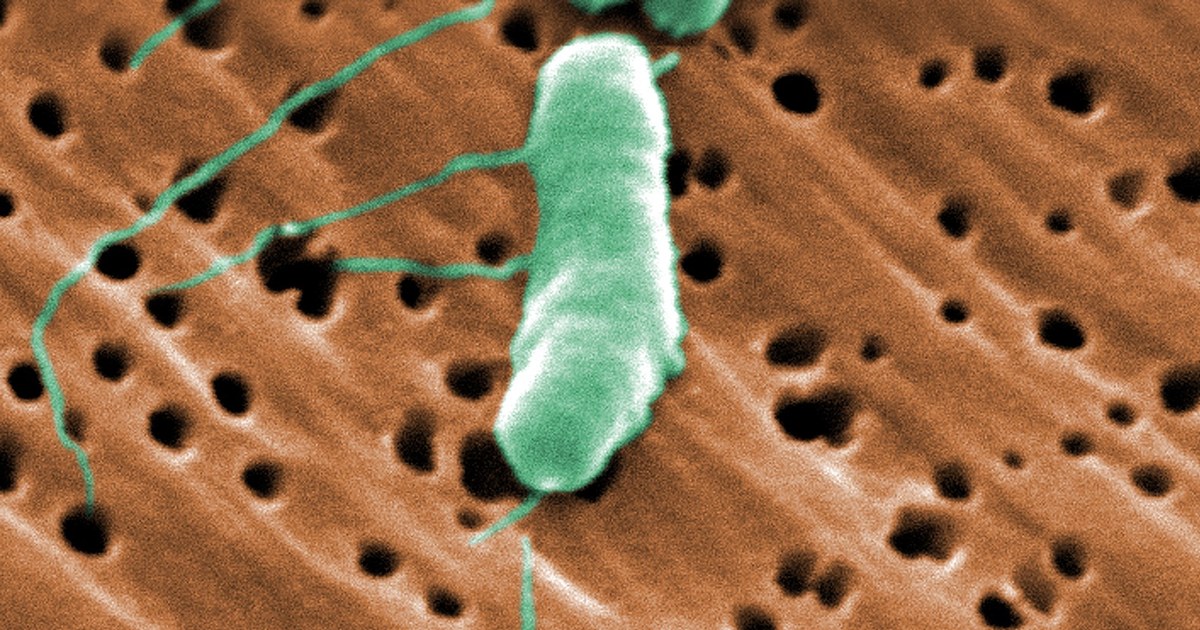
Table of contents
- Why Vibrio is a reasoning scenario
- The three clinical forms
- Wound, sea and heat: the clues in the history
- Who is at higher risk
- When the skin deceives: the first hours
- Treat before confirming
- The warmer sea changes the map
- The biases that leave the sea out
- How NEXO helps train this reasoning
- Frequently asked questions
- Final checklist
- References
On a weekend of intense heat, a sixty-eight-year-old man cuts his leg on a rock while fishing knee-deep in water, in a bay of brackish water. At night, the leg is red, swollen and very painful. The next morning, dark blisters appear on the skin, he has a fever and his blood pressure is low. He has been taking medication for a liver disease for years. The scene is fictional and was written for teaching. This text uses that picture as a setting for clinical reasoning: why a wound in contact with seawater can become a severe infection in a few hours, who is most at risk, which questions help recognize the pattern and why time weighs so heavily in the decision.
NEXO is a daily medical diagnosis game: one clinical case a day, up to six progressive clues, and ICD-10 proximity feedback across five levels.
The text is not a treatment guide. Antibiotics, surgery and intensive care follow their own guidelines and depend on each service. The interest here is the reasoning: how exposure to the sea enters the history, why the skin misleads in the first hours and why waiting for confirmation can be the most costly mistake. If you play the case of the day on NEXO, you will recognize the move: a clue about the environment can change the course of the guess.
Key points
- Vibrio are bacteria that live in warm coastal waters, salty or brackish, and multiply more when the water heats up.
- Vibrio vulnificus can cause a wound infection that progresses to sepsis in a short time, with high mortality.
- Liver disease is the most cited risk factor for the severe forms.
- When Vibrio wound infection is suspected, treatment starts without waiting for laboratory confirmation.
- Heat waves have already been linked to increases in Vibrio infections in regions where they were rare.
Why Vibrio is a reasoning scenario
Baker-Austin and colleagues describe the genus Vibrio as bacteria present in a wide variety of aquatic and marine environments, of which about 12 species cause infection in people (Baker-Austin and colleagues, 2018). Besides Vibrio cholerae, which causes cholera, species such as Vibrio parahaemolyticus, Vibrio alginolyticus and Vibrio vulnificus cause vibriosis, acquired through contact with seawater or through eating raw or undercooked seafood.
For the clinician, Vibrio is a good scenario because it forces you to ask about the place where the wound happened. Cellulitis in a cut leg looks like a common picture, and most cellulitis is caused by skin bacteria. The clue that changes everything is the water: a wound in contact with the sea or with brackish water, in a patient with liver disease, on a hot day, calls for another hypothesis and another urgency.
What the scene teaches
In the opening scene, the wound, the place, the heat and the liver disease form a pattern. No clue, on its own, defines the diagnosis. The post on signs, symptoms and history shows how context changes the weight of each finding. Here, the question "where did you get hurt?" may be worth more than any test in the first hours.
Vibriosis is not cholera
It is worth separating the terms. Cholera is caused by strains of Vibrio cholerae that produce the cholera toxin and is defined by the WHO on its page about the disease. This text deals with vibriosis, the infection by other species and strains, which can affect the intestine, the skin, the ear and the blood.
The three clinical forms
Klontz and colleagues described three clinical syndromes of Vibrio vulnificus infection: primary septicemia, wound infection and gastrointestinal illness without septicemia or wound infection (Klontz and colleagues, 1988). Mortality was 55 in 100 in primary septicemia and 24 in 100 in wound infection, with no deaths in the gastrointestinal form.
Who has each form
In the same study, primary septicemia and the gastrointestinal form were linked to recent consumption of raw oysters, and primary septicemia to liver disease (Klontz et al., 1988). Wound infection was linked to a pre-existing wound or a wound made in contact with seawater. The authors conclude that clinicians should ask about marine exposures in patients with underlying conditions, especially liver disease, who present with unexplained fever, and start appropriate treatment without delay.
The ear and the lung too
Brehm et al. studied Vibrio infections acquired in Germany over two very hot summers (Brehm et al., 2021). Most were wound infections, but there were also ear infections, gastroenteritis, pneumonia after aspiration of seawater and primary septicemia. The median age was 65 years. In practice, this widens the question: ear pain after swimming in the sea in a hot summer can also make the list.
Other possibilities with a worsening wound
A wound that worsens quickly after contact with water does not point only to Vibrio. The list of differential diagnoses includes necrotizing infections caused by group A streptococci, which the CDC notes are the most common cause of necrotizing fasciitis in the United States (CDC, 2024), mixed infections, ordinary cellulitis and, in fresh water, other environmental bacteria. The post on differential diagnosis shows how to keep that list open without losing the urgency. In practice, the uncertainty among these causes does not change the first decision: a soft tissue infection that advances within hours, with severe pain, blisters or signs of sepsis, calls for antibiotics, surgical assessment and culture at the same time. What the sea clue adds is the choice of antibiotic, the heads-up to the laboratory and extra attention to anyone with liver disease.
The intestinal form
Most vibrioses, according to the CDC, come from eating raw or undercooked seafood and present with watery diarrhea, cramps, nausea, vomiting and fever (CDC, 2024). In mild cases, the agency does not recommend antibiotics and advises fluid replacement. The same question about oysters, however, carries more weight when the patient has liver disease and arrives with fever, chills and low blood pressure, because then the hypothesis becomes primary septicemia.
Wound, sea and heat: the clues in the history
The CDC, the United States public health agency, recommends considering Vibrio as a cause of infection in wounds exposed to coastal waters, especially in patients at higher risk (CDC, 2024). The agency suggests asking the patient or family whether there was an open wound, including from recent surgery, a piercing or a tattoo, in contact with salt or brackish water, whether there was a cut or scratch in or near the water, and whether the wound came into contact with raw seafood or its juices.
Brackish water, not just the open sea
The CDC notes that coastal waters include salt water and brackish water, the mix of fresh and salt water found where rivers reach the sea (CDC, 2024). Archer et al. describe Vibrio vulnificus as a pathogen of warm, low-salinity waters (Archer et al., 2023). Estuaries, lagoons, bays and low-salinity seas are therefore places where the question makes even more sense.
Raw seafood and the kitchen
Exposure does not happen only at the beach. The CDC includes among risk behaviors eating raw seafood, especially oysters, and exposing an open wound to raw seafood or its juices (CDC, 2024). A cut on the hand while cleaning shrimp or opening oysters can be the entry point, and the patient rarely thinks to mention it if no one asks.
Who is at higher risk
Horseman and Surani describe that Vibrio vulnificus can cause primary sepsis in high-risk groups, including people with chronic liver disease, immunodeficiency, iron overload disorders, end-stage renal disease and diabetes (Horseman and Surani, 2011). The authors note that mild or moderate wound infections and gastroenteritis can occur in people without obvious risk factors.


Other factors on the CDC list
The CDC adds cancer, HIV, thalassemia, immunosuppressive treatment, use of medicines that reduce stomach acidity and recent stomach surgery among the conditions that increase the risk of infection and severe complications (CDC, 2024). The agency notes that anyone can have a Vibrio infection.
Age and season of the year
Amato and colleagues studied vibriosis in northern European countries in an exceptionally hot summer (Amato and colleagues, 2022). Vibrio vulnificus infection was about 17 times more likely to be severe. Age 80 or older and infection acquired in summer were also associated with severe forms. For the clinician, the older person who injured themselves in the water on a hot day is the picture of the patient who needs immediate attention.
When the skin deceives: the first hours
The CDC describes, in Vibrio wound infection, fever, redness, pain, swelling, warmth, change in color and discharge (CDC, 2024). In bloodstream infection, the agency describes fever, chills, dangerously low blood pressure and skin lesions with blisters. In the first hours, the picture can resemble any cellulitis.
Pain greater than appearance
Horseman and Surani note that severe wound infection usually presents as necrotizing infection of the skin and soft tissues, including fasciitis and gangrene (Horseman and Surani, 2011). A classic clue of necrotizing infections is pain out of proportion to what is seen on the skin. Blisters with dark content, or hemorrhagic blisters, are another clue that calls for immediate reassessment.
Speed as a sign
The CDC reports that about 1 in 5 people with Vibrio vulnificus infection die, sometimes one or two days after falling ill, and that many need intensive care or amputation (CDC, 2024). A picture that visibly worsens between the evening and the next morning is not ordinary cellulitis. The post about diagnostic uncertainty shows how to act when the picture changes faster than the information.
Treat before confirming
The CDC advises that, when Vibrio wound infection is suspected, treatment should start at once, without waiting for a specialist consultation or laboratory confirmation (CDC, 2024). The agency notes that early antibiotic and early surgery improve survival. The recommended regimen combines a third-generation cephalosporin with doxycycline, with doses adjusted to kidney and liver function and alternatives for children.

Surgery cannot wait
Elnahla and colleagues gathered studies on prognostic factors in sepsis and soft tissue infections by Vibrio vulnificus (Elnahla and colleagues, 2021). Surgery performed after the first 12 or 24 hours was associated with higher mortality. The different antibiotic regimens, in the included studies, did not change the outcome. Lee and colleagues, in a series of patients with necrotizing fasciitis by Vibrio vulnificus, found that treatment started three days after the lesion or symptoms was an independent factor for worse prognosis (Lee and colleagues, 2014).
Signs that weigh against survival
In the same meta-analysis, liver disease, kidney disease, septic shock, a higher severity score, low albumin, an increase in young forms of neutrophils and infection in more than one limb were associated with higher mortality (Elnahla and colleagues, 2021). These findings are not there to delay treatment. They are there to remind us who needs intensive care and surgical assessment right on arrival.
The laboratory needs to know
The CDC recommends collecting culture from the wound or from hemorrhagic blisters, collecting blood cultures when there is fever, hemorrhagic blisters or signs of sepsis, and sending Vibrio vulnificus isolates to a public health laboratory (CDC, 2024). Telling the laboratory that the hypothesis is Vibrio helps choose the right culture medium.
The warmer sea changes the map
Baker-Austin and colleagues recall that the incidence of vibriosis is rising, perhaps partly because the bacteria are spreading thanks to climate change and warming seawater (Baker-Austin and colleagues, 2018). The question about the sea, once confined to tropical regions, now applies in places where the infection was rare.
Heat waves in the north
Baker-Austin and colleagues described a rise in Vibrio infections in Sweden and Finland during a heat wave in the summer of 2014, with cases recorded as far north as near the Arctic Circle (Baker-Austin and colleagues, 2016). The authors attribute the emergence of these infections to exceptionally high sea surface temperatures and call for more clinical attention and better laboratory detection. Amato and colleagues found, in a later very hot summer, more than three times the median vibriosis of previous years in the countries studied (Amato and colleagues, 2022).
A moving frontier
Archer and colleagues analyzed three decades of Vibrio vulnificus infections in the eastern United States (Archer and colleagues, 2023). Wound infections increased eightfold over the period, and the northern limit of cases moved about 48 km per year. The authors' models project that the risk area will keep expanding in the coming decades and that the annual number of cases could double. The post about baseline rate in diagnosis explains why the local frequency of a disease weighs on the interpretation of clues. When the map changes, the pre-test probability changes too.
Exposures and questions: a table for the consultation
The table below summarizes, in a teaching format, exposures linked to Vibrio and the questions that help bring them into the consultation. It simplifies a complex topic and does not replace local guidelines.
| Exposure | Most linked form | Question that helps |
|---|---|---|
| Wound in seawater or brackish water | Wound infection | Where did you get hurt, and did the wound come into contact with the water? |
| Open wound before swimming in the sea | Wound infection | Did you have a cut, recent surgery, piercing or tattoo when you went into the water? |
| Raw oysters or other seafood | Primary septicemia and gastroenteritis | Have you eaten raw or undercooked seafood in the last few days? |
| Cleaning fish or seafood | Wound infection | Did you hurt your hand while preparing raw seafood? |
| Swimming in the sea in a very hot summer | Wound and ear | Did you swim in the sea and do you have ear pain or discharge? |
| Liver disease or immunosuppression | Severe forms | Do you have liver or kidney disease, diabetes, or do you take medicines that lower immunity? |
Prevention that fits in the consultation
The CDC sums up prevention in two steps: do not eat raw or undercooked seafood and do not let coastal water come into contact with an open wound (CDC, 2025). The agency's page details the practical guidance: stay out of salt or brackish water while there is an open wound, or cover it with a waterproof bandage if contact is possible, wash any wound that has come into contact with seawater or with raw seafood and its juices right away with running water and soap, wash your hands after handling raw shellfish and cook seafood well. For people at higher risk, the CDC adds gloves when handling raw seafood and clothing and footwear that protect against cuts in the water. For people with liver disease or another risk condition, the conversation about raw oysters and about swimming in the sea with wounds is part of routine care, especially before summer.
The biases that leave the sea out
Vibrio infection rarely goes unnoticed for lack of knowledge. It usually slips by through predictable habits and biases:
- Treating it as ordinary cellulitis without asking where the wound happened.
- Assuming that Vibrio exists only in tropical regions.
- Waiting for the culture to start treatment or to call surgery.
- Underestimating pain that is greater than the appearance of the skin.
- Not asking about liver disease and other risk conditions.
Croskerry describes anchoring and premature closure among the most frequent cognitive errors in diagnosis (Croskerry, 2003). The post about diagnostic pause shows how a short moment of checking helps to notice what was left out.
Back to the scene
In the opening scene, the doctor who asks where the wound happened and knows about the liver disease does not wait for the culture. He collects the samples, starts the antibiotic, calls surgery and intensive care, and tells the lab about the hypothesis. If the patient had arrived the night before, with the leg only red, the same question would have anticipated all of this. The reasoning starts with the history, not with the appearance of the skin.
How NEXO helps train this reasoning
In NEXO, the case of the day is fictional, with a real clinical presentation and up to six progressive clues. You propose a diagnosis by searching for the code in ICD-10 and receive proximity feedback in five levels, which shows whether the guess landed on the exact code, the same category, the same group, the same chapter or a different chapter. This format speaks to the theme of this text: a clue about the sea can move the guess from a skin disease to the chapter of infectious diseases.
To use the case of the day as training, try three habits. Before each guess, ask where and how the lesion happened. When a clue about an underlying disease appears, ask how it changes the expected severity. After the result, note which clue would have anticipated the diagnosis.
Three exercises with cases
Ask about the water. In each case of skin infection, imagine that the wound happened in the sea and see what changes.
Watch the clock. Reread a case asking how much the picture changed in a few hours.
Look for the liver. When facing a severe infection, check whether there is liver disease or another risk condition.
The post about case-based learning in clinical practice shows how cases help fix patterns that rarely appear in daily practice.
The limits of use of the game are described on the NEXO economy page. If you research the teaching of clinical reasoning, the page for researchers explains how to get in touch. Professionals who write or review cases find information in curation and in creators, and institutions can learn about the proposal on the partnerships page.
Frequently asked questions
What is Vibrio?
It is a genus of bacteria that lives in warm coastal waters, salty or brackish. Some species cause intestinal, wound, ear or blood infections.
How do you get a Vibrio infection?
Through contact of a wound with seawater or brackish water, or by eating raw or undercooked seafood, especially oysters.
Who is at higher risk of severe infection?
People with liver disease, kidney disease, diabetes, immunosuppression, iron disorders and older people.
Which signs call for immediate care?
A wound that becomes very painful, red and swollen after contact with the sea, dark blisters on the skin, fever, chills or low blood pressure.
Why does treatment not wait for the culture?
Because the infection can progress in hours, and early antibiotic and surgery improve survival. The culture confirms the diagnosis afterward.
How can you protect yourself?
Cover open wounds well and avoid the sea and brackish water until healing, cook seafood well and wear gloves when handling it raw.
Final checklist
- I asked where the wound happened and whether there was contact with seawater or brackish water.
- I asked about raw seafood and about cuts while preparing it.
- I asked about liver disease, kidney disease, diabetes and immunosuppression.
- I gave weight to pain out of proportion, dark blisters and worsening in a few hours.
- I started treatment and called surgery without waiting for the culture.
- I collected cultures, told the lab about the hypothesis and remembered the notification.
Want to practice reasoning with progressive clues? Play the case of the day.
References
- Amato E, Riess M, Thomas-Lopez D, et al. Epidemiological and microbiological investigation of a large increase in vibriosis, northern Europe, 2018. Euro Surveill. 2022. PMID 35837965.
- Archer EJ, Baker-Austin C, Osborn TJ, et al. Climate warming and increasing Vibrio vulnificus infections in North America. Sci Rep. 2023. PMID 36959189.
- Baker-Austin C, Oliver JD, Alam M, et al. Vibrio spp. infections. Nat Rev Dis Primers. 2018. PMID 30002421.
- Baker-Austin C, Trinanes JA, Salmenlinna S, et al. Heat wave-associated vibriosis, Sweden and Finland, 2014. Emerg Infect Dis. 2016. PMID 27314874.
- Brehm TT, Berneking L, Sena Martins M, et al. Heatwave-associated Vibrio infections in Germany, 2018 and 2019. Euro Surveill. 2021. PMID 34651572.
- Centers for Disease Control and Prevention. About Vibrio infection. 2024. Archived page.
- Centers for Disease Control and Prevention. Clinical overview of vibriosis. 2024. Archived page.
- Centers for Disease Control and Prevention. Preventing Vibrio infection. 2025. Page.
- Croskerry P. The importance of cognitive errors in diagnosis and strategies to minimize them. Acad Med. 2003. PMID 12915363.
- Elnahla A, Attia AS, Toraih E, et al. Prognostic factors of mortality in Vibrio vulnificus sepsis and soft tissue infections: meta-analysis. Surg Infect (Larchmt). 2021. PMID 33970025.
- Horseman MA, Surani S. Review of Vibrio vulnificus: an important cause of severe sepsis and skin and soft-tissue infection. Int J Infect Dis. 2011. PMID 21177133.
- Klontz KC, Lieb S, Schreiber M, et al. Syndromes of Vibrio vulnificus infections: clinical and epidemiologic features in Florida cases, 1981-1987. Ann Intern Med. 1988. PMID 3260760.
- Lee YC, Hor LI, Chiu HY, et al. Prognostic factor of mortality and its clinical implications in patients with necrotizing fasciitis caused by Vibrio vulnificus. Eur J Clin Microbiol Infect Dis. 2014. PMID 24419406.
- World Health Organization. Cholera. Information page.