Sport concussion: assessment and return per consensus



Table of contents
- What concussion is according to the Amsterdam consensus
- Recognize on the field and remove from play
- Structured assessment: SCAT6 and SCOAT6
- Relative rest, screens and exercise in the first days
- Returning to school and returning to play
- When symptoms persist
- Prevention and long-term effects
- How NEXO helps train this reasoning
- Frequently asked questions
- Take-home messages
- References
A 17-year-old rugby player enters a ruck, takes a shoulder charge to the side of the head and gets up slowly. He stays on the field, but misses a simple play, looks at the bench without understanding the marking and, at halftime, says his head feels heavy and the locker room light bothers him. The coach asks if he can go back for the second half. The case is fictional, and the scene repeats on courts and fields around the world every weekend.
The answer from the international consensus is direct: with suspected concussion, the athlete leaves the game and only returns after assessment and a gradual progression. What changed in recent years was what happens after that removal. The sixth international consensus on concussion in sport, convened in Amsterdam in October 2022 and published in 2023, replaced prolonged rest in the dark with short relative rest, exercise in the first days and a stepped return to school and sport (Patricios, 2023).
This text follows the path the consensus proposes: the definition, recognition on the field, assessment tools, management of the first days, return to study and to play, symptoms that persist and what is known about prevention and long-term effects.
Key points
- The Amsterdam consensus recommends removing from play every athlete with suspected concussion and prohibits return on the same day (Patricios, 2023).
- SCAT6 is used for assessment in the first 72 hours, and SCOAT6 for follow-up in the clinic from 72 hours onward (Echemendia, 2023; Patricios, 2023, SCOAT6).
- The recommended rest is relative and short, from 24 to 48 hours, and light aerobic exercise below the symptom threshold can start as early as the second day (Leddy, 2023).
- In a trial with 125 young people, avoiding screens in the first 48 hours shortened symptoms from 8 to 3.5 days (Macnow, 2021).
- Return to study should be complete before unrestricted return to sport, and each stage of return to sport lasts at least 24 hours (Patricios, 2023).
- Rule changes, such as banning body checking in youth hockey, reduced concussions by 58 in every 100 (Eliason, 2023).
Summary
- What concussion is according to the Amsterdam consensus
- Recognizing it on the field and removing the player from the game
- Structured assessment: SCAT6 and SCOAT6
- Relative rest, screens and exercise in the first days
- Returning to study and returning to play
- When symptoms persist
- Prevention and long-term effects
- How NEXO helps train this reasoning
- Frequently asked questions
- Take-home messages
What concussion is according to the Amsterdam consensus
The consensus defines sport-related concussion as a traumatic brain injury caused by a direct impact to the head, neck or body, with force transmitted to the brain, that occurs in sport or exercise (Davis, 2023). The injury triggers a neurotransmitter and metabolic cascade, with possible axonal injury, altered blood flow and inflammation. Signs and symptoms may appear immediately or evolve over minutes to hours, and usually improve in days or weeks, although they may last longer.
The definition has practical points. Structural imaging exams, such as CT and MRI, are usually normal, because concussion is mainly a functional disturbance. Loss of consciousness may or may not occur, and most concussions happen without it. Symptoms may also have other explanations, such as dehydration, a prior migraine or another injury, and the diagnosis depends on the clinical judgment of a health professional.
One detail of the process shows how much the topic still generates debate. The definition received 78.6 votes in every 100 from the expert panel, below the threshold of 80 that the group had set to declare formal consensus (Davis, 2023). The authors chose to publish the definition anyway, as a working basis, and announced that it would be revised with data from a parallel multidisciplinary effort on diagnostic criteria for mild brain injury.
Why the diagnosis is difficult
Concussion is a clinical diagnosis with no confirmatory test. The athlete has reasons to hide symptoms: they want to play, fear losing their place, feel pressure from the group. The symptoms are nonspecific, such as headache, dizziness, nausea, a feeling of slowness and difficulty concentrating. This set forces the professional to decide under uncertainty, the same challenge described in diagnostic uncertainty and strategies for deciding.
Blood biomarkers and advanced imaging techniques appear in the consensus as promising research tools. For now, according to the document, there is not enough data to use them routinely in the diagnosis or management of sports concussion (Patricios, 2023).
Recognize on the field and remove from play
The first step happens at the side of the field, often with no doctor present. For this, the consensus updated the CRT6, the concussion recognition tool designed for laypeople: coaches, parents, referees, teachers and the athletes themselves (Echemendia, 2023, CRT6). The CRT6 is explicit about its limit: it helps recognize a possible concussion and serves as a screening tool, with no diagnostic role.
The tool organizes recognition into three steps: warning signs that call for emergency care, observable signs and reported symptoms, and simple questions of memory and orientation. Among the warning signs are neck pain or tenderness, seizure, double vision, weakness or tingling in the limbs, worsening level of consciousness, vomiting, severe or increasing headache, progressive agitation and visible deformity of the skull. With any of them, the guidance is to call emergency services and avoid moving the athlete without training, because of the possibility of cervical injury.
In the absence of warning signs, the observable signs come in: lying motionless, getting up slowly, imbalance, vacant stare, confusion, injury to the face. Added to the symptoms and the memory questions, they support the central decision: with suspected concussion, the athlete leaves the game, without returning that day, and should not be left alone or drive in the first hours.
Why returning the same day is forbidden
The rule of never returning the same day rests on two arguments. The first is the evolution of symptoms, which can appear hours after the impact, so that an athlete who is fine at ten minutes may worsen by the end of the match. The second is the vulnerability of the concussed brain to a second impact, at a moment when reaction time, balance and judgment are impaired. The consensus keeps the rule for all ages and all levels of competition (Patricios, 2023).
Structured assessment: SCAT6 and SCOAT6
The Amsterdam consensus split the assessment into two moments and created a tool for each. The choice reflects what the underlying systematic review showed: the instruments perform better in the first days and lose diagnostic usefulness over time, when other domains gain weight.
SCAT6 in the first 72 hours
The SCAT6 is the standardized tool for acute assessment by health professionals, for athletes aged 13 or older (Echemendia, 2023). It should be used in the first 72 hours and, at most, up to 7 days after the injury: the tool separates athletes with and without concussion well up to the seventh day, with clinical usefulness decreasing after 72 hours. A full administration takes 10 to 15 minutes, which is why it was designed for the locker room or the medical setting, and not for the sideline during the game.
The tool brings together several domains: screening for warning signs and cervical injury, coma scale, orientation questions, a symptom inventory, immediate and delayed memory tasks, attention, balance and tandem gait. Version 6 brought a new screening of coordination and eye movements and revised the balance examination, with an optional dual-task tandem gait. For children aged 8 to 12 there is the Child SCAT6, with tasks and an inventory adapted to age and parent reporting.
The SCAT6 result supports clinical reasoning, without replacing it. A normal score in someone with symptoms keeps the suspicion, and the document recalls that the tool was made for trained professionals. When they exist, scores from before the injury or from the sideline assessment serve as a comparison.
SCAT6 has its own license. It may be copied and distributed freely in its original form, and any change, translation or digital reproduction requires authorization from the consensus group and the journal (Echemendia, 2023). For this reason this text describes the domains without reproducing items or scores.
SCOAT6 in the clinic
SCOAT6 is the new item from Amsterdam. The tool was designed for follow-up in the clinic starting 72 hours after the injury, in people aged 13 and older, and relies on a review that gathered studies from the third to the thirtieth day (Patricios, 2023, SCOAT6). There is a children's version, Child SCOAT6, for ages 8 to 12.
The clinic assessment is longer and broader than the acute one. It includes a detailed history, symptom inventory, cognitive assessment, examination of the oculomotor and vestibular system, cervical spine assessment, mood and sleep screening, and exercise tolerance tests, such as the treadmill or stationary bike test. The goal is no longer only to confirm concussion but to identify which systems remain altered, in order to guide treatment.
Comparing the tools
| Tool | Who applies it | When | Age | What it does |
|---|---|---|---|---|
| CRT6 | Laypeople: coach, parents, referee, athlete | Right away, at the sideline | All | Recognizes a possible concussion and indicates removal from play; no diagnostic role |
| SCAT6 | Trained health professional | Up to 72 hours, useful up to about 7 days | 13 years or older | Standardized acute assessment across several domains |
| Child SCAT6 | Trained health professional | Up to 72 hours | 8 to 12 years | Children's version, with parents' report |
| SCOAT6 | Health professional in the clinic | From 72 hours onward | 13 years or older | Broad assessment to guide treatment and return |
| Child SCOAT6 | Health professional in the clinic | From 72 hours onward | 8 to 12 years | Children's version of the follow-up |
Sources: Echemendia, 2023; Patricios, 2023, SCOAT6; Echemendia, 2023, CRT6.
Relative rest, screens and exercise in the first days
For years, the recommendation was cognitive and physical rest until symptoms ended, sometimes with a dark room and complete absence from school. The systematic review that supported the consensus concluded that this model delays recovery (Leddy, 2023).
Short, relative rest
The consensus recommends relative rest in the first 24 to 48 hours. Relative means keeping light daily activities, such as walking and doing tasks at home, as long as they do not cause relevant worsening of symptoms. The review set a practical limit: a mild increase, of at most 2 points on a scale from 0 to 10, lasting less than one hour, is acceptable (Leddy, 2023). Greater or longer worsening is a sign to reduce activity.
Screen time
The recommendation to reduce screens in the first two days has a clinical trial behind it. In Macnow's study, 125 patients aged 12 to 25 seen in the emergency department after concussion were randomized to use screens freely or to avoid screens for 48 hours (Macnow, 2021). Those who avoided screens had symptoms for a median of 3.5 days, versus 8 days in the group with free use. The study was done at a single center and without blinding, which limits generalization, and the consensus interpreted the finding as a reduction, not a ban, in the first 48 hours.
Aerobic exercise below the symptom threshold
The most striking change was the inclusion of exercise as treatment. In Leddy's multicenter trial, 103 adolescents aged 13 to 18, seen up to 10 days after concussion, underwent a treadmill tolerance test and were randomized to progressive aerobic exercise below the symptom threshold or to stretching with a placebo-like effect (Leddy, 2019). The exercise group recovered in a median of 13 days, versus 17 days in the stretching group.
The Amsterdam meta-analysis pooled this and other studies. It concluded that aerobic exercise below the symptom threshold, started between the second and tenth day, shortens recovery by 4.64 days on average, and that physical activity in the first days is associated with fewer persistent symptoms (Leddy, 2023). Intensity is guided by symptoms or by an exercise test: the athlete pedals or walks up to the point where symptoms begin to rise, and training stays below that point. Activities with a risk of a new blow to the head are prohibited until clearance.
What this change asks of the professional
Replacing rest with exercise requires explaining to the athlete and the family why moving helps, after decades of guidance to the contrary. The conversation is similar to the one about quaternary prevention: protecting the patient from excessive care, here prolonged rest, which seemed prudent and ended up getting in the way.
Returning to school and returning to play
The consensus treats return to school and return to sport as two parallel strategies, with a rule of order: return to school must be complete before unrestricted return to sport (Patricios, 2023). For the student athlete, this means that going back to full-time classes, without adaptations, is a prerequisite for playing with contact.
Return to school
The return-to-school strategy starts with daily activities that cause no more than a mild worsening of symptoms, moves on to school tasks at home, then to going back to school with a reduced workload and breaks, and ends with a full return. The consensus reports that 93 out of 100 athletes complete return to school within 10 days (Patricios, 2023). When the return takes longer, adaptations such as postponed tests, extra time and scheduled rest breaks come in, arranged with the school.
Return to sport in stages
Return to sport follows a graduated strategy. Each stage lasts at least 24 hours, the whole progression takes at least a week, and the return usually happens within a month (Patricios, 2023). The average time reported in the underlying reviews was 19.8 days. If symptoms worsen at a stage, the athlete goes back to the previous one.
| Stage | Activity | Goal |
|---|---|---|
| 1 | Activity limited by symptoms, daily routine | Reintroduce everyday life |
| 2 | Light and then moderate aerobic exercise, such as walking or cycling | Raise the heart rate |
| 3 | Individual sport-specific exercise, away from the team and with no risk of impact | Add movement |
| 4 | Non-contact training, with higher intensity and cognitive demand | Exercise, coordination and game thinking |
| 5 | Full-contact training | Rebuild confidence and let the coaching staff assess |
| 6 | Return to competition | Normal play |
Source: Patricios, 2023.
The first three stages can begin before symptoms have fully resolved, as long as any worsening stays within the mild limit. The stages with a risk of impact to the head, generally 4 to 6, begin only after authorization from a health professional and full resolution of symptoms, cognitive changes and clinical findings related to the concussion, and return to school must be complete before unrestricted return. Progression through these stages is supervised by a health professional.
Back to the rugby player
In the fictional case from the beginning, the athlete comes off at halftime and is assessed in the locker room with SCAT6, which shows symptoms and balance errors. He goes home accompanied, cuts down on screens for two days and starts walking on the second day. On the fifth day, a bike test sets the intensity of aerobic training. He returns to school with a reduced workload and, once return to school is complete, moves through the training stages up to full contact, after clearance. The plan is written with reassessment dates, as proposed in the text about planned reassessment.
When symptoms persist
Most athletes improve within a few weeks, and a smaller group keeps symptoms for longer. The Amsterdam consensus calls symptoms that last more than four weeks persistent symptoms, and recommends multidisciplinary assessment for this group (Patricios, 2023).
Cervical and vestibular rehabilitation
Dizziness, neck pain and headache that continue beyond 10 days suggest involvement of the cervical spine and the vestibular system. For these athletes, the consensus supports cervicovestibular rehabilitation, with manual therapy, neck stabilization exercises and gaze and balance training (Leddy, 2023). SCOAT6 helps locate the affected system, because it examines the cervical spine, eye movements and balance separately (Patricios, 2023, SCOAT6).
Mood, sleep and alternative diagnoses
Prolonged symptoms do not always come only from the injury. Anxiety, depression, sleep disorders, prior migraine and learning difficulties can maintain or amplify the picture, and the consensus calls for mental health screening at follow-up. Separating what comes from the injury and what comes from another condition recalls the reasoning of expected anxiety, disorder and screening, in another clinical scenario. With symptoms that worsen instead of improving, or new neurological signs, the hypothesis of structural injury returns to the table, and imaging becomes indicated.
Ending the career
The decision to stop playing a contact sport after several concussions appears in the consensus as individual. The document says the decision is complex and must be individualized, considering patient, injury, sport, ethical and psychosocial factors, in a conversation between athlete, family and health team (Patricios, 2023). The logic connects with the post on shared decision-making with the patient.
Prevention and long-term effects
The systematic review on prevention gathered studies on protective equipment, rules, training strategies and modifiable risk factors (Eliason, 2023). The strongest findings came from the rules of the game.
Rules, training and equipment
In youth and junior ice hockey, leagues that banned body checking had 58 out of every 100 fewer concussions than leagues that allowed contact. In American football, limiting contact in training was associated with 64 out of every 100 fewer concussions in training (Eliason, 2023). In rugby, a neuromuscular warm-up program done at least three times a week showed a reduction in concussions.
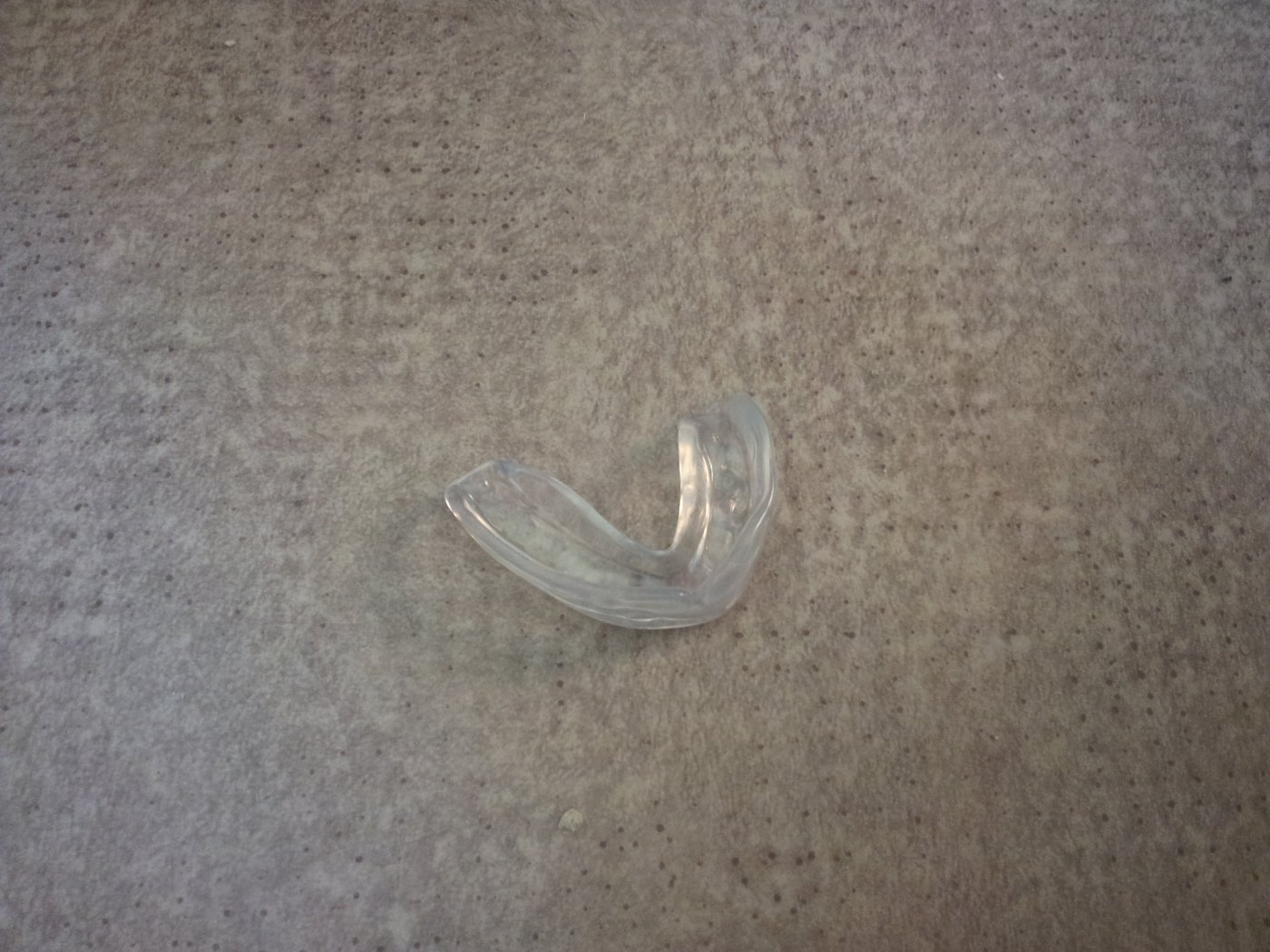
Mouthguards in collision sports were associated with 26 out of every 100 fewer concussions in the meta-analysis (Eliason, 2023). Helmets protect against skull fractures and severe injuries, and their role in concussion prevention is less clear. The review highlights gaps: few studies with women, girls and Paralympic athletes, and many observational designs.
The debate on long-term effects
Concern about late effects of repeated impacts gained strength with studies such as Mackay's, which compared 7,676 former professional soccer players from Scotland with 23,028 people from the general population matched by sex, age and socioeconomic level (Mackay, 2019). The former players had mortality from neurodegenerative disease about three and a half times higher, with the highest relative risk for Alzheimer's disease, and lower mortality from ischemic heart disease and lung cancer. Overall mortality was lower up to age 70 and higher after that.
The study was retrospective, based on death certificates and prescriptions, and did not measure concussions or headers. It shows association, without proving cause. The Amsterdam consensus treated the topic with the same caution: chronic traumatic encephalopathy has neuropathological criteria, made for examining the brain after death, and the clinical criteria proposed in 2021 for traumatic encephalopathy syndrome are still being validated (Patricios, 2023). Reading these data without exaggeration or dismissal requires understanding how pretest probability changes the interpretation of a finding.
The bias of those who judge afterward
When an athlete gets worse after returning to play, it is tempting to judge the earlier decision by the outcome. The text on retrospective bias and outcome bias shows why the quality of the decision should be assessed by the information available at the time, and not by what happened afterward. At the sideline, the emotion of the match also weighs, as discussed in the post on affective bias.
How NEXO helps train this reasoning
In NEXO, the case of the day is fictional, with a real clinical presentation and up to six progressive clues, and you propose the diagnosis by looking for the ICD-10 code. Telling a concussion apart from a structural injury that worsens, or from a condition that mimics concussion, is the kind of reasoning you train clue by clue. The post about trauma in older adults shows the same care with the head in another age group, and the one about decision-making capacity helps you think about when a confused athlete can or cannot decide for themselves.
The limits on using the game are described on the NEXO Economy page. If you research the teaching of clinical reasoning, the page for Researchers explains how to get in touch. Professionals who write or review cases find information under Curator and Creators, and institutions can learn about the proposal on the partnerships page.
Frequently asked questions
Does every concussion involve loss of consciousness?
Most concussions happen without loss of consciousness. The diagnosis is based on the signs and symptoms after an impact, and loss of consciousness is only one of the possible signs (Davis, 2023).
Can the athlete return to the same game if they improve quickly?
According to the Amsterdam consensus, the answer is no. With a suspected concussion, the athlete leaves and only returns on another day, after assessment and a gradual progression (Patricios, 2023).
Is a CT scan needed?
A CT scan is usually normal in concussion and is reserved for red flags, neurological worsening or suspected structural injury. The decision follows clinical rules for head trauma and the judgment of the professional assessing the athlete.
Is complete rest until symptoms pass still the rule?
The current recommendation is relative rest for 24 to 48 hours and a gradual return to activities, with light aerobic exercise below the symptom threshold from the second day on (Leddy, 2023).
How long does it take to return to play?
The strategy takes at least a week, because each step lasts at least 24 hours, and most athletes return within a month. The mean time reported in reviews was 19.8 days (Patricios, 2023).
Can SCAT6 be used to make the diagnosis on its own?
SCAT6 supports the clinical assessment and works best in the first 72 hours. The diagnosis remains with the health professional, who considers the history, the examination and the course (Echemendia, 2023).
Does heading the ball in soccer cause dementia?
Former Scottish professional players had more deaths from neurodegenerative disease than the general population, but the study was retrospective and had no direct measure of heading, which prevents stating causation (Mackay, 2019).
Take-home messages
- With a suspected concussion, the athlete leaves the game and only returns on another day.
- CRT6 is for laypeople to recognize the injury; SCAT6 and SCOAT6 are tools for professionals, for different moments.
- Rest is relative and short, 24 to 48 hours, with reduced screen time in the first two days.
- Aerobic exercise below the symptom threshold, from the second day on, shortens recovery.
- Return to study comes before unrestricted return to sport, and progression in sport takes at least a week.
- Symptoms lasting more than four weeks call for a multidisciplinary assessment, with attention to the cervical spine, the vestibular system and mental health.
- Rules of the game, mouthguard and neuromuscular warm-up reduce concussions, and the data on long-term effects call for caution in interpretation.
Play the case of the day on NEXO.
References
- Patricios JS, Schneider KJ, Dvorak J, et al. Consensus statement on concussion in sport: the 6th International Conference on Concussion in Sport-Amsterdam, October 2022. Br J Sports Med. 2023;57(11):695-711. PMID 37316210. DOI 10.1136/bjsports-2023-106898.
- Davis GA, Patricios J, Schneider KJ, Iverson GL, Silverberg ND. Definition of sport-related concussion: the 6th International Conference on Concussion in Sport. Br J Sports Med. 2023;57(11):617-618. PMID 37316209. DOI 10.1136/bjsports-2022-106650.
- Echemendia RJ, Brett BL, Broglio S, et al. Introducing the Sport Concussion Assessment Tool 6 (SCAT6). Br J Sports Med. 2023. PMID 37316207. DOI 10.1136/bjsports-2023-106849.
- Patricios JS, Davis GA, Ahmed OH, et al. Introducing the Sport Concussion Office Assessment Tool 6 (SCOAT6). Br J Sports Med. 2023. PMID 37316211. DOI 10.1136/bjsports-2023-106860.
- Echemendia RJ, Ahmed OH, Bailey CM, et al. Introducing the Concussion Recognition Tool 6 (CRT6). Br J Sports Med. 2023. PMID 37316214. DOI 10.1136/bjsports-2023-106851.
- Leddy JJ, Burma JS, Toomey CM, et al. Rest and exercise early after sport-related concussion: a systematic review and meta-analysis. Br J Sports Med. 2023;57(12):762-770. PMID 37316185. DOI 10.1136/bjsports-2022-106676.
- Eliason PH, Galarneau JM, Kolstad AT, et al. Prevention strategies and modifiable risk factors for sport-related concussions and head impacts: a systematic review and meta-analysis. Br J Sports Med. 2023;57(12):749-761. PMID 37316182. DOI 10.1136/bjsports-2022-106656.
- Leddy JJ, Haider MN, Ellis MJ, et al. Early Subthreshold Aerobic Exercise for Sport-Related Concussion: A Randomized Clinical Trial. JAMA Pediatr. 2019. PMID 30715132. DOI 10.1001/jamapediatrics.2018.4397.
- Macnow T, Curran T, Tolliday C, et al. Effect of Screen Time on Recovery From Concussion: A Randomized Clinical Trial. JAMA Pediatr. 2021. PMID 34491285. DOI 10.1001/jamapediatrics.2021.2782.
- Mackay DF, Russell ER, Stewart K, MacLean JA, Pell JP, Stewart W. Neurodegenerative Disease Mortality among Former Professional Soccer Players. N Engl J Med. 2019. PMID 31633894. DOI 10.1056/NEJMoa1908483.