Morbidity and mortality meeting: learning from error



Table of contents
- What a morbidity and mortality conference is
- What the studies show
- Blame, anonymity and the mood in the room
- How to set up a session that teaches
- How the student makes the most of the session
- A commented example
- The error as information in NEXO
- Frequently asked questions
- Morbidity and mortality session checklist
- References
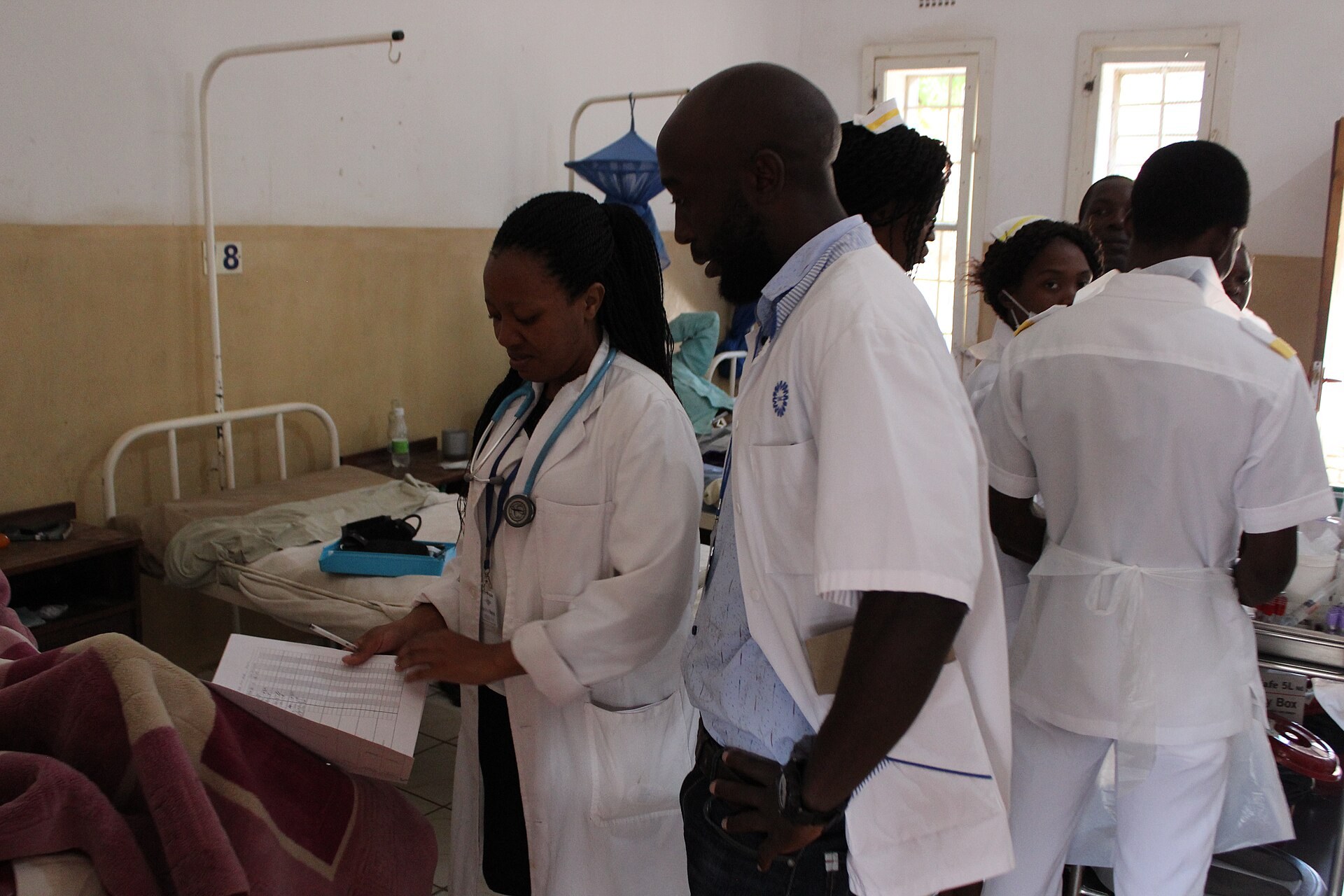
Thursday, seven in the morning. The auditorium fills slowly, someone projects the timeline of a hospitalization that ended badly, and the resident who was on duty that night knows they will need to explain every decision. In the front row sit the preceptors. Behind them, the interns, who still do not know whether the next hour will teach them something or just leave everyone afraid of making a mistake.
This meeting has an old name: morbidity and mortality conference, or M&M. It exists so that a service can learn from bad outcomes and from errors. This guide shows what the session is, what studies have found about how it works in practice, what separates a discussion that teaches from one that only exposes, and how a student can benefit from it, even sitting in the last row.
Key points
- The morbidity and mortality conference is the meeting in which a service discusses complications, deaths and errors to improve care and train residents and students.
- It is nearly universal in the residency programs studied, but the goals vary widely from one place to another and are rarely written down.
- Trained observers saw that, even when there was an error, it was not always called an error, and leaders rarely admitted their own.
- Discussions without structure tended to slide into blame; preparation, a script, an active moderator and follow-up appear as the points that weigh most.
- The student gets more out of it when they treat the presentation as an open case, decide before the outcome and note the type of deviation, not the gossip.
What a morbidity and mortality conference is
A tradition for examining one's own work
The morbidity and mortality conference was born from doctors' efforts to improve practice by examining errors and bad outcomes, and its modern form has still been little studied outside surgery and anesthesiology (Orlander et al., 2002). The authors of that review describe the session as a double-edged sword: when it goes well, it serves as a model for learning from error; when it goes badly, it teaches that trying to learn from error is, at best, useless and, at worst, unpleasant (Orlander et al., 2002).
This ambiguity is the heart of the matter. The same meeting can teach critical analysis or teach concealment. What decides it is the way it is conducted, far more than the patient chosen for discussion.
Three goals competing for the same hour
In practice, the session usually carries several goals at once:
- Training: showing residents and students how a line of reasoning was built and where it went off track.
- Patient safety: finding system failures that could happen again with another person.
- Quality control: recording that the service reviews its outcomes, often because of an administrative requirement.
- Caring for the caregivers: giving the team room to talk about the weight of a loss.
All are legitimate, but they pull the conversation in different directions. A session designed only to meet a requirement tends to be short and procedural. A session designed only to teach may forget to change the process that failed. A 2024 review proposes that the service choose and state the goal of each session, and that the presentation format and the rules of conduct follow that goal (Brook et al., 2024).
The human side of the session
An essay published in 2021 recalls that the session was born as a space for education, later gained the function of quality improvement, and still leaves little room for reflection on lost lives and on the strain of those who provided care (Pang and Warraich, 2021). The authors suggest bringing compassion, empathy and respect into traditional sessions and setting aside, from time to time, meetings dedicated only to this side of the work (Pang and Warraich, 2021).
This point connects with what is known about the second victim, the professional who suffers after an error. The session can be the place where they are exposed or the place where they find support.
What sets it apart from other reviews
The routine case review among colleagues, described in the guide to clinical case review for general practitioners, looks at everyday work. The error log is an individual student tool. The morbidity and mortality session is institutional: the whole service looks at an outcome that has already happened, with names, hierarchies and an audience. That combination explains both its power and its risk.
What the studies show
Almost everyone has one, few know what it is for
In a survey sent to internal medicine departments with residency programs in the United States, 295 of 416 questionnaires came back, or 71% (Orlander and Fincke, 2003). Among those who responded, 90% of the programs had a morbidity and mortality session; most met once a month, had a designated leader and discussed three patients or fewer per session (Orlander and Fincke, 2003).
Patients were chosen mainly for an unexpected poor outcome and for teaching value, and to a lesser degree for suspected medical error (Orlander and Fincke, 2003). Two thirds of the services used the session to meet administrative quality assurance requirements, and the authors concluded that the goals of the meeting did not seem well defined (Orlander and Fincke, 2003).
The error that appears and the error that is named
In a prospective study, trained physicians observed 332 presentations at internal medicine and surgery sessions in four American university hospitals (Pierluissi et al., 2003). Adverse events appeared in 37% of the internal medicine presentations and in 72% of the surgery ones (Pierluissi et al., 2003).
When an error had caused the adverse event, it was discussed as an error in 48% of cases in internal medicine and in 77% in surgery, and it was attributed to a cause in 38% and 79%, respectively (Pierluissi et al., 2003). In the internal medicine sessions, discussion with the audience took up 15.2% of the time, against 36.6% in surgery (Pierluissi et al., 2003). In both areas, leaders rarely used explicit language to say that it was an error and rarely admitted having made a mistake (Pierluissi et al., 2003).
The most useful piece of data for those who are learning is in that last sentence. If the person leading the session avoids the word error, the audience understands that the subject is dangerous.
What participants say they learn
In an internal medicine program, two reviewers analyzed 347 learning statements written by 49 participants over a year of sessions (Fiorentino and Kieffer, 2022). Of the total, 78% of the comments were about knowledge and clinical skill, 28% about clinical reasoning, 34% about knowledge of the health system and 9% about the need to change the system (Fiorentino and Kieffer, 2022). In 64% of the sessions at least one reflection appeared about the shared experience of practicing medicine (Fiorentino and Kieffer, 2022).
These numbers show that the session teaches more than the missed diagnosis. It also teaches how the hospital works and what it is like to be a physician when things go wrong.
Expectation and reality
In a mixed methods study in two teaching hospitals, one in Boston and the other in Leiden, 90 of the 135 participants answered the questionnaire, and 80% or more expected a session focused on education and quality improvement, without blame and able to change practice (de Vos et al., 2018). The reported experience fell short of the expectation in both places, especially in the focus on improvement and on change in practice (de Vos et al., 2018). Where there was an active moderator and a quality committee, 73% reported a focus on improvement, against 30% in the other hospital, and 44% reported a change in practice, against 16% (de Vos et al., 2018).
What a broad review found
A systematic review on morbidity and mortality sessions in surgery included 59 studies, with a mean methodological quality score of 6.7 on a scale that goes up to 18, which the authors read as average quality (Beaulieu-Jones et al., 2023). The evidence suggested that preparation before the session and follow-up after it, with improvement projects, are as important as presenting the patient concisely and creating a constructive space of accountability (Beaulieu-Jones et al., 2023).
A summary of the numbers
| Study | Who | What it found |
|---|---|---|
| Orlander and Fincke, 2003 | 295 internal medicine departments | 90% had a session (Orlander and Fincke); poorly defined goals |
| Pierluissi et al., 2003 | 332 presentations in four hospitals | Error named in 48% in internal medicine and 77% in surgery (Pierluissi) |
| Fiorentino and Kieffer, 2022 | 49 participants, 347 statements | 78% spoke of clinical knowledge (Fiorentino) |
| de Vos et al., 2018 | 135 participants in two hospitals | Focus on improvement in 73% versus 30% with an active moderator (de Vos) |
| Jansson et al., 2019 | 38 participants, 15 sessions | 59.5% preferred to stay anonymous (Jansson) |
| Beaulieu-Jones et al., 2023 | 59 studies in surgery | Preparation and follow-up weigh as much as the presentation |
Blame, anonymity and the mood in the room
When the discussion turns into a trial
In a mixed-methods study in a surgery department, researchers observed 11 sessions over six months, with four different moderators, and the discussion was free, with no standard structure (Abahuje et al., 2024). The central theme was that the low participation of the attending surgeon and the absence of a system approach led to blame, and blame opened the way to incivility (Abahuje et al., 2024).
In the questionnaire of the same study, 54 of the 147 invitees responded, or 36.7%, and assistant professors had higher scores for negative affect and exclusionary behavior than associate and full professors (Abahuje et al., 2024). The authors' conclusion is direct: structuring the discussion around improving care can create inclusion and more productive conversations (Abahuje et al., 2024).
The effect of anonymity
An academic emergency department tested an anonymous session, in which the names of those involved were not revealed (Jansson et al., 2019). Over 15 sessions, 38 participants answered the questionnaires before and after; the session came to be perceived as less punitive, from 2.08 to 1.76, and the perceived educational value stayed practically the same, from 4.42 to 4.37 (Jansson et al., 2019). Among the participants, 59.5% preferred that the session remain anonymous (Jansson et al., 2019).
The gain was small, and the perceived focus on individual or system failures also stayed the same in the same study (Jansson et al., 2019). Removing the name helps lower the temperature, but on its own it seems insufficient to change the type of analysis.
Just culture
The idea of a just culture separates human error, which calls for support, from at-risk behavior, which calls for a conversation, and from reckless conduct, which calls for a disciplinary measure. A 2024 review proposes a session designed within this logic: solid reporting of events and near misses, careful choice of patients, exclusion of episodes attributed only to individual error, a prior conversation with those involved, a multiprofessional audience and concrete tasks at the end (Brook et al., 2024). The authors also ask that everything happen in an environment of psychological safety, in a protected peer review format (Brook et al., 2024).
The bias that lives in the room
Whoever attends the session already knows how the story ended, and that changes the judgment. Hindsight bias and outcome bias make the bad outcome seem obvious from the start and the decision seem worse than it was. The team's emotions, addressed in the guide on affective bias, also enter the room. Good moderation keeps both on the radar.

How to set up a session that teaches
Before: choosing and preparing
The review of team sessions in the perioperative period, with seven studies, organized the elements into three stages (Samost-Williams et al., 2023). Before the session come the choice of patient and the investigation of what happened; during it, a standardized format and a formal moderator; after it, follow-up messages and improvement projects (Samost-Williams et al., 2023).
For those who organize it, this translates into simple questions. Why this patient? Who will present, and with what support? Which documents and timelines need to be ready? Who on the team involved has already been heard before the session?
Choosing by the system
A family medicine program turned the traditional session into a quality session, with patients linked by the same system failure theme, discussion in small groups and definition of interventions at the end (Chiang et al., 2020). Perceived relevance rose 0.39 points on a five-point scale, and comments cited more engagement and follow-up (Chiang et al., 2020). The effect on practice change came close to statistical significance without reaching it (Chiang et al., 2020).
During: a reasoning script
A pediatrics residency program structured its sessions so that residents and the audience could identify cognitive biases and reasoning errors (Whitehead, 2021). Over one year, 24 residents presented and identified an average of 3.7 biases or errors and 1.7 strategies to reduce biases per presentation (Whitehead, 2021).
A script of this kind can follow five questions:
- What was known at each moment, and not what is known now?
- Which hypotheses were on the table, and which one was chosen?
- Which mental shortcut may have weighed in? The guide to examples of heuristics in clinical reasoning helps to name them.
- Which system failure favored the deviation?
- Which process change would reduce the chance of repeating the deviation?
The first question is the one that most protects against hindsight bias. The third connects with the differential diagnosis, because often the problem was a list of hypotheses that was too short or closed too early.
Afterwards: closing the loop
The 2023 review in surgery gave follow-up the same weight as the presentation (Beaulieu-Jones et al., 2023). In practice, this means naming a person responsible for each proposed change, setting a date and returning to the subject in a later session. Without that return, the audience learns that discussing is enough.
In person or remote
In a randomized study, 78 participants, among faculty, residents and students, watched the same session live or by videoconference, and the learning measured by a short test was similar in both groups (Lewis et al., 2011). Remote participants felt comfortable presenting, but less comfortable asking questions and joining the discussion (Lewis et al., 2011). Whoever moderates a hybrid session therefore needs to actively invite those on the other side of the screen.
The role of the moderator
Separating decision from outcome
The moderator sets the tone. The first task is to remind everyone, whenever needed, that a good decision can have a bad outcome and that a bad decision can work out by luck. The discussion should judge the decision with the data available at that time.
Behaviors that help
A few simple attitudes change the mood in the room:
- Open by stating the goal of the session and the rules of conduct.
- Interrupt personal comments and bring the conversation back to the facts.
- Ask for data when the discussion turns into opinion.
- Use the word error when there was an error, without beating around the bush and without accusation.
- Share one of your own errors, when appropriate.
- Close with tasks, owners and a return date.
The 2003 study showed how rare it is for a leader to admit their own error (Pierluissi et al., 2003), and that is why this gesture carries so much weight when it happens. The Leiden and Boston study suggests that an active moderator is associated with more focus on improvement (de Vos et al., 2018).
Making room for everyone
The session gains when nursing, pharmacy and other professions also speak, because many deviations appear in the handoff between teams. Younger residents and students need an explicit invitation to ask questions. At the end of a difficult session, it is worth asking how the person at the center of the discussion is doing and, if needed, helping them seek the help they need.
How the student makes the most of the session
Knowing why you are there
A survey of surgery clerkship directors in the United States received 48 responses: the session was weekly in 96% of places and student attendance was mandatory in 93% (Leraas et al., 2020). Students were only observers in 61% of sessions, observers with room to ask questions in 37% and presenters in 2% (Leraas et al., 2020). Among the learning objectives, directors cited showing medical error in 78% of responses and encouraging reflective learning in 63% (Leraas et al., 2020).
In other words: in most places, the student watches. Watching well, however, is a skill.
Read it as an exercise, not as a judgment
The intern usually watches the session like the audience in a courtroom. A more useful stance is to treat the presentation as an open case: stop at each point on the timeline and ask what your hypothesis would be there, with the data available at that time.
Decide before the outcome
When you reach a hypothesis before the presenter reveals what happened, also note how confident you were in it. The guide on calibrating confidence in diagnosis shows why this comparison teaches as much as getting it right, and the one on metacognition explains the exercise of predicting beforehand and checking afterwards.
Note the pattern, not the gossip
What is worth taking from the session is the type of deviation: a hypothesis nobody considered, a test that was misread, an incomplete shift handover, a sign of worsening that went unanswered. This record teaches you to recognize the same deviation in your own reasoning, weeks later, in a different patient.
Ask with care
Questions about reasoning help everyone; questions that sound like an accusation shut the conversation down. "What led to that choice at that time?" teaches more than "why didn't anyone think of that?". The guide on feedback in clinical cases deals with the same care in another context, and the one on disclosing the error to the patient shows the conversation that usually comes afterwards.
A commented example
The story
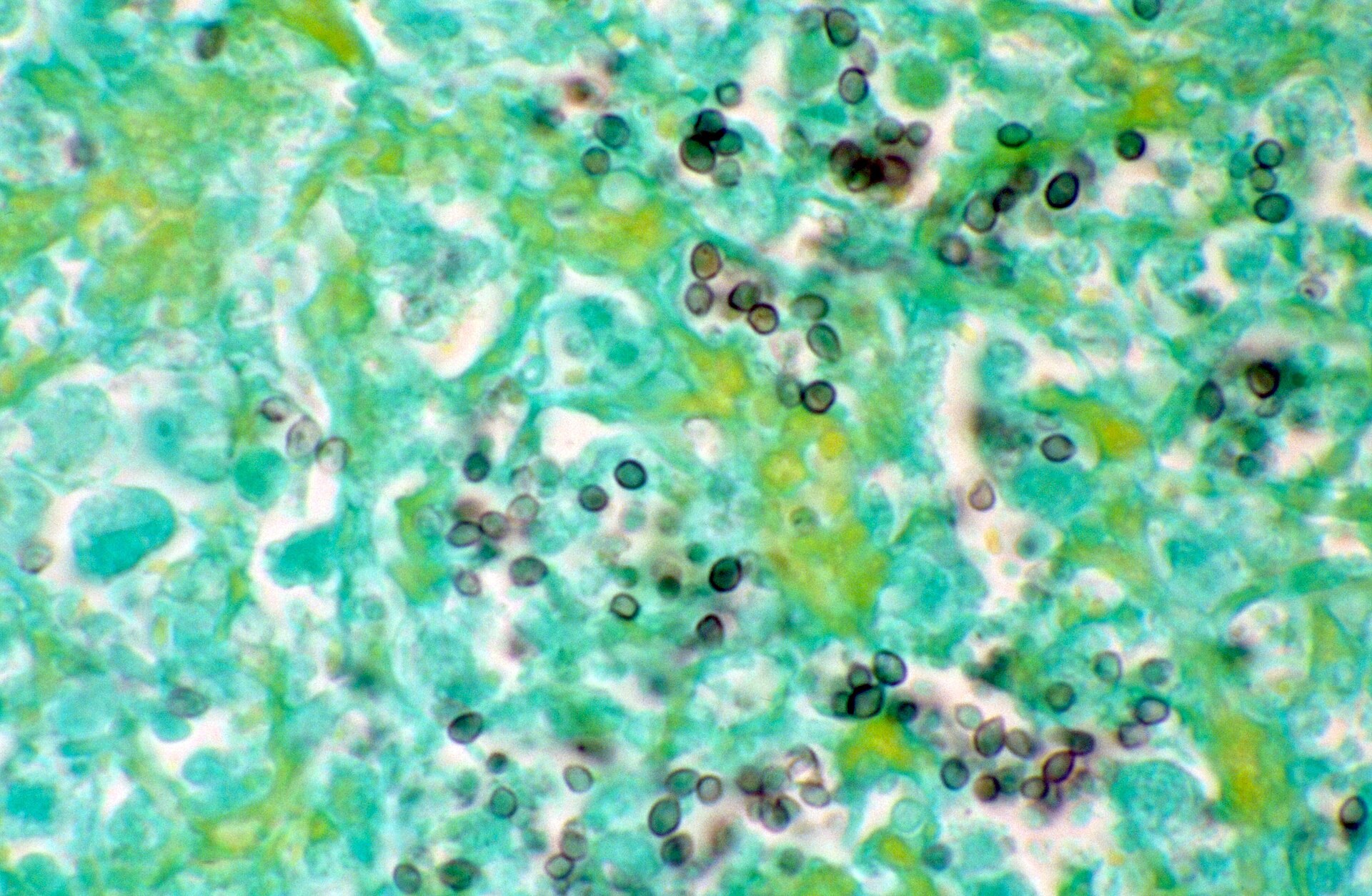
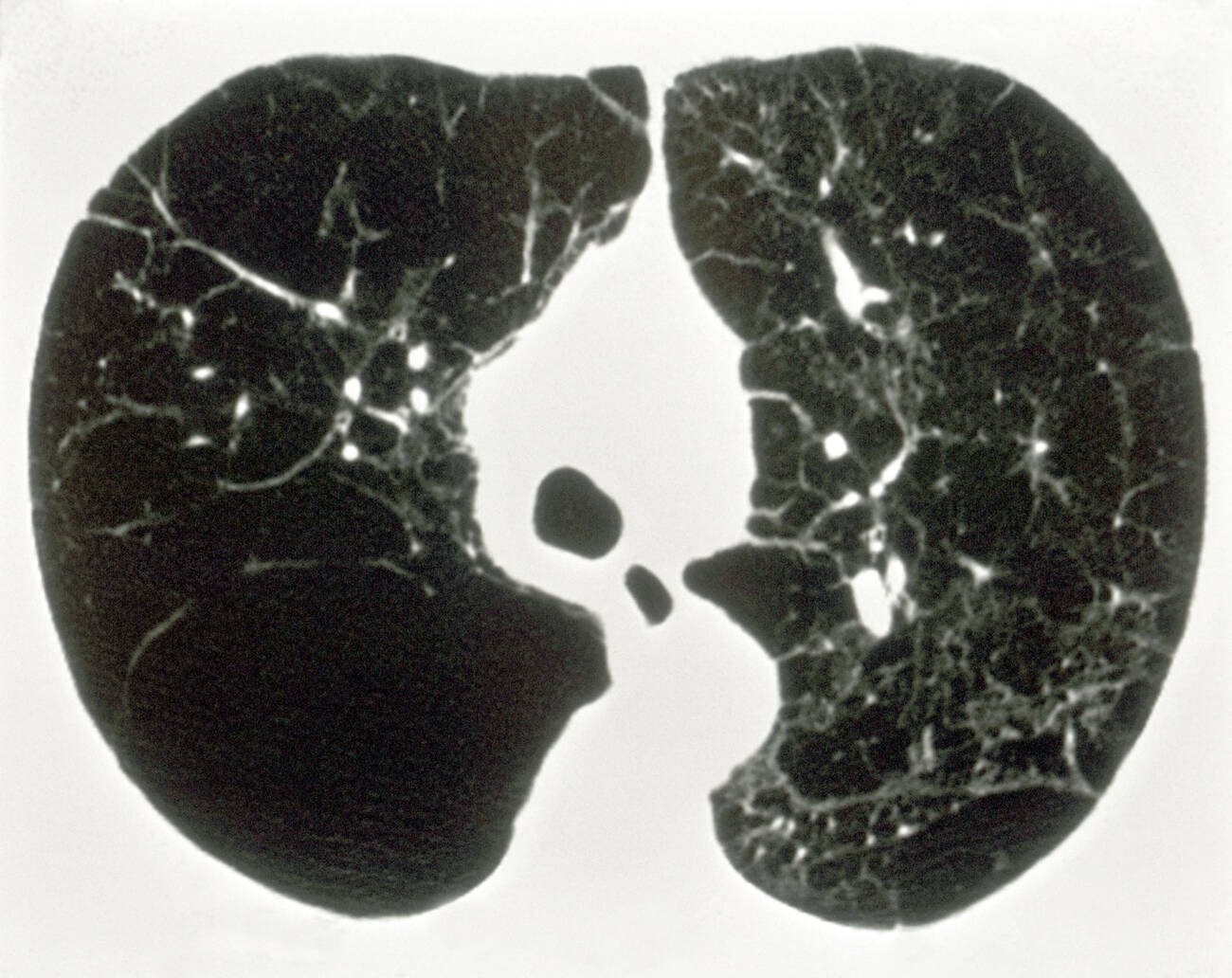
Imagine a fictional case, with a real clinical presentation. A 58-year-old man is admitted with fever, cough and a consolidation on the radiograph. He receives an antibiotic for community-acquired pneumonia. Three days later, the fever continues. The team switches the antibiotic. On the sixth day, a new radiograph shows diffuse infiltrate in both lungs, and the history of exposure to a cave with bats, which was noted at triage, appears for the first time in the discussion. The final diagnosis is acute pulmonary histoplasmosis, and the patient needs intensive care before improving.

The session that exposes
In the bad version of the session, the presenter shows the final diagnosis on the first slide. The audience asks why nobody read the triage. A preceptor comments that "this is basic". The resident on duty stays silent, and the meeting ends with no action items. Everyone leaves thinking the problem was one person's lack of attention.
The session that teaches
In the good version, the presenter shows the timeline without revealing the outcome. At each point, the audience says what they would do. On the third day, half the room would also switch the antibiotic, and the moderator records this: the decision made sense with what was known. Then the question shifts to the system: why did the triage information not reach the medical progress notes? It turns out the exposure field was on a tab the medical team did not open. The final task is to move that tab to the main screen, with an owner and a date. The resident leaves the room understanding where the reasoning stopped, not with the feeling of having been judged.

What changes between the two
The difference between the two versions fits in one sentence: the second judges the decision with the data from that time, names the error without looking for someone to blame and ends with a concrete change. That is what the studies described above point to as the core of a session that teaches.
The error as information in NEXO
The best morbidity and mortality session treats the error as data. NEXO starts from the same idea on a small scale: with each guess in the case of the day, the proximity feedback on the ICD-10 in five levels shows how far the guess was, whether in the same chapter, the same group or the same category. The case arrives in up to six clues, and the distribution of correct answers by clue shows at what point you usually close the diagnosis.
This review works like a small individual session: you decide before seeing the outcome, compare your hypothesis with the diagnosis and see whether the deviation was in chapter or in detail. These are fictional cases with a real clinical presentation, and the guide what NEXO is explains the whole game. How the modes are unlocked is on the NEXO Economy page.
Physicians who review cases take part through NEXO Curator. Researchers in medical education can propose studies through NEXO Researcher, and those who create health content on social media can take part through NEXO Creators. No study cited in this guide measures NEXO.
Frequently asked questions
What is a morbidity and mortality session?
It is the meeting in which a health service discusses complications, deaths and errors to improve care and train residents and students.
What is the morbidity and mortality session for?
For training, patient safety, quality control and care for the team. A survey showed that these goals are often poorly defined (Orlander and Fincke, 2003).
Should the session be anonymous?
In one study, anonymity slightly reduced the feeling of punishment, without changing the perceived educational value (Jansson et al., 2019). It is a choice for each service, and it works best together with structure and a system focus.
How can the session be kept from turning into blame?
With structure: a stated goal, a presentation script, a formal moderator, a system focus and follow-up of the proposed changes (Abahuje et al., 2024).
What should the student observe?
The reasoning at each point on the timeline, the type of deviation, the system failure behind it and the way the group talks about error.
Does the remote session work?
In a randomized study, learning was similar in person and by videoconference, but those at a distance took less part in the discussion (Lewis et al., 2011).
How does NEXO treat error?
As information: the proximity feedback on the ICD-10 in five levels shows how far each guess was from the diagnosis.
Morbidity and mortality session checklist
- State the goal of the session before choosing the patient.
- Listen to the team involved before the presentation.
- Prepare the timeline with what was known at each moment.
- Hide the outcome until the audience decides.
- Use a reasoning script, with hypotheses, shortcuts and system failures.
- Name the error when there is an error.
- Separate decision from outcome in the discussion.
- Have a moderator who interrupts blame and invites everyone to speak.
- Close the loop with an owner, a date and a follow-up.
- Take care of those who were at the center of the discussion.
Want to train error as information? Play the case of the day on NEXO.
References
- Orlander JD, Barber TW, Fincke BG. The morbidity and mortality conference: the delicate nature of learning from error. Acad Med. 2002. https://pubmed.ncbi.nlm.nih.gov/12377674/
- Orlander JD, Fincke BG. Morbidity and mortality conference: a survey of academic internal medicine departments. J Gen Intern Med. 2003. https://pubmed.ncbi.nlm.nih.gov/12911649/
- Pierluissi E, Fischer MA, Campbell AR, Landefeld CS. Discussion of medical errors in morbidity and mortality conferences. JAMA. 2003. https://pubmed.ncbi.nlm.nih.gov/14657068/
- Beaulieu-Jones BR, Wilson S, Howard DS, Rasic G, Rembetski B, Brotschi EA, et al. Defining a High-Quality and Effective Morbidity and Mortality Conference: A Systematic Review. JAMA Surg. 2023. https://pubmed.ncbi.nlm.nih.gov/37851458/
- Abahuje E, Yang S, Hu YY, Alam HB, Rosenblatt A, Ballard H, et al. Mixed-methods Assessment of Incivility During Surgical Mortality and Morbidity Conference. Ann Surg. 2024. https://pubmed.ncbi.nlm.nih.gov/37638402/
- Jansson PS, Schuur JD, Baker O, Hagan SC, Nadel ES, Aaronson EL. Anonymity Decreases the Punitive Nature of a Departmental Morbidity and Mortality Conference. J Patient Saf. 2019. https://pubmed.ncbi.nlm.nih.gov/30444742/
- Samost-Williams A, Rosen R, Hannenberg A, Lydston M, Nash GM, Brindle M. Perioperative Team-Based Morbidity and Mortality Conferences: A Systematic Review of the Literature. Ann Surg Open. 2023. https://pubmed.ncbi.nlm.nih.gov/37746600/
- Whitehead A. A Resident Morbidity and Mortality Conference Curriculum to Teach Identification of Cognitive Biases, Errors, and Debiasing Strategies. MedEdPORTAL. 2021. https://pubmed.ncbi.nlm.nih.gov/34765723/
- Fiorentino AR, Kieffer KA. Learning Outcomes from an Academic Internal Medicine Morbidity and Mortality Conference. J Gen Intern Med. 2022. https://pubmed.ncbi.nlm.nih.gov/35710671/
- Brook K, Agarwala AV, Tewfik GL. Reframing the Morbidity and Mortality Conference: The Impact of a Just Culture. J Patient Saf. 2024. https://pubmed.ncbi.nlm.nih.gov/38470962/
- Chiang CW, Greenberg JB, Richardson CR. Focus on Systems to Improve Morbidity and Mortality Conference Relevance. Fam Med. 2020. https://pubmed.ncbi.nlm.nih.gov/32640478/
- Leraas HJ, Cox ML, Rhodin KE, Freischlag K, Gilmore BF, Chang D, et al. Medical Student Involvement and Learning Objectives in Morbidity and Mortality Conferences: A National Survey of the Association for Surgical Education's Committee of Clerkship Directors. J Surg Educ. 2020. https://pubmed.ncbi.nlm.nih.gov/31501068/
- de Vos MS, Marang-van de Mheen PJ, Smith AD, Mou D, Whang EE, Hamming JF. Toward Best Practices for Surgical Morbidity and Mortality Conferences: A Mixed Methods Study. J Surg Educ. 2018. https://pubmed.ncbi.nlm.nih.gov/28720425/
- Pang S, Warraich HJ. Humanizing the Morbidity and Mortality Conference. Acad Med. 2021. https://pubmed.ncbi.nlm.nih.gov/33369900/
- Lewis CE, Relan A, Hines OJ, Tillou A, Hiatt JR. Morbidity and mortality as a televideoconference: a randomized prospective evaluation of learning and perceptions. J Am Coll Surg. 2011. https://pubmed.ncbi.nlm.nih.gov/21296010/