Myeloma with four drugs: the PERSEUS study
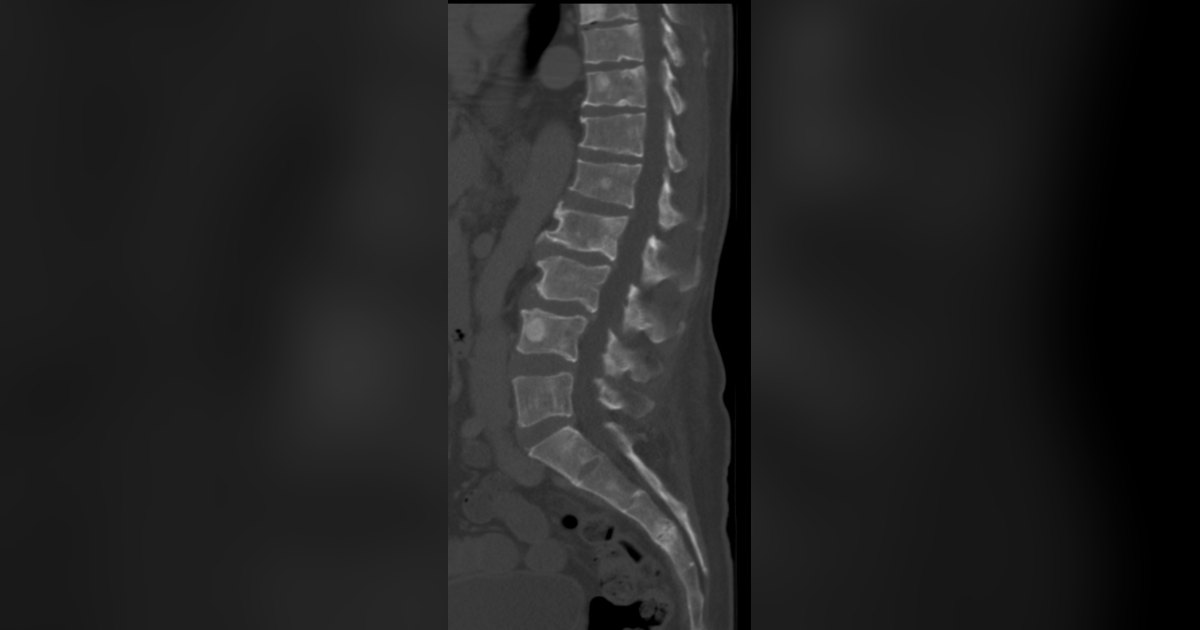
Table of contents
A 58-year-old engineer was diagnosed with multiple myeloma after a vertebral fracture without significant trauma. He is active, has preserved kidney function and has no heart disease. The team proposes starting with four drugs, the antibody daratumumab plus bortezomib, lenalidomide and dexamethasone, moving on to autologous transplant and then continuing treatment for a long period. He asks how long this will last, what he gains from the fourth drug and whether, in the end, he will be cured. The scene is fictional and was written for teaching.
This text uses the case as a scenario for clinical reasoning for students and health professionals. The topic is the four-drug regimen and maintenance in newly diagnosed myeloma eligible for transplant, based on the PERSEUS study, and the question Dr. Alexei proposed for the series: how do you integrate transplant eligibility, response and maintenance into a strategy of prolonged control? The text does not replace your country's guideline or your service's protocol. If you play the case of the day on NEXO, you will recognize the challenge: putting together a multi-step strategy in which each decision depends on the previous one.
Key points
- PERSEUS compared subcutaneous daratumumab plus bortezomib, lenalidomide and dexamethasone with the three drugs without the antibody, in induction and consolidation around autologous transplant.
- The daratumumab group had a 60 in 100 reduction in the risk of progression or death, according to the US label.
- Complete response and minimal residual disease negativity were more frequent with the four-drug regimen.
- The study was not designed to isolate the effect of daratumumab in maintenance, and the label notes that this efficacy was not established.
- The realistic goal is prolonged disease control, without establishing routine cure.
- Infections, blood cell drops and interference with laboratory tests are part of the conversation.
Why this is a reasoning scenario
Multiple myeloma is a cancer of the plasma cells in the bone marrow. For many years, initial treatment of the transplant-eligible patient followed a fixed sequence: three-drug induction, stem cell collection, high-dose melphalan with autologous transplant and lenalidomide maintenance. The arrival of antibodies against the CD38 protein added a fourth drug to this sequence and changed the questions the team needs to answer.
PERSEUS is the phase 3 study that tested this addition in the transplant-eligible population. A review on daratumumab had already described the study before the results, with about 690 patients planned and the use of the subcutaneous form of the antibody to reduce application-related effects and infusion time (Dima et al., 2020). The result arrived, and with it a series of decisions that do not fit into a single answer. The post on clinical decision-making helps organize choices of this kind.
Three linked decisions
The strategy has three decision points. First, transplant eligibility, which defines the whole path. Then, the response to treatment, measured in an increasingly sensitive way. Finally, maintenance, which can last years. Each step influences the next, and the patient needs to understand the plan as a whole from the start. The post on diagnostic uncertainty works through how to decide when not all outcomes are mature.
What daratumumab is
Daratumumab is a monoclonal antibody that binds to the CD38 protein, present in large amounts on the surface of myeloma cells. By binding, it activates immune system mechanisms that destroy the cell, such as complement and cells that recognize the antibody. A review on resistance to these antibodies describes that CD38 expression falls in myeloma cells during treatment, and that this fall reduces complement action and cellular cytotoxicity in laboratory analyses, even in patients with an ongoing clinical response (Franssen et al., 2020).
In PERSEUS, the antibody was used in subcutaneous form, combined with an enzyme that helps absorption. The US label describes the dose of 1,800 mg of daratumumab with 30,000 units of hyaluronidase, applied under the skin of the abdomen in about 3 to 5 minutes (Darzalex Faspro label). The same label calls for medications before and after the application to reduce reactions, and for blood typing with antibody screening before starting.

The antibody's three partners
Daratumumab was added to bortezomib, a proteasome inhibitor applied under the skin, lenalidomide, an immunomodulator taken orally, and dexamethasone, a corticosteroid at a high dose that also serves as pre-medication.
The combination of the first three, called VRd, was the standard of comparison. The study's question was whether the fourth drug added enough benefit to justify more treatment time, more cost and more adverse effects.
The PERSEUS design
The US label describes PERSEUS as an open-label, randomized, controlled study in patients with newly diagnosed myeloma eligible for autologous transplant, with inclusion limited to people up to 70 years old (Darzalex Faspro label). A total of 709 patients were randomized, 355 to the regimen with daratumumab and 354 to the regimen without it. Median age was 60 years, and about 22 in every 100 patients had high-risk cytogenetic abnormalities.
The doses, according to the label
In induction, daratumumab was given once a week from week 1 to 8 and every 2 weeks from week 9 to 16. After week 16 came mobilization, high-dose chemotherapy and transplant. Up to 12 weeks after transplant, with full engraftment, the antibody returned every 2 weeks for 8 weeks of consolidation (Darzalex Faspro label).
Also according to the label, bortezomib was applied under the skin at a dose of 1.3 mg per square meter on days 1, 4, 8 and 11 of 28-day cycles. Lenalidomide was given at a dose of 25 mg orally on days 1 to 21, and dexamethasone at a dose of 40 mg on days 1 to 4 and 9 to 12, both in induction and in consolidation. After consolidation, patients received maintenance with daratumumab and lenalidomide or with lenalidomide alone, depending on the group.
The steps, in order
- Induction with four drugs for 16 weeks.
- Mobilization and collection of stem cells from the blood.
- High-dose melphalan and autologous transplant.
- Consolidation with the four drugs for 8 weeks.
- Maintenance with daratumumab and lenalidomide, or lenalidomide alone.
The primary endpoint was progression-free survival assessed by an independent committee. This choice matters for the conversation with the patient, because time without progression is not the same as time alive, and each endpoint needs to be explained with the right name.
What PERSEUS showed
The US label records that PERSEUS showed improvement in progression-free survival in the daratumumab group, with a 60 in every 100 reduction in the risk of progression or death compared with the three-drug regimen, with a hazard ratio of 0.40 and a confidence interval of 0.29 to 0.57 (Darzalex Faspro label). Median progression-free survival had not been reached in either group.
The response was also deeper. At the end of consolidation, complete response or better occurred in about 45 in every 100 patients with daratumumab and in 35 in every 100 without it. The combination of complete response with minimal residual disease negativity, at the threshold of one cell in 100,000, was about 58 in every 100 versus 33 in every 100 (Darzalex Faspro label).
| Result at the end of consolidation | With daratumumab | Without daratumumab |
|---|---|---|
| Randomized patients | 355 | 354 |
| Overall response | About 95 in every 100 | About 92 in every 100 |
| Complete response or better | About 45 in every 100 | About 35 in every 100 |
| Complete response with minimal residual disease negativity | About 58 in every 100 | About 33 in every 100 |
| Minimal residual disease negativity among those with complete response | About 77 in every 100 | About 59 in every 100 |
| Hazard ratio for progression or death | 0.40, with a confidence interval of 0.29 to 0.57 | |
Source of the table numbers: Darzalex Faspro prescribing information.
What the other studies say about PERSEUS
The CEPHEUS study article summarizes PERSEUS with a hazard ratio of 0.42 for progression-free survival, complete response or better of about 88 versus 70 per 100 and minimal residual disease negativity of about 75 versus 48 per 100, considering the entire treatment, with maintenance (Usmani et al., 2025). The difference between these numbers and those in the prescribing information comes from the timing of the assessment: the prescribing information presents the data up to the end of consolidation. A French study with isatuximab noted that PERSEUS showed minimal residual disease negativity at the threshold of one cell in 1 million in about 65 per 100 patients with daratumumab, versus 32 per 100 without it (Leleu et al., 2024).
And overall survival?
The overall survival data from PERSEUS do not appear as an established result in the sources we consulted. Therefore, the conversation with the patient should speak of longer time without progression and a deeper response, without promising more years of life. This care applies to the scene engineer, who asked about cure: the regimen prolongs control, without establishing routine cure.
Minimal residual disease
Minimal residual disease is the measure of myeloma cells left after treatment, detected by very sensitive methods, such as high-throughput sequencing (NGS) or flow cytometry. A review on the topic states that, in multivariate analyses, reaching minimal residual disease negativity is the strongest independent prognostic factor, surpassing other favorable parameters (Kostopoulos et al., 2020). The same review notes that this prognostic value holds among patients who are already in complete response.
Another review highlights that the prognostic value of minimal residual disease holds in different settings, whether at diagnosis or at relapse, in patients eligible or not for transplant, at different sensitivity thresholds, cytogenetic risks and treatment regimens (Medina-Herrera et al., 2023). The authors recall, however, that the usefulness of deciding treatment based on this test is still being tested in prospective studies, among them PERSEUS itself.
The duration of negativity
An analysis of the MAIA and ALCYONE studies, in patients not eligible for transplant, showed that minimal residual disease negativity maintained for 6 and for 12 months was associated with longer progression-free survival, in any treatment group (San-Miguel et al., 2022). The regimens with daratumumab increased the proportion of patients with negativity maintained for 12 months, from about 2 to 11 per 100 in MAIA and from 3 to 14 per 100 in ALCYONE. The message is that the depth and the duration of the response go together in prognosis.
What minimal residual disease still does not answer
- Whether it is safe to stop treatment after maintained negativity, for all patients.
- Which sensitivity threshold should guide decisions.
- How often to repeat the test.
- How to interpret a negative result in high-risk disease.
- Whether negativity translates into more years of life in each regimen.
A review on prognostic markers describes that, in PERSEUS, patients in the daratumumab group with minimal residual disease negativity maintained for 12 months, after at least 24 months of maintenance, stopped daratumumab until progression, and resumed it if the residual disease reappeared or complete response was lost (Wallington-Beddoe and Mynott, 2021). It is an example of a response-guided strategy, which the professional should know without adopting as a rule outside the protocol.

Maintenance
Maintenance is the longest part of the strategy and the hardest to interpret in PERSEUS. The American prescribing information states verbatim that the study was not designed to isolate the effect of daratumumab in the maintenance phase and that the efficacy of daratumumab with lenalidomide in maintenance was not established (Darzalex Faspro prescribing information). This sentence must be in the mind of anyone discussing the plan.
The reason is methodological. In PERSEUS and in the phase 2 GRIFFIN study, daratumumab was given continuously and there was no new randomization before maintenance, which prevents conclusions about the value of maintenance with the antibody (Ludwig and colleagues, 2026). To work around the problem, the authors of the review reconstructed the published curves and did an analysis from the end of consolidation, but analyses of this type do not replace a randomization.
The AURIGA study
AURIGA tested maintenance directly. There were 200 patients who, after the transplant, had a very good partial response or better, positive minimal residual disease and had never received an antibody against CD38 (Ludwig and colleagues, 2026). They were randomized to daratumumab with lenalidomide or lenalidomide alone, for up to 36 cycles.
Conversion to negative minimal residual disease at 12 months was about 51 in 100 with the two drugs, against 19 in 100 with lenalidomide alone. Progression-free survival favored the combination, with a hazard ratio of 0.53, and the estimate at 30 months was about 83 against 66 in 100 (Ludwig and colleagues, 2026).
The limit of AURIGA
A systematic review by the European myeloma group recalls that AURIGA included only patients who had never received an antibody against CD38 (Ludwig and colleagues, 2026). This profile does not correspond to the patient who took part in PERSEUS. Clinical reasoning calls for attention to this difference in population.
Lenalidomide remains the basis of maintenance. The American label indicates 10 mg once a day on days 1 to 28 of 28-day cycles after autologous transplant, and carries boxed warnings for embryo-fetal toxicity, hematologic toxicity and venous and arterial thromboembolism (Revlimid label).
Toxicities and precautions
The adverse effects table in the American label, up to the end of consolidation in PERSEUS, shows that peripheral neuropathy occurred in about 52 in 100 patients with daratumumab and 54 in 100 without it, with no clear difference (Darzalex Faspro label). Upper respiratory tract infections were about 32 against 26 in 100, and pneumonia, 14 against 10 in 100, with grade 3 or 4 pneumonia in about 9 against 6 in 100. Insomnia was also more frequent, about 26 against 16 in 100.
The label also describes serious and fatal infections, neutropenia and thrombocytopenia, and the possibility of reactivation of the hepatitis B virus (Darzalex Faspro label). It recommends monitoring the blood count periodically and considering suspending the antibody to allow recovery of neutrophils or platelets.
Interference in tests
Two effects of daratumumab do not appear in the patient, but in the laboratory. The first is interference in antibody screening at the blood bank: the antibody binds to CD38 on red blood cells and makes the indirect Coombs test positive, an effect that can last up to 6 months after the last dose, without changing ABO and Rh typing (Darzalex Faspro label). That is why typing and antibody screening are done before the start, and the blood bank needs to be informed.
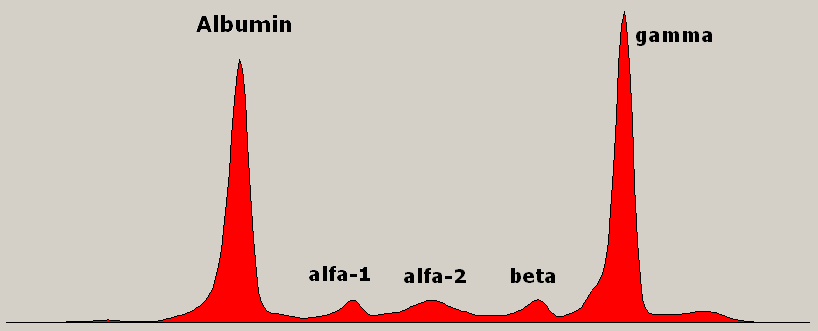
The second is interference in electrophoresis and immunofixation of serum proteins. Daratumumab can appear in these tests and produce falsely positive results in patients with IgG kappa monoclonal protein, interfering with confirmation of complete response. In these cases, the label suggests a specific immunofixation test to distinguish the antibody from the myeloma protein.
Stem cell collection
In the CASSIOPEIA study, which added daratumumab to another three-drug regimen, the mean number of CD34 cells collected was lower with the antibody, 6.7 against 10.0 million per kilogram, and the use of plerixafor was higher (Hulin and colleagues, 2021). Even so, the proportion of patients who reached transplant was similar, about 97 against 99 in 100 among those who underwent apheresis, and so was neutrophil recovery. The mobilization plan should anticipate this difficulty.


Practical precautions to agree with the patient
- Blood typing and antibody screening before the first dose.
- A card or record stating that the patient uses daratumumab, for the blood bank.
- Hepatitis B screening before starting.
- Periodic blood count and guidance about fever.
- Thrombosis prevention during lenalidomide use.
- Attention to tingling and pain in the feet, signs of neuropathy.
How to integrate the steps
Dr. Alexei's question calls for integration, not just a list of results. For the engineer in the scene, the reasoning can follow three steps. First, confirm transplant eligibility, assessing functional status, organs and preference, remembering that PERSEUS included patients up to 70 years old. Then, track the response with the appropriate tests, knowing that daratumumab can interfere with electrophoresis. Finally, discuss maintenance from the start, with clarity about what is established and what is not yet.
When transplant is not the path
The four-drug regimen was also tested in those who will not have an initial transplant. In the CEPHEUS study, 395 patients who were not eligible or whose transplant was deferred received eight cycles of daratumumab with VRd or VRd alone, followed by maintenance (Usmani et al., 2025). With a median follow-up of 58.7 months, the risk of progression or death was 43 in 100 lower with the antibody, and overall survival was still immature, with a hazard ratio of 0.85 and a confidence interval that crossed 1.
In MAIA, in patients who were not eligible, daratumumab with lenalidomide and dexamethasone increased median progression-free survival from 34.4 to 61.9 months and also overall survival, with an estimate at 60 months of about 67 versus 54 in 100 (Facon et al., 2025). These data show that the antibody has a place across the spectrum of initial treatment, but the strength of the survival evidence varies between studies.
High-risk disease
A later analysis of the MASTER and GRIFFIN studies evaluated transplant-eligible patients with high-risk cytogenetic abnormalities treated with four-drug regimens containing daratumumab (Callander et al., 2024). Progression-free survival at 36 months was similar for those with no or one high-risk abnormality, but fell to about 53 in 100 for those with two or more. The authors conclude that this ultra-high-risk disease needs other strategies.
Common reasoning errors
- Telling the patient that the four-drug regimen cures myeloma.
- Stating that PERSEUS proved an overall survival benefit.
- Attributing to daratumumab maintenance a benefit that the study did not isolate.
- Forgetting blood typing before the first dose.
- Interpreting a positive immunofixation without considering interference from the antibody.
- Applying the results to patients over 70 without caution.
How NEXO helps train this reasoning
In NEXO, the case of the day is fictional, with a real clinical presentation and up to six progressive clues, and you propose the diagnosis by looking for the ICD-10 code. Myeloma treated with four drugs is a good exercise because each step depends on new information: eligibility, response and tolerance. The post about heuristics in clinical reasoning helps you notice when a study result is extended beyond the population in which it was tested, and the post about pretest probability helps interpret tests that can give a false result.
Three exercises with cases
Change the age. Say how you would plan the treatment of a 74-year-old patient who is active and has no major comorbidities.
Change the cytogenetics. Say what changes if the patient has two high-risk abnormalities.
Change the test. Say how you would interpret a positive immunofixation for IgG kappa after a year of daratumumab, with bone marrow showing no abnormal plasma cells.
The limits of the game's use are described on the NEXO economy page. If you research clinical reasoning teaching, the page for researchers explains how to get in touch. Professionals who write or review cases find information in curation and in creators, and institutions can learn about the proposal on the partnerships page.
Frequently asked questions
Does the daratumumab regimen cure myeloma?
A cure should not be promised. The regimen prolonged time without progression and deepened the response, but did not establish routine cure.
Did PERSEUS show an increase in overall survival?
The primary endpoint was progression-free survival. In the sources we consulted, overall survival does not appear as an established result, and the conversation should reflect that.
Is maintenance with daratumumab mandatory?
The US prescribing information states that the efficacy of daratumumab with lenalidomide in maintenance was not established in PERSEUS (Darzalex Faspro prescribing information). The decision follows the service protocol and the patient's tolerance.
Why do blood typing beforehand?
Because daratumumab makes the indirect Coombs test positive for up to 6 months after the last dose, which makes releasing compatible blood harder.
Does daratumumab interfere with stem cell collection?
In CASSIOPEIA, collection was lower and plerixafor was used more with the antibody, but almost all patients reached transplant (Hulin et al., 2021).
Does negative minimal residual disease allow stopping treatment?
This strategy is being tested in studies, and outside them the decision should follow the service protocol.
Final checklist
- I confirmed transplant eligibility by performance status, organs and preference.
- I did blood typing, antibody screening and hepatitis B screening before the first dose.
- I explained that the regimen extends time without progression, without establishing routine cure.
- I did not claim an overall survival gain that the study did not establish.
- I planned mobilization considering the lower collection with daratumumab.
- I explained that the benefit of maintenance with daratumumab was not isolated.
- I considered the antibody's interference in electrophoresis and immunofixation.
- I recorded the plan as a shared decision.
Want to practice the reasoning with progressive clues? Play the case of the day.
References
- Callander NS, Silbermann R, Kaufman JL, et al. Daratumumab-based quadruplet therapy for transplant-eligible newly diagnosed multiple myeloma with high cytogenetic risk. Blood Cancer J. 2024. PMID 38649340.
- Celgene Corporation. REVLIMID (lenalidomide) capsules, for oral use. Prescribing information. DailyMed. 2026. DailyMed.
- Dima D, Dower J, Comenzo RL, et al. Evaluating Daratumumab in the Treatment of Multiple Myeloma: Safety, Efficacy and Place in Therapy. Cancer Manag Res. 2020. PMID 32904669.
- Facon T, Moreau P, Weisel K, et al. Daratumumab/lenalidomide/dexamethasone in transplant-ineligible newly diagnosed myeloma: MAIA long-term outcomes. Leukemia. 2025. PMID 40016302.
- Franssen LE, Stege CAM, Zweegman S, et al. Resistance Mechanisms Towards CD38-Directed Antibody Therapy in Multiple Myeloma. J Clin Med. 2020. PMID 32331242.
- Hulin C, Offner F, Moreau P, et al. Stem cell yield and transplantation in transplant-eligible newly diagnosed multiple myeloma patients receiving daratumumab + bortezomib/thalidomide/dexamethasone in the phase 3 CASSIOPEIA study. Haematologica. 2021. PMID 33657786.
- Janssen Biotech, Inc. DARZALEX FASPRO (daratumumab and hyaluronidase-fihj) injection, for subcutaneous use. Prescribing information. DailyMed. 2026. DailyMed.
- Kostopoulos IV, Ntanasis-Stathopoulos I, Gavriatopoulou M, et al. Minimal Residual Disease in Multiple Myeloma: Current Landscape and Future Applications With Immunotherapeutic Approaches. Front Oncol. 2020. PMID 32537439.
- Leleu X, Hulin C, Lambert J, et al. Isatuximab, lenalidomide, dexamethasone and bortezomib in transplant-ineligible multiple myeloma: the randomized phase 3 BENEFIT trial. Nat Med. 2024. PMID 38830994.
- Ludwig H, Terpos E, Gay F, et al. The Changing Landscape of Maintenance Therapy in Newly Diagnosed Multiple Myeloma: A Systematic Review With Network Meta-Analysis of the European Myeloma Network (EMN). Am J Hematol. 2026. PMID 42315477.
- Medina-Herrera A, Sarasquete ME, Jiménez C, et al. Minimal Residual Disease in Multiple Myeloma: Past, Present, and Future. Cancers (Basel). 2023. PMID 37509348.
- San-Miguel J, Avet-Loiseau H, Paiva B, et al. Sustained minimal residual disease negativity in newly diagnosed multiple myeloma and the impact of daratumumab in MAIA and ALCYONE. Blood. 2022. PMID 34269818.
- Usmani SZ, Facon T, Hungria V, et al. Daratumumab plus bortezomib, lenalidomide and dexamethasone for transplant-ineligible or transplant-deferred newly diagnosed multiple myeloma: the randomized phase 3 CEPHEUS trial. Nat Med. 2025. PMID 39910273.
- Wallington-Beddoe CT, Mynott RL. Prognostic and predictive biomarker developments in multiple myeloma. J Hematol Oncol. 2021. PMID 34556161.