Medical research in med school: how to start
 Alexei Peter dos Santos, Thiago Longo Moraes, and Caroline Wilhelmsen Martins
Table of contents
- What undergraduate research in Medicine is
- What studies say about publication and career
- Barriers and how to reconcile them with the course
- How to choose a supervisor and a project
- Ethics and integrity from the first project
- From the bench to the conference: how to communicate the result
- Research, clinical reasoning and NEXO
- Frequently asked questions
- Checklist before joining a project
- References
Third period, break between two classes. A classmate mentions she joined a research project with a cardiology professor and is already helping review medical records for a retrospective study. Another classmate says he tried last semester, emailed three professors and none replied. A third one asks, a bit awkwardly, whether it is worth it: the internship is coming, the workload only grows and nobody properly explained what you gain from it besides a line on your CV.
The three situations sum up what studies on research in undergraduate medical education find in several countries: high interest, unequal access, time and mentoring barriers, and a large gap between starting a project and finishing it with a published result. This text explains what undergraduate research is, what studies say about publication and career, how to choose a mentor and a project, how to fit it around the course and which ethical precautions you need to know from day one.
Key points
- Undergraduate research is the student's participation in a research project, under the guidance of a researcher. Depending on the country, it is mandatory, as in the Netherlands, or optional, as in summer programs in the United States and the scientific initiation program in Brazil.
- Starting does not guarantee publishing. In summer programs in the United States, about one third of projects became a publication and only one quarter came out within three years (Tumin et al., 2024).
- Longer projects, at academic centers and with clinical or laboratory data published more in a Dutch cohort of mandatory projects (den Bakker et al., 2022).
- The barriers most cited by students are lack of time, lack of mentoring and lack of training in method (Alhabib et al., 2023; Mahmood et al., 2025).
- Having a present mentor and a team that includes the student weighs as much as the project topic for the experience to help decide about a research career (da Silva et al., 2026).
- Research ethics and publication integrity are part of the learning, not bureaucracy: students usually know little about authorship, plagiarism and data fabrication (Mubeen et al., 2017).
What undergraduate research in Medicine is
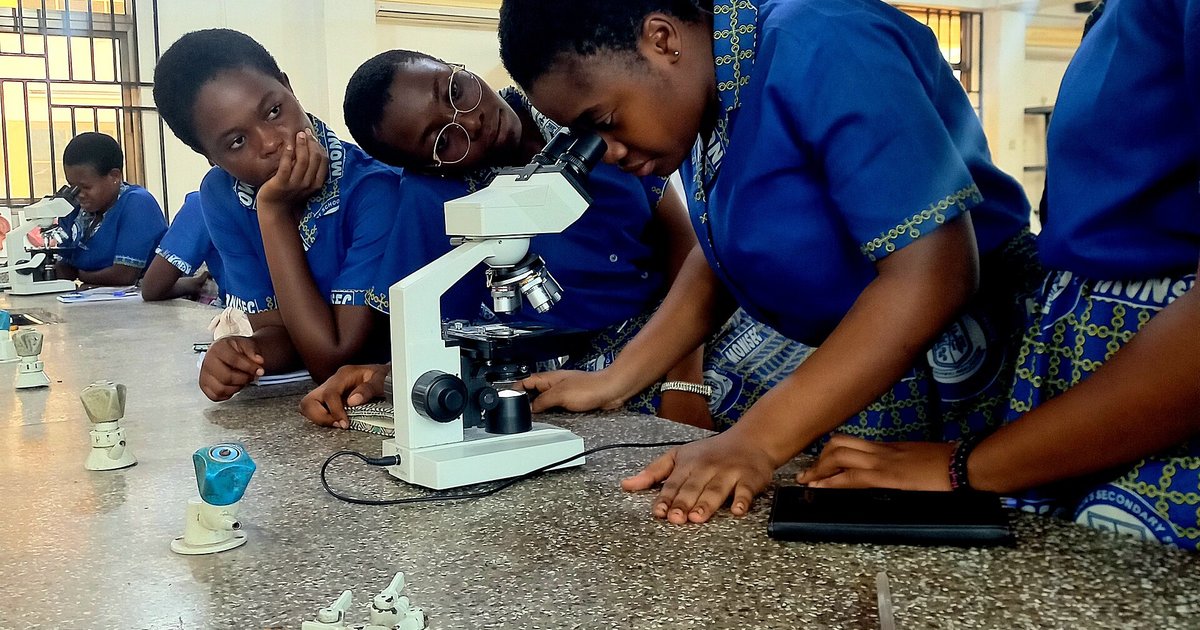
Undergraduate research is a student's first structured experience with producing knowledge: formulating a question, choosing a method, collecting and analyzing data and communicating the result. In undergraduate medical education, it usually happens as an extracurricular activity, linked to a supervising professor and a research group. In some schools, part of this experience enters the curriculum as a final paper or a methodology course.
The names change from country to country. People speak of a student research project, summer research, a final thesis, a research track or, in Brazil, scientific initiation. An essay by a Brazilian student, published in an international medical education journal, describes scientific initiation as an activity that stimulates logical and critical thinking, creates the habit of learning on your own and can train new researchers (Martinho, 2005). It is a personal experience account, not a study of effect, but it sums up well the expectations that usually accompany the choice.
With a scholarship or as a volunteer
In several countries there are structured research programs for undergraduate students, some with scholarships from funding agencies, foundations or the universities themselves. Summer research programs at colleges in the United States (Tumin et al., 2024) and scientific initiation scholarships in Brazil are two examples. The rules for selection, monitoring and reporting vary from program to program. Voluntary participation without a scholarship is also common and follows the same rules for mentoring and deliverables. The practical difference is the formal commitment to deadlines and reports, which exists in both cases when the project is registered at the institution.
Mandatory or optional
In some countries, every medical student does a mandatory research project. At Leiden University in the Netherlands, a follow-up of ten cohorts showed that these mandatory projects produce publications with impact above the world average, although most never get published (den Bakker et al., 2022). In many other countries, such as the United States and Brazil, undergraduate research is usually optional, which makes access depend on initiative, a network of contacts and the local availability of supervisors.
What changes in your routine
In practice, joining a project means adding to your week article readings, group meetings, collection or analysis tasks and, from time to time, a report. It also means learning to work with deadlines that are not the university's and with people from other fields, such as statisticians, biologists and nurses. Those who have been through the experience often say the biggest change is not the number of hours, but the kind of question you start asking when you read an article or sit in a class: where does this number come from, how was it measured and what would be different with another method.
Types of project
- Basic research: laboratory, cell or animal models, under the supervision of an experimental group.
- Clinical research: prospective collection with patients, review of medical records or analysis of databases.
- Reviews: systematic and scoping reviews, which train search, critical reading and synthesis.
- Medical education: studies on teaching, assessment and training, often with the class itself as participants.
- Public health: population and health services studies, with public data or field collection.

What studies say about publication and career
The most common question from those starting out is whether the project will become an article. The numbers help calibrate expectations.
Most projects are not published
In the Leiden cohort, 27.7% of the mandatory projects resulted in a publication, and students appeared mainly as first or second author (den Bakker et al., 2022). In an analysis of five summer research programs in the United States, 34% of the projects resulted in a publication, but only a quarter were published by three years after the presentation, roughly the time of graduation (Tumin et al., 2024). In colleges in Morocco, only 0.8% of the final course theses registered over a decade were published in indexed journals (Touissi et al., 2023).
These data do not mean that undergraduate research is not worth it. They mean that publishing takes time after the formal end of the project, and that the student needs to agree with the supervisor, from the start, on who writes what and by when.
What increases the chance of publishing
In the Dutch cohort, more publications came from students who did the project at an academic center, extended the duration of the research, took part in an excellence track or worked with clinical or laboratory research (den Bakker et al., 2022). In a Swedish study that followed students for two years after a research project course, about a third had articles or presentations at conferences, and the course encouraged the continuation of the collaboration between student and supervisor (Möller and Shoshan, 2017).
The pattern that appears in both studies is continuity: projects that do not end when the scholarship or the semester ends are more likely to reach a communicable result.
Beyond publication, undergraduate research is associated with career decisions and with how the student sees themselves as a professional.
Interest in continuing to do research
In a longitudinal study with medical students in the United States published in 2026, taking part in research during college and having a physician researcher as a role model were associated with the intention to pursue a career in research (Hajduk et al., 2026). Among students from groups underrepresented in Medicine, research experience before college and manuscript authorship had their own associations; among the others, having a research mentor and receiving guidance on work-life balance in a research career mattered (Hajduk et al., 2026). These are associations, not proof of cause: those who are already interested tend to seek out research.
A place to try out the researcher identity
A qualitative study with preclinical students in the Netherlands described early research as a space for identity experimentation: a low-risk place where the student tests whether research suits them, without having to decide on an entire career (da Silva et al., 2026). The experience only took on this role when students genuinely participated, were recognized by the team and had present supervisors. With distant relationships and little support, the result was the opposite: a feeling of marginalization and withdrawal (da Silva et al., 2026).
Residency and interviews
In the United States, a study with residency interviewers showed that about a quarter of them ask candidates about the mandatory research project, regardless of specialty and of whether the project was published (Daus e McEchron, 2021). The transferable lesson is simple: if you did research, you need to be able to explain the question, the method and what you learned, even if the result was negative.

Barriers and how to reconcile them with the course
Studies in very different countries find the same barriers, which suggests they are structural and not individual failings.
| Barrier | How it appears in the studies | What you can do |
|---|---|---|
| Lack of time | First limitation cited by students in Saudi Arabia (Alhabib et al., 2023) and a central theme in Pakistan (Mahmood et al., 2025) | Choose a project with a small scope and deadlines agreed in writing |
| Lack of guidance | Second limitation in Saudi Arabia (Alhabib et al., 2023); main barrier in China (Chen et al., 2023) | Assess the supervisor before the topic; look for groups with regular meetings |
| Little training in method | Most frequent personal barrier in Iran (Dadipoor et al., 2019); few feel capable of designing a study in the United Kingdom (Kumar et al., 2026) | Take a methodology and statistics course or class right at the start |
| Access to sources and structure | Limited access to the literature (Dadipoor et al., 2019); lack of funding and equipment (Mahmood et al., 2025) | Use institutional access to journals and projects with data already available |
| Inequality of access | Students from minority groups report less confidence about an academic career (Kumar et al., 2026) | Look for institutional programs with open selection and group mentoring |
In Saudi Arabia, fewer than half of the students were involved in research, and the main motivation cited was entry into residency, ahead of interest in research itself (Alhabib et al., 2023). In China, students with research experience had more motivation, self-efficacy and curiosity than the others (Chen et al., 2023). The two findings help explain why the same activity can be experienced as a strategic obligation or as discovery.
Lack of time is the most cited barrier, and it does not go away with good will. The strategies below help reconcile research with the course.
Plan around the course calendar
Semesters with a heavier practical load and end-of-term exams are bad times for data collection. Agree with your supervisor on a division of tasks that respects this calendar: reading and writing in lighter periods, collection when the schedule allows.
Block fixed hours
Research done "when there is spare time" rarely moves forward. Two to four fixed hours a week, marked in the calendar like a class, yield more than a whole Saturday once a month.
Mind the limit
The authors of the study on summer research warn about the risk of burnout and disillusionment when the pressure to publish adds to the course load (Tumin et al., 2024). If research starts to compete with sleep, health and basic studying, it is time to talk to the supervisor about the pace. The text on burnout in medical school lists warning signs. If you are suffering, seek the help you need at your school's support service or in the health system.
How to choose a supervisor and a project
Choosing the supervisor usually matters more than choosing the topic. A fascinating topic with an absent supervisor yields less than an ordinary topic in a group that meets, holds people accountable and teaches.
Questions to ask before accepting
- How often does the group meet, and who follows the student day to day?
- Did previous students finish their projects? Did they publish or present at a conference?
- What exactly will your task be, and what will you learn by doing that task?
- Does the project already have ethics committee approval, or will it still be submitted?
- How will authorship be defined if the work is published?
- What is a realistic deadline for the first deliverable?
Individual or group mentoring
A systematic review on mentoring of medical students in the United States found high satisfaction with the programs, and some of them showed increased academic output and better results in residency selection (Farkas et al., 2019). Another review, on group mentoring, found very favorable evaluations despite the modest quality of the studies, and suggested that these programs work better when they are longitudinal (Skjevik et al., 2020). For those without access to an individual supervisor, research groups with several students and a senior researcher are a good entry point.
Project scope
Prefer a small question you can answer to a big question that depends on years of data collection. Systematic reviews, analyses of existing databases and medical education studies usually fit the undergraduate calendar better than prospective studies with patient recruitment.
How to approach a professor
Read two or three recent articles from the group before writing. In the email, say what you read, why it interested you and how many hours a week you can dedicate. Short, specific messages get more replies than generic requests for "any project".

The first weeks in the group
The first months are usually the most confusing. You do not yet know the group's vocabulary, you are not familiar with the databases and you are afraid to ask the obvious. Three attitudes shorten this period. The first is to ask for the articles and protocols the group has already produced and read them calmly, noting down questions. The second is to ask for a small, complete task, such as organizing a spreadsheet or running the literature search for a question, instead of a loose part of a large piece of work. The third is to bring your written questions to the next meeting. The Dutch study on early research showed that the feeling of belonging to the team and of being recognized for the work was what made the experience meaningful (da Silva et al., 2026), and that feeling starts with tasks the student can complete.
When the result is negative
Many projects end without the difference that was expected. That is not a student's failure. A well-measured negative result is information, and it can be presented at a conference with the same seriousness as a positive one. What you learn at that moment is one of the most valuable lessons of undergraduate research: evidence does not obey the researcher's expectation. The same stance applies in clinical practice, when the test does not confirm the favorite hypothesis and you need to return to the differential diagnosis instead of forcing the data to fit it.
Ethics and integrity from the first project
In most countries, research with human beings needs approval from a research ethics committee, or an institutional review board, before data collection begins. The exact rules change from country to country, so check those of your institution. This also applies to reviewing medical records and questionnaires with colleagues. Joining a project that has not yet been approved and starting to collect data is a mistake that can invalidate the entire work.
What students often do not know
In a study with medical students in Pakistan, few knew the international authorship criteria and the publication ethics guidelines, and knowledge about data fabrication, plagiarism and image manipulation was uneven across faculties (Mubeen et al., 2017). The authors argue for teaching publication ethics during undergraduate training.
Practical rules
- Never collect data before ethical approval, when it is required.
- Write down everything you do, with the date, as if another person were going to repeat your work.
- Agree on authorship in writing before you start writing the article.
- Cite all sources and do not reuse your own published texts without indicating it.
- If you notice a strange data point, tell your supervisor instead of adjusting it on your own.
From the bench to the conference: how to communicate the result
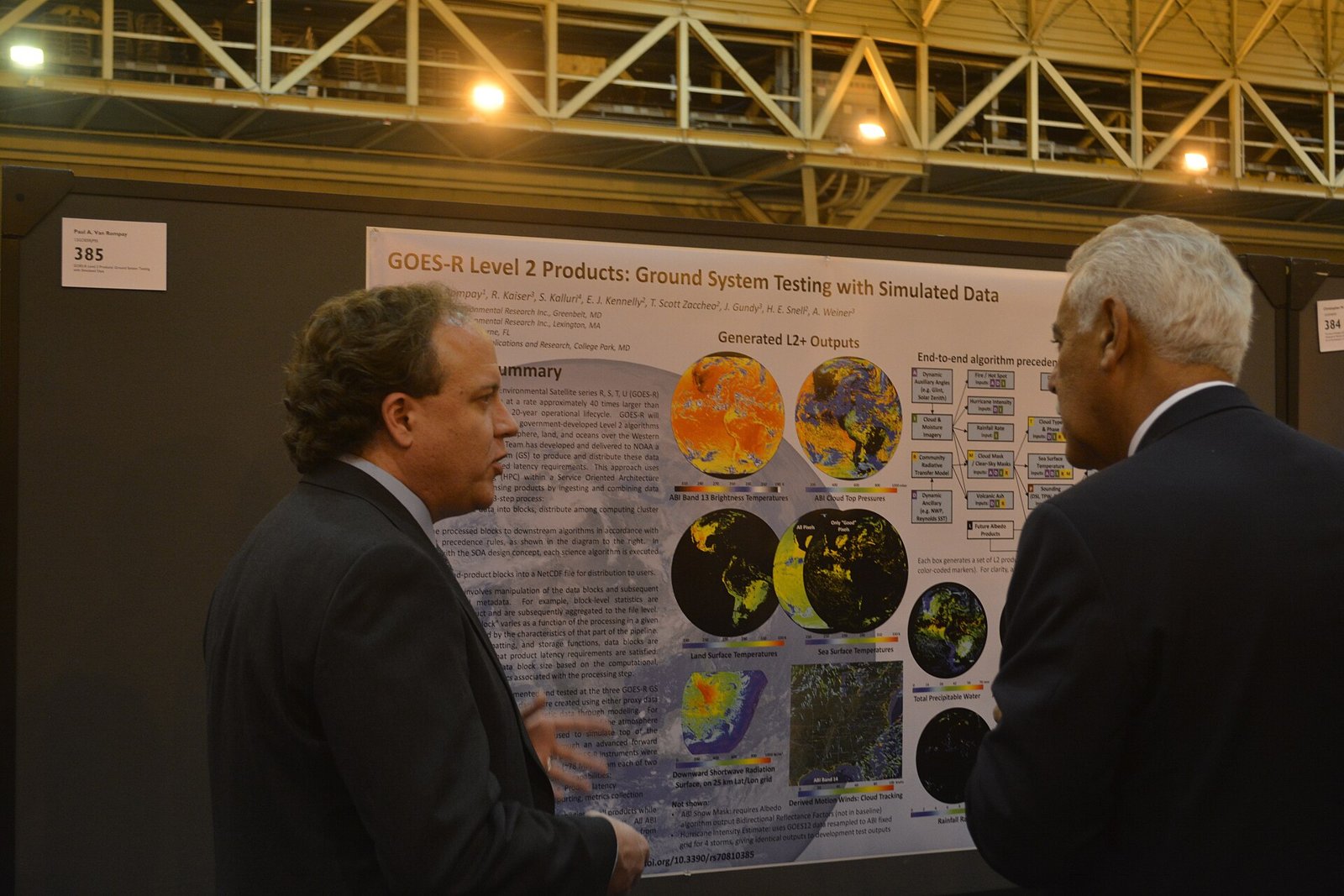
A project ends when the result is communicated. Not every result becomes an article, but almost every result can become a conference abstract, a poster or an oral presentation. That is a good first step, and the blog has a guide on how to present work at a medical conference.
Record each output in your CV as soon as it happens. The text on the academic CV of the medical student explains how to do this without leaving anything behind. And, to understand the articles you will read during the project, it is worth starting with critical reading of articles.
Research during undergraduate training also combines with other undergraduate activities. Outreach projects can generate research questions about the community served, and experience in a research group helps you think about choosing your specialty.


Research, clinical reasoning and NEXO
Research during undergraduate training trains a skill that reappears in every consultation: formulate a hypothesis, decide which data confirms or weakens it, and change your mind when the evidence calls for it. NEXO trains this same logic in diagnosis. Each day there is a fictional case, with a real clinical presentation, and the diagnosis arrives in up to six clues, with ICD-10 proximity showing how far each guess was. Playing the case of the day is a short way to keep clinical reasoning sharp in the semesters when research takes up more time.
If your research is about medical education, NEXO has its own path: researchers can propose studies through NEXO Researcher. Faculty, student league or residency coordinators who want to use the cases with their class can learn about NEXO Closer. Doctors who review cases take part through NEXO Curator, and those who create health content on social media can take part through NEXO Creators. To understand the whole game, see what NEXO is, and the limits of use on the NEXO economy page.
Frequently asked questions
Is undergraduate research mandatory to enter residency?
It depends on the country and the program. In most selection processes, research is not a formal requirement, but it usually counts in the CV review and comes up in interviews: in the United States, about a quarter of interviewers ask about the research project (Daus and McEchron, 2021). Check the rules of each program that interests you.
At what stage should I start?
There is no right stage. Starting in the basic cycle gives more time to finish and publish, and studies show that longer projects publish more (den Bakker et al., 2022). Starting later works if the scope is small.
Do I need to publish for the research to have been worth it?
No. Most student projects are not published (den Bakker et al., 2022; Tumin et al., 2024), and learning the method, critical reading and teamwork remain. Even so, agree with your supervisor on a plan to communicate the result.
Can I do research in an area different from the specialty I intend to pursue?
Yes. The method transfers from one area to another, and the experience can even help you discover new interests (da Silva et al., 2026).
What should I do if my supervisor disappears?
Ask for a meeting with a written agenda and deadlines. If the problem continues, contact the coordination of the institution's research program. Absent supervision is one of the barriers most cited by students (Alhabib et al., 2023).
Does a systematic review count as research in medical school?
It counts, as long as it follows a protocol and has supervision. It is a good format for those with little bench time.
Checklist before joining a project
- I talked with the supervisor and with students who have already worked with them.
- I know what my task will be and what I will learn from it.
- The project has or will have ethics approval before data collection.
- I agreed on hours per week and deadlines in writing.
- I know how authorship will be defined.
- I have a plan to communicate the result at a conference or in an article.
- I have set aside time for rest and for studying for the course.
Want to practice the same reasoning of hypothesis and evidence every day? Play the case of the day on NEXO.
References
- Martinho TP. Scientific initiation in medical education. Med Teach. 2005. https://pubmed.ncbi.nlm.nih.gov/16147776/
- den Bakker CR, Ommering BW, van Leeuwen TN, et al. Assessing publication rates from medical students' mandatory research projects in the Netherlands: a follow-up study of 10 cohorts of medical students. BMJ Open. 2022. https://pubmed.ncbi.nlm.nih.gov/35379628/
- Hajduk AM, O'Connell M, Aviles A, et al. Longitudinal Evaluation of Research Career Intentions Among US Medical Students. JAMA Netw Open. 2026. https://pubmed.ncbi.nlm.nih.gov/42118538/
- da Silva ME, van der Goot WE, Verbeek DS, et al. Becoming a physician-scientist: Early research participation as an identity sandbox for preclinical medical students. Med Educ. 2026. https://pubmed.ncbi.nlm.nih.gov/42805757/
- Skjevik EP, Boudreau JD, Ringberg U, et al. Group mentorship for undergraduate medical students-a systematic review. Perspect Med Educ. 2020. https://pubmed.ncbi.nlm.nih.gov/32820416/
- Farkas AH, Allenbaugh J, Bonifacino E, et al. Mentorship of US Medical Students: a Systematic Review. J Gen Intern Med. 2019. https://pubmed.ncbi.nlm.nih.gov/31485967/
- Mubeen SM, Qurrat-ul-Ain, Ghayas R, et al. Knowledge of scientific misconduct in publication among medical students. Educ Health (Abingdon). 2017. https://pubmed.ncbi.nlm.nih.gov/28928344/
- Dadipoor S, Ramezankhani A, Aghamolaei T, et al. Barriers to research activities as perceived by medical university students: A cross-sectional study. Avicenna J Med. 2019. https://pubmed.ncbi.nlm.nih.gov/30697520/
- Möller R, Shoshan M. Medical students' research productivity and career preferences; a 2-year prospective follow-up study. BMC Med Educ. 2017. https://pubmed.ncbi.nlm.nih.gov/28253880/
- Tumin D, Long-Mills E, Becton M, et al. Publication of Medical Student Summer Research: A Multi-institutional Analysis. Med Sci Educ. 2024. https://pubmed.ncbi.nlm.nih.gov/39758495/
- Alhabib RK, Alhusseini N, Aboalsamh AG, et al. Motivators and barriers to research participation among medical students in Saudi Arabia. PLoS One. 2023. https://pubmed.ncbi.nlm.nih.gov/37104288/
- Mahmood A, Rehman N, Huang X, et al. Barriers to undergraduate medical students' research engagement in Pakistan: a qualitative exploration. BMC Med Educ. 2025. https://pubmed.ncbi.nlm.nih.gov/40269854/
- Daus K, McEchron M. The impact of medical student research as a discussion topic during the residency interview process. BMC Med Educ. 2021. https://pubmed.ncbi.nlm.nih.gov/34724944/
- Touissi Y, Boulaich O, El Idrissi FE, et al. Medical students' contribution to research; the scientific output of medical theses held in Moroccan medical schools during the last decade (2011-2021). Med Educ Online. 2023. https://pubmed.ncbi.nlm.nih.gov/37253135/
- Kumar RV, Cole C, Vincent J, et al. Investigating Barriers to Clinical Academic Careers Amongst Undergraduate Medical Students. Clin Med (Lond). 2026. https://pubmed.ncbi.nlm.nih.gov/42893721/
- Chen H, Teng T, Chen H, et al. Motivation, self-efficacy, perception, curiosity, and barriers toward medical research among undergraduates in China. Biochem Mol Biol Educ. 2023. https://pubmed.ncbi.nlm.nih.gov/36285877/