Interprofessional clinical reasoning: deciding as a team



Table of contents
It is two in the morning in the ward. The resident reviews the prescription of a man admitted for pneumonia and decides to keep the plan. Half an hour earlier, the nursing technician had noticed he was more confused and noted in the fluid balance chart that urine output had dropped. The pharmacist, on the afternoon shift, had noticed that one of the antibiotics needed adjustment for kidney function. Each of these people had a piece of the picture. None of them had the whole picture, and nobody put the pieces together before the next morning.
This scene sums up the problem of interprofessional clinical reasoning. Diagnosis and management rarely depend on one person alone, but teaching and culture still treat reasoning as something that happens in the doctor's head. This guide explains what it means to reason as a team, what research shows about how information circulates between professions, what role each person has in the diagnostic process, what gets in the way and what helps, and how students and preceptors can train this skill from undergraduate years onward.
Key points
- The main recommendation of a landmark report on diagnosis was to improve teamwork, with the patient, the doctor and nursing as the core of the team (Graber et al., 2017).
- Performance in team reasoning depends on how information is distributed, exchanged and retrieved among members (Kiesewetter et al., 2017).
- A pharmacist on ICU rounds was associated with a 66% drop in preventable adverse events linked to prescribing (Leape et al., 1999).
- Information exchange within the team is one of the factors that weigh most on collective reasoning performance (Kiesewetter et al., 2017).
- Interprofessional education improves attitudes and knowledge about collaboration, with more limited evidence for behavior change and for patient benefit (Reeves et al., 2016).
- It can be trained from early on, with cases discussed by students from different courses.
Summary
- What interprofessional clinical reasoning is
- Diagnosis as teamwork
- What the evidence shows about teams
- What gets in the way of team reasoning
- How to teach and learn as a team
- The ward scene, redone as a team
- Shared reasoning in NEXO
- Frequently asked questions
- Checklist for reasoning as a team
What interprofessional clinical reasoning is
Clinical reasoning is the process of gathering data, generating hypotheses, testing them and deciding. When this process happens with professionals from different areas, each bringing their own information and knowledge, it is called interprofessional, or collaborative, clinical reasoning. The idea seems obvious, but research on the topic is recent. A scoping review found growing interest in the area and observed that only two articles offered specific definitions of the concept (Lee et al., 2024).
An earlier systematic review gathered the empirical studies and identified four factors that influence team reasoning performance: the initial distribution of information among members, the clinical experience of the team's doctors, information exchange within the team, and the way each person retrieves and represents the group's information (Kiesewetter et al., 2017). Performance there was measured by the diagnosis or the proposed management.
Different from working side by side
Working in the same unit is not the same as reasoning together. In many services, each profession does its assessment, records it in the chart and moves on. Information stays stored in different places, in different languages, and someone has to put it together. Interprofessional reasoning assumes something else: that hypotheses are shared, that each person knows what the other is thinking, and that there is a moment when the picture is assembled jointly. A European curriculum dedicated to the topic faced exactly this difficulty, because the understanding of clinical reasoning varied between and within professions, and a common view had to be reached before teaching (Hege et al., 2023).
Why the topic has gained strength now
Three changes help explain the recent interest. The first is patient complexity: more people live with several chronic diseases and use many medications at the same time, and no single professional masters all the interactions among them. The second is fragmentation of care: the same patient goes through several shifts, units and services in a single episode of illness, and information is lost in the transitions. The third is the growing attention to diagnostic error as a safety problem, which shifted the focus from individual competence to the system in which the diagnosis is made.
The scoping review by Lee and colleagues highlighted that explicit theoretical models, such as those proposed by Blondon and by Kiesewetter, are essential to advance research and understand the dynamics of reasoning in teams (Lee et al., 2024). For those who study this, there is a practical consequence: it is not enough to say that collaborating is good. You have to look at how information enters the team, who receives it, how it is discussed and how it becomes a decision, because it is at these points that group reasoning gains or loses quality. Individual biases, described in the post about examples of heuristics in clinical reasoning, also appear in teams, sometimes amplified.
Diagnosis as teamwork
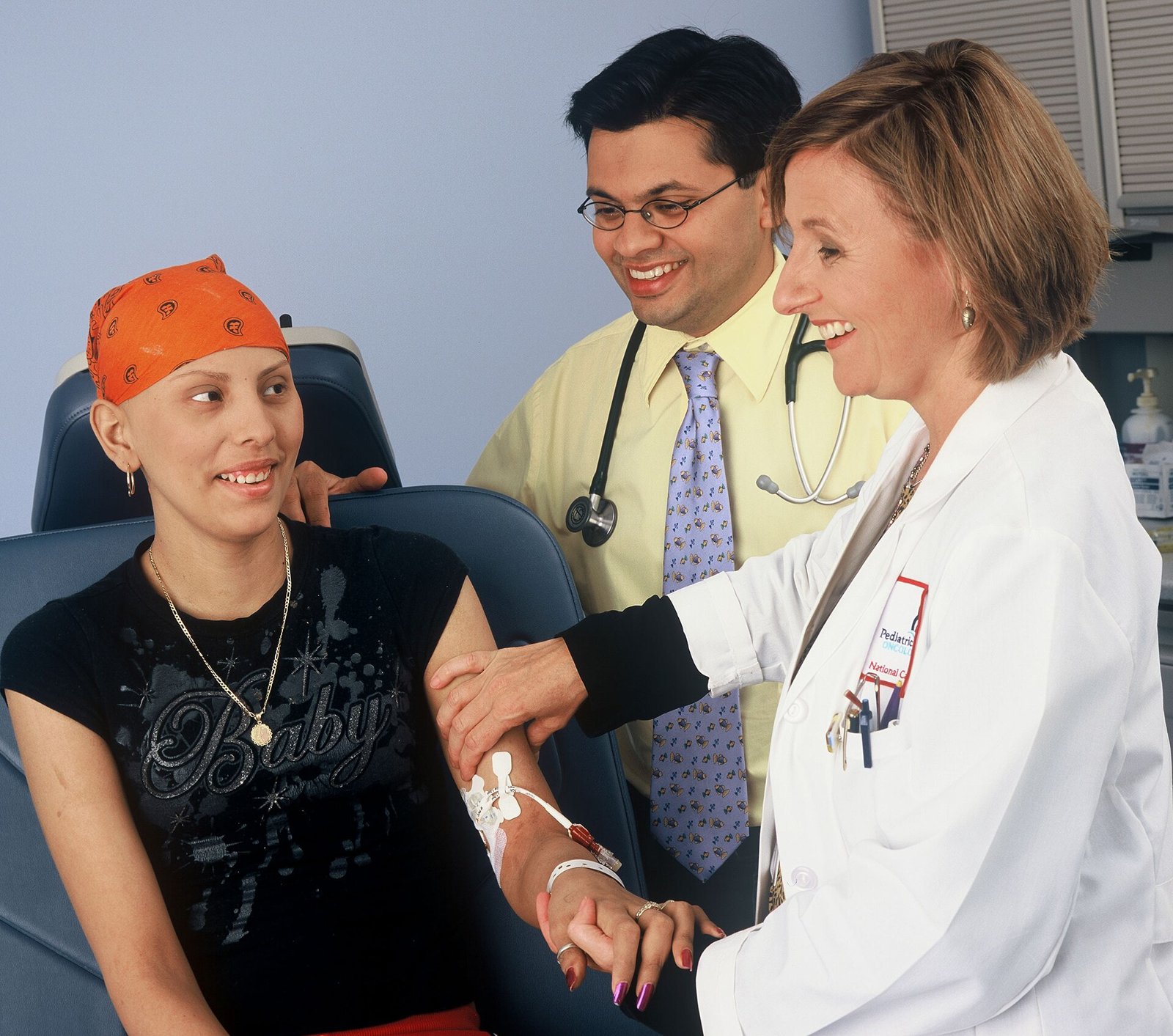
In 2015, a report from the National Academies of the United States on improving diagnosis made a series of recommendations. The first was to improve teamwork in the diagnostic process, which represents a break with the classic view of the physician as the sole person responsible for the diagnosis (Graber et al., 2017). In the new, patient-centered view, the core of the team is the patient, the physician and the nursing team. The extended team includes pathologists, radiologists, professionals from other health areas, librarians and others.

Who brings what
Each profession has access to information and ways of looking that the others do not have. The table below summarizes frequent contributions, without any claim to exhaust anyone's role:
| Professional | Information they usually have | Contribution to reasoning |
|---|---|---|
| Patient and family | Symptoms, timeline, context, values | Data that no test shows and what matters in the decision |
| Nursing | Continuous observation, subtle changes, serial vital signs | Detects worsening early and tests the hypothesis throughout the shift |
| Pharmacy | Medication list, interactions, dose adjustments | Explains symptoms through adverse effects and prevents prescribing errors |
| Physical therapy | Function, mobility, breathing pattern | Shows the real impact of the disease and the response to treatment |
| Nutrition | Intake, weight loss, nutritional status tests | Puts findings in context and helps prioritize |
| Laboratory and imaging | Result and limits of each test | Helps choose the right test and interpret it |
| Physician | Synthesis of hypotheses and diagnostic strategy | Organizes, prioritizes and takes the final decision, with the team |
The role of nursing in diagnosis
Nursing deserves emphasis because it is usually the profession most present at the patient's side. A group of authors proposed a conceptual model for the nurse's role in preventing diagnostic error, recalling that the profession already takes part in diagnosis to a great extent and pointing out cultural, educational, operational and regulatory barriers to that participation being full (Gleason et al., 2017). In an analysis of malpractice cases, physiological monitoring cases in which communication among professionals was a contributing factor were associated with a higher chance of death (Gleason et al., 2021).
The same authors argue that nursing education should explicitly address the diagnostic process, with individual and team competencies, because nurses contribute significantly to the medical diagnosis in every setting, although this role has been little recognized (Gleason et al., 2021).
What the evidence shows about teams
The classic example comes from pharmacy. In a study in a medical ICU, the presence of a pharmacist on rounds, as a full member of the team, was associated with a 66% drop in preventable adverse drug events related to prescribing, while the rate in the control unit stayed practically the same (Leape et al., 1999). The pharmacist made 366 recommendations, and 99% of them were accepted by the physicians (Leape et al., 1999). The data shows that another profession's contribution does not need to be imposed: when it is in the right place at the right time, the team takes it in.

Closed-loop communication
A simple technique that comes from emergency teams is closed-loop communication: whoever gives an instruction names the recipient, whoever receives it repeats the instruction and says when it has been carried out. In an observational study in pediatric trauma resuscitation, the use of this technique was associated with tasks completed faster (El-Shafy et al., 2018). In reasoning, the same logic applies to hypotheses: say out loud what you are thinking, ask someone to confirm or challenge it, and close the loop when new data arrives.
What the research does not yet know
The evidence on interprofessional collaboration interventions is still weak. A Cochrane review concluded that the certainty of the studies was low to very low and that there was not enough evidence for clear conclusions about the effects of these interventions in clinical practice (Reeves et al., 2017). That does not mean collaborating does not work. It means it is hard to measure, and that it is worth being wary of anyone promising big results from a single training session.
What gets in the way of team reasoning
Studies on team reasoning are still few, and most definitions and models are recent (Lee et al., 2024). Even so, the barriers described by people who work and teach in teams keep repeating: the way information is distributed and exchanged (Kiesewetter et al., 2017), the different understanding of what clinical reasoning is in each profession (Hege et al., 2023) and the difficulty of speaking up when hierarchy weighs heavy (O'Donovan and McAuliffe, 2020).
The barriers that show up most in daily practice can be summed up like this:
- Hierarchy: those lower on the ladder hesitate to challenge a hypothesis from someone above them.
- Fragmented information: each profession records in a different place, with its own terms.
- No shared time: there is no fixed moment to discuss the patient together.
- Not knowing the other's role: the physician does not know what physical therapy assesses, and vice versa.
- Collective anchoring bias: the first hypothesis from the shift handover contaminates the whole team.
- Fear of erring in public: nobody wants to be the author of the suggestion that turned out wrong.
Psychological safety
Many of these barriers come down to one question: do people feel safe to speak? Psychological safety is the perception that it is possible to raise a doubt, point out a mistake or propose a hypothesis without being humiliated or punished. An editorial on anesthesia teams showed how experienced leaders shape the norms of when and how people speak in moments of high cognitive load (Rudolph et al., 2022). A systematic review of interventions to increase psychological safety and voice in teams concluded that isolated training has limited effect on entrenched behaviors, and that longitudinal interventions, with visible support from leadership and involving several levels of the organization, are needed (O'Donovan and McAuliffe, 2020).
The link to reasoning is direct. A team in which only the physician speaks reasons with one head. A team in which everyone speaks reasons with several, and has a better chance of noticing the data that does not fit. It is the same principle as the diagnostic pause, done as a group.
How to teach and learn as a team
Interprofessional education brings together students from different courses to learn with, from and about each other. A systematic review found that students respond well to this type of teaching, that mutual attitudes and perceptions improve, and that they report gains in knowledge and collaboration skills, with more limited but growing evidence for changes in behavior, organizational practice and patient benefit (Reeves et al., 2016).
Similar results appear in studies with specific courses. In a meta-analysis with pharmacy students, interprofessional education improved attitudes toward health care teams, with a standardized mean difference of 0.41 (Ni et al., 2024). In a review with professionals and medical and nursing students, there was improvement in all outcomes assessed, but with very low certainty of evidence (Shuyi et al., 2024).

Formats that work well
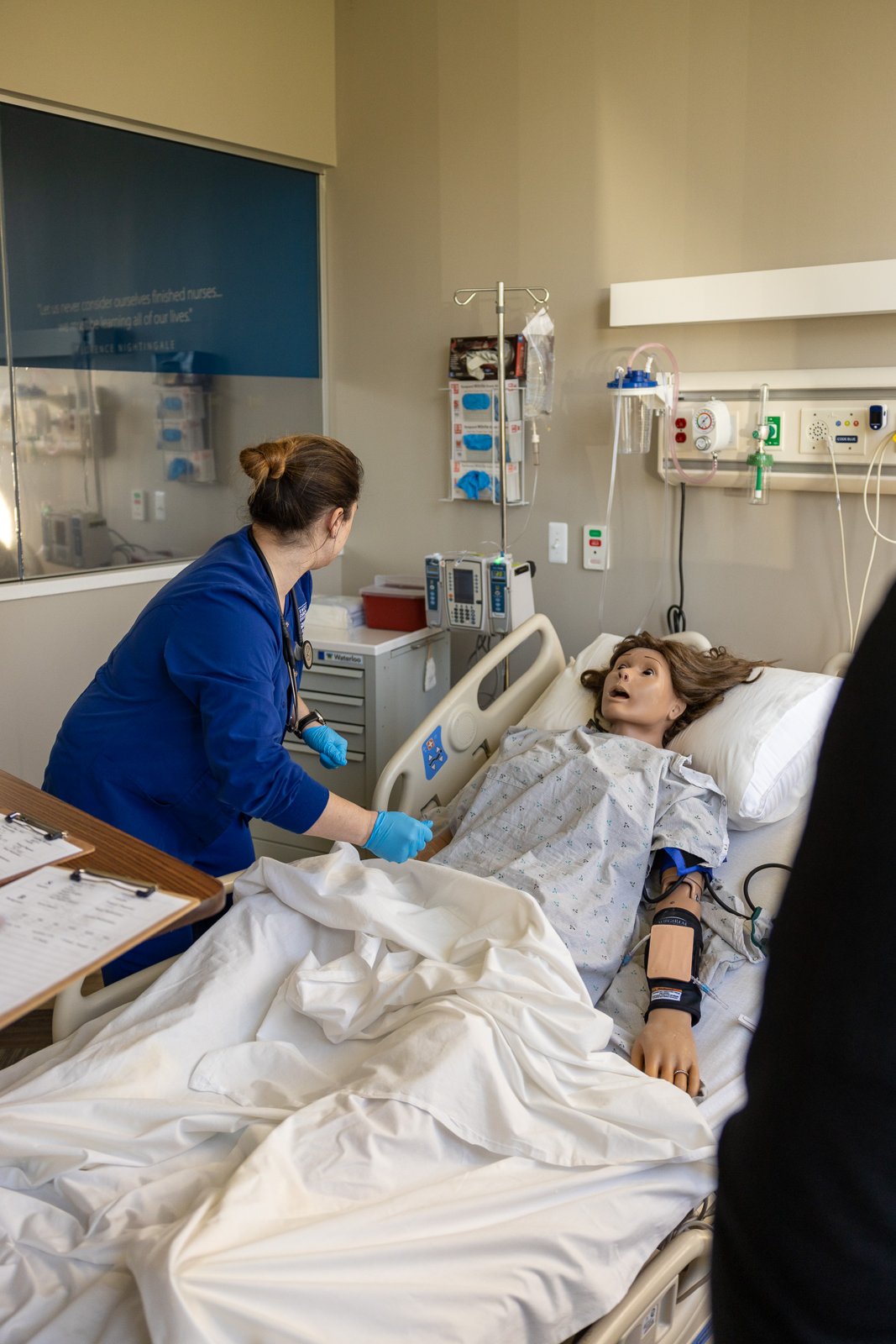
Some formats appear often in the experiences described:
- Workshops with shared cases: medical and pharmacy students work on a case together and build the differential. In one such workshop, 71% of pharmacy students said the medical students broadened the differential diagnosis, and 54% of medical students said the pharmacy students helped justify it (Lang et al., 2024).
- Ward round training: students from various professions simulate a round and discuss each patient, a format well received in a German pilot study (Nikendei et al., 2016).
- Team simulation: emergency scenarios in which each person has a role and information reaches different people.
- Virtual patients: libraries of short cases that students from different courses solve together, a cheap and safe option (Eriksen and Gögenur, 2024).
- Post-shift discussion: ten minutes to review a patient you saw on the shift, each person saying what they observed.
Simulation is the most studied format, and the post on care simulation explains how to set up a useful scenario. For reasoning, the key is that information be distributed: if everyone receives the same data, there is nothing to put together.
What to do during the internship
Even without a formal program, you can train day to day. Ask nursing what changed in the patient since the last visit, before looking at the tests. Read the physical therapy and nutrition notes. When you have a new hypothesis, say it out loud and ask someone to challenge it. Ask the pharmacist whether any symptom could be a medication effect. At handover, say what you still do not know, not only what you have already decided. These are small habits that change the quality of the conversation. The post on clinical reasoning during the internship helps organize hypotheses before bringing them to the team.
For preceptors
The preceptor sets the tone. If you ask the nurse's opinion in front of the residents, you teach that this opinion matters. If you thank someone when they point out a mistake of yours, you teach that pointing it out is safe. A practical way is to end each patient discussion with the question: did anyone see something that does not fit? The answer often comes from someone who was quiet. This care connects with the theme of clinical leadership.
The ward scene, redone as a team
It is worth returning to the scene from the beginning and imagining how it could have been. Nothing in it requires new technology or an institutional program. It requires that information reach those who need it and that someone assemble the picture with pieces from everyone.
A short conversation script
At the afternoon shift handover, the pharmacist says: the antibiotic needs adjustment because creatinine has risen. The resident records the information and asks nursing whether the patient has changed. The technician reports that he is more confused and that urine output has dropped. With these three pieces, the resident restates the hypothesis out loud: perhaps it is not just pneumonia, perhaps there is kidney injury, perhaps the confusion is a medication effect or a metabolic disturbance. He asks the team to confirm whether it makes sense, agrees to reassess the patient in an hour, and closes the loop by saying what was decided.
The whole conversation takes a few minutes. What changes is not the amount of knowledge available, which was already on the ward, but the way it circulates. It is exactly the factor that the review by Kiesewetter and colleagues highlighted: the exchange of information within the team and the way each person retrieves what the group knows (Kiesewetter et al., 2017).
Three questions that get the conversation going
Some simple questions help turn a bureaucratic shift handover into a discussion of reasoning:
- What has changed since you last saw the patient? It opens space for continuous nursing observation.
- Could any medication explain this? It invites pharmacy into the hypothesis.
- What still does not fit? It gives permission to raise the discordant data point, which often dismantles a hypothesis anchored too early.
These questions also help deal with uncertainty, because they make explicit what the team does not yet know. The post on diagnostic uncertainty brings strategies for deciding well when the picture is not yet closed.
The feedback afterward
When the outcome becomes clear, it is worth going back to the team and telling them what happened. This feedback closes the learning cycle for everyone, including the person who raised the doubt that changed the management. Without it, the nursing technician never knows that their observation was decisive, and the resident loses the chance to calibrate their own reading of the clues. The post on feedback in clinical cases shows how to give feedback that actually teaches.
Shared reasoning in NEXO
NEXO works on the part of reasoning that happens when data arrive gradually. In the case of the day, the diagnosis arrives in up to six clues, one at a time, and at each clue you decide whether you already have a hypothesis or need more information. The proximity in ICD-10 shows how far each guess was from the answer. The cases are fictional with a real clinical presentation.
This format can become a simple interprofessional exercise. In a group with medical, nursing and pharmacy students, each one reads the clue aloud and says what it changes in the hypothesis, from the point of view of their profession. The discussion usually shows how the same clue is read in different ways. The guide on what NEXO is explains the whole game, and the NEXO blog gathers other texts on clinical reasoning.
If you coordinate a medical school, a student league or a residency and want cases for team activities, get to know NEXO Closer. Researchers in medical education can propose studies through NEXO Researcher. Physicians who review cases take part through NEXO Curator, and those who create health content on social media can take part through NEXO Creators.
Frequently asked questions
What is interprofessional clinical reasoning?
It is clinical reasoning done by professionals from different areas who combine information and hypotheses to decide about the patient. The field still lacks clear definitions (Lee et al., 2024).
Why is diagnosis a team effort?
Because each professional has access to different information, and the first recommendation of a reference report was to improve teamwork in diagnosis (Graber et al., 2017).
What most gets in the way of team reasoning?
Hierarchy, fragmented information, lack of common time, not knowing the other person's role and fear of making mistakes in public. The way information circulates weighs on the result (Kiesewetter et al., 2017).
Does interprofessional education work?
It improves attitudes, knowledge and collaboration skills, with evidence still limited for behavior and patient benefit (Reeves et al., 2016).
What does pharmacy add?
In a study in the ICU, the pharmacist on rounds was associated with fewer preventable adverse events linked to prescribing (Leape et al., 1999).
How to train during undergraduate studies?
With workshops on shared cases, team simulation and virtual patients discussed by students from different courses (Lang et al., 2024).
Checklist for reasoning as a team
- Listen before deciding: ask what the team has seen since the last assessment.
- Say your hypothesis out loud: and ask someone to challenge it.
- Close the loop: confirm that the information arrived and was used.
- Ask about what does not fit: the discordant data point is often with someone else.
- Review together: after the shift, go back to a patient you saw during the shift.
Want to practice reasoning with clues that arrive little by little? Play the case of the day on NEXO.
References
- Kiesewetter J, Fischer F, Fischer MR. Collaborative clinical reasoning: a systematic review of empirical studies. J Contin Educ Health Prof. 2017. PubMed
- Lee CY, Lai HY, Lee CH, Chen MM, Yau SY. Collaborative clinical reasoning: a scoping review. PeerJ. 2024. PubMed
- Hege I, Adler M, Donath D, Durning SJ, Edelbring S, Elvén M, et al. Developing a European longitudinal and interprofessional curriculum for clinical reasoning. Diagnosis (Berl). 2023. PubMed
- Graber ML, Rusz D, Jones ML, Farm-Franks D, Jones B, Cyr Gluck J, et al. The new diagnostic team. Diagnosis (Berl). 2017. PubMed
- Gleason KT, Davidson PM, Tanner EK, Baptiste D, Rushton C, Day J, et al. Defining the critical role of nurses in diagnostic error prevention: a conceptual framework and a call to action. Diagnosis (Berl). 2017. PubMed
- Gleason KT, Jones R, Rhodes C, Greenberg P, Harkless G, Goeschel C, et al. Evidence that nurses need to participate in diagnosis: lessons from malpractice claims. J Patient Saf. 2021. PubMed
- Gleason K, Harkless G, Stanley J, Olson APJ, Graber ML. The critical need for nursing education to address the diagnostic process. Nurs Outlook. 2021. PubMed
- Leape LL, Cullen DJ, Clapp MD, Burdick E, Demonaco HJ, Erickson JI, et al. Pharmacist participation on physician rounds and adverse drug events in the intensive care unit. JAMA. 1999. PubMed
- El-Shafy IA, Delgado J, Akerman M, Bullaro F, Christopherson NAM, Prince JM. Closed-loop communication improves task completion in pediatric trauma resuscitation. J Surg Educ. 2018. PubMed
- Reeves S, Pelone F, Harrison R, Goldman J, Zwarenstein M. Interprofessional collaboration to improve professional practice and healthcare outcomes. Cochrane Database Syst Rev. 2017. PubMed
- Rudolph JW, Pian-Smith MCM, Minehart RD. Setting the stage for speaking up: psychological safety and directing care in acute care collaboration. Br J Anaesth. 2022. PubMed
- O'Donovan R, McAuliffe E. A systematic review exploring the content and outcomes of interventions to improve psychological safety, speaking up and voice behaviour. BMC Health Serv Res. 2020. PubMed
- Reeves S, Fletcher S, Barr H, Birch I, Boet S, Davies N, et al. A BEME systematic review of the effects of interprofessional education: BEME Guide No. 39. Med Teach. 2016. PubMed
- Ni J, Liu Q, Li X, Chen M. Outcomes of interprofessional education for pharmacy students: a systematic review. BMC Med Educ. 2024. PubMed
- Shuyi AT, Zikki LYT, Mei Qi A, Koh Siew Lin S. Effectiveness of interprofessional education for medical and nursing professionals and students on interprofessional educational outcomes: a systematic review. Nurse Educ Pract. 2024. PubMed
- Lang VJ, Symoniak MR, Williams SP. Interprofessional coproduction of diagnosis with medical and pharmacy students: an interactive case-based workshop. MedEdPORTAL. 2024. PubMed
- Nikendei C, Huhn D, Pittius G, Trost Y, Bugaj TJ, Koechel A, et al. Students' perceptions on an interprofessional ward round training: a qualitative pilot study. GMS J Med Educ. 2016. PubMed
- Eriksen T, Gögenur I. Interprofessional clinical reasoning education. Diagnosis (Berl). 2024. PubMed